Is There a Minimum Age for Ocean Charters in Washington?
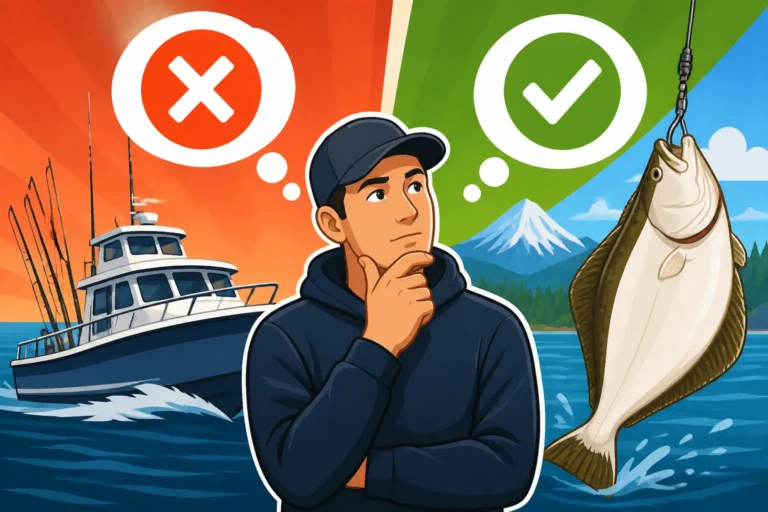
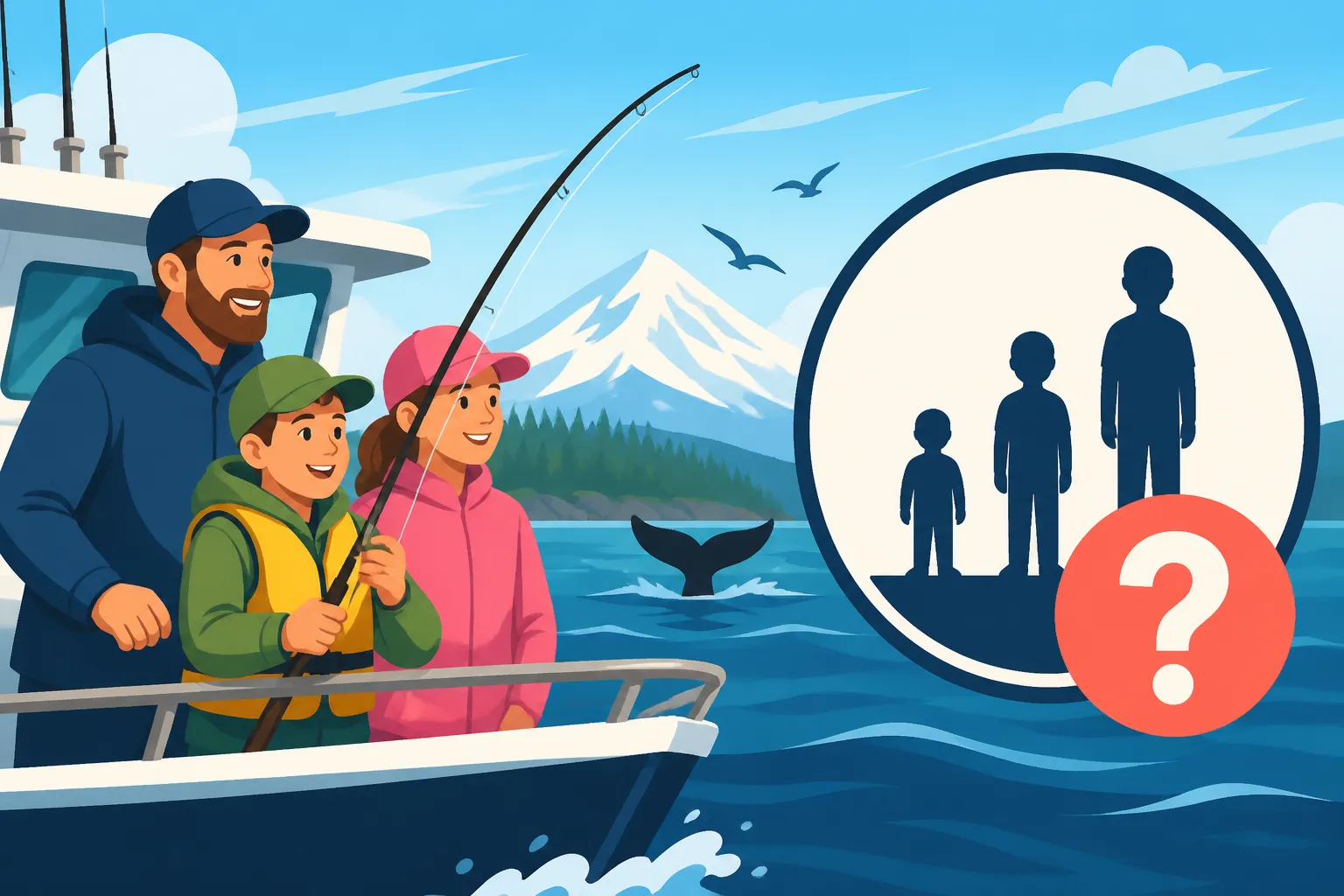
It's incredibly exciting to plan a fishing trip, especially when you want to bring the whole family along to experience the thrill of Washington's amazing waterways. However, many parents find themselves scratching their heads, wondering if their little ones are old enough to join an ocean charter. The short answer is: it's not always a straightforward "yes" or "no," and it certainly isn't a single statewide rule. This guide will walk you through the nuances of age requirements for ocean charters in Washington, helping you understand why these policies exist and how to find the perfect family-friendly adventure.
Understanding Minimum Age Requirements on Washington Ocean Charters
When you're dreaming of reeling in a big salmon or halibut off the Washington coast, it's easy to forget that a fishing charter isn't just a boat ride. These are active, working vessels taking you into potentially challenging environments. Because of this, most charter operators have their own rules regarding the minimum age of passengers, especially children. It's less about a blanket state law and more about practical safety and ensuring a good experience for everyone on board.
Why Age Minimums Exist
Charter captains and crews aren't trying to exclude families; quite the opposite! Their primary concern is the safety and well-being of every single person on their boat, and that includes your children. Ocean fishing, even on a relatively calm day, involves a unique set of challenges that might be too much for very young kids.
Imagine a typical morning heading out of Westport or Ilwaco. You might encounter choppy waters, even if the forecast seemed mild. The boat will be rocking, and there's a lot of specialized gear on deck – heavy rods, sharp hooks, gaffs, and sometimes live bait. Trips can be long, often starting before dawn and lasting for many hours. Young children might struggle with extended periods of sitting, the cold or wet conditions, potential seasickness, or simply the sheer boredom between bites. They might not have the physical strength to hold a heavy rod and reel in a fighting fish, or the attention span to follow crucial safety instructions consistently. These are all very real considerations that charter operators factor into their age policies, as they are ultimately responsible for everyone's safe return to shore.
Common Age Policies and Their Variations
Because there isn't a single, uniform state regulation for passenger age on ocean charters, you'll find a wide range of policies among different operators. Some charter boats, particularly those running shorter, calmer trips in protected waters like parts of Puget Sound, might welcome children as young as 4 or 5 years old. These trips might be specifically marketed as "family-friendly" or "kid-focused."
However, if you're looking at a full-day offshore halibut or tuna trip out of a coastal port, it's common to see minimum age requirements of 8, 10, or even 12 years old. These longer, more exposed trips demand more stamina, resilience, and patience from all passengers. Some captains might even assess a child's maturity and previous boating experience rather than relying solely on a number. They want to ensure the child can understand and follow instructions, handle the conditions, and genuinely enjoy the trip rather than being miserable or posing a safety risk. It's always best to assume there will be an age minimum and to inquire directly with any charter you're considering.
Legal vs. Operator Discretion
It's important to distinguish between what the state legally mandates and what a private business decides for its operations. When it comes to fishing, the Washington Department of Fish and Wildlife (WDFW) sets regulations around fishing licenses, catch limits, seasons, and gear. For instance, children generally don't need a fishing license until a certain age, which you can read more about in Do Kids Need a Fishing License in Washington?.
However, WDFW doesn't typically set a minimum age for passengers on a charter boat. That falls under the purview of the charter company itself. These businesses operate under commercial licenses and are regulated by entities like the U.S. Coast Guard for vessel safety, but the specifics of passenger age limits are usually determined by the captain and their insurance provider. Their policies are based on their experience, the type of vessel, the typical conditions of their fishing grounds, and what they deem safe and appropriate for their paying customers. This means that while one charter might enthusiastically welcome your 6-year-old on a bay salmon trip, another might politely decline for an offshore venture.
Factors Influencing a Charter's Age Policy
Understanding why age policies differ can help you pick the right charter for your family. Many elements contribute to a captain's decision on who can join their trip.
Type of Fishing Trip
The kind of fish you're targeting and where you're targeting them makes a huge difference.
- Inshore Salmon or Bottomfishing (e.g., Puget Sound): Trips in more protected waters, like much of Puget Sound or inside Grays Harbor, tend to be calmer and often shorter. These are often excellent options for younger children. The ride out to the fishing grounds might be less bumpy, and if a child gets antsy or seasick, the shore is usually not far off. Many Washington's Puget Sound Fishing Spots for Salmon and Bottomfish offer a relatively gentle introduction to saltwater fishing. These trips might involve trolling for Chinook Salmon: Washington's King of Fish or Coho Salmon Fishing in Washington, which can be exciting without being overly strenuous.
- Offshore Halibut or Tuna (e.g., Westport, Ilwaco): These are serious offshore adventures. A Halibut Fishing Techniques for the Washington Coast trip out of ports like Westport often involves a long run (sometimes hours) across the open ocean, where swells can be significant. The fishing itself can be physically demanding, requiring heavy gear and the strength to battle a large, powerful fish from deep water. Fishing Westport and the Washington Coast for these species means rougher conditions, longer days, and a greater chance of seasickness, making them less suitable for very young or sensitive children. The same goes for high-speed Albacore Tuna Off the Washington Coast trips which can involve many hours far from land.
Vessel Size and Comfort
The boat itself plays a role. Think about the difference between a smaller, fast six-pack boat and a larger "head boat" or "party boat."
- Smaller Vessels (Six-Pack Charters): These boats typically carry 6 passengers or fewer. While they offer a more personalized experience, they can also feel the motion of the ocean more acutely. There might be less enclosed space for kids to retreat if they get cold, wet, or tired. The deck space might be more confined, making it harder for a child to move around safely.
- Larger Party Boats: Some operations, especially out of bigger ports, run larger vessels that can accommodate many more passengers. These boats are generally more stable in the water and often have more amenities like enclosed cabins, restrooms, and sometimes even galleys. The increased stability and comfort can make a big difference for children, allowing them to rest or warm up if needed. However, even on these larger boats, the captain's age policy still stands, often due to the nature of the fishing itself.
Safety and Insurance Considerations
At the end of the day, a charter captain is responsible for everyone's safety. This isn't just a moral obligation; it's a legal and insurance one. If a child becomes ill or injured far offshore, it can create a serious emergency situation that puts everyone at risk and can delay the trip for other paying customers.
Charter insurance policies often have specific clauses or recommendations regarding minors. The captain might also have a strict policy about children remaining seated or wearing a personal flotation device (PFD) at all times, especially if they are below a certain weight or age. While PFDs are provided, ensuring a young child keeps it on and properly fitted for hours can be a challenge. These factors contribute to an operator's cautious approach when it comes to very young passengers on certain types of trips.
Preparing Kids for an Ocean Charter Trip
So, you've found a charter that welcomes kids, or your child meets the age minimum. That's fantastic! But the next step is crucial: preparing them for the actual experience. A well-prepared child is a happy child, and a happy child means a happy parent and captain.
Assessing Your Child's Readiness
Before you even book, take a realistic look at your child. The "minimum age" is just a guideline; your child's individual maturity, temperament, and physical resilience are far more important.
- Maturity and Attention Span: Can your child sit still for extended periods? Are they generally patient? Fishing often involves a lot of waiting, and younger kids can quickly get bored. Bringing along non-fishing entertainment (books, small toys, drawing pads) for downtime is a smart move.
- Motion Sickness: This is a big one. If your child gets carsick on winding roads or feels queasy on amusement park rides, an ocean charter might be a real challenge. Talk to your pediatrician about motion sickness remedies like Dramamine or patches well in advance of the trip. It's far better to be proactive than to have a miserable child (and a miserable parent!) for hours offshore.
- Interest in Fishing: Does your child genuinely want to go fishing, or are they just tagging along because you do? If their interest isn't high, the novelty might wear off quickly, leading to boredom and complaints. Start with shorter, simpler fishing experiences from a pier or a lake to gauge their enthusiasm.
Essential Gear for Young Anglers
The right gear isn't just for comfort; it's for safety. Washington weather, especially on the coast, can change in an instant.
- Layers, Layers, Layers: The air offshore can be significantly colder than on land, even in summer. Start with a moisture-wicking base layer, add a warm fleece or wool mid-layer, and top it with a waterproof and windproof outer shell. A warm hat and gloves are often indispensable, even if the sun is shining.
- Footwear: Closed-toe, waterproof shoes with good grip are essential. The deck of a fishing boat can be wet and slippery.
- Personal Flotation Devices (PFDs): While the charter will have PFDs, it's a good idea to bring one your child is comfortable wearing, especially if they are very young. In Washington, children 12 years and younger must wear a PFD when on vessels 19 feet or less, or when on vessels 26 feet or less if they are in an open area. Even if not legally required on a larger charter, it's a smart safety measure, and many captains will insist on it for young kids.
- Snacks and Drinks: Bring plenty! Kids burn a lot of energy, even when sitting. Easy-to-eat, non-messy snacks and water are key. Avoid overly sugary drinks that can lead to energy crashes.
- Sun Protection: Even on cloudy days, the sun's reflection off the water can cause severe sunburn. Sunscreen, sunglasses, and a wide-brimmed hat are non-negotiable.
- Medication: If your child takes any prescription medication, ensure you have it readily accessible. And, as mentioned, motion sickness remedies.
For a more comprehensive list of what to pack, check out What to Bring on a Washington Fishing Charter.
Discussing Expectations Beforehand
Having an honest conversation with your child before the trip can set the stage for a positive experience.
- Realistic Outcomes: Explain that fishing isn't like a video game where you catch a fish every minute. There will be downtime, and sometimes, the fish just aren't biting. Emphasize the experience of being on the water, seeing wildlife, and spending time together.
- Safety Rules: Go over boat safety rules: always listen to the captain and crew, stay seated unless told otherwise, hold onto railings, and keep hands away from moving parts or sharp objects. Reinforce the importance of keeping quiet when fishing is active, so as not to spook the fish or disturb other anglers.
- The Journey: Talk about the boat ride, the potential for waves, and what to do if they start to feel sick. Reassure them that it's okay to feel unwell and that the crew is there to help. Setting these expectations upfront can prevent meltdowns and anxiety when challenges arise.
How to Find Family-Friendly Charters in Washington
Finding the right charter for your family requires a little homework. Don't just book the first boat you see; invest some time to ensure it's a good fit for your specific needs.
Asking Direct Questions When Booking
This is paramount. When you call or email a charter operator, be upfront about wanting to bring children. Don't just assume their published age minimum is flexible or that all trips are suitable.
Here are some questions to ask:
- "What is your specific minimum age requirement for this type of trip?"
- "Have you had children [of my child's age] on board before for this trip? How did they typically fare?"
- "What amenities do you have for children (e.g., enclosed cabin, marine head/restroom)?"
- "What are the typical sea conditions for this trip?"
- "Is there a dedicated crew member who can assist younger anglers?"
- "Are PFDs provided for children, and what sizes do you have?"
- "Are there any specific rules for children I should be aware of?"
Being transparent allows the captain to give you honest advice and ensures there are no surprises on the day of the trip. If you sense hesitation or unenthusiasm about having kids on board, it might be a sign to look elsewhere.
Researching Reviews and Specializations
The internet is your friend here! Look for charters that explicitly advertise themselves as "family-friendly" or "kid-friendly." These operators often cater specifically to families and have put thought into making the experience enjoyable for all ages.
- Online Booking Platforms: Websites like FishingBooker are great resources. You can often filter by "family-friendly" options and read reviews from other parents who have taken their kids on charters. Pay attention to comments about how the crew interacted with children, the overall comfort of the boat, and whether the trip was perceived as suitable for younger anglers.
- Charter Websites and Social Media: Many charters will showcase photos of kids on their trips if they welcome them. Look for signs that they understand and cater to a family demographic.
- Referrals: Ask other parents who fish for recommendations! Word-of-mouth is often the best way to find a genuinely good, kid-friendly guide. You might find a local guide who specializes in Family-Friendly Fishing Charters in Washington.
Considering Inshore vs. Offshore Options
If this is your child's first ocean fishing experience, or if they are on the younger side of the age recommendations, consider starting with a less intense option.
- Shorter, Calmer Trips: Look for half-day trips or charters operating in protected bays and sounds. For example, a Half-Day vs Full-Day Salmon Charters in a calm marine area might be a perfect introduction. These trips are often less expensive and provide a good gauge of your child's interest and tolerance for boating without committing to a full, potentially strenuous day offshore.
- Crabbing or Shellfishing: Some areas offer crabbing or shrimping charters in calmer waters. While not "fishing" in the traditional sense, these trips can be incredibly engaging for kids, as they get to participate in setting and pulling pots, and seeing what creatures come up. This can build excitement for future fishing adventures.
- Lakes and Rivers: If ocean charters seem too daunting, remember Washington has incredible freshwater fishing opportunities. A day on a lake targeting trout or bass, or a river trip for panfish, can be a fantastic way to introduce kids to angling in a more controlled, comfortable environment.
By thoughtfully researching and communicating, you can absolutely find an incredible ocean charter experience in Washington that the whole family will cherish, regardless of whether your little ones are just dipping their toes into the fishing world or are seasoned junior anglers.
| Trip Type | Typical Minimum Age | Sea Conditions | Duration | Gear Demands | Focus for Kids |
|---|---|---|---|---|---|
| Puget Sound Salmon | 4-6+ years | Generally calmer | 4-6 hours (half-day) | Medium | Catching fish, scenic views |
| Coastal Bottomfish | 6-8+ years | Can be choppy | 6-8 hours | Medium-Heavy | Steady action, different species |
| Coastal Halibut | 8-10+ years | Open ocean (rough) | 8-12+ hours (full-day) | Heavy, physically demanding | Trophy fish, deep-sea experience |
| Albacore Tuna | 10-12+ years | Far offshore (rough) | 10-14+ hours (full-day) | Heavy, fast-paced | High-speed action, endurance |
Disclaimer
This article is for general informational purposes only and does not constitute professional advice. Laws, prices and regulations vary by location and change over time. Consult a qualified professional for guidance on your specific situation.