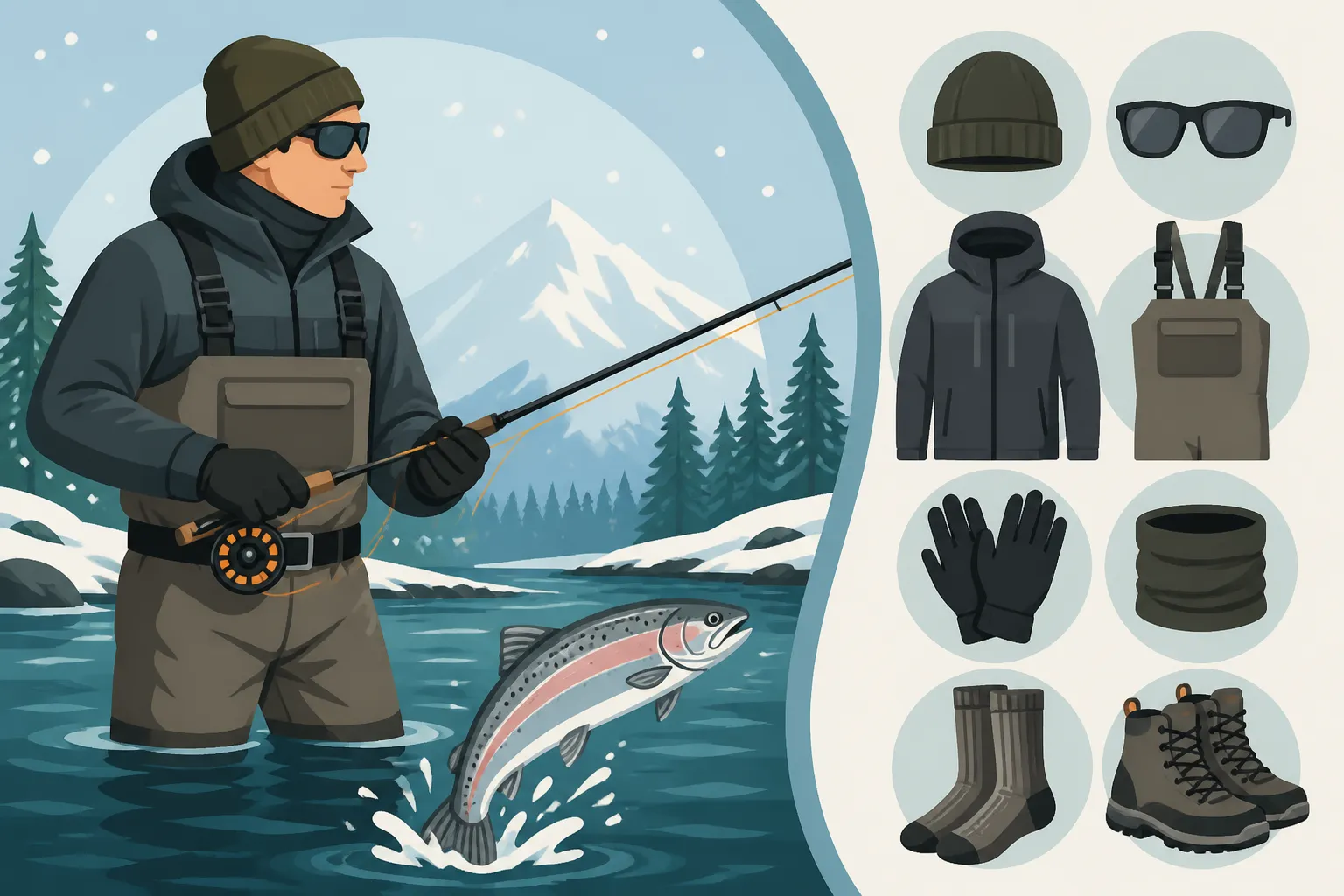
Dress Code for a Winter Steelhead Trip
There's nothing quite like the crisp air and the promise of a chrome bright steelhead on a Washington winter river, but let's be real – if you're not dressed right, that dream trip can turn into a miserable, hypothermic nightmare faster than you can say "fish on!" Battling the elements is half the fight when winter steelheading, and this guide is here to ensure you stay warm, dry, and focused on the fish, not the shivers.
The Core Principle: Layering for Washington Winter Steelhead
You wouldn't head out onto a Washington winter river with just a t-shirt and jeans, right? But it's not just about piling on clothes, it's about strategic layering. Think of your clothing as a system designed to manage moisture, trap warmth, and repel external threats like rain, snow, and wind. The Pacific Northwest winter can be notoriously fickle, with conditions shifting from chilly drizzle to outright downpours, then back to bright but biting cold, all within a single morning. A well-executed layering system allows you to adapt to these rapid changes, adding or shedding layers as needed to maintain a comfortable body temperature. This flexibility is key to enjoying those long hours on the water, whether you're drift fishing a classic run or casting flies on a remote Olympic Peninsula stream.
Understanding the "Base Layer" Your First Line of Defense
The base layer is arguably the most critical component of your winter steelheading attire, yet it's often the most overlooked. This is the layer that sits directly against your skin, and its primary job is to manage moisture. When you're hiking along a riverbank, casting repeatedly, or even just fighting a fish, your body generates heat and sweats. If that sweat stays on your skin, it cools rapidly, drawing warmth away from your body and making you feel cold, even if you have heavy layers on top. This is the fast track to misery on a cold day.
The golden rule for base layers: absolutely, positively avoid cotton. Cotton absorbs moisture like a sponge and holds onto it, effectively turning your base layer into a cold, wet rag. Instead, reach for materials designed to wick moisture away from your skin. Merino wool is a fantastic natural option; it’s warm, breathable, naturally antimicrobial (meaning it resists odor), and continues to insulate even when damp. Synthetic fabrics like polyester or polypropylene are also excellent choices, offering superb wicking properties and quick drying times. Look for medium-weight options for typical Washington winter conditions, opting for heavier weights if you're particularly susceptible to cold or anticipate extremely low temperatures. Wearing a high-quality base layer is the first step in ensuring you stay comfortable throughout your fishing adventure.
The Mid-Layer's Role: Insulation and Heat Retention
Once your base layer is efficiently wicking moisture, your mid-layer steps in to provide the critical insulation needed to trap your body heat. This is where the bulk of your warmth comes from. Think of it as your personal furnace. Without a good mid-layer, that precious body heat will dissipate into the cold air, no matter how good your base layer is at keeping you dry.
Materials like fleece (polyester microfleece or heavier polar fleece), synthetic puff jackets (filled with synthetic insulation like PrimaLoft or similar), or even lightweight down jackets are excellent choices for a mid-layer. Each has its pros and cons: fleece is durable, relatively inexpensive, and insulates well when damp; synthetic puff jackets offer a great warmth-to-weight ratio and perform well in wet conditions; down is incredibly warm and light but loses much of its insulating power when it gets wet. For winter steelheading in Washington, where rain is often a factor, many anglers lean towards synthetic insulation for reliability. When choosing your mid-layer, consider its thickness and how well it fits over your base layer without being too bulky or restrictive, especially if you're planning to be active, perhaps on a guided trip. Mobility is key when casting and maneuvering on uneven riverbanks. If you’re uncertain about river conditions, checking resources like What to Check Before Every Washington Fishing Trip can help you decide on the best mid-layer thickness for the forecast.
The Outer Shell: Your Shield Against the Elements
The outer shell is your ultimate defense against the relentless rain, wind, and even snow that Washington winters can dish out. This layer needs to be unequivocally waterproof and windproof, but crucially, it also needs to be breathable. If it's not breathable, the moisture that your base layer diligently wicked away will get trapped inside your shell, making you wet from the inside out. This negates the entire purpose of your carefully constructed layering system.
High-quality outer shells feature waterproof-breathable membranes like Gore-Tex, eVent, or various proprietary technologies offered by outdoor brands. Look for jackets and pants (often in the form of chest waders) with fully taped or sealed seams, which prevent water from seeping through stitching. A good hood design is also essential, allowing for full head coverage without obstructing your vision. Your wading jacket should be long enough to overlap your waders, preventing water from splashing up underneath, and have waterproof cuffs that can be cinched tight. When it comes to waders, neoprene offers more warmth but less breathability than modern breathable waders, which often require more layering underneath. If you're going to be active, breathable waders are often preferred. Remember, even the best gear needs to be maintained, so consider regularly reapplying a Durable Water Repellent (DWR) coating to your shell to ensure it continues to shed water effectively. Ensuring your outer shell is up to snuff can make all the difference between a memorable day and a miserable one when Rain Gear You Need for Winter Steelheading is on your mind.
Essential Gear Beyond Clothing: Head, Hands, and Feet
While your core layering system is paramount, don't underestimate the importance of protecting your extremities. Your head, hands, and feet are prime areas for heat loss, and cold, numb digits or frozen ears can quickly diminish your focus and enjoyment, regardless of how warm your torso feels. These are often the first parts of your body to suffer, making them critical points of attention for a comfortable winter steelhead outing.
Keeping Your Head Warm and Dry
Your head is a major radiator of body heat. A significant amount of your body's warmth can escape through an unprotected head, which is why a good hat is non-negotiable for winter steelheading. A warm beanie made of wool or fleece is perfect for trapping heat. On days with rain or snow, consider a waterproof brimmed hat worn over your beanie, or a wading jacket with an excellent hood that cinches down securely. The brim will help keep rain out of your eyes, improving visibility.
Don't forget a neck gaiter or bandana. This often-overlooked item can make a huge difference, sealing off the gap between your jacket collar and your hat, preventing cold drafts from creeping in, and protecting your neck and lower face from biting winds. Not only does it add warmth, but it can also be pulled up over your nose and mouth on particularly frigid mornings. Proper headwear contributes significantly to overall comfort and safety, allowing you to concentrate on the river and the fish, whether you're trying Drift Fishing for Steelhead in Washington Rivers or exploring new water.
Protecting Your Hands: Gloves That Perform
Cold, numb hands are the enemy of dexterity, making knot tying, reel handling, and even feeling subtle bites incredibly difficult. The challenge with gloves is finding a balance between warmth, waterproofing, and maintaining enough feel to fish effectively. It's often a trial-and-error process, and many seasoned anglers carry multiple pairs.
Neoprene gloves offer excellent warmth and some water resistance, but can sometimes feel bulky. Wool or fleece gloves provide warmth but quickly become saturated in rain. The ideal solution often involves a layered approach or specialized fishing gloves. Many anglers prefer fingerless gloves or convertible mittens/gloves for maximum dexterity when actively fishing, combined with larger, fully waterproof over-mitts or heavy waterproof gloves for travel between spots or when the hands aren't actively engaged. Having a dry pair of backup gloves in your pack is always a smart move. There's nothing worse than wet, frozen hands, and if you plan to extend your trip by booking through a service like FishingBooker, you might even ask your guide for recommendations on specific gloves suited for the conditions they typically encounter. After all, ensuring you know How to Keep Your Hands Warm Ice Fishing (even if it's river fishing) is paramount.
The Foundation: Warm, Dry Feet in Waders
Your feet are constantly in or near cold water, making them highly susceptible to chilling. Keeping them warm and dry is absolutely crucial. This starts with the right socks. Again, cotton is out. Opt for thick, well-cushioned merino wool or synthetic blend socks designed for hiking or cold weather. Some anglers even double up, wearing a thin wicking liner sock under a heavier wool sock.
The next line of defense is your waders. While breathable waders are fantastic for comfort and mobility, they offer less inherent insulation than neoprene. This means you'll need to layer more strategically underneath them. Ensure your waders are the correct size, providing enough room for layers without being so tight that they restrict circulation – a common mistake that leads to cold feet. Finally, your wading boots should fit comfortably over your wader booties and allow for good blood flow. Pack extra pairs of socks in a dry bag so you can change into fresh, dry ones if your feet get damp or you just need a refresh during a long day on the water. Properly dressed feet ensure you stay focused on the fishing, perhaps even when considering a trip with a guide from FishingBooker to target Wild Steelhead vs Hatchery Steelhead in Washington.
Practical Considerations and Contingencies for Your Winter Trip
Fishing in Washington's winter can be an incredible experience, but it also demands respect for the unpredictable nature of the weather. Even the best-laid plans can be thwarted by a sudden squall or an unexpected drop in temperature. Being prepared for these eventualities isn't just about comfort; it's about safety. Thinking through contingencies will ensure your focus remains on the joy of the catch, not on surviving the elements.
What to Pack for Changing Washington Weather
Washington's weather, especially in the winter, is famously unpredictable. A forecast for "partly cloudy" can quickly turn into an all-day deluge, particularly in river valleys or along the coast. This is why having extra gear is not a luxury, it's a necessity. Always pack an extra set of dry base layers, socks, and maybe even a spare mid-layer. If you get soaked, having dry clothes to change into can prevent hypothermia and make the rest of your day tolerable, if not enjoyable.
Consider bringing a small dry bag to keep these spare items, as well as your electronics, wallet, and Carrying Your Washington Fishing License: Paper, Phone or the MyWDFW App, safe and dry. A thermos of hot coffee, tea, or soup can be a game-changer on a cold day, providing a much-needed internal warm-up. Hand warmers and toe warmers are also small, inexpensive items that can provide significant comfort when the chill really sets in. When preparing for your trip, take a moment to look at detailed river forecasts, not just general city weather, and always assume conditions could be worse than predicted.
Post-Trip Comfort and Care
The moment you step off the river, especially after a long, cold day, the priority should be to get out of any wet or damp clothing immediately. Even if your outer shell kept you mostly dry, some moisture inevitably creeps in, and your body temperature will start to drop rapidly once you're no longer active. Having a warm, dry change of clothes readily available in your vehicle is paramount. A simple towel to dry off is also invaluable.
Once you're home, proper care for your fishing gear is essential. Hang your waders and wading boots upside down to dry completely to prevent mold, mildew, and unpleasant odors. Your waterproof jacket and pants should also be hung to air dry. If you notice water starting to "wet out" on your waterproof shell (meaning it's soaking in rather than beading up), it's probably time to clean it and reapply a DWR treatment to restore its water-repellency. Taking care of your gear ensures it lasts longer and performs optimally on your next adventure. Many anglers look to resources like FishingBooker not just for guides, but also for tips from experienced captains on gear maintenance.
Checking the Forecast – But Always Being Prepared
While it's always wise to check the weather forecast before heading out, especially from reliable sources like the National Weather Service or local river gauges, remember that these are just predictions. Microclimates exist along river systems, and conditions can change rapidly and unexpectedly. A sunny forecast can turn to drizzle, and temperatures can plummet without warning, particularly in river canyons or coastal areas.
Therefore, the best approach is to dress for the conditions you expect but pack for the worst-case scenario. This means always having those extra layers, that hot beverage, and the knowledge that you have contingency plans. Being over-prepared is far better than being caught off guard and miserable. Understanding Emergency Rule Changes: Why Washington's Rules Shift Mid-Season is one thing, but being physically prepared for any shift in weather is another level of readiness that every angler should strive for.
Here’s a quick guide to dressing for success on your next winter steelhead trip:
| Layer Type | Purpose | Recommended Materials | Avoid Materials | Key Features to Look For |
|---|---|---|---|---|
| Base Layer | Wicks moisture, light insulation | Merino Wool, Synthetic (polyester, polypropylene) | Cotton | Snug fit, flat seams, varied weights for different temps |
| Mid-Layer | Insulates, traps body heat | Fleece, Synthetic Down (PrimaLoft), Wool Sweaters | Cotton | Good warmth-to-weight, allows mobility, easily added/removed |
| Outer Shell | Waterproof, windproof barrier | Gore-Tex, eVent, proprietary waterproof-breathable membranes | Non-waterproof fabrics | Fully taped seams, adjustable hood, waterproof cuffs, DWR coating |
| Headwear | Retains heat, protects from elements | Wool Beanie, Fleece Hat, Waterproof Brimmed Hat | Cotton | Covers ears, fits under hood, neck gaiter for added protection |
| Handwear | Warmth, dexterity | Neoprene, Wool, Synthetic/Waterproof Gloves/Mitts | Cotton | Multiple pairs, fingerless options, waterproof outer layer |
| Footwear | Warmth, dryness inside waders | Thick Merino Wool Socks, Synthetic Wading Socks | Cotton | Cushioned, calf-length, non-binding fit, extra pairs for changes |
Ultimately, dressing for a winter steelhead trip in Washington isn't just about throwing on warm clothes; it's about building a system that allows you to be comfortable, adaptable, and safe in challenging conditions. By focusing on layering, choosing the right materials, and preparing for the unexpected, you'll be well on your way to enjoying those unforgettable moments on the river, no matter what Mother Nature throws your way.
Disclaimer
This article is for general informational purposes only and does not constitute professional advice. Laws, prices and regulations vary by location and change over time. Consult a qualified professional for guidance on your specific situation.