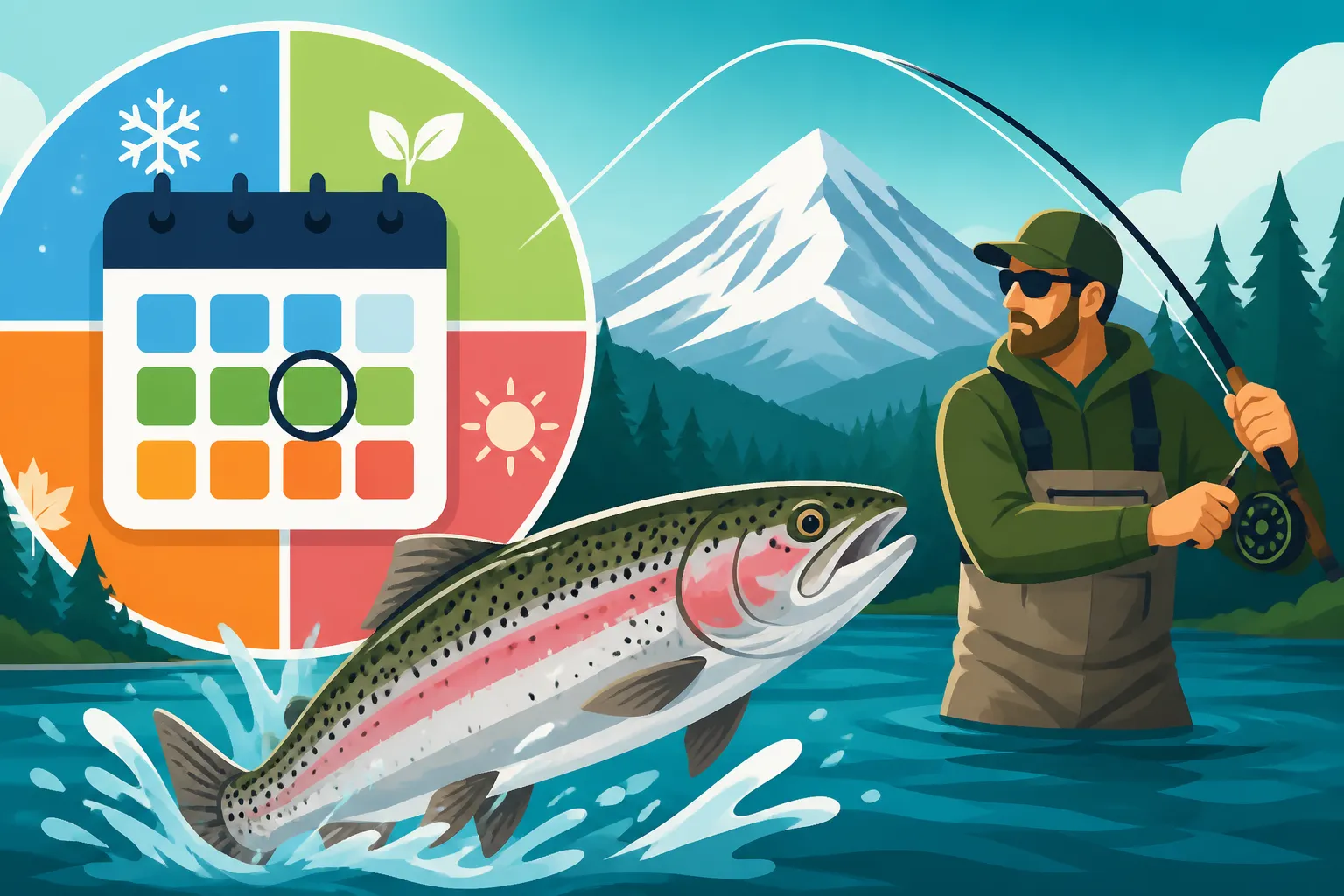
Best Month to Book a Steelhead Guide
Trying to pin down the absolute "best month" to book a steelhead guide in Washington can feel like chasing a ghost in a fog-laden river. The reality is, Washington's steelhead fisheries are incredibly dynamic, with runs shifting, river conditions changing on a dime, and the best guides often booked solid far in advance. This guide will walk you through the nuances of planning your steelhead adventure, helping you understand when to secure your spot for an unforgettable trip, whether you're dreaming of a frosty winter morning or a crisp summer day on the water.
Understanding Washington's Steelhead Seasons
Before you even think about picking up the phone to call a guide, you've got to understand the two main acts of Washington's steelhead show: winter and summer runs. Each has its own rhythm, its own allure, and crucially, its own prime booking window. Don't fall into the trap of thinking "steelhead is steelhead" – the experience, the tactics, and the fish themselves are distinctly different.
Winter Steelhead Runs and Their Timing
Winter steelhead are often the stuff of legends here in Washington. These powerful, chrome-bright fish push into our rivers from late fall through early spring, typically from November well into April, sometimes even May in certain systems. Think cold, often wet, days on renowned rivers like the Cowlitz, Kalama, or the rivers of the Olympic Peninsula. When you're talking about The Best Steelhead Rivers in Washington, many anglers immediately picture the winter run. The peak of the winter run can vary wildly from river to river and year to year, but generally, late December through March sees the most consistent action. These are typically larger fish, eager to make their way upstream to spawn.
The timing of these runs is heavily influenced by rainfall and water levels. A good freshet (a sudden rush of fresh water) can bring a surge of new fish into the rivers, creating incredible fishing opportunities. However, too much rain can blow out rivers entirely, making them unfishable. This inherent unpredictability adds to the challenge and the mystique of winter steelheading. Guides who specialize in winter runs are masters at reading water conditions and knowing which river will be "in shape" on any given day, sometimes adjusting plans last-minute based on current forecasts and river gauges.
When planning for a winter steelhead trip, you're looking for those sweet spots when the fish are abundant, and the river is at a good fishable level. This might mean hitting the early part of the run for aggressive, fresh fish, or waiting for the mid-season push when sheer numbers are higher. Guides often have a loyal following for these prime windows, and those coveted dates disappear quickly.
Summer Steelhead Runs and Their Timing
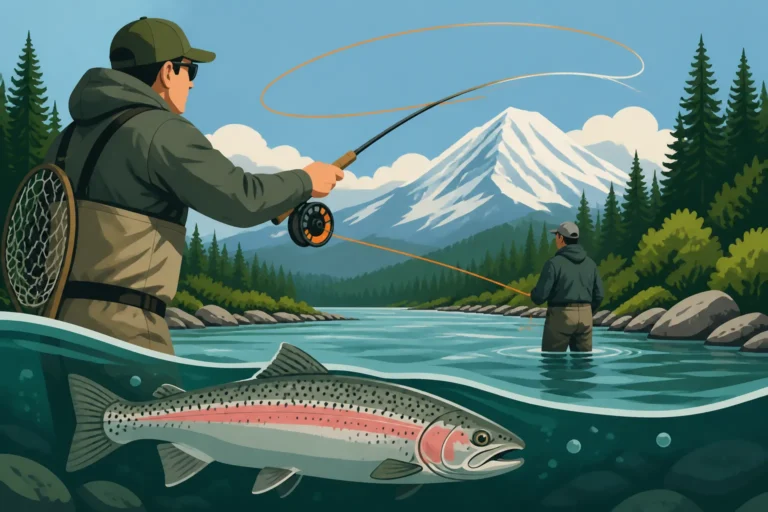
On the flip side, we have the summer steelhead, a completely different beast often pursued in warmer, clearer waters from late spring through early fall. These fish, sometimes called "summers," tend to be smaller but are incredibly acrobatic and feisty fighters. They enter rivers earlier in the year and hold in deeper pools and faster runs for months before spawning. Rivers like the Skykomish, Skagit, and even parts of the Columbia River tributaries see strong summer steelhead returns.
The summer season typically kicks off in May or June and can extend through September or even October in some areas. The fishing tactics are often lighter and more finessed than in winter, involving fly fishing, small lures, or delicate presentations. Think long, sunny days, wading wet, and enjoying the beautiful Washington scenery. The clearer water conditions mean these fish can be more challenging to hook, but their explosive runs and aerial displays make them a favorite among many anglers.
Just like with winter steelhead, the specific timing of peak summer runs varies. Early season often finds fish moving quickly through the lower river, while mid-summer sees them settling into their holding lies upstream. Later in the summer, as water temperatures might rise, these fish can become lethargic, making the morning and evening bites crucial. Guides specializing in summer steelhead often have specific sections of rivers they frequent, knowing exactly where these fish prefer to hold during different parts of the season.
The Interplay of Wild vs. Hatchery Steelhead
A critical aspect to understand, and one that significantly impacts fishing regulations and guide availability, is the distinction between wild and hatchery steelhead. Washington state has a strong conservation ethic, and many of our rivers have strict rules to protect wild steelhead populations. You might be interested in knowing more about Wild Steelhead vs Hatchery Steelhead in Washington. Hatchery fish, identified by a clipped adipose fin, are often the primary target in many fisheries, while wild steelhead frequently have catch-and-release rules or are completely off-limits.
This distinction means that guides operate under varying sets of rules depending on the river and the season. Some rivers might be open only for hatchery retention, while others are entirely catch-and-release for all steelhead. This can affect angler demand, as some prefer the option to keep fish. Furthermore, certain rivers might have segments designated as "wild steelhead gene banks," where even the slightest impact from fishing is carefully managed. Guides are acutely aware of these regulations and plan their trips accordingly, which can impact where and when they are available to take clients. It's always a good idea to consult the current Washington Fishing Regulations Every Angler Should Know before planning your trip.
Factors Influencing Booking Windows
So, you've got a handle on the seasons. Now, let's talk about why you can't just call up a guide the week before you want to go fishing and expect them to have a spot open. There are several key factors that push those booking windows earlier and earlier.
Guide Popularity and Availability
The best steelhead guides in Washington are incredibly popular, and for good reason. They've spent years, sometimes decades, honing their craft, learning the rivers like the back of their hand, and developing a sixth sense for where the fish will be. A guide who consistently puts clients on fish, offers a safe and enjoyable experience, and understands the nuances of local regulations will naturally be in high demand. These seasoned professionals often have a client base that re-books dates a year in advance, sometimes even before the current season is over.
Think of it like booking a popular restaurant on Valentine's Day or New Year's Eve – if you wait until the last minute, you're probably out of luck, or at best, relegated to an undesirable time slot. The same applies to fishing guides, especially for prime weekend dates during peak runs. If you have a specific guide in mind, or if you're targeting a highly sought-after time like the opening week of a particular fishery, you need to be proactive. A simple call to inquire about availability can quickly reveal just how far out you need to plan.
Newer guides or those still building their reputation might have more flexibility, but there's a reason the veterans are so busy. Their expertise is invaluable, particularly when chasing a challenging species like steelhead. Don't be afraid to ask about a guide's experience, their typical approach, and what kind of trips they specialize in. Platforms like FishingBooker can offer a glimpse into guide availability and client reviews, helping you make an informed choice.
River Conditions and Weather Variability
Washington's weather is famously unpredictable, and river conditions are directly tied to it. A perfect fishing day might follow weeks of high, unfishable water, or a promising run could be dampened by a sudden cold snap. This variability means that while you can plan generally, the specific "best" day can only be known closer to the actual trip. This creates a fascinating push-pull in booking strategy.
On one hand, booking early ensures you get a spot with your preferred guide. On the other, you're gambling on the weather and river conditions being favorable on that distant date. Reputable guides understand this and often have flexible rescheduling policies for unsafe or unfishable conditions, but it's crucial to clarify these policies when you book. Knowing What Happens If Weather Cancels a Washington Charter is vital. Trying to book last-minute in hopes of perfect conditions is a risky game; while you might hit a magical window, you're more likely to find all the good guides already out on the water.
This is where a guide's local knowledge shines. They're constantly monitoring forecasts, snowpack levels, and river gauges. They know which rivers clear faster after a rain, which ones blow out easily, and where the fish might be holding in different flows. Booking with an experienced guide isn't just about getting on a boat; it's about leveraging their expertise to navigate these ever-changing conditions.
Planning Around Holidays and Peak Demand
Just like any other popular activity, steelhead fishing sees surges in demand around holidays, long weekends, and school breaks. Anglers from across the region, and even out-of-state, will target these windows for their fishing vacations. Spring break, Memorial Day, Fourth of July, Labor Day, and the period between Christmas and New Year's Day can be incredibly popular for both winter and summer steelhead fisheries.
If your schedule dictates that you can only fish during these high-demand periods, you absolutely need to book further in advance. These dates are typically the first to fill up on a guide's calendar. Local anglers might also use their vacation time during these periods, intensifying the competition for prime dates. It's not uncommon for guides to have their holiday schedules locked in six months to a year ahead of time.
Consider, for example, the allure of a Christmas break steelhead trip on a coastal river. The image of a chrome bright fish against a snowy backdrop is iconic. Everyone else has that image too! If that's your dream, get on the phone well before Thanksgiving, ideally even earlier in the year. The same goes for early summer trips on the Skykomish, when the weather is usually glorious and the fish are fresh. Waiting until May to book a June trip for a long weekend is often a recipe for disappointment.
The "Sweet Spot" for Booking by Season
Okay, so we've established that "early" is generally better. But how early? Let's break down the ideal booking windows for each steelhead season. Keep in mind these are general guidelines, and the truly obsessive anglers might push these timelines even further out.
Booking for Winter Steelhead
For prime winter steelhead dates in Washington, particularly on popular rivers like the Cowlitz, Kalama, or the Olympic Peninsula systems, you're really looking at booking at least six months in advance. Many repeat clients will re-book their preferred dates for the following year as soon as their current trip concludes. This means if you want a specific guide on a specific weekend in February or March, you should ideally be reaching out in July or August of the previous year.
Consider this scenario: you're eyeing a trip in mid-February, known for some of the best winter steelhead action. By the time October or November rolls around, those weekend slots are almost certainly gone. Weekdays might have some availability, but even those can be snatched up by anglers with flexible schedules. If you're targeting specific runs like the late winter push on the Sol Duc or the early big fish of the Cowlitz, guides who specialize in those areas will have their calendars filled accordingly. For those who want to experience Drift Fishing for Steelhead in Washington Rivers, booking ahead is crucial, as this method often requires specialized boats and experienced rowers who are in high demand.
If you find yourself past this "sweet spot," don't despair entirely. Sometimes cancellations happen, or a guide might have a rare open weekday. Keep an eye on guide websites, social media, or reach out directly to inquire about last-minute openings. Just don't rely on it, especially if you have travel plans tied to specific dates.
Booking for Summer Steelhead
Summer steelhead, while often having a slightly longer and more stable fishing window, also requires advanced planning, especially for weekend dates and prime conditions. For trips from June through August, aiming to book four to six months out is a safe bet. This means starting your search around January or February.
The summer months coincide with other outdoor activities in Washington, and many people plan their vacations during this time. Guides who fish rivers like the Skykomish or the Yakima for summer steelhead might also offer trout trips, further diversifying their client base and reducing their availability. If you're looking for a specific week in July or August, getting on the books by early spring is highly recommended. For instance, if you're planning a multi-day fly fishing adventure on the Yakima, known for its superb trout and summer steelhead, those guides often get booked up well in advance due to the specialized nature of the trip and limited availability.
Again, weekdays offer more flexibility. If you're retired or have a job that allows for mid-week adventures, you'll generally find more open dates. However, the most desirable days, especially Friday through Sunday, will be the first to go.
Last-Minute Opportunities and How to Find Them
Life happens, and sometimes a last-minute opportunity arises, or you simply didn't plan far enough ahead. While relying on last-minute bookings isn't ideal, it's not impossible, especially if you're flexible.
- Be Flexible with Dates: Your best bet for a last-minute trip is to be incredibly flexible with your dates. Weekdays are always easier than weekends. If you can drop everything and go on a Tuesday in three weeks, you have a much better chance.
- Contact Multiple Guides: Don't put all your eggs in one basket. Call or email several guides in your target area. Be upfront about your last-minute request and your flexibility.
- Check Cancellation Lists: Some guides maintain a cancellation list. Ask to be put on it. You might get a call a few days before a prime date opens up.
- Monitor Online Platforms: Websites like FishingBooker sometimes show real-time availability. Check these regularly, as open slots might pop up if another client cancels.
- Utilize Social Media: Guides often post last-minute openings on their Facebook or Instagram pages. Following your favorite guides is a great way to snag a cancellation.
- Consider Different Rivers/Species: If your heart is set on any fishing, but steelhead guides are full, consider booking a trip for another species or on a less popular river, then keeping an eye out for steelhead openings. It's better to be on the water than at home!
Remember, while last-minute can work, it usually means compromising on your preferred guide or exact date.
Tips for Securing Your Ideal Steelhead Trip
Booking a guided steelhead trip in Washington isn't just about picking a date; it's about preparation, communication, and a bit of strategic thinking. By following these tips, you'll increase your chances of landing that dream trip.
Researching and Vetting Guides
Before you commit your hard-earned money and precious vacation days, do your homework. Not all guides are created equal, and finding the right fit for your fishing style and personality is key to an enjoyable experience. Start by asking for recommendations from fellow anglers, local fly shops, or fishing forums. Look for guides who specialize in steelhead and who operate on the rivers you're interested in. For example, if you're thinking of Washington's Olympic Peninsula Steelhead Guides, ensure they have specific experience on those unique, often challenging, rivers.
Once you have a few names, dive deeper. Check their websites, read client testimonials, and look at their social media. Do their photos showcase happy clients with quality fish? Do they offer clear information about their services, rates, and what's included? Don't hesitate to call them and ask questions. Inquire about their typical fishing methods (e.g., fly fishing, gear fishing), group sizes, and what they provide (rods, tackle, bait, etc.). It’s also wise to ask about their experience level and their approach to safety on the water. A good guide will be happy to answer all your questions and instill confidence.
Utilizing Online Booking Platforms
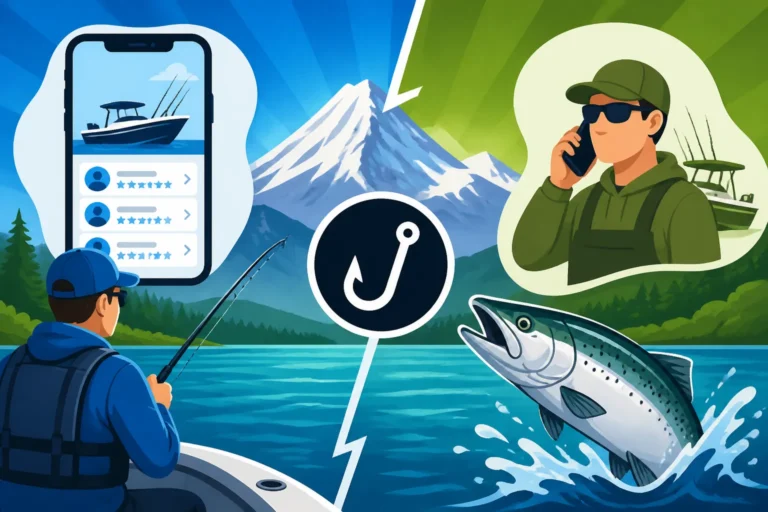
In today's digital age, online booking platforms have become an invaluable resource for finding and securing fishing guides. Websites like FishingBooker provide a centralized hub where you can browse multiple guides, compare prices, check availability, and read reviews from other anglers. This can save you a lot of time compared to calling individual guides one by one.
These platforms often allow you to filter by location, species, and type of trip, making it easier to pinpoint guides who specialize in Washington steelhead. You can often see a guide's calendar in real-time, which is incredibly helpful when trying to find those elusive open dates. While it's still a good idea to communicate directly with your chosen guide after booking through a platform, these sites offer a convenient way to get the ball rolling and secure your initial reservation. Just be sure to always confirm the details directly with the guide.
Flexibility and Communication
We've touched on flexibility, but it bears repeating. Being flexible with your dates, especially if you're trying to book within a shorter timeframe, will significantly improve your chances. If you can fish a Tuesday instead of a Saturday, or a late season run instead of a peak mid-season week, you'll open up many more possibilities. Sometimes the "best month" isn't one specific date, but rather a flexible window where you can adapt to conditions.
Clear and consistent communication with your guide is paramount, both before and after booking. When you first reach out, be specific about what you're looking for: "I'm hoping to fish for winter steelhead on the Cowlitz in March, and I'm flexible between the second and third week. Do you have any availability?" This helps the guide quickly assess if they can meet your needs. Once booked, confirm details as the date approaches. Ask about current river conditions, what gear to bring (like appropriate rain gear for Rain Gear You Need for Winter Steelheading), and any last-minute changes. A good guide will appreciate your proactive approach, and it ensures everyone is on the same page for a smooth, enjoyable trip.
| Season | Typical Run Dates | Ideal Booking Window | Last-Minute Chances | Key Considerations |
|---|---|---|---|---|
| Winter Steelhead | November – April | 6-12 months in advance | Very Limited (weekdays) | High demand for prime dates; weather dependent. |
| Summer Steelhead | May – October | 4-6 months in advance | Moderate (weekdays, off-peak) | Longer season, but popular for vacationers. |
In the end, the "best month to book a steelhead guide" isn't a single answer etched in stone, but rather a strategic window that shifts with the seasons, the rivers, and the immense popularity of these magnificent fish. If you're serious about hooking into a Washington steelhead, plan early, be flexible, and communicate openly with your chosen guide. Your persistence will undoubtedly pay off with an unforgettable experience on one of our beautiful rivers.
Disclaimer
This article is for general informational purposes only and does not constitute professional advice. Laws, prices and regulations vary by location and change over time. Consult a qualified professional for guidance on your specific situation.