Best Month to Book a Columbia River Guide
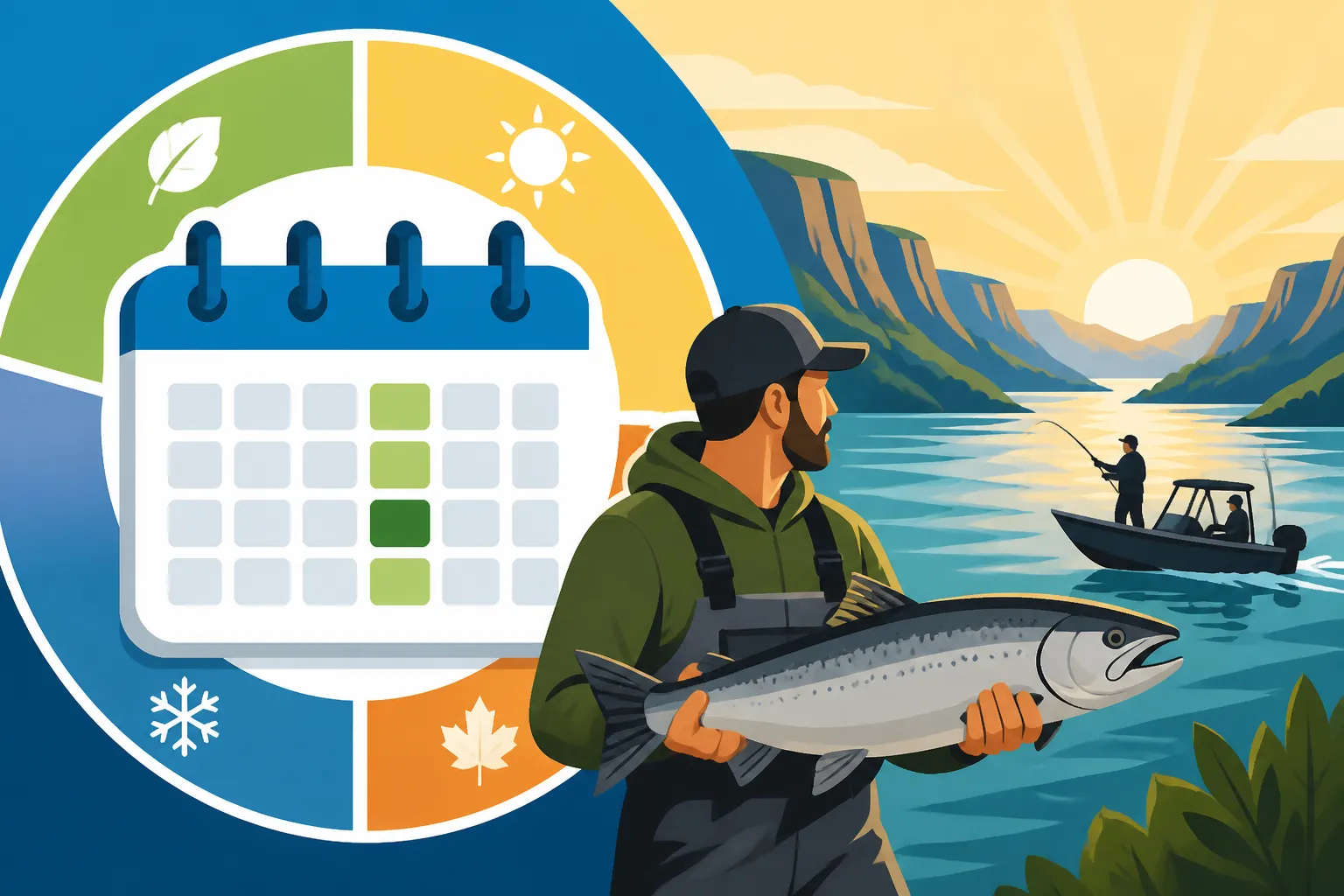
Trying to figure out the absolute best month to book a Columbia River guide can feel like trying to hit a moving target with a blindfold on. It’s not just about picking a date on the calendar; it’s about aligning your desires with the ever-changing rhythms of fish runs, river conditions, and guide availability. This guide will walk you through how to pinpoint the ideal time for your Columbia River fishing adventure, ensuring you make an informed decision for a successful trip.
Understanding the Columbia River's Seasonal Rhythms
The Columbia River is a giant, and its fishing opportunities are incredibly diverse throughout the year. What you're hoping to catch often dictates when you should be thinking about booking your guide. Unlike a small lake that might have a consistent bite, the Columbia is a major migration highway for anadromous fish, meaning timing is everything. Trying to book a guide for fall Chinook in April is certainly possible, but knowing the nuances of the run will help you secure the best dates.
Spring Salmon and Steelhead Opportunities
Ah, spring on the Columbia! This is a time of renewal, and for anglers, it often means the highly anticipated return of spring Chinook salmon, sometimes referred to as "spring kings." These fish are renowned for their incredible fight and delicious meat, making them a top target for many. The run typically begins to show in late March and can extend into early June, with peak activity often falling in April and May. However, the exact timing and strength of the run can vary significantly year to year, influenced by water flows and ocean conditions.
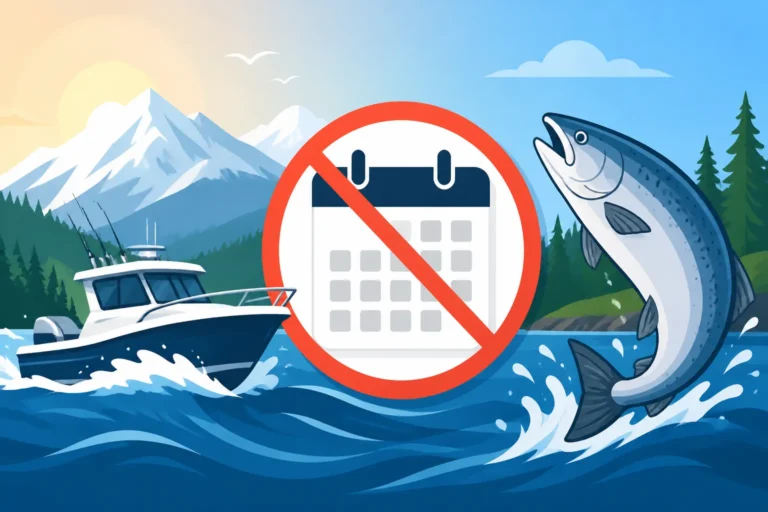
Booking for spring Chinook usually means getting on the phone or online in the late fall or early winter of the previous year. Good guides, especially those with a strong reputation for putting clients on springers, fill up their prime dates incredibly fast. If you wait until March, you might find yourself scrambling for cancellation spots or settling for less-than-ideal days. Remember, this fishery can also be subject to in-season rule changes, so staying updated on Washington Sport Fishing Seasons and Emergency Closures is crucial. Beyond Chinook, early spring also offers some opportunities for steelhead, particularly on the lower river and its tributaries, though the main Columbia targets are usually focused on salmon at this time.
Summer into Early Fall: A Diverse Fishery
As spring turns into summer, the Columbia River fishing landscape shifts, offering a whole new set of opportunities. This period from late June through September is incredibly diverse, with different species peaking at various times. Summer steelhead, sockeye salmon, and early fall Chinook all make appearances. The summer steelhead run is a favorite for many, offering acrobatic fights and beautiful fish. Sockeye, while not always abundant on the main stem Columbia, can be a major draw in specific areas and tributaries.
Fall Chinook, often the largest run of the year, starts to trickle in during August and can run strong through September, sometimes even into October. These fish are powerful and plentiful, offering some of the most consistent salmon fishing of the year. For summer steelhead and sockeye, booking in late spring or early summer is usually sufficient, but for the prime fall Chinook dates, you're looking at booking as early as late winter or early spring. Guides who specialize in these runs will have their calendars marked well in advance. Consider using platforms like FishingBooker to compare guides and see their availability across these busy summer and fall months. Knowing When Chinook Salmon Run in Washington's Puget Sound can give you a general idea of salmon seasonality, even if the specific timing differs slightly for the Columbia.
Late Fall and Winter Steelhead Seasons
When the leaves begin to turn and a chill enters the air, the Columbia River transitions into its late fall and winter fisheries. This is prime time for dedicated steelhead anglers and those looking for late-season salmon. Hatchery coho salmon can provide excellent fishing into November, offering a final salmon hurrah for the year. But for many, winter on the Columbia means one thing: steelhead.
Winter steelhead runs, primarily hatchery-origin fish, offer a challenging yet incredibly rewarding experience. These runs generally build through November and December, peaking in January and February, and can extend into early spring. Fishing in the colder months requires a different mindset and gear, but the reward of a fresh winter steelhead is unparalleled. Booking a guide for winter steelhead typically requires planning a few months in advance, say in late summer or early fall. While the peak booking frenzy isn't quite as intense as spring Chinook, the best guides still book up their preferred dates quickly. It's a fantastic time to experience the river with fewer crowds, especially if you're prepared for the elements.
Key Factors Influencing Booking Decisions
It’s not just about what fish are running; several other factors play a huge role in when you should finalize your Columbia River guide trip. Ignoring these can lead to frustration or, worse, a missed opportunity.
Peak Season vs. Shoulder Season Availability
Everyone wants to fish during the peak of a salmon or steelhead run. This is when catch rates are often highest, and the sheer number of fish in the system makes for exciting fishing. However, "peak season" also means "peak demand" for guides. Think of it like booking a popular resort during spring break – if you wait, you’ll be out of luck or paying a premium.
| Species | Peak Season on Columbia | Ideal Booking Window (Approx.) | Considerations |
|---|---|---|---|
| Spring Chinook | April – May | November – January (previous year) | High demand, early booking essential, potential closures. |
| Summer Steelhead | July – August | March – May | Moderate demand, good alternative to salmon. |
| Sockeye Salmon | July (specific areas) | March – May | Shorter, more localized run; check specific regulations. |
| Fall Chinook | August – September | January – March | High demand, consistent action, larger fish. |
| Coho Salmon | September – November | June – August | Good late-season option, generally less pressure. |
| Winter Steelhead | December – February | September – November | Moderate demand, less crowded, weather dependent. |
If you have some flexibility, consider the "shoulder seasons" – the weeks just before or after the absolute peak. Often, fishing can still be excellent, but guide availability is better, and you might even find slightly better rates. Plus, you’ll contend with fewer boats on the water, leading to a more serene experience. This is where platforms like FishingBooker can be incredibly helpful. You can often filter by month and compare guides side-by-side, even seeing their availability calendars, which can highlight those shoulder-season openings you might not find otherwise.
Specific Species and Their Run Timings
As we touched on earlier, the target species is paramount. If your dream is to battle a massive fall Chinook, booking for January won’t make sense. You need to align your trip with the When Chinook Salmon Run in Washington and particularly on the Columbia.
For instance, if you're after spring Chinook, the most coveted dates are often in late April and early May. Guides specializing in this fishery will have those dates circled on their calendars months in advance. On the other hand, if you're keen on the explosive fights of summer steelhead, July and August are your sweet spot, and booking in late spring or early summer is usually adequate. It’s always best to research the specific run timings for your desired species on the Columbia River. A good guide will also be transparent about what's available and what's realistically possible for certain times of the year. Don't be shy about asking questions when you first reach out!
Guide Availability and Popularity
Let’s be real: the best guides are popular for a reason. They consistently put clients on fish, know the river like the back of their hand, and make the experience enjoyable. This popularity, however, comes with a price: limited availability. The most sought-after Columbia River guides often have returning clients who book the same prime dates year after year, sometimes even re-booking on the boat for the following season.
If you have a particular guide in mind, especially one with a stellar reputation, you need to reach out to them far in advance. For prime spring and fall salmon dates, think 6-12 months ahead, or even more for truly iconic windows. For less pressured fisheries like late fall coho or certain winter steelhead trips, 3-6 months might be enough. Don't underestimate the demand for quality guides. A little proactive planning goes a long way in securing your spot with the best on the river. Many guides now use online booking systems or are listed on aggregators like FishingBooker, which can make checking their schedules much easier.
How to Strategize Your Booking for Success
Booking a fishing guide isn't just a transaction; it's an investment in an experience. A little strategy can make all the difference between a last-minute scramble and a perfectly planned adventure.
Researching Peak Runs and Regulations
Before you even think about calling a guide, do your homework. The Washington Department of Fish and Wildlife (WDFW) website is your best friend here. They publish forecasts for salmon and steelhead runs, provide detailed Washington Fishing Regulations Every Angler Should Know, and update Emergency Rule Changes: Why Washington's Rules Shift Mid-Season. These resources are vital for understanding what to expect and when. Knowing the general timing of When Washington's Halibut Season Opens or When Washington's Trout Season Opens and Closes can also give you context for other fisheries, even if your focus is the Columbia.
For example, if the WDFW forecast predicts a robust return of fall Chinook, you can anticipate higher demand for guides during that period, and plan to book earlier. Conversely, a lower forecast might mean less competition for dates, though it could also mean more restrictive regulations. Regulations, especially on the Columbia, are dynamic, with in-season adjustments common based on actual fish returns. A good guide will be on top of these changes, but being informed yourself helps you understand the realities of the fishery.
Early Bird Gets the Worm (and the Guide)
This old adage couldn't be truer for booking a Columbia River guide. As mentioned, the absolute best month to book often precedes the best month to fish by a significant margin. For the most popular fisheries like spring Chinook and fall Chinook, booking 6 to 12 months out is not uncommon, especially if you have specific dates in mind (like a long weekend or a family vacation).
What does "early" look like?
- Spring Chinook (April/May trips): Start looking and booking in November, December, or January of the previous year.
- Fall Chinook (August/September trips): Start in January, February, or March of the same year.
- Summer Steelhead (July/August trips): March, April, or May.
- Winter Steelhead (Dec/Jan/Feb trips): September, October, or November.
Don't panic if you're past these windows, especially for shoulder seasons or less pressured times, but know that your options might be more limited. Using a platform like FishingBooker can sometimes help you find last-minute openings from guides who have cancellations or less-full schedules. Just be prepared to be flexible with your dates if you're booking closer to the season.
Being Flexible with Dates and Expectations
If you can't book a year in advance, or if your schedule has less wiggle room, flexibility is your secret weapon. Instead of aiming for one specific day, offer a guide a range of dates. "I'm looking to fish for fall Chinook sometime in late August or early September; do you have any openings?" is a much more effective query than "Do you have September 5th open for fall Chinook?"
Also, be flexible with your expectations. While the peak of a run offers the highest chances, shoulder seasons can still be incredibly productive. You might also consider targeting a different species if your primary target's season is fully booked. A skilled guide can often pivot to other opportunities if the primary fishery is slow or closed. For example, if spring Chinook are tough, they might have options for sturgeon or different trout. What to Check Before Every Washington Fishing Trip always includes flexibility and adaptability. It’s all part of the adventure, after all!
Using Online Resources to Your Advantage
In today's digital age, finding and booking a guide has never been easier, but you still need to know how to use these tools effectively.
Navigating Guide Directories and Booking Platforms
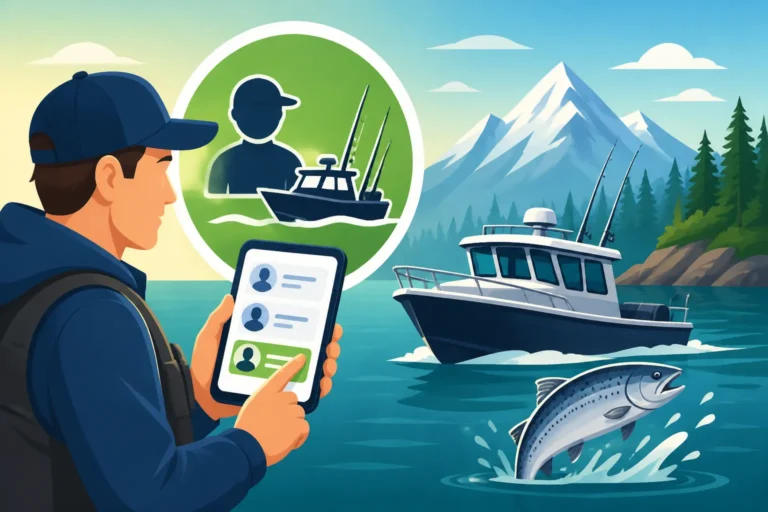
Online guide directories and booking platforms are invaluable resources. Sites like FishingBooker, for instance, consolidate information from numerous guides, allowing you to compare options, read reviews, and often check real-time availability. This can be a huge time-saver compared to calling individual guides one by one.
When using these platforms, pay attention to:
- Reviews: What are other anglers saying about the guide? Look for consistency in positive feedback regarding their knowledge, equipment, and client experience.
- Specialties: Does the guide specialize in the species you want to target on the Columbia? Some guides are masters of salmon, others prefer steelhead, and some do it all.
- Included Gear: What's included in the trip? Most guides provide rods, reels, and bait, but it's always good to confirm. Do Washington Charters Include Rods and Bait? is a common question.
- Location: Ensure the guide operates on the section of the Columbia River you're interested in, as it's a very long river.
These platforms can help you narrow down your choices and see when guides have openings, making the booking process much smoother.
Direct Communication with Guides
While online platforms are great for initial research and booking, direct communication with your chosen guide is still paramount. Once you've identified a few potential guides, reach out to them personally. A quick phone call or email can answer specific questions that aren't covered online and give you a feel for their personality and approach.
Don't hesitate to ask questions like:
- "What do you typically target in X month on the Columbia?"
- "How many years have you been guiding this section of the river?"
- "What kind of boat and gear do you use?"
- "What's your cancellation policy if conditions are bad?" (You might also be interested in What Happens If Weather Cancels a Washington Charter?)
This personal touch helps build rapport and ensures you're both on the same page about expectations for the trip. A good guide appreciates informed clients and is usually happy to chat about what makes their trips successful.
Staying Informed on Forecasts and Emergency Rules
The Columbia River is heavily managed, and fishing rules can change quickly, especially for salmon and steelhead. Pay close attention to WDFW press releases and emergency rule changes. A season that looked promising in the spring could be curtailed due to low returns, or extended due to strong fish numbers.
Signing up for WDFW email alerts or following their social media channels can keep you updated. Your guide will also be in the know, but it helps if you’re aware of the potential for changes. This preparedness helps manage expectations and allows for quick adjustments if your planned trip is affected. Being aware of How Washington's WDFW Sets In-Season Emergency Rules can help you understand why these changes occur.
Conclusion
Deciding the best month to book a Columbia River guide isn't a simple answer, but it doesn't have to be a guessing game either. It's about understanding the seasonal migrations of salmon and steelhead, recognizing the demand for quality guides, and being strategic in your planning. Whether you're dreaming of a hard-fighting spring Chinook, a powerful fall king, or a tenacious winter steelhead, doing your research and booking proactively will significantly increase your chances of securing the perfect guide and dates for an unforgettable Washington fishing adventure. Good luck, and tight lines!
Disclaimer
This article is for general informational purposes only and does not constitute professional advice. Laws, prices and regulations vary by location and change over time. Consult a qualified professional for guidance on your specific situation.