The Best Steelhead Rivers in Washington
It's incredibly frustrating when you're itching to hit the water, rod in hand, ready for the thrill of a steelhead fight, but you're constantly second-guessing which river is open, what the regulations are, and whether you even stand a chance of finding fish. Washington's steelhead rivers are legendary, but they can also be a maze of changing rules and local knowledge that feels impossible to crack. This comprehensive guide is here to cut through the confusion, helping you understand the best steelhead rivers in Washington, what makes them special, and how you can prepare for a truly unforgettable angling experience.
The Allure of Washington Steelhead Rivers
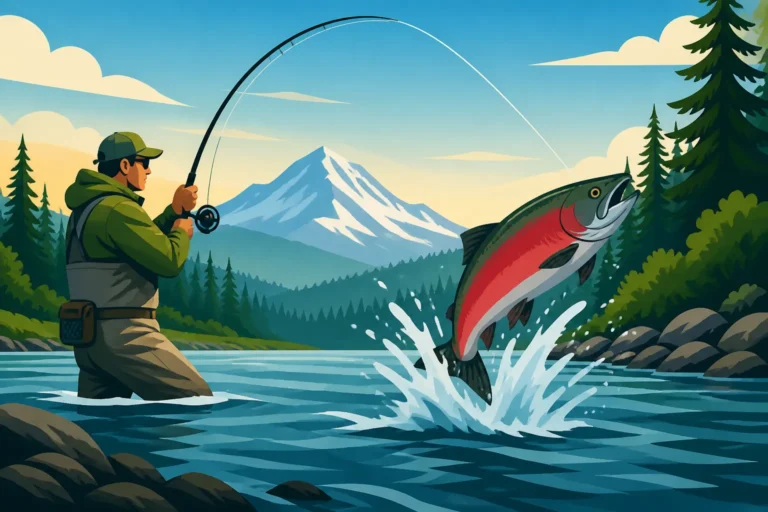
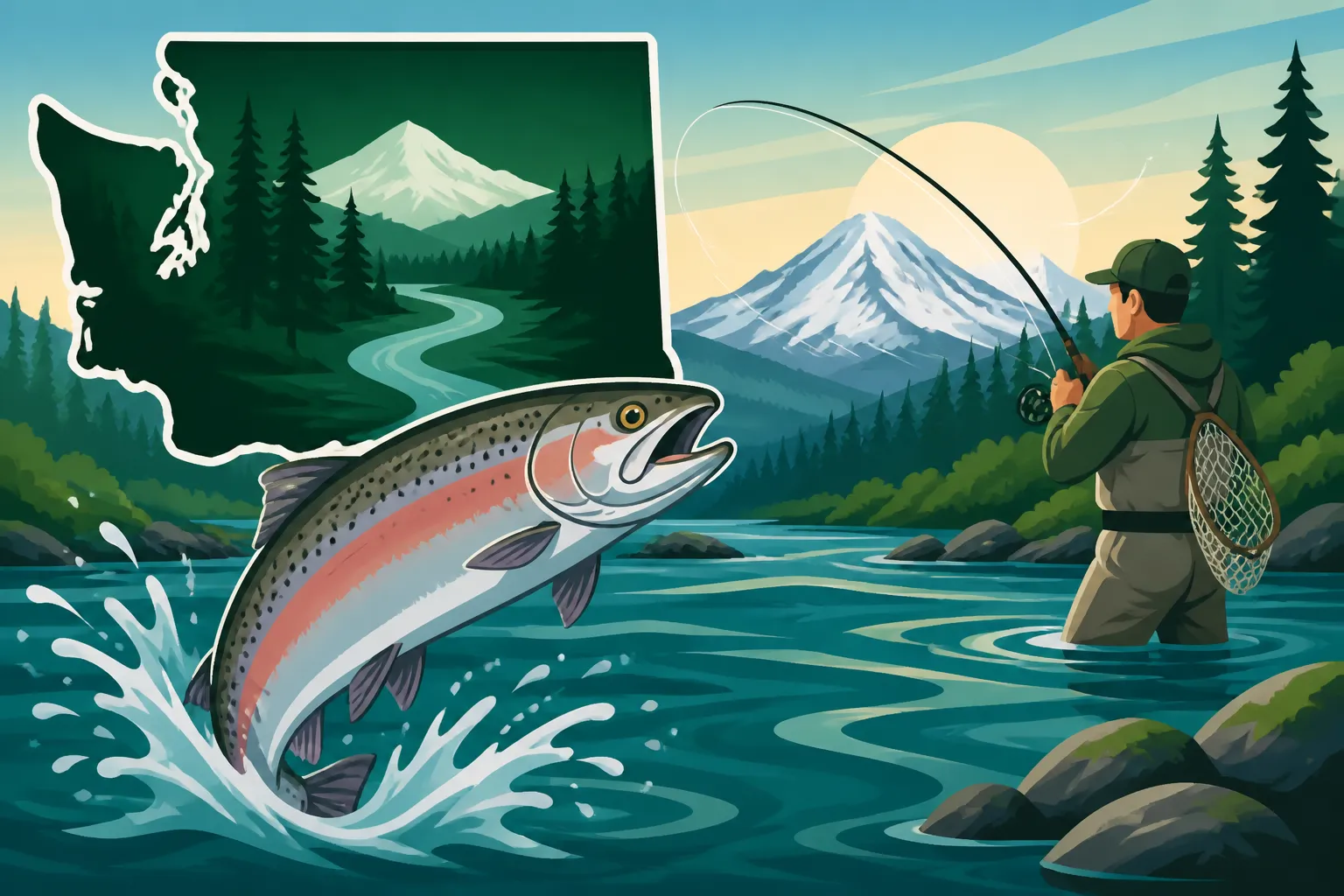
There's something uniquely captivating about steelhead. They're not just fish; they're an icon of the Pacific Northwest, embodying strength, beauty, and an almost mythical elusiveness. For many anglers, pursuing steelhead isn't just a hobby; it's a deep connection to the wild rivers and forests of Washington. These ocean-going rainbow trout return to freshwater to spawn, offering a fishing experience that's both challenging and immensely rewarding.
Understanding Steelhead: Wild vs. Hatchery
One of the first things you'll hear discussed among Washington steelhead anglers is the distinction between "wild" and "hatchery" steelhead. This isn't just a biological detail; it profoundly impacts where, when, and how you can fish. Wild steelhead are the offspring of naturally spawning fish, born and raised in the river, spending their juvenile years feeding and growing before migrating to the ocean. After one to three years at sea, they return to their natal rivers, often larger and more aggressive, ready to continue their life cycle. These fish are true survivors, and their protection is paramount for the long-term health of our fisheries.
Hatchery steelhead, on the other hand, are raised in state-run facilities like those operated by the Washington Department of Fish and Wildlife (WDFW). These fish are typically released as smolts (juvenile fish ready for saltwater) to supplement wild populations and provide angling opportunities, especially in rivers where wild runs might be struggling or where there's high demand. To distinguish them from wild fish, most hatchery steelhead in Washington are "adipose fin-clipped," meaning a small, fleshy fin on their back (the adipose fin) is removed. This clip is a crucial visual cue for anglers, as regulations often dictate that only adipose fin-clipped hatchery steelhead may be retained, while wild steelhead must be released unharmed. Understanding this difference is fundamental to fishing ethically and legally in Washington. You can learn more about Wild Steelhead vs Hatchery Steelhead in Washington to better understand this critical distinction.
The Two Seasons: Winter and Summer Steelhead
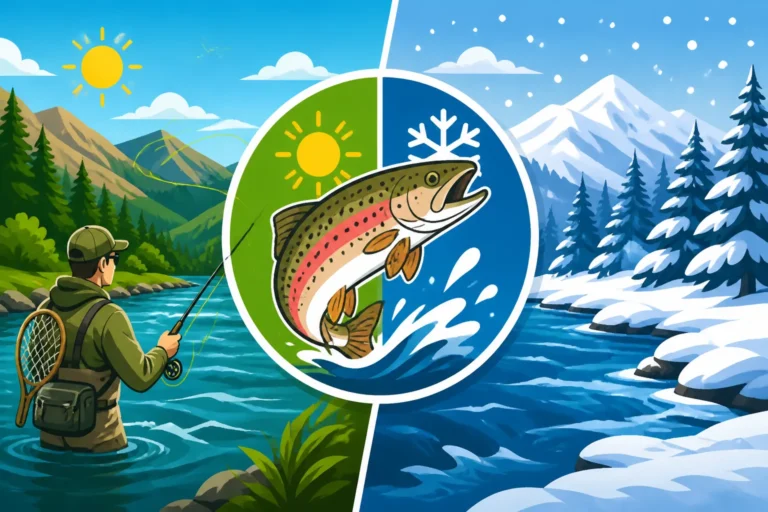
Washington's steelhead fishery isn't a single season affair; it's divided into two distinct periods, each offering a unique challenge and experience. This is crucial knowledge for any aspiring steelhead angler, as the fish, the rivers, and even the techniques often differ significantly between the two. Knowing when each run typically occurs can help you plan your trips and manage your expectations.
Winter steelhead are often the first species that comes to mind when people think about this fishery. These fish typically enter Washington rivers from late fall through early spring, enduring cold, often high, and turbid water conditions. They're known for their impressive size and powerful fights, having packed on weight during their ocean tenure. Fishing for winter steelhead means braving the elements—rain, snow, and chilly temperatures are common companions. It's a game of patience and perseverance, but the reward of a chrome-bright winter steelhead is unparalleled.
Summer steelhead, sometimes called "summer-runs," present a different kind of challenge. These fish enter rivers during late spring and summer, when water levels are lower and clearer, and temperatures are warmer. They tend to hold in deeper pools and runs, often becoming more active and aggressive as the spawning season approaches in the fall. While generally not as large as their winter counterparts, summer steelhead are incredibly acrobatic and feisty, offering spectacular aerial displays when hooked. Fishing for summer steelhead often involves lighter tackle and more stealthy approaches in the clearer waters. Understanding Winter vs Summer Steelhead Runs in Washington, Explained can give you a better grasp of these seasonal nuances and help you decide which adventure calls to you.
Olympic Peninsula: The Heart of Wild Steelhead Country
For many, the Olympic Peninsula isn't just a geographic region; it's a pilgrimage site for steelhead anglers. This rugged, rain-soaked corner of Washington is home to some of the most pristine and productive wild steelhead rivers in the world. The sheer beauty of the old-growth forests, the wild coastal environment, and the untamed rivers create an unparalleled backdrop for pursuing these magnificent fish.
Sol Duc River: A Classic for Wild Steelhead
The Sol Duc River is, without a doubt, one of Washington's most iconic wild steelhead rivers. Flowing through the lush temperate rainforest of the Olympic National Park, it offers an experience that feels truly remote and untouched. Anglers seeking a connection with nature and a chance at a genuine wild steelhead often gravitate here. The Sol Duc is primarily a winter steelhead fishery, with runs typically building from December and peaking through January and February. The fish here are known for their strong pulls and beautiful, unclipped forms.
However, fishing the Sol Duc comes with its own set of challenges. Water levels can fluctuate wildly with heavy rains, making access difficult and fishing conditions unpredictable. Clarity is key here; too much rain can blow out the river, turning it into a chocolate milk torrent, while too little can make it extremely low and clear, making stealth paramount. You'll often find anglers practicing catch-and-release only, especially for these treasured wild fish, adhering to strict regulations to ensure their survival. This is a technical river, often requiring finesse and local knowledge, but the reward of hooking into a Sol Duc wild steelhead is a memory that lasts a lifetime. For a deeper dive, check out Fishing the Sol Duc River for Wild Steelhead in Washington.
Hoh River: Rainforest Steelhead Majesty
Just south of the Sol Duc, the Hoh River offers another legendary wild steelhead experience, arguably even more remote and grand. Winding its way through the ancient Hoh Rainforest, this river boasts some of the most stunning scenery imaginable. The Hoh is a significant winter steelhead producer, with fish typically arriving from January through March. Like the Sol Duc, the steelhead here are almost exclusively wild, making it a catch-and-release fishery that emphasizes conservation.
Fishing the Hoh is not for the faint of heart. It's a big, powerful river, often requiring drift boats or rafts to effectively cover water, although there are some bank access points, especially later in the season. The weather can be intense, with heavy rainfall being the norm, contributing to its wild character. Anglers often face cold temperatures, strong currents, and the challenge of navigating remote stretches of river. Despite these hurdles, the chance to cast a line in such a majestic, primeval setting, with the possibility of connecting with a powerful wild steelhead, draws dedicated anglers from across the globe. Getting to know The Hoh River's Winter Steelhead Season will give you even more insight into this incredible fishery.
Quillayute River System: Multiple Opportunities
The Quillayute River system, comprised of the mainstem Quillayute, the Bogachiel, and the Calawah rivers, forms another cornerstone of the Olympic Peninsula's wild steelhead reputation. These rivers, located on the western side of the peninsula, drain vast expanses of lush forest and receive abundant rainfall, creating excellent conditions for steelhead. While each river has its own character, together they offer a diverse range of opportunities for winter steelhead, with runs generally spanning from December through March.
The Bogachiel, often affectionately called the "Bogie," is known for its consistent returns and relatively easier access compared to some of its more remote neighbors. It's a popular choice for drift boaters and bank anglers alike. The Calawah, a major tributary, is often clearer and more intimate, requiring a stealthier approach but rewarding anglers with strong, pristine fish. The mainstem Quillayute, formed by the confluence of these rivers, is a wider, more powerful system closer to the coast, offering larger holding water. This interconnected system means that if one river is blown out or too low, anglers might find suitable conditions on another. The Quillayute system is a true gem, allowing anglers to explore different stretches and find their rhythm in this wild corner of Washington.
Southwest Washington's Productive Steelhead Fisheries
Moving south, the rivers of Southwest Washington offer a different, yet equally compelling, steelhead fishing experience. While still beautiful, these rivers often feature more hatchery influence and easier access, making them popular choices for anglers seeking more consistent opportunities and a chance to retain a fish. These systems are typically larger and more developed than those on the Olympic Peninsula, yet they hold their own charm and challenge.
Cowlitz River: The Workhorse Hatchery Fishery
The Cowlitz River is often referred to as Washington's "workhorse" steelhead river, and for good reason. Thanks to an extensive hatchery program, it boasts some of the most consistent and prolific returns of both winter and summer steelhead in the state. Flowing from the Cascade Mountains and joining the mighty Columbia River near Longview, the Cowlitz offers ample fishing opportunities across many miles of accessible water. This river is a fantastic option for anglers who are looking for a higher probability of hooking into a fish, and for those who enjoy the option of taking home a hatchery-clipped steelhead for the dinner table.
The winter steelhead run on the Cowlitz typically kicks off in November and can stretch well into April, while the summer run starts in late spring and continues through July. The river is large and diverse, offering everything from deep pools and swift runs to slower, meandering stretches. You'll find a mix of fishing methods employed here, from drift fishing with bait or beads to float fishing with jigs, and even some fly fishing in certain sections. Due to its popularity and accessibility, the Cowlitz can get crowded, especially on weekends or during peak runs. However, with many public access points and boat launches, there's usually a spot to be found. For an in-depth look at this popular river, check out Fishing the Cowlitz River for Steelhead and Salmon in Washington.
Kalama River: A Spring Chinook and Winter Steelhead Favorite
The Kalama River, another tributary of the Columbia, is a smaller, more intimate river than the Cowlitz but just as popular among local anglers, particularly for its strong winter steelhead and spring Chinook runs. Nestled in a picturesque valley, the Kalama offers a more classic Pacific Northwest river fishing experience, with dense forest lining its banks and clear, flowing water. The winter steelhead run usually starts in late November or December and provides solid action through March.
What makes the Kalama special is its beautiful character and the quality of its fish. While it receives hatchery plants, many anglers find the fish here to be particularly vibrant. The river's smaller size means that boat access can be limited in certain areas, making it a great option for bank anglers and those who prefer to wade. Popular techniques include drift fishing with roe or yarn, float fishing jigs, and fly fishing with various patterns. The Kalama can also get busy, especially during prime time, but its numerous bends and pools offer plenty of water to explore. Anglers here often appreciate the blend of hatchery opportunities with a more wild river feel.
Lewis River: Diverse Runs and Hatchery Support
The Lewis River, yet another significant tributary flowing into the Columbia, is a versatile fishery offering both winter and summer steelhead, thanks to its hatchery programs and diverse sections. The river is divided into several forks and segments, including the North Fork Lewis, which is particularly well-known for its consistent returns. This complexity provides anglers with various fishing environments, from the swift, canyon-like stretches to broader, more accessible areas.
Winter steelhead typically show up from December through March, while summer steelhead runs can extend from late spring through August, providing a lengthy season for chasing these acrobatic fish. The hatchery at Merwin Dam on the North Fork Lewis is a key contributor to the river's productivity, ensuring a steady supply of fish. Techniques vary depending on the section and time of year, but drift fishing, float fishing, and back-bouncing are all effective. The Lewis River system, with its robust hatchery support and varied waters, is a reliable choice for anglers throughout the steelhead seasons, whether you're looking for a challenging wade or a comfortable drift boat experience.
Puget Sound Basin: Accessible Winter Steelhead
For anglers living in or around Washington's most populous region, the rivers feeding into Puget Sound offer accessible opportunities to chase winter steelhead. While these rivers may not always boast the wild, remote feel of the Olympic Peninsula, they provide a vital fishery, often sustained by significant hatchery programs, allowing thousands of anglers to experience the thrill of steelhead fishing without traveling far from home.
Skykomish River: Iconic and Heavily Fished
The Skykomish River, or "Sky" as it's affectionately known, is perhaps the most iconic and heavily fished steelhead river in the Puget Sound region. Flowing from the Cascade Mountains and eventually joining the Snohomish River, the Skykomish is a major artery for winter steelhead, with a strong hatchery program bolstering its returns. The season typically runs from November through March, offering consistent opportunities for adipose fin-clipped hatchery fish. The sheer size and power of the Skykomish make it a formidable river to fish, but also one that holds plenty of hard-fighting steelhead.
Angler pressure can be intense, especially on weekends and in popular areas like Reiter Ponds, a WDFW hatchery facility that attracts many bank anglers. Despite the crowds, the Skykomish offers a rewarding experience for those who learn its intricacies. Drift boats are very popular for covering extensive stretches of water, but there are also numerous public access points for bank anglers. Popular methods include drift fishing with cured roe, yarn, or beads, and float fishing with jigs. While it might not offer the solitude of a wilderness river, the Skykomish provides exciting, accessible steelhead action for many. To make the most of your trip, consider visiting Fishing the Skykomish Near Reiter Pond Hatchery in Washington.
Skagit River: A Wild Steelhead Stronghold
The Skagit River holds a special place in the hearts of Washington anglers as a historic stronghold for wild steelhead. Once one of the most prolific steelhead rivers in the world, the Skagit is now primarily managed for wild fish recovery, meaning fishing opportunities are extremely limited, and often involve strict catch-and-release rules or even full closures. When open, the Skagit typically offers a winter steelhead fishery, with runs historically peaking in January and February. The fish from the Skagit are renowned for their pristine condition and incredible fighting spirit.
For those rare times the Skagit is open, it represents a chance to connect with a truly wild legacy. However, anglers must be exceptionally diligent about checking current regulations, as the rules can change frequently due to conservation concerns. Fishing here demands respect for the resource and a commitment to careful handling of any wild fish encountered. While it might not be the go-to for a guaranteed catch, the Skagit offers an experience rich in history and conservation efforts, reminding us of the importance of protecting these magnificent creatures. Keeping up-to-date with Washington's Skagit River and Its Winter Steelhead Run is vital for anyone hoping to fish this historic water.
Green River: Urban Steelhead Opportunities
For anglers in the greater Seattle area, the Green River offers a surprising opportunity to chase winter steelhead within a relatively urbanized setting. Flowing through King County and eventually emptying into Puget Sound, the Green River benefits from a hatchery program that provides return ingeniary-clipped steelhead, typically from November through March. This river is a fantastic option for those who want to get out and fish without a long drive, making it a favorite for quick morning or afternoon trips.
While the Green River runs through developed areas, it still offers plenty of beautiful stretches, especially in its middle and upper sections. Access is generally good, with several parks and public lands providing entry points for bank anglers. Drift boaters also utilize sections of the Green, although it's a smaller system than the Skykomish. Angler pressure can be moderate to high, as it's a convenient option for many. Techniques mirror those used on other hatchery rivers: drift fishing, float fishing, and spoon/spinner casting are all effective. The Green River proves that you don't always need to venture deep into the wilderness to find thrilling steelhead action; sometimes, it's right in your backyard.
Navigating Washington's Steelhead Regulations and Seasons
Understanding and adhering to Washington's fishing regulations is not just important; it's absolutely critical for the health of our fisheries and for avoiding hefty fines. Steelhead regulations are particularly complex due to the varying health of different runs (wild vs. hatchery, winter vs. summer) and the specific management goals for each river. It's a source of constant frustration for anglers, but it’s a reality we must navigate.
The Dynamic Nature of Steelhead Rules
One of the biggest headaches for Washington steelhead anglers is the constantly changing nature of the rules. What was open yesterday might be closed today, and what's legal in one river might be strictly forbidden in another just a few miles away. This dynamic environment is driven by real-time run forecasts, actual fish returns, and conservation needs, particularly for vulnerable wild stocks. The Washington Department of Fish and Wildlife (WDFW) frequently issues "emergency rule changes" to adjust seasons, limits, and gear restrictions to protect fish and manage harvest. These changes can happen with very little notice, sometimes even mid-week.
This means that simply relying on a printed regulation pamphlet from the beginning of the season is not enough, especially for steelhead. You absolutely must check the WDFW website, particularly their "Emergency Rules" page, before every single trip. Many experienced anglers even check the morning of their trip, as rules can literally change overnight. It feels like a chore, but it's the only way to ensure you're fishing legally and responsibly. Failure to do so can result in significant penalties, including fines and even loss of fishing privileges. Keeping up with Washington Sport Fishing Seasons and Emergency Closures will be your lifeline here.
Understanding Gear Restrictions and Limits
Beyond season dates, specific gear restrictions and catch limits are paramount when targeting steelhead. These rules are designed to protect fish and ensure fair distribution of the resource. A common regulation on many steelhead rivers, especially those with wild populations, is the barbless hook requirement. This means your hooks must be pinched down so they are completely smooth, allowing for easier, less damaging release of fish. This is critical for wild steelhead, which often must be released. Always carry pliers to ensure your hooks are barbless.
Bait restrictions are another frequent regulation. Some rivers, or sections of rivers, may be "fly fishing only," "artificial lures only," or have specific bait bans, especially during periods when wild fish are most vulnerable. For example, cured roe, a highly effective steelhead bait, might be banned in certain waters. Always double-check if bait is allowed. Furthermore, daily bag limits (how many fish you can keep in a 24-hour period) and possession limits (how many fish you can have in your cooler or at home) are strictly enforced. These limits often differentiate between hatchery-clipped and wild steelhead, with wild fish typically being catch-and-release only. Misidentifying a fish or exceeding your limit can lead to serious consequences. Make sure you fully understand Washington Fishing Regulations Every Angler Should Know before casting a line, and pay particular attention to Catch-and-Release Rules During Wild Steelhead Closures.
Essential Gear and Effective Techniques for Steelhead
Steadhead fishing isn't just about finding the right river; it's also about having the right tools and knowing how to use them effectively. These hard-fighting fish demand specific gear and thoughtful techniques to maximize your chances of success. It can feel overwhelming with all the options out there, but breaking it down can help.
Rods, Reels, and Line: Matching Your Setup
The right rod, reel, and line are fundamental to steelhead fishing. For most river applications, anglers typically use either a drift fishing rod or a float fishing rod. Drift rods are generally 9 to 10.5 feet long, with a fast action tip and a strong backbone, allowing for sensitive feel of the bottom and powerful hooksets. Float rods, often called "noodle rods," are longer, typically 10 to 13 feet, with a softer, more parabolic action. This length is crucial for mending line, controlling your float, and absorbing the shock of a steelhead's powerful runs.
Matching your rod with the right reel is also important. For drift fishing and casting lures, a baitcasting reel is often preferred for its control and accuracy, especially with heavier weights. For float fishing, a spinning reel is more common, allowing for easy casting of lighter floats and jigs. Some dedicated float anglers also use centerpin reels, which offer unparalleled line control for a perfect, natural drift.
Line choice is another critical factor. Many anglers use a main line of 15-20 lb braided line for its strength and sensitivity, then attach a monofilament or fluorocarbon leader of 8-15 lb test. Fluorocarbon is especially popular for leaders due to its near invisibility underwater and abrasion resistance. However, some prefer a full spool of monofilament for its stretch, which can act as a shock absorber during violent head shakes. The specific river conditions—water clarity, current speed, and fish size—will dictate your optimal line setup.
Popular Steelhead Fishing Techniques
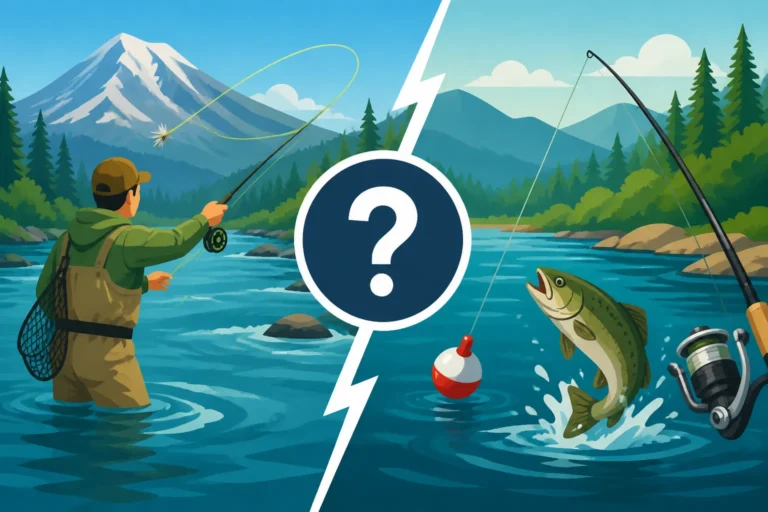
Steelhead fishing involves a variety of highly effective techniques, each suited to different river conditions and angler preferences. The three most common and successful methods in Washington rivers are drift fishing, float fishing (often called "bobber dogging"), and fly fishing. Understanding these techniques and knowing when to deploy them will significantly increase your success.
Drift fishing is a cornerstone technique for steelhead, particularly in rivers with moderate to swift current. It involves using just enough weight to bounce your bait or lure along the bottom, mimicking a natural food source tumbling downstream. The goal is to present your offering directly in the fish's strike zone, often where they are resting or feeding behind structure. This method requires a sensitive touch to distinguish between a gentle bite and the lure simply ticking the bottom. Many anglers find success by covering water with a series of casts, letting the gear drift through promising runs and pools. If you're new to the game, a guide specializing in Drift Fishing for Steelhead in Washington Rivers can offer invaluable instruction. Many experienced guides can be found through platforms like FishingBooker, which makes it easy to compare and book a trip based on specific techniques you want to learn.
Float fishing, or "bobber dogging," has gained immense popularity for its effectiveness and ability to suspend bait or jigs precisely at the fish's depth. This technique uses a large, buoyant float (often called a "bobber") to carry your offering downstream at the same speed as the current, ensuring a natural presentation. The float signals even the subtlest bites, making it visually engaging. This method is particularly effective in rivers with consistent depth or where fish are holding off the bottom. It also allows anglers to fish around snags more easily than traditional drift fishing.
Fly fishing for steelhead is a highly specialized and deeply rewarding pursuit. It involves using a fly rod, reel, and weighted fly line to cast artificial flies that imitate insects, baitfish, or even simply provoke a strike from a territorial steelhead. Fly fishing offers an intimate connection to the river and the fish, demanding skill, precision, and an understanding of hydraulics. Techniques range from "nymphing" with indicator rigs to "swinging" traditional wet flies or Spey flies across runs. Each method has its proponents and requires dedication to master. Many guides, often found on platforms like FishingBooker, specialize in fly fishing for steelhead and can teach you the nuances of this beautiful art.
Bait, Lures, and Flies
The choice of what to put on your hook is just as crucial as your technique. Steelhead can be finicky, and having a diverse selection of bait, lures, and flies is essential.
For natural bait, cured salmon roe (roe bags or clusters) is often king. Its scent and visual appeal are highly effective. Nightcrawlers are also a classic choice, particularly when drift fishing. In recent years, soft plastic beads that imitate salmon eggs have become incredibly popular due to their durability and effectiveness, especially in clear water. Always check regulations, as bait might be prohibited in certain areas or during specific seasons.
When it comes to lures, jigs are a top choice for float fishing, coming in various colors, sizes, and weights, often tipped with a piece of bait or scent. Spoons and spinners are excellent for casting and retrieving, especially in faster water or when covering lots of ground. Brands like Blue Fox, Steelhead Slammer, and Little Cleo are perennial favorites among Washington anglers. The flash and vibration of these lures can trigger aggressive strikes from steelhead.
Flies for steelhead vary widely depending on the season and technique. For winter steelhead, larger, brightly colored "intruder" style flies, weighted nymphs, or various leech patterns are common. For summer steelhead, smaller, more subtle patterns, classic "traditional" steelhead flies, or even dry flies in specific situations might be effective. Having a selection of different sizes, colors, and weights is key to matching the conditions and the mood of the fish.
Planning Your Steelhead Adventure and Conservation
Embarking on a steelhead fishing trip in Washington is more than just throwing a line in the water; it's an adventure that requires planning, preparation, and a deep respect for the natural environment. Ensuring a successful and responsible outing involves more than just knowing where to go and what to use.
Finding Guides and Resources
For many anglers, especially those new to steelhead fishing or unfamiliar with a particular river, hiring a reputable fishing guide can be an absolute game-changer. Guides offer invaluable local knowledge, expertise in current conditions, and access to specialized gear and drift boats that might otherwise be unavailable. They can teach you the nuances of techniques like drift fishing or float fishing, help you understand the ever-changing regulations, and put you on fish when you might struggle on your own. Platforms like FishingBooker are excellent resources for finding and booking Washington steelhead guides, allowing you to read reviews, compare prices, and choose a guide based on their specific expertise (e.g., fly fishing, drift boat trips, specific rivers).
Beyond guides, local tackle shops are treasure troves of information. Shop owners and staff are often passionate anglers themselves and can provide up-to-the-minute reports on river conditions, hot baits, and any recent emergency rule changes. Don't underestimate the value of striking up a conversation there. Online forums and social media groups dedicated to Washington fishing can also be great for gleaning information, but always cross-reference any tips with official WDFW regulations. A good guide, perhaps found via FishingBooker, can help cut through the noise and provide focused, current advice.
Practicing Responsible Angling
The future of Washington's steelhead fisheries relies heavily on the ethical practices of anglers. Conservation is not just a buzzword; it's a responsibility every angler must embrace. This is particularly true for wild steelhead, which are often subject to strict catch-and-release rules. When releasing a wild steelhead, practice "leave 'em in the water" handling. Avoid taking the fish out of the water for photos, use barbless hooks for easier removal, and minimize handling time. If you must touch the fish, do so with wet hands, supporting its belly. Never drag a fish onto dry ground or bang it against the boat. These practices significantly increase the fish's chances of survival after release. A quick check on Wild Steelhead vs Hatchery Steelhead in Washington will reinforce the importance of these practices.
Beyond fish handling, practice "leave no trace" ethics. Pack out everything you pack in, including discarded fishing line and bait containers. Respect private property, stay on designated access points, and be courteous to other anglers on the river. Our collective actions directly impact the health and accessibility of these precious resources, ensuring that the thrill of hooking a Steelhead: Washington's Ocean-Run Rainbow Trout can be enjoyed by future generations.
Weather, Water Conditions, and Safety
Steelhead fishing, especially during the winter months, means contending with unpredictable weather and challenging river conditions. Always check the weather forecast before heading out. Rain, snow, and strong winds can dramatically affect both fishing comfort and safety. Dress in layers, wear waterproof outerwear, and prioritize warmth. Hypothermia is a serious risk in cold, wet conditions.
Water conditions are equally important. Check river flow gauges online (e.g., USGS water data) for your target river. High, turbid water from heavy rains can make fishing impossible or dangerous, while extremely low and clear water might require more stealth and lighter tackle. Knowing the clarity (measured in feet of visibility) can also help you choose appropriate baits and lures.
Finally, safety is paramount. If wading, wear a wading belt to prevent water from rushing into your waders if you fall. Always use a personal flotation device (PFD) if you are in a boat, kayak, or wading in swift, deep water. Even strong swimmers can be overwhelmed by cold water and strong currents. Tell someone where you are going and when you expect to return. Never fish alone in remote areas without proper precautions. A little foresight and preparation can turn a potentially hazardous outing into a safe and memorable one.
Disclaimer
The information provided in this guide is for general informational purposes only and does not constitute legal advice regarding fishing regulations. Washington State fishing regulations, seasons, and limits are subject to frequent changes by the Washington Department of Fish and Wildlife (WDFW). It is the sole responsibility of every angler to consult the most current WDFW fishing regulations pamphlet and emergency rules before engaging in any fishing activity. Failure to comply with current regulations may result in fines or penalties.