Do Multi-Day Trips Include Lodging?
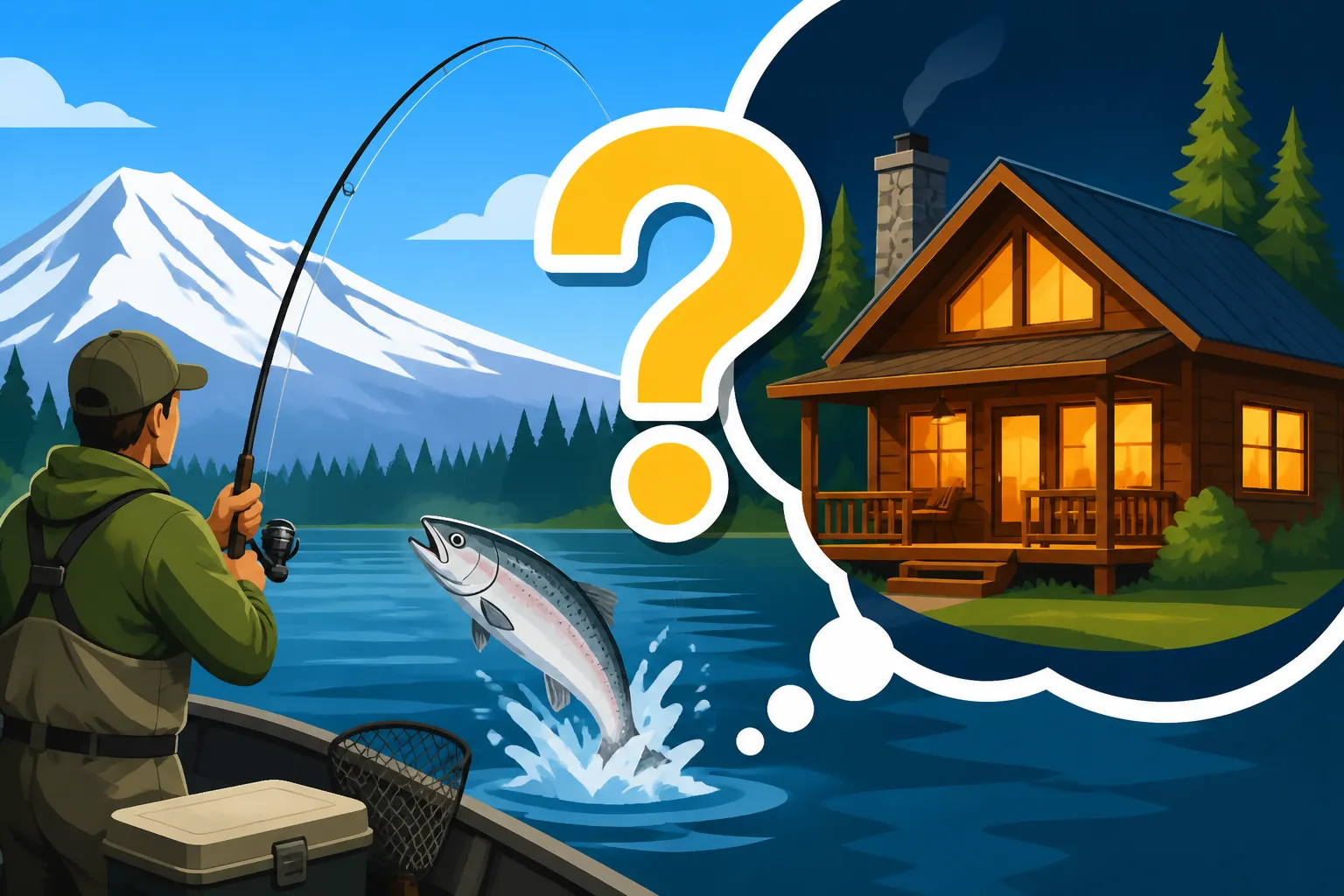
Embarking on a multi-day fishing trip in Washington State is an incredible adventure, offering the chance to dive deep into our diverse waters, but the logistics of such a trip, especially accommodation, can often be a head-scratcher. Many anglers dream of a seamless experience where everything is taken care of, and it’s a valid question to wonder if these extended fishing excursions automatically come with a bed for the night. This guide will help clarify whether multi-day fishing trips in Washington typically include lodging and what you should consider when planning your extended angling getaway.
Understanding Multi-Day Fishing Trips in Washington
Multi-day fishing trips in Washington aren't just longer versions of a single day out on the water; they're often comprehensive experiences designed to maximize your time in prime fishing locations. These trips can vary wildly in scope, from a two-day river adventure chasing steelhead to a week-long Puget Sound salmon hunt, or even an offshore halibut and tuna expedition from the coast. The primary goal is usually to increase your chances of success by allowing more time in the fishing grounds, often hitting different tides, times of day, or even entirely different locations over the course of the trip.
Types of Multi-Day Trips and Their Focus
In Washington, multi-day trips can target a variety of species and environments. On the freshwater side, you might find guides offering two or three-day packages for salmon or steelhead on rivers like the Cowlitz, Kalama, or Olympic Peninsula systems. These often involve moving between different stretches of river or even different rivers as conditions change or runs progress. Imagine spending one day swinging flies for winter steelhead on the Hoh, then moving to a different tributary the next for a completely different experience.
Saltwater multi-day trips are equally popular, especially for species like salmon, halibut, or even offshore tuna. An angler might book a multi-day charter out of Westport to target halibut on specific tidal windows over several days, or spend a long weekend exploring the San Juan Islands for salmon and lingcod. These trips inherently require more planning and resources, not just for the fishing itself, but also for the practicalities of lodging, meals, and other necessities away from home.
Common Inclusions and Exclusions
Generally, when you book a multi-day fishing trip in Washington, you can expect the core fishing experience to be covered. This almost always includes the guided time on the water, the use of quality fishing gear (rods, reels, tackle), and bait. Often, guides will also take care of fish cleaning and basic processing at the end of each day or the trip. Some might even provide lunch and non-alcoholic beverages during your actual fishing day.
However, the "all-inclusive" aspect often stops there unless specifically stated otherwise. Things like your Washington fishing license, required endorsements (such as the Washington's Columbia River Salmon and Steelhead Endorsement, Explained), and tips for the guide are almost universally extra. And this is where lodging frequently comes into play as an exclusion rather than an inclusion. Many guides are focused solely on the angling experience and expect you to arrange your own overnight accommodations. It's crucial to clarify these details upfront to avoid any surprises when planning your Booking a Multi-Day Washington Fishing Trip.
The Lodging Question: When It's Included, When It Isn't
The short answer to whether multi-day trips include lodging is: sometimes, but not always. It heavily depends on the guide service, the type of trip, and the specific package you book. There's no universal standard across Washington State for fishing trips, so it’s something you absolutely need to confirm before committing.
"All-Inclusive" Packages and Their True Meaning
When you see "all-inclusive" mentioned by a guide or charter, it’s exciting! But it's vital to dig a little deeper into what that phrase actually covers. In the fishing world, an "all-inclusive" multi-day package usually means that beyond the fishing itself, some additional amenities like lodging and possibly evening meals are bundled into the total price. These are often offered by larger outfitter services or lodges that have their own accommodations, rather than independent guides operating smaller boats.
For example, a dedicated fishing lodge on the Olympic Peninsula might offer a three-day steelhead package that includes two nights' lodging at their facility, all meals, and three full days of guided fishing. This model aims to provide a seamless experience where you just show up, fish, eat, and sleep, without worrying about separate bookings. These types of packages are designed for convenience and often cater to anglers seeking a more curated, luxury experience.
Guides vs. Lodges: Different Business Models
The inclusion of lodging often boils down to the business model of the service provider.
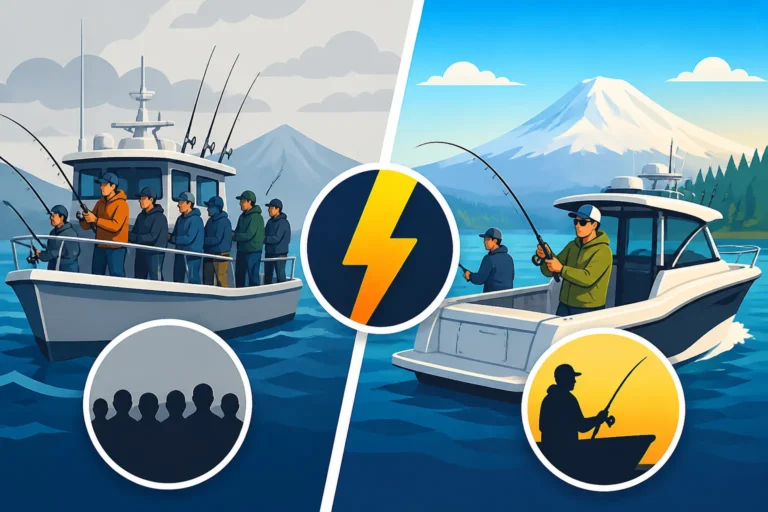
Independent Guides and Small Charters: The vast majority of individual fishing guides and smaller charter operations in Washington State operate on a "guide-only" or "charter-only" basis. Their expertise lies in getting you on the fish, safely navigating the waters, and providing the necessary gear and instruction. They might partner with local hotels or B&Bs to offer recommendations, and sometimes even a discount, but they generally don't include lodging in their standard multi-day rates. You'd book your fishing days with the guide and then separately book your hotel, motel, or Airbnb in a nearby town like Forks, Ilwaco, or Olympia. This gives you flexibility in where you stay and how much you spend on accommodation.
Fishing Lodges and Outfitters: These are businesses specifically set up to provide a comprehensive fishing vacation. They typically own or have exclusive arrangements with lodging facilities, dining services, and a fleet of guides or charter boats. When you book a multi-day trip with a fishing lodge, it's highly probable that comfortable lodging, and often meals, will be part of the package. These establishments often cater to destinations like the Olympic Peninsula rivers or remote sections of the Columbia River where accommodation might otherwise be scarce.
DIY Lodging: The More Common Scenario
For many multi-day fishing trips in Washington, especially those booked with independent guides, anglers are expected to arrange their own lodging. This is the more common scenario for a few key reasons. First, it allows the guide to focus solely on the fishing without the overhead and logistics of managing accommodations. Second, it gives you, the angler, the freedom to choose lodging that fits your budget and preferences. Do you prefer a cozy cabin, a bustling hotel, or a quiet campground? With DIY lodging, the choice is yours.
This approach means you'll need to factor in the additional time and cost of researching and booking your overnight stays. It also means coordinating the location of your lodging with your guide's meeting points for each fishing day. For instance, if you're fishing the Cowlitz River, you might stay in a town like Toledo or Chehalis, which offers various accommodation options. The guide will then specify a launch or meeting spot each morning.
Factors Influencing Lodging Inclusion
Several elements can determine whether lodging is part of a multi-day fishing package. Understanding these can help you better navigate your options.
Location: Remote Areas vs. Established Towns
The geographical location of your fishing adventure plays a significant role.
Remote Destinations: If your multi-day trip takes you to very remote areas of Washington, perhaps deep into a national forest for wilderness trout or a secluded bay for specific salmon runs, it's more likely that lodging (even if rustic) would be integrated into the package. In such places, commercial hotels might be nonexistent, and the guide service might have access to cabins, wall tents, or pre-arranged camping spots as the only viable options. For example, a multi-day backcountry fly-fishing trip might include tent camping or a stay in a wilderness lodge as part of the experience.
Established Fishing Hubs: In contrast, if you're fishing out of well-known fishing towns like Westport, Sekiu, Ilwaco, or many of the towns along major rivers, there's usually an abundance of hotels, motels, vacation rentals, and campgrounds. In these areas, guides tend to leave lodging arrangements up to you because there are so many choices available, allowing you to pick what suits your budget and style. This is where you might leverage online platforms like FishingBooker to find and book your fishing guide, and then use a separate platform to find your lodging.
Trip Duration and Focus
The length and specific focus of your trip can also be a factor.
Longer, Specialty Trips: Extended trips, say four or more days, or those focused on a very specific, often challenging fishery, sometimes lend themselves more to inclusive packages. The complexity of these trips, combined with the desire for a seamless experience, can push outfitters to bundle everything together. Think of multi-day expeditions for big halibut or tuna far offshore, where returning to shore each night isn't practical, and you'd be sleeping on the boat.
Standard 2-3 Day Trips: For the more common two or three-day river or inshore salmon trips, lodging is less frequently included. These shorter trips are often more about maximizing fishing time over a weekend, with anglers typically returning to a comfortable bed in a nearby town each night. They offer a great opportunity to explore the local culture and dining options on your own terms after a day on the water.
Guide/Charter Business Model
As touched upon earlier, the type of business you book with is key.
Larger Outfitters and Resorts: These businesses often have the infrastructure and staff to manage comprehensive packages that include guiding, lodging, and sometimes even dining. They are designed to provide a "resort" or "lodge" experience. They might offer a range of packages, some including lodging and some not, giving you choices based on your needs and budget.
Individual Guides: Most independent guides operate as small businesses, focusing entirely on their guiding services. They simply don't have the capacity or desire to manage lodging for their clients. Their strength is their specialized knowledge of the local waters and fishing techniques, and they prefer to keep their operations lean. They will, however, usually be happy to provide recommendations for local accommodations. Knowing the difference when you're looking to How to Book a Fishing Charter in Washington is very important.
Price Point
Unsurprisingly, price is a major indicator.
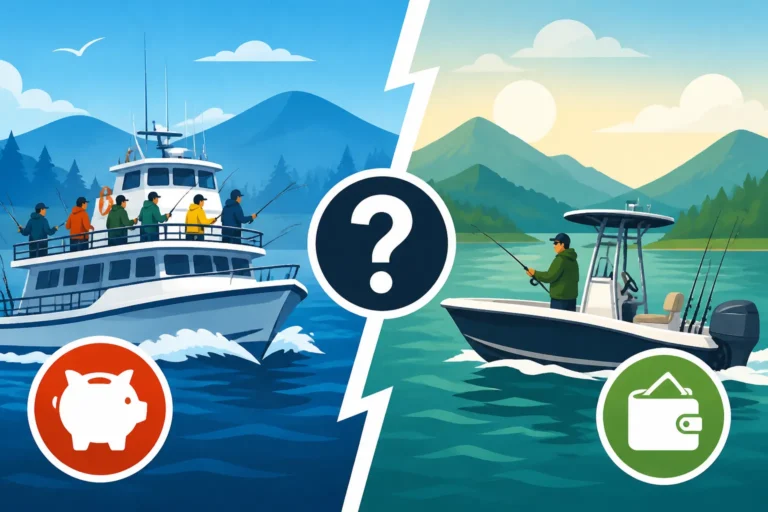
Premium, All-Inclusive Options: Trips that do include lodging will almost always be at a higher price point per day. You're paying for the convenience, the integrated experience, and the additional services provided by the outfitter. These packages save you the hassle of separate bookings and often guarantee a certain standard of accommodation.
Fishing-Focused Packages: Trips that do not include lodging will generally have a lower daily rate for the guiding service alone. This allows anglers to control their overall budget by choosing more economical lodging options if they wish. It's often a more budget-friendly approach if you're comfortable with a bit of DIY planning. The Washington Steelhead Guide Cost for example, will typically reflect the guide's time and gear, not your hotel room.
How to Confirm Lodging Details and What to Ask
The absolute best way to avoid confusion is to ask direct questions before you book. Never assume anything!
Importance of Clear Communication
It cannot be stressed enough: communicate clearly and directly with your potential guide or charter service. When inquiring about a multi-day trip, explicitly ask about lodging. Don't be shy; it's a common question, and reputable providers will appreciate your thoroughness. This open communication ensures both parties are on the same page from the start.
Confirm in writing, if possible, what is included in the price. This might be in a booking confirmation email or a detailed itinerary. Having it documented can save a lot of headaches later on, especially if you need to refer back to the agreement.
Key Questions to Ask Before Booking
When you're speaking with a guide or booking through a platform like FishingBooker, make sure you cover these points regarding lodging:
- "Does your multi-day trip package include lodging?" This is the most direct question.
- "If not, do you have recommendations for local accommodations?" Most guides are happy to share local insights.
- "Are there preferred hotels or lodging partners that offer discounts to your clients?" Some guides have arrangements.
- "What is the proximity of the suggested lodging to our daily meeting point or launch?" This is important for travel time each morning.
- "If lodging is included, what type of accommodation is it (hotel, cabin, tent, boat bunk)? What amenities are included (private bath, Wi-Fi, meals)?" Understand the quality and features.
- "What are the check-in/check-out times for the included lodging, and how do they align with fishing times?" Important for smooth transitions.
Asking these questions will give you a complete picture of the trip's logistics and help you budget appropriately. Don't forget to also inquire about Cancellation Policies for Washington Charters in case plans change.
Checking Booking Platforms like FishingBooker
When utilizing online booking platforms such as FishingBooker, pay close attention to the detailed trip descriptions. These platforms usually have dedicated sections that list what is and isn't included in the trip price. Look for explicit mentions of "accommodation," "lodging," or "overnight stay." If it's not mentioned, it's highly probable it's not included.
If the description is unclear, use the platform's messaging system to directly contact the guide or charter and ask your specific questions before you finalize your booking. Reputable platforms make it easy to communicate with providers, ensuring you get all the information you need. You might find a great deal on Washington's Annual, Short-Term and Combination License Options while you're at it.
Planning Your Accommodation: Alternatives If Lodging Isn't Included
If your chosen multi-day fishing trip doesn't include lodging, don't fret! Washington State offers a fantastic array of accommodation options to suit every taste and budget. It just means a little extra planning on your part.
Hotels, Motels, and Vacation Rentals
For convenience and comfort, traditional hotels and motels are often the go-to. Most towns near popular fishing spots, whether on the coast or along major rivers, will have a selection. Look for places in towns like Longview, Chehalis, Forks, Port Angeles, or Aberdeen, depending on where your fishing trip is centered. Booking sites and apps make it easy to compare prices and amenities.
Vacation rentals, such as those found on Airbnb or VRBO, are also excellent choices, especially if you're traveling with a group or prefer a more "home-like" experience. These can offer more space, a full kitchen (great for cooking your catch!), and often unique local charm. They're particularly good for longer stays where you want to settle in a bit.
Campgrounds and RV Parks
For the outdoors enthusiast, Washington boasts an incredible number of campgrounds, both state-run and private. If you're looking to keep costs down or prefer to sleep under the stars, camping is a fantastic option. Many river systems have campgrounds nearby, allowing you to be close to the action. Just be sure to check availability and make reservations, especially during peak fishing seasons.
RV parks are also prevalent, offering hookups and amenities for those traveling in an RV or camper. This combines the flexibility of having your own lodging with access to facilities like showers and laundry, which are very welcome after a few days of fishing.
Unique Local Options
Don't overlook unique local options. Many fishing communities have charming bed and breakfasts, small cabins for rent, or even local farm stays. These can offer a more authentic and memorable experience, often with hosts who are knowledgeable about the area and its fishing opportunities. A quick search on local tourism websites for the specific region you'll be fishing can often reveal these hidden gems.
The Value Proposition: Weighing the Cost and Convenience
Deciding whether to opt for a multi-day trip with included lodging or to arrange it yourself comes down to balancing cost, convenience, and your personal preferences. There are definite pros and cons to each approach.
Pros and Cons of All-Inclusive vs. DIY Lodging
| Feature | All-Inclusive Lodging (Often Lodge/Outfitter) | DIY Lodging (Often Independent Guide) |
|---|---|---|
| Convenience | High – everything booked together, seamless experience. | Moderate – requires separate bookings and coordination. |
| Cost | Higher upfront, but bundled price can sometimes offer value. | Potentially lower total cost, as you control lodging budget. |
| Flexibility | Lower – committed to specific accommodation; less choice. | Higher – choose exact lodging type, location, and amenities. |
| Experience | Curated, often premium, focused on the entire trip experience. | Fishing-focused; allows for personal exploration of local area after fishing. |
| Logistics | Minimal planning needed for accommodation. | More personal planning and management of accommodation. |
| Meals | Often includes some or all meals. | Rarely includes meals beyond basic lunch on the boat/river. |
When It's Worth Paying for Included Lodging
Included lodging can absolutely be worth the extra cost in several scenarios:
- You prioritize convenience: If you want a truly hassle-free trip where all major components are handled, an all-inclusive package is ideal. You simply show up and focus on fishing.
- You're visiting a remote area: Where lodging options are scarce or non-existent, paying for included lodging might be the only practical way to stay close to your fishing grounds.
- You're looking for a luxury or specialized experience: Many high-end fishing lodges offer an unparalleled level of service and comfort, making the "all-inclusive" price justifiable for a special trip.
- You're on a tight schedule: If your time is limited, an all-inclusive package saves you valuable planning time and ensures everything aligns perfectly.
- You're new to the area: If you've never fished in a particular part of Washington before, having lodging arranged for you removes a layer of complexity and allows you to learn the ropes without extra stress.
- It's a gift or a corporate trip: For group bookings or gifts, an all-inclusive option makes the entire process smoother for the organizer.
Ultimately, whether lodging is included in your multi-day Washington fishing trip is a critical detail that should never be left to assumption. Always verify the specifics with your chosen guide or outfitter well in advance. By asking the right questions and understanding the various business models, you can plan a multi-day fishing adventure that perfectly suits your preferences, budget, and desired level of convenience, ensuring you're well-rested and ready to hit the water each day. Remember to check out Choosing Between a Guide and a DIY Trip for more insights on planning your ultimate Washington fishing experience.
Disclaimer
This article is for general informational purposes only and does not constitute professional advice. Laws, prices and regulations vary by location and change over time. Consult a qualified professional for guidance on your specific situation.