Booking a Multi-Day Washington Fishing Trip
Embarking on a multi-day fishing trip in Washington State is an exciting prospect, but the sheer amount of planning can feel overwhelming, from understanding varied regulations across different waters to coordinating accommodations and guides. This comprehensive guide is designed to cut through the complexity, offering seasoned advice and practical steps for planning and enjoying an unforgettable multi-day angling adventure, ensuring you’re well-prepared for everything from coastal halibut hunts to river steelhead expeditions.
Why a Multi-Day Fishing Trip in Washington Makes Sense
Washington State offers an incredible diversity of fisheries, from the vast Pacific Ocean to the intricate Puget Sound, and countless rivers and lakes. While a single-day trip can be a fantastic experience, committing to a multi-day adventure unlocks opportunities that a shorter outing simply can't provide. It’s not just about more time on the water; it's about deeper immersion, better chances at elusive species, and a more comprehensive exploration of Washington's rich angling landscapes.
Deeper Immersion and Exploration
A single day often feels rushed, with limited time for travel, setup, and truly getting into a fishing rhythm. With multiple days, you can truly settle into the experience. Imagine spending one full day chasing Puget Sound Chinook, then dedicating the next to exploring a nearby river for sea-run cutthroat, or perhaps venturing further offshore for lingcod and rockfish. This extended timeframe allows you to experience different ecosystems, varying fishing conditions, and a broader range of techniques, enriching your overall understanding and appreciation of Washington's waters. It's about more than just catching fish; it's about connecting with the environment and the pursuit itself.
Beyond the fishing, multi-day trips allow for a more relaxed pace. You can enjoy the local charm of coastal towns like Westport or Ilwaco, or soak in the tranquility of a riverside lodge on the Olympic Peninsula. This immersion extends to understanding the daily patterns of fish, how tides affect their movements in saltwater, or how river flows dictate steelhead lies in freshwater. You start to see the bigger picture, noticing subtle changes in the environment that single-day visitors might miss, turning a mere fishing trip into a genuine outdoor expedition.
Enhanced Chances for Trophy Catches
Let's be realistic: fishing isn't always about instant gratification. Some days the bite is just tough, or the weather doesn't cooperate. A multi-day trip significantly increases your odds of encountering prime conditions and finding those elusive trophy fish. If one day is slow, you have the opportunity to adjust your strategy, move to a different location, or simply wait for the weather or tides to turn in your favor. This persistence often pays off, especially for highly sought-after species like large Pacific halibut or robust winter steelhead.
Consider a trip targeting Washington's famous Chinook Salmon: Washington's King of Fish in Puget Sound. These powerful fish can be finicky. On a multi-day excursion, you might spend one morning trolling with flashers and spoons, and if that's not producing, shift to mooching with bait in the afternoon, or even move to a different marine area entirely the next day. The flexibility and extended effort inherent in a multi-day trip often translate directly into higher success rates and the chance to land that fish of a lifetime, rather than going home empty-handed after a single challenging day.
Flexibility in Changing Conditions
Washington weather, especially along the coast and in the mountains, can be notoriously unpredictable. A multi-day booking provides a crucial buffer against adverse conditions. If a strong gale blows in one day, making offshore fishing impossible, you might have the option to reschedule that specific outing for a clearer day later in your trip, or pivot to a more sheltered river or lake option if your guide offers such flexibility. This adaptability is invaluable, saving you from the disappointment of a completely cancelled trip.
Moreover, fishing regulations in Washington are dynamic, with Emergency Rule Changes: Why Washington's Rules Shift Mid-Season often occurring. A multi-day trip allows you to adjust to these changes more readily. If a particular marine area suddenly closes for salmon mid-week, your guide can often reroute to an open area or target a different species, maximizing your time on the water even amidst regulatory shifts. This kind of flexibility is a luxury that single-day anglers rarely have, making the multi-day approach a smart choice for serious fishing enthusiasts.
Choosing Your Multi-Day Adventure
Washington State is a vast and diverse fishing playground, offering everything from deep-sea excursions to tranquil river floats. Deciding on the type of multi-day trip that's right for you requires considering what kind of experience you're looking for, what species you hope to target, and the unique characteristics of Washington's different fishing regions.
Coastal Charters vs. River Expeditions
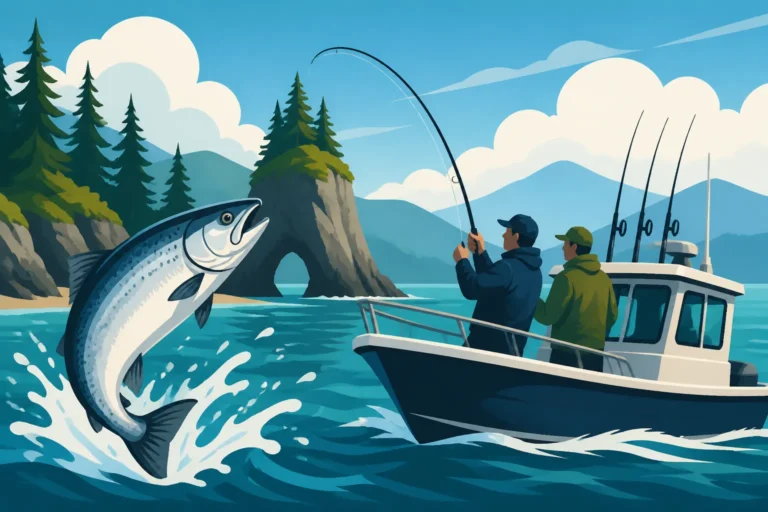
The choice between the expansive Pacific coast and the meandering freshwater rivers is fundamental to a multi-day trip. Coastal charters, often departing from ports like Westport, Ilwaco, or Neah Bay, focus on ocean-going species. Here, you're looking at halibut, lingcod, various rockfish, and of course, salmon in their marine environment. These trips typically involve larger vessels, potentially longer runs offshore, and a more open-water experience. A multi-day coastal trip allows you to rotate between different fishing grounds or dedicate consecutive days to targeting specific species, like splitting time between Halibut Fishing Techniques for the Washington Coast and deep-water bottom fishing.
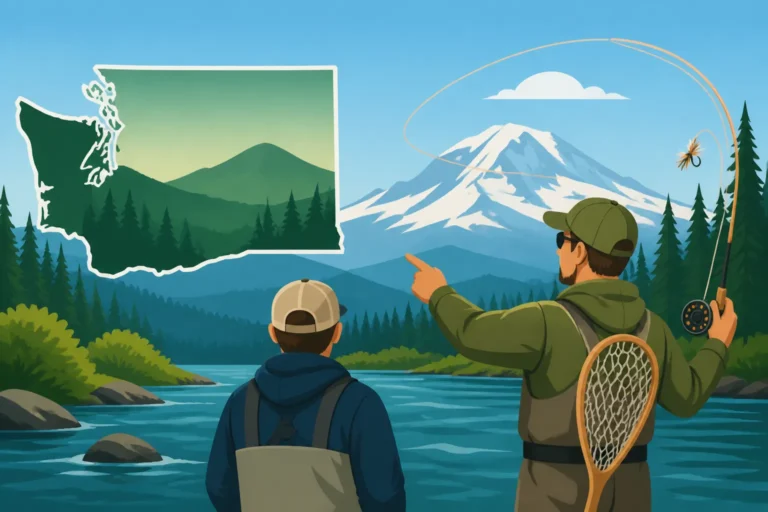
River expeditions, on the other hand, offer a completely different vibe. Think drift boats on the Cowlitz, Skagit, or Olympic Peninsula rivers, chasing Steelhead: Washington's Ocean-Run Rainbow Trout or salmon as they migrate upstream. These trips are often more intimate, focusing on specific runs, pools, and techniques like drift fishing or fly fishing. A multi-day river trip allows you to cover more river miles, follow fish migrations, and refine your river fishing skills over several days, often staying at riverside cabins or lodges. The scenery is usually breathtaking, deep in forests or canyons, offering a serene contrast to the open ocean.
Targeting Specific Species Across Days
A multi-day trip is a fantastic way to pursue specific species with dedication. If your dream is to catch a trophy Chinook Salmon: Washington's King of Fish, you could book multiple days with a Puget Sound charter, allowing you to hit different tide windows and marine areas known for kings. For example, one day might be spent trolling the shipping lanes of Marine Area 9, while the next day you might venture into a more sheltered bay if the kings are holding there. This focused effort greatly increases your chances compared to a single hit-or-miss day.
Alternatively, you might want to combine species. A popular multi-day option involves a couple of days on the Pacific chasing halibut, followed by a day or two closer to shore targeting lingcod or rockfish. In freshwater, you could dedicate a day to Drift Fishing for Steelhead in Washington Rivers and another day to exploring tributaries for cutthroat trout. This curated approach, possible only with a multi-day booking, ensures you get to pursue your primary targets while also having the flexibility to diversify your catch and experience different angling challenges.
Choosing Your Fishing Destination: Popular Hotspots
Washington is blessed with numerous fishing hotspots, each with its own character and target species. For ocean adventures, Westport is famous for its Westport, Washington Halibut and Tuna Charters, offering access to both halibut and albacore tuna when they’re in season. Ilwaco, at the mouth of the Columbia River, is another prime spot, particularly during the legendary Buoy 10 salmon fishery. These ports are well-equipped with numerous charter operations and lodging options suitable for multi-day stays.
For river fishing, the Olympic Peninsula offers world-class steelhead rivers like the Hoh, Sol Duc, and Quillayute, providing an immersive wilderness experience. The Cowlitz and Kalama rivers in Southwest Washington are renowned for their consistent salmon and steelhead returns, making them excellent choices for multi-day river trips, often with experienced local guides. For lake fishing, destinations like Lake Roosevelt or Lake Chelan offer multi-day opportunities for species like kokanee, walleye, and lake trout, sometimes combined with camping or cabin rentals. When selecting your destination, consider the time of year and Washington Fishing Seasons: A Month-by-Month Guide to align with the best runs for your desired species.
Planning the Logistics of a Multi-Day Trip
A multi-day fishing trip involves more than just picking a date and showing up. Proper logistical planning is crucial for a smooth and enjoyable experience, covering everything from booking guides to handling your catch.
Booking Guides and Charters: The Earlier, The Better
When it comes to multi-day trips, especially for popular seasons or sought-after guides, booking well in advance is absolutely essential. Many top guides and charters are booked solid months, sometimes even a year, ahead of time. This is particularly true for peak seasons like summer halibut openings or prime winter steelhead dates. Start your research early, read reviews, and communicate directly with guides to discuss their availability, what's included, and their cancellation policies. Websites like FishingBooker can be a great resource for browsing available charters and comparing options in different locations across Washington.
When contacting guides, be specific about your desired dates, target species, and the number of days you want to fish. Ask about any package deals they might offer for multi-day bookings, as some guides provide discounts for consecutive days. Clarify what equipment is provided (rods, reels, tackle, bait) and what you are expected to bring (your license, food, drinks, rain gear). A detailed conversation upfront prevents misunderstandings later and ensures both parties are on the same page for your adventure. Remember, a good guide is more than just a boat driver; they're an invaluable source of local knowledge and expertise.
Accommodations and Transportation
Multi-day trips inherently require lodging, which can range from rustic riverside cabins to comfortable coastal hotels. If you're booking a guided river trip, some guides may offer or recommend package deals that include accommodations, simplifying your planning. Otherwise, you'll need to research options near your chosen fishing destination. Popular fishing towns often have a variety of hotels, motels, vacation rentals, and even RV parks or campgrounds. Book these well in advance, especially during peak tourist and fishing seasons.
Consider how you'll get around. If you're flying into Washington, you'll likely need to rent a car to reach your fishing destination, especially for more remote river access points. Factor in travel time between different fishing locations if your multi-day itinerary involves moving between distinct areas. For example, a trip might start with an ocean charter out of Westport, then involve a several-hour drive to a river on the Olympic Peninsula for the latter part of your trip. Coordinate with your guide about meeting points and transportation to fishing sites, as some guides might offer shuttle services from local lodging.
Washington Fishing Licenses and Endorsements
Before you even think about casting a line, ensure you have the correct Washington fishing licenses and any necessary endorsements for the duration of your trip. For multi-day trips, an annual license is often the most cost-effective option, particularly if you plan to fish for more than a few days, or if you plan to return to Washington later in the year. However, if your trip is only two or three days, a short-term license might be sufficient. Washington's Annual, Short-Term and Combination License Options details the various choices.
Additionally, pay close attention to specific endorsements required for certain species or areas. If you're targeting salmon or steelhead in the Columbia River system, you'll need the Washington's Columbia River Salmon and Steelhead Endorsement, Explained. If you plan to fish with two rods in freshwater, the Washington's Two-Pole Endorsement and Who Needs One will be essential. Make sure your license covers both freshwater and saltwater if your trip spans both environments. You can often purchase licenses online through the WDFW website or via the Fish Washington app, which is super convenient, but always double-check everything before your trip begins.
Managing Your Catch: Storage, Processing, and Transport
Successfully landing fish over multiple days means you'll accumulate a significant amount of delicious fillets. Planning for catch management is critical. Most reputable charters and guides will clean and often fillet your fish for you at the end of each day or trip segment. Confirm this service when booking. After filleting, you'll need to store your catch properly to maintain its quality. Bringing your own coolers with ice is highly recommended. Many guides will have large coolers on board, but you'll want dedicated storage for transport back to your lodging and eventually home.
For longer trips or if you catch a lot of fish, consider local fish processors. Many coastal towns like Westport or Ilwaco have facilities that can vacuum-seal, freeze, and even ship your catch for you. This is an excellent option if you're flying home or don't have adequate freezer space at your lodging. If you plan to fly with your fish, research airline regulations regarding frozen seafood. Typically, fish needs to be solidly frozen and packed in a cooler that meets airline specifications for checked baggage. Proper care of your catch ensures that the fantastic fishing memories can be savored on your dinner plate long after the trip is over. It's also important to understand How Bag and Possession Limits Work in Washington to ensure you're legally keeping your catch.
Essential Gear and Packing for Extended Stays
Packing for a multi-day fishing trip in Washington requires careful consideration of the state's variable weather and the specific type of fishing you'll be doing. You'll need more than just your fishing rod; comfort, safety, and preparedness are key to enjoying every moment on the water.
Layering for Washington's Variable Weather
Washington's weather can shift dramatically, sometimes within the same day. Layering is your best friend, whether you're on the open ocean or a shaded river. Start with a moisture-wicking base layer (synthetics or wool are great, avoid cotton). Add a mid-layer for insulation, like a fleece jacket or a puffy vest. Your outer layer should be waterproof and windproof – a good quality rain jacket and pants are non-negotiable. Even on sunny days, wind can be biting, and a sudden shower is always a possibility.
For coastal trips, especially in the early morning or late evening, the marine air can be quite chilly, so an extra warm layer like a heavy hoodie or a second fleece is always a good idea. On rivers, you might start the day bundled up and shed layers as the sun climbs and activity levels increase. Don't forget a warm hat and gloves, even in summer, as they can make a huge difference in comfort. Your feet will also thank you for waterproof boots, especially if you're moving around a boat deck or wading in shallow river margins.
Fishing Tackle and Equipment Considerations
While many charters and guides provide quality rods, reels, and terminal tackle, it's always wise to confirm this beforehand. If you have a favorite rod or reel for a specific technique, ask your guide if bringing it is appropriate. For multi-day river trips, especially if you're fly fishing, you'll likely want to bring your own gear, including waders, wading boots, and a variety of fly boxes. Ensure all your equipment is in good working order before you leave home.
Even if the guide provides the main tackle, you'll want to bring some personal items. A good pair of polarized sunglasses is essential for spotting fish and reducing glare, crucial for both safety and success. A sturdy pair of pliers or a multi-tool for cutting line and removing hooks, a small pair of clippers, and a reliable headlamp (for early mornings or late evenings) are also highly recommended. Don't forget a camera to capture those memorable moments, but ensure it's either waterproof or stored in a dry bag. For specific fishing spots, like those in the San Juan Islands for Salmon and Lingcod, having appropriate tackle for multiple species can be beneficial.
Personal Essentials and Comfort Items
Beyond fishing gear and clothing, there are several personal items that will enhance your multi-day trip. Sunscreen and lip balm with SPF are critical, even on cloudy days, as UV rays reflect off the water. Motion sickness medication is a must for many on ocean charters; it's best to take it before you start feeling queasy. Bring any personal medications you require, and ensure you have enough for the entire trip.
For food and drink, plan for snacks and beverages for each day. While some charters may provide light refreshments, it's safer to bring your own supply, especially if you have dietary restrictions. A reusable water bottle is not only environmentally friendly but ensures you stay hydrated. Finally, consider bringing a small, waterproof bag or backpack to keep your essentials dry and organized throughout the day, particularly if you're on a smaller boat or in a drift boat where space is limited and splashes are inevitable.
Navigating Regulations and Ethical Practices
Fishing in Washington means navigating a complex web of regulations that can change frequently. For a multi-day trip, staying informed and adhering to ethical practices is not just about compliance; it's about responsible angling and preserving the resource for future generations.
Staying Up-to-Date on Rule Changes
Washington's fishing regulations are managed by the Department of Fish and Wildlife (WDFW), and they are notoriously dynamic. Seasons, bag limits, and even gear restrictions can change rapidly, sometimes in the middle of a fishing season, especially for salmon and steelhead. Before and during your multi-day trip, it's absolutely critical to How to Check for Emergency Rule Changes in Washington. The WDFW website is the primary source for current rules, often updated with emergency regulations. Many guides also subscribe to alert systems and will be up-to-date, but it never hurts to double-check.
Pay close attention to specific marine areas or river sections. For example, Puget Sound Salmon Closures: What Washington Anglers Need to Know can impact your multi-day plans significantly, as can specific regulations for the Columbia River. Ensure you understand not only the daily bag limits but also the possession limits, especially for a multi-day trip where you might accumulate fish over several days. A useful practice is to download or print the relevant sections of the current regulations pamphlet, or utilize the Fish Washington app, which is a great tool for on-the-go rule checking.
Understanding Bag and Possession Limits
The difference between daily bag limits and possession limits is crucial for multi-day anglers. A daily bag limit refers to the maximum number of a specific species you can keep in a single day. A possession limit, however, is the total number of a specific species you can have in your possession, either in the field, in transit, or at your home or temporary lodging. For many species in Washington, the possession limit is twice the daily bag limit, but this is not always the case and can vary significantly by species and location. This is especially vital when Possession Limits vs Daily Limits in Washington are considered.
For a multi-day trip, this means you can accumulate fish over several days, but you must not exceed the possession limit at any time. For example, if the daily limit for salmon is two, and the possession limit is four, you could keep two salmon on day one, and two more on day two, but then you would be at your possession limit and could not keep any more until you had consumed some of your catch. Keep meticulous records, especially if you're fishing without a guide who typically handles this. The Washington Catch Record Card and What It Requires is a mandatory tool for tracking salmon, steelhead, and halibut, and it must be filled out immediately upon retention.
Catch and Release Best Practices
Even if you're aiming to fill your cooler, many multi-day trips will involve significant catch-and-release, whether by choice or by regulation (e.g., wild steelhead closures or slot limits). Employing proper catch and release techniques is a vital ethical responsibility for every angler. This includes using appropriate gear to land fish quickly, minimizing their time out of water, handling them gently with wet hands, and using de-hooking tools to remove hooks cleanly.
Consider using barbless hooks, which are often mandated in certain areas and for specific species, such as for Barbless Hook Requirements on Washington Rivers. Barbless hooks greatly reduce harm to fish, allowing for quicker and safer releases. For fish that must be released, like wild steelhead in many rivers, or undersized or oversized fish in a slot limit, ensure they are revived properly before letting them go. This typically means holding them upright in the water, facing into the current, until they are strong enough to swim away on their own. Our actions today directly impact the health of future fish populations, and ethical angling is paramount.
Costs and Budgeting for Your Adventure
A multi-day fishing trip in Washington is an investment, both in time and money. Understanding the various costs involved and budgeting effectively will help ensure your trip is stress-free and enjoyable, without any unexpected financial surprises.
Breaking Down the Major Expenses
The primary cost for most multi-day guided trips will be the guide or charter fee itself. This cost can vary widely depending on the type of fishing, the duration, the number of anglers, and the popularity of the guide. Ocean charters for halibut or tuna are often priced per person or per boat, with multi-day discounts sometimes available. River guides typically charge a daily rate per boat (usually for 1-2 anglers), and this rate can increase for additional anglers. Always get a clear quote that outlines what is included in the price.
Beyond the guide fee, you'll need to budget for accommodations, which can range from budget motels to upscale lodges. Transportation costs, including gas if you're driving, or flights and rental cars if you're traveling from afar, will also be significant. Factor in your Washington fishing license and any necessary endorsements, which are non-negotiable. Don't forget about food and beverages for your entire trip, including snacks, meals, and drinks.
Tipping and Hidden Costs
Tipping your guide or charter crew is customary and highly recommended, especially if they've worked hard and provided an excellent experience. A typical tip for a fishing guide ranges, but generally reflects the quality of service. Always budget for this as part of your overall trip cost. Tipping Etiquette for Washington Fishing Guides is a good resource for understanding local norms.
Other potential "hidden" costs can include fish processing services (vacuum-sealing, freezing, shipping), bait or tackle if not provided by the guide, any personal gear you might need to purchase (rain gear, specialized clothing), and souvenirs or dining out in local towns. Some guides might also charge extra for specific services like bringing a second boat or targeting a particularly difficult species. Always ask for a comprehensive breakdown of costs from your guide, and don't be afraid to ask about anything that seems unclear to avoid surprises.
Value of a Multi-Day Investment
While the upfront cost of a multi-day trip can seem substantial, consider the value proposition. You're not just paying for a single day of fishing; you're investing in an immersive experience, increased chances of success, and the flexibility to adapt to conditions. For many, the opportunity to truly disconnect, explore multiple fisheries, and gain deep insights from an experienced guide over several days is well worth the expense. It transforms a simple outing into a genuine adventure.
Furthermore, booking multiple days with the same guide often allows for a better angler-guide relationship. The guide gets to know your fishing style, preferences, and skill level, tailoring the experience more effectively. You, in turn, become more comfortable with their techniques and the specific fishing grounds. This synergy often leads to a more productive and enjoyable trip overall, maximizing your investment in what could be the fishing trip of a lifetime.
| Trip Type | Typical Duration | Primary Target Species | Key Benefits | Considerations |
|---|---|---|---|---|
| Ocean Charter | 2-5 Days | Halibut, Chinook Salmon, Lingcod, Tuna | Access to deep-sea, multiple species, trophy fish | Weather dependent, can be rough, longer travel |
| River Expedition | 2-4 Days | Steelhead, King Salmon, Coho, Trout | Immersive, scenic, focused technique, calmer waters | Specific seasons, can be physically demanding |
| Lake Getaway | 2-3 Days | Kokanee, Walleye, Lake Trout, Bass | Family-friendly, diverse methods, calmer waters | Less 'adventure' feel, specific techniques required |
| Mixed Bag (Coast/River) | 3-6 Days | Salmon, Halibut, Steelhead, Trout | Ultimate diversity, maximize opportunities | More travel/logistics, higher cost |
Enjoying Your Multi-Day Washington Fishing Trip
You've planned, you've packed, and you've navigated the regulations. Now, it's time to fully embrace and enjoy your multi-day fishing adventure in Washington. Remember, beyond the fish you catch, it's the experience, the scenery, and the memories made that truly count.
Embrace the Learning Curve
Even if you're a seasoned angler, fishing in a new area or with a new guide for multiple days presents a fantastic opportunity to learn. Ask your guide questions! They are a treasure trove of local knowledge, from understanding fish behavior and local currents to specific bait presentations and reading the water. Don't be afraid to try new techniques or experiment with different gear. A multi-day trip gives you the time to really practice and hone new skills. For instance, if you're new to Trolling for Salmon in Washington's Puget Sound, several days provide ample opportunity to master the nuances.
Observe how your guide operates. Notice their boat positioning, how they read their electronics, and how they handle and revive fish. These observations can significantly improve your own angling prowess. Embrace any challenges as learning opportunities; a slow bite might force you to think outside the box, or adverse weather might teach you resilience. The more open you are to learning, the richer and more rewarding your multi-day experience will be.
Connect with Nature and Fellow Anglers
One of the greatest joys of a multi-day trip is the deeper connection it fosters – with nature and with the people you share the experience with. Spend time soaking in the incredible scenery: the misty rainforests of the Olympic Peninsula, the dramatic cliffs of the Pacific coast, or the majestic peaks surrounding Puget Sound. Put your phone away for a bit and simply be present. These are the moments that truly rejuvenate the spirit.
Whether you're fishing with friends, family, or even joining a shared charter with new acquaintances, a multi-day trip builds camaraderie. You'll share stories, challenges, and successes, forging bonds over shared experiences. These connections, whether with fellow anglers or your knowledgeable guide, often become some of the most cherished memories of the trip, far outlasting any fish you might bring home. Consider joining a charter that's known for its friendly atmosphere if you're looking to meet new people.
Capturing Memories Beyond the Catch
While a trophy photo with a big fish is certainly a highlight, remember to capture a wider range of memories throughout your multi-day adventure. Take photos of the stunning landscapes, the sunrises and sunsets over the water, the local wildlife you encounter, and even the simple details like your fishing setup or the boat at dawn. These candid shots often tell a richer story of your trip.
Consider keeping a small journal to jot down notes about the day: what you learned, funny moments, the weather conditions, and of course, what you caught. This personal record can be invaluable for future trip planning and serves as a wonderful keepsake. Whether it's through photos, videos, or written words, document the journey so you can relive the excitement and beauty of your multi-day Washington fishing trip for years to come.
Disclaimer
This article is for general informational purposes only and does not constitute professional advice. Laws, prices and regulations vary by location and change over time. Consult a qualified professional for guidance on your specific situation.