Best Way to Fly Home With Fish
After an incredible fishing trip in Washington—maybe you reeled in a trophy Chinook in Puget Sound or battled a steelhead on one of our legendary rivers—the last thing you want is to wave goodbye to your hard-earned catch. Getting your fresh fillets or whole fish home, especially by air, can feel like a daunting task, riddled with questions about spoilage, airline rules, and packaging nightmares. This comprehensive guide is here to untangle that knot, offering practical, realistic advice on how to safely and legally fly your Washington catch all the way back to your kitchen.
The Dream Trip's Aftermath: Why Getting Your Fish Home is So Tricky
You've put in the time, cast the lines, and the fish gods have smiled upon you. Now, that beautiful salmon or halibut is sitting there, a testament to your angling prowess. But the journey from the boat to your dinner plate, especially across state lines and through airport security, introduces a whole new set of challenges. It's not just about tossing it in a bag; it's about preservation, presentation, and navigating a labyrinth of rules.
The Perishability Puzzle: Keeping Your Hard-Earned Catch Fresh
Fish, by its very nature, is highly perishable. From the moment it leaves the water, a race against time begins. Bacteria, enzymes, and temperature fluctuations are all working against you, eager to degrade that pristine flesh into something less appealing. The heartbreak of opening a cooler at home only to find your prized catch has started to turn is a scenario no angler wants to face. This isn't just about taste; it's about food safety. Rapid cooling is paramount, and maintaining that cold chain is the biggest hurdle when flying. Even a short layover in a warm climate can compromise your efforts if not properly planned for.
Imagine landing a beautiful Puget Sound coho, meticulously cleaning and filleting it, and then thinking a few ice cubes in a flimsy cooler will suffice for a cross-country flight. The reality is, by the time you navigate check-in, security, flight time, and baggage claim, hours will have passed. Without proper preparation, that fish will be far from its peak. This is why understanding the science of preservation and employing robust cooling strategies are absolutely non-negotiable.
The Bureaucratic Gauntlet: Navigating Airline and TSA Rules
Just when you thought you had the fish-keeping science down, you hit the wall of regulations. Every airline seems to have its own subtle (or not-so-subtle) variations on rules regarding perishable goods, especially when dry ice is involved. Then there's the Transportation Security Administration (TSA), whose primary concern is security, which means melted ice water is a no-go. The frustration of getting conflicting information or facing last-minute rule changes at the airport is a common complaint among traveling anglers. You're trying to do the right thing, but the rules aren't always crystal clear or uniformly enforced.
Beyond the practicalities of packing, there's also the legal side. While this guide focuses on transport, remember that proper documentation and adherence to local fishing regulations, such as those covered in Records You Should Keep With Your Fish Fillets, are crucial from the moment you land your catch. For certain species, like salmon and steelhead, a properly filled out Washington Catch Record Card might be a requirement, even if you’re just showing proof of legal harvest if questioned by a game warden at a baggage claim. It's a lot to keep track of, but a little research ahead of time can save you a huge headache and potential fines.
Packing for the Friendly Skies: Container Choices and Cooling Strategies
Once you've accepted the challenge, it's time to get strategic about how you'll protect your fish. This means selecting the right container and mastering the art of keeping things frosty for the duration of your journey. It's an investment in both effort and sometimes cost, but it's worth it to savor that Washington bounty back home.
Choosing Your Vessel: From Disposable to Expedition-Grade Coolers
The first step is selecting the right container. Your choices typically range from simple Styrofoam coolers to sophisticated, heavy-duty insulated models. Each has its pros and cons, largely revolving around insulation, durability, and weight.
Styrofoam coolers are often the cheapest and lightest option. They're readily available at most grocery stores or bait shops. For a shorter trip with already frozen fish, they might suffice, especially if nested inside a cardboard box for added protection. However, their fragility is a major drawback. They crack easily, leading to potential leaks and insulation loss. No airline or baggage handler wants a leaky package, and you certainly don't want your precious fillets sloshing around. Soft-sided coolers offer more convenience for carrying and are often collapsible, but their insulation capabilities are usually limited, making them suitable only for very short flights or as an outer layer for a more insulated inner package. Hard-sided coolers, like those offered by Yeti, RTIC, or other popular brands, are the gold standard for insulation and durability. They can keep ice for days, which is ideal for long travel days or unexpected delays. The downside? They are significantly heavier and more expensive, which can quickly add up in checked baggage fees. Some savvy anglers even opt for a combination: a smaller, well-insulated soft cooler inside a larger hard cooler for maximum protection and flexibility. No matter your choice, ensure it has a tight-fitting lid and is capable of being sealed effectively to prevent any drips.
The Ultimate Chill: Dry Ice, Gel Packs, and Frozen Water Bottles
Keeping your fish frozen solid is the name of the game, and you have a few options for refrigerants. Each comes with its own set of rules and considerations.
Dry ice is by far the most effective way to keep things deeply frozen. It's essentially frozen carbon dioxide, and it sublimes (turns directly from solid to gas) rather than melts, meaning no messy water. However, dry ice is classified as a hazardous material by airlines because it emits CO2 gas, which can pose a risk in the cargo hold if not properly vented. Most airlines have strict limits on the amount of dry ice you can carry (typically around 5.5 pounds or 2.5 kg per passenger, in vented containers), and it must be declared at check-in. Failing to declare it can lead to your bag being pulled. Always check with your specific airline about their current dry ice policy and ensure your cooler or container has a way for the gas to escape without compromising the seal for liquid (e.g., a small hole, or simply not taping the lid completely shut).
Gel packs (also known as blue ice or ice packs) are a common and convenient alternative. They are reusable, non-toxic, and much easier to travel with as they don't have the hazardous material restrictions of dry ice. For best results, freeze them completely solid, then pack them tightly around your vacuum-sealed fish. They won't keep things as cold as dry ice, but they're excellent for maintaining a frozen state for 12-24 hours, especially if the fish itself is already frozen solid. The key here is to have enough of them. You'll need more gel packs than you think to truly keep things frozen for the duration of a flight and travel to and from airports.
Frozen water bottles are a simple, inexpensive, and effective option. Freeze several plastic water bottles solid and use them as your ice source. If they melt, it's just water, and contained within the bottle, so no mess! They also don't have hazmat restrictions. Like gel packs, their cooling power isn't as intense as dry ice, so they work best when the fish is already rock-solid frozen and for shorter travel times. Many travelers will use a combination: dry ice on top for maximum chill, surrounded by gel packs or frozen water bottles to maintain temperature longer if the dry ice sublimates quickly. Remember, regardless of your choice, the more frozen your fish is to start, and the more cooling agent you use, the better your chances of success.
Preparing Your Catch for the Long Haul
The secret to successfully flying fish home doesn't just lie in the cooler or the ice; it starts with how you prepare the fish itself. Proper processing and freezing are foundational.
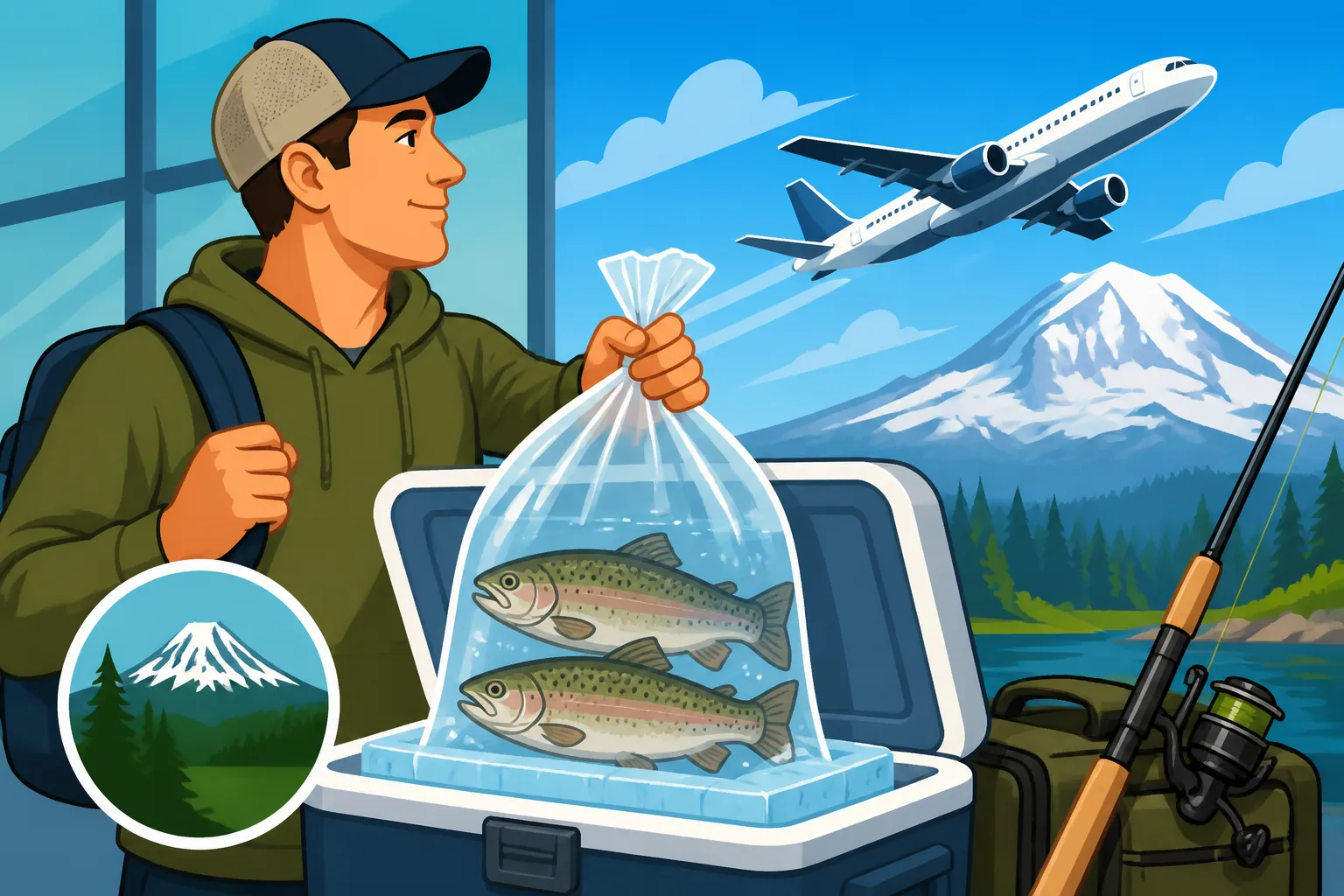
First and foremost, your fish should be cleaned and processed efficiently after the catch. Whether you're filleting it yourself or having a local processor do the work (and many Washington fishing charters offer this service, or can recommend one, so it's always worth asking, " Do Charters Clean and Package Your Fish?"), ensure the fish is free of scales, guts, and blood. For optimal preservation, vacuum sealing is a game-changer. It removes air, which is the enemy of freshness, preventing freezer burn and greatly extending shelf life. Plus, it locks in any odors, which is a major bonus when dealing with airlines and fellow passengers. You definitely don't want your prize salmon smelling up the baggage claim!
Once vacuum-sealed, the fish needs to be frozen solid. We're talking rock-hard, frozen through and through, not just firm. This might require 24-48 hours in a deep freezer. A partially frozen fish will thaw much faster, creating a higher risk of spoilage and melted water. When packing your cooler, arrange the frozen fish packages tightly, minimizing any air pockets. Air is another enemy of cold. Place your chosen refrigerant (dry ice on top, gel packs around the fish) and fill any remaining voids with crumpled newspaper, bubble wrap, or even old towels. This acts as additional insulation. Ensure the lid is securely closed, taped shut if possible (but with a vent if using dry ice), and clearly labeled. Thinking ahead about How to Package Fish for the Flight Home will pay dividends.
Decoding Airline Policies and Airport Realities
You've got your fish perfectly prepared and packed, but the journey isn't over. Navigating the specific requirements of your chosen airline and the airport security process is the next critical step. This is where a little homework goes a long way.
Your Airline is Your Best Friend (and Biggest Hurdle): Pre-Flight Research
This is perhaps the most crucial piece of advice: always check with your specific airline well in advance of your travel date. Do not assume. Airline policies on transporting perishable goods, especially those packed with dry ice, can vary dramatically, and these policies can change without much notice. While you can often find general guidelines on their websites, it's always best to call their customer service line directly.
When you call, ask specific questions: "What is your policy on flying with frozen fish as checked baggage?" "Do you allow dry ice, and if so, what is the maximum amount and what are the packaging requirements?" "Do I need to declare the dry ice at check-in?" Also, inquire about size and weight restrictions for checked bags. Many anglers make the mistake of assuming all airlines are the same, only to be met with disappointment at the check-in counter. Having the information directly from the source will save you time, stress, and potentially having to abandon your catch. Remember that Do Airlines Count Fish Boxes as Checked Bags? is a common concern, and typically, yes, they count as one piece of checked luggage, subject to all standard fees and limits. It’s also wise to check their policy on "perishable items" generally, as sometimes fish falls under that umbrella, even if frozen solid. Knowing the rules for your specific carrier, whether you're flying out of Seattle-Tacoma International Airport or another Washington hub, is your ultimate protection.
The TSA Checkpoint: Security and Perishable Goods
When you get to the airport, the Transportation Security Administration (TSA) has its own set of concerns. Their primary goal is security, not the freshness of your fish. For them, the biggest issues are liquids and prohibited items. This means that if your ice melts and creates a pool of water, your cooler could be flagged or even rejected. This reinforces the need for a truly leak-proof container and fish that are frozen solid.
When using dry ice, you'll need to declare it at check-in, and it must be packaged in a vented container. The TSA may also inspect your cooler. Having your fish securely packaged (e.g., vacuum-sealed) will make this process much smoother and less invasive. While TSA agents are generally familiar with travelers carrying frozen perishables, an unexpected puddle or a strong odor will definitely catch their attention. Be prepared for potential inspections and ensure your packing job is as robust as possible. Don't be surprised if they ask you to open your cooler; this is normal procedure. Having proper identification and documentation for your fishing license and catch can also expedite any questions, reinforcing principles from Washington Fishing Regulations Every Angler Should Know.
The Cost and Weight Conundrum of Checked Fish
Flying your catch home isn't usually free beyond your standard baggage allowance. That heavy-duty cooler, while excellent for insulation, adds significant weight, and that weight translates to potential baggage fees. Most airlines have a standard weight limit for checked bags (often 50 lbs or 23 kg). Exceeding this limit will incur overweight baggage fees, which can be substantial. If your cooler is also oversized (beyond standard linear dimensions), you might face additional oversize fees.
Before you head to the airport, weigh your packed cooler at home. A simple bathroom scale will do the trick. This way, you'll know if you're close to the limit and can adjust accordingly. Sometimes, it's cheaper to pack two smaller, lighter coolers than one giant, heavy one if you have a multi-bag allowance. Consider the total cost: the cooler itself, the ice/gel packs, the processing, and then the airline fees. For some, the convenience and peace of mind of having your fish arrive safely is worth the expense. For others, especially if the fish quantity is small, the costs might make it less appealing. The key is to be prepared and budget for these potential charges. It's all part of the journey to bring that Chinook Salmon: Washington's King of Fish home for dinner!
Beyond the Carry-On: Alternative Methods and Final Considerations
Sometimes, the thought of wrestling a heavy, cold cooler through the airport is just too much. Thankfully, there are other ways to get your Washington catch home, and some final considerations to ensure its quality upon arrival.
Professional Processing and Shipping Services
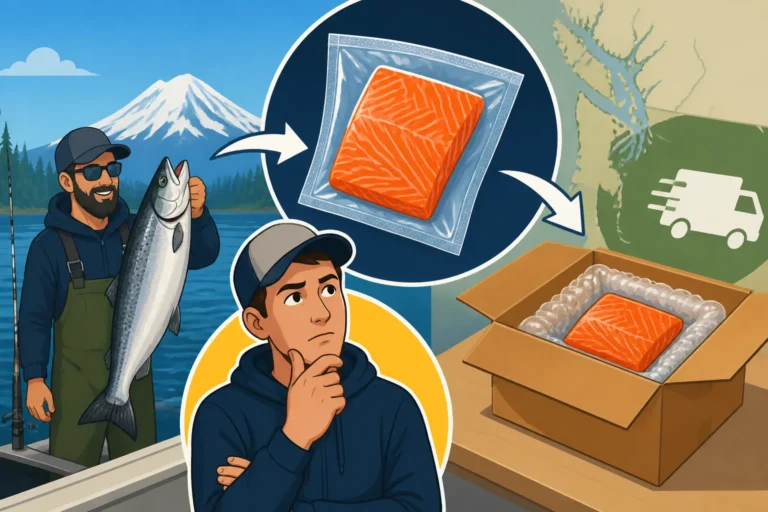
If you’re embarking on a major fishing adventure, especially for species like halibut off the Washington coast or salmon from the Columbia River, consider utilizing a professional fish processor or seafood market. Many of these businesses, particularly in fishing towns like Westport, Ilwaco, or even Seattle, offer comprehensive services. They can clean, fillet, vacuum seal, and flash freeze your catch. Crucially, many also offer professional shipping services via air cargo (like FedEx or UPS Express shipping) or specialized cold freight.
The advantages are clear: these professionals know how to properly prepare and package fish for travel, often using commercial-grade freezers and insulated shipping containers. They are also adept at navigating the shipping logistics, including customs forms if shipping internationally. This takes a huge burden off your shoulders. The downside, of course, is the cost. Professional processing and shipping can be significantly more expensive than checking a cooler yourself, especially for heavier quantities or longer distances. However, for a once-in-a-lifetime trophy or a large haul you don't want to risk, it can be a worthwhile investment in peace of mind and freshness. If you're pondering How to Ship Fish Home From Washington, this is often the most hands-off and reliable method.
Landing Your Legacy: Handling Your Fish Upon Arrival
The moment of truth: you've retrieved your cooler from baggage claim (or accepted your professionally shipped package), and you're finally home. But the work isn't quite done. The last few steps are critical to ensuring your fish remains at its peak quality.
As soon as you get home, transfer your frozen fish immediately to your freezer. Avoid leaving the cooler in a warm car or in your garage for extended periods. If any packages have partially thawed, plan to consume them sooner rather than refreezing. Refreezing partially thawed fish can compromise its texture and flavor. Take a moment to inspect your packages for any signs of damage or leakage during transit. Even with the best packing, sometimes things happen. This is also a good time to ensure all your catch records are in order, reflecting the fish you've brought home.
Finally, take a moment to savor the accomplishment. Months down the line, pulling out a perfectly preserved fillet from your freezer that came all the way from the productive waters of Washington will be a delicious reminder of your incredible fishing trip. It’s the ultimate reward for all that careful planning and execution.
Disclaimer
This article is for general informational purposes only and does not constitute professional advice. Laws, prices and regulations vary by location and change over time. Consult a qualified professional for guidance on your specific situation.