Youngest Age a Child Can Fish on a Guide Trip
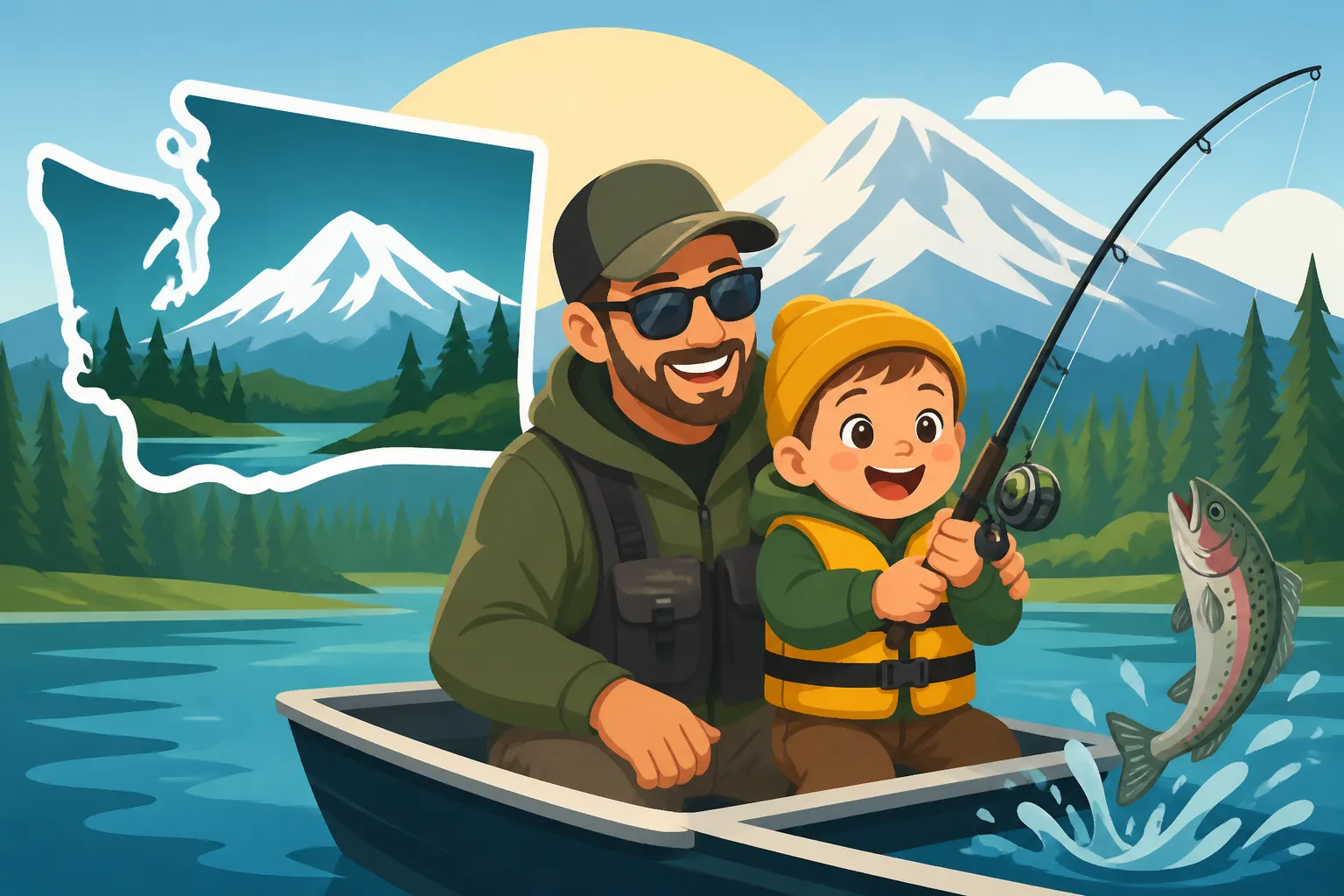
As parents, we all dream of sharing our passions with our children, and for many of us, that passion is fishing. The thought of taking your little one out on a guided trip in Washington, seeing their face light up with their first catch, is truly magical. However, one of the biggest questions that often pops up is, "How old does my child need to be to go on a fishing guide trip?" It's a valid concern, as safety, attention spans, and the overall experience for everyone involved are key. This guide will walk you through everything you need to know about age considerations for taking children on guided fishing adventures across Washington State, helping you plan an unforgettable family outing.
Understanding Age Limits on Washington Guided Trips
It’s easy to assume there’s a universal age where kids are suddenly “ready” for a guided fishing trip, but the reality is much more nuanced. Unlike some activities with strict legal age cutoffs, fishing with a guide for children in Washington operates on a spectrum of practical considerations rather than hard-and-fast rules.
No Universal Minimum Age
When it comes to Washington's fishing regulations, the Washington Department of Fish and Wildlife (WDFW) doesn't set a specific legal minimum age for a child to simply be on a fishing boat or to participate in fishing with an adult. In fact, children under a certain age often don't even need a fishing license, which might lead some to believe that age isn't a factor at all. However, while a four-year-old might not need a license, that doesn't automatically mean they're ready for a full-day salmon charter. The legal framework primarily addresses licensing requirements, such as whether Do Kids Need a Fishing License in Washington?, and not the practicalities of a child's participation on a commercially guided trip.
Therefore, the decision about the youngest age a child can join a guided trip largely falls to the individual fishing guide or charter company. They are operating a business, responsible for the safety and experience of all their clients, and they've developed their policies based on years of on-the-water experience. It's less about a government-mandated minimum and more about what's realistic and safe for both the child and the other passengers on board.
Guide Discretion and Safety Concerns
Fishing guides and charter captains are professionals who prioritize safety above all else. When they set an age minimum, it's not arbitrary; it's rooted in a deep understanding of the environment, the activity, and the typical behavior of children at various developmental stages. Their primary concerns usually revolve around several key areas. First and foremost is physical safety: a moving boat, sharp hooks, slippery decks, and potentially rough water can pose risks to a small child who may not understand or react quickly to instructions. Wearing a life jacket is mandatory for young children on many vessels, but it's crucial that the child is comfortable in it and doesn't try to remove it.
Beyond immediate safety, guides also consider a child's attention span and patience. Fishing, especially for certain species like salmon or steelhead, can involve long periods of waiting with little action, followed by bursts of intense activity. A young child who quickly gets bored, cold, or restless can quickly turn a fun outing into a challenging one for their parents, other passengers, and the guide. This often translates to a less enjoyable experience for everyone. Guides are trying to create positive memories, and a miserable child doesn't help that cause. They also factor in the duration of the trip; a two-hour lake trip is vastly different from an eight-hour offshore halibut excursion when considering a child's endurance.
Factors Influencing a Guide's Age Policy
Several practical considerations weigh heavily on a guide's decision about age limits. These factors can vary significantly from one guide to another, and even for the same guide depending on the type of trip they offer.
- Trip Length and Duration: A short, half-day trip (say, 3-4 hours) is much more manageable for younger children than a full-day trip (6-8+ hours). Some offshore adventures, like a Westport, Washington Halibut and Tuna Charters trip, can be 10-12 hours long, involving significant travel time to the fishing grounds, which is typically unsuitable for very young children.
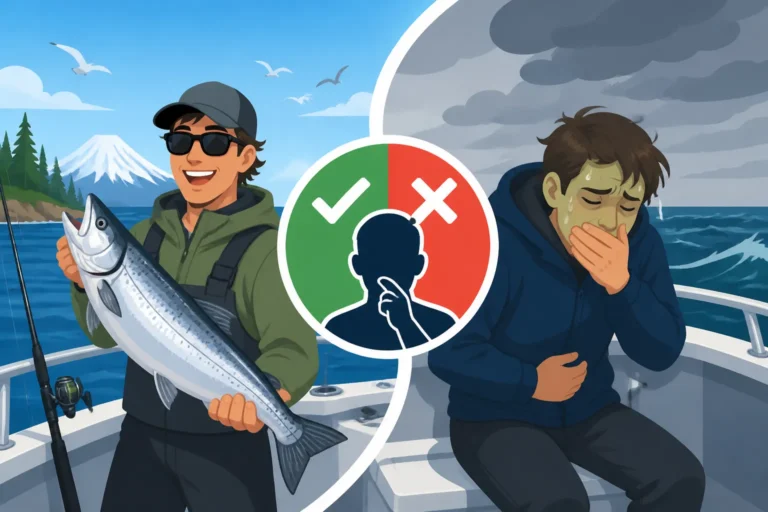
- Type of Water: Fishing on a calm, protected lake or slow-moving river presents far fewer challenges than navigating the open waters of Puget Sound or the Pacific Ocean. Puget Sound Salmon Closures: What Washington Anglers Need to Know often highlights the unpredictable nature of marine conditions, where rough seas can lead to seasickness even in adults. Guides need to ensure everyone on board can handle these conditions.
- Target Species and Fishing Method: Some fishing styles are more active and engaging, while others require more patience. Jigging for kokanee in a lake might be more captivating for a child than sitting still for hours waiting for a salmon bite while trolling. The size and fighting ability of the target fish also plays a role; a large salmon can be a handful for a small child, even with assistance.
- Amenities on Board: Smaller drift boats used for river fishing often have very basic amenities, whereas larger charter boats might offer enclosed cabins, restrooms, and more space to move around, which can make a big difference for a child's comfort.
- Group Dynamics: On a shared charter, a guide also needs to consider the experience of other paying customers. A highly disruptive child can impact everyone's enjoyment. On a private charter, where the family has the entire boat, guides often have more flexibility, but safety remains paramount.
- Guide's Personal Experience and Comfort Level: Ultimately, a guide is running their business and knows what they can realistically handle. Some guides specialize in family trips and have extensive experience working with children, even providing smaller rods or special activities. Others might primarily cater to experienced adult anglers and may have less patience or appropriate gear for very young kids. This is why it's always best to ask directly.
Preparing a Young Angler for Their First Guided Trip
Once you've found a guide willing to take your child, the preparation really begins. Ensuring your child is ready and that you've communicated clearly with your guide are crucial steps toward a successful and enjoyable experience for everyone.
Assessing Your Child's Readiness
Before even looking for a guide, take an honest look at your child. Are they genuinely interested in fishing, or is this more your dream? A child who is excited to go is far more likely to have a good time, even if the fish aren't biting. Consider their patience levels; can they sit still for an hour or two, or do they constantly need to be moving? Do they generally follow instructions well, especially from adults they don't know? This is critical for safety on a boat.
Think about their comfort with the outdoors and being on the water. If your child gets anxious easily in new environments, or struggles with motion sickness in a car, a boat trip might be too much. You can test the waters with shorter, less intense outings first, like Best Shore Fishing Spots Near Seattle or a quick trip to a local pond. A quick practice run to see if they enjoy holding a fishing rod, even if it's just in the backyard, can also be telling. If they enjoy simple activities that require a bit of focus and waiting, they're likely a better candidate for a guided trip.
Communicating with Your Guide Before Booking
This is perhaps the single most important step when planning a guided trip with a child. Do not assume anything. When you're looking to book, whether through a platform like FishingBooker or directly, make sure to ask about their specific policies regarding children. Many guides will list their minimum age on their website or booking platform, but if not, call them. Be transparent about your child's age, personality, and any concerns you might have. For instance, if your child is prone to getting cold quickly, mention it.
Some key questions to ask include:
- What is your minimum age requirement for this specific trip?
- Have you taken children of this age before? What was their experience like?
- What amenities do you have on board that are kid-friendly (e.g., enclosed cabin, marine toilet)?
- What safety equipment is available for children (e.g., child-sized life jackets)?
- How long is the actual fishing time vs. travel time?
- What kind of fish will we be targeting, and how active is that type of fishing?
- Do you offer shorter trip options if my child gets restless?
Being upfront ensures that both you and the guide have realistic expectations. A good guide will appreciate your honesty and will be able to advise you on the best type of trip, or even suggest another guide if they feel their service isn't the best fit. Remember, this conversation is part of Questions to Ask a Washington Guide Before Booking and is vital for a smooth experience.
Essential Gear and Comfort Items for Kids
Once the trip is booked, packing smart is key to keeping your child comfortable and happy. The Washington weather can be famously unpredictable, so layers are always your best friend. Even on a sunny summer day, being out on the water can be significantly colder and windier than on land.
- Clothing: Pack waterproof outerwear (jacket and pants) even if rain isn't forecast. Bring warm layers (fleece, wool), hats, and gloves. Extra socks and a change of clothes are also a good idea. Think about sun protection too – sunglasses, a wide-brimmed hat, and sunscreen are crucial for preventing sunburn, especially with reflective water surfaces.
- Food and Drink: Pack plenty of snacks and drinks, even more than you think you'll need. Keeping energy levels up helps combat boredom and cold. Non-messy snacks are preferred. Hydration is important.
- Motion Sickness Remedies: If your child has ever had motion sickness, or if you're heading out on choppier waters like Puget Sound, bring preventative medication or bands. It's much easier to prevent seasickness than to deal with it once it starts. Discuss this with your guide beforehand.
- Entertainment: While the goal is fishing, there will likely be downtime. A small book, travel game, or even a camera for taking pictures of the scenery or wildlife can help keep boredom at bay, especially during transit or slow periods.
- Personal Comforts: A small blanket or pillow for naps, especially on longer trips, can be a lifesaver. Ensure they have comfortable, waterproof shoes with good grip.
Referencing What to Bring on a Washington Fishing Charter can also provide a broader checklist that you can tailor for your child. Being well-prepared for comfort will vastly improve your child's experience.
Different Types of Washington Guided Trips and Their Suitability for Kids
Washington offers an incredible variety of fishing experiences, and not all are created equal when it comes to welcoming young anglers. Matching the right trip to your child's age and temperament is key for an enjoyable outing.
Calm Water Lake or River Trips
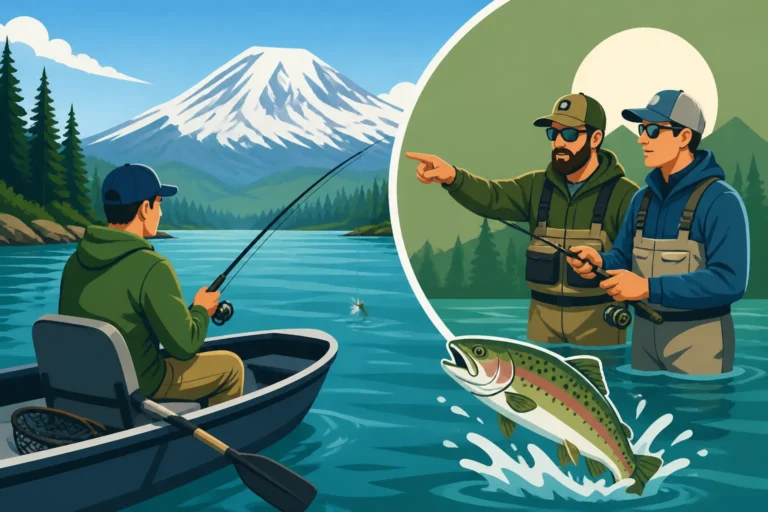
For most families introducing younger children to guided fishing, a trip on a calm lake or a mellow river is often the best starting point. These trips generally involve shorter travel times to fishing spots, less turbulent water, and often offer more consistent action for species that are easier to catch.
Think about targeting trout in one of Washington's many stocked lakes or kokanee salmon. These fish are usually abundant, and the "bite" can be fairly steady, keeping a child's interest piqued. Many guides offering Best Washington Lake for a Family Trip specialize in creating a relaxed, kid-friendly environment. River trips for species like resident cutthroat or smaller salmon/steelhead (when regulations allow for retention) can also be excellent. The scenery is often beautiful, and the action, while sometimes slower, is still engaging for a child who enjoys being outdoors. For instance, a half-day drift trip on a smaller river might provide plenty of opportunity to see wildlife and enjoy the surroundings without the intensity of a big water salmon trip. These trips often have lower minimum age recommendations, sometimes as young as 4 or 5, due to the reduced risks and more contained environment.
Puget Sound Salmon Charters
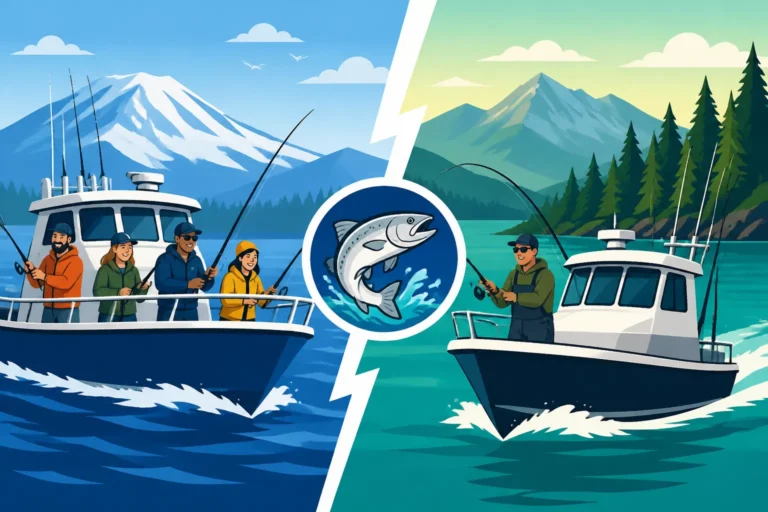
Puget Sound salmon charters offer the thrill of fishing for kings and coho, but they come with a few more variables. While incredibly exciting, these trips tend to be longer, involve travel across open water that can sometimes be choppy, and the fishing can be feast or famine.
Guides operating in marine areas like those described in Marine Area 6 for Salmon Fishing, Explained or Marine Area 9 for Salmon Fishing, Explained typically recommend a slightly higher minimum age, often around 7 or 8 years old. This is primarily due to the longer duration of the trips, the potential for seasickness, and the fact that Puget Sound can be less predictable than a sheltered lake. Hooking and fighting a large Chinook salmon requires some strength and endurance, which older children are better equipped for. However, many guides are fantastic with kids and can provide ample assistance. If you're considering a Puget Sound trip for your child, a private charter where the guide can dedicate more attention to your family's needs might be a better option than a shared trip, as discussed in Shared vs Private Fishing Charters in Washington. Always have a thorough conversation with the guide about your child's experience and comfort level with boats and fishing.
Offshore Ocean Charters (Halibut, Tuna)
When you're looking at offshore adventures like halibut or albacore tuna trips off the Washington coast from ports like Westport or Ilwaco, the minimum age recommendations climb significantly. These trips are typically demanding, involving long runs to fishing grounds far out at sea, potentially rough ocean conditions, and very long days.
For species like Pacific halibut, as highlighted in Pacific Halibut Fishing on the Washington Coast, trips often last 8 to 12 hours or even more. The chances of seasickness are higher, and the fishing itself can be quite strenuous, requiring considerable physical effort to reel in a large bottomfish from deep water. Consequently, most offshore charter operators will have a strict minimum age of 10-12 years old, and some even higher, to ensure that children can safely and comfortably handle the conditions and the physicality of the fishing. These are generally not recommended for a child's very first guided fishing experience. Even for older kids, it’s crucial to discuss the potential for rough seas and long hours with the captain before booking.
Making the Trip a Positive Experience for Everyone
The success of a guided fishing trip with kids isn't solely measured by the number of fish caught. It's about creating lasting memories and fostering a love for the outdoors.
Managing Expectations
One of the most important things you can do as a parent is to manage expectations – both your own and your child's. A guided fishing trip isn't a guarantee of a boat full of fish. Fishing is, by its very nature, unpredictable. Sometimes the bite is hot, and sometimes it's slow. Emphasize to your child that the goal is to have fun, learn something new, and enjoy being on the water. Focus on the experience: seeing seals, eagles, or other wildlife; learning how to cast; feeling the tug of any fish, big or small.
Avoid putting pressure on them to catch the "biggest" or "most" fish. If they're having fun, learning, and staying engaged, that's a successful trip. This mindset will also take pressure off the guide, allowing them to focus on teaching and facilitating a positive experience rather than feeling obligated to produce a trophy fish at all costs.
The Role of the Guide and Parent
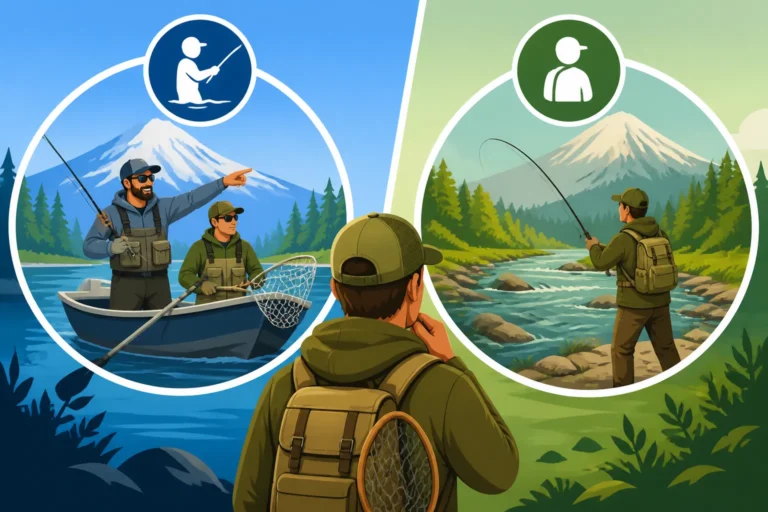
On a guided trip, the guide is the expert angler and boat operator, but as a parent, your role is still vital. The guide will handle the technical aspects of fishing – finding fish, rigging gear, and offering instruction. You, as the parent, are primarily responsible for your child's comfort, emotional well-being, and continued engagement.
This might mean helping them with snacks and drinks, taking them to the restroom, comforting them if they get bored or frustrated, or providing a distraction during slow times. Work with your guide. If your child is struggling, communicate that to the guide. A good guide will be flexible and might suggest a short break, a change in fishing technique, or even a brief scenic detour if appropriate. Some guides even offer educational tidbits about the local ecosystem or fish species, which can captivate a child's interest. Building this collaborative relationship with your guide will ensure a more harmonious and enjoyable day for everyone.
Celebrating Small Victories
Fishing with children is all about celebrating the small moments. Did they successfully cast their line? Did they feel a bite, even if they didn't hook it? Did they reel in a small fish, even if it wasn't the target species? These are all huge victories! Take photos, offer enthusiastic praise, and let them share their stories.
Even just enjoying the boat ride, seeing a magnificent Chinook Salmon: Washington's King of Fish jump, or spotting an eagle soaring overhead can be a highlight. The goal isn't just to catch fish, but to instill a love for the outdoors and fishing that will last a lifetime. Sometimes, the most memorable part of the trip isn't the fish caught, but the laughter shared or the quiet moment spent together on the water. By focusing on these positive aspects, you ensure that your child associates fishing with joy and adventure, making them eager for their next trip.
Here's a quick comparison of typical age considerations for different types of guided fishing trips in Washington:
| Trip Type | Typical Minimum Age Range | Key Considerations | Suitability for First-Timers |
|---|---|---|---|
| Calm Lake/River (Trout/Kokanee) | 4-7 years old | Shorter trips, calm water, frequent action, easy access. | Excellent |
| River (Salmon/Steelhead) | 6-9 years old | Can involve longer periods, colder weather, more specific techniques like Drift Fishing for Steelhead in Washington Rivers. | Good, depending on child's patience |
| Puget Sound Salmon | 7-10 years old | Longer trips, potential for choppy water, bigger fish, occasional slow periods. Discuss Best Tides for Puget Sound Salmon Fishing in Washington with your guide. | Good, if child is comfortable on boats |
| Nearshore Bottomfishing (Lingcod/Rockfish) | 8-11 years old | Longer trips, potential for choppy water, heavy gear, deep water. | Moderate, for more experienced kids |
| Offshore Ocean (Halibut/Tuna) | 10-12+ years old | Very long trips, rough seas, physically demanding, high seasickness risk. | Poor, generally too intense |
Note: These are general guidelines. Always confirm with your specific guide or charter through platforms like FishingBooker before booking, as individual policies may vary.
Disclaimer
This article is for general informational purposes only and does not constitute professional advice. Laws, prices and regulations vary by location and change over time. Consult a qualified professional for guidance on your specific situation.