Best Shore Fishing Spots Near Seattle
Finding a great fishing spot around Seattle that doesn't require a boat can feel like searching for a needle in a haystack. The sheer amount of water can be overwhelming, and knowing which public accesses actually offer a decent chance at catching something, rather than just a nice view, is a common frustration. This comprehensive guide will pull back the curtain, detailing the absolute best shore fishing locations near Seattle, whether you're craving saltwater action on Puget Sound or a peaceful freshwater escape in a local lake.
Urban Saltwater Havens: Piers and Public Access in Puget Sound
Seattle is nestled right on Puget Sound, a massive saltwater estuary teeming with life. While many think you need a boat to tap into this fishery, plenty of accessible piers and public shorelines offer fantastic opportunities for anglers willing to explore. These urban havens can yield anything from migrating salmon and aggressive lingcod to abundant squid and bottomfish, making them perfect for a spontaneous fishing trip.
Elliott Bay Pier and Seattle Waterfront Access
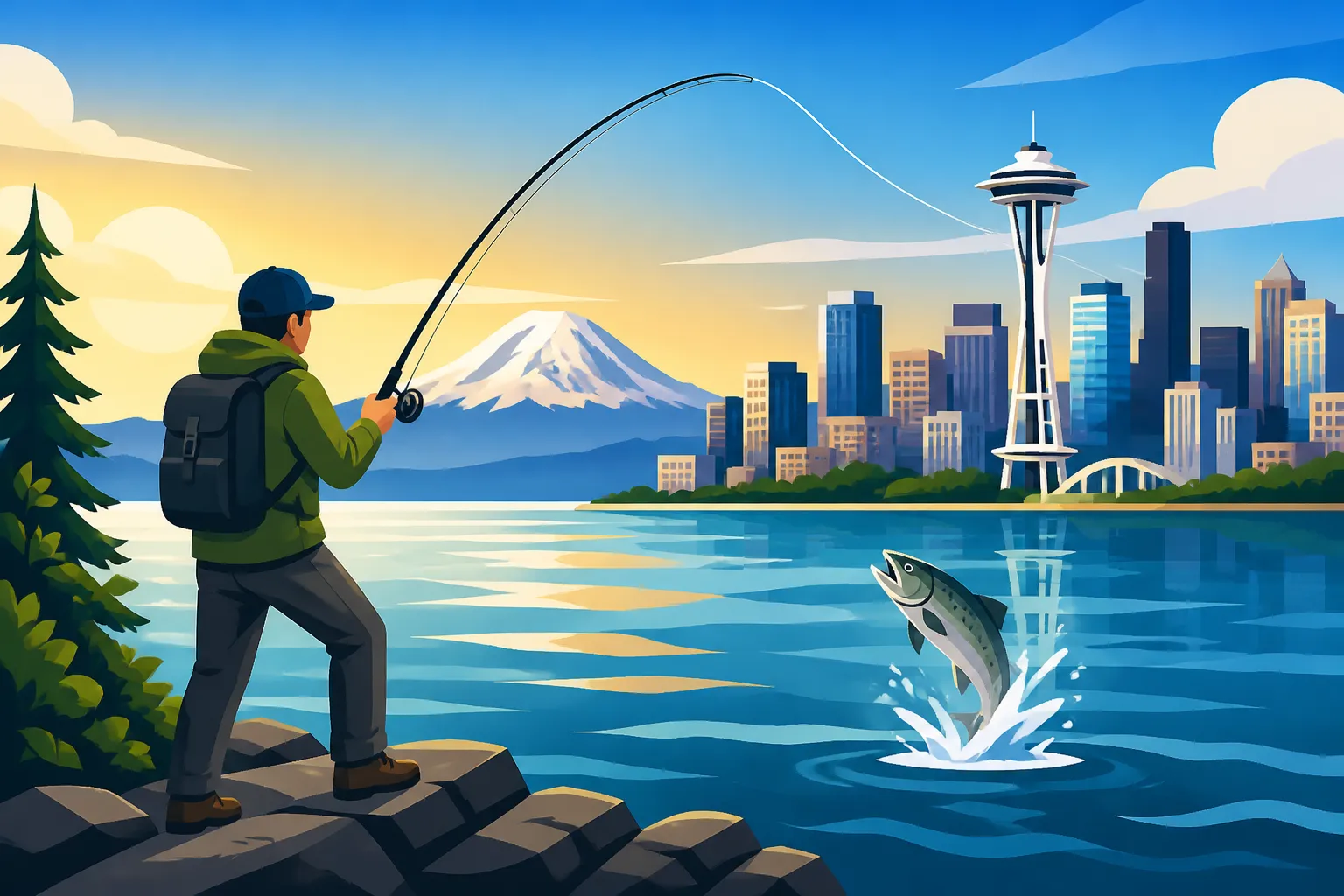
When you think of fishing in downtown Seattle, Elliott Bay Pier is probably the first place that comes to mind, and for good reason. Located right on the bustling waterfront, this pier offers a surprisingly diverse fishing experience for its urban setting. It’s easily accessible, often bustling with other anglers, and provides a unique backdrop of ferries, cargo ships, and the iconic Seattle skyline.
The primary draw here are the migrating salmon, particularly Chinook (often called "kings") and Coho (silvers) during their respective runs. While these can be hit-or-miss from shore, persistent anglers casting spoons, jigs, or bait can definitely connect. Early mornings or late evenings, especially during an incoming tide, tend to be the most productive times. Beyond salmon, Elliott Bay is a fantastic spot for bottomfish. You might pull up rockfish, flounders, or even a Pacific cod. Squid jigging becomes a major event here in the fall and winter months, attracting crowds who line the railings with specialized squid jigs. It’s an incredibly fun and social experience, and fresh calamari is a delicious bonus. Just remember to check the current Washington fishing regulations every angler should know before you head out, as salmon seasons and retention rules can change frequently in Puget Sound. Access is easy, with paid parking garages nearby and good public transport connections, making it ideal for a quick after-work session or a weekend outing.
Des Moines Pier and Redondo Beach
A short drive south of Seattle will bring you to the charming community of Des Moines, home to a well-maintained pier that consistently ranks as one of the best shore fishing spots in the region. The Des Moines Pier extends quite a bit into the Sound, providing access to deeper water and a wider variety of species. It's often less crowded than Elliott Bay, offering a slightly more relaxed atmosphere.
Similar to other Puget Sound piers, Des Moines is a reliable spot for winter blackmouth (resident Chinook salmon) and migrating Coho salmon. Anglers often employ methods like casting weighted jigs or bait under a bobber for these prized fish. However, where Des Moines really shines is its reputation for squid. From late fall through early spring, the pier transforms into a squid fishing hotspot, especially after dark. The lights along the pier attract the squid, making it easier to jig for them. It’s a fantastic family-friendly activity, and many beginners have their first successful catch here. Beyond squid, you can expect to find a variety of bottomfish, including sculpins, rock sole, and starry flounders. Just a bit further south, Redondo Beach offers additional shore access, though it's more focused on crabbing from shore or small boat launches than direct pier fishing. If you're looking to explore the possibility of Crabbing and Shellfishing in Washington's Puget Sound, Des Moines Pier or Redondo Beach are excellent starting points for shore-based efforts.
Other Notable Puget Sound Shore Spots
While Elliott Bay and Des Moines are prime examples, Puget Sound offers a mosaic of other shore fishing opportunities, each with its own unique character and target species. Expanding your horizons can lead to some surprisingly productive and peaceful fishing experiences.
- Point Defiance Park (Tacoma): Down in Tacoma, the fishing pier at Point Defiance offers excellent prospects, particularly for bottomfish and seasonal crabbing. Its proximity to deeper waters within Commencement Bay means a good chance at various rockfish species, flounders, and sometimes even lingcod. The park itself is massive, offering plenty of amenities for a full day out.
- Edmonds Pier: North of Seattle, the Edmonds Pier is another popular destination, known for its consistent winter blackmouth salmon fishery. Anglers here often jig or cast Herring for Puget Sound Chinook in Washington. The pier also has a convenient bait shop and restrooms, making it a comfortable spot for longer sessions. Squid fishing is also popular here in season.
- Lincoln Park (West Seattle): This expansive park offers miles of shoreline access, though it’s generally less about targeting migrating salmon directly and more about exploring for resident species. Sea-run cutthroat trout can be found cruising the shallow waters, especially during incoming tides or around creek mouths. Fly anglers and light tackle enthusiasts casting small spinners or flies often find success here. While less "target rich" for big salmon, it offers a beautiful, more natural setting for those who prefer peace and quiet.
- Mukilteo Lighthouse Park: Located just north of Everett, this spot offers excellent pier and beach access. Known for its crabbing opportunities, especially for Dungeness crab, it also sees seasonal salmon runs. The pier can be a great place to drop crab pots or cast for salmon and bottomfish. This area is also popular for viewing the ferry traffic to Whidbey Island.
When fishing any of these saltwater spots, always be mindful of the tide. Often, the hour before and after a tide change can be the most productive, as currents stir up baitfish and concentrate feeding activity. Remember that Puget Sound salmon closures: what Washington anglers need to know can significantly impact your plans, so always check the latest regulations before you go.
Freshwater Escapes: Lakes and Ponds Close to the City
Sometimes, the tranquility of freshwater fishing is exactly what you need, and Seattle delivers with a surprising number of accessible lakes and ponds right on its doorstep or just a short drive away. These urban and suburban lakes offer a different kind of fishing experience, often targeting stocked trout, warmwater bass, and panfish.
Lake Washington's Accessible Shores
Lake Washington, a massive freshwater lake bordering Seattle to the east, is a treasure trove of fishing opportunities, even for those without a boat. Its vastness means numerous parks and public access points provide ample space for shore anglers. The lake is regularly stocked with rainbow trout and also holds healthy populations of largemouth and smallmouth bass, perch, and even resident Coho salmon (known as "Blackmouth" when they reside in the lake year-round before heading to sea).
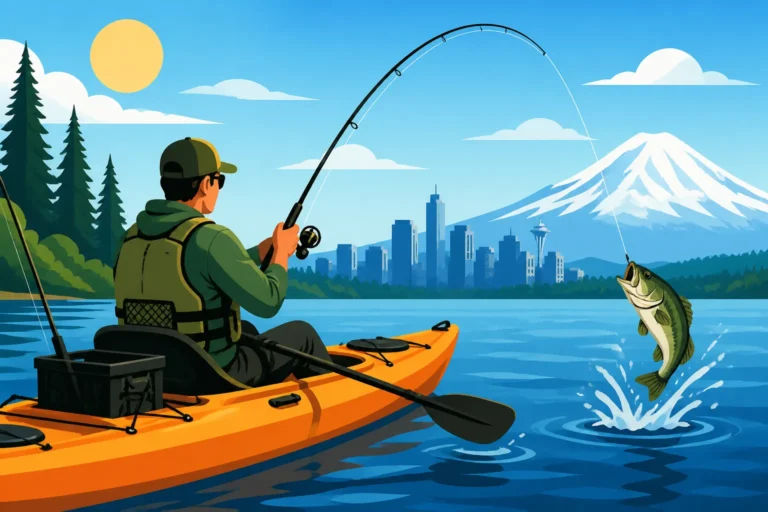
Popular spots like Juanita Beach Park in Kirkland, Gene Coulon Memorial Beach Park in Renton, and Magnuson Park in Seattle offer excellent shore access. These parks feature docks, fishing piers, and sprawling grassy areas perfect for casting. For trout, anglers typically use power bait, worms, or small spinners fished under a bobber or off the bottom. Early spring, just after the winter stocking, and throughout the milder months, are prime times for trout. Bass anglers will find success casting soft plastics, spinnerbaits, or topwater lures around structure like docks, fallen trees, or lily pads, especially during the warmer summer months. Perch and other panfish are almost always available and provide great action for kids or beginner anglers using a simple worm-and-bobber rig. Fishing Lake Washington for Trout and Bass is a beloved local pastime, and its diverse fishery means there's almost always something biting. Keep an eye out for unique opportunities, too; occasionally, some sockeye salmon will stray into Lake Washington, though they are usually off-limits for retention.
Green Lake and Lake Union: Urban Fishing Opportunities
For truly urban fishing that's integrated right into the fabric of Seattle, look no further than Green Lake and Lake Union. These aren't wilderness escapes, but they offer convenient, productive fishing experiences for those living in or visiting the city.
Green Lake is a small, picturesque lake located right in the heart of Seattle, encircled by a popular walking path. It's an ideal spot for a quick fishing session, especially for families. The Washington Department of Fish and Wildlife (WDFW) regularly stocks Green Lake with rainbow trout, making it a reliable destination for these popular fish. Anglers often line the banks, casting power bait, worms, or small trout spinners. In addition to trout, Green Lake has a healthy population of largemouth bass and various panfish like crappie and perch, providing diverse targets throughout the year. The lake is incredibly accessible, with plenty of public transit options and parking, though it can get busy on sunny days. For those interested in trying fly fishing, parts of Green Lake's shoreline can offer opportunities for nymphing or dry fly fishing during insect hatches, targeting cruising trout or bass.
Lake Union, nestled between downtown Seattle and Fremont, offers a unique urban angling experience. While less known for its fishing than Green Lake, it holds surprising potential. The lake is home to largemouth bass, smallmouth bass, and various panfish. Fishing from public docks, shoreline parks like Gas Works Park, or even the numerous houseboats that dot its shores (with permission, of course) can yield results. Bass fishing here can be excellent, particularly around the many structures – docks, boat hulls, and bridge pilings – that provide cover. Anglers typically use jigs, soft plastics, or crankbaits to target these fish. While not heavily stocked with trout, occasional cutthroat trout can be found. Remember that both Green Lake and Lake Union are busy recreational areas, so be mindful of other users. Before you drop a line, ensure you have the correct Washington's Annual, Short-Term and Combination License Options for freshwater fishing.
Smaller Lakes for Quick Trips
Beyond the larger, well-known lakes, the greater Seattle area is dotted with numerous smaller lakes and ponds that offer excellent, often less crowded, shore fishing opportunities. These spots are perfect for a quick getaway, a family outing, or when you just want a peaceful hour or two with a line in the water.
- Lake Sammamish: East of Lake Washington, Lake Sammamish is another substantial body of water that offers fantastic shore fishing from various parks like Lake Sammamish State Park. While often associated with boat fishing for Kokanee salmon, the shoreline can be productive for trout (especially in spring after stocking), smallmouth bass, and even some resident Coho salmon. Anglers targeting Kokanee in Washington lakes can sometimes find success from docks or piers using jigs or small trolled Wedding Rings, particularly in deeper access areas.
- Cottage Lake (Woodinville): This quaint lake in Woodinville is a popular spot for family fishing. It's regularly stocked with rainbow trout by the WDFW, ensuring good catch rates, especially in spring. The lake offers public access and a fishing pier, making it very kid-friendly. Simple bait-and-bobber setups with worms or power bait are usually all you need here. It's a great place to introduce young anglers to the sport.
- Pine Lake (Sammamish): Similar to Cottage Lake, Pine Lake in Sammamish is another excellent family-friendly option. Also regularly stocked with trout, it provides reliable action from its public access points and fishing pier. The lake often features fishing events or derbies, making it an exciting place for kids. These smaller, stocked lakes are fantastic for those just learning, or when you need a guaranteed smile on a child's face. If you're planning a trip with youngsters, remember to check Do Kids Need a Fishing License in Washington? requirements, as rules can vary by age.
These smaller lakes provide diverse fishing experiences within a short drive of Seattle, proving that you don't always need to travel far to find productive water.
Essential Tips for Shore Anglers Near Seattle
Embarking on a shore fishing adventure around Seattle is exciting, but a little preparation and understanding of the local nuances can make all the difference between a frustrating outing and a memorable day on the water. From navigating regulations to picking the right gear, these tips are designed to help you make the most of your urban angling experiences.
Licensing and Regulations: Don't Get Caught Off Guard
One of the most critical aspects of fishing anywhere in Washington State is understanding and adhering to the current licensing and regulations. The rules can be complex, vary by location (marine area vs. freshwater lake, specific river systems), and change frequently due to conservation efforts or in-season adjustments. Getting caught without the proper license or violating a rule can lead to significant fines and a ruined day.
First and foremost, you'll need a valid Washington fishing license. Whether you opt for a freshwater, saltwater, or combination license depends on where you plan to fish. For most of the spots mentioned in this guide, a combination license is your safest bet, covering both types of water. You can easily purchase your license online through the Washington Department of Fish and Wildlife (WDFW) website, or at many local sporting goods stores like those found in Lynnwood or Tacoma, or even some smaller shops around Seattle. Read our guide on Where and How to Buy a Washington Fishing License for more detailed information. It's imperative to carry your license with you while fishing, whether it's a physical copy or stored digitally on your phone via the MyWDFW app.
Beyond the license, you must check the current WDFW regulations for the specific body of water you intend to fish. These regulations cover bag limits, size restrictions, open seasons, gear restrictions (like bait bans or barbless hook requirements), and species-specific rules. For saltwater fishing in Puget Sound, pay close attention to the marine area you are in, as rules can differ even a few miles apart. For freshwater lakes, check the specific lake rules, as stocking schedules and special regulations for bass or trout might apply. These rules are published annually in the WDFW Sport Fishing Regulations pamphlet and updated regularly through emergency rule changes, which are posted on the WDFW website. Failing to check these updates is a common mistake that can have serious consequences.
Gear Essentials for Urban Fishing
You don't need a boatload of expensive gear to enjoy shore fishing near Seattle, but having the right essentials will significantly improve your chances of success and comfort. Think versatile, portable, and weather-appropriate.
For most Puget Sound pier and lake fishing, a medium-light to medium action spinning rod, 7 to 9 feet in length, paired with a reliable spinning reel spooled with 10-20 lb braided line and a fluorocarbon leader, will serve you well. This setup is versatile enough to cast lures, jigs, or bait and handle anything from a feisty trout to a decent-sized salmon or bottomfish. Your tackle box should include an assortment of basic gear:
- Weights: Various sizes of pyramid, cannonball, or sliding sinkers for bottom fishing.
- Hooks: Sizes 2 to 4/0, appropriate for your target species and bait.
- Bobbers: Both fixed and slip bobbers for suspending bait or jigs.
- Lures: A selection of casting spoons (e.g., Luhr Jensen Kwikfish, P-Line Lazer Minnows), metal jigs (for salmon or squid), and soft plastic grubs for bottom fish.
- Bait: Worms (nightcrawlers, scented worms), cured salmon eggs (for trout), or pieces of herring/squid (for salmon and bottom fish).
- Net: A long-handled landing net is crucial for safely landing fish from piers, especially larger salmon or heavy bottomfish.
- Tools: Pliers for hook removal, clippers for line, and a measuring tape to ensure your catch meets size requirements.
Don't forget to dress for the unpredictable Pacific Northwest weather. Layering is key, and waterproof outer layers are highly recommended, even on days that start sunny. Good, comfortable walking shoes are also a must, as you might be moving around to find the best spots. A small backpack or tackle bag makes carrying your gear comfortable, and don't forget water, snacks, and sunscreen!
Embracing Local Knowledge and Resources
While guides like this one provide a great starting point, nothing beats real-time, hyper-local knowledge. The fishing scene in Washington is dynamic, influenced by seasons, tides, weather, and even recent stocking events. Tapping into local resources can give you a significant edge.
Your first stop should always be a local tackle shop. Shops like Sportco in Fife, John's Sporting Goods in Everett, or even smaller, independent bait shops around Seattle, are goldmines of information. The staff often fish these waters themselves and can tell you what's biting, what gear is working best, and even point you to specific productive areas. Don't be shy; ask about recent catches, water conditions, and any emergency rule changes you should be aware of.
Online communities and forums, such as those found on sites like WashingtonLakes.com or the WDFW's weekly fishing reports, also offer valuable insights. You can see what other anglers are catching, get tips on techniques, and learn about lesser-known spots. However, always take online reports with a grain of salt and cross-reference them with official WDFW regulations.
Finally, while shore fishing offers incredible independence, sometimes the best way to really unlock a new fishery, or to understand the nuances of a local spot, is to spend a day with a seasoned pro. While this guide focuses on shore fishing, if you ever feel the urge to explore by boat or learn advanced techniques, resources like FishingBooker can help connect you with local guides who fish these very waters daily, offering invaluable insights into what's biting and where. A guided trip can fast-track your learning curve and introduce you to methods you might not discover otherwise.
| Fishing Spot | Type of Water | Primary Target Species | Best Seasons | Key Techniques | Special Notes |
|---|---|---|---|---|---|
| Elliott Bay Pier | Saltwater | Salmon, Squid, Bottomfish | Fall/Winter (Squid), Summer/Fall (Salmon) | Jigging, Casting Spoons, Bait Fishing | Urban, busy, easily accessible |
| Des Moines Pier | Saltwater | Salmon, Squid, Bottomfish | Fall/Winter (Squid), Year-round (Bottomfish) | Jigging, Casting, Bait under Bobber | Family-friendly, often less crowded than Elliott Bay |
| Edmonds Pier | Saltwater | Winter Blackmouth, Squid, Bottomfish | Winter (Blackmouth), Fall/Winter (Squid) | Jigging, Bait Fishing | Convenient bait shop, good facilities |
| Lake Washington (Parks) | Freshwater | Trout, Bass, Perch | Spring (Trout), Summer (Bass) | Power Bait, Worms, Spinners, Soft Plastics | Numerous public parks, diverse fishery |
| Green Lake | Freshwater | Trout, Bass, Panfish | Spring (Trout), Summer (Bass) | Power Bait, Worms, Light Spinners | Highly urban, very accessible, popular for families |
| Cottage Lake / Pine Lake | Freshwater | Trout | Spring, Early Summer | Worms, Power Bait, Small Spinners | Excellent for beginners and kids, regularly stocked |
Disclaimer
The information provided in this guide is for general informational purposes only and is subject to change. Fishing regulations in Washington State are dynamic and can be modified frequently by the Washington Department of Fish and Wildlife (WDFW) through emergency rule changes. It is the angler's sole responsibility to consult the most current WDFW regulations and ensure compliance with all applicable laws before engaging in any fishing activity. Always prioritize safety and practice responsible angling.