Marine Area 6 for Salmon Fishing, Explained
Navigating Washington's marine area fishing regulations can feel like trying to untangle a hundred-pound snarl of fishing line in the dark, especially when you're just trying to figure out where and when you can chase salmon. It's a common frustration for both seasoned anglers and newcomers alike. This guide is here to unravel the mysteries of Marine Area 6, specifically for salmon fishing, giving you a clear understanding of its unique boundaries, target species, seasons, and crucial regulations.
Understanding Marine Area 6 and Its Boundaries
Marine Area 6, often referred to as the "East Strait of Juan de Fuca," is a highly popular and productive fishing ground in Washington State. It’s an expansive and diverse area, stretching from the mouth of Puget Sound westward into the Strait. But knowing exactly where its lines are drawn can be the difference between a legal catch and a frustrating violation.
Geographical Scope
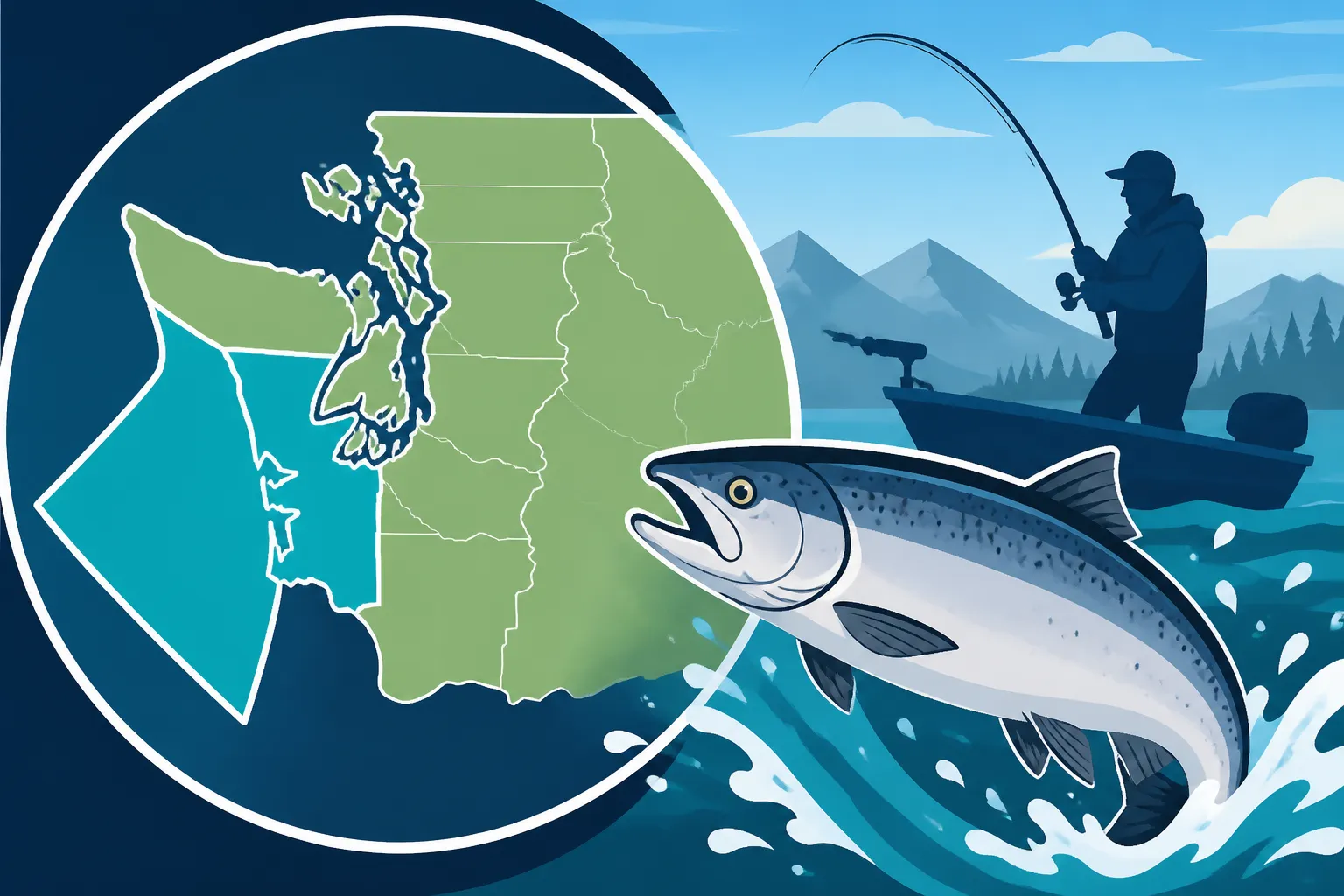
Marine Area 6 encompasses a significant portion of the eastern Strait of Juan de Fuca. Geographically, it stretches from a line projected true north from the mouth of the Sekiu River, eastward to the mouth of Puget Sound proper. This eastern boundary is particularly important: it's a line drawn from New Dungeness Lighthouse to the southern tip of Protection Island, then from the northern tip of Protection Island to Point Wilson. This means towns like Port Angeles and Sequim are central to this area, and many popular launch points are located around here.
The waters here are generally calmer than the exposed Pacific Ocean, yet they can still be incredibly diverse, featuring deep shipping channels, rocky reefs, sandy bottoms, and kelp beds, all of which attract various salmon species. Popular fishing locations within MA6 include the waters off Port Angeles, the humps and banks near Ediz Hook, and the waters closer to Discovery Bay and the entrance to Admiralty Inlet. Because of its sheltered nature compared to the open ocean, it's often a preferred area when offshore conditions are too rough. However, this doesn't mean the Strait is always flat calm; winds can pick up quickly, especially in the afternoons, so always check marine forecasts before heading out.
Why Boundaries Matter for Anglers
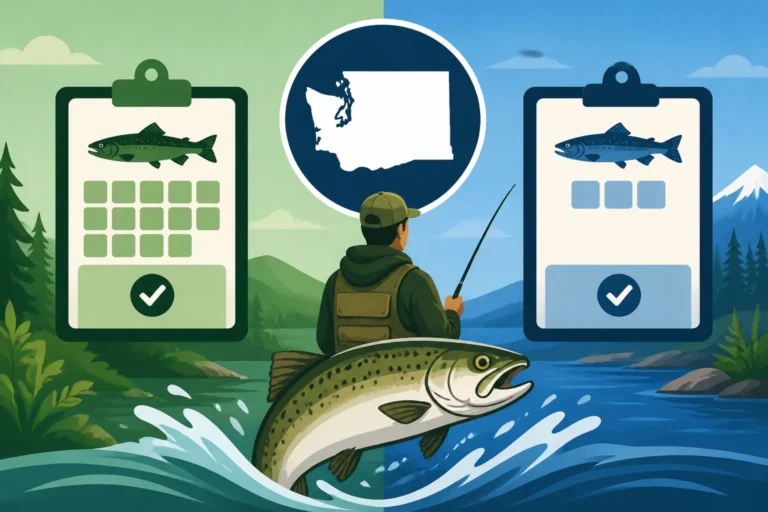
Understanding the precise boundaries of Marine Area 6 isn't just a bureaucratic formality; it's absolutely critical for legal and responsible fishing. The Washington Department of Fish and Wildlife (WDFW) sets specific seasons, bag limits, and gear restrictions that can vary dramatically from one marine area to the next, sometimes just a few hundred yards apart. For instance, you might be trolling for Chinook legally in Marine Area 6, but if your boat drifts across the invisible line into Marine Area 9 (Admiralty Inlet), the rules could instantly change, turning your legal catch into a potential fine. This can be incredibly frustrating for anglers who are focused on the fish, but it’s how WDFW manages different salmon stocks and allocates fishing opportunities.
Think of it like driving: the speed limit changes when you cross into a new town, and you need to know those signs. For fishing, your GPS and marine charts become your "speed limit signs." Having a good chart plotter with WDFW marine area overlays, or at least a printed chart you can reference, is essential. You don't want to accidentally violate regulations simply because you weren't aware of a subtle boundary shift. Always double-check the current rules for all adjacent areas if you plan to fish near a boundary line. It’s also important to remember that emergency rule changes can happen frequently, so always check the latest updates before heading out. For a broader overview of how these rules apply, be sure to read our guide on Washington Fishing Regulations Every Angler Should Know.
Salmon Species and Seasons in Marine Area 6
Marine Area 6 is a prime destination for salmon fishing, offering opportunities for several highly sought-after species throughout the year. However, knowing when specific salmon are running and what the current regulations allow is key to a successful and legal trip.
Key Salmon Species Targeted
The primary targets for salmon anglers in Marine Area 6 are Chinook (King) and Coho (Silver) salmon.
Chinook Salmon (Kings): These are the undisputed kings of the salmon world, prized for their size, fighting ability, and rich, oily meat. In Marine Area 6, you'll often encounter both resident "blackmouth" Chinook, which stay in Puget Sound and the Strait year-round, and migratory Chinook heading to natal rivers. Blackmouth fishing is a popular winter and early spring pursuit when other salmon seasons might be closed. During the summer and fall, you might intercept larger migratory Chinook passing through. Understanding the life cycle and migration patterns of these fish is crucial. For more in-depth information on when to target these majestic fish, check out our piece on When Chinook Salmon Run in Washington's Puget Sound.
Coho Salmon (Silvers): Coho are renowned for their acrobatic fights and aggressive strikes, making them incredibly fun to catch. They typically show up in stronger numbers later in the summer and into the fall, as they stage to enter freshwater systems. While not usually as large as Chinook, a strong Coho run can provide incredible action, with limits often easier to achieve. Their vibrant silver flanks and energetic battles make them a favorite among many anglers. If you're wondering about the best times to target these fast-moving fish, our guide on When Coho Salmon Run in Washington has all the details.
Occasionally, you might also encounter Pink (Humpy) salmon during their biennial odd-year runs (e.g., 2025, 2027) and Chum (Dog) salmon in the late fall. While not always the primary target in MA6, they can provide additional opportunities and contribute to a diverse day on the water.
Navigating Seasonal Openings and Closures
One of the biggest headaches for Washington anglers is the ever-changing nature of fishing seasons, especially for salmon. Marine Area 6 is no exception. Seasons are often set based on forecasts for returning salmon stocks, conservation needs, and tribal treaty obligations. This means that what's open in January might be closed in July, or a productive area one year might be off-limits the next.
WDFW announces fishing seasons through annual regulations pamphlets, but these are often supplemented or superseded by "emergency rule changes." These changes can happen quickly, sometimes with just a few days' notice, due to real-time fishery data, such as lower-than-expected fish returns or concerns about meeting conservation objectives. This is why it's absolutely vital to check the WDFW website or use the Fish Washington app right before every trip. I can't stress this enough – showing up to your favorite spot only to find it's closed, or worse, fishing illegally, is a terrible feeling. Our comprehensive guide on Washington Sport Fishing Seasons and Emergency Closures offers more insight into this dynamic system.
A general framework for Marine Area 6 might look something like this, but always, always verify current rules:
Chinook Salmon:
- Winter/Spring (Blackmouth): Often open with specific size and retention rules, sometimes restricted to hatchery-marked (adipose fin-clipped) fish only. This can be a challenging but rewarding fishery.
- Summer/Fall: Opens when harvestable surpluses are available, often with hatchery-marked requirements and specific dates. These seasons are heavily influenced by conservation concerns for wild stocks.
Coho Salmon:
- Summer/Fall: Typically opens later in the summer, often July or August, and continues into the fall. These seasons can be quite productive and generally have more liberal bag limits than Chinook.
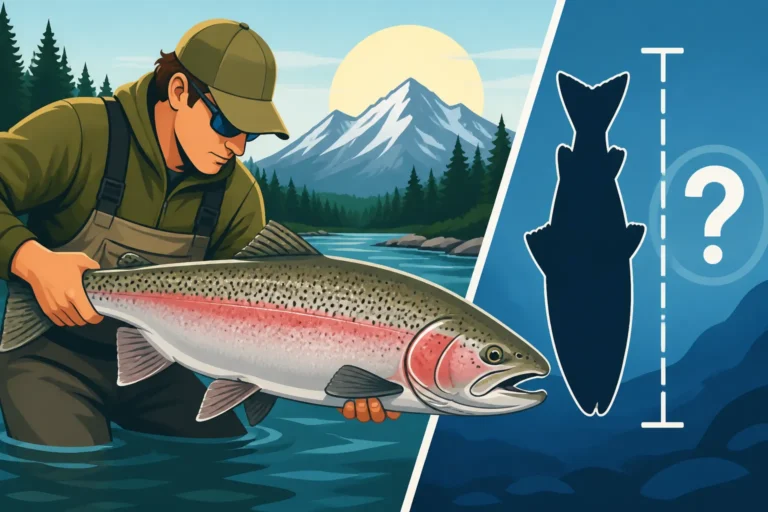
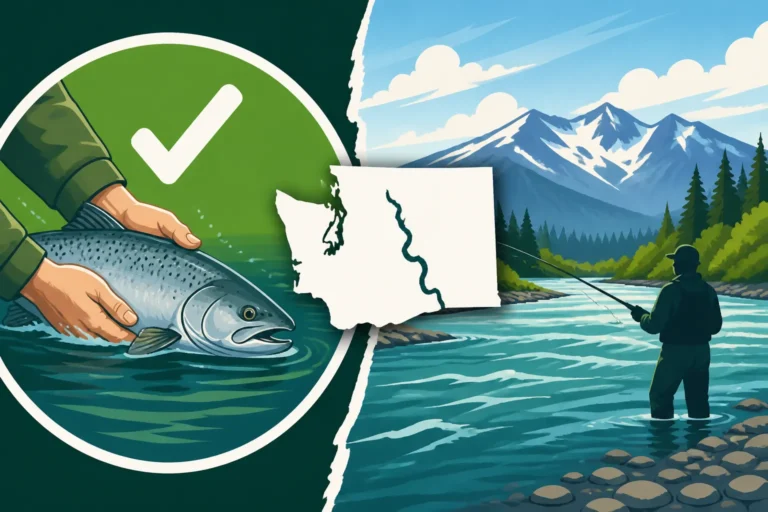
Important Note: Many salmon fisheries in Marine Area 6 (and other Puget Sound marine areas) require that you release all wild, unmarked Chinook and Coho salmon. Only hatchery-reared fish, identified by a missing adipose fin (which is typically clipped when they are juveniles), can be retained during many seasons. Always carry a quick-release tool and know how to properly handle and release fish to maximize their survival. Understanding these nuances is critical for avoiding common pitfalls, as detailed in our article on Puget Sound Salmon Closures: What Washington Anglers Need to Know.
Common Fishing Techniques and Gear for Marine Area 6 Salmon
Successfully targeting salmon in Marine Area 6 requires a combination of the right techniques, appropriate gear, and a good understanding of the local conditions. While there are many ways to skin a cat, or in this case, catch a salmon, some methods consistently prove more effective in these waters.
Trolling Strategies
Trolling is by far the most popular and often the most effective method for salmon fishing in Marine Area 6, especially from a boat. It allows you to cover vast amounts of water and present your lure or bait at specific depths where salmon are actively feeding or migrating.
- Downriggers are King: To consistently catch salmon in MA6, you'll almost certainly need downriggers. These devices allow you to precisely control the depth of your lure, which is crucial given that salmon often feed within a very narrow depth band. Whether they're suspended over deep water or hugging structure, getting your presentation into the "strike zone" is paramount. If you're setting up a new boat, or just looking to upgrade, you can find a huge selection of reliable downriggers and accessories, like those from Cannon or Scotty, on Amazon.
- Flasher and Hoochie/Spoon Combos: This is a classic and highly effective setup. A large flasher (like a Hot Spot or Pro-Troll) is attached to your downrigger release, creating attraction and imparting action to the trailing lure. Behind the flasher, a leader (usually 30-60 inches) connects to a hoochie (squid skirt), a spoon (e.g., Coho Killer, Silver Horde), or a plug (like a Tomic or Rapala). The color and size of your flasher and lure can be critical; popular choices often include chartreuse, green, white, or various metallic finishes, depending on water clarity and light conditions.
- Trolling with Bait (Herring): Cut-plug herring is an absolute killer for Chinook salmon, and Coho will often hit it too. The key is to properly prepare and rig the herring to achieve a tight, spinning action in the water. Brining your herring to toughen it up and enhance its scent can significantly improve its effectiveness. Special herring helmets or bait holders can also help achieve the desired spin and keep your bait intact longer. You can often find pre-rigged herring setups or the necessary rigging tools and weights on Amazon as well, which can save a lot of time and effort on the water. For more detailed insights into effective trolling techniques, our article on Trolling for Salmon in Washington's Puget Sound is a fantastic resource.
- Speed and Depth: Experimentation is key. Salmon often prefer a specific trolling speed, usually between 2 and 3 knots, but it can vary. Pay attention to your fish finder to locate bait balls or schools of salmon, and adjust your downrigger depths accordingly. Chinook often hold deeper, especially during the day, while Coho can be found higher in the water column, particularly in low light conditions.
Other Effective Methods
While trolling dominates, other methods can also be successful, especially for specific situations or species:
- Mooching: This technique involves slowly drifting or back-trolling with cut-plug herring or whole baitfish presented on a mooching rig (two hooks, usually tandem). It's a highly effective method when salmon are concentrated in specific areas, especially around bait schools, and allows for a more natural presentation. It requires a bit more finesse than trolling but can be incredibly rewarding, particularly for larger Chinook.
- Jigging: For salmon, especially Coho and occasionally Chinook, vertical jigging can be a dynamic and exciting method. Metal jigs like Buzz Bombs, Point Wilson Darts, or lead jigs with soft plastics are dropped to the desired depth and then retrieved with a sharp, jigging motion. This is particularly effective when salmon are suspended and actively feeding, or when you mark schools on your fish finder. Jigging can also be a great workout!
- Bank Fishing (Limited): While Marine Area 6 is primarily a boat fishery for salmon due to the vastness of the water and the salmon's migratory patterns, there are limited bank fishing opportunities, primarily from public piers or specific beach access points around Port Angeles or Sequim. These spots usually target resident Coho or Chinook in specific seasons, or even sea-run cutthroat trout. Gear for bank fishing might include casting spoons, spinners, or bait under a float. If you're planning on doing some bank fishing, ensure you have appropriate casting gear and maybe a good rain jacket from Amazon, as the weather can change quickly.
Always remember that successful salmon fishing also involves knowing your gear, keeping your hooks sharp, and being patient. The fish aren't always biting, but when they are, you want to be ready!
Essential Regulations and Reporting Requirements
Fishing in Washington's Marine Area 6 isn't just about catching fish; it's about doing so legally and responsibly. This means understanding and adhering to the various rules and regulations, from how many fish you can keep to how you report your catch. Ignorance of the law is never an excuse, and a little preparation can save you a lot of hassle and potential fines.
Bag Limits and Possession Limits
The first rules every angler needs to know are the daily bag limits and possession limits. These are crucial for managing fish populations and ensuring sustainable fisheries.
- Daily Bag Limits: This refers to the maximum number of fish of a specific species that you can keep in a single day. For salmon in Marine Area 6, these limits are often quite specific, varying by species and whether the fish is a hatchery-marked (adipose fin-clipped) or wild (unclipped) fish. For instance, a common daily limit might be "2 salmon, release wild Chinook, release wild Coho," meaning you can only keep two hatchery-marked fish total. However, these limits are highly variable and subject to change, sometimes weekly. Our detailed guide on Understanding Washington's Daily Bag Limits by Species provides a comprehensive breakdown. Specific limits for Chinook and Coho in Puget Sound are often very restrictive, so double-check Daily Limit for Chinook in Puget Sound and Daily Limit for Coho in Puget Sound before you head out.
- Possession Limits: This refers to the maximum number of fish of a specific species that you can have in your possession at any given time, regardless of when they were caught. This includes fish in your cooler, freezer, or vehicle. In Washington, the possession limit for most salmon species is often the same as the daily limit, or sometimes twice the daily limit, but it's vital to confirm this for salmon, especially if you're on a multi-day trip. Understanding how these differ is key, so make sure to review Possession Limits vs Daily Limits in Washington. This is particularly important if you're staying overnight at a lodge or camping near the fishing grounds.
Always check the current WDFW regulations pamphlet or website for the most up-to-date limits specific to Marine Area 6 before you even cast a line. Penalties for exceeding limits can be substantial, including heavy fines and even loss of fishing privileges.
Catch Record Cards and What They Require
Beyond your fishing license (which you'll need to purchase before you even think about fishing!), the Catch Record Card (CRC) is an absolutely essential document for salmon, steelhead, and halibut anglers in Washington. It's not just a piece of paper; it's a critical tool for WDFW to monitor harvest rates and manage fish populations.
- When a CRC is Required: Any time you fish for salmon, steelhead, or halibut, you must have a valid CRC in your possession, even if you're only planning to catch and release. This card is issued with your annual fishing license.
- Recording Your Catch: Every time you retain a salmon or steelhead, you are legally required to immediately record the catch on your CRC. This means filling in the date, species, and location (the marine area or river section). For salmon, you also need to indicate whether it's a hatchery-marked fish by punching out the appropriate code. Failing to record a fish immediately, even if it's in your cooler, is a violation. The specific details and requirements are thoroughly explained in The Washington Catch Record Card and What It Requires.
- Reporting Your Catch: After your fishing year concludes (typically December 31st, even if you didn't catch anything), you must return your CRC to WDFW by the specified deadline (usually January 31st of the following year). You can mail it in or report online. This data is invaluable for fisheries managers to assess the health of fish stocks and plan future seasons. Neglecting to return your CRC can result in a fine or prevent you from purchasing a license in the future.
- Electronic Options: Good news for the tech-savvy! WDFW now offers the Fish Washington app, which allows you to purchase licenses and, in some cases, use an electronic catch record card. This can be a game-changer for convenience, ensuring you always have your license and CRC accessible on your phone. Just make sure your phone is charged! For more information on digital options, consult Carrying Your Washington Fishing License: Paper, Phone or the MyWDFW App.
Here’s a quick summary table of key things to remember for Marine Area 6:
| Category | Key Considerations |
|---|---|
| Boundaries | Extends from Sekiu River mouth eastward to New Dungeness Lighthouse/Protection Island/Point Wilson line. Crucial for understanding specific rule sets. |
| Primary Species | Chinook (King) and Coho (Silver) Salmon. |
| Seasonality | Highly dynamic, with specific openings and closures for each species. Always check WDFW emergency rules immediately before fishing. |
| Gear & Techniques | Trolling with downriggers, flashers, hoochies, spoons, or cut-plug herring is dominant. Mooching and jigging are also effective in specific conditions. Ensure your gear, especially downriggers or a good fish finder, are in top shape; many anglers find reliable gear on Amazon. |
| Regulations | Strict daily bag limits and possession limits apply. Hatchery-marked (adipose fin-clipped) requirements are common. Release wild fish carefully. |
| Reporting | Immediate recording on a Catch Record Card (CRC) is mandatory for all retained salmon. CRCs must be returned by the annual deadline. |
| Licenses | A valid Washington fishing license with a saltwater endorsement is required. |
| Safety | Even in the Strait, weather can change rapidly. Carry all required safety gear, monitor marine forecasts, and know your vessel's limits. |
Fishing Marine Area 6 for salmon offers some of the most exciting opportunities in Washington. With a bit of preparation, a keen eye on the regulations, and the right gear, you'll be well on your way to a successful and memorable fishing adventure.
Disclaimer
Please remember that fishing regulations, seasons, and limits are subject to change at any time by the Washington Department of Fish and Wildlife (WDFW). While we strive to provide accurate and up-to-date information, it is the angler's responsibility to consult the latest official WDFW regulations pamphlet, emergency rule changes, and online resources before engaging in any fishing activity. This guide is for informational purposes only and should not be considered legal advice.