Puget Sound Salmon Closures: What Washington Anglers Need to Know
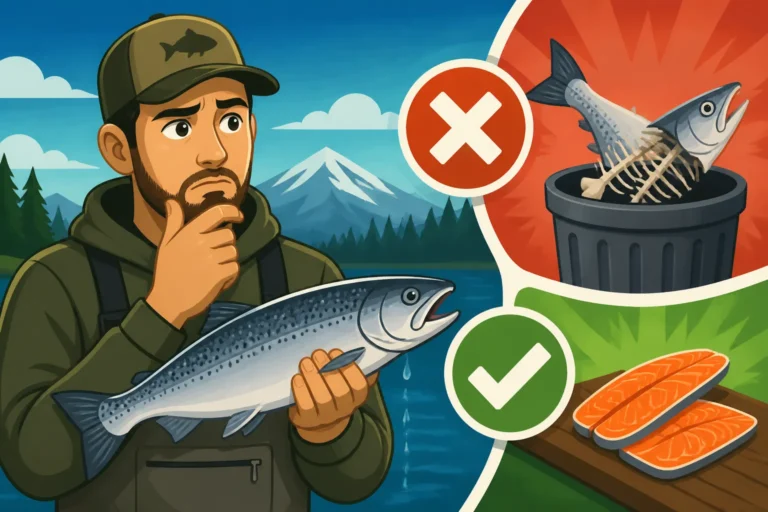
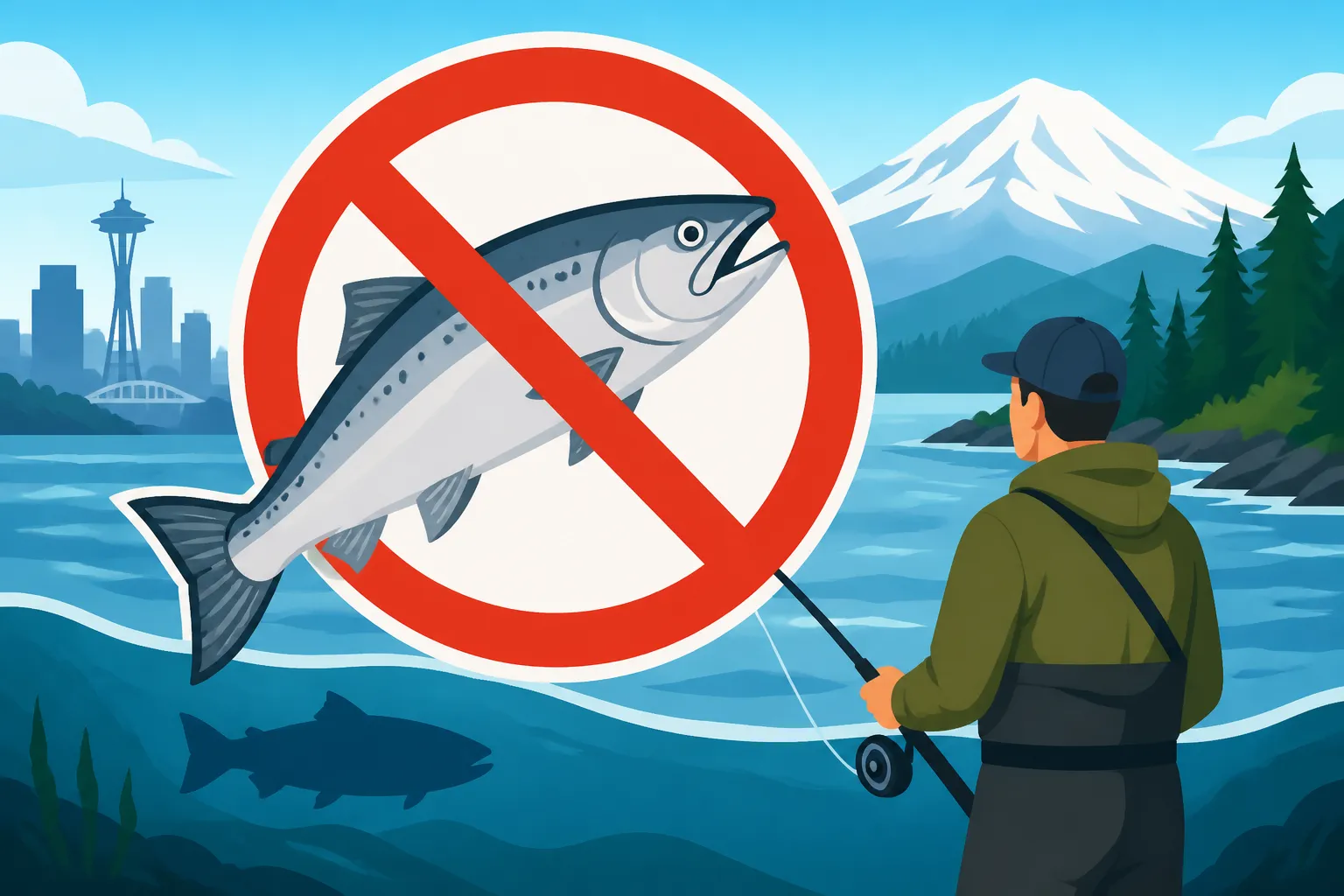
You towed the boat to the ramp at Edmonds before dawn, rigged the downriggers and checked the weather, only to learn from a guy at the next trailer that your marine area closed for chinook two days ago. Puget Sound salmon closures frustrate even seasoned anglers. This guide explains why closures happen, how they are set and changed, how to check them and how to keep fishing when your favorite area shuts down.
Why Puget Sound Salmon Seasons Close
If you are new to fishing Puget Sound, the closures can feel random. One week an area is open, the next week it is closed, and the area right next door is still fishing. Underneath that apparent chaos is a management system built around protecting weak salmon runs while still allowing harvest of stronger and hatchery stocks. Once you understand the system, closures make a lot more sense, and you can plan around them instead of being caught off guard.
I have fished Puget Sound for salmon for many seasons, and I have been on the wrong side of a surprise closure more than once. The most expensive lesson was a two-hour drive and a full tank of gas for a fishery that had closed the evening before. These days I check the rules before I hook up the trailer, and I understand why they change. Let’s start with the why.
Protecting Wild Chinook
The biggest driver of Puget Sound salmon closures is the status of wild chinook. Puget Sound chinook are listed as threatened under the federal Endangered Species Act. Many wild populations are far below historic levels because of habitat loss, dams, poor ocean conditions and past overfishing. Hatchery chinook are more abundant, and they are often the focus of sport fisheries.
To protect wild chinook, fisheries are designed to limit how many wild fish are encountered and killed. Even in fisheries where only marked hatchery chinook can be kept, some wild chinook are hooked and released, and some of those released fish die. Managers estimate that mortality and count it against limits for each fishery. When the estimated impact on wild fish reaches the allowed amount, the fishery closes.
That is why closures sometimes happen even when anglers are catching lots of hatchery fish. The number of wild fish being encountered can matter as much as, or more than, the number of fish being kept.
Quotas, Encounter Limits and Hatchery Marking
Many Puget Sound salmon fisheries are managed with quotas or encounter limits. A quota might cap the number of hatchery chinook that can be kept in a marine area during a season. An encounter limit caps the total number of chinook, both hatchery and wild, that anglers can hook and handle.
Hatchery salmon are often marked by removing the adipose fin, a small fleshy fin on the back between the dorsal fin and tail. In mark-selective fisheries, anglers can keep marked fish and must release unmarked fish. This allows harvest of hatchery fish while reducing impacts on wild fish.
To track these limits, the Washington Department of Fish and Wildlife uses creel surveys, dockside sampling and catch record card data to estimate catch and encounters. When estimates show a fishery is approaching its limit, WDFW may close it, sometimes with little notice. For a deeper look at how in-season data drives these decisions, see Test Fishery Counts and How They Drive Salmon Openings.
Orcas, Habitat and Other Pressures
Southern Resident killer whales, which depend heavily on chinook salmon for food, are another factor in Puget Sound salmon management. These endangered orcas spend much of their time in Puget Sound and the Salish Sea, and their population has struggled in part because of a lack of chinook. Fishery managers consider orca needs when setting seasons, and some areas have rules about how close boats can approach whales.
Other pressures include habitat loss in rivers and estuaries, warming water temperatures and changes in ocean conditions. All these factors affect salmon returns, which in turn affect how much fishing can be allowed.
How Seasons and Closures Are Set
Puget Sound salmon seasons are set through a complex process involving state, tribal and federal agencies. Understanding the process helps you know when to look for new seasons and why rules can change.
The North of Falcon Process
Each year, salmon seasons for Washington waters north of Cape Falcon, Oregon, are set through a process known as North of Falcon. This process brings together WDFW, treaty tribes, federal agencies and the public to plan fisheries for the coming year.
The process begins with forecasts of how many salmon will return to each river. Managers then design fisheries that allow harvest while meeting conservation goals for weak stocks. Treaty tribes have a legal right to half of the harvestable salmon, so state and tribal fisheries must be planned together.
North of Falcon meetings typically take place in late winter and spring, with final seasons adopted in spring. The resulting seasons are published in the Washington sport fishing regulations pamphlet and on WDFW’s website. Anglers can follow the process and comment during public meetings.
Marine Areas and Why They Matter
Puget Sound is divided into numbered marine areas, each with its own seasons, limits and rules. Knowing which area you are fishing is essential, because rules can differ dramatically between neighboring areas.
| Marine area | General location | Notes for salmon anglers |
|---|---|---|
| 5 | Sekiu and Pillar Point | Western Strait of Juan de Fuca, often treated alongside Puget Sound rules |
| 6 | Eastern Strait of Juan de Fuca | Port Angeles to Port Townsend area |
| 7 | San Juan Islands | Complex waters with winter and summer fisheries |
| 8-1 | Deception Pass, Hope Island and Skagit Bay | Often focused on specific seasons and species |
| 8-2 | Port Susan and Port Gardner | Everett and Tulalip area |
| 9 | Admiralty Inlet | Popular for summer chinook and coho |
| 10 | Seattle and Bremerton | Busy urban area with multiple fisheries |
| 11 | Tacoma and Vashon Island | Popular with Tacoma-area anglers |
| 12 | Hood Canal | Long, narrow fjord with its own rules |
| 13 | South Puget Sound | Olympia and southern inlets |
Each area can have its own chinook quota, open and closed periods, species restrictions and gear rules. Some areas also have special closures around river mouths or specific zones to protect salmon. For details on two of the most popular areas, see Marine Area 9 for Salmon Fishing, Explained and Marine Area 6 for Salmon Fishing, Explained.
Emergency Rules and In-Season Changes
Even after seasons are set, they can change. WDFW uses emergency rules to adjust seasons in response to in-season information. If a quota is reached early, a fishery may close. If returns are stronger than expected, a fishery may be extended or limits increased.
Emergency rules can take effect quickly, sometimes within days of announcement. They override the printed regulations, which is why you cannot rely on the pamphlet alone. For a detailed explanation, see Why Do Salmon Rules Change in the Middle of the Season?.
Here is a summary of the most common types of in-season changes.
| Type of change | What triggers it | What it means for anglers |
|---|---|---|
| Early closure | Quota or encounter limit reached | Fishery closes before scheduled end date |
| Extension | Quota not reached, strong returns | Fishery stays open longer |
| Limit change | Strong or weak returns | Daily limit increased or decreased |
| Species restriction | Concern for a specific stock | Release required for certain species |
| Area closure | Protecting a specific stock or location | Part of a marine area closed |
| Gear rule change | Reducing impacts or improving selectivity | New hook, bait or gear requirements |
How to Check Closures Before You Go
The most important habit for any Puget Sound salmon angler is checking for closures and rule changes before every trip. Here is how to do it.
Official WDFW Sources
WDFW publishes emergency rules and fishing updates on its website. You can search for rules by marine area or water body and sign up for email notifications about rule changes. The Fish Washington mobile app also shows current regulations and emergency rules for specific areas.
Always check these sources the day before and the morning of your trip. Rules can change quickly, and an announcement made the previous afternoon may already be in effect. For a step-by-step guide, see How to Check for Emergency Rule Changes in Washington.
You can also call WDFW’s fishing hotline, which provides recorded updates on fishing rules and closures. Tackle shops, marinas and local fishing reports can be helpful too, but always confirm information with official sources.
Reading the Regulations Correctly
Reading Washington’s fishing regulations can be confusing, especially for new anglers. The regulations pamphlet includes general rules for all waters, specific rules for each marine area and special rules for certain fisheries. Emergency rules modify these.
- Identify the marine area where you plan to fish.
- Check the pamphlet for that area’s seasons, limits and rules.
- Check WDFW’s emergency rules for any changes affecting that area.
- Note any special restrictions, such as closed zones, gear rules or release requirements.
- Confirm the dates and times of any closures or openings.
- Review catch record card requirements.
When rules are confusing, call WDFW or ask a knowledgeable tackle shop employee. It is better to ask a question than to receive a citation.
Effective Dates and the Fine Print
One detail that trips up a lot of anglers is the timing of a rule change. An emergency rule usually lists the exact date, and sometimes the exact time, when it takes effect. A closure announced on a Tuesday afternoon might take effect at the end of the day on Wednesday, or it might take effect immediately. If you read only the headline, you can easily get the timing wrong.
Read every emergency rule all the way through. Look for the marine area, the species affected, the effective date and time, and whether the change is temporary or lasts for the rest of the season. Some rules close only a portion of a marine area, such as the waters near a specific river mouth, while the rest of the area stays open. Others close one species, such as chinook, while allowing coho or pinks to be kept.
When a fishery is approaching its quota, WDFW sometimes announces that it will close after a set number of additional fishing days. That gives anglers a last chance to fish, but it also means the ramps and popular spots will be crowded. Plan accordingly, and remember that the fishery may close sooner if catch rates are very high.
Practical Tools for the Boat
Keeping track of rules on the water is easier with the right tools. Many anglers keep a laminated copy of their marine area’s rules in a waterproof pouch in the boat. Waterproof phone cases and document holders, available from Amazon and marine stores, protect your phone and license. A marine VHF radio is also useful for receiving weather alerts and staying in touch with other boaters.
A good GPS or chart plotter helps you stay within open areas and avoid closed zones. Some marine areas have closed zones around river mouths, piers or other locations, and it is easy to drift into a closed zone without realizing it. Mark these zones on your GPS before your trip.
Rules That Apply Even When an Area Is Open
Even when a marine area is open for salmon, many rules apply. Understanding them helps you stay legal and protect salmon runs.
Mark-Selective Fishing and Release Rules
In mark-selective fisheries, you can keep only hatchery salmon with a clipped adipose fin. Wild salmon with an intact adipose fin must be released. Learn to identify the adipose fin and check every fish before deciding whether to keep it.
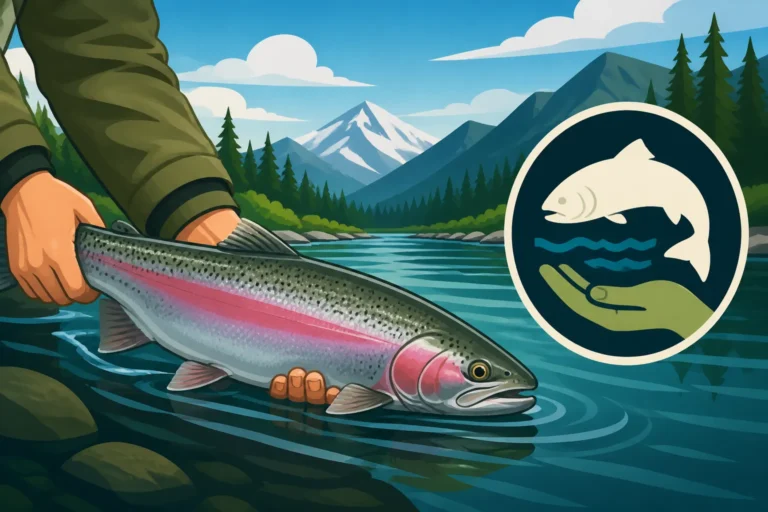
When releasing a salmon, keep it in the water as much as possible, avoid touching the gills and remove the hook quickly. Use a rubberized net to reduce damage to the fish’s slime coat and scales. If a fish is deeply hooked, cut the line rather than pulling out the hook.
Some fisheries also require release of certain species. For example, coho may be closed while chinook is open, or vice versa. Learn to identify salmon species, especially chinook and coho, which can look similar. For help, see How to Identify Coho Salmon in Washington’s Puget Sound.
Closed Zones Inside Open Areas
A marine area that is open for salmon may still contain zones that are closed. These closed zones are often located near river mouths, hatchery outlets, piers, marinas or places where salmon gather before moving upstream. They protect fish when they are most vulnerable and concentrated.
Closed zones are described in the regulations using landmarks, coordinates or lines between points on shore. On the water, they can be hard to see, so it pays to plot them on your GPS or chart plotter before your trip. Anglers who drift into a closed zone while trolling or mooching can receive citations even if they were not aware of the boundary.
If you are unsure where a boundary lies, stay well outside it. A few hundred yards of extra distance costs you very little fishing time and keeps you clearly on the right side of the line.
Barbless Hooks, Limits and Catch Record Cards
Barbless hooks are generally required when fishing for salmon in Puget Sound marine areas. Barbless hooks make releasing fish easier and reduce injury. You can buy barbless hooks or pinch down the barbs on your hooks with pliers.
Daily limits vary by marine area, species and season. Some areas allow two salmon per day, with restrictions on the number of chinook. Always check the current limits for your area. For chinook-specific limits, see Daily Limit for Chinook in Puget Sound.
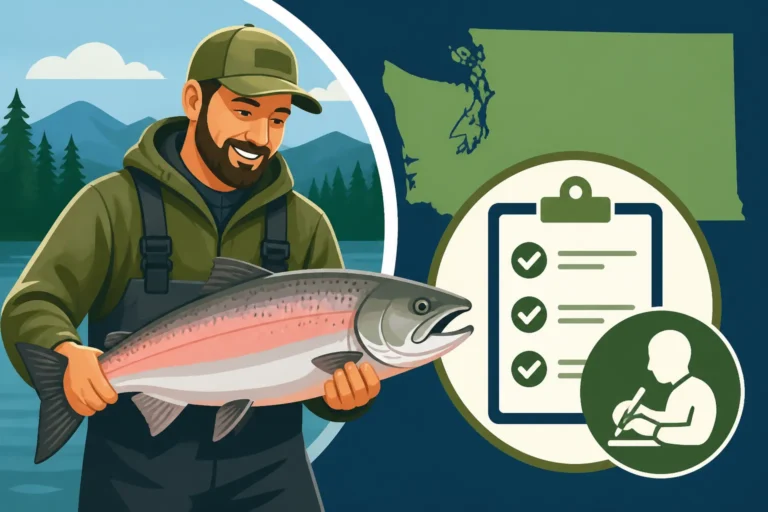
If you keep a salmon, you must record it on your catch record card immediately. The catch record card is required for salmon fishing in Puget Sound and is used to track harvest. For details, see The Washington Catch Record Card and What It Requires.
Gear and Boat Rules
Puget Sound salmon fisheries also have rules about gear and boats. Rules can include limits on the number of lines per angler, whether you can use a second rod with an endorsement in some waters, and restrictions on certain types of fishing gear.
Boaters must follow rules about distance from orcas and other marine mammals. In Washington, boats must stay a set distance from Southern Resident orcas and slow down within a certain distance. These rules are designed to reduce noise and disturbance that can interfere with orcas’ ability to hunt. If you see orcas, slow down, give them space and follow the current guidelines.
Making the Most of a Closure
A closure does not have to end your fishing trip. Puget Sound offers many other fishing opportunities when salmon fishing is closed.
Fishing Other Marine Areas
When one marine area closes, another may still be open. Check the regulations for nearby areas and consider moving your trip. For example, if Marine Area 10 closes for chinook, Marine Area 9 or 11 may still be open, depending on the season.
Before moving to a different area, check its rules carefully. Each area has its own seasons, limits and closed zones. Make sure you have the right information before you fish.
Targeting Other Species
Puget Sound offers excellent fishing for species other than salmon. When salmon are closed, consider targeting bottomfish, such as lingcod, rockfish and flatfish, where seasons allow. Crabbing and shellfish harvesting are also popular.
Bottomfish rules can be complex, with closures for some rockfish species and depth restrictions. Check the regulations before fishing. For rockfish rules, see Rockfish Bag Limit in Puget Sound.
Sea-run cutthroat trout are another option. These beautiful fish can be caught along Puget Sound beaches year-round in many areas, though they are generally catch-and-release in marine waters. They offer great light-tackle fishing when salmon fishing is closed.
Winter Blackmouth and Seasonal Opportunities
Puget Sound offers salmon fishing in many seasons. Winter blackmouth fisheries target resident chinook that stay in Puget Sound year-round. These fisheries are popular with anglers who want to fish salmon in the winter months. For more, see Blackmouth Salmon in Puget Sound, Explained.
Pink salmon return in odd-numbered years and can provide excellent fishing in late summer. For details, see Pink Salmon: Washington’s Odd-Year Run. Coho fisheries in late summer and fall are also popular.
Here is a general look at Puget Sound salmon opportunities by season, keeping in mind that specific dates and openings vary by marine area and year.
| Season | Common salmon opportunities | Things to watch |
|---|---|---|
| Winter | Blackmouth in some marine areas | Quotas and encounter limits, weather |
| Spring | Limited openings, often closed areas | Many areas closed for chinook |
| Summer | Hatchery chinook in several marine areas | Quotas can close fisheries quickly |
| Late summer | Coho and pinks in odd years | Species-specific rules |
| Fall | Coho and chum | River mouth closures, changing limits |
Planning Smarter Puget Sound Salmon Trips
The best way to deal with closures is to plan for them. Here are some strategies to help you make the most of your salmon fishing.
Build Flexibility Into Your Plans
When planning a salmon trip, have a backup plan. Identify several marine areas you could fish and other species you could target if your first choice closes. Watch fishing reports and WDFW announcements in the days before your trip.
If you are traveling a long distance or booking a charter, ask about cancellation policies in case of a closure. Many charters and guides adjust their trips based on closures and can suggest alternatives.
Gear That Fits Multiple Fisheries
Having gear that works for multiple fisheries makes it easier to adapt when salmon closes. A medium-heavy rod with a good reel can handle salmon, lingcod and other bottomfish. Many anglers buy jigs, lures and terminal tackle through Amazon or local tackle shops to build a versatile tackle box.
Keep barbless hooks, a measuring tape, a rubberized net and a cooler in your boat. These items help you follow rules and handle fish properly. A good fish ID guide or app helps you identify salmon species and determine whether a fish is marked.
Supporting Salmon Recovery
Closures are frustrating, but they exist to protect salmon runs for the future. Many anglers support salmon recovery through conservation groups, habitat restoration and responsible fishing practices. Following rules, releasing wild fish carefully and reporting your catch accurately all help.
Some anglers volunteer for habitat restoration projects, participate in public meetings during the North of Falcon process or support organizations working to restore salmon runs. These efforts can help improve salmon returns and fishing opportunities in the future.
Shore and Pier Anglers
Closures affect shore and pier anglers just as much as boaters. Public piers in Seattle, Edmonds, Des Moines, Tacoma and other Puget Sound towns are popular salmon fishing spots, especially during coho and pink runs. Beaches along Puget Sound also attract anglers casting from shore.
Shore and pier anglers must follow the same rules as boat anglers, including marine area seasons, daily limits and catch record card requirements. Some piers have their own special rules, such as gear restrictions or specific seasons. Check before you fish.
Shore anglers have an advantage in flexibility. When one area closes, it is often easy to move to another beach or pier in an open area. A light, versatile setup with spinners, jigs and a few bobber rigs, which many anglers piece together from local tackle shops or Amazon, covers most shore opportunities. Pack a long-handled net for piers, since lifting a heavy salmon up onto a high pier without one is a good way to lose it.
A Pre-Trip Checklist
- Check WDFW emergency rules for your marine area.
- Review the regulations pamphlet for seasons, limits and gear rules.
- Make sure your license and catch record card are current.
- Bring barbless hooks and a rubberized net.
- Mark closed zones on your GPS.
- Check the weather and tides.
- Have a backup plan in case of a closure.
- Know how to identify salmon species and marked fish.
Puget Sound salmon fishing can be challenging, but it is also rewarding. By understanding closures, checking rules and planning ahead, you can enjoy great fishing while helping protect salmon for future generations. For a broader overview of seasons and closures, see Washington Sport Fishing Seasons and Emergency Closures.
Disclaimer
This article is for general informational purposes only and does not constitute professional advice. Laws, prices and regulations vary by location and change over time. Consult a qualified professional for guidance on your specific situation.