Do You Need the Endorsement to Fish Columbia Tributaries?
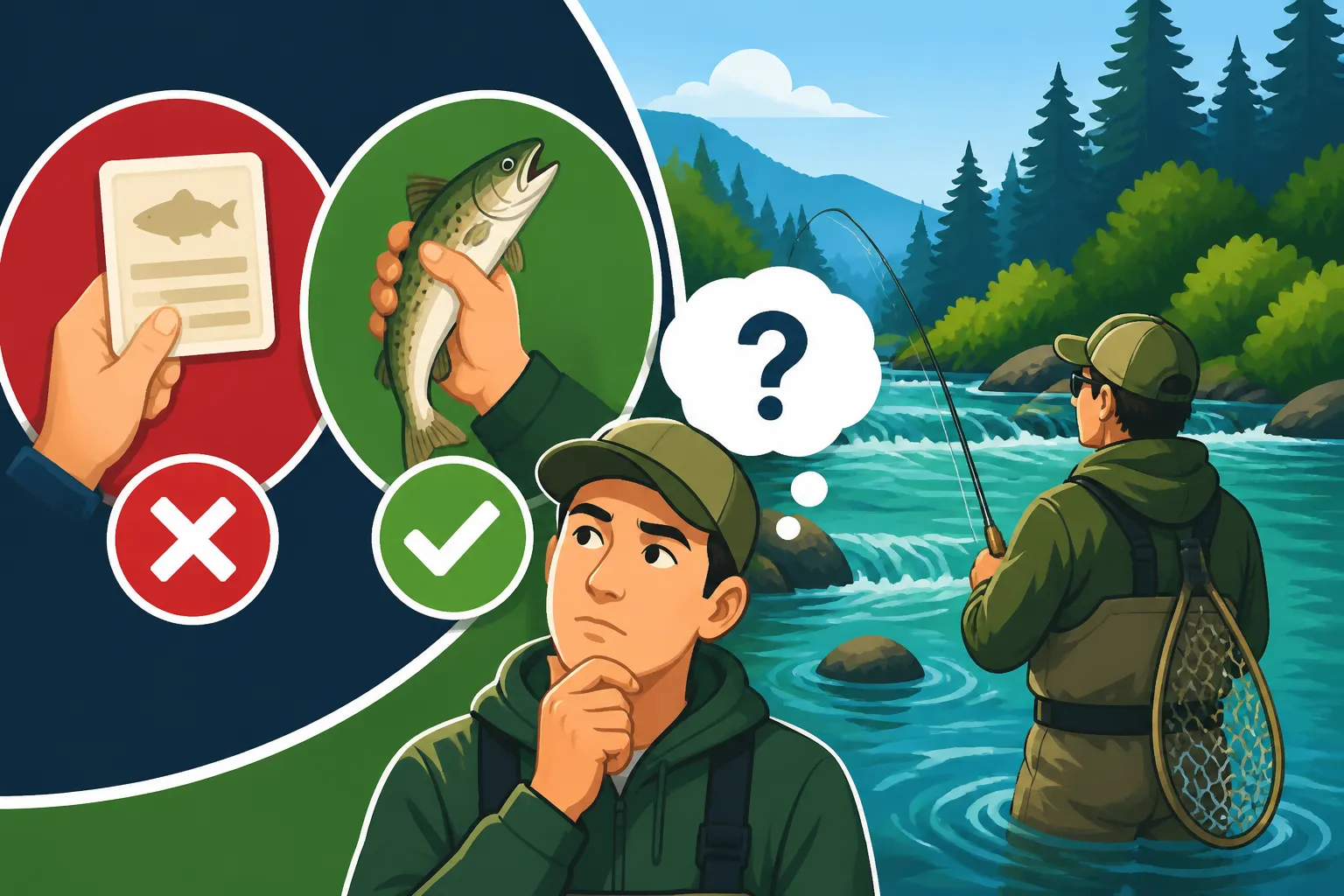
It’s a classic Washington fishing head-scratcher: you’ve got your fishing license, you’re ready to hit a promising tributary that flows into the mighty Columbia River, but then you wonder, "Do I actually need that extra Columbia River Salmon and Steelhead Endorsement here, or is that just for the mainstem?" This confusion is completely valid, and frankly, the rules can feel like a maze sometimes. This guide is here to clear up that very question, detailing when and why that endorsement becomes a crucial part of your gear for fishing Columbia River tributaries.
Understanding the Columbia River Salmon and Steelhead Endorsement
The Columbia River Salmon and Steelhead Endorsement is often misunderstood, with many anglers assuming it only applies to the vast mainstem of the Columbia River. However, this isn't always the case. The Washington Department of Fish and Wildlife (WDFW) has specific regulations that extend this endorsement requirement to certain tributaries, particularly those that are critical for anadromous fish runs. It's an additional purchase on top of your regular freshwater, saltwater, or combination fishing license, specifically designed to help fund and manage these important fisheries.
Think of it this way: the Columbia River system is a massive, interconnected network. The salmon and steelhead that migrate up the mainstem eventually peel off into various tributaries to spawn. Managing these fish effectively requires a comprehensive approach that includes not just the primary migration corridor but also these vital spawning and rearing grounds. That’s why the endorsement exists—to ensure these efforts are supported throughout the system where these prized species are targeted.
What the Endorsement Covers and Doesn't
The Columbia River Salmon and Steelhead Endorsement primarily covers the retention of salmon and steelhead in specific waters designated as part of the Columbia River management area. This isn't a blanket endorsement for all fishing in any water that eventually drains into the Columbia. Instead, it's targeted at the most popular and productive anadromous fisheries within that larger basin. If you’re planning to fish for Chinook, Coho, or Steelhead in these designated areas, the endorsement is a non-negotiable part of your licensing.
What it generally doesn't cover is fishing for non-anadromous species like bass, walleye, or resident trout in those same waters, unless specifically stated otherwise in the regulations. For instance, if you're targeting smallmouth bass on the lower Columbia River or a tributary like the Snake River in an area not designated for salmon/steelhead fishing under the endorsement rules, you wouldn't need it. The distinction is crucial, and it always boils down to what you're fishing for and precisely where you're casting your line. You'll always need your base Washington fishing license, of course, but the endorsement has a narrower focus.
When the Endorsement is Required for Tributaries
Here's where the rubber meets the road: the endorsement is indeed required for several significant Columbia River tributaries in Washington. The WDFW identifies these rivers as integral parts of the Columbia River salmon and steelhead fishery. This means that if you're planning to target or retain salmon or steelhead in these specific rivers, you must have the endorsement in addition to your basic fishing license. Ignoring this can lead to some pretty hefty fines and a ruined fishing trip.
The requirement isn't arbitrary; it's based on fisheries management zones and the migratory patterns of the fish. These tributaries are often where large numbers of salmon and steelhead return to complete their life cycle, making them prime fishing locations and, consequently, areas that require focused management and funding from angler participation. Always double-check the current regulations, as boundary descriptions and included rivers can be very precise.
Specific Columbia River Tributaries Requiring the Endorsement
Many of Washington's most famous and productive salmon and steelhead rivers are actually tributaries of the Columbia, and fishing them for these species will almost certainly require the endorsement. These include, but are not limited to, the Cowlitz River, Kalama River, Lewis River, Wind River, and Klickitat River. These rivers host strong runs of various salmon species, as well as both summer and winter steelhead, drawing anglers from all over.
For example, if you're heading to the Cowlitz River for fall Chinook or winter steelhead, the Columbia River Salmon and Steelhead Endorsement is mandatory. The same goes for chasing spring Chinook on the Kalama or Lewis rivers, or seeking out the famous steelhead runs on the Klickitat. These rivers are specifically called out in the WDFW regulations as being part of the Columbia River system for the purposes of this endorsement. You can think of it as extending the "Columbia River" management scope upstream into these major arteries that feed the mainstem.
Here's a quick reference table for some common Columbia River tributaries in Washington and their general endorsement requirements for salmon and steelhead:
| Tributary River | Generally Requires Endorsement for Salmon/Steelhead | Notes |
|---|---|---|
| Cowlitz River | Yes | Upstream to Mayfield Dam |
| Kalama River | Yes | Upstream to Kalama Falls Hatchery/diversion dam |
| Lewis River | Yes | Upstream to Merwin Dam |
| Wind River | Yes | Entire river system |
| Klickitat River | Yes | Upstream to boundary markers |
| Snake River | Yes | Upstream to Clarkston for anadromous species |
| Washougal River | Yes | Entire river system |
| Drano Lake (mouth) | Yes | Within designated Columbia River rules |
| Grays River | Yes | Entire river system |
| Toutle River | Yes | Upstream to boundary markers |
Disclaimer: This table is a general guide. Always consult the current WDFW Fishing Regulations pamphlet for the most up-to-date and specific rules before you go fishing.
Key Factors Determining Endorsement Necessity
When you're trying to figure out if you need the endorsement for a particular tributary, a few key factors come into play. First and foremost is the location. The WDFW defines specific boundaries for what constitutes the "Columbia River" for management purposes, and these often extend a certain distance up its major tributaries. If the water body you're fishing is listed within these designated Columbia River management areas, the endorsement will apply.
Secondly, the species you are targeting is paramount. As the name suggests, the endorsement is specifically for salmon and steelhead. If you are solely fishing for warm water species like bass or panfish, or even resident trout in areas not otherwise regulated for anadromous species, the endorsement is typically not required. However, if there's any chance you might accidentally catch a salmon or steelhead, or if you intend to keep one, you absolutely need that endorsement. Finally, the time of year can sometimes play a role, as certain seasons might open or close specific areas, but the general endorsement requirement for the listed tributaries usually remains constant for salmon and steelhead. Always remember that these rules are designed to protect and manage fish populations, which means they can be incredibly dynamic.
When You Might Not Need the Endorsement in a Tributary
It's equally important to understand the scenarios where the Columbia River Salmon and Steelhead Endorsement is not required, even if you’re fishing a water body that eventually flows into the Columbia. This will save you both money and confusion, ensuring you only purchase what's truly necessary for your fishing adventure. The key distinctions usually revolve around the species you're targeting and the specific geographical boundaries defined by WDFW.
The vastness of the Columbia River basin means countless streams and rivers eventually contribute water to it, but not all of them fall under the special management umbrella of this particular endorsement. Knowing these nuances can help you plan your trips more efficiently and fish legally without unnecessary purchases. It's all about precision in understanding the regulations.
Fishing for Non-Anadromous Species
One of the most common situations where you might not need the Columbia River Salmon and Steelhead Endorsement is when you are exclusively fishing for non-anadromous species. This means fish that do not migrate to the ocean and back, such as resident rainbow trout, brown trout, cutthroat trout (that aren't sea-run), bass (smallmouth or largemouth), walleye, or panfish. Many smaller creeks and upper river stretches of Columbia tributaries are primarily trout or bass fisheries.
For example, if you're fly fishing for wild trout on an upper section of the Yakima River, which eventually flows into the Columbia, you wouldn't need the Columbia River Salmon and Steelhead Endorsement. Your standard freshwater fishing license would suffice. The same applies if you're targeting walleye on a stretch of the mainstem Columbia that's not open for salmon, or bass in one of its impoundments. The important thing here is intent – if you are genuinely and exclusively targeting these non-anadromous species, and you don't intend to retain any salmon or steelhead that might be present, the specific endorsement is usually not needed. Of course, you still need to be able to accurately identify your catch and release any salmon or steelhead immediately and unharmed if caught inadvertently.
Tributaries Outside the Designated Columbia River Management Area
Not every single stream or river that eventually drains into the Columbia River is considered part of the "Columbia River management area" for the purposes of this specific endorsement. The WDFW regulations define very clear boundaries for where the endorsement applies. Many smaller creeks, streams, and even upper stretches of larger rivers, while hydrologically connected, are not part of the core anadromous fish management zones requiring the endorsement.
This is why "Reading the Washington Sport Fishing Regulations Pamphlet" is so incredibly vital. You might be planning a fishing trip to a charming, remote stream that eventually feeds into a larger tributary of the Columbia, but because it's so far upstream or a smaller system, it may not fall under the endorsement's requirements. These areas are typically managed as general freshwater fisheries for resident species. The best way to be absolutely certain is to check the specific river or area you intend to fish in the WDFW regulations, looking for explicit mentions of the Columbia River endorsement. Don't assume that just because water flows into the Columbia, the endorsement automatically applies.
How to Confirm Endorsement Requirements
Given the complexity and the potential for penalties, confirming your endorsement requirements is not something you want to guess at. It’s absolutely essential to consult the official sources for the most current and accurate information. The Washington Department of Fish and Wildlife (WDFW) provides several excellent resources that are designed to keep anglers informed, even as rules change throughout the season. Making this a routine part of your pre-trip planning will save you a lot of grief and ensure you’re fishing legally.
Remember, fishing rules in Washington, especially for salmon and steelhead, can be quite dynamic. What was true last year, or even last month, might have changed. Stock assessments, run forecasts, and in-season management adjustments can all lead to shifts in regulations, including endorsement applicability in certain areas. Staying informed is truly your best defense against inadvertently breaking the rules.
Consulting the WDFW Regulations Pamphlet
The absolute bedrock of understanding Washington fishing rules is the official WDFW Sport Fishing Regulations pamphlet. This comprehensive guide details all the rules and regulations, including specific river and marine area designations, species-specific rules, and licensing requirements like the Columbia River Salmon and Steelhead Endorsement. You can pick up a physical copy at most license dealers or sporting goods stores, or simply download the most current version from the WDFW website.
When you're looking for information on a Columbia tributary, turn to the freshwater sections and find the specific river you're interested in. The regulations for each river will explicitly state if the Columbia River Salmon and Steelhead Endorsement is required for particular species or stretches of water. Pay close attention to the fine print and any maps or diagrams included. It might feel like reading a legal document, but taking the time to understand "Washington Fishing Regulations Every Angler Should Know" is crucial for a successful and legal outing. You can even browse for gear on Amazon that might make your regulation-reading experience a bit more comfortable, like a good headlamp for late-night planning!
Using the Fish Washington App
In this digital age, WDFW has made it even easier to stay on top of the rules with the Fish Washington mobile app. This fantastic tool is a must-have for any angler in the state. The app allows you to view regulations by location, species, or even search for specific rivers. It’s incredibly handy when you're on the go or just want to quickly confirm a rule before heading out.
One of the most valuable features of the Fish Washington app is its ability to provide real-time updates on emergency rule changes. As we know, "Emergency Rule Changes: Why Washington's Rules Shift Mid-Season" can happen, particularly with sensitive anadromous fisheries. The app pulls this information directly from WDFW, ensuring you have the latest details, which could include changes to endorsement requirements for certain areas or species. This means you can check the rules for the Cowlitz River or the Kalama River right from your boat or the riverbank.
Checking Emergency Rule Changes
Even if you’ve meticulously read the annual regulations pamphlet, it's paramount to check for emergency rule changes just before your trip. Fishery managers are constantly monitoring fish runs, catch rates, and environmental conditions, and they will implement "Emergency Rule Changes: Why Washington's Rules Shift Mid-Season" to protect fish populations or to open opportunities when runs are stronger than anticipated. These changes can directly impact whether the Columbia River Salmon and Steelhead Endorsement is required for a specific tributary, or if certain species can even be retained.
You can find emergency rule changes posted prominently on the WDFW website, typically under a dedicated "Emergency Rules" section. Many local tackle shops and fishing guides also keep up-to-date with these changes and can be a valuable resource. Neglecting to check for emergency rules is a common pitfall that can easily lead to violations. It’s a simple step that takes minutes but can save you a lot of trouble, making sure you understand "Washington Sport Fishing Seasons and Emergency Closures" fully.
Consequences of Fishing Without the Proper Endorsement
Fishing without the necessary Columbia River Salmon and Steelhead Endorsement, or any required license for that matter, is a serious matter in Washington State. It’s not just a minor oversight; it’s a violation of state fishing laws. The Washington Department of Fish and Wildlife (WDFW) enforcement officers are diligent, and they regularly patrol popular fishing spots, including Columbia River tributaries. If you're caught without the correct endorsement, you could face significant repercussions that will quickly overshadow any enjoyment from your fishing trip.
The rules are in place for a reason: to manage and conserve Washington's precious fisheries. When anglers don't comply, it undermines these conservation efforts and can negatively impact fish populations for everyone. Understanding these potential consequences can serve as a strong motivator to ensure you're always fully compliant before you even cast your first line.
Fines and Penalties
The most immediate consequence of fishing without the Columbia River Salmon and Steelhead Endorsement is often a citation and a substantial fine. The specific amount can vary depending on the severity of the violation, whether you possessed other illegal gear, or if you were also in violation of other regulations (like exceeding bag limits or fishing in a closed area). These fines can easily amount to hundreds of dollars, far exceeding the cost of the endorsement itself.
Beyond the monetary penalty, the violation becomes part of your record. This isn't just a slap on the wrist; it's a legal offense. The WDFW takes these infractions seriously, viewing them as a threat to sustainable fisheries management. It’s always cheaper and less stressful to simply buy the correct license and endorsement upfront than to deal with the legal and financial headache of a citation. For more detailed information on specific penalties, you can refer to our guide on "Fines and Penalties for Common Fishing Violations."
Loss of Fishing Privileges
For more serious or repeat offenses, fishing without the proper endorsement could lead to more severe penalties, including the temporary or permanent suspension of your fishing privileges in Washington State. Imagine being passionate about fishing, only to find out you're banned from participating for a season, or even longer. This can be devastating for anglers who cherish their time on the water.
WDFW has the authority to revoke or suspend licenses for a range of violations, and fishing without proper licensure or endorsements falls squarely into that category. A violation can impact your ability to purchase licenses in the future, and in some cases, can even affect your ability to get licenses in other states through interstate compacts. It's a stark reminder that responsible angling includes adherence to all regulations, ensuring that everyone can continue to enjoy Washington's incredible fishing opportunities for years to come.
Disclaimer
Please remember that fishing regulations, including those for the Columbia River Salmon and Steelhead Endorsement and its application to tributaries, can change frequently. While this guide aims to provide accurate and up-to-date information, it is not a substitute for the official Washington Department of Fish and Wildlife (WDFW) regulations. Always consult the most current WDFW Sport Fishing Regulations pamphlet and check for emergency rule changes before heading out to fish. Your responsibility as an angler is to know and follow all applicable laws.