How Test Fishery Counts Change the Rules
There's nothing quite as frustrating as planning a fishing trip, checking the regulations a week beforehand, and then showing up to the river or sound only to discover the rules have completely changed. It’s a common scenario for anglers in Washington, and it often leaves us scratching our heads, wondering why these shifts happen mid-season. This guide will demystify the process behind those seemingly sudden changes, focusing on how vital test fishery counts are in shaping Washington's dynamic fishing rules.
Understanding Test Fisheries: Why Rules Shift Mid-Season
Imagine trying to manage a pantry without knowing how many ingredients you have, or when the next shipment is coming in. That’s essentially the challenge facing fish and wildlife managers when salmon and steelhead runs begin. They need up-to-the-minute information to ensure sustainable fishing opportunities without jeopardizing fish populations. This is precisely where test fisheries come into play, serving as the eyes and ears on the water, providing the crucial data needed for real-time management.
What Test Fisheries Really Are
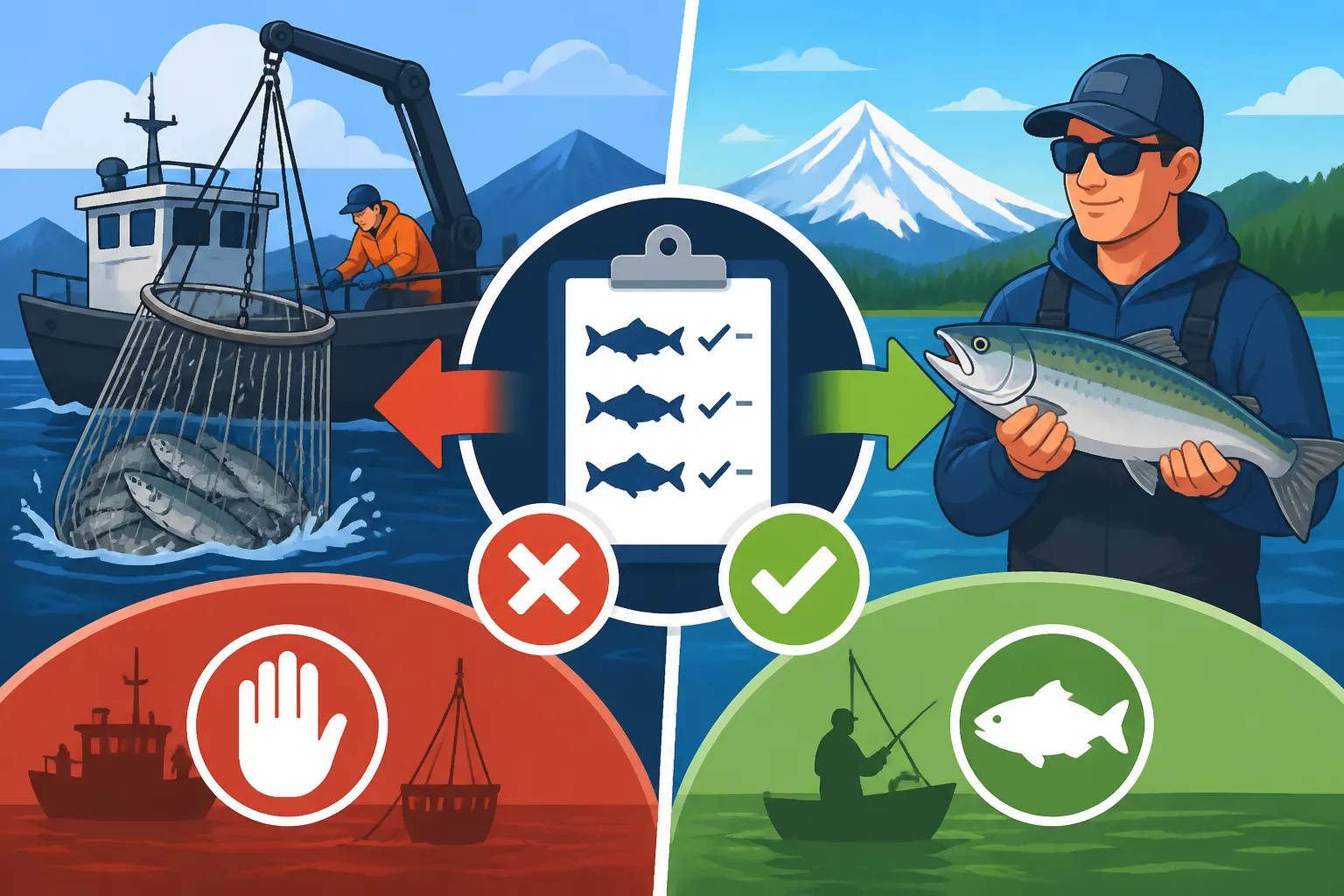
At its core, a test fishery is a scientifically designed fishing effort aimed not at harvesting for sport or commercial gain, but purely at gathering data on fish populations. Think of it as a biological survey. These operations use standard fishing gear – nets, trawls, or even rod and reel in some cases – in specific areas where fish are known to migrate. The goal isn't to fill a cooler, but to catch a representative sample of fish, gather specific information, and then often release them safely, especially for protected stocks.
These aren't just random folks casting lines; they are carefully orchestrated operations. For example, in the lower Columbia River, test fisheries might use gillnets set by commercial fishers under strict scientific supervision to estimate the size of incoming salmon runs. In Puget Sound, similar efforts might involve tribal or WDFW boats conducting purse seine or trawl surveys to gauge the strength of Chinook or coho heading toward spawning grounds. The data from these controlled efforts is absolutely indispensable because it gives fishery managers a concrete, real-time snapshot of what's happening beneath the surface, allowing them to react quickly to protect weak runs or open up opportunities for robust ones. This ongoing monitoring directly influences Washington Sport Fishing Seasons and Emergency Closures.
How WDFW and Co-Managers Gather Data
The Washington Department of Fish and Wildlife (WDFW) doesn't operate in a vacuum when it comes to managing fisheries. They work hand-in-hand with tribal co-managers, who have treaty-reserved fishing rights and often conduct their own extensive test fisheries. This collaborative approach is critical, especially in shared waters like the Columbia River, Puget Sound, and coastal areas, where diverse user groups depend on the same fish stocks. These co-management efforts ensure that a comprehensive picture of fish abundance is developed.
The types of data collected are incredibly detailed. When fish are caught during a test fishery, they are often identified by species, sex, and whether they are hatchery-marked (adipose fin-clipped) or wild. Biologists might also collect scale samples for age analysis, DNA samples for stock identification, and even measure overall length and weight. This level of detail allows managers to not only estimate the total number of fish but also to understand the run composition – for instance, how many wild steelhead are returning compared to hatchery fish, or the ratio of early-run Chinook to later-run Coho. This granular information is then fed into complex models that predict the overall run size and timing, which are essential for determining everything from Understanding Washington's Daily Bag Limits by Species to specific area closures. You might even find yourself checking Amazon for a good waterproof notebook to keep your personal fishing log, much like these biologists meticulously record their data.
The Journey from Fish Count to Regulation Change
Once the data from test fisheries is collected, it embarks on a rapid journey through analysis, discussion, and ultimately, decision-making. This isn't a slow, bureaucratic process; it's a dynamic, often high-stakes endeavor that directly dictates whether you can fish for certain species, what your bag limit will be, or if a particular river section will be open or closed. The quick turnaround is necessary because fish runs are constantly moving and evolving, requiring managers to be equally agile.
Interpreting the Numbers: Run Sizes and Harvest Allocations
The raw data from test fisheries is just the beginning. Biologists and fishery managers then analyze this information to project the actual size of the returning fish run. This involves comparing current catches to historical averages, accounting for environmental factors like ocean conditions, and using sophisticated statistical models. The goal is to get the most accurate possible estimate of how many fish are expected to return to their spawning grounds.
Once a run size update is developed, it's immediately compared against established escapement goals – the minimum number of fish required to make it back to spawn and sustain the population. If the projected run size is significantly lower than anticipated, it often triggers immediate concerns. Conversely, a stronger-than-expected run might open up additional harvest opportunities. The available "harvestable surplus" is then allocated among various user groups, including tribal, commercial, and recreational fisheries. This allocation process is governed by long-standing agreements and frameworks, such as those that dictate How Washington's WDFW Sets In-Season Emergency Rules. It's a delicate balance, trying to provide fishing opportunities while always prioritizing the long-term health of the fish stocks.
The Public Impact: Emergency Rules and What They Mean for You
This is where the rubber meets the road for recreational anglers. When test fishery data indicates a need for adjustment, WDFW, in consultation with tribal co-managers and other stakeholders, will issue what's known as an "emergency rule change." These changes can come quickly, sometimes with only a few days' notice, or even less in urgent situations. An emergency rule can modify anything from specific opening and closing dates for a fishery, to daily bag limits, size restrictions, or even gear requirements, like bait bans or mandatory barbless hooks.
For instance, if early season test fisheries in a particular area of Puget Sound show that the Chinook run is coming in significantly weaker than forecast, WDFW might issue an emergency rule to close that area to Chinook retention, or even to all salmon fishing, to protect the dwindling numbers. Conversely, a robust return might lead to an extension of a season or an increase in the bag limit, offering more days on the water for excited anglers. These emergency rules are directly explained in more detail in Emergency Rule Changes: Why Washington's Rules Shift Mid-Season, and they can profoundly affect your fishing plans. You might find yourself checking for updates more often than checking shipping on a new fishing gadget from Amazon. It's a dynamic system that demands constant vigilance from anglers to ensure they are compliant and making the most of available opportunities.
Staying Ahead of the Curve: Your Role as an Angler
Given the dynamic nature of Washington's fishing regulations, being a responsible and successful angler means more than just knowing how to cast a line or tie a knot. It requires proactive engagement and a commitment to staying informed about the latest rule changes. Ignoring these updates, even unintentionally, can lead to frustration, missed opportunities, or even costly fines.
Essential Resources for Real-Time Updates
The primary source for all official fishing regulations and emergency rule changes in Washington is the WDFW. They go to great lengths to disseminate this critical information, but it's up to anglers to seek it out regularly.
- WDFW Website: The "Emergency Rules" section of the WDFW website is your absolute best friend. This page is updated immediately whenever a change is made. Bookmark it on your phone or computer.
- WDFW Fishing Rule Change Hotline: For those who prefer a quick call, WDFW maintains a hotline (typically 360-902-2500) that provides recorded updates on rule changes. This can be especially handy when you're on the road or have limited internet access.
- The MyWDFW App and Fish Washington App: These mobile applications are invaluable tools. Not only can you often carry your fishing license digitally on the MyWDFW app, but the Fish Washington app is specifically designed to provide localized, real-time regulation updates right in the palm of your hand. It's like having the Washington Fishing Regulations Every Angler Should Know pamphlet always updated and accessible. This definitely beats scrambling to find a printed copy.
- Local Tackle Shops and Marinas: Don't underestimate the power of local knowledge. Tackle shops and marina staff are usually well-versed in current regulations and often hear about changes as soon as they are announced. They can be excellent resources for confirming rules before you hit the water.
- Official News Releases: WDFW also distributes news releases to local media outlets and directly to subscribers. Signing up for their email lists is a great way to get updates delivered straight to your inbox.
Regularly checking these sources, especially just before heading out, is non-negotiable for any serious angler in Washington. The days of simply buying an annual pamphlet and being set for the year are long gone; constant updates are now the norm.
The Broader Goal: Conservation and Sustainable Fishing
While it might sometimes feel like an inconvenience, these frequent rule changes driven by test fishery counts serve a much larger and more critical purpose: conservation. Washington is home to incredibly diverse and sensitive fish populations, many of which face significant challenges from habitat loss, climate change, and historical overharvest. Iconic species like wild steelhead and several salmon runs are often at risk, and regulations must be highly adaptive to protect them.
By using real-time data from test fisheries, WDFW and tribal co-managers can make informed decisions that help ensure enough fish return to spawn, sustaining the runs for future generations. This approach helps maintain the genetic diversity and overall health of wild populations, while also allowing for responsible harvest of robust hatchery stocks. It’s a balancing act that requires scientific rigor and flexibility. When you see a season shortened or a specific area closed, it's often a direct result of test fishery data showing that conservation measures are necessary. Your adherence to these rules directly contributes to the long-term health of Washington's incredible fisheries, ensuring that opportunities for Coho Salmon Fishing in Washington and many other species remain viable for years to come. Remember, even if you’ve already purchased gear from Amazon specifically for a certain season, keeping an eye on these updates is paramount.
Here's a quick overview of typical data points and their impact:
| Data Collected in Test Fisheries | Implications for Regulations | Example Action |
|---|---|---|
| Run Size & Timing | Overall abundance of fish entering an area, when they arrive. | Stronger run: season extension, higher bag limit. Weak run: season closure, lower bag limit. |
| Hatchery vs. Wild Count | Proportion of adipose-clipped (hatchery) vs. intact (wild) fish. | High wild count: mandatory release of wild fish. High hatchery count: target hatchery fish for harvest. |
| Species Composition | Which species are present, and in what ratios. | Predominant Coho: Coho-specific fishery. Low Chinook: Chinook closure to protect weak stock. |
| Age/Size Distribution | Size and age of returning fish. | Small fish: minimum size limits. Large, old spawners: protection measures. |
| Health & Condition | Presence of disease, physical condition. | Significant disease: potential fishery closure for health reasons. |
| Escapement Progress | How many fish are making it past fishing areas towards spawning grounds. | Low escapement: immediate downstream closures to allow more fish to pass. |
Disclaimer
Please remember that fishing regulations can change frequently and without much prior notice. Always consult the official Washington Department of Fish and Wildlife (WDFW) website or their rule change hotline for the most current regulations before you head out on any fishing trip. The information provided here is for general guidance and educational purposes only and should not be considered a substitute for checking the official WDFW regulations.