Do You Need a License to Fish From a Public Pier?
It’s a scenario many of us have faced: you’re walking along a beautiful waterfront, see folks casting lines from a public pier, and wonder, "Do I really need a fishing license for that?" There’s a widespread misconception that if your feet are on solid ground, especially on a public structure, the usual rules don't apply. This guide is here to clear up that confusion, specifically for Washington State, and ensure you’re always on the right side of the law, avoiding unnecessary headaches and fines.
The General Rule for Fishing from Public Piers in Washington
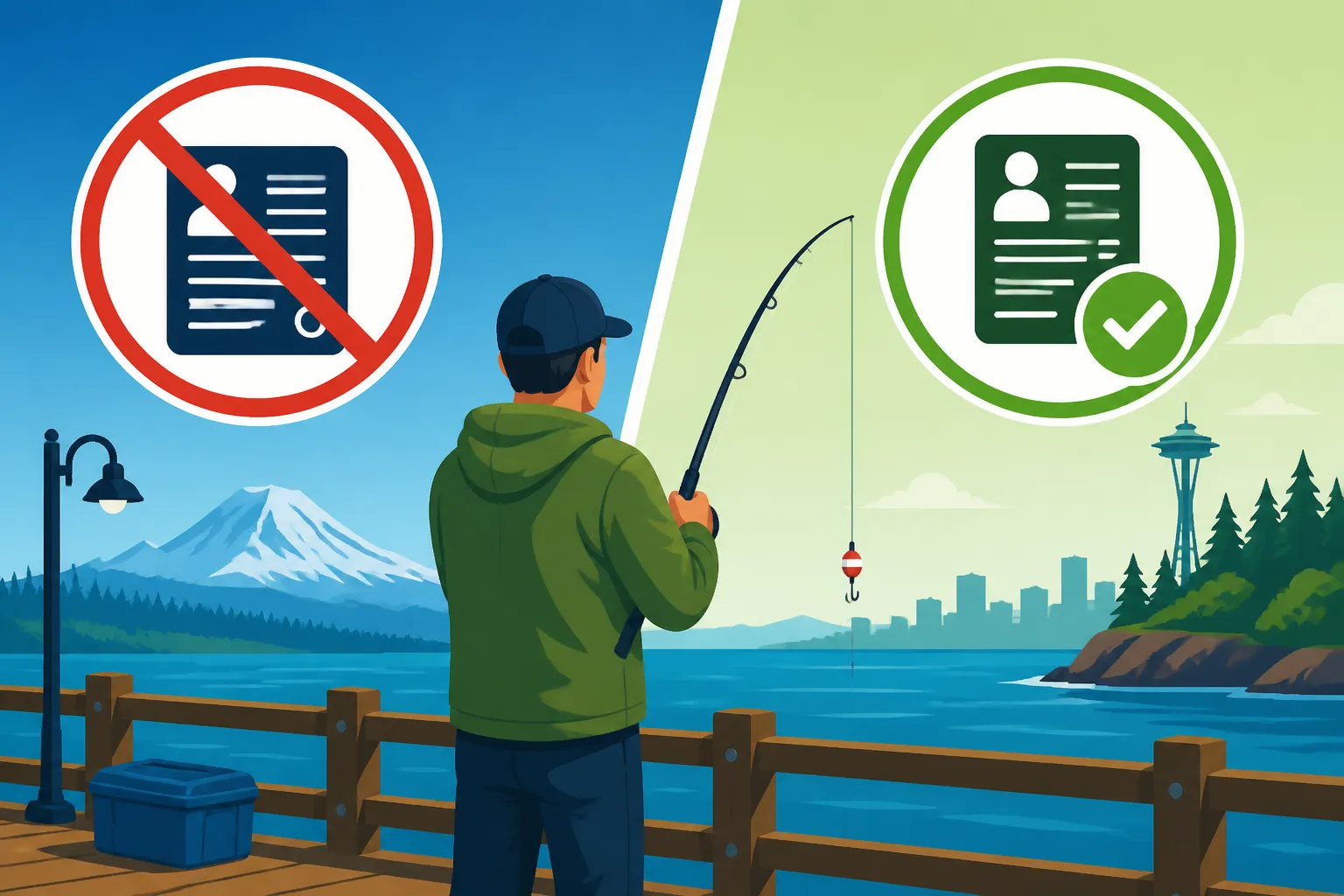
Let’s get straight to the point because this is where most folks get tripped up. In Washington State, the act of fishing, regardless of where you're doing it from, almost always requires a valid fishing license. This isn't about whether you're in a fancy boat or just dropping a line off a wooden pier; it's about engaging in the activity of sport fishing. The Washington Department of Fish and Wildlife (WDFW) defines sport fishing quite broadly, encompassing any attempt to catch fish. So, unless you fall into a very specific exemption category, that license is a must-have.
Understanding Washington's Licensing Basics
Washington State's licensing system is designed to fund fish and wildlife management, conservation efforts, and habitat restoration. When you purchase a license, you're directly contributing to the health of the very fisheries you enjoy. The basic requirement is pretty simple: if you're 15 years or older and intending to fish for personal use, you need a license. This applies to both residents and non-residents, though the costs differ, as you can learn more about in our guide on Resident vs Nonresident Fishing Licenses in Washington. There are different types of licenses too – freshwater, saltwater, and combination licenses – and the kind you need depends entirely on where that public pier is located and what species you're targeting. For example, a pier jutting out into Puget Sound requires a saltwater endorsement, whereas a pier on Lake Washington needs a freshwater license. The choice isn't just arbitrary; it's tied directly to the ecosystem you're impacting.
Many anglers mistakenly believe that if they're only catching and releasing, they don't need a license. This is another common myth. The intention to fish, even if it's purely for the sport of catch-and-release, still constitutes sport fishing under WDFW regulations. So, to be clear, whether you're planning to keep your catch or carefully release it, the license is almost always a requirement. You can dive deeper into this topic with our detailed explanation of Do You Need a License for Catch-and-Release Only?. Understanding these foundational aspects is crucial before you even consider stepping onto a public pier with a fishing rod in hand.
When a License is Absolutely Required from a Pier
For the vast majority of public piers in Washington, you will indeed need a license. Think about popular spots like the Edmonds Pier, Redondo Beach Pier, or even smaller municipal piers along the coast or on large lakes like Lake Chelan. If these piers are in waters where regulated fish species reside, and you're actively trying to catch them, you need a valid Washington fishing license. This isn't just about salmon or steelhead; it includes common bottomfish, resident trout, and other game fish. The rule applies whether you’re using bait, lures, or flies.
The specific type of license required hinges on the body of water. If you’re fishing a pier on Puget Sound, you’ll need a saltwater fishing license or a combination license that covers marine areas. If you’re on a pier extending into a freshwater lake or river, then a freshwater license or combination license is necessary. It’s not uncommon for anglers to hold a combination license because it gives them the flexibility to fish in both environments, which is particularly useful in a state like Washington with its diverse fishing opportunities. Always verify the water type, even for seemingly obvious locations, because a river can sometimes be influenced by tidal saltwater, complicating the classification.
Consider a hypothetical: you're visiting Seattle and decide to spend an afternoon fishing from the Edmonds Pier. You've brought your trusty spinning rod and a few jigs, hoping to catch some rockfish or maybe even a stray salmon. If you're 15 years or older, you absolutely must have a valid Washington saltwater fishing license or a valid combination license. Without it, even if you’re just enjoying the view and happen to hook a fish, you're in violation. Ignorance of the law, as the saying goes, is no excuse. This is a critical point that trips up many tourists and even some locals who are new to the sport or specific areas. Our Washington Fishing License Guide for Nonresidents can provide more specifics for those visiting from out of state.
Why the Distinction Matters: Marine vs. Freshwater Areas
The distinction between marine and freshwater licenses isn't just administrative; it reflects different management strategies, fish populations, and conservation needs. Marine areas, like Puget Sound and the Pacific Ocean, are home to species such as various salmon species, lingcod, rockfish, and halibut. Freshwater bodies—lakes, rivers, and streams—host trout, bass, walleye, and often different runs of salmon and steelhead. Each ecosystem faces unique pressures and requires specific regulations to ensure sustainability.
When you purchase a license, the funds are often earmarked for programs relevant to the type of water you're licensed to fish. For instance, revenue from saltwater licenses might support salmon recovery efforts in Puget Sound, while freshwater license sales could fund trout stocking programs in inland lakes. This means that having the correct license is not just about legality but also about contributing to the specific conservation efforts that benefit the fish you're targeting. It’s a direct investment in the future of Washington fishing, ensuring that these resources remain vibrant for generations to come.
Furthermore, the regulations for marine and freshwater areas can differ significantly beyond just the license type. Bag limits, size restrictions, gear restrictions, and even open seasons can vary wildly between saltwater and freshwater zones. A public pier might bridge these two worlds, or it might be firmly in one or the other. For example, fishing from a pier on the lower Columbia River might require a freshwater license, but if you're targeting salmon and steelhead, you'd also need a special Columbia River Salmon and Steelhead Endorsement. These layers of regulation reinforce the importance of understanding the specific water body your chosen pier is located in. For a comprehensive overview, check out Washington Fishing Regulations Every Angler Should Know.
Specific Pier Fishing License Exemptions You Should Know About
While the general rule is to always have a license, there are a few very specific, limited exceptions in Washington State. These are not common, and you should never assume you fall into one without absolute certainty and verification from official WDFW sources. Relying on hearsay can lead to significant penalties, as we'll discuss later.
Free Fishing Weekends and Public Piers
One of the most widely known exceptions to the licensing rule is during Washington's designated Free Fishing Weekends. These usually occur once or twice a year, typically in June, and sometimes in the fall. During these specific days, the WDFW waives the fishing license requirement for both residents and non-residents. This is a fantastic opportunity for new anglers, families, or anyone curious to try fishing from a pier without the upfront cost of a license.
However, it's crucial to understand that while the license is waived, all other fishing regulations remain in full effect. This means bag limits, size restrictions, gear restrictions (like barbless hook requirements or bait bans), and season closures still apply. You're still expected to know and follow the rules for the specific body of water you're fishing. Before heading out on a Free Fishing Weekend, always check the WDFW website for the exact dates and any special notices. It's also a good idea to confirm if the pier you plan to fish from is included or if any unique regulations apply there. You might not need a license, but a working knowledge of the rules is still essential to avoid any issues with fish and wildlife enforcement officers.
Designated Free Fishing Areas (Very Limited)
In a handful of very specific, and often short-lived, instances, the WDFW may designate certain areas as "free fishing zones" where a license is not required. These are exceedingly rare and typically associated with urban youth fishing events, specific hatchery programs, or temporary recreational initiatives. They are not a regular feature of most public piers. When such an area is designated, it will be clearly communicated by the WDFW, usually with signage on-site and detailed information on their official website.
It's vital not to confuse these extremely limited, temporary designations with the general rule for public piers. A public pier, by its very nature, is public access, not necessarily free fishing. If you haven't seen an explicit, recent, and official WDFW announcement or signage indicating a specific pier is a license-exempt area, assume a license is required. Most of the time, even popular family-friendly spots like the Pier at Point Defiance Park in Tacoma still fall under general licensing requirements. Always err on the side of caution and assume you need a license unless you have definitive proof to the contrary directly from the WDFW.
Age Exemptions for Young Anglers
Washington State does offer an age exemption for its youngest anglers, which is fantastic for getting kids involved in fishing. Children under the age of 15 do not need a fishing license to fish in Washington State. This applies to fishing from public piers, boats, banks, or any other legal fishing location. This exemption is straightforward and provides a wonderful opportunity for families to enjoy fishing together without the added cost of a child's license.
While kids don't need a license, they are still subject to all other fishing regulations, including bag limits, size restrictions, and seasons. For example, if a 12-year-old catches a salmon from a public pier, that salmon still counts towards the family's or supervising adult's possession limit, if applicable, and must meet all legal size and retention rules. It’s the adult’s responsibility to ensure that the children they are supervising are fishing legally. Many families cherish the opportunity to take their children fishing, and Washington makes it easy for the younger generation to get hooked on the sport. Our article, Do Kids Need a Fishing License in Washington?, covers this topic in greater detail.
What Happens if You Fish Without a License on a Pier?
It can be tempting to just "chance it," especially if you're only planning a quick stop at a pier. But Washington's fish and wildlife enforcement officers are out there, and they take license compliance seriously. Getting caught without the proper license can turn a relaxing day of fishing into a costly and frustrating experience.
Potential Fines and Penalties
Fishing without a valid license in Washington State is typically considered a misdemeanor violation. The penalties can vary depending on the specific circumstances, but you're generally looking at fines that can range from a couple of hundred dollars to potentially much higher, especially if combined with other violations like exceeding bag limits or fishing out of season. Beyond monetary fines, there's always the possibility of having your fishing gear confiscated. Imagine losing your favorite rod and reel, simply because you decided to skip buying a $30 license.
Repeat offenses or more serious infractions (like fishing in a closed area, or keeping protected species) can lead to even harsher penalties, including potential jail time in extreme cases and the loss of your fishing privileges for an extended period. This means you could be legally barred from purchasing a fishing license in Washington for a year or more. It's simply not worth the risk. A small investment in a license ensures peace of mind and allows you to enjoy Washington's incredible fisheries without looking over your shoulder. For a deeper dive into the legal ramifications, consult our guide on Fines and Penalties for Common Fishing Violations.
The Importance of Knowing the Rules
Beyond the penalties, knowing the rules is about being a responsible angler and contributing to the conservation of our natural resources. The WDFW regulations are complex for a reason; they are designed to protect fish stocks, manage recreational harvest, and ensure the long-term health of our ecosystems. Each rule, from specific seasons to bait restrictions, plays a part in this larger goal.
By taking the time to understand the requirements, you're not just avoiding a ticket; you're actively participating in responsible stewardship. This includes knowing which species are open, what the daily limits are, and whether any specific gear restrictions apply to your chosen pier. For example, some piers might be in areas with barbless hook requirements, or certain times of year might have bait bans to protect migrating salmon or steelhead. A quick check of the regulations pamphlet or the WDFW website before you head out can save you a lot of trouble. Being informed is part of the angling tradition, and it's a practice that benefits everyone who loves to fish in Washington.
Navigating the Rules: Where to Get Your License and Stay Informed
The good news is that obtaining a Washington fishing license is relatively easy and convenient. There are multiple ways to purchase one, and plenty of resources available to help you stay current with the ever-changing regulations.
Easy Ways to Purchase Your Fishing License
Gone are the days when you had to track down a specific government office during limited hours. Today, purchasing a Washington fishing license is more accessible than ever.
- Online: The easiest and most popular method is to purchase your license directly through the WDFW website. It’s a straightforward process where you select your license type (freshwater, saltwater, or combination), add any necessary endorsements (like the Columbia River Salmon and Steelhead Endorsement), and pay with a credit card. You can then print your license at home or save it to your phone. This instant access means you can literally decide to go fishing from a pier on a whim and buy your license just minutes before. Our post on Can You Buy a Washington Fishing License Online? provides a step-by-step walkthrough.
- License Vendors: Many sporting goods stores, tackle shops, and even some grocery stores across Washington are authorized WDFW license vendors. This is a great option if you prefer an in-person transaction, want to ask questions, or need to pick up some last-minute bait or tackle. Larger retailers like Amazon don't directly sell licenses, but you can certainly find all the necessary fishing gear, from rods to reels to tackle boxes, to accompany your newly acquired license. Many local shops like Outdoor Emporium in Seattle or Sportco in Fife are excellent places to grab a license and get local advice.
- MyWDFW App: Washington also offers the MyWDFW app, a handy tool for anglers. While primarily used for reporting catch, it also allows you to display your license digitally. This means you don't necessarily need a physical printout, as long as you can pull it up on your smartphone. Just make sure your phone is charged! Learn more about What the MyWDFW App Is Used For in our dedicated article.
No matter which method you choose, make sure to always carry proof of your license while fishing. This can be the physical paper copy, a screenshot, or the digital display on your phone. Fisheries enforcement officers will ask to see it. Our detailed guide on Carrying Your Washington Fishing License: Paper, Phone or the MyWDFW App can help you decide the best way to keep your license accessible.
Essential Resources for Staying Up-to-Date
Fishing regulations in Washington State are dynamic. Seasons change, bag limits are adjusted, and emergency rule changes can happen mid-season due to conservation concerns, fish returns, or environmental factors. Relying on old information or what you heard from a friend's uncle last year is a recipe for trouble.
The absolute best resource for current regulations is the official WDFW website. They publish the annual Sport Fishing Rules pamphlet, which is available both digitally and in print at license vendors. Regularly checking the "Emergency Rules" section of their website is critical, especially when targeting popular species like salmon and steelhead, or fishing in highly regulated areas like the Columbia River or Puget Sound. These emergency rules can override the printed pamphlet, making it essential to check often. You can find out more about reading these resources in our guide, Reading the Washington Sport Fishing Regulations Pamphlet.
Another excellent way to stay informed is by signing up for WDFW email alerts. These alerts deliver timely updates on emergency rule changes and seasonal announcements directly to your inbox. Following local tackle shops and fishing forums can also be helpful, as experienced anglers and shop owners often share immediate updates and interpretations of the rules. Being proactive about checking regulations is a hallmark of a knowledgeable and responsible angler, ensuring that your time on a public pier is enjoyable and compliant. Knowing Where Washington Posts Fishing Rule Changes is your ultimate weapon against inadvertent violations.
Here's a quick summary table of scenarios:
| Scenario | License Required? | Notes |
|---|---|---|
| Adult (15+) fishing public pier | Yes | Most common scenario. Freshwater, Saltwater, or Combination license needed depending on location. |
| Child (under 15) fishing public pier | No | Exempt from license requirement, but must follow all other rules. |
| Free Fishing Weekend | No | License waived on specific, announced dates. All other regulations (bag limits, gear rules) still apply. |
| Designated Free Fishing Area | No | Extremely rare. Only applies if explicitly announced by WDFW for a specific pier/event. |
| Catch-and-release only | Yes | The act of "fishing" requires a license, regardless of intent to keep fish. |
| Targeting non-game species | Yes | If the method of fishing could incidentally catch game fish, a license is generally required. Consult WDFW for specific exceptions if targeting very specific, non-game, non-protected species (e.g., smelt with specific gear types). Generally, assume YES. |
| Fishing in a private pond/dock | No | If on private property where you have permission, and the water is entirely self-contained (not connected to public waters), a license is generally not required. This does NOT apply to publicly accessible piers. |
Disclaimer
The information provided in this guide is for general informational purposes only and is not intended as legal advice. Fishing regulations in Washington State can be complex and are subject to change by the Washington Department of Fish and Wildlife (WDFW). While we strive to keep our content accurate and up-to-date, it is the sole responsibility of each angler to consult the official WDFW regulations pamphlet and emergency rule updates before engaging in any fishing activity. Non-compliance with fishing regulations can result in significant fines and penalties. Always verify current rules directly with the WDFW.