Can You Keep a Wild Steelhead in Washington?
It’s a question that echoes through every angler’s mind when they hook into a powerful, shimmering steelhead in a Washington river: "Is this a wild one, and if so, can I keep it?" The rules around wild steelhead retention in Washington state are notoriously strict and can be a real headache to decipher, leaving many feeling frustrated and confused. This comprehensive guide is here to untangle those complexities, explain the rationale behind the regulations, and empower you to fish responsibly and legally.
The Core Question: Can You Keep Wild Steelhead in Washington?
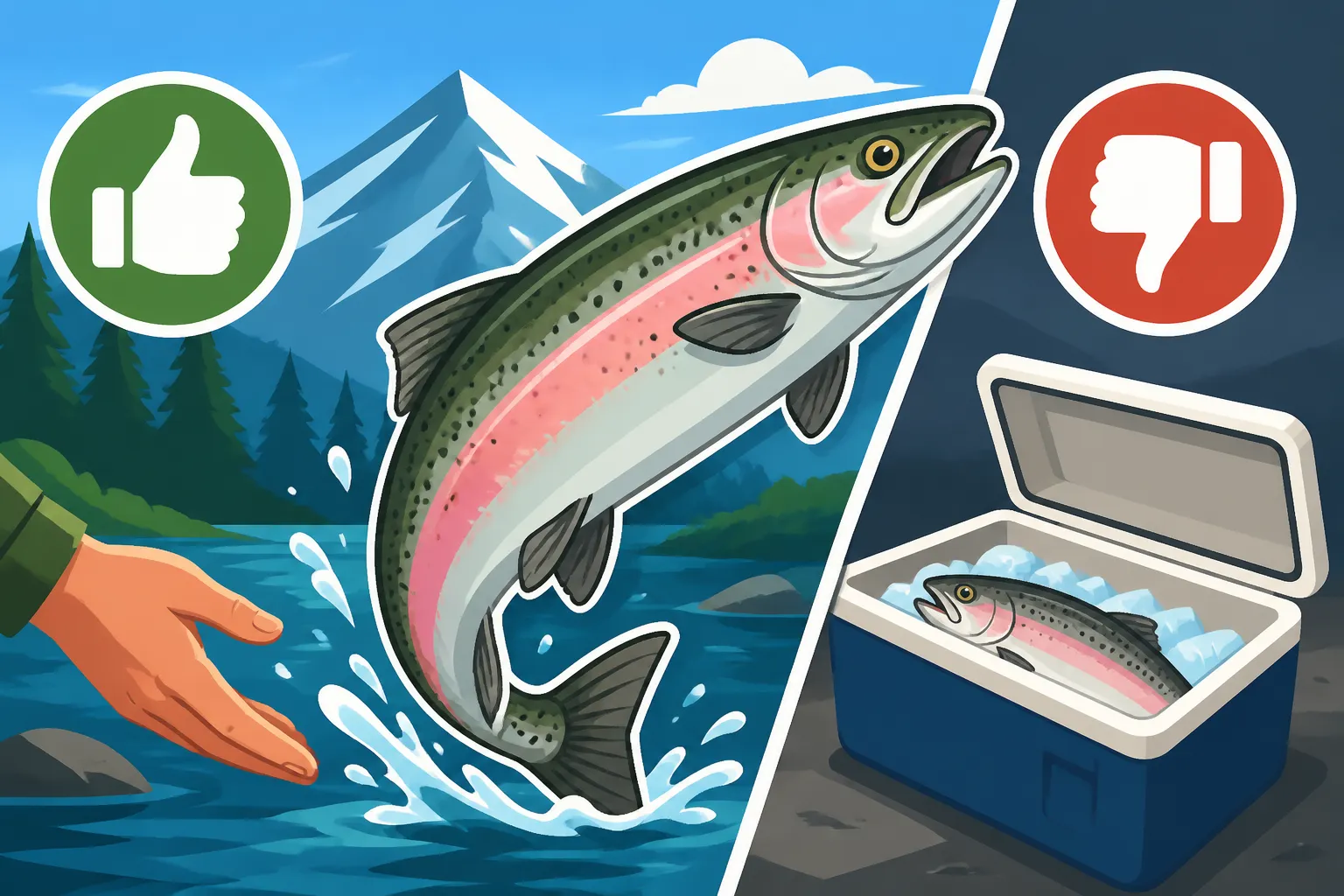
Let’s get right to the heart of the matter, because this is often where the biggest misunderstandings happen. The short, direct answer for nearly all of Washington state's waters is a resounding no, you cannot legally keep a wild steelhead. This isn't just a suggestion; it's a fundamental tenet of Washington fishing regulations designed to protect these iconic, struggling fish.
The Overarching Rule: Catch-and-Release for Wild Steelhead
The policy of mandatory catch-and-release for wild steelhead isn't arbitrary; it's a critical conservation measure. Wild steelhead populations across Washington have faced significant declines over decades due to habitat loss, hydropower impacts, and historical overfishing. These fish are the genetic backbone of future runs, embodying the resilience and adaptability that allows them to thrive in their natural environment. Every wild steelhead that successfully spawns contributes to the long-term health and survival of the species.
When you release a wild steelhead, especially a hen (female), you’re directly contributing to the perpetuation of the species. Think of it as investing in the future of fishing. While it can be disappointing to release a magnificent fish, knowing you're doing your part for conservation makes it a truly rewarding experience. The alternative – unchecked retention – would lead to further population crashes, potentially jeopardizing the sport for generations to come. This commitment to conservation is why rules like Catch-and-Release Rules During Wild Steelhead Closures are put into place, ensuring maximum protection when fish are most vulnerable.
Identifying a Wild Steelhead vs. a Hatchery Steelhead
This is the absolute most critical skill for any steelhead angler in Washington. The ability to correctly identify whether a steelhead is wild or hatchery-reared is not just good practice; it's a legal obligation. Most of the time, the distinction comes down to one key feature: the adipose fin.
Hatchery steelhead are typically marked before release by having their adipose fin clipped. The adipose fin is a small, fleshy fin located on the fish's back between the dorsal fin and the tail. If this fin is completely missing, the fish is considered a hatchery fish (a "marked" fish) and may be legal to retain under specific regulations. If the adipose fin is present and intact, the fish is wild (an "unmarked" fish) and must be released immediately and unharmed.
Beyond the adipose fin, there are often other visual cues, though they are less definitive. Wild steelhead tend to have more vibrant, natural coloration, often with brighter red lateral stripes, and their fins might appear more perfectly formed and less abraded than those of hatchery fish. Hatchery fish, having spent time in concrete rearing ponds, sometimes show signs of fin erosion or duller coloration. However, these are secondary indicators. The adipose fin clip is the primary and legally recognized identifier. For a more detailed breakdown, you can check out resources like Wild Steelhead vs Hatchery Steelhead in Washington. When in doubt, always assume it's wild and release it carefully.
Navigating Exceptions and Specific Rivers
While the general rule is strict catch-and-release for wild steelhead, anglers often wonder if there are any exceptions. It’s important to understand that if any exceptions exist, they are extremely rare, highly localized, and subject to immediate change. This isn't like the days of old where wild fish retention was more common; current management is overwhelmingly geared towards protection.
Very Rare Exceptions and Management Zones
Historically, and in some other states, there have been very limited instances of wild steelhead retention under specific, tightly controlled harvest quotas, usually in systems with exceptionally robust, healthy wild runs, or in specific, scientifically managed research fisheries. However, for the vast majority of Washington's steelhead rivers, this is not the case. The regulations are designed with a precautionary approach, meaning if there's any doubt about the health of a wild run, retention is prohibited.
Even in "mark-selective" fisheries, where anglers can only keep adipose-fin-clipped hatchery fish, any wild, unmarked steelhead caught must be released. It's crucial not to confuse the opportunity to keep a hatchery fish with the ability to keep a wild one in the same system. The state's primary goal for wild steelhead is recovery, and harvest opportunities, even small ones, are generally seen as incompatible with that goal in most watersheds. If you ever hear rumors of wild steelhead retention, treat it with extreme skepticism and verify it directly with the WDFW's official regulations.
The Importance of Checking Emergency Rules and Pamphlets
Fishing regulations in Washington are dynamic. They are not static documents carved in stone for an entire year. Especially for species like steelhead, which are highly sensitive to environmental factors and population fluctuations, rules can change on a dime. This is why it's absolutely vital to check the latest regulations before every single fishing trip. Relying on old pamphlets, forum rumors, or even what a buddy told you last season can lead to serious violations.
The Washington Department of Fish and Wildlife (WDFW) routinely issues emergency rule changes that can open or close fisheries, modify gear restrictions, or alter bag limits without much notice. These changes are a direct response to real-time data, like poor returns, low water conditions, or specific conservation needs. You can find these updates on the WDFW website, through their "Fish Washington" app, or by calling their regional offices. Neglecting this step is a common mistake that can land anglers in hot water. For a deeper dive into why these changes happen, you can read about Emergency Rule Changes: Why Washington's Rules Shift Mid-Season and learn how to navigate the information in the Reading the Washington Sport Fishing Regulations Pamphlet. Always carry a copy of the current rules, either digitally on your phone via the MyWDFW App or a physical printout, easily purchased from retailers like those found on Amazon.
Best Practices for Catch-and-Release Anglers
Since keeping wild steelhead is almost universally prohibited, mastering the art of safe and ethical catch-and-release is paramount. Your actions in those crucial moments after hooking a fish can determine its survival, ensuring it lives to spawn another day.
Minimizing Harm to Wild Steelhead
The goal with catch-and-release is to reduce stress and injury to the fish as much as possible. Here are some key practices:
- Use appropriate gear: Don't "fight" a large steelhead on ultralight tackle for an hour. Use a rod and line strong enough to bring the fish in relatively quickly, minimizing exhaustion. For instance, a medium-heavy spinning rod or a proper spey rod setup is more suitable than a trout ultralight.
- Barbless hooks are essential: Many Washington rivers require barbless hooks for steelhead, and even where not mandated, they are highly recommended. Barbless hooks reduce tissue damage and make hook removal much easier and quicker. You can often find a good selection of barbless hooks or tools to crimp barbs on regular hooks on Amazon. Read up on Barbless Hook Requirements on Washington Rivers to ensure you're compliant.
- Keep the fish in the water: Whenever possible, unhook the fish while it's still in the water. Minimize its time out of the water to a few seconds for a quick photo, if absolutely necessary. Their gills collapse, and they can't breathe air.
- Wet hands are a must: If you need to handle the fish, always wet your hands first. Dry hands can remove the fish’s protective slime coat, leaving it vulnerable to infection and disease.
- Avoid gripping by the gills or eyes: These are extremely delicate areas. Support the fish gently under its belly and by the tail.
- Revive the fish properly: If the fish seems lethargic, hold it upright in a current, facing upstream, allowing water to flow over its gills. Don't pump it back and forth, as this can force water the wrong way. Release it only when it's strong enough to swim away on its own power.
Responsible handling is a hallmark of a skilled and ethical angler. It’s about respect for the fish and the resource.
What to Do If You Accidentally Catch a Wild Steelhead
It happens to even the most experienced anglers: you're fishing a mark-selective fishery for hatchery steelhead, and suddenly, you've got a beautiful wild fish on the end of your line. The rules are clear here: you must release it immediately and unharmed. There's no grace period, no "one for the road" allowance.
If you reel in a fish and see an intact adipose fin, make sure you unhook it with the utmost care, preferably while it’s still in the water. Don’t delay, don’t try to identify it further out of the water, and certainly don’t consider putting it in your cooler. The momentary thrill of catching such a magnificent creature should be enough. If you’re ever unsure about proper handling or what to do in a specific scenario, articles like What to Do If You Catch a Wild Steelhead by Accident provide detailed guidance. Remember, conservation officers are trained to spot violations, and the penalties for keeping a wild steelhead are significant, including hefty fines and potential loss of fishing privileges, as outlined in Fines and Penalties for Common Fishing Violations.
The Future of Wild Steelhead Conservation
The continued existence of wild steelhead in Washington’s rivers is not guaranteed; it’s a constant battle that requires ongoing effort from state agencies, conservation groups, and, most importantly, anglers themselves. Understanding the broader context helps reinforce the importance of current regulations.
Hatchery Programs and Their Role
Hatchery programs play a complex and often debated role in Washington fisheries. On one hand, they provide fishing opportunities for anglers by supplementing fish populations, especially when wild runs are too fragile to support harvest. Many "fishery mitigation" hatcheries were built to offset the impact of dam construction and habitat loss, like those associated with the Columbia River, making the Washington's Columbia River Salmon and Steelhead Endorsement, Explained a crucial license add-on for fishing there. These hatchery fish often provide the bulk of the harvestable catch in many systems.
However, hatcheries are not a perfect substitute for wild fish. There are ongoing concerns about the genetic interaction between hatchery and wild populations, disease transmission, and the potential for hatchery fish to compete with wild fish for resources. The WDFW constantly strives to manage these programs in a way that minimizes negative impacts on wild steelhead while still providing angling opportunities. The distinction between wild and hatchery fish is not just for angler identification; it's a critical management tool for balancing conservation and recreation.
Angler Responsibility and Advocacy
As anglers, we have a profound responsibility to be stewards of the resource. Adhering to regulations, practicing safe catch-and-release, and educating ourselves about the fish we pursue are fundamental. But our role can extend beyond that.
- Stay informed: Regularly check WDFW resources for the latest rules and emergency changes. Subscribe to WDFW email alerts.
- Report violations: If you witness illegal fishing activity, such as someone retaining a wild steelhead, report it to WDFW enforcement. This isn't "snitching"; it's protecting a valuable public resource.
- Participate in advocacy: Many conservation organizations, such as Trout Unlimited or local fishing clubs, work to protect steelhead habitat and advocate for sound management policies. Getting involved can make a real difference.
- Support research: Sometimes, specific research projects may allow for limited harvest or require special reporting. Participate when possible and follow guidelines to contribute to scientific understanding.
By being informed, responsible, and engaged, you contribute to a future where Washington’s wild steelhead populations can rebound, ensuring this incredible fishing experience for generations to come. The health of our fisheries depends on all of us understanding and respecting rules like How Bag and Possession Limits Work in Washington and Washington Fishing Regulations Every Angler Should Know.
Comparing Wild and Hatchery Steelhead Identification
To help solidify the crucial differences, here's a quick comparison table:
| Feature | Wild Steelhead | Hatchery Steelhead |
|---|---|---|
| Adipose Fin | Present and intact (the key identifier) | Completely clipped or absent (the key identifier) |
| Appearance | Often more vibrant coloration, perfect fins | Often duller coloration, may have eroded or damaged fins |
| Origin | Born and raised in natural river environment | Born and reared in a hatchery facility |
| Genetic Role | Essential for natural reproduction and population health | Provides angling opportunity, may have genetic differences |
| Retention Rule | Must be released immediately and unharmed | May be retained if allowed by specific regulations |
Disclaimer
Please remember that fishing regulations are subject to change without notice. Always consult the most current Washington Department of Fish and Wildlife (WDFW) regulations before heading out to fish. This guide provides general information and should not be considered a substitute for official WDFW publications.