Where Washington Posts Fishing Rule Changes
It's incredibly frustrating, isn't it? You plan a fishing trip, you scout the perfect spot, and then you hear a whisper that the rules have changed, leaving you scrambling to figure out if your planned adventure is even legal. Washington fishing regulations can feel like a moving target, shifting unexpectedly and leaving many of us wondering, "Where on earth do they even post these changes?" This guide is here to cut through that confusion, showing you exactly where to find the most current and official fishing rule updates in Washington state.
The Frustration of Ever-Changing Rules
For many of us who love to cast a line in Washington, the dynamic nature of fishing regulations is a constant source of both opportunity and anxiety. One day a river is open for hatchery steelhead, the next it’s wild-only catch and release, or maybe even completely closed. It's not just an inconvenience; it can mean a wasted trip, or worse, an accidental violation that carries real penalties.
Why Rules Change So Often
The Washington Department of Fish and Wildlife (WDFW) doesn't change rules just to make our lives difficult, though it often feels that way. There are genuinely critical, complex reasons behind these shifts. Primarily, it comes down to managing fish populations sustainably. Think about the delicate balance of salmon runs in the Puget Sound or the number of returning steelhead to a river like the Cowlitz. Biologists are constantly monitoring escapement goals, run forecasts, and actual returns. If a run comes in weaker than expected, or if too many fish are being caught, WDFW has to act quickly to protect the resource for future generations.
Other factors include environmental conditions like low water flows, high water temperatures, or even marine mammal interactions. Sometimes, treaty obligations with tribal nations also necessitate specific rule changes. It’s a lot more than just counting fish; it involves a sophisticated ecosystem of scientific data, conservation goals, and legal requirements. Understanding these underlying reasons, while not making it easier to keep up, helps us appreciate the necessity of these seemingly arbitrary shifts. For a deeper dive, read our guide on how Washington's WDFW Sets In-Season Emergency Rules.
The Impact on Anglers
The practical impact on us, the anglers, is significant. Imagine waking up at 3 AM, driving two hours to your favorite salmon spot on the Columbia River, only to find out via a hastily scribbled note at the boat launch that the area closed the night before. Or perhaps you're targeting winter steelhead on a coastal river, only to discover a sudden bait ban has been implemented, rendering your carefully prepared roe useless. These scenarios are all too real for Washington anglers.
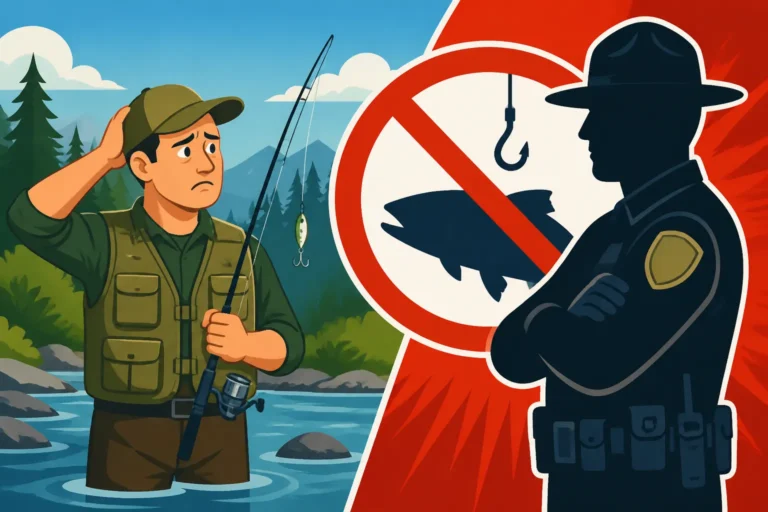
Beyond the immediate disappointment, there's the genuine fear of unknowingly breaking a rule. No one wants to face fines or penalties for common fishing violations just because they missed an update. It forces us to be diligent, almost to the point of obsession, in checking and double-checking the rules right up until we hit the water. It can even make planning extended trips, like a week on the Olympic Peninsula chasing steelhead, a logistical nightmare, as you're always wondering if an emergency closure might derail your plans mid-week.
Your Official Sources for Washington Fishing Rule Changes
When it comes to the official word, you can't rely on dockside rumors or social media whispers. You need to go straight to the source. The WDFW is the authoritative body for all fishing regulations in Washington state, and they provide several channels for anglers to stay informed.
The Washington Department of Fish and Wildlife WDFW Website
This is your absolute first stop and primary resource. The WDFW website (wdfw.wa.gov) is a treasure trove of information, but it can sometimes feel like navigating a maze. The key is knowing where to look.
Once on the site, you'll want to head straight for the "Fishing" section. From there, look for links related to "Regulations" or "Rule Changes." You'll often find a main page dedicated to the annual fishing regulations, which is a great starting point for understanding the big picture. However, for real-time changes, you need to go a step further.
The website hosts the full sport fishing rules pamphlet, which is essential for understanding Washington Fishing Regulations Every Angler Should Know. But remember, this pamphlet is printed annually and can quickly become outdated as conditions change. So, while it's crucial for initial planning, it's not enough for day-of trip checks. Make sure to bookmark the specific pages that deal with emergency rules for the areas you fish most often.
WDFW Emergency Rule Changes Page
This is arguably the most critical resource for any active angler in Washington. The "Emergency Rule Changes" page on the WDFW website is where any in-season modifications are announced and explained. These are the rules that change often, sometimes with less than 24 hours' notice, and they supersede any information found in the printed pamphlet.
When you land on this page, you'll typically see a list of recent emergency rules, usually organized by date. Each entry will detail:
- The specific water body or marine area affected. This could be a river like the Skagit, a lake, or a particular marine area in Puget Sound.
- The effective dates. When the rule goes into effect and, if applicable, when it ends.
- The specific change. This could be a closure, an opening, a gear restriction (like a bait ban), a bag limit modification, or a slot limit implementation.
- The reason for the change. This provides context, often citing low returns, conservation needs, or meeting management objectives.
It's vital to read these announcements carefully. Don't just skim the headline. For instance, an announcement might say "Cowlitz River Salmon Opening," but the details could specify a limited section of the river, certain gear restrictions, or even require that all wild fish be released. Understanding what an Emergency Rule Change Actually Modifies is key to staying legal and making the most of your fishing opportunities.
The WDFW "Fish Washington" Mobile App
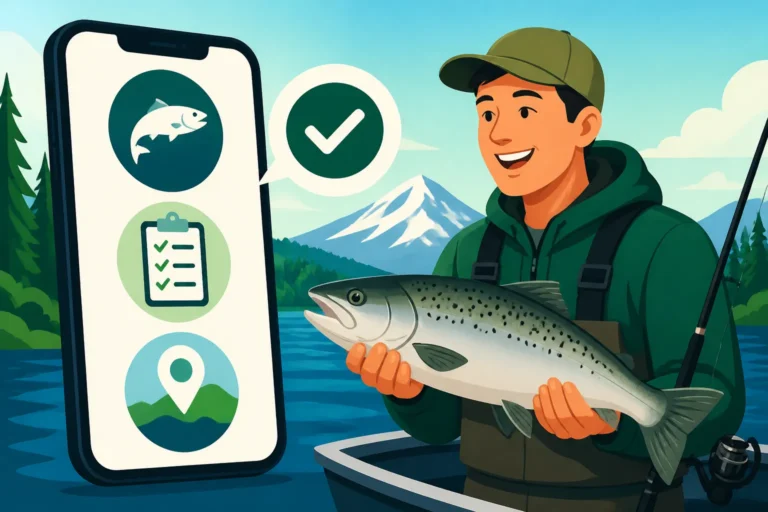
In our increasingly digital world, having real-time information at your fingertips is a game-changer. The WDFW's "Fish Washington" mobile app is designed to do just that, bringing official rule updates directly to your smartphone or tablet. If you've ever wondered, Does Washington Have a Mobile Fishing License App?, the answer is yes, and it does much more than just licenses.
The app allows you to:
- View current regulations: It pulls data directly from the WDFW website, meaning you're looking at the most up-to-date rules for your chosen fishing location.
- Access emergency rules: Like the website, the app features a dedicated section for emergency rule changes, often with push notifications if you enable them, alerting you to critical updates in areas you've marked as favorites.
- Report your catch: This is especially handy for fulfilling your Catch Record Card requirements, which is a huge convenience compared to traditional paper cards. You can learn more about The Washington Catch Record Card and What It Requires and even use the app as an Electronic Catch Record Card and the Fish Washington App.
- Locate fishing spots: It integrates mapping features that show you public access points, boat launches, and even specific regulation boundaries.
Think of it as having a miniature WDFW rules pamphlet in your pocket, constantly updated. It’s particularly useful when you’re out of cell service range, as you can often download regulations for offline access before heading into remote areas. Having this app is a great way of Carrying Your Washington Fishing License: Paper, Phone or the MyWDFW App, making sure you always have your license and the rules accessible.
Diving Deeper: Understanding the Nuances of Rule Updates
Simply knowing where to look is half the battle; the other half is understanding the context and depth of these changes. Not all updates carry the same weight, and sometimes a simple rule modification can have cascading effects on your fishing strategy.
Official Rule Pamphlets vs. Emergency Rules
It's crucial to understand the hierarchy of information. The annual Sport Fishing Regulations Pamphlet, which you can usually pick up at most tackle shops or download from the WDFW website, is your baseline. It lays out the general seasons, bag limits, and gear restrictions for the entire year across various regions and species. This is the document you'd ideally consult when planning your fishing calendar for the upcoming year. For instance, it will tell you the typical Washington Fishing Seasons: A Month-by-Month Guide, or outline the standard Daily Limit for Chinook in Puget Sound.
However, the world of fishing is dynamic. River flows change, ocean conditions shift, and fish returns can vary wildly from preseason forecasts. This is where emergency rules come into play. These are immediate, in-season adjustments made by WDFW to respond to real-time conditions. They always supersede the information in the printed pamphlet. So, if your pamphlet says a particular river is open for retention, but an emergency rule published last week announced a catch-and-release only period due to low wild steelhead returns, the emergency rule is the one you must follow.
Many anglers find it helpful to keep a physical copy of the pamphlet on hand, perhaps tucked into a tackle box or glove compartment. If you're a fan of physical guides, you can often find a current year's version on platforms like Amazon or even download and print sections yourself. This can be a useful backup if your phone battery dies or you're in an area with no signal. However, always remember to cross-reference with the WDFW website or app for the latest emergency updates.
Subscribing to Email Alerts
If you're serious about staying current, one of the easiest and most proactive steps you can take is to sign up for WDFW's email notification lists. The department offers various subscription options, allowing you to tailor the alerts to your specific interests and fishing locations.
You can often subscribe to specific regions (e.g., Puget Sound, Columbia River, Coastal Rivers) or even specific species (e.g., salmon, steelhead, trout). When an emergency rule change is enacted for a region or species you've selected, an email will land directly in your inbox. This takes the guesswork out of constantly checking the website. While the WDFW app might give you push notifications, email is a reliable fallback, especially if you prefer to digest information on a larger screen or forward it to fishing buddies.
This service is invaluable for avoiding scenarios like showing up to fish the Columbia in Washington During an In-Season Closure without realizing it. It’s a passive yet effective way to ensure you're among the first to know about critical changes that could impact your trip.
Local Tackle Shops and Guides
While the digital world provides the official word, don't underestimate the value of local knowledge. Your local tackle shop is often an unofficial hub for fishing information. The folks working there are usually avid anglers themselves, keenly aware of local conditions and recent rule changes. They're also often the first to hear about upcoming WDFW meetings or proposed rule changes before they're officially enacted.
Similarly, professional fishing guides operating in a specific area are practically experts in the ever-shifting regulatory landscape. They have to be, as their livelihood depends on it. A good guide will not only know the rules but also understand the nuances of how those rules are being enforced and how they might affect fishing conditions. While you shouldn't rely solely on these sources as official verification, they can offer fantastic real-world context, tips on how to adapt to new rules (e.g., what lures work best during a bait ban), and even insights into why a particular rule might have changed. Sometimes, just a quick chat can save you a lot of headache.
Best Practices for Staying Informed
Staying informed about Washington's fishing rules is an ongoing commitment, but by developing a few good habits, you can minimize surprises and maximize your time on the water.
Before Every Trip: A Quick Check
This is non-negotiable. No matter how many times you've fished a particular spot, or how confident you are that the rules haven't changed since last weekend, always perform a quick check of the WDFW Emergency Rule Changes page or the Fish Washington app before you head out the door. It only takes a few minutes, and it can save you hours of wasted effort, potential fines, and the disappointment of a canceled trip.
Imagine you're targeting salmon in Marine Area 9 for Salmon Fishing, Explained. You've checked the annual pamphlet, but salmon seasons in Puget Sound are notoriously volatile. A quick check of the emergency rules page could reveal a sudden closure or a shift to a different species retention, ensuring you don't accidentally exceed the Puget Sound Salmon Closures: What Washington Anglers Need to Know. Think of it as your pre-flight checklist – it’s a small step that prevents big problems. Make this a ritual, just like checking your gear and packing your lunch. You can even set a reminder on your phone as part of your "What to Check Before Every Washington Fishing Trip" routine.
Planning Ahead for Specific Fisheries
Certain fisheries in Washington are far more prone to in-season rule changes than others. The Columbia River salmon and steelhead fisheries, for example, are constantly managed based on highly dynamic run sizes and federal-state agreements. The same goes for many Puget Sound salmon and marine bottomfish opportunities.
If you plan to target these species or fish in these areas, your level of diligence needs to be higher. Consider subscribing to specific email alerts for these regions, and make it a point to check the WDFW website daily leading up to your trip, not just an hour before. Knowing the trends and potential triggers for changes (e.g., if a particular run is tracking low) can give you a heads-up. Some anglers even follow WDFW commission meetings or news releases for early indications of potential changes.
What to Do If You're Unsure
It happens to the best of us: you're out on the water, you catch a fish, and you're suddenly second-guessing the slot limit or whether bait is allowed. When in doubt, always err on the side of caution.
- Release the fish: If you're not 100% sure it's legal to retain, release it immediately and unharmed.
- Check the app/website: Use your smartphone to quickly pull up the regulations for your exact location. The Fish Washington app is especially useful for this, as it often uses your location to show relevant rules.
- Ask a warden (if safe and accessible): If you encounter a WDFW enforcement officer, you can politely ask for clarification. They are there to enforce rules, but also to educate.
- Consult a physical pamphlet/guide: If you're out of signal, having a current (but remember, potentially outdated) pamphlet can be a fallback, but acknowledge its limitations. You might even carry a compact, laminated version, easily found on Amazon, as a quick reference.
Remember, ignorance of the law is generally not a valid defense. It’s always your responsibility as an angler to know and follow the current regulations.
Key Washington Fishing Regulation Resources
To help you keep track, here's a quick reference table of where to find the most important, up-to-date fishing regulation information in Washington state.
| Resource Type | Primary Use | Where to Access | Best For | Frequency of Updates |
|---|---|---|---|---|
| WDFW Website | Comprehensive regulations, annual pamphlets, emergency rules. | wdfw.wa.gov (navigate to 'Fishing' > 'Regulations' or 'Emergency Rule Changes') |
Detailed research, understanding the "why" behind rules. | Daily (emergency rules), Annually (pamphlets) |
| Emergency Rule Changes Page | Real-time, in-season modifications to open/close areas, gear, limits. | Direct link often found on the WDFW homepage or under 'Fishing' > 'Regulations' | Immediate trip planning, critical alerts for specific areas. | As needed, sometimes multiple times a day |
| Fish Washington App | Mobile access to regulations, emergency alerts, catch reporting. | Download from Apple App Store or Google Play Store | On-the-go checks, push notifications, electronic catch card. | Real-time, as WDFW website is updated |
| WDFW Email Lists | Proactive notifications about rule changes for specific regions/species. | Subscribe via the WDFW website's email signup section | Staying passively informed, getting alerts delivered to your inbox. | As changes occur (daily/weekly depending on activity) |
| Local Tackle Shops | Local insights, current conditions, community knowledge. | Visit your nearest independent tackle retailer (e.g., Outdoor Emporium, Sportco) | Ground-level understanding, adapting to local nuances, gear advice. | Daily conversations, as news spreads |
Disclaimer
Please note: While every effort has been made to provide accurate and up-to-date information, fishing regulations are subject to change without notice. It is the individual angler's responsibility to consult the official Washington Department of Fish and Wildlife (WDFW) website and emergency rule changes before engaging in any fishing activity. This guide is for informational purposes only and does not supersede official WDFW regulations.