What to Do If You Catch a Wild Steelhead by Accident
It's a moment every Washington angler dreads and hopes they never face: you're out on the river, targeting hatchery steelhead or maybe even salmon, and suddenly, you hook into a fish that feels different. A powerful surge, a vibrant flash, and then you see it—the tell-tale pristine fins, the intact adipose fin. You've accidentally caught a wild steelhead, and now a wave of panic or uncertainty washes over you. This guide is here to walk you through exactly what to do in that high-stakes moment, ensuring you give that precious wild fish the best possible chance at survival and keep yourself on the right side of the regulations.
Understanding Washington's Wild Steelhead Protection
Let's be real, the regulations around wild steelhead in Washington can feel like navigating a maze blindfolded. But there's a really good reason for all the strict rules, and understanding that 'why' can help you make the right choices when you find one on the end of your line.
Why Wild Steelhead Are So Closely Protected
Wild steelhead, those incredible ocean-going rainbow trout born and raised in our natural rivers, are truly something special here in Washington. Unlike their hatchery counterparts, these fish are the backbone of future generations, carrying the genetic diversity and resilience needed to survive and thrive. Unfortunately, decades of habitat loss, hydroelectric dams, and overfishing have taken a serious toll, and many wild steelhead populations are struggling.
Because of their vulnerable status, the Washington Department of Fish and Wildlife (WDFW) has implemented incredibly strict rules to protect them. These aren't just arbitrary guidelines; they're critical conservation efforts aimed at preventing further declines and, hopefully, rebuilding these precious runs. When you're out on a river where wild steelhead are present, even if you're targeting hatchery fish, you're operating in a highly sensitive environment. It means that every accidental encounter carries a lot of weight, both for the fish and for you, the angler. The primary goal is always to minimize stress and ensure these wild fish can return to their spawning grounds healthy and ready to reproduce.
Identifying a Wild Steelhead
This is arguably the most crucial skill an angler needs to master when fishing in Washington waters known for steelhead. The difference between a hatchery fish you might be able to keep (if regulations allow) and a wild fish you must release immediately and unharmed isn't just a nuance—it's a legal and ethical imperative. Many experienced anglers still feel a knot in their stomach when a powerful fish comes to the surface, hoping it has that tell-tale clipped fin.
The easiest and most reliable way to identify a hatchery steelhead is the missing adipose fin. This small, fleshy fin is located on the fish's back between the dorsal fin and the tail fin. Hatcheries clip this fin on virtually all steelhead released into Washington rivers. So, if you see a steelhead with a pristine, unclipped adipose fin, you're looking at a wild fish. There are no two ways about it; that fish is protected, and it needs to go back into the water as quickly and gently as possible.
Beyond the adipose fin, you'll often notice other subtle differences. Wild steelhead generally have more vibrant, natural coloration, often blending seamlessly with their environment. Their fins will typically be perfect and unfrayed, unlike some hatchery fish that might show signs of wear from life in a concrete raceway. While the adipose fin is the definitive identifier, these other characteristics can sometimes give you a heads-up that you might be dealing with a wild fish even before you get a close look. Mastering how to identify a wild steelhead vs. hatchery steelhead in Washington is a fundamental skill for responsible angling.
Immediate Steps When You Hook a Wild Steelhead
Okay, so you’ve hooked up, the fight is on, and you’ve spotted that unclipped adipose fin. Panic, or at least a healthy dose of urgency, is probably setting in. Don’t worry, we’ve all been there. The key now is to remain calm and act swiftly and deliberately to minimize stress on the fish.
The Moment of Realization: What to Do First
The very first thing you need to do, the moment you realize it's a wild steelhead, is to keep that fish in the water as much as humanly possible. Resist the instinct to horse it in or net it immediately if it's still green and thrashing. The less time a fish spends out of its natural element, the better its chances of survival. This means minimizing air exposure, even for a few seconds.
If you’re fishing from the bank, try to guide the fish to a shallow, calm area where you can control it without lifting it clear of the water. If you’re in a boat, keep the fish alongside the boat, bringing its head gently to the surface only when it's ready. Have your unhooking tools, like long-nose pliers or hemostats (many anglers swear by forceps for quick, precise hook removal, often found on Amazon or local tackle shops), ready and within arm's reach. Every second counts, so being prepared before the fish is even landed can make a huge difference. You might also want to review "Catch-and-Release Rules During Wild Steelhead Closures" to understand the broader context.
Proper Handling for Minimal Impact
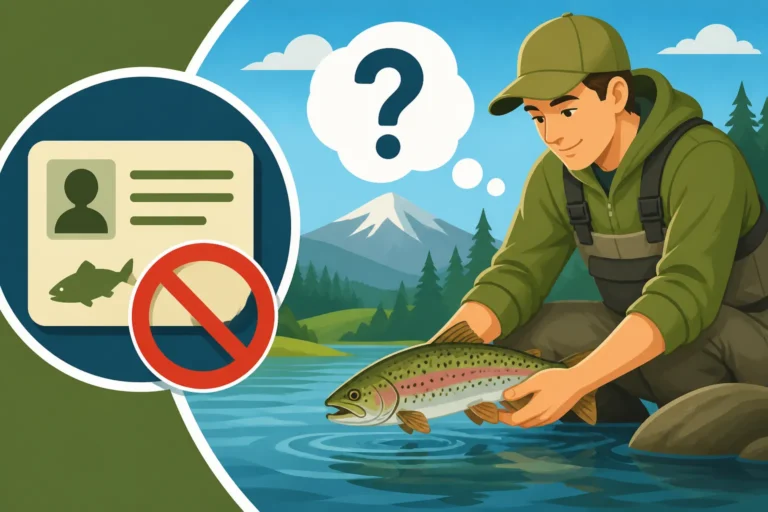
Once you have the fish subdued, but still in the water, it’s time for the delicate dance of unhooking. Your hands should be wet—always, always wet! Dry hands can strip away the fish’s protective slime coat, leaving it vulnerable to disease and infection. Gently cradle the fish, supporting its belly and tail, taking care not to squeeze or exert too much pressure, especially around the gills or eyes. These are incredibly sensitive areas.
With your wet hands, try to remove the hook while the fish is still submerged. If the hook is deeply embedded or the fish is particularly feisty, you might need to briefly lift its head just above the water surface for a clearer view. This is where your long-nose pliers or hemostats come into play. Work quickly and efficiently to back out the hook. If the hook is really deep and impossible to remove without causing major damage, sometimes the best option is to cut the line as close to the hook as possible. A hook left in the jaw often rusts out and falls away eventually, causing less trauma than an extended, forceful extraction attempt.
Barbless Hooks: A Non-Negotiable Requirement
This isn’t just a recommendation; it’s a non-negotiable regulation in many Washington fisheries, especially those with sensitive populations like wild steelhead. In areas where barbless hooks are required, failing to use them is a direct violation, and it makes proper catch-and-release exponentially harder and more damaging to the fish. When you’re fishing for steelhead, particularly in rivers on the Olympic Peninsula or other critical habitats, using barbless hooks is simply part of being a responsible angler.
A barbless hook allows for much easier and quicker extraction, minimizing the time the fish is handled and the tissue damage caused by the hook. If you're accidentally catching a wild steelhead with a barbed hook, you're not only risking a citation but also significantly reducing that fish's chance of survival. If you haven't already crimped down your barbs, make it a standard practice before hitting the water. It's a small effort that yields huge benefits for the fish and peace of mind for you. Seriously, check the "Barbless Hook Requirements on Washington Rivers" before your next trip.
Releasing the Fish: Giving Them the Best Chance
Unclipping the hook is only half the battle. The release itself is just as critical, if not more so, than the handling. A poorly released fish is often a dead fish, even if it swims away initially.
Resuscitation and Observing Recovery
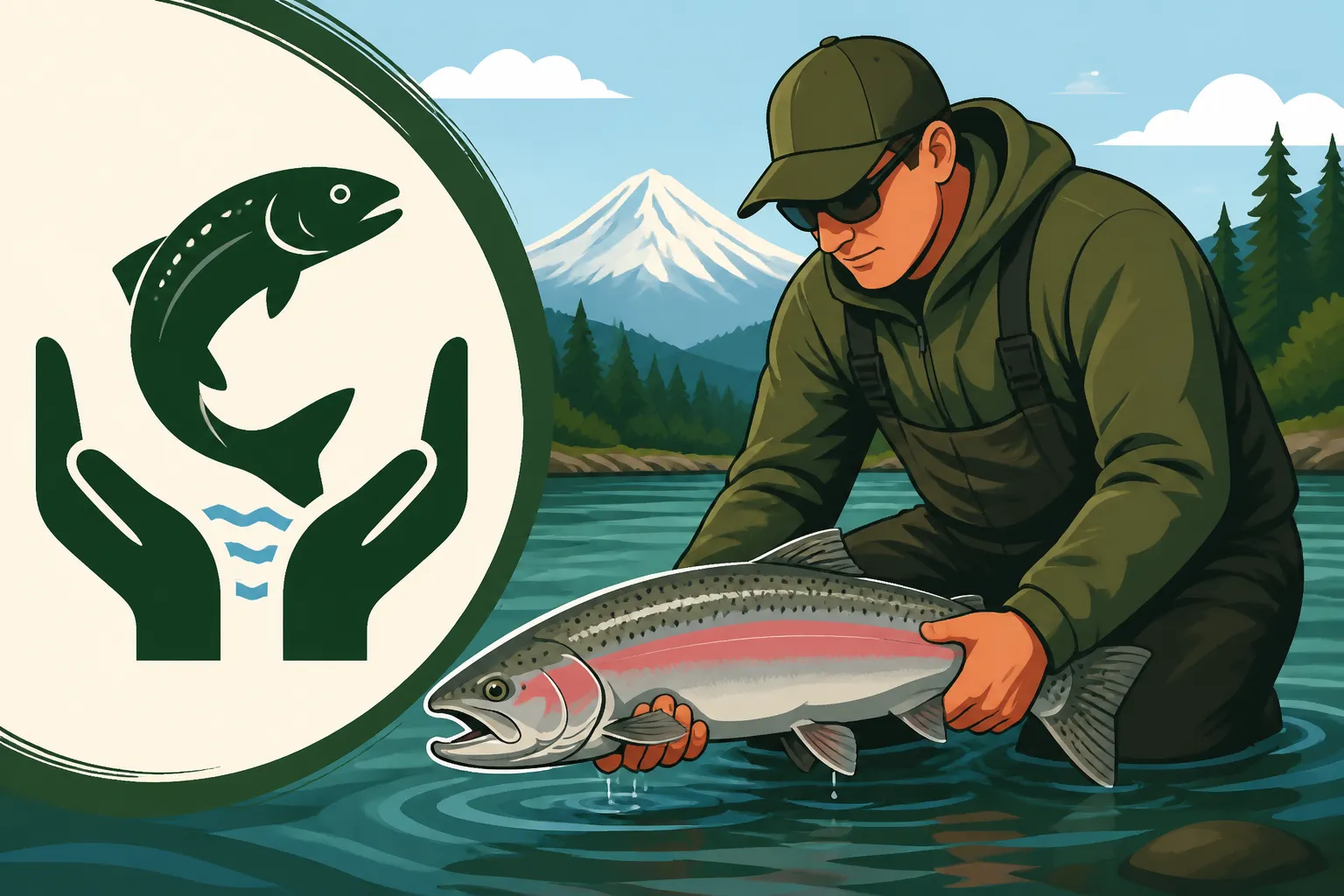
After a strenuous fight, a steelhead can be completely exhausted, sometimes appearing lifeless. This is where you become their personal lifeguard. Hold the fish gently upright in the water, facing it into a slow current. The current will naturally flow over its gills, helping to push oxygenated water through. If there's no current, gently move the fish back and forth in the water, mimicking that flow.
You'll feel the fish start to revive. It might kick its tail, flare its gills, or try to swim a bit. Don’t let go too soon! Support it until you feel a strong, sustained kick and it actively tries to swim away from your grasp. This could take anywhere from a few seconds to several minutes, depending on the length of the fight and water temperature. Patience here is absolutely vital. Watching a wild steelhead swim strongly back into the depths is one of the most rewarding parts of fishing, especially after an accidental catch.
Avoiding Common Release Mistakes
It’s easy to get excited or flustered, but try to avoid these common pitfalls when releasing a wild steelhead:
- The "Fish Toss": Never, ever throw a fish back into the water. This can cause internal injuries or disorient the fish, making it vulnerable to predators or unable to recover. A gentle, controlled release is always the goal.
- Releasing Too Early: As mentioned, don't let go until the fish is actively swimming on its own and shows signs of full recovery. A fish that bobs upside down or floats away weakly is unlikely to survive.
- Excessive Handling/Photo Ops: While it’s tempting to snap a quick photo, especially of such a beautiful fish, wild steelhead regulations are extremely strict about air exposure. Many rivers have "no photos out of water" rules for wild fish. Even if it's not explicitly stated, common sense and ethical angling dictate minimal air time. A quick, in-water photo (if allowed and if you can do it without stressing the fish further) is always preferable. Remember, the fish’s survival is paramount over your social media post. Seriously, the "Washington Fishing Regulations Every Angler Should Know" pamphlet is your best friend here.
What Not to Do: Avoiding Costly Mistakes
In the heat of the moment, or out of ignorance, anglers can make mistakes that have serious repercussions. Knowing what not to do is just as important as knowing what to do.
The Temptation to Keep or Photograph
Let’s be blunt: keeping a wild steelhead is illegal, period. There are no exceptions for accidental catches. The penalties for keeping an illegal wild steelhead in Washington can be severe, including hefty fines, confiscation of gear, and loss of fishing privileges. It's simply not worth the risk, ethically or legally. If you make the mistake of hooking one, your only option is a careful, immediate release.
Equally important is resisting the urge for that trophy shot, especially if it means taking the fish out of the water. As mentioned, air exposure is extremely detrimental to fish, particularly when they are stressed from a fight. Even a few seconds out of water can cause irreversible damage to their gills and internal organs. The memory of releasing that magnificent wild fish is far more valuable and legal than a photo that could land you in serious trouble and harm a vulnerable species. It's a test of integrity for every angler.
Reporting Incidental Catches (and When Not To)
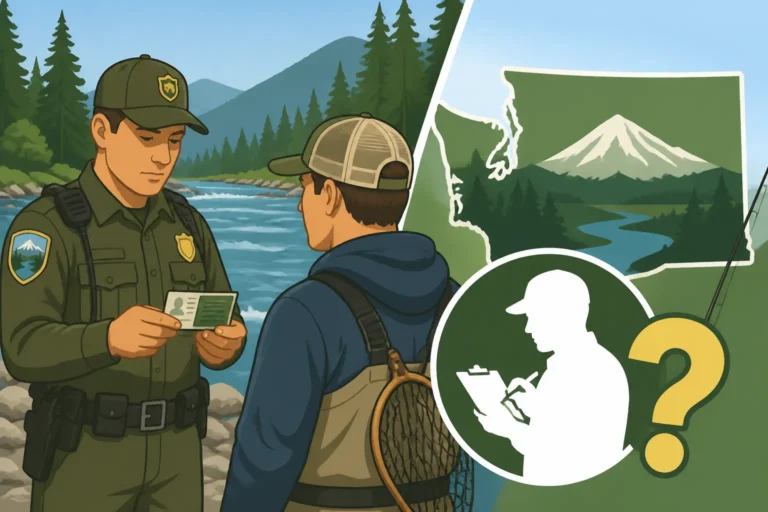
This can be a bit of a gray area and often causes confusion. Generally, if you accidentally catch a wild steelhead, immediately follow the best catch-and-release practices outlined above, and the fish swims away strong, there's no specific requirement to report that individual incidental catch to WDFW. The expectation is that responsible anglers will do everything in their power to ensure its survival.
However, there are scenarios where reporting might be appropriate or even necessary. If you accidentally snag a wild steelhead outside the mouth (also known as foul-hooking), or if a wild fish is severely injured and clearly won't survive the release, you might need to contact WDFW. In such rare and unfortunate cases, do not attempt to keep the fish or simply discard it. Contact your local WDFW enforcement office or game warden for guidance. They can advise you on the proper procedure, which might involve documenting the incident or turning the fish over to them. Such situations are rare, but it's important to know the protocol for avoiding further violations. For more details on what might constitute a violation, look into "Penalties for Keeping an Illegal Wild Steelhead in Washington".
Fishing in Washington for steelhead is an incredible privilege, and with that privilege comes a significant responsibility to protect these magnificent fish. Understanding how to react when you accidentally hook a wild steelhead isn't just about following the rules; it's about being a true conservationist and ensuring that future generations can experience the thrill of encountering these stunning creatures. By practicing proper identification, swift and gentle handling, and careful release techniques, every angler plays a vital role in the recovery and preservation of Washington's precious wild steelhead runs.
Disclaimer
Please note: Fishing regulations in Washington State are complex and subject to change frequently, sometimes on very short notice due to in-season emergency rules. The information provided in this guide is intended for general informational purposes only and should not be considered legal advice. It is the responsibility of every angler to consult the most current Washington Department of Fish and Wildlife (WDFW) fishing regulations pamphlet, emergency rule changes, and any local advisories before engaging in any fishing activity. Failure to do so may result in fines or penalties.