Can You Fish Two Lines From a Boat in Washington?
It's a common scenario: you're out on the beautiful waters of Washington, maybe Lake Chelan or a calmer stretch of the Columbia River, and you're thinking, "Man, I could really increase my chances if I could just run two lines." It’s frustrating to feel limited, especially when you know fish can be finicky, and presenting different offerings might just crack the code. This comprehensive guide is here to untangle the lines of confusion surrounding Washington's two-pole fishing regulations, specifically when you're casting from a boat, so you can fish effectively and legally.
The Washington Two-Pole Endorsement Explained
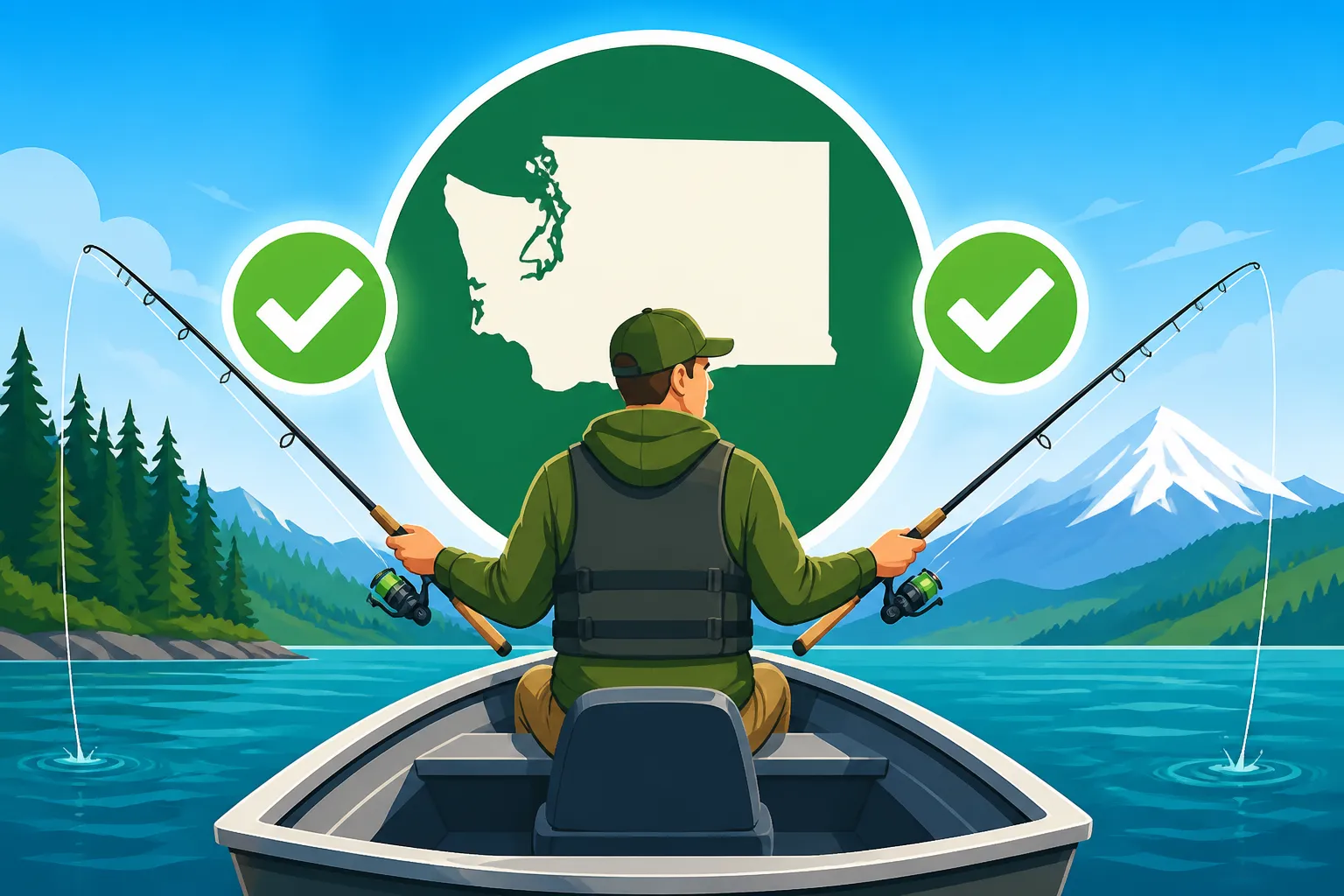
Let's cut right to the chase: Yes, you absolutely can fish with two lines from a boat in many Washington waters, but there's a crucial caveat – you need a specific add-on to your standard fishing license called the Two-Pole Endorsement. This isn't just a suggestion; it's a legal requirement that ensures you're playing by the rules and contributing to the conservation efforts that make our fisheries so incredible. Without it, that second rod in the water could land you in hot water with a WDFW enforcement officer.
The Two-Pole Endorsement is designed to give anglers more flexibility and, let's be honest, increase their chances of success. Imagine running a bottom-bouncing rig for trout on one rod and a trolled lure on the other. It's a game-changer for many, allowing for diverse presentations and exploration of what the fish might be biting on any given day. But this endorsement isn't a free pass everywhere, and understanding its scope is key to staying compliant.
What the Two-Pole Endorsement Actually Allows
At its heart, the Two-Pole Endorsement grants you permission to actively fish with a second rod and line simultaneously with your first. When we talk about "line," we're referring to a complete setup: a rod, a reel, and the terminal tackle (like hooks, lures, or bait). It's not about having extra rods in the boat; it's about having two actively deployed and fishing.
Think of the benefits: you can effectively double your offerings to the fish. Maybe you're targeting Kokanee in Lake Chelan with one downrigger setup, and with your second pole, you can try jigging a wedding ring nearby. Or, perhaps you're on a river like the Cowlitz, running a worm and a Corky on one rod, while the second rod presents a different bait or a larger lure to entice a passing salmon. This flexibility is a huge advantage, allowing you to cover more water, experiment with different depths, and find out what the fish are keying in on without constantly re-rigging a single rod. This level of versatility can be incredibly satisfying for anglers who love to experiment.
The Cost and How to Acquire It
The Two-Pole Endorsement is an annual add-on to your base Washington fishing license, not a standalone license itself. This means you first need to have a valid freshwater, saltwater, or combination license. The cost is generally quite reasonable, making it a very worthwhile investment for most anglers who enjoy boat fishing. While prices can adjust, you'll typically find it's a modest additional fee. For specifics, you'll want to check the current Washington Department of Fish and Wildlife (WDFW) licensing page.
Acquiring the endorsement is straightforward. The easiest way is to add it when you purchase your annual fishing license through the WDFW website. Many authorized license vendors across the state, such as local sporting goods stores or even some larger retailers, can also add the Two-Pole Endorsement to your purchase. Just be sure to specifically ask for it if you're buying in person. When carrying your license, remember that you have options: a printed copy, a screenshot on your phone, or using the MyWDFW App are all generally acceptable ways of Carrying Your Washington Fishing License: Paper, Phone or the MyWDFW App.
Where the Two-Pole Endorsement Applies and Where It Doesn't
This is where things can get a little tricky, and it's why understanding the nuances of Washington's fishing regulations is absolutely paramount. The Two-Pole Endorsement is not a blanket authorization for all waters across the state. In fact, one of the biggest misconceptions anglers have is that once they buy it, they can fish two poles anywhere. This is simply not true, and failing to check local rules can lead to significant penalties.
Washington has an incredibly diverse range of fisheries, from vast freshwater lakes and mighty rivers to the expansive Puget Sound and the Pacific Ocean. Each of these areas, and often specific stretches within them, can have unique regulations that override the general two-pole rule.
Freshwater vs. Saltwater Application
Generally speaking, the Two-Pole Endorsement is primarily applicable to freshwater lakes and a significant number of freshwater rivers. This is where most anglers will utilize it, targeting species like trout, kokanee, bass, walleye, and even certain salmon runs when allowed. However, even in freshwater, there are critical exceptions, particularly on rivers with sensitive fish populations, such as wild steelhead.
When it comes to saltwater fishing in areas like Puget Sound, the Strait of Juan de Fuca, or the open Pacific Ocean, the Two-Pole Endorsement typically does not apply. Most saltwater regulations in Washington strictly adhere to a "one line per angler" rule. So, if you're planning a trip for salmon in Marine Area 9 for example, even if you have the endorsement, you'll still be limited to one rod in the water at a time. This distinction is vital for anyone fishing a variety of waters. For a broader understanding of license types, you might want to look at Freshwater vs Saltwater vs Combination Licenses in Washington.
Specific Water Body Restrictions and Species Limitations
The WDFW regulations pamphlet is your best friend here. It's often updated annually, and sometimes even mid-season, to account for fluctuating fish populations and conservation needs. Rivers known for strong wild steelhead or critical salmon runs, such as sections of the Skagit, Sol Duc, or Hoh, often have explicit rules limiting anglers to a single rod, regardless of whether they possess a two-pole endorsement. These restrictions are put in place to minimize impact on vulnerable fish stocks. You can find comprehensive details in the Washington Sport Fishing Seasons and Emergency Closures guide.
It's not just about location; certain species can also come with their own gear restrictions. For instance, specific rules might apply to Sturgeon fishing on the Columbia River, or Halibut fishing offshore, that dictate the number of hooks or gear types allowed, which could implicitly override the general two-pole rule if it conflicts. Always cross-reference your endorsement with the specific rules for the area and target species you plan to fish. This table provides a general overview, but always check the current WDFW regulations for precise details:
| Category | Typical Two-Pole Endorsement Application | Common Exceptions/Restrictions |
|---|---|---|
| Freshwater Lakes | Generally YES | Highly regulated lakes (e.g., small, sensitive fisheries), specific species rules. |
| Freshwater Rivers | Generally YES | Many rivers or river sections with wild steelhead or sensitive salmon runs are single-pole. |
| Saltwater (Marine Areas) | Generally NO | Almost always restricted to one line per angler for salmon, bottomfish, etc. |
| Specific Species | Varies, check regulations | Sturgeon, Halibut, certain game fish may have unique gear restrictions. |
The rule of thumb here is: if you're ever in doubt, assume it's one pole, or better yet, consult the official WDFW regulations. It’s a lot easier to read the rules before you go than to explain yourself to a game warden after the fact!
Practical Considerations and Avoiding Violations
So, you've got your Two-Pole Endorsement, you've checked the regulations, and you know where you can legally deploy two lines. Now, let's talk about making the most of it and, more importantly, how to avoid common pitfalls that could lead to a violation. Fishing with two rods from a boat, while doubling your fun, also doubles your responsibility.
Gear and Setup for Two-Pole Fishing
When you're fishing with two rods from a boat, organization is key. You'll likely want different setups for each rod, allowing you to present varied offerings. For example, one rod might be set up for trolling with a dodger and a hootchie, while the other is equipped for vertical jigging or bait fishing. Having dedicated rod holders on your boat is incredibly helpful. You can find a wide variety of boat rod holders, from flush-mount to rail-mount options, on marketplaces like Amazon, which can significantly improve your boat's fishing efficiency and prevent tangled messes.
Consider the presentation:
- Different Depths: Use one rod to target fish near the bottom and another for suspended fish.
- Different Lures/Baits: Offer a variety of colors, sizes, and types of bait or lures to see what's most appealing on that particular day.
- Active vs. Passive: One rod might be actively worked (jigging, casting), while the other is set in a rod holder, still-fishing or slow-trolling.
Remember, the goal is to be able to effectively manage both lines. If one rod hooks into a fish, you need to be able to safely reel in or secure the second rod without losing control of your catch or tangling lines. This might mean having easy-access rod holders or a clear deck space.
Always Check the Regulations: The Golden Rule
I cannot stress this enough: always, always, always check the current Washington fishing regulations before you head out. Even if you fished a particular spot last week, rules can change. The WDFW frequently issues emergency rule changes, especially for salmon and steelhead, which can open or close fisheries, modify bag limits, or change gear restrictions (like single-pole rules) with very little notice. This is why Emergency Rule Changes: Why Washington's Rules Shift Mid-Season is such a critical topic for anglers.
You can find the most up-to-date information on the WDFW website, or by using their Fish Washington app. These resources will tell you precisely How Many Rods You Can Fish at Once in Washington for your specific body of water and target species. What was legal yesterday might not be today. A simple check can save you from a frustrating encounter with a WDFW officer and the potential for Fines and Penalties for Common Fishing Violations, which can range from monetary fines to license suspensions. Ignorance of the law is never an excuse.
Common Misconceptions and Clarifications
The world of fishing regulations can feel like a labyrinth sometimes, and the Two-Pole Endorsement is no exception. Let's clear up a couple of common misunderstandings that often trip up even experienced anglers.
Is the Two-Pole Endorsement the Same as Using a Downrigger?
This is a fantastic question that highlights a common area of confusion. The answer is a definitive no, they are not the same.
- Two-Pole Endorsement: This allows you to fish with two separate rods and lines. It dictates the number of lines you can have in the water.
- Downrigger: This is a method or piece of equipment used to present a single fishing line (or sometimes two lines off one downrigger, each from its own rod, if permitted by state law and you have the endorsement) at a specific depth. It's a weight that takes your line down, often used for trolling deep for salmon, kokanee, or trout.
You can use a downrigger with just one rod, as allowed by your standard fishing license. If you have the Two-Pole Endorsement and are in waters where it's permitted, you could potentially use two downriggers, each with a single line from two separate rods, or even one downrigger with one rod, and then a second rod fishing shallow or with a different technique. The key is understanding that the endorsement permits the second rod, while the downrigger is a tool for presentation. They address different aspects of the fishing act.
What if I'm Fishing with a Partner?
This is another great point, especially for those who enjoy sharing the boat with friends or family. The Two-Pole Endorsement applies per angler, not per boat. This means:
- If you are fishing alone and have the endorsement, you can fish with two lines.
- If you are fishing with a partner, and both of you have a valid fishing license and the Two-Pole Endorsement, then you can collectively fish with up to four lines from the boat (two for you, two for them), provided the specific water body allows two poles per angler.
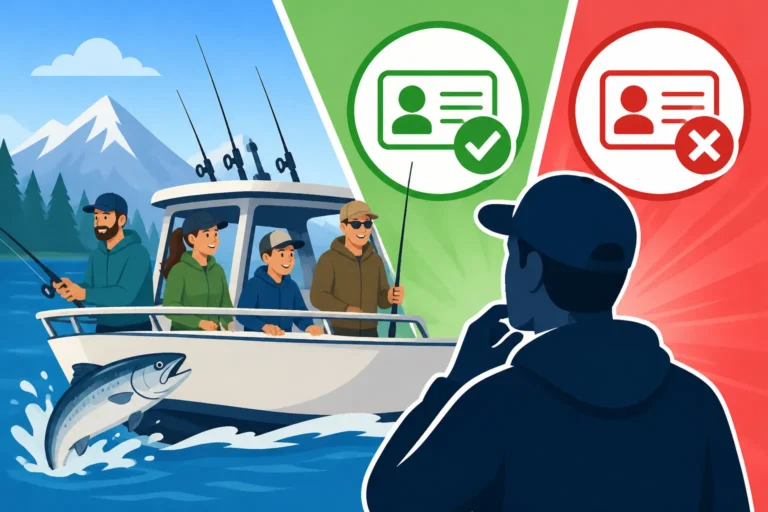
However, if only one person in the boat has the Two-Pole Endorsement, only that individual can deploy two lines. The other angler is still limited to one line. It's essential that each person operating a second pole has their own endorsement. It's also vital to ensure that everyone aboard has a valid Washington fishing license, which can be easily obtained. For more details on licensing options, refer to Washington's Annual, Short-Term and Combination License Options.
Remember, a shared experience is best when everyone understands and follows the regulations. It reduces stress and ensures a safe and legal outing for all. Understanding Washington Fishing Regulations Every Angler Should Know is essential for a rewarding experience.
Disclaimer
The information provided in this guide is for general informational purposes only and is not intended as legal advice. Fishing regulations in Washington State are complex and subject to change. Always consult the official Washington Department of Fish and Wildlife (WDFW) regulations pamphlet or their official website and app for the most current and specific rules pertaining to your chosen fishing location and species. Non-compliance with fishing regulations can result in fines, penalties, and loss of fishing privileges.