Are Downriggers Legal in Puget Sound?
One of the most common questions new and even experienced anglers ask when gearing up for a Puget Sound salmon adventure is whether their trusty downriggers are even legal to use. The thought of investing in, rigging, and then heading out only to find your preferred gear is prohibited can be incredibly frustrating. This comprehensive guide aims to put your mind at ease by clarifying the regulations surrounding downriggers in Washington's marine areas, specifically Puget Sound, so you can fish with confidence and stay on the right side of the law.
Understanding Downriggers and Their Purpose
Before we dive into the nitty-gritty of regulations, let's establish a clear understanding of what a downrigger is and why it's such a staple for many salmon anglers, especially in the deeper waters of Puget Sound.
What Exactly is a Downrigger?
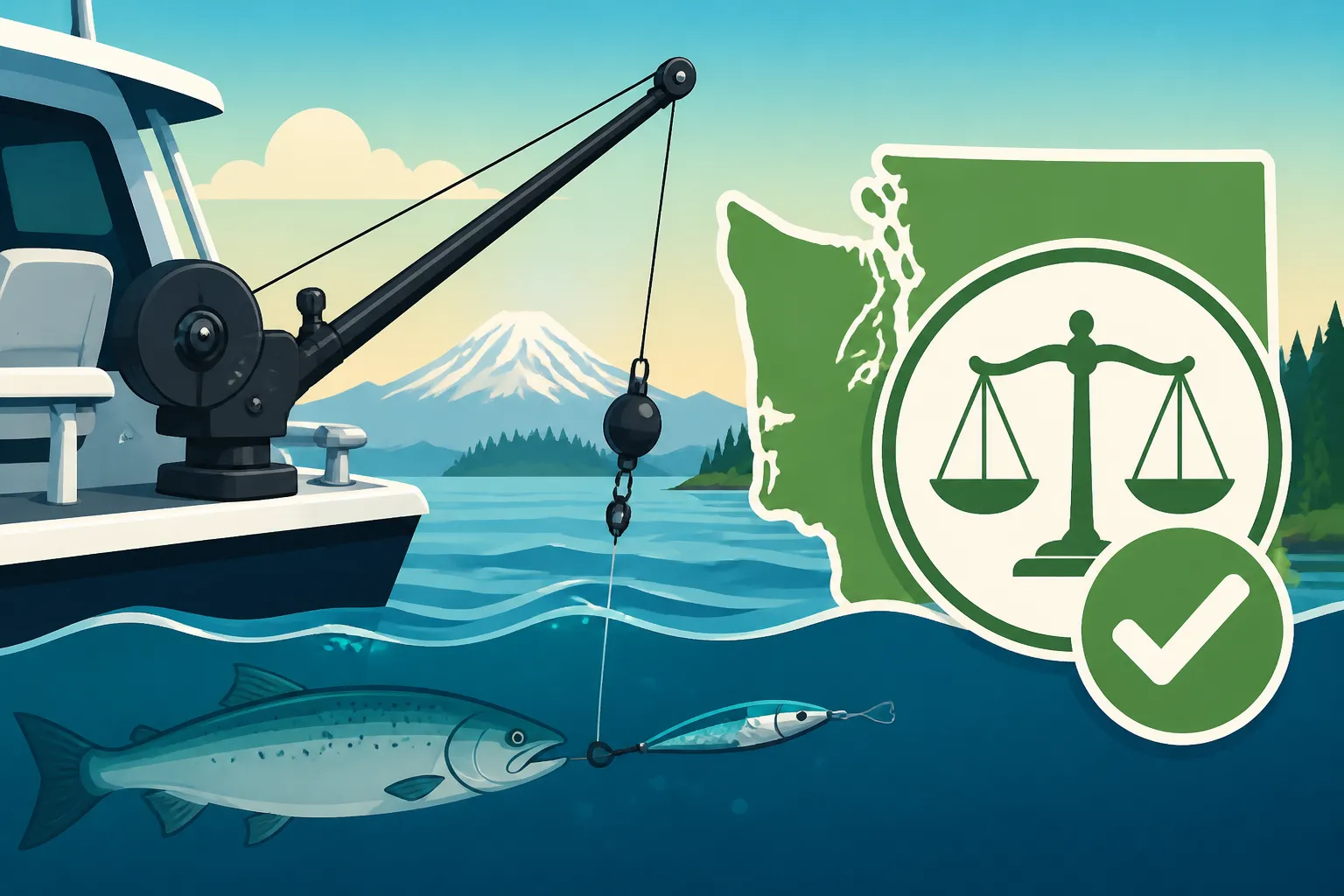
A downrigger is essentially a specialized piece of fishing equipment designed to precisely control the depth of your fishing lure or bait. Imagine trying to get your lure down to 100 feet in a strong current with just weights – it's a constant battle, and your line can get stretched, making strikes hard to detect. That's where a downrigger shines. It consists of a heavy ball (often lead or cannonball-shaped, ranging from 8 to 15 pounds) attached to a cable, which is lowered by a cranking mechanism, either manual or electric. Your fishing line is then clipped to this cable with a release clip, allowing your lure to run at the same depth as the downrigger ball. When a fish strikes, the line pops free from the clip, and you fight the fish directly on your rod, without the heavy downrigger ball impeding the fight.
This ingenious setup offers incredible control. You can precisely present your bait or lure in the "strike zone" where fish are actively feeding, even if that zone is 80 feet down in 200 feet of water. Without a downrigger, achieving such precision in deeper water would be incredibly challenging and often inefficient, relying on heavy lead weights that make fishing less enjoyable and often less effective. Many anglers browse for downriggers and accessories on platforms like Amazon, where a wide variety of models and brands are available.
The Strategic Advantage of Downriggers in Puget Sound
Puget Sound, with its deep channels, varying currents, and often stratified water columns, presents unique challenges for salmon anglers. Salmon, particularly Chinook (often called "Kings") and Coho, frequently hold at specific depths where baitfish are concentrated or where water temperatures are optimal. Trying to consistently hit these depths with traditional trolling methods using simple lead weights can be a guessing game.
Downriggers eliminate much of that guesswork. They allow anglers to "troll" their lures at an exact depth, maintaining that depth even through turns or changes in boat speed. This precision is absolutely crucial, especially when targeting Chinook salmon during their Puget Sound runs. If the fish are concentrated between 60 and 80 feet, a downrigger ensures your gear stays in that narrow window for the longest possible time. This dramatically increases your chances of getting a bite compared to gear that might be constantly rising and falling. The ability to present multiple lines at different depths simultaneously, within legal limits, also allows anglers to effectively "probe" the water column to find where the fish are holding, making downriggers an indispensable tool for serious salmon anglers in the Sound. If you're looking to learn more about this technique, check out our guide on Trolling for Salmon in Washington's Puget Sound.
The Legality of Downriggers in Washington's Marine Areas
Now for the main event: are downriggers legal in Puget Sound? The short answer is generally, yes, but with important nuances and restrictions that every angler must understand and follow.
Puget Sound Specific Regulations
Good news for anglers looking to plumb the depths of Puget Sound: downriggers are legal for use in all of Washington's marine areas, including the entirety of Puget Sound. The Washington Department of Fish and Wildlife (WDFW) regulations do not prohibit the use of downriggers as a method for deploying fishing gear. This means you can confidently mount your downriggers, whether they're manual models from a brand like Scotty or electric units from Cannon, and head out to target salmon.
However, simply having a downrigger is only half the battle. The core of the regulation isn't about the downrigger itself, but about the fishing gear attached to it and how many lines you are deploying. While downriggers are legal, you still need to adhere to all other general fishing regulations, such as daily bag limits, size restrictions, and specific gear rules for the area and species you are targeting. For instance, knowing about Puget Sound Salmon Closures: What Washington Anglers Need to Know is vital, as a closed area means no fishing at all, downrigger or not. It's always your responsibility to consult the most current WDFW regulations pamphlet or website before each trip.
Downriggers and Gear Restrictions
While downriggers are allowed, the primary restrictions you'll encounter revolve around the number of fishing rods or lines you can use simultaneously. In Washington State, the standard rule is that anglers are generally limited to one fishing rod per person unless they have purchased a Two-Pole Endorsement. This endorsement allows an angler to fish with two rods at once, and it is primarily for freshwater lakes, ponds, and certain rivers, not typically for saltwater marine areas like Puget Sound when targeting salmon. Therefore, on a vessel with multiple anglers, each licensed angler can deploy one line, typically via one downrigger, or other legal methods. You can learn more about this in our article on How Many Rods You Can Fish at Once in Washington.
Even with a downrigger, the hooks and bait attached to your fishing line must comply with the specific regulations for the species and marine area you are fishing. For example, during certain seasons or in particular areas, you might be restricted to single-point barbless hooks or specific types of bait. These gear restrictions apply whether you're using a downrigger or simply casting from shore. It’s crucial to distinguish between the downrigger as a depth control device and the actual terminal tackle you are fishing. The downrigger helps you present your lure, but your lure still needs to be legal. Always consult the official WDFW regulations for detailed information, especially for specific marine areas like Marine Area 6 for Salmon Fishing, Explained or Marine Area 9 for Salmon Fishing, Explained, as rules can vary by location.
Here's a quick overview of general gear considerations for downrigger fishing in Puget Sound:
| Aspect | General Rule in Puget Sound | Important Nuance |
|---|---|---|
| Downrigger Legality | Legal to use as a depth control device. | The downrigger itself is not regulated; the attached fishing line/tackle is. |
| Number of Rods | One rod per licensed angler. | The Two-Pole Endorsement typically does not apply to saltwater salmon fisheries. |
| Hooks | Varies by season and marine area. Often single-point barbless hooks are required, especially for salmon. | Always check current regulations for hook type and number per line. |
| Bait/Lure | Must comply with specific species and area regulations. Herring, spoons, and flashers are common. | Some areas or seasons may have bait bans or lure restrictions. |
| Leader Length | Generally no specific regulation on leader length for downriggers, but practical considerations apply. | Very long leaders can be cumbersome; optimal length varies by technique and conditions. |
| Release Clips | Standard practice. Used to attach the fishing line to the downrigger cable, releasing upon a strike. | Ensure clips are properly adjusted to release with a strike but hold during trolling. |
This table provides a general guideline, but remember, fishing regulations are dynamic and subject to change without much notice due to conservation efforts and in-season updates.
Practical Considerations for Downrigger Use in Puget Sound
Beyond just legality, using downriggers effectively and responsibly in Puget Sound involves understanding the equipment, setting it up correctly, and employing best practices. It's not just about dropping a weight; it's about a sophisticated approach to salmon fishing.
Essential Downrigger Equipment and Setup
To get started with downrigger fishing, you'll need a few key pieces of equipment. First, the downrigger itself, which can be a manual hand-crank model or a more advanced electric model that automatically raises and lowers the ball. Brands like Cannon, Scotty, and Big Jon are popular choices, and you can find a good selection of these on platforms like Amazon. You'll also need downrigger balls, which typically range from 8 to 15 pounds, depending on depth and current. Lighter balls are fine for shallower depths and slower speeds, while heavier ones are better for deeper water or faster trolling.
Next, you'll need release clips. These are crucial components that hold your fishing line to the downrigger cable and release it when a fish bites. There are various types, from stacker releases that allow you to run multiple lines on one downrigger cable (within legal rod limits, of course) to single clips. Don't cheap out on these; a reliable release clip is key to not missing strikes. Finally, a good rod and reel setup for salmon fishing, typically a medium-heavy rod with a line counter reel spooled with braided line and a fluorocarbon leader, completes your rig. For those targeting Chinook, understanding Depth Washington Chinook Hold at in Summer can help you determine optimal downrigger settings.
Setting up your downrigger system correctly is vital. Ensure the downrigger is securely mounted to your boat, capable of handling the strain of the heavy ball and potential snags. Spool your downrigger with strong stainless steel cable or braided line. When deploying, carefully attach your fishing line to the release clip, ensuring the clip has enough tension to hold the line while trolling but releases smoothly when a fish strikes. Learning to load and unload your lines efficiently will make your fishing trips much more enjoyable and productive, especially when dealing with the dynamic conditions of Puget Sound.
Best Practices for Effective and Responsible Downrigger Fishing
Effective downrigger fishing in Puget Sound is an art as much as a science. Start by observing your surroundings. Watch for baitfish on your sonar, look for diving birds, and pay attention to tide changes. Salmon often feed actively during specific tides. When you're out there, remember that precise depth control is your superpower. Adjust your downrigger depth based on what your fish finder is showing you regarding bait schools or salmon marks. If you're not getting bites, try adjusting your depth in 5-10 foot increments. The difference of just a few feet can sometimes be the difference between an empty cooler and a limit.
Responsible downrigger use also means being mindful of other boaters. Keep an eye on your downrigger cables and ensure they are clear of propellers, both yours and others. When maneuvering, be aware that your downrigger balls can swing or cause lines to cross with other boats, especially in crowded areas. Always retrieve your gear slowly and deliberately to avoid tangles. It's also a good practice to periodically check your downrigger cable for fraying or damage, especially if you've had any snags. Safety first! For general guidelines on keeping your gear in top shape, consider consulting guides on Washington Fishing Regulations Every Angler Should Know. Also, having a backup set of downrigger weights and release clips can save a trip if you lose some gear to a snag, which can easily happen in the diverse underwater terrain of the Sound.
Navigating Washington's Fishing Regulations
Staying informed about Washington's fishing regulations is an ongoing task for any serious angler. Rules can be complex and are often subject to change, especially for migratory species like salmon and steelhead.
Staying Current with Rule Changes
One of the biggest frustrations for Washington anglers is the dynamic nature of fishing regulations. What was open last week might be closed today, or a specific gear restriction might be suddenly imposed. This is particularly true for Puget Sound salmon fisheries, where seasons are often managed in-season based on fishery impacts, escapement goals, and tribal treaty obligations. This can mean that you might plan a trip weeks in advance, only to find the rules have changed the day before you launch your boat. Understanding Emergency Rule Changes: Why Washington's Rules Shift Mid-Season is crucial for all anglers.
It’s not enough to simply check the annual pamphlet once. You need to develop a habit of checking for updates before every single fishing trip. This diligence prevents accidental violations and ensures you're fishing legally. These changes are vital to conserve fish populations, so while they can be inconvenient, they serve an important purpose.
Resources for Anglers
Fortunately, WDFW provides several resources to help anglers stay current. The primary source for all regulations is the Washington Sport Fishing Rules pamphlet. You can pick up a physical copy at most license dealers, or download the latest version from the WDFW website. Our guide on Reading the Washington Sport Fishing Regulations Pamphlet offers tips on navigating this essential document.
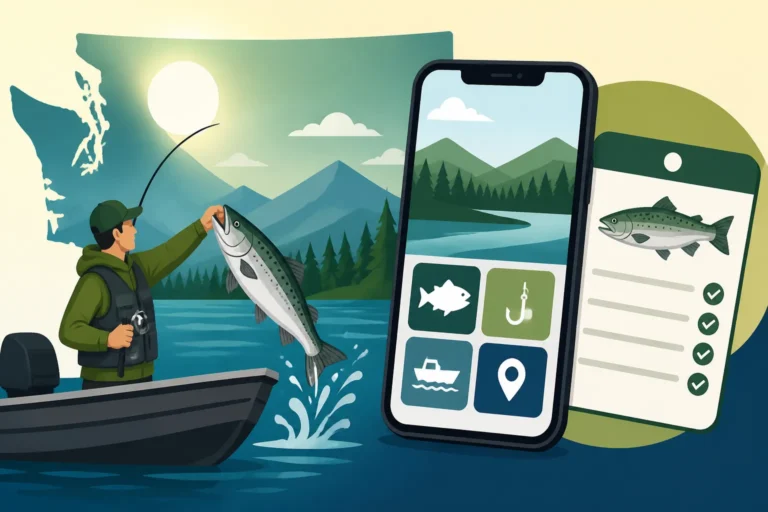
However, for the most up-to-the-minute changes, the WDFW website's "Emergency Rules" page is your best friend. This page is updated frequently with in-season closures, openings, and gear modifications. You can also sign up for email or text alerts from WDFW to receive notifications directly to your phone. The Fish Washington App is another excellent digital tool, allowing you to quickly access regulations, view catch limits, and even submit electronic catch reports directly from your smartphone. Understanding How to Check for Emergency Rule Changes in Washington and knowing Where Washington Posts Fishing Rule Changes are fundamental skills for any Washington angler. Utilizing these resources will ensure that your downrigger fishing adventures in Puget Sound are not only productive but also fully compliant with state law.
Disclaimer
Please remember that fishing regulations are subject to change. While this guide provides comprehensive information, it is your responsibility to consult the latest official Washington Department of Fish and Wildlife (WDFW) regulations before each fishing trip. This content is for informational purposes only and should not be considered legal advice.