Fine for Fishing Without a License in Washington
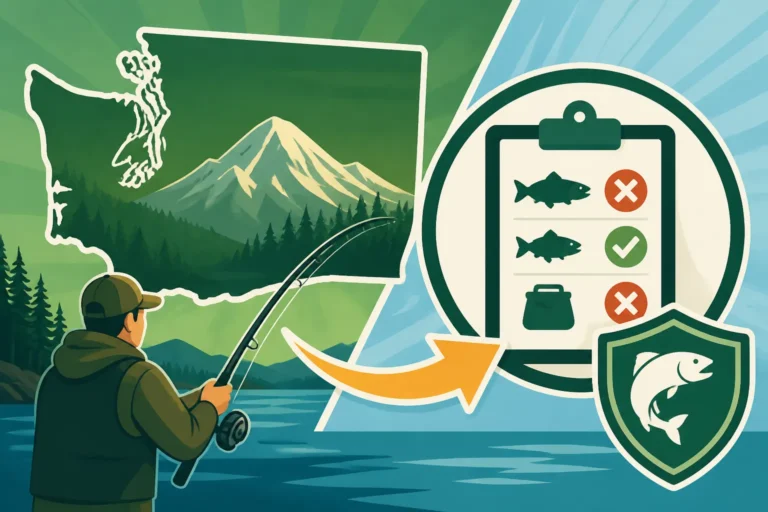
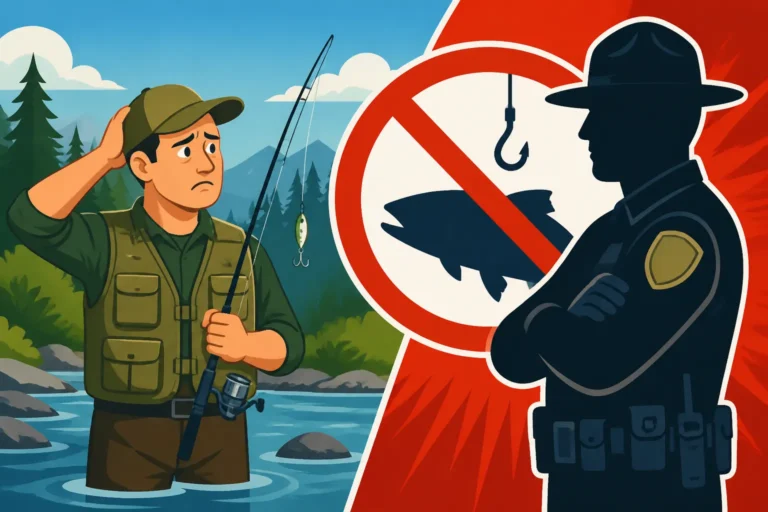
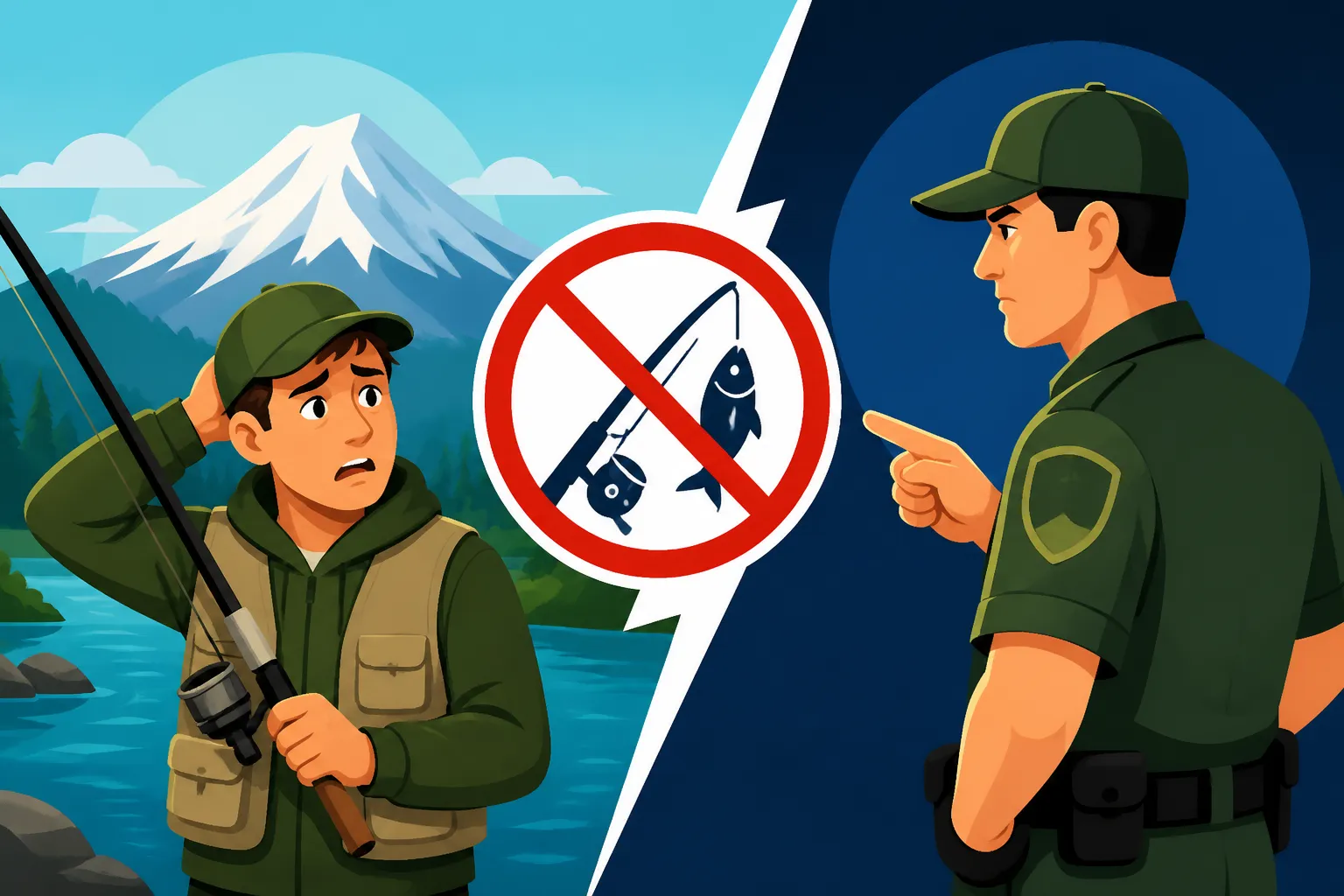
There's nothing quite like the crushing feeling of realizing you've forgotten your fishing license, or worse, never bought one in the first place, only to see a game warden approaching. It's a common, often costly mistake that can quickly turn a peaceful day on the water into a stressful encounter. This guide will walk you through the actual fines and penalties you might face for fishing without a valid license in Washington State, delving into the immediate consequences and the potential long-term repercussions so you can understand what's at stake and how to avoid such a predicament.
The Immediate Consequences of Fishing Without a License
Getting caught fishing without a valid license in Washington isn't just a minor slap on the wrist. It's a violation of state law, and the Washington Department of Fish and Wildlife (WDFW) takes these infractions seriously. The immediate aftermath of such an encounter can range from a hefty fine to the confiscation of your hard-earned catch and even your fishing gear. It’s crucial to understand these immediate impacts because they often come as a surprise to anglers who simply "forgot" or thought they could get away with it.
The Cost of a Citation: Fines and Court Fees
The most obvious consequence of fishing without a license is the financial penalty. In Washington State, fishing without the proper license is generally classified as a misdemeanor or infraction, depending on the specifics and the officer's discretion, which can carry significant fines. While the exact amount can vary based on the specific statute violated, local court rules, and any prior offenses, you can expect the base fine for fishing without a license to start in the range of a few hundred dollars. For instance, a basic violation might start around $100-$200, but with court costs, administrative fees, and victim penalty assessments, that amount can easily swell to $300-$500 or more.
Imagine you're out on the Skagit River, hoping to hook into a steelhead, and a WDFW officer checks your license. If you come up empty-handed, that citation will be issued on the spot. This isn't just about the dollar figure; it's about the time and hassle of potentially dealing with court appearances, especially if you contest the citation. Many anglers find themselves paying significantly more than they would have spent on an annual license in the first place, making the "shortcut" incredibly short-sighted. It's a steep price to pay for what seems like a small oversight.
Loss of Gear and Fish
Beyond the financial penalty, WDFW enforcement officers have the authority to seize your fishing gear and any fish you may have caught while violating regulations. This isn't just a hypothetical threat; it happens regularly. If you've spent hundreds, or even thousands, of dollars on rods, reels, tackle, and other equipment, having it confiscated can be a devastating blow. The logic behind this is straightforward: if you're using illegal means to catch fish, the tools of that illegal activity can be taken from you.
Consider a scenario where you've been having an incredible day, perhaps pulling in a few beautiful Chinook salmon from Puget Sound. You're feeling triumphant, ready to take them home. Then, the game warden discovers you don't have a valid Puget Sound salmon endorsement, or even worse, no license at all. Not only will you receive a citation, but those prized salmon will be confiscated, and quite possibly, your favorite salmon rod and reel will be taken as evidence. The financial value of the lost gear and fish, combined with the fine, quickly compounds the cost of your mistake. It's a stark reminder that obeying the rules protects your investment in the sport.
What Happens if You're Caught as a Nonresident?
For those visiting Washington from out of state, the penalties for fishing without a license can be particularly jarring, and in some ways, more complex. While the basic fines and gear confiscation rules still apply, nonresidents often face additional scrutiny and potential complications. It's not uncommon for officers to be extra diligent in checking nonresident compliance, as out-of-state anglers may be less familiar with Washington's specific rules, or sometimes, sadly, assume they are less likely to be caught.
If you're a nonresident caught without a license, you'll face the same base fines and potential gear loss as a resident. However, depending on the severity and any other accompanying violations, there could be implications for your ability to obtain licenses in Washington in the future, or even in your home state, as wildlife agencies often share violation information. It’s absolutely critical for visitors to ensure they purchase the correct Washington Fishing License Guide for Nonresidents before casting a line. Ignorance of the law is never an excuse, and a fun vacation can quickly turn into a bureaucratic nightmare if you're unprepared.
Beyond the Initial Fine: Long-Term Repercussions
While the immediate shock of a citation and potential gear loss is certainly painful, the consequences of fishing without a license can extend far beyond that initial interaction. These long-term repercussions can affect your ability to enjoy fishing in Washington for years to come, and in serious cases, even impact your legal standing. Understanding these deeper implications underscores the importance of always adhering to licensing requirements.
License Suspension and Future Fishing Privileges
One of the most significant long-term consequences is the potential suspension of your fishing privileges. A citation for fishing without a license typically goes on your record with the WDFW. Depending on the severity of the offense, your prior history, and whether it's a first-time or repeat violation, the WDFW can suspend your ability to purchase a fishing license in Washington for a set period. This could mean you're barred from fishing legally for a year, two years, or even longer.
Imagine being an avid angler, living for those spring Chinook runs or winter steelhead trips, only to find yourself unable to buy a license because of a past mistake. This kind of suspension doesn't just impact fishing; it can also affect hunting or shellfish harvesting licenses. Furthermore, many states have reciprocity agreements, meaning a suspension in Washington could potentially impact your ability to buy a fishing license in Oregon, Idaho, or other states that share water bodies or engage in data sharing. This ripple effect can turn a single oversight into a prolonged absence from your favorite pastime.
Potential for Criminal Charges in Severe Cases
While most instances of fishing without a license are handled as infractions or misdemeanors, there are circumstances where the situation can escalate to more serious criminal charges. This typically occurs when the unlicensed fishing is coupled with other, more egregious violations, or if the individual is a repeat offender demonstrating a blatant disregard for regulations. For example, if fishing without a license is combined with charges of poaching, exceeding bag limits significantly, fishing in a closed area, or resisting arrest, the cumulative effect can lead to felony charges.
Consider a scenario where someone is caught fishing illegally for multiple days in a row without a license, taking far more than the daily limit of endangered salmon, and then attempting to sell their illegal catch. In such a case, simply fishing without a license becomes a component of a much larger criminal enterprise. These situations are rare for the average angler, but they serve as a powerful reminder that fish and wildlife laws are in place for a reason, and persistent or severe violations can have grave legal ramifications, including potential jail time and much higher fines.
The Impact on Conservation Efforts
Beyond the personal legal and financial consequences, fishing without a license has a broader, often overlooked impact on conservation efforts in Washington State. The revenue generated from the sale of fishing licenses and endorsements is absolutely critical for funding the WDFW's work. This includes vital programs such as fish stocking, habitat restoration, scientific research, enforcement patrols, and the management of sustainable fisheries.
When anglers fish without a license, they are essentially taking resources from the system without contributing their fair share. This directly impacts the WDFW's budget and its capacity to protect and enhance Washington's precious aquatic ecosystems and fish populations. Every license dollar helps ensure there are fish to catch for future generations. Moreover, the regulations associated with licenses, like catch limits and seasons, are scientifically designed to manage fish stocks. Unlicensed anglers often disregard these rules, leading to overfishing and harm to vulnerable populations, undermining the collective efforts of responsible anglers and conservationists.
Preventing a Costly Mistake: Always Be Prepared
The good news is that avoiding the fines and long-term repercussions of fishing without a license is incredibly simple: buy your license and carry it with you. Prevention is always the best medicine, and a little planning goes a long way in ensuring your fishing trips remain enjoyable and stress-free.
How to Ensure You Have a Valid Washington Fishing License
The process of getting a Washington fishing license is straightforward and accessible. The WDFW website is the primary hub, offering detailed information and an online portal for purchasing. You can visit their website directly to buy your license from the comfort of your home. It’s important to remember that licenses are typically valid for a calendar year, from April 1st through March 31st of the following year, regardless of when you purchase it. Always check the expiration date!
You also have the option to purchase your license in person at various authorized license dealers across the state. This includes many sporting goods stores, tackle shops, and some department stores. These retailers can often provide immediate assistance and answer questions about specific endorsements you might need, like the Washington's Columbia River Salmon and Steelhead Endorsement, Explained if you plan to fish those waters. Before you head out, always double-check the current Washington Fishing Regulations Every Angler Should Know as rules can change seasonally or even with emergency closures. Knowing what's required and staying current will save you a lot of grief.
Understanding Different License Types and Endorsements
One common pitfall for anglers is not just fishing without any license, but fishing with the wrong license or missing a required endorsement. Washington offers a variety of license types, including freshwater, saltwater, and combination licenses, as well as specific endorsements for different species or areas. For example, if you're targeting salmon or steelhead, you'll likely need the appropriate endorsement on top of your base license. Similarly, if you plan to fish the coastal waters for halibut, you'll need to understand those specific regulations and purchase the necessary stamps.
It's vital to carefully read through the options when you're buying your license. Don't just click through without understanding what you're getting. A good practice is to think about where and what you plan to fish throughout the year and choose a license package that covers all your bases. The WDFW offers different Washington's Annual, Short-Term and Combination License Options to suit various needs, from a full annual combination license for year-round fishing in both fresh and saltwater, to short-term licenses for a quick weekend trip. If you're unsure, it's always better to purchase a more comprehensive option or ask for clarification before hitting the water.
What to Do if You Realize Your License is Invalid on the Water
Imagine you're already at your favorite fishing spot, maybe on the Yakima River, and you suddenly realize your license expired last month, or you left it at home. What should you do? The absolute best course of action is to stop fishing immediately. Do not cast another line. If you have cell service, try to purchase a new license online through the WDFW website or their "Fish Washington" app. Many people find the convenience of the app extremely helpful for this exact situation, as it allows you to display your license digitally.
If you can't buy one immediately and don't have a valid license on your person, pack up your gear and leave. It's frustrating, but it's far better than risking a citation. Attempting to "just get a few casts in" after realizing your error is precisely how many people end up with a fine. If a game warden approaches you while you're in this predicament, be honest and cooperative. Explain the situation clearly. While it doesn't excuse the violation, a cooperative attitude can sometimes influence how an officer handles the situation, though a citation is still highly probable. Always prioritize compliance to protect yourself and the resource. You can find detailed information on Carrying Your Washington Fishing License: Paper, Phone or the MyWDFW App to ensure you're always prepared.
FAQs about Fishing Without a License
It's natural to have questions, especially when it comes to regulations that can feel complex. Let's tackle some common queries related to fishing licenses in Washington.
Do Kids Need a Fishing License in Washington?
This is a really common question, and the answer is generally no for very young children, but it depends on their age. In Washington State, youths under the age of 15 are typically not required to purchase a fishing license to fish for freshwater game fish, although they still need a free The Washington Catch Record Card and What It Requires if they are targeting salmon, steelhead, or sturgeon. Once a child turns 15, they are required to have a valid fishing license.
For saltwater fishing, all individuals 15 years and older are required to have a license. This means a 14-year-old wouldn't need a license for freshwater trout, but they would if they were fishing for salmon in Puget Sound. The specific requirements can sometimes be a bit confusing, so it's always best to refer to the official WDFW regulations or the Do Kids Need a Fishing License in Washington? article for the most up-to-date and comprehensive information. It’s an excellent way to get kids into fishing without the initial financial barrier, but it’s critical to know when that requirement kicks in.
What if I have a license, but it's not on me?
This situation is frustratingly common: you bought the license, but it's sitting on your kitchen counter or in your other tackle box. Legally, you are required to have your license and any necessary endorsements on your person while fishing. This means if a game warden asks to see your license and you can't produce it, you could still be issued a citation. The argument that "I have one, it's just not here" often doesn't hold up in the field.
However, many wardens understand that mistakes happen. If you have access to your phone, you can often pull up a digital copy of your license through the WDFW's Fish Washington app or a PDF confirmation email. As mentioned in the article on Can You Show Your License on Your Phone in Washington?, digital display is now a widely accepted method. If you can show it digitally, you'll likely be fine. If not, and you truly cannot produce proof of license, be prepared for a citation. It's always a good idea to keep a printed copy in your tackle box, a photo on your phone, and have the app downloaded to cover all bases.
Are there different penalties for different fish species?
The general fine for fishing without a license typically doesn't change based on the species you were targeting. Fishing without any license is a violation in itself, regardless of whether you were pursuing panfish or prized salmon. The base penalty is usually for the act of fishing without the proper authorization.
However, the severity of the overall situation, and thus the potential for additional penalties, can absolutely increase if you were targeting protected, endangered, or highly regulated species, or if you were violating other regulations related to those species. For example, if you are fishing without a license and you kept a wild steelhead when only hatchery steelhead are allowed, or you exceeded the Daily Limit for Chinook in Puget Sound, those additional violations would stack on top of the initial unlicensed fishing charge, significantly increasing your fines and potential repercussions. The WDFW takes protecting vulnerable species very seriously, and violations involving them will almost always result in harsher penalties.
Washington Fishing License Fine Table
To give you a clearer picture of potential fines, here's a generalized table. Keep in mind that these are estimates and actual fines can vary based on county, specific statute, and additional court fees.
| Violation Type | General Fine Range (Base) | Potential Additional Costs | Other Consequences (Potential) |
|---|---|---|---|
| Fishing Without Any Valid License | $100 – $500 | Court costs, victim penalty fees | Gear confiscation, fish confiscation, license suspension (1+ year) |
| Missing Required Endorsement | $50 – $250 | Court costs, victim penalty fees | Fish confiscation, minor license suspension possibility |
| Exceeding Bag Limit (Minor) | $100 – $300 (per fish) | Court costs, victim penalty fees | Fish confiscation, license suspension (1+ year) |
| Fishing in Closed Area/Season | $200 – $1,000+ | Court costs, victim penalty fees | Gear confiscation, fish confiscation, license suspension (2+ years), potential criminal charges |
| Keeping a Protected/Wild Fish Illegally | $500 – $2,000+ (per fish) | Court costs, restitution fees | Gear confiscation, fish confiscation, extended license suspension, criminal charges |
| Repeat Offender | Significantly higher | Increased court costs, higher restitution | Extended license suspension (5+ years or permanent), felony charges |
This table illustrates that while a simple oversight can be costly, combining it with other violations, especially those impacting vulnerable populations, can lead to severe and long-lasting consequences. It always pays to be fully informed and compliant.
Disclaimer
The information provided in this guide is for general informational purposes only and does not constitute legal advice. Fishing regulations and associated penalties in Washington State are subject to change by the Washington Department of Fish and Wildlife (WDFW) and state legislature. Always consult the most current WDFW regulations pamphlet, available on their official website, or contact the WDFW directly for the most accurate and up-to-date information before engaging in any fishing activities. Compliance with all applicable laws and regulations is the sole responsibility of the individual angler.