Fishing the Columbia River in Washington: A Complete Overview
The sheer scale of the Columbia River can feel overwhelming for even seasoned anglers. It's not just a river; it's a monumental artery of the Pacific Northwest, constantly shifting, with different rules, seasons, and fish populations depending on where you drop a line. This guide is designed to cut through that complexity, offering a comprehensive overview of how to successfully fish the Columbia River in Washington, from understanding its diverse fisheries to mastering essential techniques.
Why the Columbia River is Washington's Fishing Paradise
When you talk about fishing in Washington, the Columbia River inevitably comes up, and for good reason. It's a behemoth, stretching over 1,200 miles, with hundreds of miles forming the border between Washington and Oregon, and then flowing deep into Washington State. This isn't just a big river; it's an ecosystem unto itself, providing an unparalleled diversity of fishing opportunities that can truly spoil an angler.
A River of Incredible Diversity and Scale
Imagine a river that flows from the Canadian Rockies all the way to the Pacific Ocean, carving landscapes and nurturing an incredible array of life along the way. That's the Columbia. Its waters vary dramatically from the tidal influence near its mouth at Buoy 10, to the swift, powerful currents of its mid-sections, and then into the vast, lake-like impoundments of the upper river created by hydroelectric dams. This incredible range of environments means you can find everything from saltwater-influenced salmon and sturgeon fisheries to pristine freshwater habitats supporting monster walleye and trout. It’s truly a river that demands respect for its power and appreciation for its immense biological richness.
Navigating such a vast system requires a nuanced approach. The "Columbia" isn't a single fishing experience. The tactics, the gear, and even the species you target will be vastly different whether you're battling the waves near Astoria, Oregon, on the lower river, or meticulously searching for walleye in the sprawling waters of Lake Umatilla upriver. This diversity is what makes the Columbia so captivating – there's always a new section to explore, a new species to target, and a new challenge to conquer. It truly offers a lifetime of fishing adventures, constantly evolving with the seasons and the fish runs.
The Sheer Abundance of Fish Species
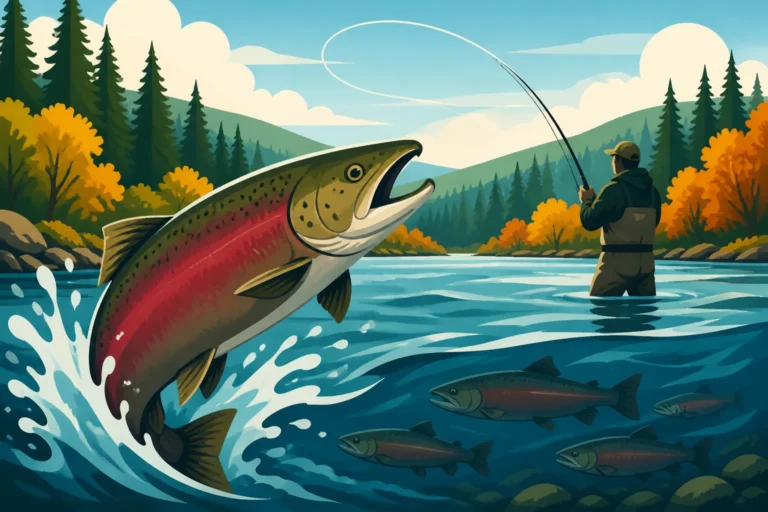
What truly sets the Columbia apart is the sheer abundance and variety of fish that call it home, or at least pass through its waters. We're talking about all five species of Pacific salmon – Chinook, Coho, Sockeye, Chum, and Pink – making their incredible migrations. Then there are the anadromous steelhead, both the tenacious winter and powerful summer runs, returning from the ocean to spawn. But the Columbia isn't just about salmon and steelhead; it’s a premier destination for warmwater species too.
Picture this: giant white sturgeon, some of them living for decades, cruising the deep channels. Trophy walleye, growing to impressive sizes, lurking in the slower currents and impoundments. Aggressive smallmouth bass, offering fantastic light-tackle action. And let's not forget the panfish and various resident trout species in the tributaries and upper reservoirs. This diverse fishery means that no matter your preference, skill level, or time of year, there's likely a fantastic fishing opportunity waiting for you on the Columbia. It's a living pantry of fish, providing sustenance and sport for countless anglers throughout the year.
Unique Challenges and Rewards of Columbia Fishing
Fishing the Columbia is undeniably rewarding, but it comes with its own set of unique challenges that can frustrate newcomers. The river's immense size and powerful currents demand specialized gear and techniques. You're not just casting into a small stream; you're often battling strong flows, navigating vast open waters, and contending with significant boat traffic, especially during peak salmon seasons. Weather can change quickly, from calm, sunny mornings to windy, choppy afternoons, especially near the mouth.
Beyond the physical challenges, the regulatory environment can be a labyrinth. Because the Columbia borders two states, you often have to contend with rules from both Washington and Oregon, and these rules can change frequently, sometimes mid-season due to emergency closures or openings. Keeping up with bag limits, gear restrictions, and open areas requires diligence. However, overcoming these challenges leads to some of the most memorable fishing experiences imaginable. Landing a chrome-bright Chinook, wrestling with a massive sturgeon, or filling a cooler with delicious walleye makes all the effort worthwhile. The rewards on the Columbia are as grand as the river itself.
Navigating Licenses and Regulations on the Columbia
Fishing on the Columbia River requires careful attention to licensing and regulations. It’s a border water, shared with Oregon, and both states have their own sets of rules, which can occasionally overlap or differ. This can feel like a bureaucratic headache, but understanding the basics is crucial for a legal and enjoyable trip. Getting it wrong can lead to hefty fines, so taking the time to educate yourself is essential.
Understanding Washington's Columbia River Salmon and Steelhead Endorsement, Explained
One of the most frequently asked questions, and a common point of confusion for anglers targeting salmon and steelhead on the Columbia River, revolves around the Columbia River Salmon and Steelhead Endorsement. This isn't just a fancy sticker; it's a mandatory add-on to your basic fishing license if you plan to fish for salmon or steelhead in the mainstem Columbia River or its tributaries upstream from the river's mouth. The purpose of this endorsement is to help fund conservation and recovery efforts specifically for these iconic fish runs in the Columbia River system.
It's vital to understand that this endorsement applies whether you are a Washington resident or a non-resident. If you've purchased a freshwater, saltwater, or combination license in Washington and intend to pursue salmon or steelhead in Columbia River waters, you must have this endorsement. Without it, even with a valid base license, you could be cited for a violation. The cost is relatively minor compared to the potential fines and the invaluable contribution it makes to the health of the fishery. Always double-check if your target species and fishing location on the Columbia require this special endorsement before you cast your first line.
Resident vs Nonresident Fishing Licenses in Washington
Your residency status plays a significant role in the cost and type of fishing license you'll need for the Columbia River. Generally, Washington residents enjoy significantly lower license fees compared to nonresidents. To qualify as a Washington resident for licensing purposes, you must meet specific criteria, typically involving continuous physical presence in the state for a certain period (often 90 consecutive days) and establishing Washington as your true fixed and permanent home, as outlined in the official WDFW regulations. This usually means having a Washington driver's license, vehicle registration, and voter registration.
Nonresidents, including those from Oregon who might be fishing the Washington side of the Columbia, will need to purchase a nonresident license. These licenses are available in various durations, from annual options to shorter-term permits like a three-day or one-day Washington fishing license cost, which can be ideal for a quick trip. Regardless of residency, anyone aged 15 or older needs a license to fish in Washington waters, including the Columbia. It's always a good idea to purchase your license well in advance, and you can easily do so online through the WDFW website or at authorized license vendors across the state. Remember, carrying your Washington fishing license: paper, phone or the MyWDFW App is always a good idea when on the water.
Key Regulations Specific to the Columbia River
Beyond the general Washington fishing regulations every angler should know, the Columbia River has many rules unique to its system, largely due to its status as an interstate water and the management of its migratory fish runs. These rules are often complex and can change rapidly. One of the most critical aspects is understanding "boundary waters" rules. If you're fishing the mainstem Columbia River, a Washington license allows you to fish both the Washington and Oregon sides of the river within the agreed-upon boundary. However, if you enter an Oregon tributary, you'll need an Oregon license, and vice-versa for Washington tributaries.
Gear restrictions are also prevalent, particularly for salmon and steelhead. You'll often encounter rules regarding barbless hook requirements on Washington rivers, bait bans, and specific methods allowed or prohibited depending on the season and area. For instance, some areas may be fly-fishing only, or have restrictions on using multiple rods (the two-pole endorsement is a common topic). Daily limits and possession limits are also strictly enforced and often vary by species, time of year, and specific sections of the river. The best advice is to always check the most current WDFW regulations pamphlet, specifically the section dedicated to the Columbia River, just before each trip, as emergency rule changes: why Washington's rules shift mid-season are common.
Prime Fishing Seasons and Target Species on the Columbia
The Columbia River is a year-round fishery, but what you target and where you go will depend heavily on the season. Each time of year brings new opportunities and new challenges, making it a dynamic and exciting place to fish. Understanding the timing of different fish runs is key to planning a successful trip.
Spring Chinook: The Coveted Early Run
Spring Chinook salmon are arguably the most sought-after fish in the Columbia River. These are magnificent, hard-fighting fish known for their incredible table quality. The run typically begins in March and can extend into May, with peak fishing usually occurring in April. Anglers often brave chilly, sometimes rainy conditions for a chance at one of these prized "springers." The fish primarily migrate up the mainstem Columbia and into its major tributaries like the Cowlitz River for steelhead and salmon in Washington, Kalama, Lewis, and Wind rivers.
Fishing for Spring Chinook often involves trolling with herring, prawns, or plugs in the mainstem, or drift fishing with bait (like cured salmon roe) in the tributaries. The lower Columbia, particularly around the mouth of the Cowlitz, Kalama, and Lewis rivers, becomes a hive of activity. These fish are powerful and put up a tremendous fight, making them a true trophy for any angler. The runs are carefully managed, and seasons can be short or subject to in-season closures, so staying updated on current regulations is paramount. The payoff, however, is a memory that lasts a lifetime and some of the finest eating salmon available.
Summer and Fall Salmon Runs: Coho, Sockeye, and Chum
As spring gives way to summer and fall, the Columbia River transforms with new waves of salmon. The summer brings bright, acrobatic Coho salmon (also known as silvers) and the vibrant Sockeye salmon. Sockeye runs are most prominent in the upper Columbia system, particularly into tributaries like the Wenatchee and Okanogan rivers, and sometimes even Baker Lake's Sockeye Salmon Fishery in Washington. While Sockeye are often challenging to catch on traditional gear, they are a strong fighting fish and a fantastic culinary treat. Coho, on the other hand, are aggressive biters and provide excellent action for trollers and bank anglers alike, especially in the lower river.
Fall is when the Columbia truly explodes with salmon. This is the time for the massive run of Fall Chinook, which can include some truly colossal "upriver brights" that are legendary among anglers. Coho numbers also peak, and later in the fall, Chum salmon make their appearance, especially in the lower river and some tributaries. The lower Columbia, particularly the famous Buoy 10 fishery at the river mouth, becomes one of the busiest and most productive salmon fisheries in the world during August and September. Anglers here troll a variety of lures, bait, and flasher-and-spinner combinations. It's an incredibly exciting time to be on the water, with multiple species offering fantastic action.
Steelhead: Both Winter and Summer Opportunities
Steelhead, the ocean-going rainbow trout, are another cornerstone of the Columbia River fishery. The river sees both summer and winter steelhead runs, offering year-round opportunities for these elusive and powerful fish. Summer steelhead typically enter the river from May through October, migrating far upriver into tributaries. These fish are known for their acrobatic fights and willingness to chase various presentations. Winter steelhead, often larger and darker, enter the river from November through April, heading for their spawning grounds in the cold, clear tributaries.
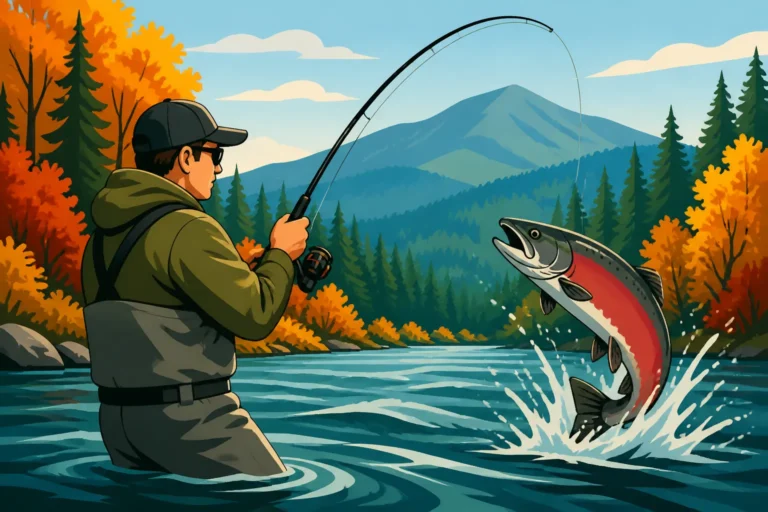
Whether you're targeting summer or winter runs, steelhead fishing on the Columbia and its tributaries (like the Lewis, Cowlitz, Kalama, and Klickitat) is a test of skill and patience. Techniques range from drift fishing for steelhead in Washington rivers with bait, beads, or jigs, to casting spoons and spinners, and even fly fishing. The key to success often lies in understanding water conditions – clarity, temperature, and flow – as these dramatically influence where steelhead hold and how they react to your presentation. These fish are notoriously challenging but incredibly rewarding, offering a fight unmatched by many other freshwater species.
Walleye, Sturgeon, and Smallmouth Bass: Beyond Salmonids
While salmon and steelhead often steal the spotlight, the Columbia River is also a world-class destination for a variety of other species, providing excellent fishing when salmon runs are low or closed. Walleye fishing on Washington's Columbia River is a fantastic option, particularly in the impoundments of the mid and upper river. These elusive, tasty fish are often targeted by trolling worm harnesses, jigging, or slow-drifting bait, especially around areas like Lake Wallula, Lake Umatilla, and Lake Roosevelt. They grow to impressive sizes here, offering both a fun fight and excellent table fare.
Then there are the magnificent white sturgeon, truly prehistoric giants. While much of the sturgeon fishery is now catch-and-release only, specifically for larger fish, there are limited opportunities for retention in certain areas and seasons for smaller "keeper" size fish. The sheer thrill of hooking into a powerful, bottom-dwelling white sturgeon on Washington's Columbia River is an experience every angler should have. Anglers typically anchor and fish heavy tackle with bait like smelt, herring, or squid on the bottom. Lastly, smallmouth bass provide fantastic light-tackle action throughout the warmer months, particularly in the rocky stretches and tributaries of the mid-Columbia. They are aggressive, readily hit a variety of lures, and offer fast-paced sport.
Top Fishing Spots and Access Points Along the Columbia in Washington
The Columbia River is so massive that thinking of it as one continuous fishing ground is impractical. Instead, it's best to break it down into distinct sections, each with its own unique characteristics, prime fishing spots, and access considerations. From the tidal zones near the ocean to the vast, dam-created lakes far upstream, the Columbia offers a diverse angling landscape.
The Lower Columbia: Buoy 10 and Tributaries
The Lower Columbia River, particularly the stretch from its mouth (around Buoy 10) up to around Bonneville Dam, is arguably the most famous and productive salmon fishery in the Pacific Northwest. The legendary Buoy 10 fishery, active mainly in August and September, sees incredible numbers of Chinook and Coho salmon entering the river from the ocean. This can be a chaotic but exhilarating experience, with hundreds of boats vying for position, trolling herring and various lures in the strong tidal currents. It's a true spectacle and a bucket-list destination for many salmon anglers.
Further upstream from Buoy 10, but still within the lower river system, are the mouths of several major Washington tributaries that become prime salmon and steelhead fishing grounds. The Cowlitz River, Kalama River, and Lewis River are all renowned for their hatchery salmon and steelhead returns, attracting thousands of anglers. These areas often have excellent boat launch access and significant bank fishing opportunities, especially below the dams or around hatchery release sites. During peak runs, spots can get crowded, so arriving early is often necessary. Understanding the specific regulations for these tributaries is crucial, as they can differ from the mainstem Columbia rules.
Middle Columbia Hotspots: Drano Lake, Wind River, Klickitat
Moving upstream from Bonneville Dam into the Middle Columbia, the river's character changes, becoming more of a series of large, lake-like impoundments between dams, interspersed with powerful current zones. This section is famous for its tributary fisheries and specific hotspots that concentrate fish. Drano Lake, a small lake-like backwater formed by the mouth of the Little White Salmon River, is an absolute hotspot for salmon and steelhead, particularly during spring and summer Chinook runs. The fish stack up here before moving further upstream, creating an intense, often combat-style fishery.
Just a bit further upstream, the Wind River and Klickitat River are two other key Washington tributaries that offer fantastic fishing. The Wind River, with its steep canyon walls, has strong spring Chinook and summer steelhead runs, often requiring drift boat access due to its swift currents. The Klickitat River is renowned for its fall Chinook and steelhead, and is also one of the few places where traditional Native American dip-net fisheries take place. These Middle Columbia tributaries are often less crowded than the lower river, but still see significant angler pressure during peak seasons. Access varies, with some areas requiring private land access or specialized drift boat launches, while others offer more public options.
Upper Columbia's Hidden Gems: Lake Roosevelt, Rufus Woods
As you travel further upriver past the Tri-Cities and the Hanford Reach, the Columbia River transforms into a series of massive reservoirs behind Grand Coulee Dam and other structures. This Upper Columbia region offers a completely different fishing experience, often away from the crowds and focused on species like large rainbow trout, kokanee, walleye, and even unique triploid rainbow trout. Lake Roosevelt, the reservoir behind Grand Coulee Dam, is a sprawling body of water known for its kokanee, rainbow trout, and walleye. It's a huge lake, offering vast expanses for trolling and jigging, with numerous boat launches and camping facilities.
Even further upstream, above Chief Joseph Dam, you'll find Rufus Woods Lake. This stretch of the Columbia is famous for its trophy-sized triploid rainbow trout, which are stocked by local hatcheries and grow to incredible sizes, often exceeding 10-15 pounds. Anglers here often fish from boats, drifting or trolling large lures and baits. The scenery is stunning, and the fishing can be truly exceptional for those seeking a different kind of Columbia River experience. These upper river fisheries often require different tackle and techniques than the lower river, but offer a peaceful and highly rewarding angling adventure.
Boat Launch Access and Bank Fishing Opportunities
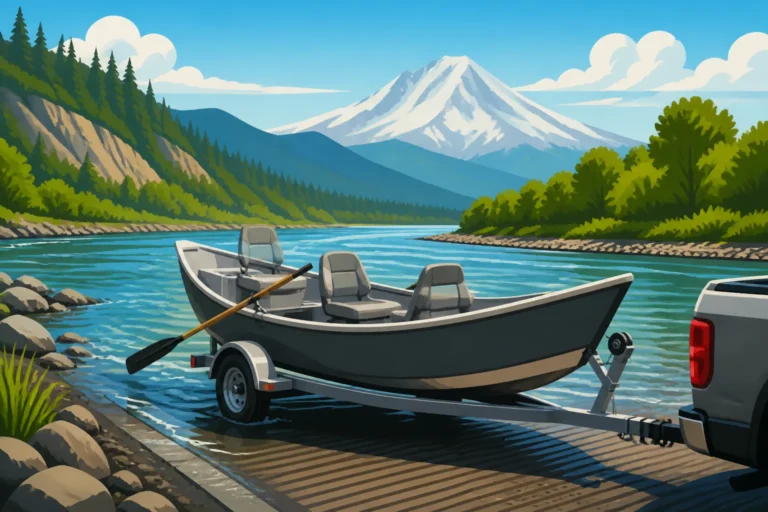
Access to the Columbia River is generally good, but varies dramatically along its length. For boat anglers, there are countless public boat launches managed by state parks, county parks, and various port districts. Major towns along the river, like Vancouver, Kalama, Longview, The Dalles, Pasco, and Wenatchee, all have good facilities. During peak salmon seasons, popular launches, especially in the lower river or at tributary mouths, can become extremely busy, often requiring early arrival. Many guides offering Columbia River guided salmon and steelhead trips will depart from these established launch points.
Bank fishing opportunities are also abundant, especially in the lower and middle river sections. Public parks, shorelines below dams (where legal), and designated fishing areas offer spots for anglers without boats. Specific locations, such as the shorelines near Bonneville Dam, the Cowlitz River mouth, or stretches of the Hanford Reach, are popular for bank fishing. However, some sections of the river, particularly within tribal lands or private property, may have restricted access. Always look for signage and respect private land boundaries. Understanding where to find current Washington fishing rules will often provide details on specific access points and any restrictions.
Essential Techniques for Columbia River Anglers
The Columbia River demands a diverse skill set from anglers. Its varied environments, from deep impoundments to swift currents, mean that no single technique will work everywhere. Mastering a few key methods will greatly increase your chances of success, whether you're chasing salmon, steelhead, or warmwater species.
Trolling and Downrigging for Salmon
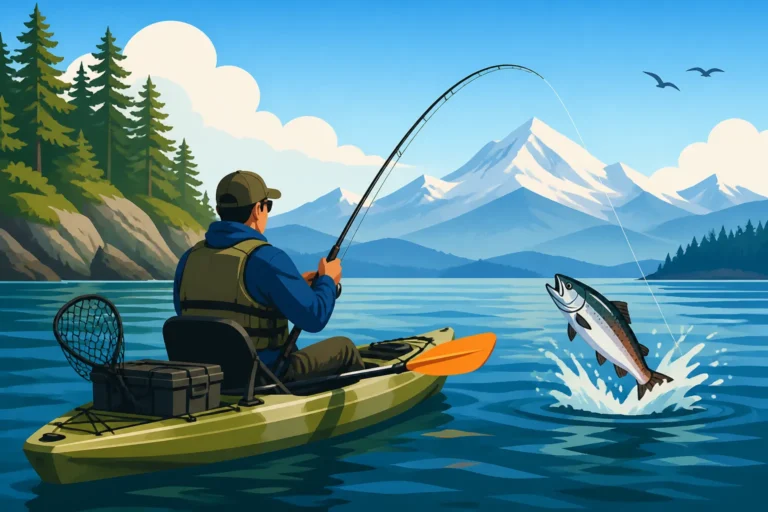
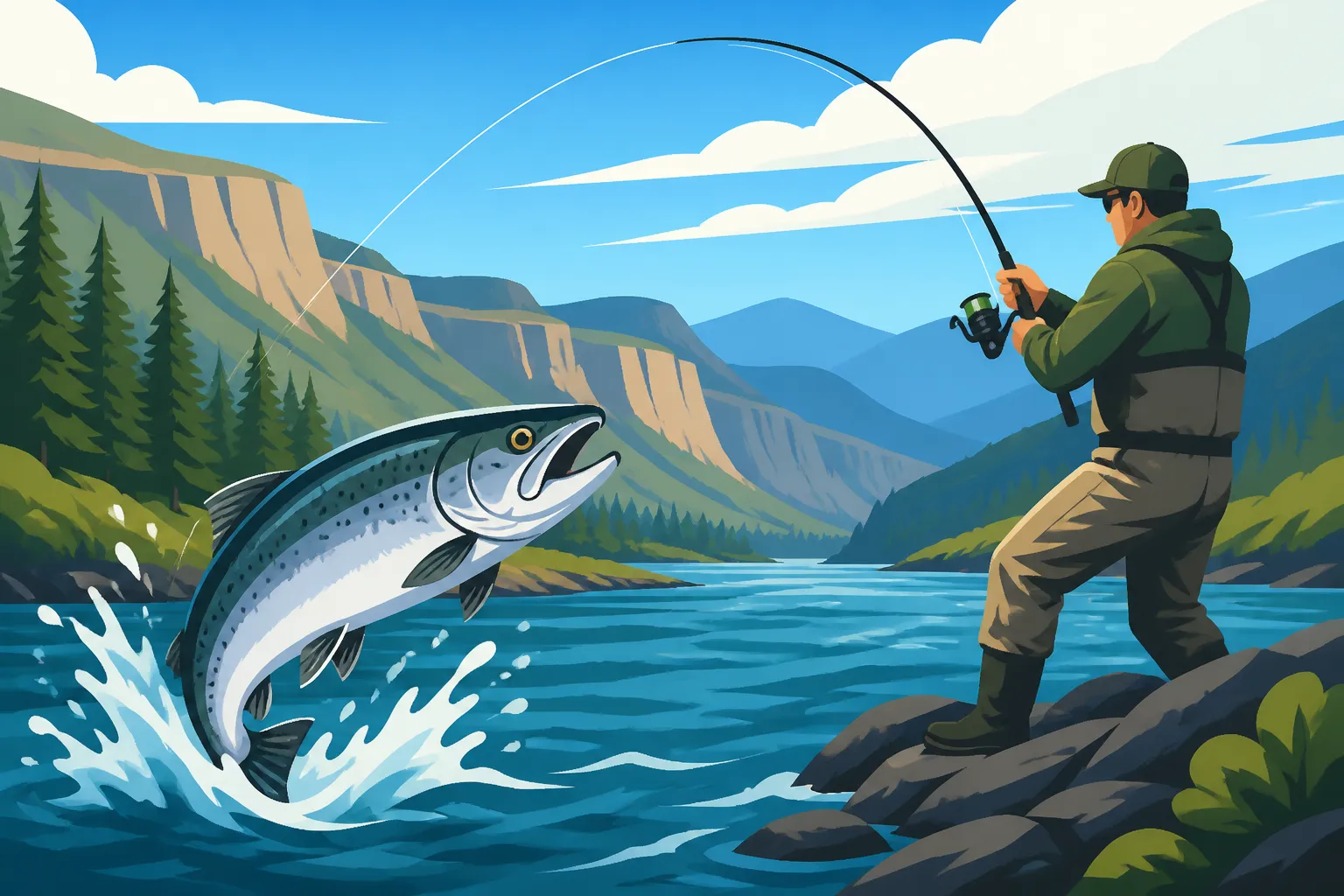
Trolling is perhaps the most popular and effective technique for salmon on the vast stretches of the Columbia, especially in the lower river and its large impoundments. This involves slowly moving your boat while dragging lures or bait behind it, often at specific depths. For Chinook and Coho, particularly during the famous Buoy 10 fishery and throughout the lower and mid-Columbia, trolling with cut-plug herring, whole baitfish, or various artificial lures like spinners and plugs is standard. Flashers and dodgers are often used in conjunction with bait or lures to create attraction and help achieve specific depths.
When fishing deeper water or trying to present bait at precise depths, downriggers become indispensable. These mechanical devices allow you to clip your fishing line to a heavy cannonball weight, which is then lowered to a predetermined depth. When a fish strikes, the line pops free from the clip, allowing you to fight the fish directly without the weight. This technique is crucial for targeting salmon that are holding deeper in the water column, especially in the marine areas of Puget Sound or the deeper channels of the Columbia. Understanding the best trolling speed for Chinook and the depth Washington Chinook hold at in summer are critical for success when using downriggers.
Plunking and Bank Fishing Strategies
For anglers without a boat, or those who simply prefer the solitude of shore fishing, bank fishing and plunking are highly effective techniques on the Columbia. Plunking involves casting a heavy weight with a bait or lure out into the current, letting it settle on the bottom, and waiting for a fish to pick it up. This method is particularly popular for salmon and steelhead in sections of the Columbia and its tributaries where fish are migrating upstream close to shore. Anglers often use large Spin-N-Glos, wobblers, or bait wrapped in scent, fishing them in currents and travel lanes.
Successful bank fishing often means identifying productive spots where fish might hold or pass by. Look for current seams, eddies, or areas where the bank drops off quickly into deeper water. Using a sturdy rod and reel capable of handling heavy weights and strong currents is essential. Bait fishing with cured roe (salmon eggs) or prawn is common, often presented under a bobber in slower water, or on the bottom with a sliding sinker rig in currents. The key to successful bank fishing is often patience and understanding how to read water for bank-fishing salmon, identifying those subtle nuances in the current where fish are likely to be.
Back-Bouncing and Drift Fishing for Steelhead
When targeting steelhead and sometimes salmon in the mainstem Columbia and its tributaries, especially in areas with moderate to strong current, back-bouncing and drift fishing are highly effective. Drift fishing involves presenting a lightweight bait, lure, or float rig naturally downstream with the current, aiming to have it tumble along the bottom where steelhead often hold. This technique relies on the bait or lure looking as natural as possible. Anglers often use small pencil weights, slinkies, or lead wire to achieve the right drift, ensuring the presentation bounces occasionally off the bottom without dragging.
Back-bouncing is a more aggressive, controlled form of drift fishing. It involves using a heavier weight (often a lead ball or pyramid sinker) and lifting and dropping your rod tip to "walk" your bait or lure along the bottom in a downstream direction. This technique is excellent for covering specific stretches of riverbed and presenting bait directly to fish holding in deep slots or pockets. Cured roe, shrimp, or small jigs often precede the weight. Both drift fishing and back-bouncing require a keen sense of touch to feel subtle bites and distinguish them from the bottom. The rod and reel you need for Washington Puget Sound salmon may suffice, but a dedicated steelhead rod offers better sensitivity.
Techniques for Walleye, Sturgeon, and Bass
Beyond salmon and steelhead, the Columbia River offers fantastic opportunities for walleye, sturgeon, and smallmouth bass, each requiring distinct approaches. For walleye, trolling with bottom-walker rigs and worm harnesses is incredibly effective in the mid and upper river impoundments, especially during spring and summer. Jigging with lipless crankbaits, blade baits, or soft plastics is another popular method, particularly when fish are concentrated around structure. Focus on areas with rocky bottoms, submerged humps, and current breaks.
Sturgeon fishing is a game of patience and heavy tackle. Anglers typically anchor their boat in deeper channels or holes and deploy multiple rods rigged with heavy weights and large baits such as smelt, herring, squid, or lamprey. The bait is cast to the bottom, and anglers wait for the characteristic "tap-tap" of a sturgeon mouthing the bait before setting the hook. This is often a catch-and-release fishery, so proper fish handling and conservation are paramount. For smallmouth bass, casting small crankbaits, spinnerbaits, plastic worms, or jigs around rocky shorelines, submerged timber, and current breaks provides excellent action, especially in the warmer months. These fish are aggressive and readily strike, making them a fun target for anglers of all skill levels.
Gear and Tackle Recommendations for Columbia River Success
Tackling the mighty Columbia River means being prepared with the right gear. Its diverse fisheries and powerful currents demand robust equipment. Skimping on tackle here can lead to lost fish, broken lines, and a frustrating experience. Investing in quality gear tailored to your target species will pay dividends.
Rods, Reels, and Line for Different Species
For salmon fishing on the Columbia, especially for large Chinook, you'll want a heavy-duty setup. A fast-action trolling rod, typically 8.5 to 10.5 feet long with a medium-heavy to heavy power rating, paired with a stout baitcasting reel (often a levelwind model like those from Shimano or Daiwa) spooled with 25-40 lb monofilament or braided line, is standard. Braided line is popular for its sensitivity and strength, often with a monofilament or fluorocarbon leader. For steelhead, a sensitive yet powerful drift fishing or float rod, usually 9 to 11 feet long with a medium-light to medium power, is ideal. Pair this with a high-quality spinning reel or smaller baitcaster spooled with 10-20 lb monofilament or braid, again with a fluorocarbon leader for stealth.
When pursuing walleye, a lighter setup is often preferred. A sensitive, medium-light to medium power spinning rod, 6.5 to 7.5 feet long, coupled with a matching spinning reel spooled with 8-12 lb braided or fluorocarbon line works well for jigging and trolling worm harnesses. For sturgeon, you'll need the heaviest gear in your arsenal. Think about a stout, heavy-action rod, often 7 to 8 feet long, designed for catfish or sturgeon, paired with a large conventional reel capable of holding hundreds of yards of 50-80 lb braided line, along with a heavy monofilament leader. The vastness and power of the Columbia demand gear that can withstand significant stress.
Essential Lures, Baits, and Terminal Tackle
The "right" lure or bait on the Columbia can change daily, but having a versatile tackle box is crucial. For salmon, a variety of cut-plug herring (often brined and scented), whole baitfish (like anchovies or sardines), and artificial lures such as Brad's Super Baits, Kwikfish, Spin-N-Glos, and various colored spinners (e.g., in sizes 4-6) are staples. You'll also need flashers and dodgers to attract fish and create action for your lures or bait. For steelhead, cured salmon roe (often in mesh bags), shrimp, small jigs, beads, and brightly colored Dick Nite or Little Cleo spoons are highly effective.
Walleye anglers should stock up on worm harnesses, jigs (1/4 to 1/2 oz) in various colors (chartreuse, green, orange), crankbaits that dive to different depths, and soft plastic grubs or swimbaits. For sturgeon, fresh bait is key: smelt, herring, lamprey eel, or squid are all excellent choices. Don't forget an ample supply of terminal tackle: a wide array of lead weights (pencil sinkers, cannonballs, pyramid sinkers), swivels, snap swivels, leader material (fluorocarbon in various strengths), and plenty of sharp hooks (octopus hooks, treble hooks, siwash hooks depending on species and regulation). Having a well-organized tackle box will save you valuable fishing time on the water.
Safety Gear and River Essentials
Fishing on the Columbia River, particularly from a boat, demands a strong emphasis on safety. This is a big river with powerful currents, significant commercial and recreational boat traffic, and rapidly changing weather conditions. A properly sized and easily accessible personal flotation device (PFD) for every person on board is not just recommended, it's legally required. Beyond PFDs, a well-maintained boat with all required navigation lights, signaling devices (horn or whistle), and fire extinguisher is essential.
Other crucial safety gear includes a marine radio (VHF) or a reliable cell phone in a waterproof case, a first-aid kit, spare clothing in a dry bag, and plenty of water and snacks. If fishing offshore in the lower river, a GPS unit and marine charts are invaluable. For bank anglers, sturdy wading boots with good traction are recommended, especially if you'll be negotiating rocky or slippery shorelines. A comfortable fishing vest or backpack to carry tackle, water, and snacks is also helpful. The vastness of the Columbia means that help can be a long way off, so being self-sufficient and prepared for any eventuality is paramount for a safe and enjoyable trip.
Hiring a Guide for Your Columbia River Adventure
For many anglers, especially those new to the immense waters and complex fisheries of the Columbia River, hiring a professional guide can be the difference between a frustrating day and an unforgettable experience. A good guide doesn't just put you on fish; they enhance your entire understanding and enjoyment of the river.
Benefits of a Guided Trip on the Big River
The benefits of a guided fishing trip on the Columbia River are numerous, especially for a body of water this vast and intricate. First and foremost, guides possess an intimate, real-time knowledge of the river. They know exactly where the fish are holding, what they're biting on, and what techniques are most effective today. This knowledge is invaluable given the dynamic nature of fish runs and river conditions. They also handle all the complicated regulations, ensuring you're fishing legally and within current limits, which can be a huge relief on an interstate river with frequent rule changes.
Beyond finding fish, guides provide all the necessary gear – high-quality rods, reels, tackle, and bait – perfectly matched to the target species and conditions. This saves you the expense and hassle of investing in specialized equipment before you even know if you'll enjoy the particular fishery. For newcomers, a guide offers a fast-track education, teaching you effective techniques, how to read the water, and proper fish handling. This learning experience can be priceless. Finally, guides navigate the river safely, taking you to spots that might be difficult or dangerous for an inexperienced boater. They make the complex simple, allowing you to focus purely on the thrill of the catch.
What to Look for in a Columbia River Guide
Choosing the right Columbia River guide requires a bit of research to ensure you have the best possible experience. Start by looking for guides who specialize in the specific species and section of the river you want to fish. An expert in lower Columbia salmon might not be the best choice for upper river walleye, for example. Look for guides with years of experience on the Columbia, as this river's nuances take time to master. Word-of-mouth recommendations, online reviews, and testimonials can be incredibly helpful in this process.
It's also important to verify that the guide is properly licensed and insured. In Washington, guides need specific Coast Guard credentials for operating on navigable waters and state guide licenses. Don't be shy about asking about their experience, what their typical trips involve, and what you can expect in terms of equipment, fish cleaning, and overall service. A good guide will be transparent and happy to answer all your questions. Consider what kind of experience you're looking for – a hardcore fishing trip or a more relaxed, family-friendly outing – and choose a guide whose style aligns with yours. Many reputable guides can be found through online platforms like FishingBooker, which allows you to compare different guides, read reviews, and check their specialties.
Booking a Charter During Buoy 10 Season and Beyond
Booking a fishing charter on the Columbia River requires some foresight, especially during peak seasons like the famous Buoy 10 salmon fishery. The Buoy 10 season, typically running from early August into September, is immensely popular, and guides often book up months, even a year, in advance. If you're planning a trip specifically for this iconic fishery, it's crucial to book as far in advance as possible to secure your preferred dates and guide. Many experienced anglers will tell you that the best guides for Buoy 10 fill their calendars very quickly.
Beyond Buoy 10, other prime times on the Columbia, such as spring Chinook season or summer steelhead runs, also warrant advance booking, especially if you're targeting weekends or holidays. Websites like FishingBooker are excellent resources for finding and booking Columbia River guided trips. They often provide detailed profiles of guides, their available dates, pricing, and what's included in the trip, making the booking process much smoother. Don't hesitate to reach out to potential guides directly with any questions you might have about their services, what to bring on a Washington fishing charter, or cancellation policies. A well-planned guided trip can unlock the incredible potential of the Columbia River and create lasting memories.
Preserving the Columbia: Responsible Fishing Practices
The Columbia River is a precious resource, providing an economic lifeline and recreational opportunities for millions. To ensure its health and vitality for future generations, every angler has a responsibility to practice ethical and sustainable fishing. This means understanding and adhering to regulations, caring for the fish we catch (and release), and respecting the environment.
Understanding Catch-and-Release Rules
Many fisheries on the Columbia River, particularly for sensitive species like wild steelhead, bull trout, and large sturgeon, operate under strict catch-and-release rules. This isn't just a suggestion; it's a legal requirement designed to protect fragile populations and allow fish to spawn. When catch-and-release is mandated, it's imperative to follow best practices to minimize harm to the fish. This includes using appropriate gear that allows for quick release, such as barbless hooks, which are often required for many salmon and steelhead fisheries on Washington rivers.
When you hook a fish destined for release, try to land it as quickly as possible to reduce stress. Keep the fish in the water as much as you can. If you need to handle it, wet your hands first to avoid removing the protective slime coat, and support the fish horizontally, never vertically by the jaw. Use long-nosed pliers or a dehooking tool to remove the hook gently. Avoid dragging fish onto dry land or over rocks. The goal is to return the fish to the water in the best possible condition, giving it the highest chance of survival and successful spawning. Always check the rules, as the penalties for keeping an illegal wild steelhead in Washington can be severe.
Proper Fish Handling and Conservation
Even when you're legally allowed to retain fish, proper handling is essential to ensure quality for the table and to show respect for the resource. Once you've decided to keep a legal fish, dispatch it quickly and humanely. A swift blow to the head or bleeding the fish immediately are common practices that improve meat quality. Once dispatched, get your fish on ice as soon as possible. A cooler filled with ice is an absolute necessity on any Columbia River fishing trip where retention is allowed. This slows bacterial growth and keeps the meat fresh and firm.
Beyond individual fish handling, conservation on the Columbia is a broader commitment. Participate in voluntary catch reporting programs, report any suspected poaching or environmental violations to WDFW, and educate yourself on the various species. Understanding annual limits and how Washington's catch reporting works helps managers make informed decisions. Support organizations dedicated to habitat restoration and fish passage improvement on the Columbia and its tributaries. Every small action contributes to the long-term health of this magnificent river system.
Respecting the Environment and Other Anglers
Fishing the Columbia River is often a shared experience, particularly during peak seasons. Practicing good angling etiquette and respecting your fellow anglers makes for a more enjoyable time for everyone. This means maintaining a reasonable distance from other boats or bank anglers, avoiding cutting off boats that are actively trolling, and keeping noise levels down, especially in crowded areas. Be mindful of casting over other people's lines. A simple "hello" and mutual respect go a long way in fostering a positive fishing community.
Environmental stewardship is equally critical. "Pack it in, pack it out" should be every angler's mantra. Take all your trash, including fishing line, bait containers, and food wrappers, with you. Avoid littering, and dispose of fish carcasses responsibly, away from access points or popular areas. Never clean fish directly at boat ramps or public docks, as this can attract unwanted pests and create unsanitary conditions. Be aware of fragile riparian zones and avoid damaging vegetation. The Columbia River offers incredible fishing, and it’s up to all of us to ensure its beauty and bounty endure.
Disclaimer
Fishing regulations and seasons on the Columbia River are subject to change by the Washington Department of Fish and Wildlife (WDFW) at any time. This guide is for informational purposes only and should not be considered a substitute for checking the most current official WDFW regulations before each fishing trip. Anglers are responsible for knowing and adhering to all applicable rules and laws.