Drift Boat Launches on the Kalama
There's nothing quite like the excitement of planning a drift boat trip down a beautiful Washington river, but the reality of finding decent access, especially on a popular spot like the Kalama, can quickly turn that excitement into a headache. Many anglers, myself included, have spent frustrating mornings driving up and down river roads, peering through trees, and wondering where on earth to safely launch and, more importantly, take out without trespassing or getting stuck. This guide is here to shed some light on navigating the Kalama River's drift boat launches, offering practical advice and specific locations to help you plan a smooth and successful day on the water.
Navigating the Kalama River's Drift Boat Access Points
The Kalama River, known for its strong runs of salmon and steelhead, attracts anglers from all over the Pacific Northwest. While its reputation for excellent fishing is well-deserved, accessing the river with a drift boat often presents a unique set of challenges. Unlike some larger, more developed rivers, public access points on the Kalama can be limited, and understanding their nuances is key to a hassle-free trip.
Understanding the Challenges of Kalama Access
One of the biggest frustrations for anglers new to the Kalama, or even those who haven't fished it in a while, is simply figuring out where to put in and take out. Much of the riverfront is privately owned, meaning that many seemingly perfect spots are off-limits. This checkerboard of public and private land creates a scenario where a launch that looks ideal on a map might actually be surrounded by "No Trespassing" signs in reality.
Then there's the issue of infrastructure. Not all public access points are created equal. Some are well-maintained boat ramps with ample parking, while others are little more than unimproved gravel pull-offs that require careful maneuvering, especially with a drift boat trailer. This can lead to a lot of wasted time and potential stress if you're not prepared, sometimes even causing you to miss precious fishing time or, worse, get stuck. It’s a common story to hear about anglers who planned a fantastic float only to spend an hour just trying to find a suitable take-out.
Key Public Launch and Take-Out Locations
While the Kalama can be tricky, several reliable public access points serve drift boaters. Knowing these spots and what they offer will dramatically improve your planning. Always remember that river conditions, especially water levels, can significantly impact the usability of certain ramps.
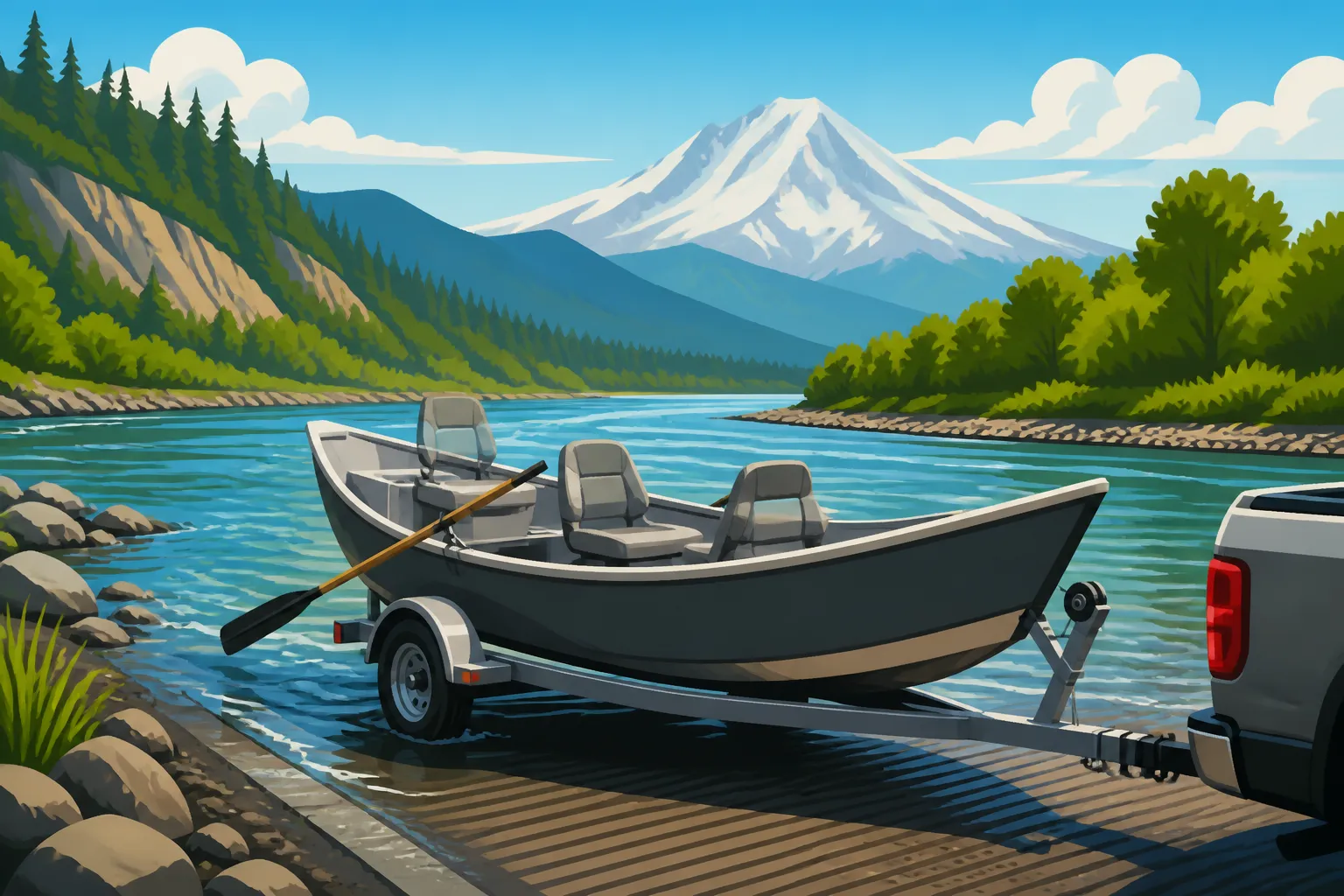
Modrow Bridge: This is perhaps one of the most well-known and frequently used access points on the lower Kalama. Located downstream from the Kalama Falls Hatchery, Modrow Bridge offers a relatively accessible gravel bar launch. It's a popular put-in for those looking to float the lower river, often taking out near the mouth or further upstream depending on the desired float length. Parking here can be limited, especially during peak seasons for When Chinook Salmon Run in Washington's Puget Sound or steelhead, so arriving early is always a good idea. The launch itself is unimproved, meaning you'll be backing your trailer directly onto a gravel bar, which can be slick or soft depending on recent rainfall.
Kalama Falls Hatchery: Further upstream, the Kalama Falls Hatchery offers another significant access point. While primarily a hatchery facility, there is often public access for drift boats, either above or below the falls, depending on the regulations and specific river conditions. This area is vital for its contribution to salmon and steelhead populations, and as such, it's a bustling hub during runs. Launching here might require more patience due to traffic from other anglers and hatchery operations. It's an excellent spot if you're looking to target fish fresh from the hatchery or those staging before moving upstream. Always double-check current regulations when fishing near hatcheries, as rules can be specific to these areas.
Public Ramp at the River Mouth (Kalama River Park/Port of Kalama): For floats covering the entire lower river, or shorter trips closer to the Columbia River, the public ramp at the Kalama River Park, managed by the Port of Kalama, is an excellent take-out option. This is a fully paved, well-maintained boat launch with ample parking and facilities, including restrooms. It's ideal for larger drift boats and those who appreciate the convenience of a developed ramp. While primarily a take-out for upstream launches, some anglers might choose to launch here for short, localized fishing in the tidewater section, especially during strong When Coho Salmon Run in Washington. However, it’s not typically used for upstream floats as a starting point.
Table: Kalama River Drift Boat Access Points Overview
| Access Point | Type | Key Features | Best For | Considerations |
|---|---|---|---|---|
| Modrow Bridge | Unimproved | Gravel bar launch, limited parking, popular. | Lower river floats | Can be crowded, gravel can be soft, check water levels. |
| Kalama Falls Hatchery | Unimproved | Gravel/dirt access, busy during runs, regulated. | Targeting hatchery fish, mid-river floats | Specific regulations, hatchery traffic, limited space. |
| Kalama River Park (Mouth) | Paved Ramp | Well-maintained ramp, ample parking, restrooms. | Take-out for lower river floats, tidewater fishing | Primarily a take-out, can be busy with power boats. |
| Various Unmarked Pull-offs | Unimproved | Small gravel/dirt areas, highly dependent on water levels, often private. | Emergency access, very short floats | Risk of trespassing, poor access, limited parking, generally discouraged. |
Always verify the current status of these access points before your trip, as conditions and availability can change.
Planning Your Kalama Drift Trip: What You Need to Know
A successful drift boat trip on the Kalama River involves more than just knowing where to put your boat in the water. Thoughtful planning regarding river conditions, shuttle logistics, and angler etiquette will make all the difference between a memorable day and a frustrating one.
Navigating Water Levels and River Conditions
The Kalama River is dynamic, and its character changes dramatically with varying water levels. What might be a perfectly navigable float at one level could become a bony, frustrating scrape at another, or a roaring, dangerous torrent after heavy rains. Before you even think about hitting the road, always check the river's flow. Resources like USGS real-time streamflow gauges for the Kalama River are invaluable.
- Low Water: When the river is low, many of the gravel bar launches become difficult to access, and you might find yourself dragging your boat over exposed rocks in shallow riffles. This not only makes for a tougher float but can also damage your boat. Take-outs might also become more challenging as the water recedes, exposing steep banks or soft mud. Low water often means fish are concentrated, but they can also be spooky and harder to approach.
- Medium Water: This is generally considered the sweet spot for drift boat fishing on the Kalama. Launches and take-outs are typically more accessible, and the river offers a good balance of runnable water and defined holding lies for fish. It’s also often safer, with fewer hidden obstacles.
- High Water: After significant rainfall, the Kalama can rise quickly, becoming murky and swift. Launches might be submerged or too dangerous to use. High water also brings a lot of debris, making navigation hazardous. It’s crucial to understand that fishing in high, off-color water can be unproductive and unsafe. Always err on the side of caution. If in doubt, stay home or consider fishing a different, more stable body of water. You can also refer to How to Check for Emergency Rule Changes in Washington as high water often triggers fishing closures or restrictions.
Essential Gear and Logistics for Kalama Drifting
Beyond your fishing gear, a successful drift boat trip on the Kalama requires careful logistical planning.
- Boat Type Suitability: The Kalama is primarily fished with traditional McKenzie-style drift boats or rafts. While pontoons can be used, they might struggle with some of the larger rapids or require more effort to navigate. Ensure your boat is appropriate for the river's character at your chosen water level. You might consider learning more about Drift Fishing for Steelhead in Washington Rivers to get a better understanding of the techniques involved.
- Shuttle Logistics: This is where many trips either succeed or fail. You'll need a vehicle at your put-in and another at your take-out.
- DIY Shuttle: The most common approach involves two vehicles: one to drop the boat and gear at the put-in, and the other to drive down and park at the take-out, then shuttle the driver back to the put-in. This works best with a group.
- Hiring a Shuttle Service: In peak seasons, local businesses sometimes offer shuttle services, where they'll move your vehicle from the put-in to the take-out for a fee. This is a fantastic option for small groups or those who prefer not to deal with the hassle. Inquire with local fly shops or tackle stores in towns like Kalama or Woodland for recommendations.
- Friends/Family: The classic option! If you have a non-fishing friend or family member willing to help, it simplifies things immensely.
- Parking Considerations: Regardless of your shuttle method, always be mindful of parking. Use designated areas, avoid blocking private driveways or gates, and ensure your vehicles are secure. Theft at remote access points, while not rampant, can occur, so take precautions. Make sure you have your Carrying Your Washington Fishing License: Paper, Phone or the MyWDFW App readily available, as wardens often check vehicles near popular access points.
Respecting the River and Its Surroundings
The Kalama River is a precious resource, and its continued health and accessibility depend on the responsible actions of all who visit. Being a good steward of the river goes beyond just following fishing regulations; it involves showing respect for the environment, wildlife, and other users.
Private Property and Angler Etiquette
As mentioned earlier, much of the land surrounding the Kalama is privately owned. This means that while you might be able to float through a section of river, you cannot necessarily stop and walk along the bank unless it's designated public property or you have explicit permission from the landowner. It’s crucial to understand and respect these boundaries. Trespassing can lead to confrontation, fines, and potentially the closure of access points that anglers currently enjoy. Always consult maps and be aware of where public easements end.
Beyond property lines, general angler etiquette ensures a pleasant experience for everyone. This includes:
- Sharing the Water: The Kalama can get busy, especially during prime fishing windows. Give other anglers, whether in boats or on the bank, plenty of space. Don't crowd someone's fishing spot or float directly through their casting lane.
- Noise Levels: Keep noise to a minimum. Loud music or shouting can disturb wildlife and other anglers. The peace and quiet are part of the allure of river fishing.
- Pack It In, Pack It Out: Leave no trace. Everything you bring onto the river should leave with you, including all trash, broken fishing line, and food waste. Even better, pick up any litter you find.
- Avoid Disturbing Wildlife: Observe wildlife from a distance and do not disturb spawning fish or nesting birds.
These simple courtesies go a long way in fostering a positive fishing community and ensuring continued access for all.
Local Regulations and Conservation Efforts
Adhering to all Washington Fishing Regulations Every Angler Should Know is non-negotiable. This means understanding daily bag and possession limits, size restrictions, gear restrictions (like Barbless Hook Requirements on Washington Rivers or bait bans), and season dates for specific species like salmon and steelhead. Ignorance of the law is not an excuse, and game wardens are frequently patrolling the Kalama. A good resource is the annual WDFW Sport Fishing Rules pamphlet and checking for emergency rule changes, which can happen frequently on active rivers like the Kalama.
Conservation is also paramount. The Kalama River is home to both hatchery and wild salmon and steelhead populations. Protecting wild fish, especially during critical spawning periods, is essential. Be mindful of redds (fish spawning nests) in shallow gravel areas; avoid wading through them or drifting your boat over them if possible. Releasing wild fish carefully, if required by regulation, helps ensure future generations of these magnificent creatures. If you're unsure about how to identify species or handle a fish for release, take the time to learn before your trip. The penalties for keeping an illegal wild steelhead, for example, can be severe, so understanding your responsibilities is vital. You should also always have The Washington Catch Record Card and What It Requires on hand and fill it out correctly for any salmon or steelhead you retain.
Additional Resources and Local Insight
Even with the best planning, local knowledge and up-to-date information can be a game-changer when fishing the Kalama River. Don't hesitate to tap into these resources.
Maps and Online Tools for Planning
The Washington Department of Fish and Wildlife (WDFW) website is your first stop for official regulations, fishing reports, and maps. Their online maps can often highlight public access points, boat launches, and parking areas, giving you a better visual understanding of the river. Combine this with the aforementioned USGS streamflow gauges for a comprehensive picture of current conditions.
Additionally, online fishing forums and social media groups dedicated to Washington fishing can be incredibly helpful. Anglers often share real-time reports on water levels, fishing success, and even temporary access issues. Just remember to take everything with a grain of salt and always verify critical information with official sources. These communities are also great for learning about Winter vs Summer Steelhead Runs in Washington, Explained and what methods are most effective at different times of the year.
When a Guide Can Help
For many, especially those new to drift boating or unfamiliar with the Kalama River specifically, hiring a professional fishing guide is an excellent investment. A good guide offers more than just fishing expertise; they provide invaluable local knowledge about river access, current conditions, productive fishing holes, and shuttle logistics.
A guide knows precisely which drift boat launches are accessible at different water levels and can navigate the complexities of private property and public easements with ease. They typically handle all the shuttle arrangements, provide top-notch gear, and offer instruction, allowing you to focus purely on the fishing experience. This can save you a tremendous amount of stress and dramatically increase your chances of a successful and enjoyable trip. If you're looking for a reputable guide for Columbia River Guided Salmon and Steelhead Trips in Washington, or even specifically for the Kalama, online platforms like FishingBooker can help you find and compare local guides with proven track records. They list guides who specialize in various techniques and target species, ensuring you find the right fit for your adventure. Even if you're an experienced drift boater, a guide can fast-track your learning curve on a new river. Booking a guide for the Kalama can be similar to booking for a nearby river like the Cowlitz, so resources like Booking a Guide for the Cowlitz River in Washington might offer relevant advice.
Don't forget that a guided trip means they handle the boat, giving you more time to fish effectively. They're also an invaluable source of information on what to check before every Washington fishing trip. If you are ever worried about exceeding a bag limit or violating other regulations, a good guide will keep you on the straight and narrow, helping you avoid a Penalty for Exceeding a Bag Limit in Washington. Remember to consider Washington's Annual, Short-Term and Combination License Options before your trip, as you'll still need your own license even on a guided trip.
Disclaimer
Please remember that fishing regulations, access points, and river conditions are subject to change without notice. Always consult the latest Washington Department of Fish and Wildlife (WDFW) regulations and local advisories before heading out. This guide is for informational purposes only and does not constitute legal advice. It is your responsibility to know and follow all applicable laws and regulations.