The Best Places to Fish in Washington State
It can feel incredibly overwhelming, staring at a map of Washington State and wondering where on earth to drop a line. This magnificent state boasts an insane diversity of fishing opportunities, from saltwater behemoths in the Puget Sound to elusive steelhead in wild rivers, and everything in between. This guide is here to cut through the confusion and highlight the absolute best places to fish in Washington, helping you plan your next angling adventure, whether you're chasing a trophy or just a relaxing day on the water.
Puget Sound and Its Bountiful Saltwater Opportunities
When most people think of fishing in Washington, the vast, intricate network of Puget Sound often comes to mind. This enormous inland sea, with its countless bays, islands, and inlets, offers some of the most diverse and exciting saltwater fishing experiences anywhere. It's truly a world-class fishery, though it demands respect for its complex ecosystems and ever-changing regulations.
Iconic Salmon Fisheries: Chinook, Coho, and More
The pursuit of salmon in Puget Sound is a time-honored tradition, and for good reason. The waters teem with various species throughout the year, each offering its own unique challenge and reward. Chinook salmon, often called "Kings," are the prized catch, known for their immense power and delicious flavor. These magnificent fish can be targeted year-round, with peak seasons varying by marine area. For instance, winter "blackmouth" Chinook fishing in areas like Marine Area 9 (Admiralty Inlet) and Marine Area 10 (Seattle/Bremerton) offers a challenging but highly rewarding experience when the fish are concentrated and actively feeding on baitfish. Anglers often employ Trolling for Salmon in Washington's Puget Sound techniques, using downriggers to present baitfish imitations or actual herring at precise depths.
As summer progresses, Coho salmon, or "Silvers," make their grand appearance, offering fast-paced action and aerial acrobatics that get the heart pumping. These aggressive feeders are often found closer to the surface and can be caught using a variety of methods, including mooching, jigging, or trolling with smaller gear. Specific locations like Possession Bar near Everett or the waters off Point No Point on the Kitsap Peninsula become hotspots during the Coho runs, attracting anglers from all over. Don't forget the lesser-known but equally exciting Chum and Pink salmon runs in various parts of the Sound, especially during odd-numbered years for Pinks. Before you head out, always make sure you understand Puget Sound Salmon Closures: What Washington Anglers Need to Know as regulations can change frequently based on run forecasts and conservation efforts.
Bottomfishing for Lingcod and Rockfish
Beyond salmon, Puget Sound offers incredible opportunities for bottom dwellers, particularly lingcod and a variety of rockfish species. Lingcod are truly unique, prehistoric-looking predators that inhabit rocky reefs, kelp beds, and other structured areas. They can grow to impressive sizes and are renowned for their aggressive strikes and delicious white meat. Fishing for lingcod often involves jigging heavy metal jigs or using large swimbaits near structure. Popular spots include the ledges and drop-offs around the San Juan Islands, the Strait of Juan de Fuca, and even some deeper areas within the central Puget Sound.
Rockfish, encompassing species like black rockfish, copper rockfish, and quillback rockfish, provide consistent action and are another excellent table fare. These colorful fish congregate around similar rocky structures and can be caught using bait-tipped jigs, soft plastics, or even small baited hooks. It's absolutely crucial to remember that many rockfish species are sensitive to barotrauma when brought up from deep water. Carrying a descending device and using it to release rockfish from depths greater than 30 feet is not only good practice but often legally required to ensure their survival. Always consult the current Washington Fishing Regulations Every Angler Should Know before targeting bottomfish, as limits and even retention rules for certain species or marine areas can be quite restrictive to protect these slow-growing populations.
Shellfishing: Crabs and Shrimp in the Sound
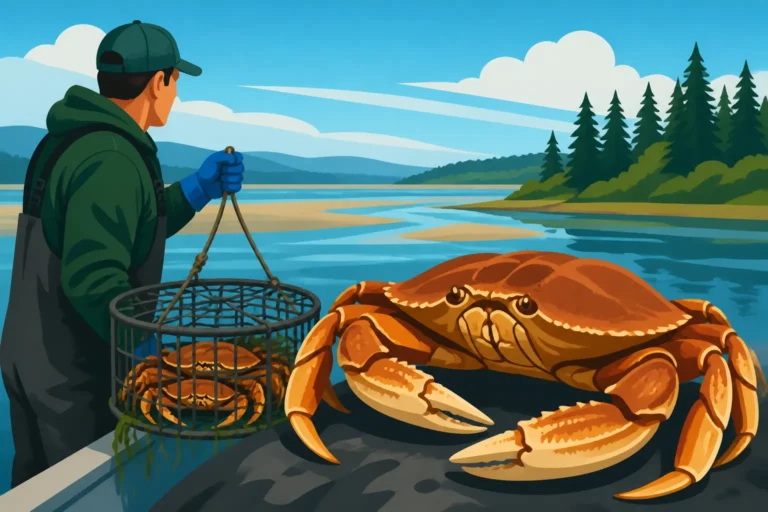
For those who love to harvest their own seafood, Puget Sound is an absolute treasure chest for Dungeness crab and Spot shrimp. Crabbing is incredibly popular, especially during the summer and early fall seasons. You'll see pots dotting the water in numerous bays and inlets, from the bustling waters near Seattle to the more secluded areas of Hood Canal. All you need are crab pots or rings, bait (chicken, fish carcasses, or cat food work great), and a little patience. Knowing the tides and where crab tend to congregate on sandy or muddy bottoms is key.
Shrimping for the delectable Spot shrimp is a highly anticipated, albeit short, season, typically occurring in the spring and early summer. These prized crustaceans are found in deeper waters, often over mud bottoms, and are caught using specialized shrimp pots. Areas like Hood Canal and portions of the Strait of Juan de Fuca are particularly renowned for their Spot shrimp populations. The excitement of pulling up a pot full of these sweet, succulent shrimp is an experience every Washingtonian should try. Before you drop any gear, be sure to check the specific seasons, limits, and gear restrictions for Crabbing and Shellfishing in Washington's Puget Sound, as these can be very precise and vary by marine area. And of course, a valid fishing license with a shellfish endorsement is always a must!
Washington's Majestic Rivers: Steelhead and Salmon Havens
Flowing from the towering Cascades and Olympics to meet the Pacific Ocean, Washington's rivers are the lifeblood of its anadromous fisheries. These waterways are legendary, drawing anglers from around the globe in pursuit of iconic steelhead and salmon. The river fishing experience is deeply immersive, connecting you to the wild heart of the state.
Western Washington's Steelhead Gems
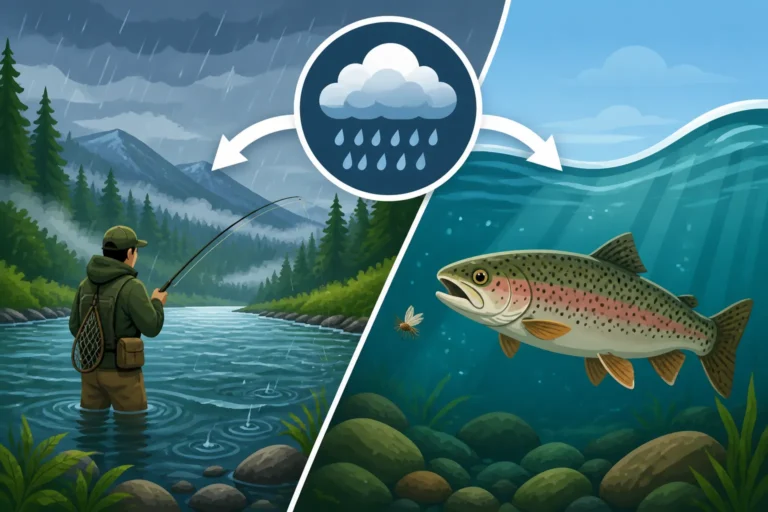
Western Washington is world-renowned for its steelhead rivers, offering both exhilarating winter and summer fisheries. Winter steelhead are particularly cherished, with dedicated anglers braving cold, wet conditions for a chance at these chrome-bright, ocean-run rainbow trout. Rivers like the Skykomish, Cowlitz, and Skagit are legendary. The Skykomish River, easily accessible from the Seattle area, sees strong runs of both hatchery and wild winter steelhead. Anglers often drift fishing with bait, jigs, or artificial eggs through prime holding water, or swing flies for a truly classic experience. The Cowlitz River, fed by glaciers and hatcheries, is another powerhouse, providing consistent action for both winter and summer steelhead, as well as several salmon species. Here, you'll find a mix of bank anglers, waders, and drift boaters all vying for a catch.
Further west, on the Olympic Peninsula, rivers like the Sol Duc and Hoh are iconic for their wild steelhead runs. These pristine, rainforest-fed rivers offer a truly wild fishing experience, often requiring a guide and an appreciation for untouched wilderness. While catch-and-release is often the rule for wild steelhead in these systems to preserve their populations, the sheer beauty and power of these fish make the effort more than worthwhile. Understanding the difference between wild and hatchery steelhead, typically identified by an adipose fin clip on hatchery fish, is crucial for compliance with selective fisheries. Be sure to check rules for specific rivers, as Wild Steelhead Release Rules on Washington's Olympic Peninsula Rivers are strictly enforced.
Columbia River System: A Salmon and Sturgeon Powerhouse
The mighty Columbia River, forming much of Washington's southern border, is a fishing destination of epic proportions. It's a key migration route for millions of salmon and steelhead, and its sheer size and power mean it holds some of the largest fish in the state. The "Buoy 10" fishery at the mouth of the Columbia near Ilwaco is legendary, attracting thousands of anglers each August and September for Chinook and Coho salmon. This is a boat fishery where anglers troll a variety of baits and lures, often with heavy tackle to contend with the strong currents and powerful fish.
Upriver, the mainstem Columbia and its numerous tributaries offer fantastic opportunities. The Cowlitz River and Lewis River are prime examples, with hatcheries supporting strong returns of spring, summer, and fall Chinook and Coho, as well as winter and summer steelhead. These rivers offer diverse fishing, from bank access to drift boating, and techniques like back-bouncing roe, plunking, or bobber-dogging are popular. Beyond salmon and steelhead, the Columbia is also home to ancient and massive white sturgeon. While most sturgeon fishing is now catch-and-release only, the thrill of hooking into a fish that can be larger than you are is unforgettable. Always remember that a Washington's Columbia River Salmon and Steelhead Endorsement, Explained is required in addition to your regular fishing license when targeting these species in the mainstem Columbia and its tributaries up to specific boundaries.
Eastern Washington's River Trout and Steelhead
While Western Washington often gets the spotlight for its anadromous runs, the eastern side of the state offers unique river fishing experiences, especially for trout and inland steelhead. The Yakima River is a jewel for fly anglers, renowned as one of the Pacific Northwest's premier trout streams. This freestone river supports a healthy population of wild rainbow trout, with strong hatches throughout the year providing excellent dry fly, nymphing, and streamer fishing opportunities. It's a fantastic place to hone your fly-fishing skills amidst beautiful arid landscapes.
Further east, the Snake River, particularly the lower stretches, offers a different kind of challenge, primarily known for its steelhead. These are typically smaller, but feisty, B-run steelhead that migrate far upriver. Fishing on the Snake often involves jet boats and specific techniques adapted to its broad, powerful currents and reservoir-like sections. While not as numerous as some coastal runs, the Snake offers a unique and remote steelhead experience. Remember to check local regulations carefully, as seasons and gear restrictions can vary significantly even within a single river system, often with specific rules for sections designated as wild fish management areas.
Coastal Wonders: Westport, Ilwaco, and Offshore Adventures
Washington's rugged Pacific coast is a gateway to truly epic fishing adventures, offering deep-sea thrills that are a world away from the calmer waters of the Sound or the confined banks of a river. From the bustling charter fleets of Westport and Ilwaco to the remote stretches of ocean beaches, the coast provides unforgettable experiences for the intrepid angler.
Halibut and Tuna: Deep Sea Thrills
For many, the ultimate coastal fishing experience is the pursuit of Pacific halibut. These enormous, flat fish inhabit the deeper waters of the continental shelf and are prized for their exceptional size, fighting ability, and incredibly delicious white meat. The halibut season is highly regulated and usually quite short, often limited to specific days in spring and early summer. Ports like Westport and Ilwaco are the primary hubs for booking a charter. You'll typically head out on larger, ocean-going vessels, sometimes traveling dozens of miles offshore. Halibut fishing involves dropping heavy sinkers with large baited hooks (often using herring, octopus, or salmon heads) to the seafloor, sometimes several hundred feet down. The powerful pull of a big halibut is unmistakable, a true test of strength and endurance.
Even further offshore, usually in late summer, lies the realm of albacore tuna. These torpedo-shaped speedsters chase baitfish in the warm waters off the coast, offering some of the most exciting and fast-paced fishing imaginable. Albacore trips are often long-range endeavors, requiring full-day commitments from ports like Westport. Anglers typically troll multiple lines with artificial lures or natural bait at high speeds until a school is located. Once found, it can be non-stop action, with multiple hookups at once, leading to an exhilarating, arm-burning battle. These trips are not for the faint of heart, or those prone to seasickness, but the reward of fresh, sashimi-grade tuna is unparalleled. When planning for these trips, consider How to Book a Fishing Charter in Washington and ensure you're going with a reputable captain experienced in offshore conditions.
Coastal Salmon and Lingcod Action
While the deep-sea species often grab the headlines, the nearshore waters off the Washington coast also offer fantastic opportunities for salmon and lingcod. During certain times of the year, particularly in summer, large schools of Chinook and Coho salmon congregate within a few miles of the coast as they stage for their migration into various river systems. This provides excellent trolling opportunities for smaller charter boats and private vessels operating out of Westport, Ilwaco, and other coastal ports. The ocean-fresh salmon are vibrant, powerful fighters, and often in prime condition.
Lingcod, those toothy bottom dwellers, are also abundant in the rocky areas closer to shore, particularly around reefs and pinnacles. Many charters will offer "combo" trips, allowing anglers to target both salmon and lingcod in a single outing. Jigging with large metal jigs or bait presentations is effective for these ambush predators. Always pay close attention to depth and structure when bottomfishing, and again, be mindful of rockfish bycatch and the need for descending devices.
Razor Clamming on Ocean Beaches
Beyond hook-and-line fishing, Washington's expansive ocean beaches offer a unique and wildly popular coastal experience: razor clamming. When tides are low enough, especially during evening minus tides in the fall and winter, thousands of clam diggers descend upon beaches like Long Beach, Ocean Shores, and Copalis. Armed with clam guns or shovels, headlamps, and buckets, they search for the tell-tale "show" – a dimple or a hole in the sand that indicates a clam below.
Razor clamming is an active, often chilly, but incredibly rewarding activity, perfect for families. The clams are delicious fried, in chowder, or steamed. Checking the Razor Clam Digging Seasons and Tides published by the WDFW is paramount, as digs are opened and closed based on marine toxin levels and population assessments. There's a certain thrill in spotting that "show," digging furiously, and pulling up a plump razor clam. It’s not just about the harvest; it’s about the fresh ocean air, the camaraderie, and the unique connection to the coast.
Inland Lakes: Trout, Bass, Walleye, and Kokanee
Leaving the saltwater behind, Washington's interior is dotted with thousands of lakes, each offering its own distinct charm and fishing opportunities. From easily accessible urban lakes to remote alpine tarns, these waters provide a different kind of angling experience, often focused on freshwater species.
Western Washington's Family-Friendly Trout Lakes
For many, particularly families and beginners, Western Washington's numerous stocked trout lakes are the entry point into fishing. The Washington Department of Fish and Wildlife (WDFW) stocks millions of rainbow trout annually into hundreds of lakes, ensuring consistent opportunities for anglers. Lakes like Cottage Lake, Pine Lake, and numerous others in the King and Snohomish County areas are regularly stocked, especially in the spring for the traditional "opening day" and again in the fall. These lakes are perfect for shore fishing with power bait, worms, or small spinners, and often yield good numbers of pan-sized trout.
Beyond rainbows, some Western Washington lakes also hold warm water species like largemouth and smallmouth bass, perch, and crappie. Lake Washington, right in Seattle's backyard, is surprisingly productive for both warmwater species and even resident coho salmon, offering diverse angling close to urban centers. The key to success in these lakes is often understanding seasonal patterns and being willing to experiment with different baits and presentations. They offer a relaxed setting, ideal for introducing kids to the joys of fishing without the complexities of tides or challenging river currents.
Eastern Washington's Diverse Fisheries
Eastern Washington's lakes present a dramatically different landscape and an equally diverse range of fishing. The vast Lake Roosevelt, a reservoir on the Columbia River, is a prime example. It's famous for its prolific kokanee salmon (landlocked sockeye), which provide excellent jigging and trolling opportunities, especially in the summer. It also boasts impressive walleye, rainbow trout, and even some smallmouth bass. Anglers often employ Jigging for Kokanee in Washington Lakes techniques, using small jigs tipped with corn or scent, or trolling wedding rings behind flashers.
Other Eastern Washington gems include Banks Lake and Potholes Reservoir, both renowned for their excellent walleye and smallmouth bass fishing. These sprawling reservoirs offer vast expanses of water, diverse structure, and thriving populations of predator fish. Banks Lake is also a great spot for triploid rainbow trout, which grow to immense sizes. Lake Chelan, a deep, glacial lake, is a unique fishery, famous for its massive Mackinaw (lake trout) that inhabit its frigid depths, as well as its beautiful kokanee and cutthroat trout. Each of these lakes requires specific tactics and often larger boats to effectively cover water and reach prime fishing grounds. Checking local guides or online resources via platforms like FishingBooker can offer valuable insights into current conditions and successful strategies for these diverse eastern fisheries.
High Mountain Lakes and Wilderness Fishing
For those seeking solitude and a true wilderness experience, Washington's high mountain lakes offer breathtaking scenery and unique fishing opportunities. Tucked away in the Cascade and Olympic mountain ranges, these remote lakes are often accessible only by hiking trails, some requiring multi-day backpacking trips. They are primarily home to various species of trout, including native cutthroat trout, eastern brook trout, and sometimes rainbow trout, often stocked by backpack-carrying WDFW personnel or via aerial drops.
Fishing in these alpine environments is about more than just the catch; it's about the journey, the pristine surroundings, and the escape from the everyday. Fly fishing with small dry flies or nymphs is often highly effective for the eager, if sometimes smaller, trout that inhabit these clear, cold waters. While the fish might not be record-breakers, the experience of catching a vibrant brook trout in a lake surrounded by towering peaks is truly special. Always practice Leave No Trace principles when venturing into these fragile ecosystems.
The San Juan Islands and North Sound: A Unique Blend
Nestled in the northern reaches of Puget Sound, the San Juan Islands archipelago offers a distinct and captivating fishing experience that sets it apart from the rest of the Sound. With its intricate waterways, strong currents, and breathtaking scenery, this area is a paradise for anglers seeking both salmon and bottomfish in a truly unique environment.
Salmon and Lingcod in Island Waters
The waters surrounding the San Juan Islands are prime habitat for all five species of Pacific salmon, with Chinook and Coho being the most heavily targeted. The strong tidal currents that sweep through the passes and around the islands concentrate baitfish, which in turn attract hungry salmon. This creates fantastic trolling opportunities, particularly in areas like Thatcher Pass, Harney Channel, and the waters off Lopez Island. The fishing here can be exceptionally good, but it also demands a keen understanding of tides and currents, as they play a huge role in salmon behavior and successful boat control. Many anglers find that Trolling for Salmon in Washington's Puget Sound with flasher-and-hoochie or bait rigs is highly effective in these productive waters.
Beyond salmon, the San Juans are also a premier destination for lingcod. The islands’ abundant rocky reefs, kelp forests, and steep drop-offs provide ideal habitat for these aggressive predators. Targeting lingcod here often involves jigging large swimbaits, plastic tubes, or baitfish imitations close to the structure. Areas like the west side of San Juan Island or the various rocky outcroppings around Orcas and Lopez Islands can yield impressive lingcod, some reaching trophy sizes. It's a thrill to feel the powerful strike and subsequent head-shakes of a large lingcod in these beautiful, clear waters.
Crabbing and Prawning in Secluded Bays
While salmon and lingcod get a lot of attention, the San Juan Islands are also fantastic for shellfish. The numerous sheltered bays and inlets throughout the archipelago provide excellent habitat for Dungeness crab. Setting crab pots in these calmer waters, away from the strongest currents, can be incredibly productive, especially during the peak summer and fall seasons. There's nothing quite like pulling up a pot filled with vibrant, feisty Dungeness crabs, ready for a fresh seafood feast.
Additionally, the deep, cold waters around the San Juans also hold good populations of Spot shrimp. Similar to Hood Canal, shrimping in the San Juans is a highly anticipated, short season, typically in the spring. Anglers drop specialized shrimp pots into deeper channels and over muddy bottoms, hoping to intercept migrating Spot shrimp. The clear waters and stunning backdrop of the islands make for an unforgettable shrimping experience. Remember to always check specific Crabbing and Shellfishing in Washington's Puget Sound regulations for the San Juan Islands, as seasons and gear restrictions can differ from other areas of Puget Sound, reflecting localized management efforts.
Planning Your Washington Fishing Expedition
Embarking on a fishing trip in Washington State is an exciting prospect, but like any grand adventure, it requires careful planning to ensure a successful and enjoyable experience. The state's diverse fisheries come with a mosaic of regulations, and being prepared is key to a smooth journey.
Navigating Regulations and Licensing
One of the biggest hurdles, especially for newcomers or those visiting from out of state, is understanding Washington's fishing regulations. These rules are detailed, species-specific, and often change mid-season due to conservation needs or unexpected fish returns. Your first stop should always be the WDFW website or a printed copy of the annual Sport Fishing Regulations pamphlet. It's not light reading, but it's essential. Pay close attention to season dates, bag limits, gear restrictions (like barbless hooks or bait bans), and selective fisheries (e.g., wild vs. hatchery fish). For instance, knowing How Bag and Possession Limits Work in Washington can prevent an accidental violation, as they differ for daily take versus what you can have at home.
Equally important is acquiring the correct fishing license. Washington offers various options, including annual, short-term, and combination licenses covering freshwater, saltwater, or both. Non-residents will need to purchase a specific Washington Fishing License Guide for Nonresidents, and prices can vary. You'll also likely need endorsements, such as the shellfish endorsement for crabbing or shrimping, or the Columbia River Salmon and Steelhead Endorsement for fishing that mighty river. Almost all salmon and steelhead fishing, as well as sturgeon, requires a The Washington Catch Record Card and What It Requires which must be filled out immediately upon retaining a fish. Don't underestimate the importance of these cards; they are vital for WDFW to manage fish populations. Many tackle shops, sporting goods stores, and the WDFW website are places Where and How to Buy a Washington Fishing License.
Choosing a Guide or Charter
For many, especially when tackling unfamiliar waters or targeting challenging species, a guided trip or charter is an invaluable investment. A professional guide or charter captain brings years of local knowledge, specialized gear, and expertise that can dramatically increase your chances of success and safety. They know the current hotspots, the most effective techniques, and how to navigate the ever-changing regulations. If you're looking to experience deep-sea halibut fishing off Westport, explore the remote steelhead rivers of the Olympic Peninsula, or efficiently target salmon in Puget Sound, a guided trip can be the best way to make the most of your time.
When selecting a guide or charter, do your homework. Look for experienced, licensed professionals with good reputations. Online platforms like FishingBooker can be a great resource for comparing options, reading reviews, and booking trips across Washington. Consider what's included in the price – gear, bait, fish cleaning, and even sometimes lunch. Always clarify the cancellation policy, especially for weather-dependent trips. A guide can teach you new techniques, reveal hidden spots, and handle the boat, allowing you to focus solely on the fishing. They are particularly helpful for anglers who are just learning the ropes or those who don't have their own specialized equipment for Washington's unique fisheries.
Essential Gear and Local Knowledge
While a guide will provide most of the necessary gear, understanding the basics of what you'll need is still helpful. For river fishing, waders, rain gear, and appropriate footwear are crucial. For saltwater, layering is key, and good quality raingear is non-negotiable, as conditions can change rapidly. Always bring sunglasses, sunscreen, a hat, and plenty of water. A cooler with ice for your catch is also a must.
Beyond the physical gear, local knowledge is an angler's secret weapon. Before any trip, make a point to visit a local tackle shop in the area you plan to fish. Staff at these shops are often lifelong anglers themselves and can provide invaluable, up-to-the-minute information on hot spots, productive baits, recent regulatory changes, and local conditions. They can tell you if the river is blown out from rain, if the salmon are running a little early this year, or what color of jig is currently out-producing everything else for kokanee on Lake Chelan. Don't be afraid to ask questions – local tackle shops thrive on helping anglers succeed and are a goldmine of information that no online search can fully replicate.
Disclaimer
The information provided in this guide is for general informational purposes only and is subject to change. Fishing regulations, seasons, and limits in Washington State are highly dynamic and can be updated frequently by the Washington Department of Fish and Wildlife (WDFW) through emergency rule changes. It is the sole responsibility of every angler to consult the most current WDFW regulations pamphlet and emergency rules before heading out on any fishing trip. Failure to do so can result in fines and penalties. This guide does not constitute legal advice or an exhaustive list of all regulations. Always prioritize safety and practice responsible angling.