Where the Chehalis River Fall Run Peaks
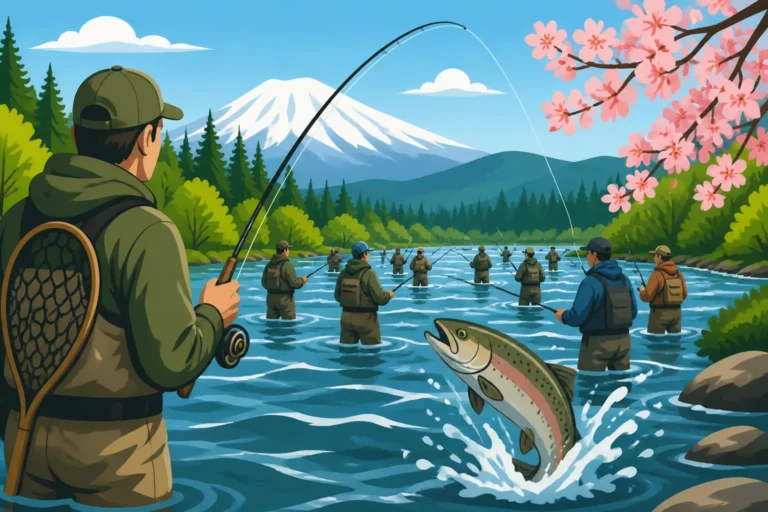
There’s nothing quite like the anticipation of the fall salmon run, but if you’ve spent countless hours driving up and down the Chehalis River, trying to figure out exactly when and where those big fish are, you know the frustration. It feels like you’re always just a little bit off, either too early, too late, or in the wrong bend. This guide is here to cut through that guesswork, giving you a detailed look at where the Chehalis River fall salmon run truly peaks and how you can be there to experience it.
The Dynamic Nature of the Chehalis River Fall Salmon Run
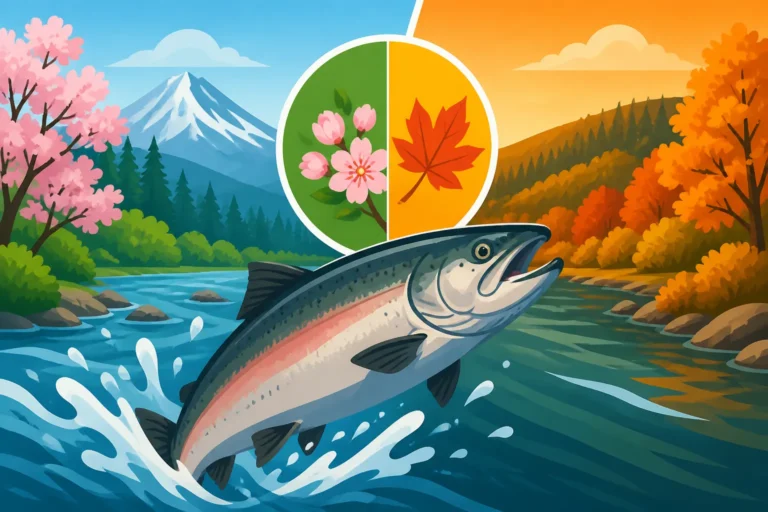
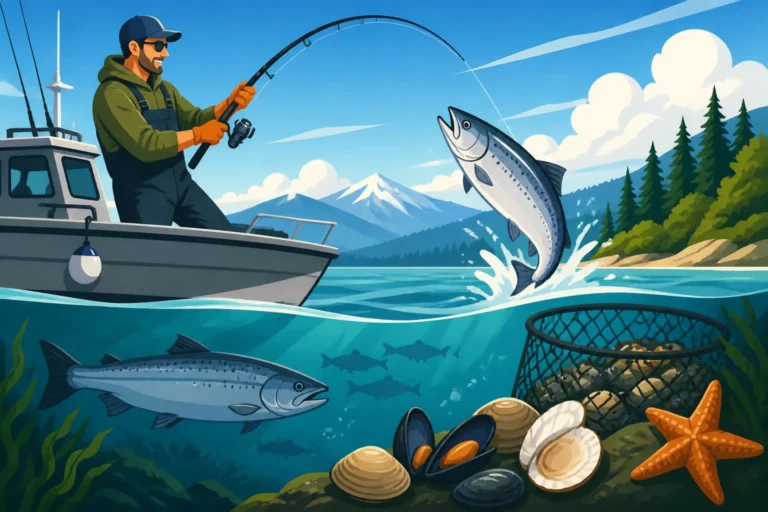
The Chehalis River system is a magnificent artery flowing through Western Washington, renowned for its diverse salmon and steelhead fisheries. Unlike some smaller, more predictable rivers, the Chehalis is a vast network, and its fall salmon run is a complex dance influenced by rainfall, tides, and the life cycle of multiple species. When we talk about the "fall run" on the Chehalis, we're not just talking about one type of salmon; we're referring to a spectacular migration that primarily includes Chinook, Coho, and Chum salmon, each with their own unique timing and preferences for where they like to stage and spawn. Understanding this dynamic is your first step to unlocking its secrets.
Chinook salmon, often called "Kings" for their impressive size, are typically the first to arrive in significant numbers, usually starting in late August and peaking through September. These powerful fish push hard upriver as soon as water levels allow. Following closely behind, or sometimes overlapping, are the vibrant Coho salmon. Known for their acrobatic fights and aggressive takes, Coho typically peak from late September through October, often extending into November, especially in the lower and mid-river sections. Finally, the chunky Chum salmon, or "Dog" salmon, make their presence known, usually peaking from late October through November. While sometimes underestimated, a fresh Chum can offer a brutal fight, and they arrive in massive numbers, especially in the system's lower tributaries. Navigating these overlapping runs and understanding their individual tendencies is key to finding where the Chehalis River fall run peaks for your target species. You'll want to keep an eye on official announcements and check out our guide on Washington Sport Fishing Seasons and Emergency Closures for the most current information.
Prime Fishing Hotspots for Fall Salmon on the Chehalis
While salmon will spread throughout the Chehalis system, there are specific areas that consistently act as bottlenecks, holding water, and staging grounds where the fall run truly concentrates. These are the spots where river characteristics, current, and accessible cover combine to create ideal conditions for migrating fish, making them prime real estate for anglers. The Chehalis, being a larger system, has several such key areas, each with its own charm and challenges.
One of the most famous and consistently productive zones on the Chehalis is the Satsop River confluence. The Satsop, a significant tributary, pours cold, fresh water into the mainstem Chehalis near Elma, creating a powerful scent trail that salmon instinctively follow. This mixing of waters often creates a temperature break and a current seam that fish will stack up in, especially during lower flows in the mainstem. Anglers here often find success from late September through October, targeting both Chinook and Coho that are staging before continuing their journey up either the Chehalis or turning into the Satsop. Access can be found around the Satsop Bridge area, offering both bank access and boat launching opportunities for those looking to cover more water. The deeper holes and eddies just downstream and upstream of the confluence are particular magnets for fish resting before their final push.
Moving upstream, the stretch from Montesano to Porter also offers exceptional fishing, especially as more rain pushes fish further into the system. This section of the river is characterized by a mix of deeper pools, gravel bars, and woody debris that provide excellent holding cover. Public access can be found at various points, though some of the best water is often found by drift boaters who can methodically work their way through the bends and seams. The Grays Harbor County Fairgrounds area in Elma, for instance, sometimes offers access to anglers willing to walk a bit, leading to good Coho water in particular. Farther upstream, around the small town of Porter, the river becomes slightly narrower and faster, offering great opportunities for drift fishing and targeting fresh, aggressive fish. This is a fantastic place to implement various Bank Fishing Techniques for Washington Salmon or try your hand at twitching jigs for Coho.
As the season progresses and more fish enter the river, the upper Chehalis sections, particularly around Rochester and Grand Mound, start to light up. While further from the estuary, these areas benefit from fish that have made the long journey and are often very aggressive, keyed into spawning mode. This is where you might find some of the freshest Chum salmon later in the fall, along with late-run Coho and even some residual Chinook. Access here often involves seeking out specific public lands or understanding local access points that can be a bit more subtle than the lower river. Boat launches are less frequent, making this more of a bank fishing or smaller craft destination. Always be mindful of private property signs and respect landowner rights when exploring these upstream reaches. When planning a trip, remember that finding a local guide can significantly improve your chances, and platforms like FishingBooker can help you connect with experienced captains who know these specific hotspots like the back of their hand. They can provide invaluable insights into the daily nuances of where the Chehalis River fall run peaks on any given day.
| Species | Primary Peak Period | Preferred River Section | Key Techniques | Common Baits/Lures |
|---|---|---|---|---|
| Chinook | Late Aug – Sep | Lower/Mid-River, Satsop Confluence | Drift Fishing, Plunking | Roe, Plugs (Brad's Wigglers), Spinners |
| Coho | Late Sep – Oct | Mid-River, Tributary Mouths | Twitching Jigs, Drift Fishing, Casting Spinners | Jigs, Prawns, Spinners, Eggs |
| Chum | Late Oct – Nov | Mid-Upper River, Tributaries | Bobber Dogging, Twitching Jigs | Jigs (chartreuse, pink), Spinners, Eggs |
Decoding the River: Timing and Conditions for Success
Finding where the Chehalis River fall run peaks is only half the battle; knowing when to be there is equally crucial. The Chehalis is a rain-fed system, and its salmon runs are heavily dictated by the whims of Mother Nature. Without adequate rainfall, fish often hold in Grays Harbor, waiting for the freshets (spikes in river flow) that signal it's time to push upstream. Therefore, understanding river conditions – particularly water levels and clarity – is paramount to timing your trip effectively.
Ideal conditions for the fall run usually occur after the first significant autumn rains. These rains do several things: they cool the water, increase flow, and create a strong scent trail that pulls salmon out of the estuary and into the river. If the river is too low and clear, fish tend to be spooky and concentrate in deeper pools, making them harder to entice. Conversely, if the river is too high and muddy (often referred to as "blown out"), the fish can blow through the system quickly or become difficult to locate in the turbid water. The sweet spot is typically a rising or falling river, or stable flows after a rain event, where the water has just enough color to make fish feel secure but enough clarity for them to see your presentation. This usually means hitting the river a day or two after a good rain, as the flows are beginning to recede and clarify.
Tides also play a significant role, especially in the lower sections of the Chehalis, closer to Grays Harbor. During an incoming tide, fresh pushes of fish can enter the river mouth, while an outgoing tide can sometimes draw fish out of side channels or holding areas. Anglers fishing the lower river often pay close attention to the tidal swings, planning their efforts around the changes. However, once fish are further upstream, say past Montesano, the influence of tides diminishes significantly, and river flow becomes the dominant factor. To ensure you're always fishing legally and maximizing your chances, always consult the current regulations, perhaps even referring to our detailed guide on Reading the Washington Sport Fishing Regulations Pamphlet before heading out. Sometimes, emergency rule changes can shift seasons or limits on very short notice, so staying informed is vital.
Effective Strategies and Gear for Chehalis Fall Salmon
Once you've pinpointed the peak locations and timed your visit with favorable conditions, having the right strategies and gear is the final piece of the puzzle for a successful Chehalis River fall salmon trip. The tactics that work best often depend on the specific species you're targeting, the river's character in your chosen spot, and the current water conditions.
For the powerful Chinook, which often hug the bottom in deeper runs and holes, drift fishing with cured roe or large plugs is a classic and highly effective method. You'll want a medium-heavy to heavy action rod, around 9-10 feet in length, paired with a reliable baitcasting reel spooled with 20-30 pound monofilament or braided line with a fluorocarbon leader. When drift fishing, the goal is to present your bait naturally along the bottom, allowing it to tumble with the current. This often means using enough weight to tick the bottom without snagging excessively. For those really deep, slow holes, plunking can be deadly, especially with larger plugs or Spin-N-Glos tipped with bait. This involves anchoring your bait in a prime travel lane and letting the fish come to you. You can learn more about this technique and others in our article Drift Fishing for Steelhead in Washington Rivers, as many of the principles apply to salmon as well.
Coho, being more aggressive and often found higher in the water column, respond well to casting spinners, twitching jigs, or fishing coho-specific bobber and jig setups. A medium-heavy spinning rod, around 8-9 feet, makes casting these lures a breeze. Popular spinner colors include bright chartreuse, orange, and pink, especially in off-color water. For twitching jigs, a 3/8 to 1/2 ounce jig in black, purple, or olive, often tipped with a small piece of shrimp or coon shrimp, can be incredibly effective when worked through current seams and eddies. Remember, Coho can be quite particular, so don't be afraid to experiment with different colors and retrieve speeds until you find what they're hitting. Make sure you're familiar with the Understanding Washington's Daily Bag Limits by Species to avoid any accidental over-harvest.
Chum salmon, which are known for their strong spawning colors and large teeth, often prefer jigs and large drift rigs. They can be incredibly numerous, and when they're in the river, they're often willing to aggressively strike a brightly colored jig or a large piece of cured roe. "Bobber dogging" a jig or a chunk of roe through prime holding water is a fantastic way to cover ground and find aggressive Chum. This technique uses a buoyant float to suspend your bait or lure just off the bottom while it drifts with the current. For all species, keeping a vigilant eye on your line for subtle bites is crucial, as fall salmon can sometimes take very lightly. No matter your target, ensure you have your The Washington Catch Record Card and What It Requires on hand and know how to fill it out correctly to report your harvest.
Finally, consider the services of a professional guide. Especially for a complex river system like the Chehalis, a seasoned local guide can provide unparalleled knowledge of current conditions, recent fish movement, and the exact spots where the Chehalis River fall run peaks on any given day. They can supply the right gear, share proven techniques, and ensure a safe and productive trip. Many anglers turn to online platforms like FishingBooker to find and book guided trips, offering a convenient way to access local expertise and make the most of your time on the water. These guides often have real-time information about specific river sections and what's biting, making your investment well worth it for a memorable experience.
Disclaimer
Fishing conditions and regulations in Washington state can change rapidly due to emergency rule changes, in-season updates, or environmental factors. Always consult the latest Washington Department of Fish and Wildlife (WDFW) regulations before heading out on any fishing trip. This guide is for informational purposes only and does not supersede official WDFW regulations.