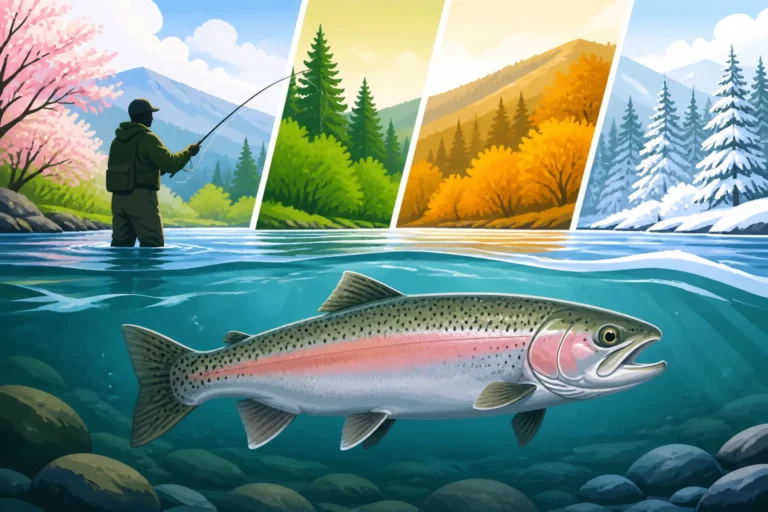
Can You Wade Fish the Wenatchee River?
One of the biggest struggles for anglers, especially those just getting into river fishing, is figuring out if you can actually get to the fish without a boat. Many beautiful rivers, like our very own Wenatchee, look incredibly inviting, but the thought of navigating swift currents and unknown depths on foot can be daunting and frankly, a bit dangerous if you're not prepared. This guide is here to walk you through everything you need to know about wade fishing the Wenatchee River, helping you understand where and when it's possible, what gear you'll need, and how to stay safe while enjoying its incredible fishing opportunities.
Understanding the Wenatchee River for Wade Fishing
The Wenatchee River is a gem in Central Washington, carving its way through stunning landscapes and offering fantastic fishing for species like spring Chinook salmon, summer steelhead, and various trout species, including rainbow and cutthroat. However, it's not a small, gentle stream. The Wenatchee can be a powerful river, especially during certain times of the year, which directly impacts the feasibility and safety of wade fishing.
Flow and Water Levels: The Key Factor
The most critical factor in determining whether you can safely wade fish the Wenatchee is the river's flow and water level. This river is heavily influenced by snowmelt from the Cascades and releases from upstream dams, primarily Tumwater Dam near Leavenworth.
- Spring Runoff (Late Spring/Early Summer): This period often sees very high and swift water as snow in the mountains melts. While this can be prime time for spring Chinook, the river is often too high and dangerous for wading. Anglers typically target these fish from boats or by plunking from accessible banks. Trying to wade during these peak flows is not only ineffective but incredibly risky. The currents can be deceptively strong, and a slip could lead to a serious situation.
- Summer Flows (Mid-Summer through Early Fall): As snowmelt subsides and dam releases stabilize, the Wenatchee generally drops to more manageable levels. This is often the sweet spot for wade fishing, especially for summer steelhead and resident trout. The water is warmer, and many riffles, runs, and even some deeper pools become accessible on foot. You'll still encounter strong currents in places, but the overall safety margin is much higher.
- Fall and Winter Flows: Fall can offer decent wading, though it starts to get colder, and rain events can quickly swell the river. Winter wading for steelhead is a hardcore endeavor. The water is frigid, and while flows can sometimes be lower, ice on the banks and extremely cold temperatures demand specialized gear and a high level of preparedness. It's often during these colder, lower flow times that dedicated steelhead anglers find their opportunities, but it's not for the faint of heart.
Always, and I mean always, check the current river flow data before you head out. Websites like the USGS Water Data portal or various fishing forums provide real-time updates. A river that looked wadable last week might be a raging torrent today.
River Structure and Bottom Composition
The Wenatchee's structure is a classic Pacific Northwest river mix. You'll find long, gravelly runs, boulder-strewn riffles, deeper holding pools, and occasionally some softer, silty areas.
- Gravel and Small Rocks: These areas are generally the most hospitable for wading. They offer decent footing, though algae-covered rocks can still be slick. These are often the productive areas for nymphing or drift fishing for trout and steelhead.
- Boulders and Large Rocks: Many sections of the Wenatchee are littered with larger rocks. While these can create excellent fish habitat and current breaks, they can be treacherous to wade over. They are often unstable, incredibly slick, and hiding deep pockets of water between them. A good wading staff is absolutely non-negotiable in these areas.
- Depth Changes: The river bottom isn't uniform. A seemingly shallow stretch can abruptly drop into a chest-deep hole. Always probe ahead with your wading staff, especially in unfamiliar waters. The clarity of the water can also play tricks on your eyes, making it hard to judge depth accurately.
Understanding these features before you step in will make your wade fishing experience safer and more successful. It's about knowing your limits and respecting the power of the river.
Prime Locations for Wade Fishing the Wenatchee
While much of the Wenatchee River can be challenging to wade, there are specific stretches and access points that offer better opportunities for shore-based and wade anglers. Knowing these spots can save you a lot of time and provide a safer, more productive outing.
Public Access Points and Parks
Washington State has done a decent job providing public access to many of its rivers, and the Wenatchee is no exception, though some spots are better than others for wading.
- Near Leavenworth: The stretches around Leavenworth can offer some wade fishing opportunities, particularly in and around various public parks. Blackbird Island and Waterfront Park, while popular with tubers and swimmers in summer, do have sections where you can get into the water with a rod. Further upstream, towards the Icicle Creek confluence, the river can be a bit more braided and shallower in spots, making for easier wading. However, these areas also see heavy recreational use, so timing is key to avoid crowds. Remember to always check current regulations, as certain areas might have specific rules for fishing versus other activities.
- Cashmere to Wenatchee: As the river flows downstream from Leavenworth towards Cashmere and then Wenatchee, it generally widens and can sometimes flatten out, creating more expansive gravel bars and shallower riffles that are suitable for wading. Look for state parks, county parks, or designated WDFW access points along Highway 2. These often have parking and relatively easy access to the river's edge. Some popular boat launches may also have adjacent wade-accessible sections. Be mindful that even in these wider sections, the main current channel can still be very deep and fast.
- WDFW Access Sites: The Washington Department of Fish and Wildlife (WDFW) maintains numerous public access sites along many rivers. Searching the WDFW website for "Wenatchee River access" will often yield specific locations with details on parking and amenities. Some of these are geared more towards boaters, but many will have bank access that can lead to wadeable water. A general rule of thumb: if a spot is known for drift boat launches, it might also have good wade access upstream or downstream of the launch area, where boaters aren't necessarily anchoring.
Always be respectful of private property. Much of the land along the Wenatchee River is privately owned, and trespassing is a common issue. Stick to clearly marked public access points and know your boundaries.
Identifying Wade-Friendly Water
Once you're at the river, how do you know if a particular spot is safe to wade? It comes down to observation and caution.
- Visible Gravel Bars and Riffles: These are your best friends. Look for areas where the river visibly spreads out and appears shallower, often marked by broken water or small standing waves (riffles). These are prime feeding lanes for trout and steelhead and usually offer solid footing.
- Current Speed: Watch the speed of the current. If it looks like it could sweep you off your feet, it probably can. Even if it looks manageable, remember that water is incredibly powerful. A good rule of thumb is to avoid wading in water that flows faster than a quick walk, especially if it's deeper than your knees.
- Water Clarity: Clear water is easier to read. You can see the bottom, judge depth, and spot potential hazards like large rocks or sudden drop-offs. If the water is murky or stained, exercise extreme caution. Your wading staff becomes even more critical in these conditions for probing the unseen bottom.
- Entry and Exit Points: Always have a clear, safe entry and exit point. Don't wade into a spot where the banks are steep, slippery, or overgrown, leaving you no easy way out. Think about what would happen if you did slip or lose your footing – could you safely get back to shore?
By carefully assessing these factors, you can significantly increase your safety and enjoyment while wade fishing the Wenatchee. Sometimes, the best decision is simply to stay on the bank if conditions look too dicey.
Essential Gear and Techniques for Wenatchee Wade Fishing
Wade fishing the Wenatchee River, especially for larger fish like steelhead and Chinook, requires more than just a rod and reel. The right gear and a solid understanding of effective techniques are crucial for both success and safety.
Must-Have Wading Gear
Your personal safety equipment is paramount when wade fishing any river, and the Wenatchee is no exception. Don't skimp on these items.
- Chest Waders: You'll need chest waders, not hip waders. Even in seemingly shallow areas, the Wenatchee has unexpected drops and swift currents that can easily exceed hip-wader depth. Breathable waders are great for comfort in warmer weather, while neoprene offers superior insulation for colder seasons.
- Wading Boots: Traction is everything. Choose wading boots with aggressive rubber soles, and consider adding studs or felt soles for extra grip on slippery rocks. Felt soles are often restricted in some areas to prevent the spread of invasive species, so always check if there are any current Barbless Hook Requirements on Washington Rivers or other specific rules in place. Given the prevalence of slick, mossy rocks, good traction is not negotiable.
- Wading Belt: Always wear a wading belt, tightened snugly. This isn't just to keep water out; in the event of a fall, it significantly reduces the amount of water that can fill your waders, which can quickly become a deadly anchor. A tight belt creates a seal, making it easier to regain your footing or swim to safety if needed.
- Wading Staff: This is perhaps the single most important piece of safety equipment for wade fishing the Wenatchee. A sturdy, collapsible wading staff allows you to probe the depth ahead, test for unstable footing, and maintain balance in strong currents. Never step into unknown water without first checking its depth and bottom stability with your staff. It’s an extension of your body and a lifeline.
- PFD (Personal Flotation Device): While often overlooked by river waders, a lightweight, self-inflating PFD can be a life-saver, especially when fishing unfamiliar or swift sections of the Wenatchee. Many minimalist fishing PFDs are available that don't hinder casting or movement. It's a small investment for peace of mind.
Beyond safety, consider a good fishing vest or pack to keep your tackle organized and easily accessible. A net with a long handle is also incredibly helpful for landing larger fish like steelhead or salmon without having to risk wading into deeper water.
Effective Wade Fishing Techniques
The techniques you employ will depend on your target species and the river conditions. The Wenatchee offers diverse opportunities.
- Nymphing for Trout and Steelhead: This is a highly effective method, especially in the riffles and runs that are accessible to waders. Using weighted nymphs or bead-head flies under an indicator, you can present your flies naturally to fish holding in current seams and deeper pockets. Knowing Nymphing for Trout on Washington's Yakima River can give you transferable skills for the Wenatchee. The goal is a drag-free drift that mimics natural insect larvae. Adjust your split shot and indicator depth to ensure your flies are getting down to where the fish are holding, near the bottom.
- Drift Fishing with Bait/Hardware: For those using spinning or casting gear, drift fishing with bait (where allowed) or small pieces of cured roe can be deadly for steelhead. Using a weighted setup that tumbles naturally along the bottom, you present your offering to fish that are actively holding or migrating upstream. Small jigs tipped with bait or plastics, and various spinners and spoons, can also be cast and retrieved through wadeable runs. Always check specific river section regulations for any Washington Bait Bans and When They Apply or gear restrictions, especially concerning treble hooks or barbed hooks, as many Washington rivers, including portions of the Wenatchee, have strict barbless hook requirements.
- Casting Spoons and Spinners: For an active approach, casting spoons and spinners can be productive for both trout and steelhead, particularly in deeper pools or along current breaks. The flash and vibration can trigger aggressive strikes. Experiment with different retrieve speeds and angles to find what the fish are reacting to. This method is often easier to employ when you can safely cast from a stable wading position without fear of being swept downstream.
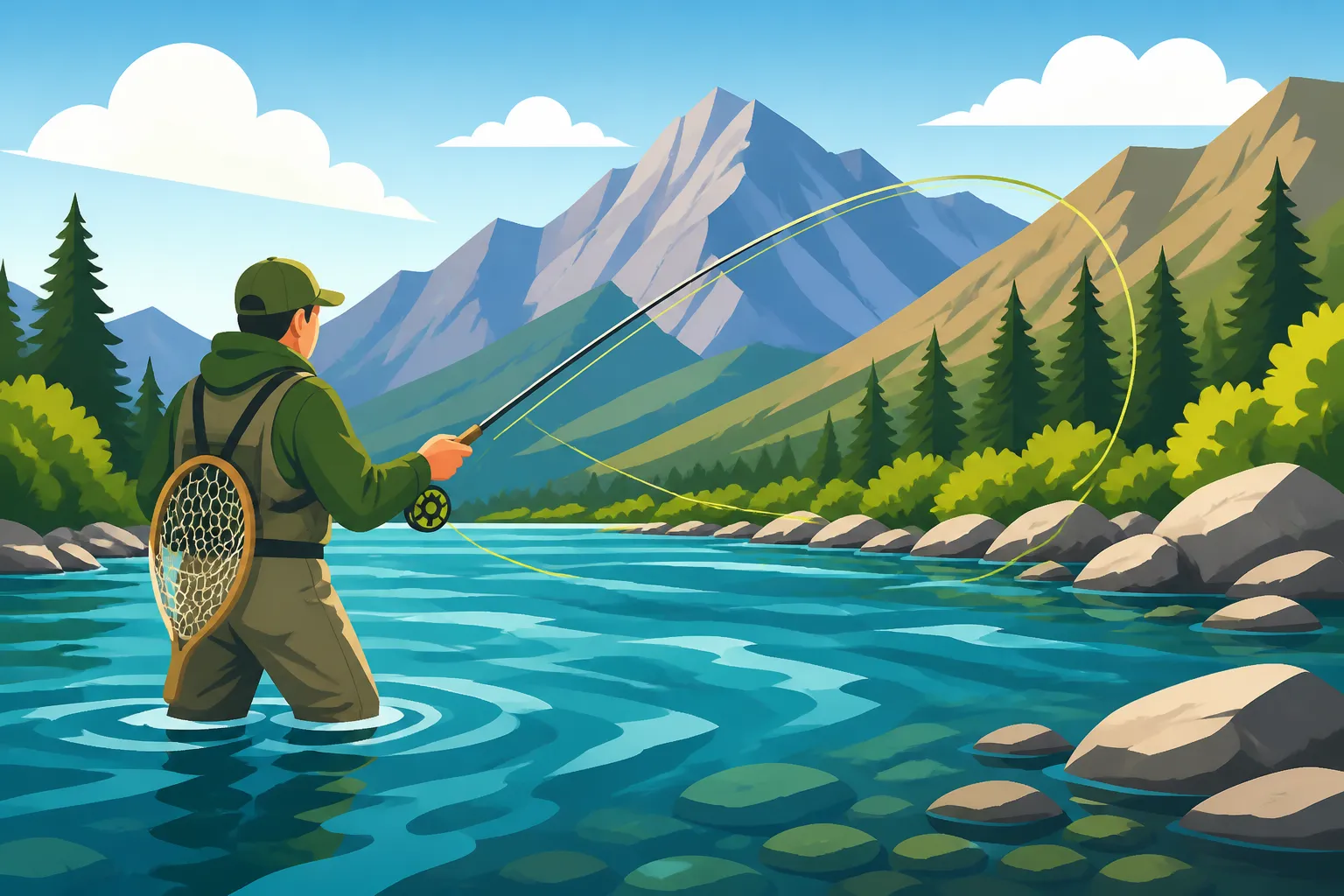
- Fly Fishing for Summer Steelhead and Trout: The Wenatchee is a fantastic fly fishing river, particularly for its summer steelhead run. Swinging flies (often larger spey flies or weighted intruders) can be very productive in broader runs. For trout, dry fly fishing can be excellent during insect hatches, especially in the evening. Learning Dry Fly Fishing Washington's Rivers can open up a whole new world on the Wenatchee. For both methods, finding a stable wading platform is essential for effective casting and line control.
Regardless of your chosen technique, patience and persistence are key. The Wenatchee's fish can be finicky, but with the right approach and a keen eye for fish-holding water, you can have a truly rewarding experience.
Seasonal Considerations and Regulations
Fishing the Wenatchee River is a year-round possibility, but wade fishing opportunities and the species you're targeting will vary dramatically with the seasons. Staying informed about regulations and seasonal changes is crucial for a legal and successful trip.
Best Times for Wade Fishing
The "best" time to wade fish the Wenatchee often coincides with lower, more stable water levels, typically during the warmer months.
- Late Spring to Early Summer (May-June): While the river might still be high from snowmelt, as it starts to drop, sections become more accessible. This period is famous for its spring Chinook run. While many Chinook anglers prefer boats, skilled waders can find success in specific spots, especially during lower flows. However, for safe wading, you're usually better off waiting until the peak run-off subsides.
- Summer (July-August): This is arguably the prime time for wade fishing the Wenatchee. Water levels are typically at their lowest and most stable, making many runs, riffles, and pocket water accessible. Summer steelhead begin to arrive, and resident rainbow and cutthroat trout are actively feeding. Fly fishing for trout with nymphs and dry flies is popular, and drifting small baits or lures for steelhead can also be effective. The weather is generally pleasant, making for a comfortable day on the water.
- Early Fall (September-October): Fall can offer excellent wade fishing as summer steelhead continue to be present, and trout remain active. As temperatures cool, you might also encounter the tail end of other salmon runs depending on the year. However, rain events become more common, which can quickly lead to rising and murky water, making wading challenging or unsafe. Always check How Water Clarity Affects Steelhead Fishing before heading out.
- Late Fall to Winter (November-March): This is generally the toughest time for wade fishing. Water temperatures are frigid, and while flows can sometimes be low and clear, sudden rain or snowmelt can cause rapid rises. Winter steelhead fishing is a challenging pursuit, and proper cold-weather gear, including Rain Gear You Need for Winter Steelheading, is absolutely essential. Many anglers turn to more accessible bank fishing spots or brave the cold from drift boats during this time.
Always remember that these are general guidelines. The exact timing and conditions can shift year to year based on snowpack, rainfall, and dam operations.
Understanding Wenatchee River Regulations
Washington's fishing regulations are complex and can change frequently, especially for salmon and steelhead runs. The Wenatchee River is no exception, and it's vital to have the most up-to-date information before you cast a line.
- WDFW Sport Fishing Regulations Pamphlet: This is your bible. Always consult the current Reading the Washington Sport Fishing Regulations Pamphlet before any trip. It will detail open seasons, bag limits, gear restrictions, and specific rules for different sections of the Wenatchee River. These pamphlets are available online through the WDFW website or at most sporting goods stores that sell fishing licenses.
- Emergency Rule Changes: Salmon and steelhead seasons, in particular, are subject to in-season emergency rule changes. These can occur frequently, sometimes daily, and can alter open dates, bag limits, or even close entire sections of the river with little notice. Always check the WDFW website's "Emergency Rules" section right before you leave for your trip. This is not optional; fishing during a closure or with illegal gear can result in significant fines and penalties. Learn more about Emergency Rule Changes: Why Washington's Rules Shift Mid-Season.
- Species-Specific Rules:
- Chinook Salmon: The Wenatchee River is well-known for its spring Chinook. Regulations for these fish are often complex, with specific dates, size limits, and bag limits that differentiate between hatchery and wild fish.
- Steelhead: Both summer and winter steelhead runs occur, and rules often distinguish between hatchery (adipose fin-clipped) and wild (unclipped) fish, with wild steelhead often being catch-and-release only.
- Trout: General statewide trout regulations apply, but specific sections might have special rules, such as fly-fishing-only or selective gear restrictions. The Washington Sport Fishing Seasons and Emergency Closures will clearly outline these.
- Barbless Hooks and Bait Bans: Be aware that many sections of the Wenatchee, especially during steelhead and salmon seasons, require single-point, barbless hooks. Bait might also be prohibited in certain areas or during specific times. These rules are put in place to protect sensitive fish populations, especially wild steelhead. Adhering to these is not just about legality, but also about ethical angling and conservation.
It can feel overwhelming, but a quick check of the regulations is a non-negotiable part of responsible fishing. If you're ever in doubt, err on the side of caution or consult a local guide. Reputable guides often post updates on their websites or social media, and are a great resource. You can often find guides listed on platforms like FishingBooker who specialize in the Wenatchee River.
Navigating River Etiquette and Conservation
When wade fishing, especially in popular spots, good etiquette ensures a pleasant experience for everyone.
- Give Space: Always give other anglers ample space. Don't crowd someone's fishing hole, especially if they were there first. A general rule is to give at least a cast length of distance, or more in smaller waters. If you're walking the bank, try to do so quietly and well behind other anglers to avoid spooking fish.
- Respect the Water: Practice catch-and-release, especially for wild fish, and handle all fish with care. Minimize their time out of water, use wet hands, and support their body weight. If you're keeping a hatchery fish, dispatch it quickly and humanely.
- Leave No Trace: Pack out everything you pack in, including any discarded fishing line, bait containers, or food wrappers. Leave the river cleaner than you found it.
- Conservation Mindset: Understand that we are stewards of these incredible resources. By following regulations, practicing good etiquette, and staying informed, you contribute to the health of the Wenatchee River and its fish populations for future generations of anglers.
Wade fishing the Wenatchee can be an incredibly rewarding experience, offering solitude, stunning scenery, and the thrill of connecting with powerful fish. With careful planning, the right gear, and a deep respect for the river, you'll be well on your way to a memorable outing.
Wenatchee River Wade Fishing Quick Reference
| Factor | Consideration | Impact on Wade Fishing |
|---|---|---|
| Water Flow | Heavily influenced by snowmelt and dam releases. Peak flows occur in late spring/early summer. Lower, more stable flows typically from mid-summer through fall. | High Flows: Extremely dangerous, difficult to wade, limited access. Low Flows: Safer, more accessible runs and riffles. |
| River Structure | Mix of gravel bars, boulder gardens, swift riffles, and deep pools. Bottom can be slick with algae. | Gravel: Best footing, good for nymphing/drifting. Boulders: Treacherous, requires extreme caution and a wading staff. |
| Access Points | Public parks near Leavenworth (e.g., Waterfront Park), WDFW access sites along Highway 2 (Cashmere to Wenatchee). | Stick to marked public access. Respect private property. Some spots better for bank fishing than wading. |
| Target Species | Spring Chinook, Summer Steelhead, Rainbow Trout, Cutthroat Trout. | Techniques vary by species: Nymphing for trout/steelhead, drift fishing for steelhead, casting spoons for all. |
| Key Gear | Chest waders, studded/felt wading boots, wading belt, wading staff, PFD. | Essential for safety and stability. Do not wade without a staff and a tight wading belt. |
| Regulations | WDFW Sport Fishing Pamphlet, Emergency Rules website. Specific rules for different sections, species, gear (barbless hooks often required), and bait restrictions. | Always check current rules. Regulations change frequently. Penalties for violations are significant. |
| Best Seasons | Summer: Best overall for wading due to lower, stable flows. Early Fall: Good, but watch for rain. Late Spring: Possible as flows drop. Winter: Challenging, cold, requires specialized gear. | Prioritize summer for the safest and most comfortable wade fishing experience. |
Disclaimer
Please remember that fishing conditions, regulations, and safety considerations can change rapidly. Always consult the latest official Washington Department of Fish and Wildlife (WDFW) regulations and local river conditions before heading out on any fishing trip. Your safety is your responsibility.