Banks Lake in Washington for Walleye and Smallmouth Bass
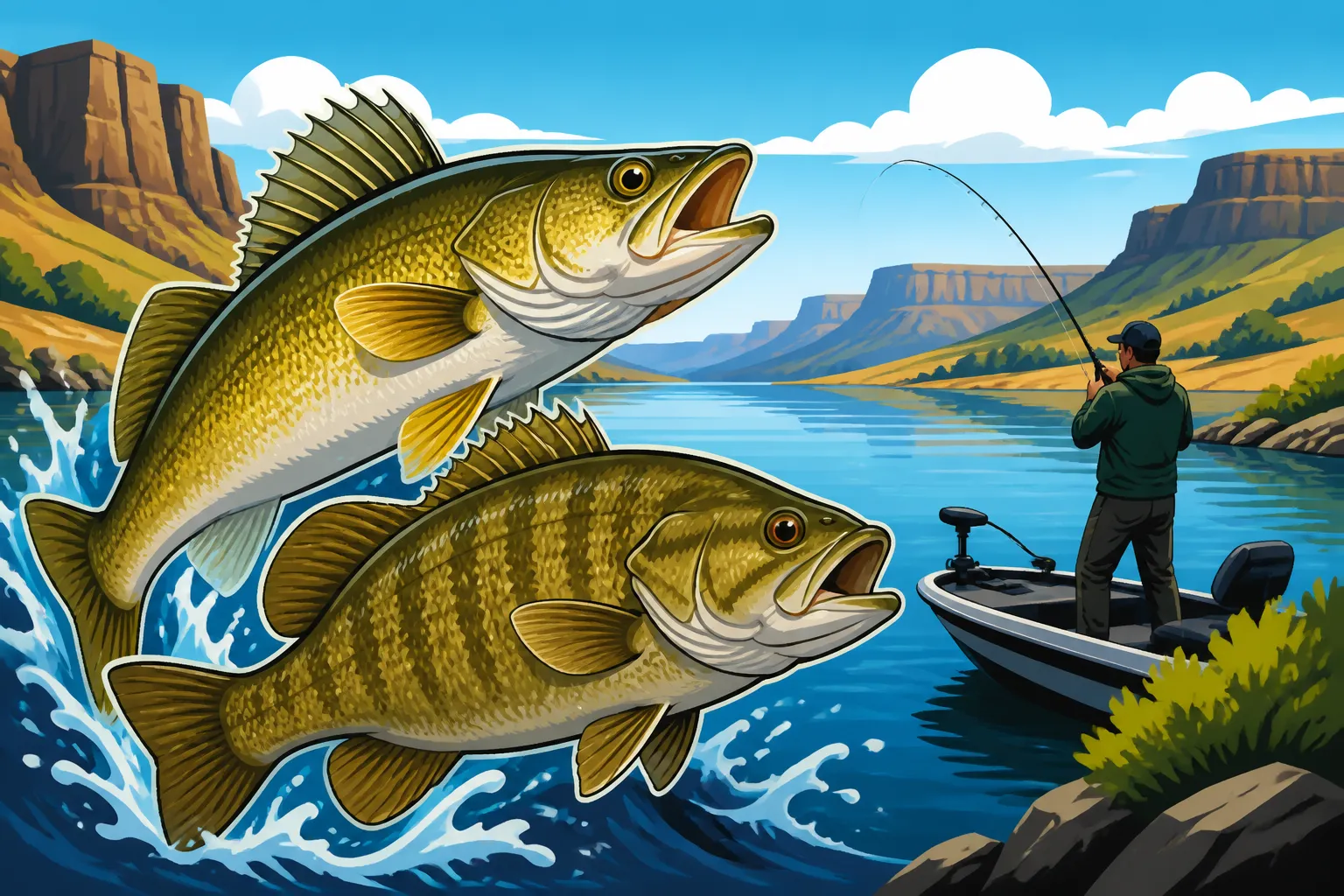
It can be incredibly frustrating for freshwater anglers in Washington State. So often, the conversation around fishing here focuses exclusively on salmon, steelhead, and trout, leaving many to wonder where they can find other exciting challenges. But let me tell you, there's a hidden gem in Eastern Washington that offers some of the state's most thrilling warmwater fisheries: Banks Lake. This guide is your comprehensive walkthrough to mastering walleye and smallmouth bass on this incredible body of water, helping you unlock its full potential.
Banks Lake Basics: A Gem in the Coulee
Banks Lake isn't just another body of water; it's a marvel of engineering and geology nestled right in the heart of Washington's Grand Coulee. Many anglers, especially those from the western side of the state, might not even be aware of its existence, let alone its incredible fishing opportunities. It’s part of the Columbia Basin Project, acting as an equalizing reservoir, which means its waters can fluctuate, adding another layer of challenge and excitement for those who learn its secrets.
Where is Banks Lake and What Makes It Special?
Banks Lake stretches for about 27 miles long and is situated within the dry, rugged, yet stunning landscape of Eastern Washington. Formed by damming the north end of the Lower Grand Coulee, it serves as a vital irrigation reservoir, filled by pumps from the mighty Columbia River. This constant influx of fresh water, combined with its unique geological features – basalt cliffs, rocky shores, and numerous submerged structures – creates a dynamic and rich ecosystem. Unlike many natural lakes, Banks Lake has a varying bottom contour with plenty of shelves, ledges, and deep holes, remnants of the coulee floor before it was flooded. This provides an incredible diversity of habitat for a wide array of fish species. The sheer size, rugged beauty, and diverse underwater landscape are what truly set Banks Lake apart.
Beyond Walleye and Bass: Other Species You Might Find
While our main focus here is on the fantastic walleye and smallmouth bass populations, Banks Lake is a surprisingly diverse fishery. You'll find healthy numbers of rainbow trout, which are regularly stocked, offering a great alternative if the warmwater bite is slow. There are also kokanee, the landlocked sockeye salmon, which can be a blast to catch, especially when they school up. Panfish like crappie and perch also call Banks Lake home, providing light-tackle fun, especially for families or during slower periods for the target species. While it's great to know these options exist, it's the consistent and often trophy-sized walleye and smallmouth that keep anglers coming back. It’s important to familiarize yourself with general fish limits, and remember that specific regulations like the ones for the Washington Lake Trout Limit will differ from species to species and body of water to body of water.
Navigating the Lake: Access Points and Facilities
Banks Lake is well-equipped for public access, making it relatively easy to get your boat in the water. Several public boat launches are maintained by Washington State Parks and other entities. Popular spots include the launch at Steamboat Rock State Park, which also offers camping, and other access points near Electric City and Coulee City. These towns are typically where you'll find basic amenities like gas, bait, tackle shops, and dining options. Given the lake's considerable length, knowing where to launch can significantly cut down on travel time to your preferred fishing grounds. Always check local conditions and launch availability, especially during peak season, as some ramps can get busy. Additionally, consider how you plan to fish, as different rules apply when Fishing From Boats vs Banks, so understanding the access options for each can make your trip much smoother.
Chasing Walleye on Banks Lake
Walleye fishing on Banks Lake is an art form, really. These elusive fish are highly sought after for their delicious fillets and their challenging nature. They often hold deep, preferring specific structures and conditions, so understanding their patterns is key to success here. It's not about blind luck; it's about strategy, patience, and adapting to what the fish are telling you.
Understanding Walleye Behavior and Habitat in Banks Lake
Banks Lake walleye are classic bottom dwellers. They love to hug the contours, especially rocky humps, submerged points, ledges, and channels. Their eyes are specially adapted for low light, meaning they're most active at dawn, dusk, and on overcast days, or they'll be found in deeper, darker water during bright sunshine. Their diet primarily consists of smaller baitfish, perch, and crayfish, so mimicking these forage items with your lures is paramount. As the seasons change, so do their patterns. In spring, they'll be shallower for spawning, moving deeper as summer progresses, and then migrating back towards shallower feeding flats in the fall. Understanding these movements is crucial. You really need to think like a walleye to catch a walleye!
Top Walleye Techniques for Banks Lake
Banks Lake offers a variety of effective techniques for walleye, allowing you to switch things up based on conditions or personal preference.
- Trolling Crankbaits: This is often the go-to method for covering water and locating active fish. Long, slender crankbaits that dive to different depths, such as Berkley Flicker Shads, Rapala Shad Raps, or Wally Divers, are excellent choices. Match the size and color to the local forage and water clarity. Trolling along depth contours, over submerged humps, and off points at speeds typically between 1.0 to 2.5 mph can be incredibly effective. Pay close attention to your electronics to identify baitfish schools or structure.
- Jigging: When fish are concentrated on specific structures, jigging with lead head jigs tipped with plastics (like paddle tails or grubs) or live bait (like nightcrawlers or minnows) can be deadly. Vertical jigging directly over suspended fish or working jigs slowly along the bottom near drop-offs and rock piles are prime tactics. Experiment with jig weight to maintain bottom contact without snagging excessively.
- Slip-Bobbering: For those calm days or when fish are suspended, slip-bobbering with live bait is a classic walleye technique. A nightcrawler harness or a lively minnow suspended just off the bottom, or at the depth where fish are observed on your fish finder, can entice even finicky walleye. This method allows for a very natural presentation and can be fished from an anchored boat or slowly drifted.
- Bottom Bouncers with Worm Harnesses: This is another highly effective trolling or drifting method, particularly over rougher bottoms where crankbaits might snag. The bottom bouncer keeps your bait (usually a spinner rig with a nightcrawler) just off the bottom, presenting it directly to the walleye.
Best Times and Conditions for Walleye Success
Walleye are notoriously light-sensitive. This means the prime times for targeting them on Banks Lake are often during periods of low light. Early morning and late evening, right at dawn and dusk, are frequently the most productive. On overcast days or during periods of light rain, the bite can extend throughout the day as the diminished light penetration keeps the walleye more active in shallower water. Wind can also be your friend; a moderate chop on the water can break up light penetration and disorient baitfish, making walleye more aggressive. Look for windswept points or flats where baitfish might be pushed.
Water temperature also plays a significant role. Walleye become more active and start feeding aggressively once water temperatures hit the mid-40s to low 50s Fahrenheit in spring, and remain active through the summer, holding deeper as the surface warms. In the fall, as temperatures cool, they’ll often move shallower again before retreating to deep wintering holes. Keeping an eye on the Washington Sport Fishing Seasons and Emergency Closures is also vital, as rules can change seasonally and impact your target species. It’s always best to check the latest WDFW regulations before heading out to understand specific limits, such as the Washington Walleye Limit, and any other unique rules for Banks Lake.
Dominating Smallmouth Bass on Banks Lake
If you love hard-fighting fish that pull like crazy, Banks Lake smallmouth bass will be right up your alley. These "bronze backs" are abundant and aggressive, offering a completely different, yet equally thrilling, angling experience compared to walleye. They prefer rocky, clear water environments, making Banks Lake an ideal habitat.
Smallmouth Hotspots and Structure
Smallmouth bass are structure-oriented predators. On Banks Lake, this means focusing your efforts on rocky areas. Think about:
- Rocky Points and Ledges: These are classic smallmouth haunts. Fish will congregate on the wind-blown sides of points, ambushing baitfish. Look for sharp breaks or shelves where deep water meets shallower rocky flats.
- Submerged Islands and Humps: Any underwater structure that rises off the bottom will attract smallmouth. These areas provide ambush points and foraging opportunities. Use your electronics to mark these isolated structures.
- Riprap and Causeway Rocks: Areas where roads or causeways cross the lake, often reinforced with riprap, are excellent places to find smallmouth, especially during the spawn or when they're actively feeding on crayfish. The dam faces themselves can also hold fish.
- Cliff Faces and Talus Slopes: The basalt cliffs that line much of Banks Lake drop off quickly into deep water, creating ledges and crevices where smallmouth can hide and ambush prey.
These areas provide both cover and food, making them magnets for hungry smallmouth. You'll often find them suspended just off these structures, or right in the rocky crevices. While many resources might focus on bass in the Columbia River, much of the same advice on size and habitat applies here. Consider researching information like How Big Columbia River Smallmouth Bass Get to understand their potential in Banks Lake.
Effective Lures and Presentations for Banks Lake Smallmouth
Smallmouth bass are not particularly picky, but matching your lure to their mood and the conditions will definitely increase your catch rates.
- Jigs: Skirted jigs, particularly in crayfish patterns (greens, browns, oranges), are incredibly effective when fished along the bottom of rocky areas. Pair them with a soft plastic trailer for added bulk and action. Dragging, hopping, or subtle shaking on the retrieve works wonders. Football jigs are great for maintaining bottom contact on rocky terrain.
- Jerkbaits: For suspended smallmouth, especially around points and over humps, a jerkbait can be irresistible. Work it with a twitch-twitch-pause retrieve, letting it suspend in the water column. Colors that mimic baitfish like minnows or perch are top choices.
- Tube Baits: These soft plastic lures, rigged with an internal jig head, are fantastic for mimicking crayfish and baitfish. Pitch them to rocky areas and let them fall naturally, or drag them slowly along the bottom. Green pumpkin, brown, and watermelon colors are hard to beat.
- Topwater Lures: During low light conditions (dawn, dusk, overcast days) or when bass are actively feeding on the surface, topwater baits like poppers, walking baits (e.g., Heddon Super Spook Jr.), or prop baits can provide explosive strikes. This is one of the most exciting ways to catch smallmouth!
- Spinnerbaits and Crankbaits: For covering water quickly, particularly along rocky shorelines or over submerged weed beds (if present), spinnerbaits with willow or Colorado blades, and medium-diving crankbaits, are excellent search baits.
Seasonal Strategies for Smallmouth Bass
Smallmouth bass behavior changes significantly throughout the year, so knowing where to find them and how to target them across the seasons is key.
- Pre-Spawn (Spring): As water temperatures rise into the 40s and 50s, smallmouth move from their deeper wintering holes to shallower rocky flats and points. They're aggressively feeding to bulk up for the spawn. Jerkbaits, spinnerbaits, and tube baits fished slowly can be very productive.
- Spawn (Late Spring/Early Summer): When water temperatures hit the low to mid-60s, smallmouth will be on their beds in shallower, protected rocky areas. While it's tempting to target bedding fish, practicing catch and release during this sensitive time helps ensure future populations. Soft plastic baits like tubes and lizards can trigger strikes from territorial fish guarding their nests.
- Post-Spawn (Summer): After spawning, bass will often be somewhat lethargic but quickly recover and move to deeper main lake points, humps, and ledges, often relating to current or cooler water. Early mornings and evenings will see them shallow, but they'll retreat to deeper structure during the heat of the day. Deep diving crankbaits, jigs, and drop-shot rigs are effective.
- Fall: As water temperatures drop, smallmouth will start to feed aggressively again, preparing for winter. They often move back to shallower rocky areas, points, and flats, following schools of baitfish. Jerkbaits, spinnerbaits, and jigs are excellent choices during this feeding frenzy.
Understanding these patterns will give you a significant advantage, allowing you to adapt your approach as the seasons turn and the fish move throughout this vast lake.
Essential Gear and Tips for Banks Lake Anglers
Having the right tools for the job can make all the difference, especially when you're targeting specific species like walleye and smallmouth bass on a large, diverse water body like Banks Lake. Investing in appropriate gear not only increases your chances of success but also makes the entire experience more enjoyable.
Rods, Reels, and Line for Walleye and Bass
Choosing the right rod, reel, and line combination is crucial for both sensitivity and fighting power.
- For Walleye: A medium-light to medium-power spinning rod, typically 6'6" to 7'6" in length, with a fast action tip, is ideal. This setup provides the sensitivity needed to detect subtle walleye bites, yet enough backbone to handle a good fish. Pair it with a 2500 or 3000 series spinning reel spooled with 8-10 lb braided line, with a 6-8 lb fluorocarbon leader. The braid offers excellent sensitivity and casting distance, while the fluorocarbon leader provides stealth and abrasion resistance. For trolling, a medium-heavy baitcasting rod around 7-8 feet, paired with a line counter reel and 10-15 lb monofilament or fluorocarbon, can be more effective for precise depth control.
- For Smallmouth Bass: A medium-power fast-action spinning rod, 6'6" to 7'2", is a versatile choice for most smallmouth techniques, especially for jigs, tubes, and jerkbaits. For heavier presentations or larger topwater baits, a medium-heavy baitcasting rod can be beneficial. Reels in the 2500-4000 series for spinning or a standard baitcasting reel with a fast retrieve ratio will work well. Again, 10-15 lb braided line with a fluorocarbon leader is a popular and effective choice for sensitivity and strength when fishing around abrasive rocks.
Key Electronics and Accessories
Modern fishing electronics aren't just luxuries; they're essential tools for success on a lake the size of Banks.
- Fish Finder/Sonar: A quality fish finder with Down Imaging and Side Imaging capabilities will transform your fishing experience. This allows you to identify depth contours, submerged structure, baitfish schools, and even individual fish. Learning to interpret these readings is a game-changer for finding those elusive walleye and bass. Garmin, Lowrance, and Humminbird are all reputable brands.
- GPS/Chartplotter: Integrated into most modern fish finders, GPS is vital for navigating Banks Lake safely and effectively. You can mark waypoints of productive spots, follow saved tracks, and navigate back to the launch in any conditions. The sheer size of Banks Lake makes a reliable GPS system indispensable.
- Electric Trolling Motor: A bow-mounted electric trolling motor with GPS-controlled spot-lock or anchor mode is incredibly useful. It allows for precise boat positioning, stealthy approach to fishing spots, and maintaining your boat over structure or a school of fish, even in windy conditions.
- Anchor System: Even with a trolling motor, a reliable anchor system is a must, especially if you plan to fish from shore or target specific, smaller areas. A sturdy anchor with enough line to hold your boat in various depths is crucial for safety and effective fishing.
Regulations and Conservation Considerations
Fishing on Banks Lake, like anywhere else in Washington, requires adherence to specific regulations designed to protect fish populations and ensure sustainable fishing for everyone. It’s imperative to always check the latest Washington Fishing Regulations Every Angler Should Know before you head out.
- Fishing License: First and foremost, you'll need a valid Washington State fishing license. You can easily purchase these online, at tackle shops, or other authorized vendors. Remember, even for simple catch-and-release fishing, a license is required. If you’re ever wondering, "Do You Need a License for Catch-and-Release Only?", the answer in Washington is almost always yes. Finding Where and How to Buy a Washington Fishing License is usually straightforward, so don't skip this critical step!
- Size and Bag Limits: Both walleye and smallmouth bass have specific size and daily bag limits that can vary year to year, or even within different sections of the lake (though less common for Banks). For example, there might be a minimum size for walleye and a limit on how many you can keep per day. Always consult the current Washington Department of Fish and Wildlife (WDFW) fishing pamphlet for the most up-to-date information. Understanding How Bag and Possession Limits Work in Washington is crucial for staying legal.
- Catch and Release: While you can keep your legal limit of fish, practicing catch and release, especially for larger breeding-size fish, is a fantastic way to contribute to the health of the fishery. If you do practice catch and release, ensure you handle fish gently, minimize their time out of water, and use proper de-hooking tools.
- Conservation: Beyond regulations, being a responsible angler means respecting the environment. Don't litter, dispose of old fishing line properly, and be mindful of other users of the lake, whether they are anglers, boaters, or campers.
Planning Your Banks Lake Fishing Adventure
A successful fishing trip to Banks Lake starts long before you even cast a line. Careful planning, from where you'll stay to who might show you the ropes, can elevate your experience from good to absolutely fantastic. This isn't just about showing up; it's about setting yourself up for success.
Accommodations and Local Amenities
Banks Lake is fortunate to have several towns nearby that cater to anglers and outdoor enthusiasts, offering a range of amenities.
- Camping: For those who love to stay close to nature, Steamboat Rock State Park, located right on Banks Lake, offers excellent camping facilities, including developed sites with hookups and primitive options. It's a beautiful spot, perfect for launching your boat and enjoying the lake life. Other campgrounds may be available nearby as well, offering different levels of amenities.
- Lodging: If camping isn't your style, towns like Grand Coulee, Electric City, and Coulee City offer motels, lodges, and potentially vacation rentals. These provide a comfortable base from which to explore the lake and surrounding area. Booking in advance, especially during peak fishing seasons, is highly recommended to secure your preferred accommodation.
- Dining and Supplies: These towns also provide essential services like grocery stores, restaurants, bait and tackle shops, and gas stations. Always double-check operating hours, particularly in smaller towns, to ensure you can get what you need before or after your day on the water. A well-stocked bait shop can offer invaluable local advice on current hot spots and effective baits.
Hiring a Local Guide for Banks Lake
While this guide provides a wealth of information, there's absolutely no substitute for local knowledge, especially on a lake as vast and nuanced as Banks Lake. This is where a professional fishing guide can be an invaluable asset.
- Benefits of Local Knowledge: A good guide spends hundreds of days a year on the water. They know the seasonal patterns, the subtle nuances of the lake, the current hotspots, and exactly which techniques are working best right now. They can quickly put you on fish, teach you effective strategies, and help you understand the lake's unique characteristics far faster than you could on your own. This can be especially helpful if it's your first time targeting walleye or smallmouth on Banks Lake.
- Finding Reputable Guides: You can often find excellent local guides through word-of-mouth recommendations, local tackle shops, or by searching online. Websites like FishingBooker are fantastic resources for finding reputable, licensed guides operating on Banks Lake. They allow you to compare guides, read reviews, and see what types of trips they offer, whether it's solely walleye, smallmouth, or a combination. A platform like FishingBooker streamlines the process, connecting you with experienced professionals who can maximize your time on the water.
- What to Expect: Most guides provide all the necessary fishing gear, bait, and often even snacks and drinks. You'll typically need to bring your fishing license, appropriate clothing for the weather, and any personal items. Discuss your expectations and target species with the guide beforehand to ensure everyone is on the same page. Using a service like FishingBooker, you can see exactly what's included and what you need to bring.
What to Pack for a Successful Trip
Beyond your rods and reels, a few key items can significantly enhance your comfort, safety, and overall success on Banks Lake. This is particularly true if you're embarking on a full-day adventure, or even a multi-day Washington Fishing Road Trip.
- Weather-Appropriate Clothing: Eastern Washington weather can be highly variable. Dress in layers, as temperatures can swing dramatically from morning to afternoon, and winds can pick up quickly. Bring rain gear, even if the forecast looks clear, as sudden squalls are not uncommon. Waterproof boots are also highly recommended.
- Sun Protection: The sun can be intense on Banks Lake, especially reflecting off the water. Pack high-SPF sunscreen, a wide-brimmed hat, and polarized sunglasses to protect your eyes and skin.
- Food and Water: Bring plenty of water to stay hydrated, and pack snacks or a lunch, especially if you're planning a full day on the water.
- Safety Gear: Ensure your boat has all required safety equipment: life jackets for everyone on board, a first-aid kit, whistle or air horn, and navigation lights if you'll be out at dawn or dusk. A fully charged cell phone is also a good idea, though service can be spotty in some remote areas of the lake.
- Cooler and Ice: If you plan to keep fish, a cooler with plenty of ice is essential for maintaining freshness.
- Camera: Banks Lake offers stunning scenery, and you'll want to capture those trophy catches and beautiful sunsets.
Common Challenges and How to Overcome Them
Fishing Banks Lake is an incredibly rewarding experience, but like any large body of water, it comes with its own set of challenges. Being prepared for these common hurdles can save you frustration and turn a potentially tough day into a successful one.
Dealing with Wind and Waves on Banks Lake
Banks Lake is a long, relatively open body of water, and it can get windy. When the wind funnels down the coulee, it can kick up significant chop and waves, making boat control and fishing difficult, and sometimes even dangerous.
- Safety First: Always prioritize safety. If the wind is too strong, consider fishing a more protected bay or cove, or even postponing your trip. Wearing your life jacket is always a good idea, especially in rough conditions.
- Boat Control: A strong electric trolling motor with a spot-lock feature is your best friend in windy conditions, helping you maintain position over fish. If you don't have one, consider using a drift sock or sea anchor to slow your drift and maintain better boat control while covering water.
- Fishing Techniques Adjustments: When the lake is rough, light bites can be harder to detect. Consider switching to heavier jigs or bottom bouncers to maintain bottom contact. Trolling with heavier weights or using larger crankbaits that track better in waves can also be effective. Sometimes, fishing the "wind-blown side" of a point can be productive, as the wind pushes baitfish into these areas.
- Seeking Shelter: Don't be afraid to seek out sheltered areas. Many of the rocky shorelines and deeper cuts offer some reprieve from the main lake chop, allowing you to fish more comfortably and effectively.
Breaking Down the Vastness: Finding Fish in a Big Lake
Banks Lake is huge, and its sheer size can be intimidating. Just driving around aimlessly can waste valuable fishing time and fuel.
- Using Electronics Effectively: This goes back to the importance of a good fish finder and GPS. Don't just look for fish; look for structure and bait. Walleye and smallmouth bass will relate to specific features like humps, drop-offs, and rock piles. Mark these areas on your GPS.
- Focus on High-Percentage Areas: Start with the known hotspots. For walleye, this might be the deeper areas around Steamboat Rock, or the main channel. For smallmouth, rocky points and riprap are prime. Don't try to fish the entire lake; break it down into manageable sections.
- Pattern Recognition: Pay attention to what's working. If you catch a walleye in 30 feet of water off a rocky ledge on a particular crankbait, try to replicate that pattern elsewhere on the lake. If smallmouth are hitting topwater early in the morning on windy points, look for similar conditions. Fishing is often about finding a pattern and then exploiting it.
- Pre-Trip Research: Before you even launch, spend some time studying lake maps (bathymetric charts are best), reading fishing reports, and talking to local tackle shops or guides found on platforms like FishingBooker. This preliminary research can help you narrow down your search and head directly to promising areas.
Adapting to Changing Conditions
Banks Lake, like all natural environments, is dynamic. Water levels can fluctuate, clarity can change with runoff or wind, and weather patterns can shift rapidly.
- Water Level Fluctuations: As an equalizing reservoir, Banks Lake's water levels can vary throughout the season. This impacts where fish hold, as structures that were deep one week might be shallow the next. Always observe the current water level and adjust your fishing accordingly. If the water is rising, fish might move shallower; if it's dropping, they might pull back to deeper cover.
- Water Clarity: Heavy rains can sometimes bring turbid water into the lake, while extended dry periods or calm weather might result in very clear conditions. In murky water, use brighter colors, noisy lures, and scent. In clear water, opt for natural colors, smaller presentations, lighter lines, and fish deeper or in lower light.
- Weather Shifts: A sudden cold front can put the fish off their bite, making them lethargic and less aggressive. Conversely, warming trends can ignite a feeding frenzy. Be prepared to slow down your presentation, use smaller baits, or switch locations if a cold front hits. If a warm front moves in, fish might become more active and willing to chase faster-moving lures.
By understanding and anticipating these challenges, you'll not only become a more resilient angler but also greatly increase your chances of having a memorable and successful fishing adventure on Banks Lake. It’s a truly special place, offering some of Washington’s best walleye and smallmouth action, and with the right approach, you can unlock its secrets.
Disclaimer
Please be aware that fishing regulations, seasons, and limits are subject to change by the Washington Department of Fish and Wildlife (WDFW) at any time. It is always the angler's responsibility to consult the most current WDFW regulations before fishing. This guide provides general information and should not be considered a substitute for official regulatory documents.