Rufus Woods Lake in Washington for Triploid Rainbow Trout
Many Washington anglers share a common yearning: the thrill of a truly large, powerful trout pulling line. While our state offers fantastic opportunities for various trout species, consistently hooking into those exceptional, heavier fish can feel like chasing a phantom. You might be tired of the smaller stockers or struggling to locate the elusive wild specimens that seem to inhabit only the legends. This comprehensive guide is your answer, diving deep into the unparalleled experience of fishing Rufus Woods Lake, a Washington gem specifically renowned for its monster triploid rainbow trout, providing you with all the details to make your next trip a success.
The Unique Fishery of Rufus Woods Lake
Rufus Woods Lake isn't just another body of water; it's a distinctive reservoir on the mighty Columbia River, nestled between the majestic Chief Joseph Dam and Wells Dam in North Central Washington. This unique stretch of water is roughly 50 miles long, a sprawling, current-driven environment that offers a fishing experience unlike many other lakes or rivers in the state. Anglers often describe it as a hybrid fishery, combining elements of river fishing with the expansive, deep-water opportunities typically found in larger lakes.
Geography and Formation
Rufus Woods Lake was formed by the construction of Chief Joseph Dam, creating a vast pool upstream from the dam. This impoundment means you're fishing a relatively consistent water level compared to many free-flowing rivers, yet the constant discharge from Chief Joseph Dam ensures there's always a healthy current. This current is crucial; it acts like a conveyor belt, bringing nutrients and food to the resident fish, and it also keeps the water well-oxygenated. The rocky shorelines and submerged structures, remnants of the original Columbia River valley, provide ample cover and feeding grounds for trout. It's a landscape of dramatic cliffs, sparse vegetation, and wide-open water, a truly picturesque setting for a day on the water. Understanding this geographical context is key to unlocking its fishing potential, as the fish often orient themselves to the currents and structure.
Why Triploid Rainbows Thrive Here
The success story of triploid rainbow trout in Rufus Woods Lake is no accident. The Washington Department of Fish and Wildlife (WDFW) has intentionally cultivated this fishery, knowing that the reservoir's conditions are perfectly suited for these specialized fish. The constant flow from the Chief Joseph Dam introduces a steady supply of nutrients, creating a rich food base for the trout. More importantly, the triploid rainbow trout stocked here are sterile, meaning they don't expend energy on spawning. Instead, all their biological resources are channeled into growth. This, combined with an abundant forage base — often small fish, insects, and crustaceans — allows these rainbows to grow at an astonishing rate. It's a perfect storm of environmental factors and strategic stocking that turns Rufus Woods into a legitimate trophy trout destination, giving anglers a real shot at breaking their personal best.
Understanding Triploid Rainbow Trout
If you've heard the whispers of "giant rainbows" coming out of Rufus Woods, chances are they're talking about triploid rainbow trout. These aren't your average trout; they're specifically engineered for size and fighting prowess, making them a primary draw for serious anglers. Understanding what makes them different is crucial to appreciating the unique challenges and rewards they offer.
What Makes Them Different
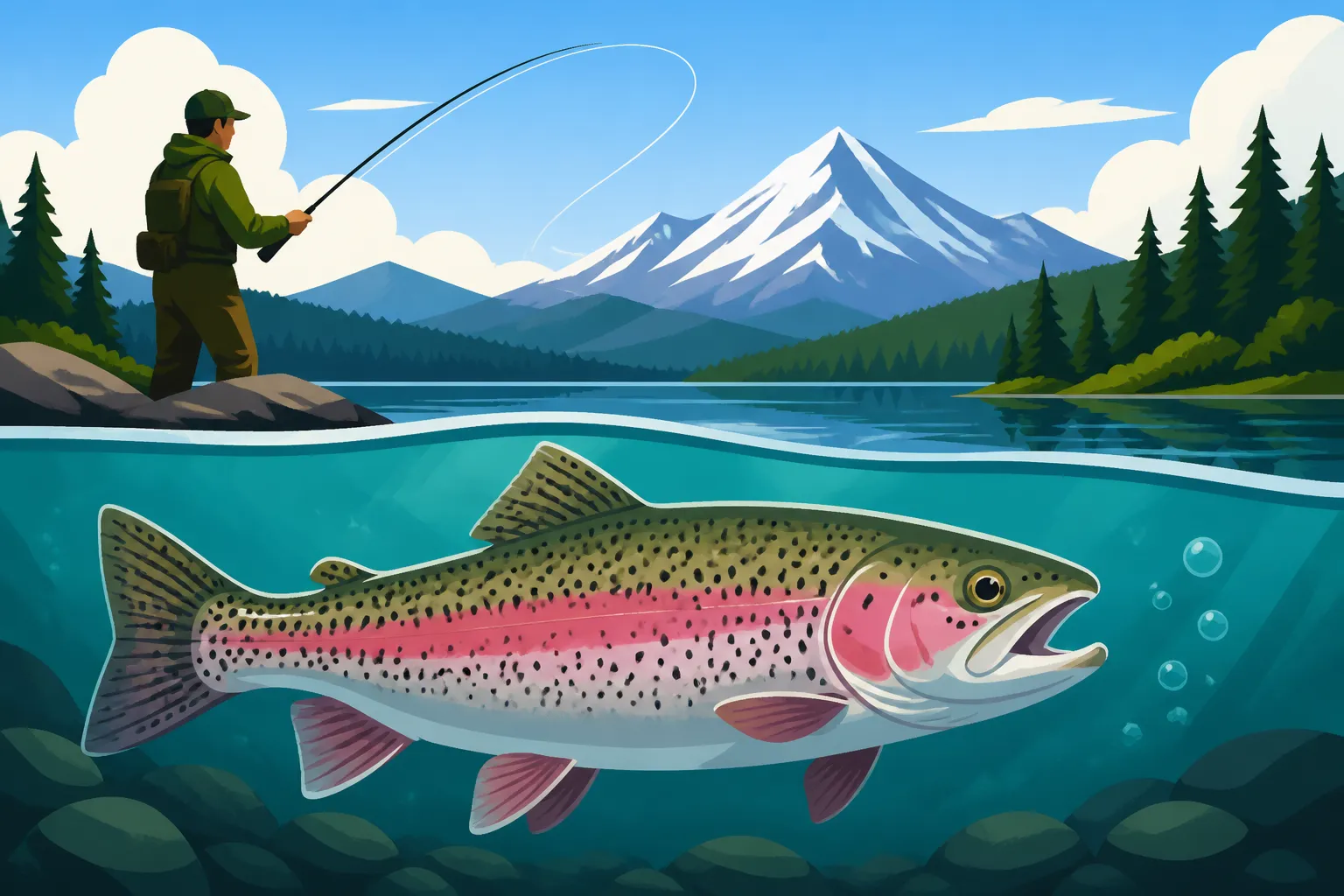
The term "triploid" refers to a genetic characteristic: these fish possess three sets of chromosomes instead of the usual two (diploid). This genetic manipulation, typically induced by shocking eggs with heat or pressure during development, renders the fish sterile. Because they cannot reproduce, triploid trout don't undergo the energy-intensive process of spawning. Think about it: a normal trout uses a significant portion of its body's resources to develop eggs or milt, migrate to spawning grounds, and engage in breeding behaviors. Without this reproductive burden, triploid trout can allocate all that energy directly to growth. This means they eat more, grow faster, and live longer, often reaching truly impressive sizes. If you're wondering, "Why Do Hatcheries Stock Triploid Trout in Washington?", the reason is precisely for fisheries like Rufus Woods, to create a trophy experience.
Beyond their size, many anglers report that triploid trout tend to be more aggressive and harder fighting than their diploid counterparts. Without the hormonal fluctuations associated with spawning, they often remain in peak physical condition year-round, resulting in powerful runs and spirited battles that will test your tackle and your angling skill. The sheer brute force these fish can exhibit is something you really have to experience to believe, often leaving your arms aching in the best possible way.
Their Growth and Size Potential
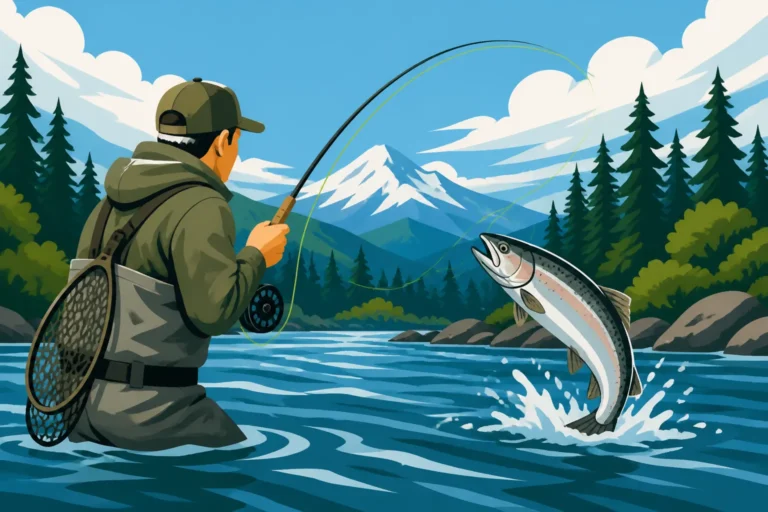
This is where the excitement really builds! Because of their sterile nature and the abundant food supply in Rufus Woods Lake, triploid rainbow trout grow to exceptional sizes. While many lakes boast "big trout," Rufus Woods regularly produces fish in the 5 to 10-pound range, and it's not uncommon for anglers to land fish exceeding 15 pounds. There are even reports of trout pushing the 20-pound mark, making them legitimate trophy fish. To put that in perspective, a typical hatchery-stocked rainbow trout might be a pound or two. These Rufus Woods triploids are in a whole different league. If you've ever asked yourself, "How Big Rufus Woods Rainbow Trout Grow", well, here's your answer – they get huge here.
Imagine hooking into a fish that makes your drag scream, pulls your rod tip to the water, and takes off on multiple blistering runs across the lake. That's the typical experience with a Rufus Woods triploid. Their robust size means they have incredible stamina, and battles can last for several minutes, especially if you're using appropriate light tackle. This phenomenal growth potential is the main reason Rufus Woods Lake has become such a celebrated destination for trout enthusiasts from all over the Pacific Northwest and beyond.
Best Seasons and Conditions for Targeting Rufus Woods Trout
Rufus Woods Lake offers fishing opportunities throughout the year, a testament to its stable water temperatures and constant flow. However, like any fishery, there are definitely peak seasons and specific conditions that will stack the odds in your favor for hooking into those trophy triploids. Being prepared for these nuances can significantly improve your success rate.
Year-Round Opportunities, Seasonal Peaks
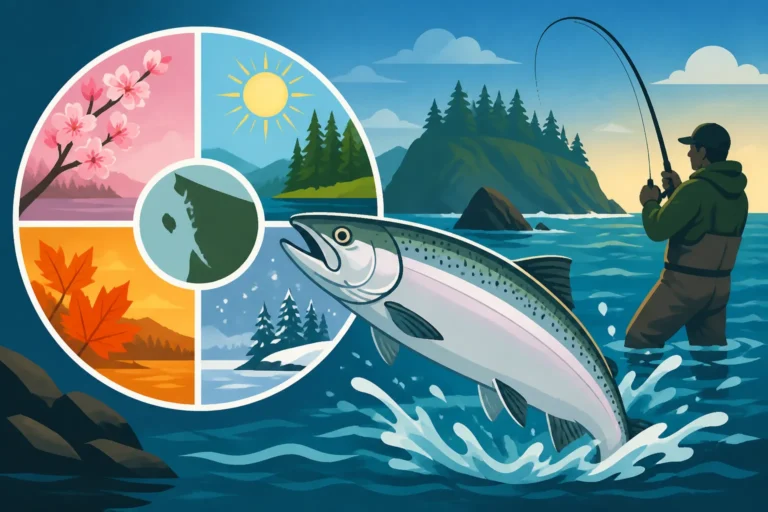
While you can technically fish Rufus Woods any month of the year, most seasoned anglers will tell you that the spring (March through May) and fall (September through November) offer the most consistent and exciting action. During spring, as water temperatures slowly begin to rise, the fish become incredibly active, shaking off the winter lethargy and feeding aggressively. This is often when you'll find them closer to the surface or around structure, making them more accessible to various techniques. The scenery during this time, with the surrounding hills turning green, is also an added bonus.
Fall fishing is equally spectacular. As air temperatures cool, the water remains relatively stable, and the trout are busy bulking up before winter. They become very opportunistic feeders, and you can often find them in predictable patterns. Even during the winter months, Rufus Woods can be a hot spot, especially on milder days. Unlike many smaller lakes that freeze over, the continuous flow of the Columbia River keeps Rufus Woods largely ice-free, providing a unique winter trout fishery. Just be prepared for colder weather and potential fog. Summer can be productive too, particularly in the mornings and evenings, but the fish often move to deeper, cooler waters during the heat of the day, requiring different tactics. Knowing these seasonal patterns will help you plan your visit for the best possible experience.
Impact of Water Flow and Weather
The operation of Chief Joseph Dam plays a monumental role in the fishing conditions on Rufus Woods Lake. Dam releases dictate the current strength, water levels, and even clarity. High flows can make trolling or anchoring challenging, pushing fish into eddies or slower currents. Conversely, very low flows can concentrate fish but might also make them more wary. Always check the hydroelectric dam generation schedule for Chief Joseph Dam before your trip; many local anglers consider this essential intel. A good resource for this is the US Army Corps of Engineers website, which often provides real-time data.
Weather also plays a significant role. Wind can be a major factor on Rufus Woods. Being a long, open reservoir, it can get incredibly windy, making boat control difficult and creating choppy conditions that are unpleasant and unsafe. Check wind forecasts religiously. Temperature influences fish activity, with mild, overcast days often being ideal. Sudden drops in temperature can put fish off the bite, while stable weather patterns generally lead to more consistent fishing. For instance, a persistent high-pressure system might make fish a bit more lethargic, whereas an approaching low-pressure front can sometimes trigger a feeding frenzy. Understanding these dynamics is part of mastering the Rufus Woods experience.
Go-To Techniques and Tackle for Trophy Triploids
Chasing trophy triploid rainbow trout in Rufus Woods Lake requires a blend of proven techniques and specialized gear. These aren't your typical pan-sized trout; they're strong, often heavy, and demand respect. Being prepared with the right approach and tackle can be the difference between a memorable fight and a missed opportunity.
Trolling Strategies
Trolling is arguably the most popular and effective method for covering water and finding the actively feeding triploids in Rufus Woods. Given the reservoir's size and current, it allows you to present your lure or bait over a wide area and at varying depths.
Many anglers employ downriggers to get their offerings down to where the fish are holding, often suspending baits just off the bottom or at specific depths where fish marks appear on the sonar. You might be interested in a closer look at downrigger trolling for deeper insight into this technique. Popular lures for trolling include flatfish plugs (like Kwikfish or FlatFish), spoons (such as Wiggle Hootchies, Apex, or Daredevle), and Brad's Super Bait Cut Plugs stuffed with scent. Varying your trolling speed is also critical; sometimes a slow, deliberate wobble is key, while other times a faster retrieve triggers a strike. Experimentation with speed and depth is often rewarded. A common strategy is to run multiple rods with different lures at varying depths until you find what the fish are hitting. Consider also using scent attractants on your lures, as the cold, clear water often found here can make fish rely heavily on their sense of smell.
Another effective trolling approach involves using planer boards or divers (like Dipsy Divers or Jet Divers) to spread out your lines and present lures away from the boat, especially when fish are wary of boat traffic. This is particularly useful in shallower areas or when targeting fish cruising the shorelines. Trolling usually works best along drop-offs, current seams, and near submerged structures where trout ambush prey.
Bank Fishing and Boat Anchoring Approaches
While trolling is dominant, don't discount bank fishing or anchoring from a boat, especially for those who prefer a more static approach or don't have a trolling setup.
For bank fishing, popular spots are often near public access points like the Grand Coulee boat launch area or around Bridgeport. The key here is casting out and letting your bait sit on or near the bottom, or suspending it using a slip bobber. PowerBait in various colors (chartreuse, rainbow, or even scent-infused garlic varieties) is a perennial favorite, often molded around a treble hook with a sliding sinker setup. Another effective bank fishing technique is marshmallows, often used in combination with a worm or PowerBait, which helps float the bait off the bottom, making it more visible to cruising trout. Just be mindful of local regulations regarding bait, as sometimes there can be nuances.
When anchoring from a boat, you gain the advantage of positioning yourself precisely over known fish-holding structures or current breaks. This allows for more targeted bait fishing or jigging. Popular choices for bait from an anchored boat include cured prawn, chunked mackerel, or even nightcrawlers. These can be fished directly on the bottom with a sliding sinker rig or suspended under a slip bobber at a specific depth. For those who enjoy a more active approach, jigging with heavily weighted spoons (e.g., Crippled Herring, P-Line Laser Minnow) or lead-head jigs tipped with plastic tails can be incredibly effective when fish are schooled up or holding tight to structure. Drop your jig to the bottom, reel up a few feet, and impart a vigorous jigging motion, pausing frequently to allow the lure to flutter down. If you're wondering, "how deep should I fish?", the principle applies here for finding those deep-water targets.
Essential Gear and Setup
Because you're targeting potentially very large and strong fish, having the right gear is non-negotiable. Using flimsy tackle will likely lead to heartbreak.
- Rods: For trolling, a medium-heavy action rod, 8.5 to 10 feet long, with a moderate bend, is ideal for handling the heavy lures and absorbing the shock of a powerful strike. For bank fishing or jigging, a medium-action rod, 7 to 8 feet, with good backbone and a sensitive tip, will serve you well.
- Reels: A sturdy baitcasting reel with a smooth, reliable drag system is preferred for trolling, allowing for easy line management and fighting big fish. For bank fishing or jigging, a good quality spinning reel in the 3000-4000 series will offer enough line capacity and cranking power.
- Line: Most anglers opt for a main line of 15 to 25-pound monofilament or braided line. If using braid, always attach a 10-15 foot leader of 10 to 15-pound fluorocarbon. Fluorocarbon's low visibility and abrasion resistance are a huge asset in the clear waters of Rufus Woods.
- Hooks: Stick with sharp, strong hooks appropriate for the size of the fish you're targeting. Treble hooks are common for plugs and spoons, while single hooks are often used for bait.
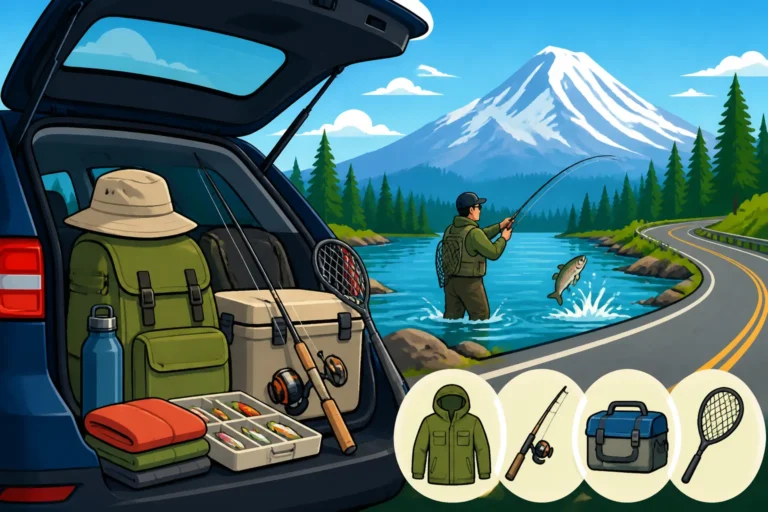
- Other Essentials: A large landing net with a rubberized mesh (to protect the fish), a pair of long-nosed pliers for hook removal, a good quality fish cooler with ice for your kept fish, and a scent applicator are all indispensable. Don't forget your fishing license and know the regulations to avoid any issues.
Here's a quick overview of popular techniques and gear:
| Technique | Best Season | Recommended Gear | Lure/Bait Examples | Depth Range |
|---|---|---|---|---|
| Trolling | Spring, Fall, Summer | Downriggers, Planer Boards, 8.5-10ft Med-Heavy Rod, Baitcasting Reel, 15-25lb Main Line, 10-15lb Fluoro Leader | Kwikfish, FlatFish, Apex, Wiggle Hootchies, Brad's Super Bait Cut Plugs | 10-60+ feet |
| Bank Fishing | Year-Round | 7-8ft Medium Rod, Spinning Reel, Sliding Sinker Rig, Slip Bobber | PowerBait (various colors), Marshmallows, Worms | Bottom to 15 ft |
| Boat Anchoring | Year-Round | 7-8ft Medium Rod, Spinning Reel, Sliding Sinker Rig, Slip Bobber, Heavy Jigs | Cured Prawn, Mackerel Chunks, Nightcrawlers, Heavy Spoons, Lead-Head Jigs | Bottom to 30 ft |
| Jigging | Year-Round | 7-8ft Medium-Heavy Rod, Spinning Reel, 15-20lb Braid, Heavy Jigs | Crippled Herring, P-Line Laser Minnow | 20-60+ feet |
Accessing Rufus Woods Lake and Local Amenities
Getting to Rufus Woods Lake and making sure you have everything you need for a successful trip is part of the adventure. While it might feel a bit off the beaten path for some, its accessibility is quite good, and there are resources available to help anglers make the most of their visit. Planning your logistics ahead of time can prevent unnecessary stress and allow you to focus on the fishing.
Public Access Points and Boat Launches
Rufus Woods Lake, being a major hydroelectric reservoir, has several well-maintained public access points, primarily designed for boat launching. The most popular and well-known is the Grand Coulee boat launch, located just below the Chief Joseph Dam. This facility offers ample parking, multiple launching lanes, and easy access to the upper reaches of the lake, which are often prime fishing grounds. It's a busy spot, especially on weekends during peak season, so arrive early if you want to avoid a wait.
Further downstream, other access points include the Bridgeport State Park boat launch, which provides access to the middle section of the reservoir. This is a great option if you're looking for slightly less crowded conditions or want to explore different stretches of the lake. There are also a few smaller, less developed access points along Highway 174 and Highway 17, but these may require four-wheel drive or be less suitable for larger boats. For bank anglers, areas around the main boat launches often provide shoreline access, though it can be rocky and steep in places. Always respect private property and designated fishing areas.
Nearby Services for Anglers
Even though Rufus Woods feels remote, you're never too far from essential services. The nearby towns of Bridgeport and Grand Coulee offer basic amenities, including gas stations, small grocery stores, and some dining options. For more extensive supplies or tackle, you might need to venture slightly further to Coulee Dam or Brewster.
For those who are new to the area or want to maximize their chances of success, hiring a local fishing guide is an excellent option. These guides know the lake intimately, understand the dam's flows, and can put you on fish quickly. They typically provide all the necessary gear, bait, and local knowledge, making it a stress-free experience. You can often find reputable guides through online platforms like FishingBooker, which lists local operations and allows you to read reviews from other anglers. A good guide can be invaluable, especially if you're looking to target "triploid rainbow trout" with precision.
Lodging options vary from simple motels in Grand Coulee or Bridgeport to RV parks and campgrounds like Bridgeport State Park, which offers overnight camping with stunning views of the lake. Booking accommodations in advance, especially during the spring and fall fishing seasons, is highly recommended as popular spots fill up quickly.
Navigating Regulations and Ethical Angling
Fishing Rufus Woods Lake for its magnificent triploid rainbow trout is an incredible experience, but like all fisheries in Washington, it comes with specific rules and ethical considerations. Understanding and adhering to these regulations is not just about avoiding fines; it's about preserving this fantastic resource for future generations of anglers. No one wants to deal with "fines and penalties", so knowing the rules upfront is key.
Key Washington Regulations for Rufus Woods
The Washington Department of Fish and Wildlife (WDFW) sets the regulations for Rufus Woods Lake, and these can sometimes differ from general statewide rules. It's absolutely crucial to consult the most current WDFW Sport Fishing Regulations pamphlet, specifically the sections pertaining to the Columbia River and its impoundments. You can find this online or pick up a physical copy at any license dealer. This pamphlet details important information such as specific daily bag limits and possession limits for trout in Rufus Woods. These limits are subject to change based on management objectives, so always verify before you go.
For example, while there are often generous limits for hatchery rainbow trout in many Washington lakes, Rufus Woods might have a specific daily limit for trout. Also, pay close attention to any size restrictions, as sometimes only trout within a certain slot limit can be retained, or there might be minimum size requirements for larger fish. Remember, these triploid rainbows are primarily hatchery-produced; if you're wondering "which lakes stock triploid rainbow trout", the stocking programs are key to maintaining this fishery. Always be aware of any gear restrictions as well, such as limitations on the number of fishing rods (unless you have a two-pole endorsement). Even if you're an experienced angler, it's always worth checking emergency rule changes before heading out.
Conservation and Responsible Practices
Catching large fish like the Rufus Woods triploids comes with a responsibility to practice ethical angling and conservation. While many anglers will keep their limit of these delicious trout, others prefer to release some of the larger specimens, especially if they are particularly robust or unique.
If you plan to catch and release, especially for those truly massive fish, it’s vital to handle them with care. Use a large, knotless, rubberized landing net to minimize damage to their fins and slime coat. Keep the fish in the water as much as possible, supporting its belly if you need to lift it for a quick photo. Avoid dragging it onto rocks or dry ground. If the fish is bleeding or deeply hooked, it's often best to keep it if it's within your legal limit, as its chances of survival upon release are diminished. Barbless hooks can also make releasing fish much easier and cause less injury.
Beyond fish handling, always adhere to basic outdoor ethics:
- Pack it in, pack it out: Leave no trace of your visit. This includes all fishing line, bait containers, and food wrappers.
- Respect other anglers: Rufus Woods can get busy. Maintain a respectful distance from other boats or bank anglers.
- Be mindful of wildlife: Rufus Woods is home to various bird species and other animals. Enjoy them from a distance.
- Report violations: If you witness illegal fishing activity, report it to WDFW. This helps protect the fishery for everyone.
By understanding the rules and committing to responsible angling, you're doing your part to ensure that Rufus Woods Lake remains a premier destination for trophy triploid rainbow trout for years to come.
Disclaimer
Fishing regulations, seasons, and conditions can change rapidly. Always consult the official Washington Department of Fish and Wildlife (WDFW) regulations and local resources before planning your fishing trip to ensure compliance and safety. This guide is for informational purposes only.