Lake Chelan, Washington for Mackinaw and Kokanee
The vast, shimmering expanse of Lake Chelan is absolutely breathtaking, but for many anglers, its sheer size and incredible depth can feel incredibly intimidating. Trying to pinpoint where the elusive Mackinaw are hiding or how to entice a school of Kokanee can feel like searching for a needle in a haystack, leaving even experienced fishermen scratching their heads. This comprehensive guide is here to demystify fishing Lake Chelan, offering proven strategies and practical advice for successfully targeting both its giant Mackinaw and abundant Kokanee salmon.
Unveiling the Depths: Lake Chelan's Unique Fishery
Lake Chelan isn't just any body of water; it's a truly remarkable geological wonder, and understanding its unique characteristics is the first step to unlocking its fishing potential. This glacial lake is the third deepest in the United States, plunging to over 1,486 feet in some spots, with an average depth that'll make your jaw drop. Its pristine, sapphire-blue waters are incredibly clear, offering fantastic visibility but also making fish exceptionally wary. These deep, cold, and oxygen-rich environments are precisely what makes it such a thriving habitat for certain cold-water species.
The Deep Blue Landscape of Chelan
Imagine a long, narrow fjord carved by ancient glaciers, stretching for over 50 miles through the heart of Washington State. That's Lake Chelan. The sheer depth means fish have an enormous amount of vertical real estate to roam, moving between different temperature zones depending on the season and time of day. This isn't a shallow, weed-choked pond; it's an inland sea where the fish can disappear into the abyss in a heartbeat. The lack of extensive shallow structure means that the fish you're targeting, especially the Mackinaw, will often relate to submerged points, humps, and abrupt drop-offs that are invisible from the surface. Finding these subtle topographical changes is absolutely critical.
What Makes Chelan Different from Other Washington Lakes
Beyond its incredible depth, Lake Chelan stands apart due to its unique species composition and the specific challenges these present. Unlike many other Washington lakes that might hold a wide variety of warm-water species, Chelan is predominantly a cold-water fishery. You're not going to find many largemouth bass or crappie here; instead, it's all about the deep-dwelling Mackinaw, the schooling Kokanee, and various species of trout like rainbow and cutthroat. The crystal-clear water also means stealth and subtlety are paramount. You can't just throw a big, noisy lure and expect results; presentations often need to be refined, lines lighter, and your boat positioning precise to avoid spooking fish in such transparent conditions. The sheer scale of the lake also means covering water effectively is key, requiring good electronics and a strategic approach.
Conquering the Mackinaw: Deep-Water Giants
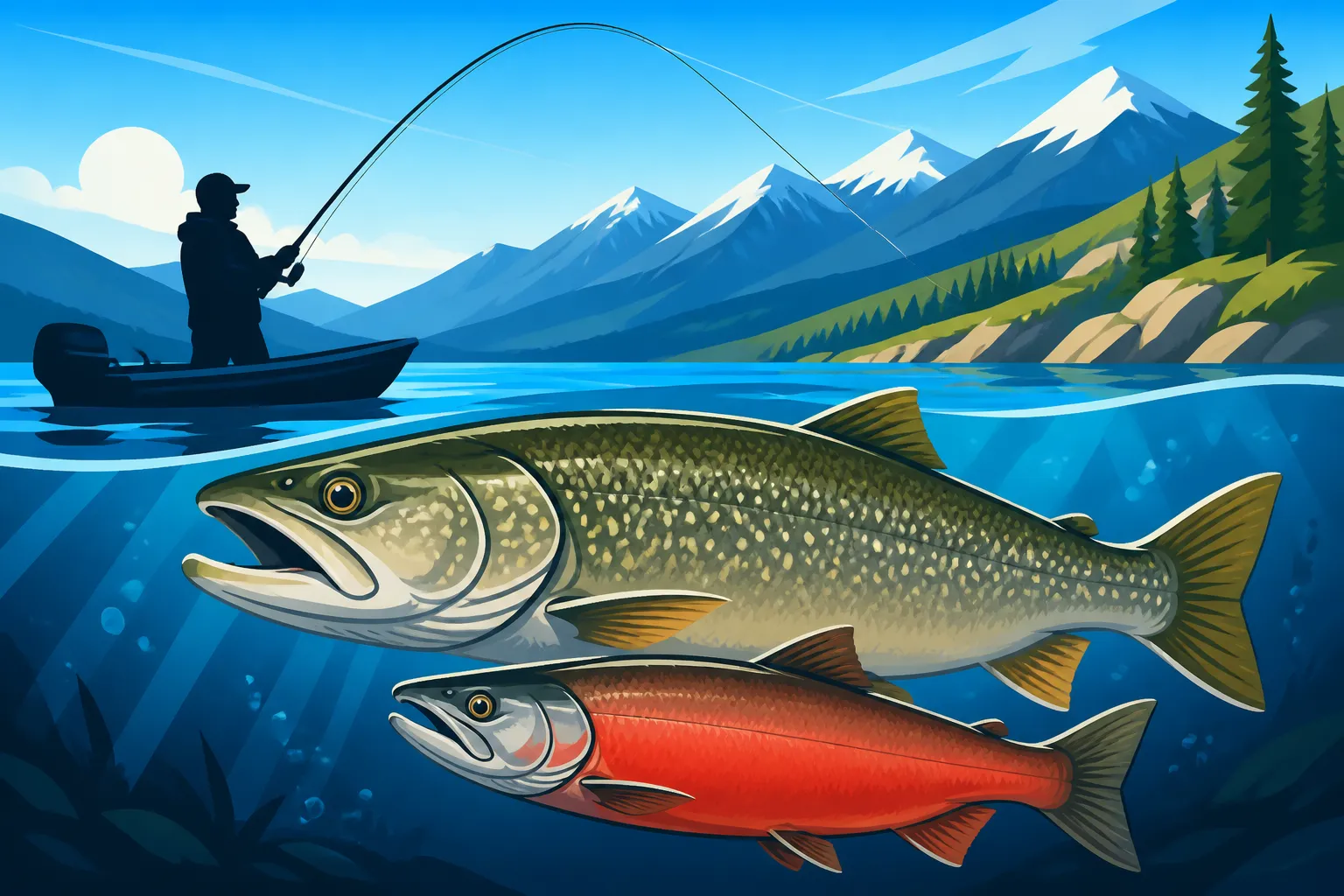
Mackinaw, also known as Lake Trout, are the undisputed kings of Lake Chelan's depths. These predatory fish can grow to impressive sizes, with fish over 20 pounds not uncommon, and they offer a truly formidable fight. However, finding and consistently catching them requires a specific set of skills and an understanding of their deep-water habits. They are primarily a winter and early spring target, but with the right techniques, they can be caught year-round.
Deep Water Tactics for Lake Trout
The biggest challenge with Mackinaw is their preference for extreme depths, often holding anywhere from 100 to 400 feet down, sometimes even deeper. This immediately rules out most conventional shallow-water techniques. The primary methods for targeting Chelan Mackinaw involve controlled trolling or vertical jigging.
- Downrigger Trolling: This is arguably the most effective way to cover water and present lures at precise depths. You'll need sturdy downriggers capable of handling heavy weights (10-15 lbs usually) to keep your lines deep. Speed is crucial; often a slow troll around 1-2.5 mph is ideal, mimicking the movement of forage fish. You'll want to run multiple lines at varying depths to find the active zone. Pay close attention to your fish finder; seeing bait balls or arches around structure indicates a prime area.
- Vertical Jigging: For more precise targeting of marked fish or specific submerged structures, vertical jigging can be incredibly deadly. Using heavy jigs (2-6 ounces) tipped with cut bait (like herring or Kokanee fillets) or large plastic swimbaits, you drop straight down to the desired depth. The retrieve is a methodical lift-and-drop, mimicking a wounded baitfish. This technique requires patience and a good feel for what's happening hundreds of feet below the surface. Many anglers find this method particularly rewarding when they can mark a "stack" of Mackinaw on their sonar and drop a jig right into their midst.
Preferred Baits and Lures for Mackinaw
Mackinaw are opportunistic predators, but they do have their favorites. When targeting these big fish, think "big bait, big fish."
- Large Plugs and Stickbaits: Brands like Apex, Kwikfish, or Rapala magnum lures in natural baitfish patterns (silver, blue, green) or bright, contrasting colors (fire tiger, chartreuse) are highly effective when trolled. Sizes ranging from 4 to 7 inches are common. The action of these plugs, combined with their ability to dive or be presented via downriggers, makes them irresistible.
- Spoons: Heavy trolling spoons, often in metallic finishes (silver, brass, copper) or glow-in-the-dark patterns, are another go-to. They flutter and dart seductively as they're pulled through the water. Try experimenting with different sizes and colors until you find what the fish are hitting on a given day.
- Cut Bait: As mentioned, cut bait is a Mackinaw magnet, especially when jigged. Herring, smelt, or even strips of Kokanee (where legal and not part of your daily limit) are excellent choices. Rigging them on a lead head jig or a bait harness ensures a natural presentation. The scent trail from cut bait can be incredibly effective in attracting fish from a distance, particularly in the deep, dark waters where visual cues are limited.
- Large Soft Plastics: Swimbaits, grub tails, or tube jigs ranging from 4 to 8 inches can also be very productive, especially in vibrant colors that stand out in the low light of the depths. These are often fished on heavy jig heads.
Don't forget to check the latest "Washington Fishing Regulations Every Angler Should Know" before heading out, as rules for bait and gear can vary.
Chasing Kokanee Salmon: The Silver Jewels
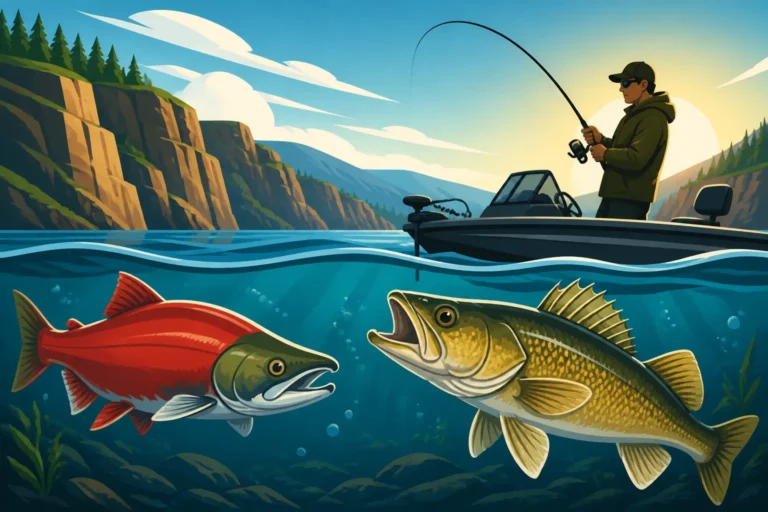
While Mackinaw are the deep-water brutes, Kokanee salmon are the shimmering, fast-biting jewels of Lake Chelan. These landlocked sockeye salmon are incredibly popular, offering consistent action and delicious table fare. They are schooling fish, typically found in the upper water column or suspended over deep water, making them a completely different challenge than their Mackinaw cousins.
Finding the Schools
Kokanee are pelagic, meaning they live in the open water rather than near the bottom. Your fish finder becomes your best friend when searching for these schools. Look for dense clouds of baitfish or distinct arches suspended anywhere from 20 to 80 feet down, often over depths much greater than that. They tend to follow temperature breaks and concentrations of zooplankton, their primary food source.
- Summer Patterns: During the warmer months, Kokanee will often suspend deeper as they seek cooler water, but still above the Mackinaw zone. They can be found spread out in the main basin.
- Spring and Fall Patterns: In spring and fall, as water temperatures are more uniform, they might be shallower, making them easier to target. They'll also begin to school up more tightly as they approach their spawning cycle.
- Areas to Focus: Focus your search in the wider, lower sections of Lake Chelan, particularly around Mill Bay, Wapato Point, and the areas leading towards the lower basin. These open water stretches provide the vast feeding grounds that Kokanee prefer. Once you find a school, make note of the depth and surrounding conditions, as Kokanee often school by size and age class, and they’ll likely be in similar areas. Remember that "Can a Fish Finder Help You Locate Kokanee?" is an emphatic yes!
Light Tackle and Subtle Presentations
Kokanee are known for their delicate bite and often require specialized light tackle. Their mouths are soft, so a gentle hand is needed to avoid tearing the hook out.
- Trolling with Dodgers and Flashers: This is the most popular and effective method. A dodger or flasher is attached to your main line, followed by a short leader (8-24 inches) to a small lure. The dodger or flasher creates an erratic swimming action and flash that attracts Kokanee, while the lure provides the strike target. Different sizes and colors of dodgers/flashers can be critical depending on light conditions and fish preference.
- Small Lures: Think small and bright for Kokanee. Popular choices include:
- Wedding Rings: These classic lures are spinner-and-bead combos, often tipped with a kernel of shoepeg corn. The corn adds scent and texture, making the lure even more enticing. There are many colors to experiment with; sometimes a simple silver or brass is best, other times bright pink or chartreuse. For a deeper dive, check out "Trolling Wedding Rings for Kokanee".
- Small Spoons: Tiny trolling spoons (1-2 inches) with a subtle wobble are also very effective. Again, silver, pink, and chartreuse are popular colors.
- Tiny Hoochies/Squids: These small plastic skirts in bright colors can be deadly, especially when paired with a dodger.
- Scent: Kokanee rely heavily on their sense of smell. Always tip your lures with a kernel of shoepeg corn, and often, anglers will soak the corn in a special Kokanee attractant or even tuna oil to enhance its appeal. The goal is to leave a subtle scent trail in the water as you troll.
To control depth for Kokanee, you'll typically use downriggers or leaded lines. Using downriggers allows you to present your lures at the exact depth where you’re marking fish. For those looking for more detail on depth, see "How Deep to Troll for Summer Kokanee" or "Downrigging for Deep Kokanee in Summer". Remember, Kokanee are often sensitive to boat traffic, so maintaining a consistent speed and avoiding sharp turns can improve your success.
Prime Times and Seasonal Strategies for Chelan
Understanding the seasonal movements and feeding patterns of both Mackinaw and Kokanee is paramount to planning a successful trip to Lake Chelan. While the lake offers fishing opportunities year-round, certain seasons shine brighter for specific species.
Spring and Early Summer Bites
Spring (April-June) is a fantastic time for both Mackinaw and Kokanee on Lake Chelan. As the ice melts and water temperatures begin to rise, fish become more active.
- Spring Mackinaw: In early spring, Mackinaw might be found slightly shallower than their typical mid-summer depths, especially in the upper reaches of the lake or near major tributaries as they follow baitfish. Trolling large plugs or spoons just off structure in the 50-150 foot range can be very effective. As spring progresses and water warms, they'll start to descend into their deeper haunts.
- Spring Kokanee: Kokanee fishing really picks up in late spring and early summer. The fish are actively feeding and growing. Look for them suspended in the top 100 feet, often around 30-60 feet, in the wider parts of the lake. This is a prime time for trolling with dodgers and wedding rings. The fish are often more aggressive and less picky about lure color during this period.
- Early Summer Transition: As summer truly settles in (July), Kokanee will push deeper, often into the 60-100 foot range to find cooler water. Mackinaw will be firmly in their deep-water domain. This is when precise downrigger work becomes even more critical.
Fall and Winter Opportunities
Don't hang up your fishing gear once summer ends; Lake Chelan offers some incredible fall and winter fishing, especially for the trophy Mackinaw.
- Fall Mackinaw: Fall (September-November) is perhaps the best time for trophy Mackinaw. As water temperatures cool and they approach their spawning period, these big lake trout become incredibly active and aggressive. They might move into shallower depths (relatively speaking, still 100-200 feet) near traditional spawning grounds, which can offer some incredible jigging opportunities. This is when anglers truly target those "fish of a lifetime." The cooler weather means less boat traffic and a more serene experience, though you'll need to bundle up!
- Winter Mackinaw: Even in the dead of winter (December-March), Mackinaw can be caught. They will be at their deepest, often 200-400 feet, but they are still feeding. Patience and perseverance are key, along with reliable electronics and warm gear. Ice fishing is generally not an option on Lake Chelan due to its depth and consistent currents, but boat fishing continues year-round.
- Fall Kokanee: As fall progresses, Kokanee will also undergo their spawning ritual. They will congregate and darken in color, and many anglers will still target them, though their table quality can decline as they near spawning. Catch-and-release is often practiced for these darker fish. Always check the "Washington Fishing Seasons: A Month-by-Month Guide" for specific dates and regulations.
Essential Gear, Electronics, and Planning Your Chelan Trip
Fishing Lake Chelan, especially for its deep-dwelling inhabitants, isn't something you can do with just any old rod and reel. It requires specialized equipment and a thoughtful approach to planning.
The Right Tools for the Job
To be truly successful on Lake Chelan, you'll want to ensure you have the appropriate gear for the species you're targeting.
- Rods and Reels:
- Mackinaw: For Mackinaw, you'll need heavy-duty trolling rods, typically 7-9 feet in length with a medium-heavy to heavy action, capable of handling large lures and heavy weights. Pair these with conventional trolling reels (like level-wind baitcasters) spooled with 25-40 lb monofilament or braided line with a fluorocarbon leader. A line counter reel is a massive advantage for precise depth control. For jigging, a stout 6.5-7.5 foot heavy-action jigging rod paired with a high-quality conventional or spinning reel spooled with 30-50 lb braid will allow you to feel those deep bites.
- Kokanee: For Kokanee, think lighter. Ultra-light to light-action trolling rods, often 7-9 feet, with a soft tip are ideal to handle their delicate bite and soft mouths. Match these with small, smooth spinning reels or light baitcasting reels, spooled with 8-12 lb monofilament or light braid. Again, line counter reels are invaluable for repeatable depth.
- Downriggers: These are non-negotiable for serious deep-water trolling on Chelan. You'll want at least two, preferably electric, capable of reaching 100-300+ feet with ease. Manual downriggers work, but can be a workout!
- Tackle Box Essentials: Beyond the lures and baits mentioned earlier, include spare dodgers, flashers, leaders (fluorocarbon is preferred for its invisibility), swivels, and a good selection of sinkers. A long-handled net is also critical for landing those big Mackinaw.
Leveraging Technology and Local Knowledge
On a lake as vast and deep as Chelan, technology isn't a luxury; it's a necessity.
- Fish Finders/Sonar: A high-quality fish finder with a powerful transducer is your window into the underwater world. Look for units with CHIRP sonar, side imaging, or down imaging capabilities to help you identify structure, bait balls, and individual fish at extreme depths. Learning to interpret these readings is a skill in itself, but it will dramatically improve your success rate. Pay attention to temperature graphs if your unit has one, as fish often relate to thermoclines.
- GPS/Chartplotters: A reliable GPS unit with detailed lake maps is essential for marking hotspots, identifying submerged structure, and navigating safely. You can mark areas where you've found fish or bait, or potential hazards. Most modern fish finders integrate GPS functionality.
- Electric Trolling Motor: While not strictly essential for main lake trolling, an electric bow-mount trolling motor with GPS "spot-lock" or "anchor" feature can be a game-changer for precise boat positioning when jigging a specific piece of structure or holding over a school of Kokanee.
- Hiring a Guide: If you're new to Lake Chelan or deep-water fishing, honestly, the best investment you can make is hiring a local guide. They have the boats, the gear, the electronics, and most importantly, the hard-earned local knowledge to put you on fish quickly. They know the current patterns, the hot baits, and the exact depths. Websites like FishingBooker can be an excellent resource for finding reputable Lake Chelan fishing guides, offering reviews and easy booking options. A guide can save you years of trial and error and get you catching fish on your first trip. Many guides also offer insights into "How to Book a Fishing Charter in Washington" generally. Even if you're experienced, a trip with a guide can be invaluable.
- Local Bait Shops and Online Forums: Never underestimate the power of local intelligence. Pop into a bait shop in Chelan or Manson; the folks working there are often anglers themselves and can provide up-to-date information on what's biting, where, and with what. Online fishing forums dedicated to Washington fishing are also great places to glean tips and reports.
| Species | Preferred Depth (Typical) | Primary Method | Recommended Lure/Bait | Key Gear | Best Season |
|---|---|---|---|---|---|
| Mackinaw | 100 – 400+ feet | Downrigger Trolling, Jigging | Large Plugs, Spoons, Cut Bait (Herring), Large Plastics | Heavy Trolling Rods, Line Counter Reels, Downriggers, Heavy Jigs | Fall, Winter, Early Spring |
| Kokanee | 20 – 100 feet (suspended) | Downrigger Trolling | Wedding Rings (tipped with corn), Small Spoons, Hoochies | Light Trolling Rods, Line Counter Reels, Downriggers, Dodgers/Flashers | Spring, Summer (early) |
Regulations and Responsible Angling on Lake Chelan
As with any fishery in Washington, understanding and adhering to the Washington Department of Fish and Wildlife (WDFW) regulations is not just important – it’s mandatory. Lake Chelan, with its unique species and deep environment, often has specific rules that differ from other lakes.
Understanding WDFW Rules for Lake Chelan
Before you even launch your boat, make sure your license is current and you understand the specific rules for Lake Chelan. You can easily purchase "Washington's Annual, Short-Term and Combination License Options" online or at many local vendors.
- Species-Specific Limits: Mackinaw (Lake Trout) often have different daily limits and minimum/maximum size restrictions than Kokanee or other trout species. For instance, sometimes there are slot limits for Mackinaw, meaning you can keep fish within a certain size range but must release those that are too small or too large. Kokanee often have generous daily limits, but these can change. Always consult the current WDFW Sport Fishing Rules pamphlet, specifically for the Northcentral District or statewide general rules.
- Gear Restrictions: While Lake Chelan generally allows for conventional tackle, always double-check for any specific gear restrictions, such as hook type (barbless requirements are rare in Chelan's deep water but always possible) or bait rules. The use of multiple rods requires a "Two-Pole Endorsement in Washington, Explained".
- Catch Reporting: For certain species, like salmon and steelhead, a Catch Record Card is required. While Kokanee are technically salmon, they are often exempt from the CRC in landlocked lakes. However, if you venture to target other salmonids or encounter special regulations, be aware of what the "The Washington Catch Record Card and What It Requires" entails.
- Emergency Rule Changes: Fishing regulations are not static! WDFW can implement emergency rule changes mid-season due to conservation concerns or unexpected fish returns. Always check the WDFW website for any updates right before your trip. "Emergency Rule Changes: Why Washington's Rules Shift Mid-Season" explains why this happens.
Respecting the Resource and the Environment
Fishing responsibly goes beyond just following the rules; it’s about ensuring the health and sustainability of this incredible fishery for generations to come.
- Handling Deep-Water Fish: When catching Mackinaw from extreme depths, they can suffer from barotrauma (the "bends") due to the rapid pressure change. If you plan to release a fish caught from very deep water, consider using a descending device to help it re-pressurize and survive. Even if you don't keep the fish, proper handling to minimize stress is crucial.
- Minimizing Waste: If you are keeping fish, process them respectfully and ensure no edible meat is wasted.
- Pack It In, Pack It Out: Practice Leave No Trace principles. Take all your trash with you, and perhaps even a little extra. The pristine beauty of Lake Chelan is part of its allure, and it’s up to all of us to keep it that way.
- Support Conservation: Consider supporting organizations dedicated to the conservation of Washington's fisheries. Your license fees directly contribute to WDFW's management efforts, but additional support helps ensure robust fish populations and healthy habitats. For anglers looking to expand their knowledge, resources like FishingBooker often share information on sustainable fishing practices and local regulations, connecting you with guides who prioritize ethical angling.
Fishing Lake Chelan for Mackinaw and Kokanee is an immensely rewarding experience, blending breathtaking scenery with the thrill of pursuing magnificent fish. With the right preparation, knowledge, and a respectful approach, you're well on your way to creating unforgettable memories on this gem of a Washington lake.
Disclaimer
Please remember that fishing regulations, seasons, and limits are subject to change by the Washington Department of Fish and Wildlife (WDFW). Always consult the most current WDFW regulations pamphlet or their official website before heading out on any fishing trip. This guide is for informational purposes only and does not supersede official regulations.