Yakima River Fly Fishing for Wild Trout in Washington
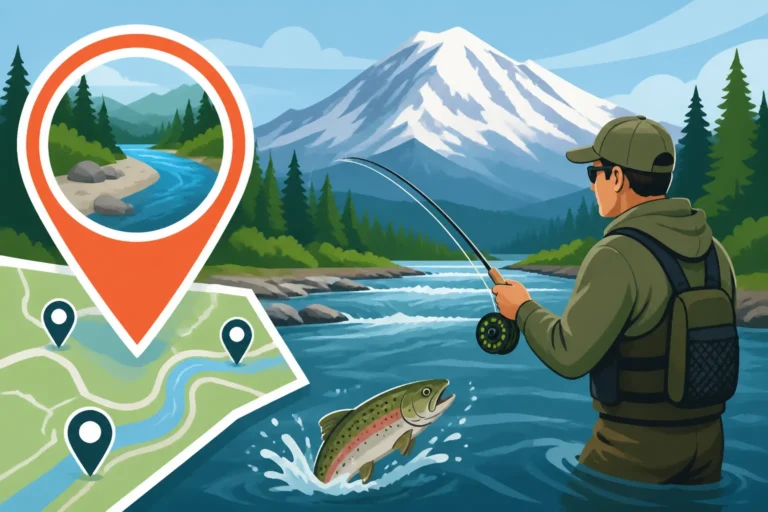
There's nothing quite like the dream of casting a line on a pristine river, hoping to tempt a wily wild trout, but the reality of finding a truly accessible and productive spot in Washington can often feel overwhelming. Many anglers struggle to pinpoint rivers that consistently deliver quality wild trout experiences without requiring an expensive guided trip every time. This comprehensive guide is here to unravel the mysteries of fly fishing for wild trout on Washington's iconic Yakima River, offering practical advice and in-depth insights to help you plan a successful and rewarding adventure.
Why the Yakima River Stands Out for Wild Trout Fly Fishing
The Yakima River holds a special place in the hearts of Washington fly anglers, and for good reason. It’s a remarkable fishery that offers a consistently high-quality experience, something that can be hard to come by in other parts of the state. It’s not just about catching fish; it’s about the entire experience on a truly wild, vibrant river.
Unique "Blue Ribbon" Designation
What makes the Yakima truly stand out is its "Blue Ribbon" designation. This isn't just a catchy phrase; it's an official recognition by the state for its exceptional wild trout fishery. When a river earns this status, it means it boasts a healthy population of wild, reproducing trout, excellent water quality, and prime habitat. For us anglers, it translates to incredible opportunities to connect with strong, vibrant fish in a beautiful setting. This designation also implies a commitment to strict management practices that protect these precious resources, ensuring that the Yakima remains a premier destination for future generations. Unlike many rivers that rely heavily on hatchery releases, the Yakima’s strength lies in its self-sustaining wild populations.
Predominant Wild Trout Species
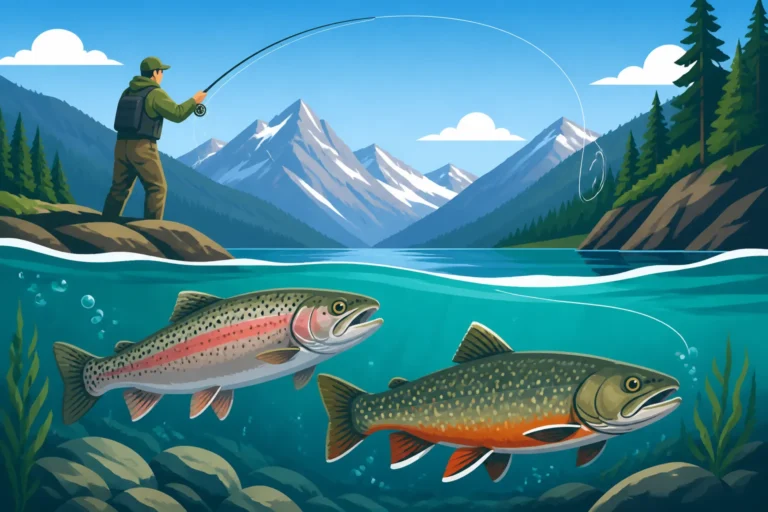
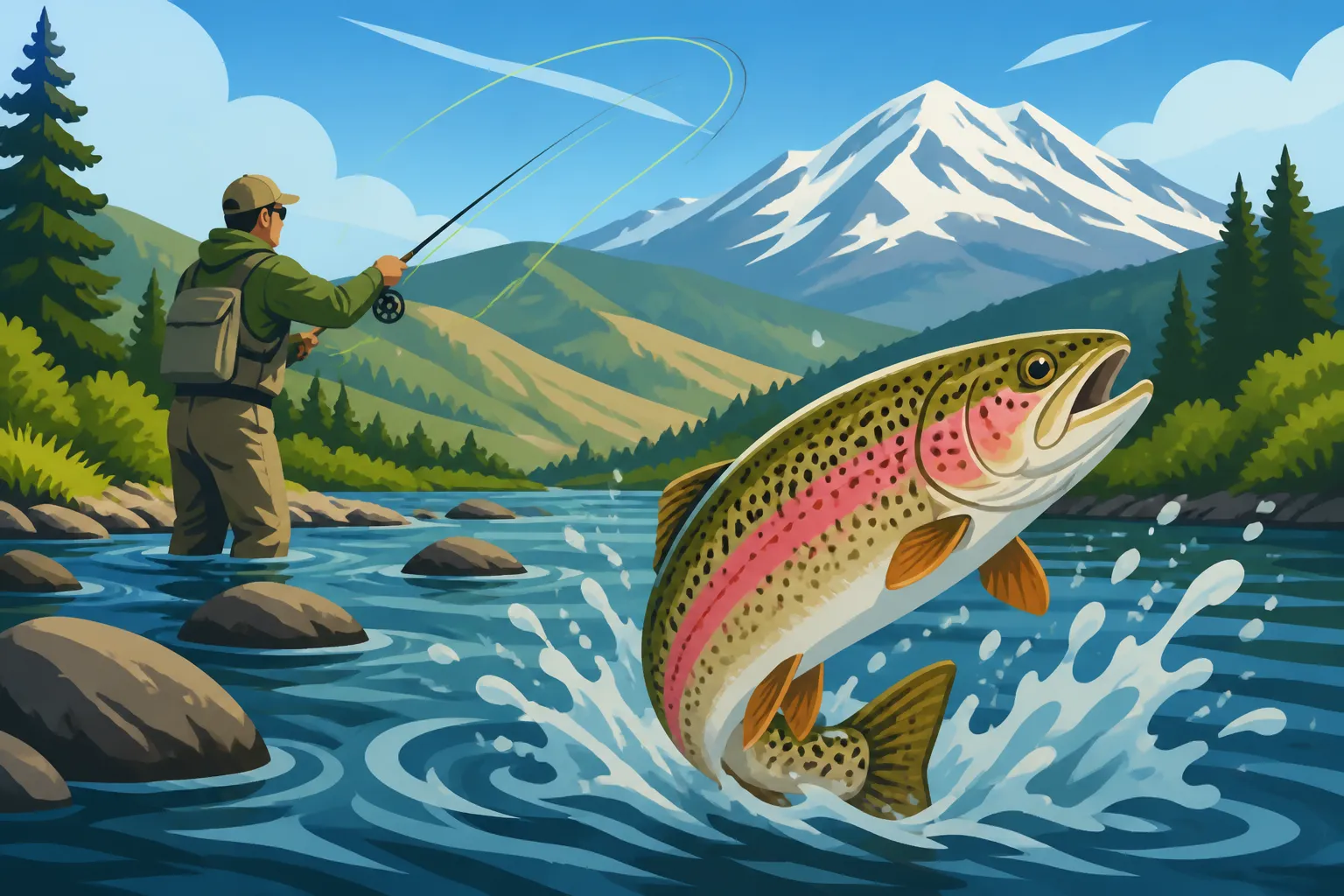
When you hit the Yakima, you’re primarily targeting wild rainbow trout. These aren't your typical hatchery-raised stockers; these are feisty, intelligent fish that have adapted to their natural environment, making them a challenging and rewarding quarry on a fly rod. You’ll often find them ranging from 12 to 20 inches, with some absolute trophies exceeding that mark. Beyond rainbows, you might also encounter resident cutthroat trout, particularly in the river's upper reaches or tributary mouths, adding a nice variety to your catch. While rainbow trout are the dominant species, the presence of various insect hatches and abundant forage allows them to grow large and robust, often displaying stunning colors and incredible fighting spirit. Their wild nature means they are keenly attuned to their environment, demanding a thoughtful approach and presentation from the angler.
Year-Round Fishing Opportunities
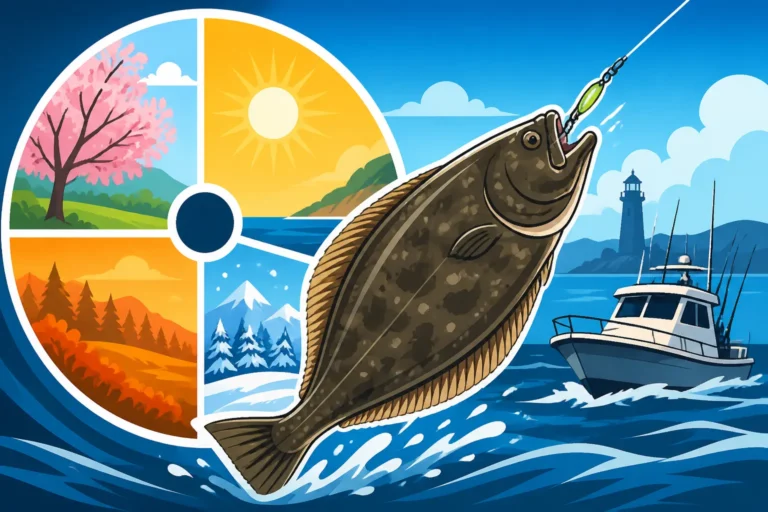
One of the most incredible aspects of the Yakima River is its year-round fishability, a rarity for many Western rivers, especially for trout. While other streams might freeze solid or become un-fishable due to high flows, the Yakima’s unique dam-controlled system helps regulate water levels and temperatures, keeping it viable even in the depths of winter. Each season brings its own set of challenges and rewards, from the explosive dry fly action of summer to the subtle, technical nymphing of winter. This means that no matter when the angling itch strikes, the Yakima is usually a reliable option. Of course, understanding the nuances of Washington Fishing Seasons: A Month-by-Month Guide will definitely improve your chances, as different times of year favor different techniques and specific stretches of the river.
Understanding the Yakima River's Ecosystem and Regulations
Fishing a river like the Yakima isn't just about casting; it's about understanding the intricate web of its ecosystem and respecting the specific rules designed to protect it. Ignoring these vital details can not only lead to frustration but also potential penalties.
Water Flows and Their Impact
The Yakima River is a tailwater fishery, meaning its flows are largely controlled by a series of dams, notably Keechelus, Kachess, Cle Elum, and Easton. These dams release water for irrigation, which significantly impacts the river's character throughout the year. High flows in late spring and early summer, driven by snowmelt and irrigation demands, can make certain sections difficult to wade or even dangerous. Conversely, lower flows in fall and winter expose more riverbed and create clearer, more intimate fishing conditions. Always check the flow rates (measured in cubic feet per second, or CFS) before you head out. Websites like American Whitewater or local fly shop reports are invaluable for this. Knowing the current flows will dictate where you can safely wade, what techniques will be most effective, and even what sections of the river are most productive. Changes in flow can dramatically shift where trout hold, so staying informed is key.
Crucial Catch-and-Release Rules
The wild trout fishery on the Yakima thrives because of strict catch-and-release regulations. For the vast majority of the river, especially the most popular trout-fishing stretches, all wild rainbow trout must be released unharmed. This is a non-negotiable rule that every angler must adhere to. The goal is to maintain the health and viability of the wild population, ensuring that these incredible fish can continue to reproduce and sustain the fishery. It’s not just about throwing the fish back; it’s about doing it quickly and carefully, minimizing stress to the fish. Barbless hooks are also typically required, which makes releasing fish much easier and less damaging. This commitment to conservation is what keeps the Yakima a "Blue Ribbon" fishery. You can find more specific details on state-wide rules in resources like Understanding Washington's Daily Bag Limits by Species and the broader Washington Fishing Regulations Every Angler Should Know.
Special Gear Restrictions
Beyond catch-and-release, the Yakima also has specific gear restrictions designed to protect its wild trout. Primarily, this means artificial lures and flies only, with bait strictly prohibited in most trout-designated sections. This is a common rule on many premier trout waters and is often associated with the What a Bait Ban Actually Restricts in Washington. Additionally, single, barbless hooks are generally mandated for all fishing. The barbless requirement is crucial for the health of released fish, allowing for quick and clean removal. While some areas may permit bait for other species, always consult the current Washington Sport Fishing Regulations Pamphlet for the specific section of the Yakima you plan to fish. These regulations are subject to change, so checking annually is a must to avoid any misunderstandings or violations.
Essential Gear and Techniques for Yakima Fly Fishing
Approaching the Yakima with the right mindset and the right tools can make all the difference between a frustrating day and a memorable one. It's not about having the most expensive gear, but rather the most appropriate.
Rod, Reel, and Line Selection
For general trout fishing on the Yakima, a 9-foot, 5-weight fly rod is widely considered the workhorse. This setup offers a versatile balance of power and finesse, capable of handling everything from small dry flies to heavier nymph rigs. If you're primarily focused on smaller streams or incredibly delicate presentations, a 4-weight might be suitable, while for throwing large streamers or fishing during high flows, a 6-weight can provide more backbone. Pair your rod with a reliable reel that has a smooth drag system and a good quality weight-forward floating fly line. A floating line is essential for most dry fly and nymphing applications. Consider carrying a spare spool with an intermediate or sinking tip line if you plan on throwing streamers, particularly when targeting deeper pools or faster currents. Don't forget a sturdy leader (9-12 feet, 4x-5x for most situations) and an assortment of fluorocarbon tippet sizes (3x-6x) to match your fly choice and conditions.
Key Fly Patterns and Presentations
The Yakima is known for its prolific insect hatches, and matching the hatch is often key to success. Your fly box should be well-stocked with a variety of patterns across different insect categories. For dry flies, think Caddis (Elk Hair Caddis, X-Caddis in various sizes), Mayflies (Parachute Adams, Blue Winged Olives, PMDs), and larger Stoneflies (Skwala, Salmonfly imitations) in season. When the fish aren't looking up, nymphing becomes paramount. Perdigons, Frenchies, Pheasant Tails, Hare’s Ears, and Pat’s Rubber Legs are all excellent choices. Don't overlook attractor nymphs like Copper Johns or Prince Nymphs. Sometimes the fish prefer a larger meal, so having some streamers like Woolly Buggers (black, olive, white) or sculpin imitations can be deadly, especially during higher flows or when targeting bigger fish. Remember, it's not just the fly, but how you present it. A drag-free drift is often the most important factor in fooling a finicky wild trout. For more targeted techniques, exploring specific articles like Nymphing for Trout on Washington's Yakima River or Dry Fly Fishing Washington's Rivers can provide deeper insights.
Reading the Water and Approach
Successfully fly fishing the Yakima requires a keen eye for "reading the water" and a stealthy approach. Trout, especially wild ones, are highly attuned to their surroundings. Look for changes in current, seams where fast and slow water meet, riffles, eddies, and submerged structure like rocks and logs – these are prime holding lies. Don't just cast blindly; observe. Are fish rising? Are there insects hatching? How is the current flowing? Your approach to the river is equally important. Wade slowly and deliberately, disturbing the water as little as possible. Often, the biggest fish are holding close to the bank or in shallow, unsuspecting spots. A low profile, quiet movements, and casting from a distance will significantly increase your chances. Think about how the light hits the water, avoiding casting your shadow over potential holding water. Understanding how to read the water effectively is a skill that develops over time, but mindful practice on the Yakima will pay huge dividends.
Seasonal Strategies for Targeting Yakima River Trout
The Yakima River truly offers something special every season, but each period demands a different approach. Understanding these seasonal shifts is crucial for consistent success.
Spring: Skwala and March Brown Hatch
Spring on the Yakima, typically from March through May, is a time of awakening and some of the most exciting dry fly fishing of the year. The initial draw is often the Skwala stonefly hatch, a large, juicy meal that brings big fish to the surface. Look for these large, dark stoneflies crawling on riverside rocks and banks. Following closely are the March Brown mayflies, offering another fantastic dry fly opportunity. As the spring progresses, you'll also start to see early caddis and Blue Winged Olive (BWO) hatches. The key during spring can be variable flows; snowmelt often means rising water levels and some turbidity, which can push fish to the banks and require heavier nymph rigs. However, when the water clears and the hatches are strong, the dry fly action can be incredible. Focus on fishing slower seams, eddy lines, and bank structure where fish can conserve energy and pick off insects.
Summer: Caddis, PMDs, and Terrestrials
Summer, from June through September, offers the most diverse and abundant hatches on the Yakima. Caddis are a constant presence, often providing evening rises that can last well into dusk. Pale Morning Dun (PMD) mayflies are another significant hatch, usually occurring in the late morning and early afternoon. But what truly makes summer special is the terrestrial fishing. Hoppers, ants, and beetles become significant food sources, especially on sunny, breezy days when they are blown into the water. Fishing large foam hoppers along grassy banks can be incredibly exhilarating, eliciting aggressive takes from hungry trout. During hotter days, consider fishing early mornings and late evenings for surface action, and focus on nymphing or streamer fishing deeper, cooler pools during the brighter midday hours. The consistent flows for irrigation purposes during summer generally keep the river at fishable levels, but can also mean more recreational floaters, so plan accordingly.
Fall: Baetis and Spawners
As the days shorten and the air cools, the Yakima transitions into a stunning fall fishery (October through November). The primary hatch is often the Baetis (Blue Winged Olive) mayfly, which can bring impressive numbers of trout to the surface, especially on overcast or rainy days. These tiny insects require delicate presentations and fine tippets, but the rewards are well worth the effort. Fall is also when many of the trout begin their spawning rituals. While it's tempting to target these larger, often brightly colored fish, it's crucial to avoid disturbing spawning fish on their redds (spawning beds). Targeting actively spawning fish is generally frowned upon and can be detrimental to the future of the wild trout population. Instead, focus on fish holding in deeper pools or feeding in runs below spawning areas, looking for easy meals. The vivid fall foliage surrounding the river makes this a particularly beautiful time to be on the water.
Winter: Midges and Nymphing
Don't hang up your waders just because winter arrives (December through February). The Yakima provides fantastic cold-weather fly fishing, primarily focused on nymphing. While hatches are sparse, midges are almost always present, and often a key food source. Small midge larvae and pupae patterns, fished in tandem with a larger attractor nymph or an egg pattern, can be incredibly effective. Fish tend to congregate in deeper, slower pools and runs during winter, conserving energy. Focus your efforts on these areas, using sensitive strike indicators and ensuring your nymphs are getting down to the fish. Stealth is paramount in the clear, low flows often seen in winter. A slow, methodical approach and keen attention to detail will produce results. This is also a great time to explore specialized techniques for colder water, as highlighted in guides on Fly Fishing Techniques for Winter Steelhead in Washington, many principles of which apply to trout.
| Season | Primary Hatches/Food Sources | Key Techniques | Best Fly Types | Notes |
|---|---|---|---|---|
| Spring | Skwala, March Brown, Caddis, BWO | Dry Fly, Nymphing | Stonefly Nymphs, Elk Hair Caddis, Pheasant Tail, March Brown Dries | Variable flows, watch for clarity. |
| Summer | Caddis, PMDs, Terrestrials (Hoppers, Ants) | Dry Fly, Nymphing | Parachute Adams, X-Caddis, Foam Hoppers, PMD Dries, Copper John | Mornings/evenings best for dries. |
| Fall | Baetis (BWO), Caddis | Nymphing, Dry Fly (small) | BWO Nymphs & Dries, Egg Patterns, Perdigons | Avoid spawning fish. |
| Winter | Midges, Stonefly Nymphs | Nymphing (primarily) | Zebra Midges, Two-Bit Hooker, Pat's Rubber Legs, Scuds | Fish deeper, slower water. |
Finding Your Perfect Spot: Access and Considerations
The Yakima River offers a variety of access points, from easily accessible public lands to more remote sections. Knowing where to go and how to respect the river is crucial.
Popular Access Points and WDFW Lands
The Yakima River stretches for many miles, offering a plethora of public access points, many managed by the Washington Department of Fish and Wildlife (WDFW). Popular spots include the Ringer Loop area, known for its mix of riffles, runs, and pools, and the sections around the towns of Cle Elum, Thorp, and Ellensburg. Further downstream, areas near the Canyon River Ranch or Red's Fly Shop are well-known and often have good public access. Many of these WDFW sites offer parking and often designated put-in/take-out points for drift boats. Always look for WDFW signs, which will delineate public access and often provide information on specific regulations for that section. These publicly accessible areas are fantastic for those looking to wade fish, and many offer excellent opportunities without needing a boat. A little research on Where Fly Anglers Fish the Yakima River can help narrow down your choice based on current conditions.
Guided Trips vs. DIY Exploration
Deciding between a guided trip and a do-it-yourself exploration depends on your experience level, budget, and desired outcome. If you're new to the Yakima, a guided trip can be an invaluable investment. Local guides possess intimate knowledge of the river, including current hot spots, active hatches, and the most effective techniques. They also provide all the necessary gear and often drift boats, allowing you to cover significant water efficiently. Outfitters like Red's Fly Shop or Troutwater Fly Shop are reputable choices. For those comfortable with reading water and navigating new environments, DIY exploration can be incredibly rewarding. It offers the freedom to explore at your own pace and discover hidden gems. However, it requires more preparation, including studying maps, checking flow conditions, and understanding access points. For those considering a guided experience, a resource like Booking a Guide for the Yakima River in Washington can provide excellent insights into what to expect and how to choose the right professional. Even if you don't book a guide, talking to local fly shop staff is almost like a mini-guide trip for free.
Respecting Private Property
While there's ample public access, many sections of the Yakima River flow through private land. It is absolutely crucial to respect these private property boundaries. Always be mindful of "No Trespassing" signs and avoid accessing the river through private land without explicit permission from the landowner. Most public access points are clearly marked, and once you are legally in the river, you are generally allowed to wade within the high-water mark. However, stepping onto private banks or crossing private land to access the river is illegal and can lead to confrontation and even legal trouble. Utilizing resources like the MyWDFW app or detailed fishing maps can help you identify public easements and avoid unintentional trespassing. Being a respectful angler ensures continued access for everyone and maintains good relationships with local landowners.
Planning Your Trip: Logistics and Local Resources
A successful fly fishing trip to the Yakima isn't just about the time on the water; it's also about solid preparation and tapping into local knowledge.
Choosing Accommodations and Amenities
The Yakima River flows through several towns that offer a range of accommodation options. Ellensburg is a popular choice, offering hotels, motels, and various dining experiences. Cle Elum and Thorp are closer to the upper and middle sections of the river, with options ranging from cabins and vacation rentals to more rustic lodges. If you’re looking for a more secluded experience, there are also campgrounds available, especially in the surrounding national forests. When choosing accommodations, consider proximity to your preferred fishing sections and any amenities you might desire, such as restaurants, grocery stores, or laundromats. Keep in mind that during peak seasons, especially summer, popular accommodations can book up quickly, so advanced reservations are highly recommended.
Local Fly Shops and Resources
The local fly shops are your absolute best friends when planning a Yakima trip. Places like Red's Fly Shop, The Worley Bugger Fly Co., and Troutwater Fly Shop aren't just places to buy gear; they are hubs of information. The staff live and breathe the Yakima and can provide invaluable, up-to-the-minute reports on hatches, water conditions, successful fly patterns, and productive sections of the river. They can tell you where the Can You Wade Fish the Yakima River? is best that day or if the How Water Clarity Affects Steelhead Fishing will impact your success. Don't be shy – stop in, buy a few flies (it's good etiquette!), and ask questions. Many shops also offer guide services and can help you secure a last-minute trip. Additionally, online resources like their websites or social media pages often provide daily fishing reports. Utilizing these local resources is perhaps the single most effective way to enhance your chances of success and safety on the river.
Hiring a Guide for the Yakima River
For many, especially those looking to maximize their time or learn the nuances of a new river, hiring a guide is an excellent investment. Yakima River guides are intimately familiar with the river's ever-changing conditions, hatches, and holding lies. They can put you on fish when you might struggle to find them on your own, teach you effective techniques, and share valuable insights into the ecosystem. Whether you’re a complete novice or an experienced angler looking to refine your skills, a day with a knowledgeable guide can accelerate your learning curve and lead to unforgettable experiences. When booking, consider checking reviews on platforms like FishingBooker to find a guide that matches your specific needs and preferences. It's always a good idea to communicate your expectations clearly beforehand – whether you're focused on learning, catching big fish, or simply enjoying the scenery. A guide can also help you navigate the licensing process, ensuring you have your Washington Fishing License Guide for Nonresidents or resident license and a Catch Record Card ready. Many guides operate through local fly shops, making the booking process seamless.
Staying Safe and Responsible on the Yakima
Beyond the fishing itself, safety and responsible angling practices are paramount when you're out on the Yakima. The river can be powerful and conditions can change rapidly, so preparedness is key.
Essential Safety Precautions
The Yakima River, while beautiful, demands respect. Wading can be tricky, especially during higher flows or on slippery bottom terrain. Always wear appropriate wading boots with good traction, and consider using a wading staff for added stability, even if you typically don't use one. Be aware of changing water levels; what was a safe crossing in the morning might be impassable later in the day due to dam releases. Always tell someone where you're going and when you expect to return. Carry a small first-aid kit, plenty of water, and snacks. Washington weather can be unpredictable, so pack layers, including rain gear, even on sunny days. If you're drift boating, always wear a personal flotation device (PFD) and ensure you understand river navigation and potential hazards. Knowing What to Check Before Every Washington Fishing Trip is more than just a recommendation, it's essential for your well-being.
Leave No Trace Principles
Being a responsible angler means adhering to Leave No Trace principles. This includes packing out all trash, including discarded fishing line and tippet, which can be harmful to wildlife. Avoid trampling streamside vegetation, and stick to established trails and access points. When relieving yourself, move at least 200 feet away from the water and bury human waste properly. Most importantly, practice proper catch-and-release techniques to ensure the survival of released fish. Minimize handling, keep the fish in the water as much as possible, and use barbless hooks for easy removal. The health and beauty of the Yakima River depend on the collective actions of every angler. By being a thoughtful steward, you contribute to the longevity of this incredible resource.
Protecting the Wild Trout Resource
The wild trout of the Yakima are a precious commodity, and every angler plays a role in their protection. Beyond catch-and-release, it’s about being mindful of your impact. Avoid disturbing spawning redds you might encounter in the fall or early spring. Report any suspicious activity, such as poaching or environmental damage, to the WDFW. Consider becoming involved with local conservation groups that advocate for the Yakima River, such as the Yakima River Canyon Scenic Byway, which often hosts cleanup events and promotes responsible recreation. The longevity of this unique "Blue Ribbon" fishery is a shared responsibility, and active participation in its stewardship ensures future generations can enjoy the same incredible experiences.
Disclaimer
Please remember that fishing regulations and conditions can change rapidly. Always consult the most current Washington Department of Fish and Wildlife (WDFW) regulations pamphlet or their official website before heading out on any fishing trip. This guide is for informational purposes only and does not constitute official legal advice.