Best Time of Year to Fish Neah Bay for Coho
There’s nothing quite like the thrill of a Coho salmon hitting your line, especially when you’re out in the breathtaking waters off Neah Bay. But if you’ve ever planned a trip to Washington’s outer coast, you know the burning question: when exactly is the best time to go for those acrobatic silver bullets? It's a valid frustration; timing is everything when it comes to salmon, and showing up too early or too late can turn an epic adventure into a quiet boat ride. This guide is here to cut through the guesswork and give you the real scoop on when to target Coho in Neah Bay for the highest chances of success.
Understanding Coho Salmon Runs on Washington's Coast
Before we dive into the specifics of Neah Bay, it helps to understand the general behavior of Coho salmon as they migrate along Washington's coast. These fish, also known as "silver salmon" due to their brilliant, chrome-bright scales when fresh from the ocean, are renowned for their feisty fight and incredible aerial displays once hooked.
General Coho Season Overview
Coho salmon typically begin to show up in significant numbers along the Washington coast in late summer, usually starting in August and peaking through September. Unlike some salmon species that have very distinct, short windows, Coho often offer a slightly longer, more drawn-out season. Early in the run, you might encounter smaller "feeder" Coho, often referred to as "shakers," which are still growing and feeding aggressively in the ocean. As the season progresses into late summer and early fall, the fish mature, grow larger, and begin their journey closer to their natal rivers to spawn. This is when they become prime targets for anglers.
The timing can shift slightly year to year based on ocean conditions like water temperature, bait availability, and overall run strength as predicted by the Washington Department of Fish and Wildlife (WDFW). While they share the general Pacific salmon migration patterns, Coho often linger longer in the open ocean feeding grounds compared to Chinook salmon, making them a consistent target for coastal fisheries.
The Unique Appeal of Neah Bay Coho
Neah Bay holds a special place in the hearts of many Washington anglers, and for good reason. Located at the very northwestern tip of the Olympic Peninsula, where the Strait of Juan de Fuca meets the mighty Pacific Ocean, it's essentially ground zero for salmon returning to Washington's rivers. This unique geographical position means that salmon, including Coho, often funnel past Neah Bay as they stage before heading into the Strait or turning south towards coastal rivers.
What makes Neah Bay particularly appealing for Coho is its proximity to rich, nutrient-dense offshore feeding grounds. The waters here are often teeming with baitfish like herring and anchovies, which are critical food sources for growing Coho. These fish are at their prime – fat, healthy, and incredibly strong – before they enter freshwater. The Coho caught out of Neah Bay are famous for their vibrant silver color and robust fighting spirit, earning them the nickname "silver bullets." It's a true ocean fishery, offering a different experience than fishing in the more sheltered waters of Puget Sound.
Peak Timing for Neah Bay Coho Salmon
Pinpointing the exact "best" day is impossible, but historical data and angler experience clearly show a prime window for targeting Coho in Neah Bay.
The Golden Window: Late Summer to Early Fall
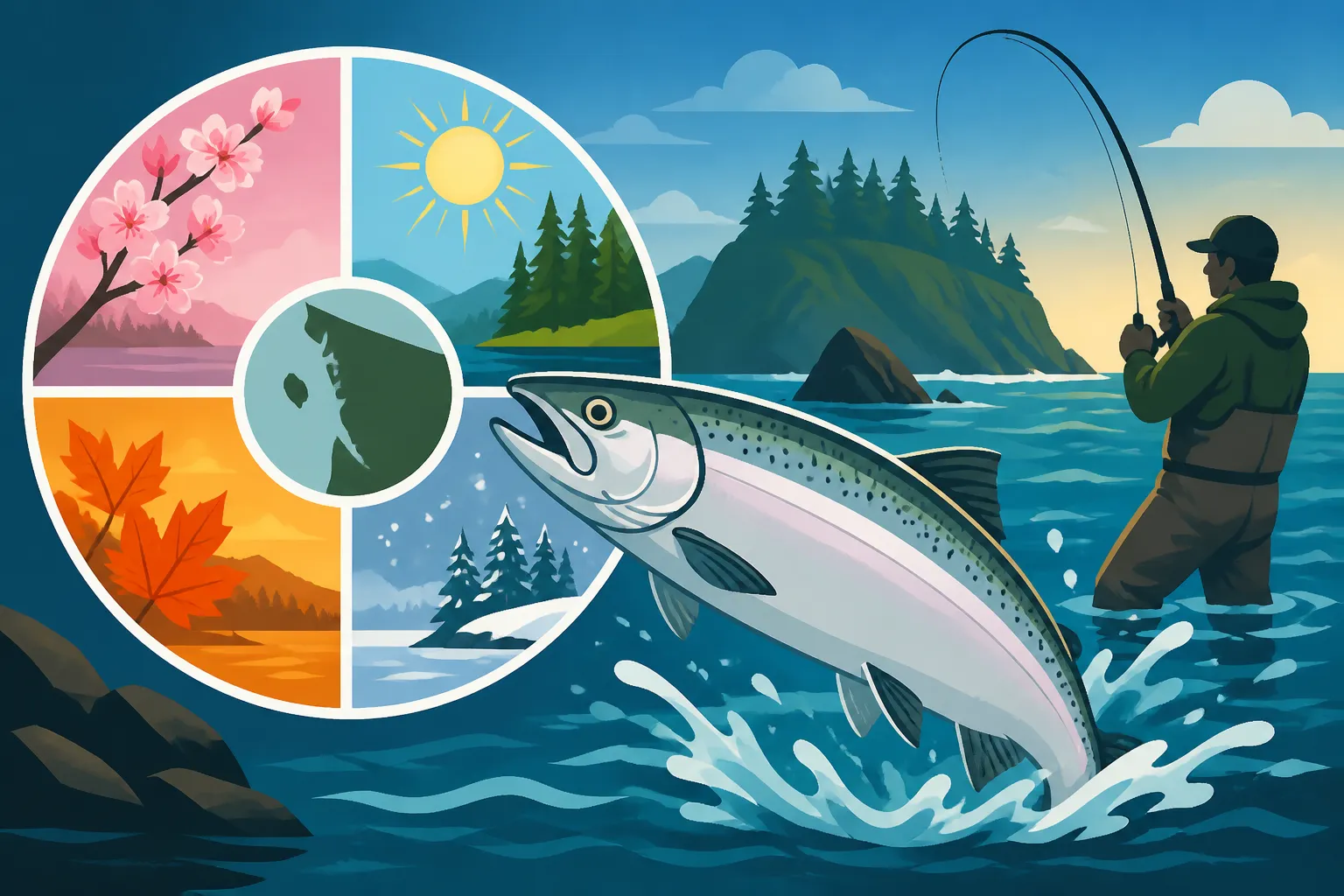
The undisputed champion months for Coho salmon fishing in Neah Bay are August through September. This is the sweet spot when the returning Coho runs are typically at their strongest, and the fish are still actively feeding in the ocean, bulking up before their spawning migrations.
- August: This month often kicks off the prime Coho action. While early August might see a mix of early-arriving larger fish and plentiful "shakers," by mid-August, the numbers of mature Coho tend to swell significantly. The weather is generally more stable than later in the fall, offering more consistent opportunities to get offshore.
- September: Often considered the peak of the Coho season. The fish are abundant, large, and still in excellent condition. This is when many anglers experience those memorable days of multiple hookups and fast-paced action. You'll find a good mix of mature fish, actively chasing bait. The weather can start to get a bit more unpredictable towards the end of the month, but there are usually plenty of good fishing days.
- Early October: Depending on the year's run strength and ocean conditions, early October can still offer productive Coho fishing. However, by this point, the numbers typically start to dwindle, and the weather becomes a much more significant factor. Storms are more frequent, and fishing days can be limited by rough seas. The fish might also show signs of transitioning, becoming less aggressive feeders as their focus shifts towards reproduction.
During this golden window, the fish are often found concentrated in specific areas where baitfish are abundant, or along migratory paths just outside the bay. Charters and private boats alike will be targeting these areas with various trolling techniques.
Early Season Prospects: July Considerations
Can you catch Coho in Neah Bay in July? Absolutely, but it’s generally considered the early, less consistent part of the season for the main migratory runs. In July, you might encounter what anglers often call "resident" Coho or early-arriving fish. These are typically smaller, often not yet fully mature, but they are aggressive feeders and can offer decent action on certain days.
Fishing in July for Coho is often more of a "mixed bag" fishery, where you might be targeting Chinook salmon, halibut, or even bottomfish, and pick up Coho as a bonus. The main schools of ocean-bright Coho haven't quite arrived in their full glory, and success can be more sporadic. If your primary goal is a limit of large, ocean-run Coho, July can be a bit of a gamble compared to the consistent action of August and September. However, if you're keen to get out on the water and enjoy the summer, there are certainly Coho to be found.
Late Season Opportunities: October and Beyond
As mentioned, early October can still be productive, but beyond the first week or two, the Coho fishery in Neah Bay generally winds down. The primary reasons for this decline are twofold: the majority of the Coho have moved on to their spawning grounds, and the increasingly volatile Pacific weather makes getting out to the fishing grounds difficult and often unsafe.
By late October and November, strong winter storms and heavy swells are common, severely limiting fishing opportunities. While a stray Coho might still be around, the sheer effort and risk involved usually outweigh the potential reward. Fish that are still present are likely close to entering freshwater, and their condition may have deteriorated from their peak ocean-bright state. Most serious Coho anglers shift their focus or hang up their gear for the season by this point. It's a time when you're much more likely to encounter Washington's Winter Steelhead Season in rivers than actively feeding Coho in the ocean.
Factors Influencing Coho Success in Neah Bay
While timing is crucial, several other factors can significantly influence your Coho fishing success when you venture out from Neah Bay. Understanding these elements will help you make the most of your trip, even within the prime season.
Ocean Conditions and Bait Availability
The Pacific Ocean is a dynamic environment, and its conditions play a massive role in where and when salmon concentrate. Coho salmon are voracious feeders, and their presence directly correlates with the availability of their preferred prey, primarily herring and anchovies, along with krill and other small baitfish.
- Upwelling Events: Coastal upwelling, where nutrient-rich cold water from the deep ocean rises to the surface, is a key driver of baitfish abundance. These nutrients fuel phytoplankton blooms, which in turn feed zooplankton and small baitfish, creating a thriving food chain that attracts salmon. Years with strong, consistent upwelling often lead to robust bait populations and, consequently, good salmon fishing.
- Water Temperature: Coho prefer cooler ocean waters. If offshore waters become unusually warm, baitfish can scatter or move deeper, and salmon might follow, making them harder to locate. Conversely, a stable band of cool, productive water often holds fish.
- Monitoring Bait: Savvy anglers and guides pay close attention to reports of baitfish concentrations. Sometimes, fish finders will mark large schools of bait, indicating where the Coho are likely to be feeding. Without abundant bait, even during peak season, the Coho can be spread out and harder to entice.
Checking marine forecasts and local fishing reports from reliable sources is essential to get a sense of the current ocean conditions and how they might affect the bite.
Weather and Swell
Neah Bay offers incredible fishing, but it's an exposed location directly on the Pacific. This means that weather and sea conditions can be the ultimate deciding factor for whether you even get to go fishing, let alone how comfortable and productive your trip will be.
- Wind and Swell: High winds can quickly churn up the ocean, creating significant swells and chop that make fishing unsafe or simply miserable. Even if winds are moderate, a residual swell from a distant storm can make for a bumpy ride. Most charter captains and private boaters will err on the side of caution. If the forecast calls for sustained winds over 15-20 knots or swells exceeding 5-6 feet, many trips will be canceled or postponed. This is a critical factor, especially as you move into late September and October, when powerful Pacific storms become more frequent.
- Fog and Visibility: While less common during the prime Coho season, dense fog can also impact offshore fishing by reducing visibility, making navigation tricky, and potentially delaying departures.
- Rain: While rain itself doesn't typically deter Coho from biting in the ocean, a heavy downpour combined with wind can make for a very uncomfortable day on the water. Proper rain gear is always a must for What to Bring on a Washington Fishing Charter originating from Neah Bay.
Always check the marine forecast meticulously a few days before your planned trip and again on the morning of. Reputable charter operators, like those found on platforms like FishingBooker, will prioritize safety and will communicate any concerns regarding weather cancellations well in advance. This is why having flexible travel plans can be a huge benefit for a Neah Bay trip.
WDFW Forecasts and Emergency Rules
The Washington Department of Fish and Wildlife (WDFW) plays a crucial role in managing Washington's salmon fisheries, including those off Neah Bay. Their annual forecasts and in-season management decisions directly impact fishing seasons, bag limits, and overall opportunities.
- Pre-Season Forecasts: Each spring, WDFW, in conjunction with tribal co-managers and other state and federal agencies, publishes pre-season forecasts for salmon returns. These forecasts provide an estimate of how many Coho are expected to return to Washington rivers. Stronger forecasts generally lead to more liberal seasons and limits, while weaker forecasts can result in tighter restrictions.
- In-Season Rule Changes: Even with pre-season planning, unexpected events can occur. Ocean conditions, actual returns differing from forecasts, or conservation concerns for specific stocks can lead to Emergency Rule Changes: Why Washington's Rules Shift Mid-Season. These changes can modify seasons, areas, or bag limits with very short notice. For example, if a particular stock is underperforming, WDFW might implement specific closures or restrictions to protect it. It’s absolutely vital to stay informed by checking the official WDFW website, the Fish Washington app, or calling the WDFW hotline right up until you head out. Understanding Washington Fishing Regulations Every Angler Should Know is paramount for a successful and legal trip.
Planning Your Neah Bay Coho Adventure
Now that you understand the best timing and influencing factors, let's talk practicalities for planning your Neah Bay Coho trip. It's a remote, but rewarding, destination that requires a bit more foresight than an urban lake.
Booking Charters and Accommodation
Neah Bay is not a large metropolitan area, and services, especially during peak fishing season, can book up quickly.
- Charters: If you plan to fish with a professional guide, which many anglers do for the offshore experience, booking well in advance is essential. The best captains, with their intimate knowledge of the local waters and Coho movements, often have their peak season dates (August-September) booked months in advance. Websites like FishingBooker are excellent resources for finding reputable Neah Bay charters, allowing you to compare options, read reviews, and check availability. When considering How to Book a Fishing Charter in Washington, remember that Neah Bay is a highly sought-after location.
- Accommodation: Lodging in Neah Bay is limited. The most popular options include the Neah Bay Resort and the nearby Hobuck Beach Resort, both offering cabins or motel-style rooms. There are also private rentals available. Camping is an option, especially at Hobuck Beach, but spots fill up quickly. Always secure your accommodation well ahead of your trip, especially if you're targeting the prime Coho window. You don't want to drive all the way out there only to find nowhere to stay!
Essential Gear and Techniques for Coho
Coho salmon in the ocean are fast, aggressive, and can be found at various depths. Having the right gear and understanding effective techniques will maximize your chances.
- Trolling is King: For offshore Coho, trolling is by far the most popular and effective method. This involves pulling lures or bait behind a moving boat.
- Downriggers: These devices allow you to precisely control the depth of your lure, which is critical for finding the fish. Coho can be anywhere from the surface down to 100 feet or more, depending on where the bait is holding.
- Divers and Flashers: Divers, like Dipsy Divers or Jet Divers, take your lure down to a specific depth without a downrigger. Flashers or dodgers are often used in front of spoons or bait to attract fish with their erratic motion and flash.
- Lures and Bait: Popular choices include bright, reflective spoons (e.g., Silver Horde, Coyote), hoochies (squid skirts) in various colors (greens, blues, pinks, white), and cut-plug herring. Herring is a classic Coho bait and often trolled behind a flasher.
- Rod and Reel: A medium-heavy salmon rod (8.5 to 10.5 feet) paired with a levelwind or conventional reel spooled with 20-30 lb monofilament or braid is standard. The rod should have enough backbone to handle a powerful fish but also enough tip action to telegraph bites.
- Hooks: Remember that Washington regulations often require Barbless Hook Requirements on Washington Rivers and in many marine areas, especially for salmon. Always check the specific rules for the area you're fishing. Using barbless hooks makes releasing unwanted fish much easier and safer for the fish.
For a deeper dive into techniques, you might want to read up on Trolling for Salmon in Washington's Puget Sound, as many of the principles apply to coastal trolling as well.
Licensing and Regulations Specific to Neah Bay
Fishing in Neah Bay involves specific licensing requirements beyond just a state fishing license.
- Washington State Fishing License: Everyone 15 years or older needs a valid Washington State fishing license. For salmon, you'll also need a Columbia River Salmon and Steelhead Endorsement, even if you’re not fishing the Columbia, as it covers all salmon species statewide. Non-residents have different options, so consult the Washington Fishing License Guide for Nonresidents for details.
- Catch Record Card: Any time you're fishing for salmon (or steelhead, or halibut), you are required to possess a The Washington Catch Record Card and What It Requires. You must immediately record any salmon you keep on this card. Failure to do so is a common violation.
- Makah Tribal Permit: Neah Bay is located within the Makah Indian Reservation. To access the launch ramps, facilities, and fish in certain areas (including some tribal waters), you must purchase a Makah Recreation Permit. This is separate from your state fishing license and is vital for respecting tribal sovereignty and local rules. These permits can typically be purchased at local businesses in Neah Bay.
- Bag and Possession Limits: Be intimately familiar with the daily bag limits and possession limits for Coho salmon. These can change in-season, so always double-check the latest WDFW regulations. While the specific limits can vary, understanding Daily Limit for Coho in Puget Sound gives you a general idea of how these limits are structured. Always carry a copy of the current regulations pamphlet, or have the Fish Washington app handy.
Following these guidelines ensures not only a successful trip but also a respectful and legal one, contributing to the sustainable management of Washington's incredible Coho salmon fishery.
Best Times for Neah Bay Coho Fishing: A Summary
To help visualize the optimal window for your Neah Bay Coho adventure, here's a quick summary of what to expect throughout the season:
| Month | Coho Abundance & Size | Ocean Conditions & Weather | Fishing Outlook |
|---|---|---|---|
| July | Lower numbers, smaller "feeders" | Generally calm, warm | Good for mixed bag, less reliable for dedicated Coho |
| August | Increasing numbers, good size | Typically stable, can be windy | Excellent – Start of prime season |
| September | Peak abundance & size | Moderate, increasing chance of storms | BEST – Most consistent action and large fish |
| October | Declining numbers, larger fish early | Unpredictable, stormy towards end | Good early, rapidly declines due to weather & fish |
Remember that these are general trends, and each year can present unique conditions. Staying informed and flexible will always be your best bet for a successful Neah Bay Coho trip.
Disclaimer
Fishing conditions and regulations in Washington are subject to frequent changes by the Washington Department of Fish and Wildlife (WDFW). Always consult the most current WDFW fishing regulations pamphlet or visit their official website before heading out on any fishing trip. This guide provides general information and should not be considered a substitute for official regulations. It is the angler's responsibility to know and adhere to all applicable rules and laws.