The Toutle River in Washington After the Mount St. Helens Rebuild
Anglers often wonder if rivers impacted by significant natural disasters can ever truly bounce back, questioning if the fishing will ever be the same. After the devastating eruption of Mount St. Helens, the Toutle River system underwent massive changes, leaving many to doubt its future as a prime fishing destination. This comprehensive guide will take you through the incredible journey of the Toutle River, exploring its rebirth, current characteristics, and how you can successfully navigate its waters for an incredible fishing experience today.
The Ash, Lahars, and Rebirth of the Toutle River
The eruption of Mount St. Helens on May 18, 1980, was an event that reshaped not just the landscape but also the hydrology and ecology of the surrounding rivers, none more so than the Toutle River. Understanding this catastrophic past is key to appreciating the river's present state and its remarkable recovery.
Mount St. Helens' Devastating Impact
When Mount St. Helens erupted, it wasn't just ash that blanketed the region. Massive pyroclastic flows melted glaciers and snow, triggering enormous lahars – volcanic mudflows – that coursed down the Toutle River and its tributaries. These lahars completely obliterated forests, buried river channels under hundreds of feet of sediment, and raised the riverbeds dramatically. Fish populations were decimated, not just by the immediate impact but by the long-term effects of altered water chemistry, extreme sediment load, and a complete lack of habitat. It truly was an apocalyptic landscape, making it hard to imagine fish, let alone anglers, ever returning. The very geography of the river was fundamentally changed, presenting a monumental challenge for natural and human-led recovery efforts.
The Incredible Natural Recovery Process
Despite the cataclysmic events, nature, with a little help, began its slow but persistent healing process. Over the decades, pioneering vegetation started to take root on the barren slopes and riverbanks. As plants grew, they stabilized soils, reduced erosion, and began to contribute organic matter back into the system. Sediment that had choked the river slowly, incrementally, began to move downstream, exposing old channels and carving new ones. Tributaries, less impacted by the direct lahars, became refuges and sources for recolonization by fish. It was a testament to the resilience of the ecosystem, showing that even in the face of such destruction, life finds a way. This natural succession laid the groundwork for the Toutle to once again support healthy fish populations.
Engineering for a New River System
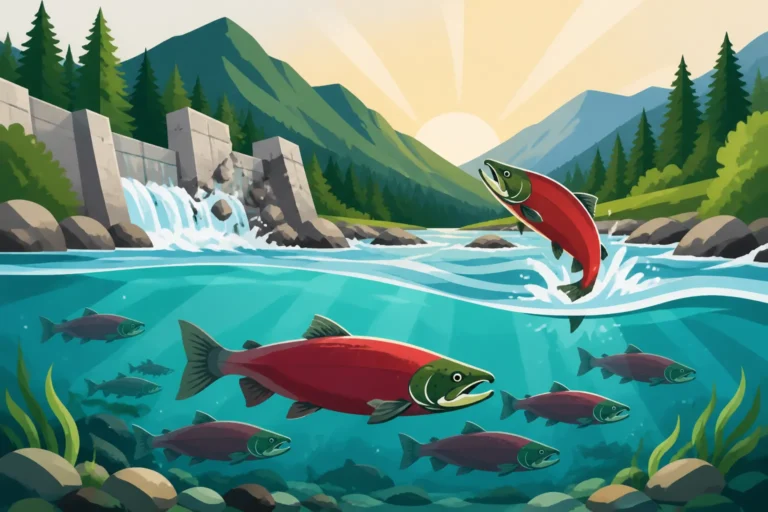
While nature did much of the heavy lifting, human intervention played a crucial role in accelerating the Toutle's recovery and managing the ongoing challenges. The sheer volume of sediment flowing from the volcano necessitated significant engineering projects. Most notably, the Sediment Retention Structure (SRS) was built on the North Fork Toutle River. This massive dam was designed to trap sediment and prevent it from inundating downstream communities and the Cowlitz and Columbia Rivers. This stabilization allowed the river downstream of the SRS to begin forming more defined channels and clearer waters, crucial for fish migration and spawning. Additionally, efforts have included habitat restoration, such as strategically placing large woody debris and creating side channels to provide vital cover and rearing grounds for juvenile fish. These collaborative efforts have helped shape the Toutle into the fishable river it is today.
Understanding the Toutle's New Character
The Toutle River isn't the same river it was before 1980, and understanding its post-eruption character is essential for successful fishing. It's a dynamic, ever-changing system that requires anglers to be adaptable and observant.
The Shifting Sands and Gravel Beds
One of the most defining characteristics of the post-eruption Toutle River is its highly mobile streambed. The river still carries a substantial sediment load, and high flows, particularly during winter rains, can dramatically reshape gravel bars, scour out pools, and even reroute channels overnight. What was a productive run one season might be a shallow riffle the next. This constant flux means that local knowledge and recent reconnaissance are invaluable. Anglers who keep up with river conditions, either through direct observation or by checking local reports, will have a significant advantage. This instability also impacts fish, as they must constantly adapt to changing holding water and spawning grounds.
Water Clarity and Flow Dynamics
The Toutle River, especially its North Fork, can be notoriously moody when it comes to water clarity. Because of the vast sediment source from the volcano, the river can blow out quickly with heavy rains, turning into a muddy torrent that is unfishable. This is particularly true for the North Fork below the Sediment Retention Structure, which acts as a massive sediment trap but also means that water released from it can be silty. However, it can also drop and clear quickly, often becoming fishable within a few days of a rain event. Understanding how water clarity affects steelhead fishing and salmon is crucial. Anglers should always check river levels and clarity reports before heading out. When the river is high and off-color, slower, deeper pockets or areas where clearer tributaries enter can be productive. Conversely, when the water is low and clear, a stealthier approach with lighter leaders is often required.
Re-established Riparian Zones and Fish Habitat
While the eruption initially stripped the Toutle of almost all its vegetation, decades of natural succession and active restoration have seen the riparian zones slowly re-establish themselves. Cottonwoods, alders, and willows now line many sections of the river, providing shade, bank stability, and contributing essential woody debris to the river. This debris, in turn, creates complex cover for fish, slows currents, and forms valuable scour pools. You'll find sections of the river where engineered log jams and large boulders have been strategically placed, accelerating the creation of diverse habitat. These areas are magnets for migrating salmon and steelhead, offering them respite and holding lies as they push upstream. Learning to identify these types of re-established habitats is key to locating fish.
Prime Species to Target in the Toutle
Despite its turbulent past, the Toutle River has made a remarkable comeback as a vital waterway for several anadromous fish species, making it a popular destination for anglers.
Steelhead Fishing: A Challenging Reward
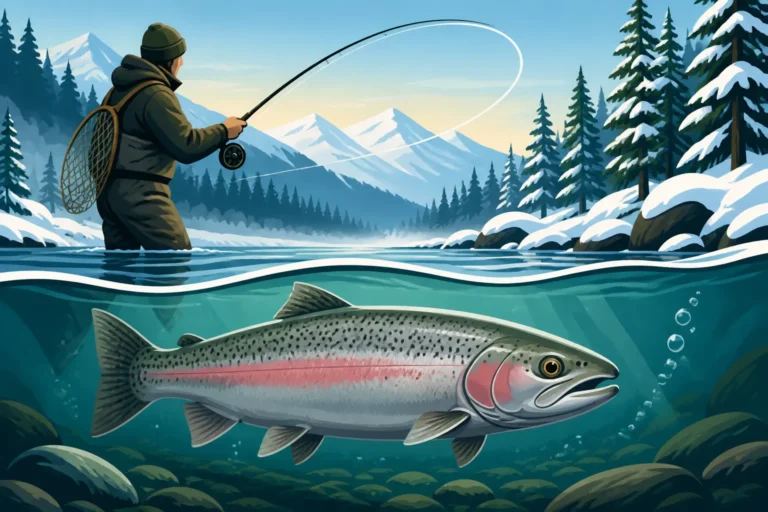
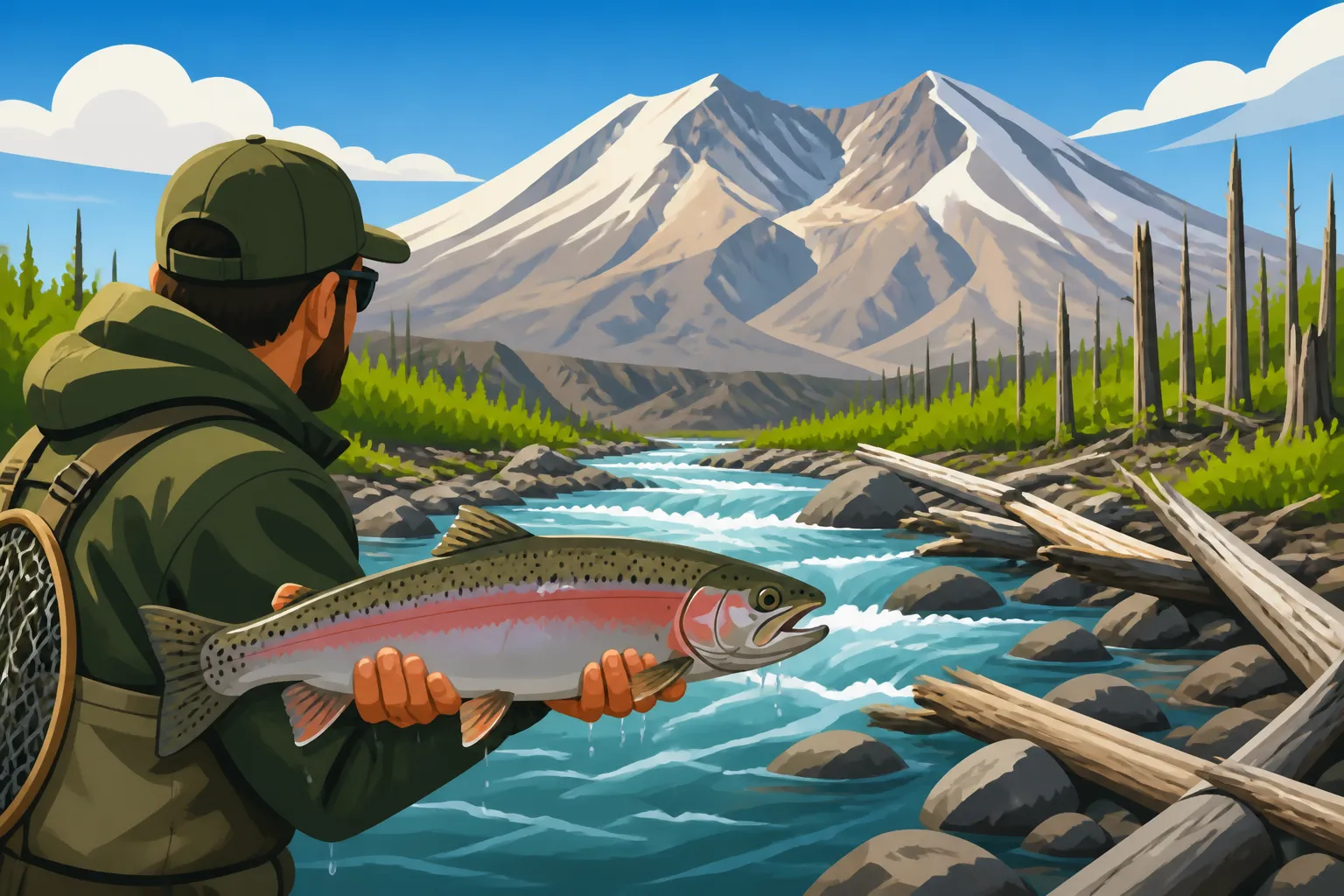
The Toutle River is perhaps best known for its steelhead fishery, offering both winter and summer runs. Targeting Steelhead: Washington's Ocean-Run Rainbow Trout here can be incredibly rewarding, though often challenging. Winter steelhead typically enter the river from November through March, with peak fishing often occurring in late December through February. These chrome-bright fish are powerful fighters, often preferring larger baits or lures in the often higher, murkier winter flows. Summer steelhead arrive in the warmer months, generally from June through September, and are typically smaller but incredibly acrobatic. They tend to hold in faster, more oxygenated water, and often respond well to flies or smaller lures in the clearer conditions. You can read more about the differences in their runs in our guide to Winter vs Summer Steelhead Runs in Washington, Explained. Success often depends on matching your technique to the specific run and current river conditions.
Salmon Runs: Chinook and Coho Opportunities
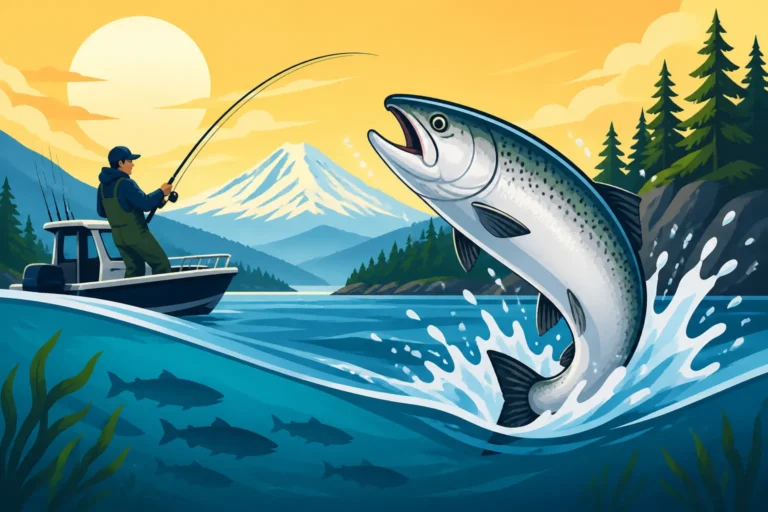
While steelhead often steal the spotlight, the Toutle also sees respectable runs of salmon. Chinook Salmon: Washington's King of Fish, also known as Kings, typically enter the system in late summer and fall, offering a strong, powerful fight. Coho Salmon Fishing in Washington, or Silvers, usually follow shortly after the Chinook, providing another exciting fishery with their aggressive takes and acrobatic leaps. Anglers can target these fish using various methods, from drift fishing with eggs or hardware to casting spinners. Early fall can be a fantastic time to pursue these salmon as they move through the lower river. It's always crucial to stay updated on Washington Sport Fishing Seasons and Emergency Closures, as salmon runs can have very specific opening and closing dates and bag limits, which can shift mid-season based on fishery managers' in-season projections.
Resident Trout and Other Species
Beyond the anadromous runs, the Toutle River system and its many tributaries also hold populations of resident rainbow trout and cutthroat trout. While they don't grow to the same impressive sizes as their ocean-going cousins, these feisty fish offer consistent action, especially in the upper reaches or during periods when salmon and steelhead seasons might be closed. They can be targeted with light spinning gear or fly rods, making for an enjoyable day on the water, particularly for those looking for a less intense experience. Smallmouth bass can also be found in the lower river, especially in slower, warmer stretches, adding another dimension to the Toutle's diverse fishery.
Effective Fishing Techniques for the Toutle River
Fishing the Toutle River effectively requires a blend of traditional Pacific Northwest techniques and an understanding of the river's unique characteristics. Adaptability is your best friend here.
Drift Fishing the Toutle's Runs and Pools
Drift fishing is hands-down one of the most popular and effective methods on the Toutle, particularly for steelhead and salmon. This technique involves presenting your bait or lure naturally along the riverbed, mimicking a free-floating food source. Depending on water levels and clarity, you might be drift fishing with bait like cured roe, yarn, or beads, often paired with a small float or a bottom-bouncing setup. For details on how this technique works, check out our guide on Drift Fishing for Steelhead in Washington Rivers. The key is to achieve a drag-free drift that matches the current speed, allowing your presentation to tumble along the bottom where fish are holding. This often means carefully selecting your lead weight and adjusting it as you move through different depths and current speeds. You'll want to focus your efforts on the heads and tails of pools, seam lines, and any deeper slots where fish might be resting during their migration.
Utilizing Gear for Salmon and Steelhead
Beyond drift fishing, a variety of gear can be highly effective on the Toutle. For salmon, especially Chinook, casting and retrieving spinners or twitching jigs can be incredibly productive, particularly in areas with good current and depth. Popular choices include Blue Fox Vibrax spinners or similar inline spinners. For steelhead, often when the water is a bit higher or off-color, plugs and diver-and-bait combinations can be deadly. These setups allow you to cover water efficiently and present a larger, more enticing profile to aggressive fish. For those using a boat, back-trolling plugs through deeper runs is a common and effective tactic. Regardless of your chosen gear, ensure your hooks are sharp, and consider using barbless hooks, as they are required in many Washington rivers to minimize harm to released fish.
Fly Fishing Considerations on the Toutle
While primarily known for gear fishing, the Toutle River does offer some fly fishing opportunities, especially for summer steelhead and resident trout when water levels are lower and clearer. Spey rods are becoming increasingly popular for covering large runs for steelhead, allowing anglers to cast long distances with minimal effort. For summer steelhead, classic patterns like Skagit-style intruders, leeches, or weighted nymphs can be effective. When targeting resident trout, traditional dry flies, nymphs, and small streamers will work well. The challenge for fly anglers on the Toutle is often navigating the river's dynamic nature and access limitations. Focusing on specific riffles, tail-outs, and slower pockets can yield good results. If you're new to fly fishing for steelhead, consider seeking out a local guide, perhaps through platforms like FishingBooker, who specializes in the Toutle to learn the nuances of the river.
Navigating Access and Regulations on the Toutle
Fishing the Toutle River, like any Washington waterway, comes with its own set of rules and access considerations that are crucial for a successful and legal outing.
Key Access Points and Public Lands
Access along the Toutle River can be a mixed bag, with some sections offering straightforward public access and others being primarily private land. The lower river, closer to its confluence with the Cowlitz, often has more accessible bank fishing opportunities, sometimes near bridges or designated public areas. As you move upstream into the North Fork and Green River tributaries, access can become more challenging, often requiring some hiking or knowledge of local boat launches for drift boats. Popular spots often include areas near the Sediment Retention Structure (though access can be restricted right at the structure itself), and various WDFW access sites. Be respectful of private property and always look for designated public access points. Utilizing resources like the Washington Department of Fish and Wildlife (WDFW) website or local tackle shops can provide invaluable, up-to-date information on river access. Many guides on FishingBooker also provide excellent information on specific access points they use.
Essential Washington Fishing Regulations
Understanding Washington Fishing Regulations Every Angler Should Know is paramount when fishing the Toutle River. Regulations can be complex and change frequently, especially for anadromous species like salmon and steelhead. You'll need a valid Washington fishing license, and if targeting salmon or steelhead, a Catch Record Card is required. Make sure you understand the difference between daily and possession limits. For example, some sections of the Toutle may require barbless hooks for certain species or at specific times of the year. Always check the current WDFW fishing regulations pamphlet, particularly for the specific section of the Toutle you plan to fish, as rules can vary by river section and species. Pay close attention to rules regarding bait, gear restrictions, and whether wild steelhead must be released.
Planning Your Toutle River Fishing Trip
A well-planned trip to the Toutle River can make all the difference. Beyond your license and knowing the regulations, consider the following:
- Weather and River Conditions: Always check forecasts and real-time river levels and clarity before you go. The Toutle can rise and get muddy quickly after rain.
- Gear: Pack appropriate gear for the techniques you plan to use, including rain gear and warm layers, especially for winter steelhead.
- Safety: Be aware of strong currents, slippery banks, and potential hazards like log jams. If fishing from a boat, ensure all safety equipment is onboard.
- Local Intel: Stop by a local tackle shop in areas like Castle Rock or Silverlake for the most current conditions and advice. They often have the best insights into where fish are biting and what's working. If you're new to the area, considering a guided trip found on a platform like FishingBooker can be an excellent way to learn the river safely and effectively.
Seasonal Fishing Opportunities on the Toutle
The Toutle River offers angling opportunities throughout much of the year, with specific seasons bringing different species and conditions. Knowing when to go can significantly increase your chances of success.
Winter Steelhead Season: Braving the Cold
Winter steelhead season is a prime time on the Toutle, attracting dedicated anglers from November through March. These strong, ocean-bright fish push into the system in response to fall and winter rains. While the weather can be cold, wet, and sometimes downright brutal, the reward of hooking a fresh winter steelhead is well worth it. You can learn more about the specifics of these elusive fish in our guide to Steelhead: Washington's Ocean-Run Rainbow Trout. Water levels are typically higher and often off-color during this period, favoring techniques like drift fishing with larger baits or jigs, or using heavily weighted spoons and plugs. Anglers should prioritize warmth and safety, wearing appropriate layering and waders. Keep an eye on river flow rates, as the river can become unfishable after heavy downpours, but also drop into prime shape a few days later.
Summer Steelhead and Salmon: Warmer Waters
As the weather warms, typically from late spring into summer, the Toutle transitions to its summer steelhead season, often overlapping with early salmon runs. Summer steelhead tend to be smaller than their winter counterparts but are incredibly feisty and acrobatic, offering thrilling fights on lighter tackle. These fish prefer clearer, cooler waters and are often targeted with lighter drift gear, small spinners, or flies. Concurrently, late summer brings in early fall Chinook salmon, followed by Coho. These salmon provide excellent sport, often hitting spinners, jigs, or cured eggs. This is a fantastic time for anglers who prefer more temperate conditions, though water levels can get quite low, requiring stealth and careful approach, especially when fishing for Summer Steelhead and Salmon: Warmer Waters.
Fall Salmon and Resident Trout Pursuits
The peak of fall brings in the bulk of the salmon runs, particularly Coho and late Chinook, making for exciting fishing throughout September and October. As the water cools down from summer highs, these fish become more active, moving aggressively upstream to their spawning grounds. Fishing with cured eggs, jigs, and large spinners can be very productive. This is often a busy time on the river, so getting to your spot early is a good idea. Alongside the anadromous runs, resident rainbow and cutthroat trout offer consistent action throughout the warmer months and into the fall. These fish can be a great option when salmon or steelhead fishing is slow or during closures. Fly anglers, in particular, can find good success targeting trout in the Toutle's tributaries or shallower riffles with dry flies and nymphs, especially during the insect hatches.
| Species | Peak Season | Common Techniques | Typical Water Conditions | Notes |
|---|---|---|---|---|
| Winter Steelhead | Nov – Mar | Drift Fishing (Roe, Yarn) | Higher, Murkier | Powerful fighters, can be challenging. |
| Summer Steelhead | Jun – Sep | Drift Fishing (Beads), Flies | Lower, Clearer | Acrobatic, lighter tackle. |
| Chinook Salmon | Aug – Oct | Spinners, Jigs, Drift Fishing | Variable (med-high) | Strong runs, good table fare. |
| Coho Salmon | Sep – Nov | Spinners, Jigs, Drift Fishing | Variable (med-high) | Aggressive takes, acrobatic. |
| Resident Trout | Spring – Fall (year-round) | Spinners, Flies, Worms | Variable (clearer upriver) | Consistent action, good for families. |
Disclaimer
Fishing conditions and regulations in Washington State are subject to change without notice. Always consult the latest Washington Department of Fish and Wildlife (WDFW) regulations pamphlet and emergency rule changes before heading out. This guide is for informational purposes only and does not supersede official regulations.