Fishing Sequim Bay, Washington for Salmon and Shellfish
It's tough, isn't it? You dream of that perfect Washington fishing trip, but sometimes the sheer size of Puget Sound or the crowded rivers near major cities can feel overwhelming. You want a spot that offers genuine opportunity for both salmon and shellfish, in a setting that's a little more serene, a little more accessible, and perhaps even a bit kinder with the weather. If you've been searching for that ideal blend of tranquility and abundant fishing, then Sequim Bay on the Olympic Peninsula might just be your hidden gem. This guide will walk you through everything you need to know to make your salmon and shellfish adventure in Sequim Bay a resounding success.
The Allure of Sequim Bay: A Drier, Calmer Puget Sound Gem
Sequim Bay isn't just another body of water; it's a truly special place on Washington's Olympic Peninsula that offers a unique angling experience. Nestled in the famed "rain shadow," this bay typically sees significantly less rainfall than other areas of Western Washington, meaning more sunny days and fewer cancelled trips due to foul weather. But its appeal goes far beyond the climate, extending to its calm waters and rich ecological diversity that supports both thriving salmon runs and abundant shellfish populations.
Geographic Advantages and Calm Waters
One of the most striking features of Sequim Bay is its protected nature. The Dungeness Spit, a long, narrow sand spit extending into the Strait of Juan de Fuca, acts as a natural breakwater, shielding the bay from the strong winds and rough seas that can often batter other parts of Puget Sound. This geographical blessing translates into consistently calmer waters, making it an ideal spot for smaller boats, kayaks, and even stand-up paddleboards. Imagine being able to comfortably troll for salmon without battling heavy chop, or dropping your crab pots in peace without worrying about your boat getting tossed around. This sheltered environment also makes for a much more pleasant experience for families or those who are new to boating and less accustomed to rougher conditions.
The calm waters also extend the fishable days, which is a huge benefit for anyone planning a trip, especially if you're traveling a distance. Instead of having your fishing plans thwarted by a sudden squall, you'll often find Sequim Bay remaining quite pleasant when other, more exposed areas are too dangerous or uncomfortable to fish. This reliability is a huge plus, allowing you to maximize your time on the water and increase your chances of a successful outing.
Scenic Beauty and Accessibility
Beyond the practical fishing advantages, Sequim Bay is simply stunning. Flanked by rolling hills, evergreen forests, and offering breathtaking views of the Olympic Mountains to the south and the Strait of Juan de Fuca (and Vancouver Island beyond) to the north, it’s a feast for the eyes. You’re not just fishing; you're immersing yourself in some of Washington's most picturesque landscapes. The sunrise over the water, the eagles soaring overhead, and the occasional seal or otter passing by add to the magic of the experience. It's the kind of place where even if the fish aren't biting, you're still having an incredible day.
Accessibility is another major draw. The town of Sequim itself is a charming hub with amenities, making it easy to resupply, grab a meal, or find lodging. There are several public boat launches around the bay, including the John Wayne Marina, which offers excellent facilities and easy access to the water. For those who prefer bank fishing, there are some limited opportunities, though boating opens up the vast majority of productive areas. Whether you're coming from Seattle, Tacoma, or points further afield, Sequim Bay provides a convenient and rewarding escape that feels worlds away from the hustle and bustle.
Chasing Salmon in Sequim Bay's Productive Waters
Sequim Bay is known for its salmon fishing, with various species making appearances throughout the year. While it might not be the mega-hotspot of some of the larger marine areas, its consistent returns and relative calm make it a fantastic option, especially for those who appreciate a less crowded experience. You'll primarily find Coho and Chinook salmon here, with Pink salmon making their much-anticipated appearance in specific "odd" years.
Coho Salmon: The Silver Bullet
Coho salmon, often called "silvers" for their bright, chrome appearance, are a favorite target in Sequim Bay, particularly as fall approaches. These acrobatic fish are renowned for their aggressive takes and thrilling fights, frequently leaping out of the water once hooked. You'll typically find Coho entering the bay and the nearby Dungeness River system from late summer through the fall, with the peak season often in September and October. They tend to cruise in the upper water column, making them a great target for those who enjoy trolling or casting light tackle.
When fishing for Coho in Sequim Bay, many anglers find success trolling with small spoons, hootchies, or plugs behind a flasher. The key is to match the baitfish size and color that the Coho are feeding on. Think about slender, silvery lures. For those without a boat, targeting Coho from shore can be challenging but not impossible, especially near river mouths or public piers if they are accessible and deep enough. Remember to check the regulations for When Coho Salmon Run in Washington before heading out, as seasons and bag limits can change.
Chinook Salmon: The Mighty King
Chinook salmon, often called "Kings," are the largest and most prized of the Pacific salmon species, and they do make their way into Sequim Bay. While not as abundant as in some other major Puget Sound areas, catching a Chinook here is a truly memorable experience. These powerful fish offer a deep, sustained fight that will test your gear and your stamina. You'll generally find Chinook in Sequim Bay during late spring and summer, particularly "feeder" Chinook (also known as "blackmouth") which are immature salmon feeding in the bay, before they head off to their spawning grounds. Larger, mature Chinook can also be present as they stage before entering the Dungeness River system.
Trolling is the most effective method for Chinook in Sequim Bay. Downriggers are often used to get your lures down to the depths where these fish prefer to hold, typically closer to the bottom or suspended in deeper channels. Large spoons, baitfish imitations like herring, or even large plugs are popular choices. Presentation is crucial, and paying attention to boat speed and current can make all the difference. Always consult the Washington Sport Fishing Seasons and Emergency Closures and pay close attention to the specific marine area rules (likely Marine Area 6) as Chinook regulations can be very restrictive, with specific size limits and retention rules that vary throughout the season.
Pink Salmon: The Odd-Year Spectacle
Every odd-numbered year, Sequim Bay, like much of Puget Sound, experiences a massive influx of Pink salmon, also known as "humpies." These smaller, but incredibly numerous, salmon provide fantastic action, especially for light tackle enthusiasts and families. While they don't reach the size of Chinook or Coho, their sheer abundance makes for fast-paced fishing, with many anglers reporting dozens of hookups in a single outing during peak times. The Pink salmon run typically starts in late July and continues through August and into early September.
Pink salmon are notorious for hitting almost anything pink – jigs, spoons, or even flies. Many anglers use small pink buzz bombs, Kastmasters, or pink hootchies trolled behind a dodger. They often hold in shallower water, making them accessible to both boaters and, in some cases, shore anglers. It's a great opportunity for beginners or kids to experience the thrill of salmon fishing without requiring heavy gear or advanced techniques. Just make sure you understand the How Bag and Possession Limits Work in Washington for Pink salmon, as they can be quite generous during these productive years.
Beyond the Fin: Sequim Bay's Rich Shellfishing Opportunities
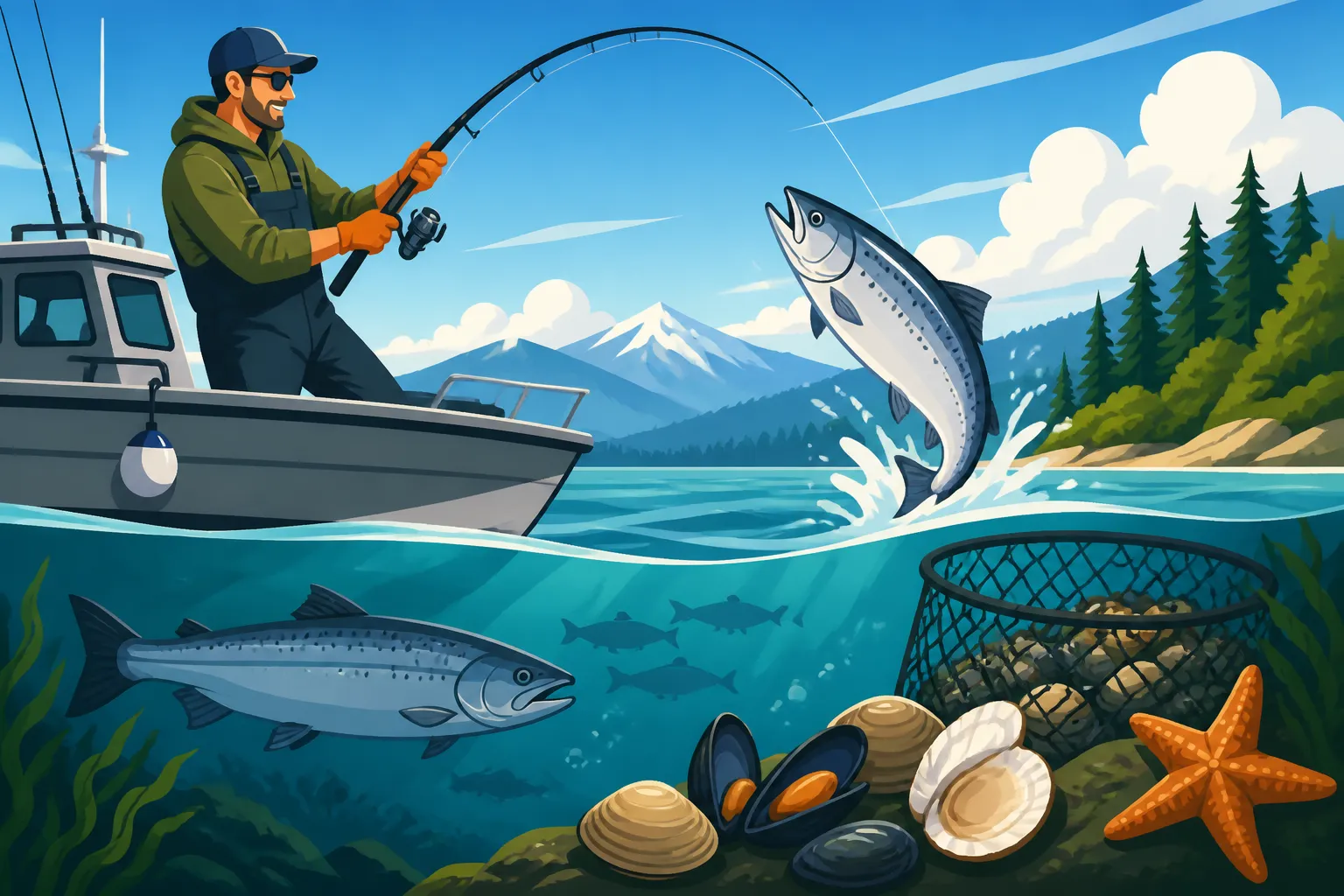
While salmon steal the spotlight for many, Sequim Bay is equally renowned for its incredible shellfishing, offering rewarding opportunities for Dungeness crab and, for a short but intense season, highly sought-after Spot shrimp. These delicious crustaceans are a major draw, providing a different kind of angling adventure that often complements a salmon trip beautifully.
Dungeness Crab: A Local Delicacy
Crabbing for Dungeness crab in Sequim Bay is incredibly popular, and for good reason: the bay consistently produces healthy populations of these succulent crabs. Crabbing season typically runs during the summer and into the fall, though specific dates can vary by marine area. Nothing beats pulling up a pot full of legal-sized Dungeness, knowing that fresh, sweet crab meat is in your immediate future. It’s an activity that’s fun for the whole family, and the reward is truly delicious.
To successfully crab in Sequim Bay, you'll need crab pots or rings, bait (fish carcasses like salmon or tuna, or even chicken legs work well), and a boat to deploy them in deeper water. Many experienced crabbers look for areas with sandy or muddy bottoms, often near drop-offs or eelgrass beds, as these are prime Dungeness habitat. You'll need to know the specific regulations for Dungeness Crab Identification and Legal Size and ensure you have the proper Washington fishing license with a shellfish endorsement. Always mark your buoys correctly with your name and address or WDFW customer ID, and return female crabs and undersized males immediately.
Here's a quick reference for common crabbing gear and practices:
| Item | Description | Key Practice |
|---|---|---|
| Crab Pot/Ring | Collapsible traps or ring nets for catching Dungeness. | Use legal-sized gear. Pots must have escape rings. Rings are good for quick checks. |
| Bait | Fish carcasses (salmon, tuna), chicken, squid. | Use fresh, smelly bait. Place in a bait cage within the pot. |
| Line & Buoy | Weighted line to reach bottom; marked buoy for retrieval. | Use sufficient line for depth + tide. Mark buoy with WDFW ID. |
| Gauge | Tool to measure carapace width of crab. | Measure accurately to ensure legal size. Keep only males over 6.25 inches. |
| Soak Time | Duration pots are left in water. | Typically 1-4 hours, or overnight, depending on current and activity. |
| Release | Returning undersized crabs and all female crabs to the water. | Gently release them immediately to ensure future populations. |
Spot Shrimp: The Prized Delicacy
For many Washington shellfishing enthusiasts, catching Spot shrimp is the holy grail. These large, incredibly sweet shrimp are a true delicacy, and Sequim Bay offers excellent opportunities during the brief, highly anticipated season. Spot shrimp seasons are notoriously short, often only a few days or a weekend, and the dates are announced by WDFW closer to spring. When the season is open, boats will flock to the deeper waters of the bay and nearby areas of the Strait to drop their shrimp pots.
Shrimping requires specialized pots designed to catch these deep-dwelling crustaceans. You'll need bait, typically pelletized shrimp food or fish offal, placed in a bait container within the pot. Spot shrimp prefer deep, rocky bottoms, so having a good depth sounder or GPS to mark productive areas is highly beneficial. The season might be short, but the rewards are immense – a successful shrimping trip means a freezer full of some of the best seafood Washington has to offer. Make sure you're familiar with the rules for Spot Shrimp in Hood Canal (which often share similar regulations for other marine areas like Sequim Bay) and always check the current WDFW regulations for specific openings, limits, and gear requirements. The competition can be fierce during these brief openings, so planning ahead and having your gear ready is essential.
Timing Your Trip: Seasons, Tides, and Weather Wisdom for Sequim Bay
Planning your trip to Sequim Bay involves more than just picking a date on the calendar. To maximize your success, you need to consider the specific seasons for your target species, understand the influence of tides, and keep a watchful eye on the local weather patterns. Sequim Bay, while sheltered, is still part of Puget Sound, and the rhythm of the ocean dictates much of its productivity.
Seasonal Overview for Salmon and Shellfish
Washington's fishing seasons are dynamic, and Sequim Bay is no exception. Here’s a general rundown, but always remember to check the latest WDFW regulations for Marine Area 6 (which includes Sequim Bay) before you go:
- Spring (April-June): This can be a time for "feeder" Chinook (blackmouth) salmon, as they forage in the bay. Bottom fishing for rockfish (check closures and specific species rules carefully) and possibly lingcod might be open further out in the Strait. This is also when you'd start preparing for the possibility of early summer crab seasons.
- Summer (July-August): Prime time for salmon. Chinook fishing picks up, and Pink salmon typically make their massive "odd-year" appearance. Coho start to show up towards the end of August. Dungeness crab season is often in full swing, and this is when the highly anticipated, but very short, Spot shrimp season usually occurs.
- Fall (September-November): Coho salmon fishing can be excellent, with fish heading into the Dungeness River system. Chinook can still be present. Dungeness crabbing usually continues. The bay can be productive for salmon as they prepare to spawn.
- Winter (December-March): Fishing slows down significantly. Some hardy anglers might target blackmouth Chinook, but opportunities are generally limited. Shellfishing is typically closed. This is a time for maintenance and planning for the next year!
Remember that Washington Sport Fishing Seasons and Emergency Closures are routinely updated. What was open last year might be closed this year due to conservation efforts or low returns. Always refer to the official WDFW pamphlet and emergency rule changes.
Tidal Influence and Current Considerations
Tides play a crucial role in fishing success, especially in marine environments like Sequim Bay. Moving water concentrates baitfish, which in turn attracts salmon and other predators.
- Tidal Swings: Generally, the periods around a tide change (especially the hour leading up to and after a high or low tide) are considered excellent for salmon fishing. This is when currents are often strongest, stirring up the bottom and making bait more accessible. A good moving tide will activate feeding fish.
- Slack Tide: While less productive for active feeding, slack tide can sometimes concentrate fish in specific areas, especially deeper holes or structures, as they rest before the next current cycle.
- Currents for Crabbing/Shrimping: For crabbing and shrimping, strong currents can sometimes drag pots, so understanding the current flow is important for proper gear deployment. However, currents also distribute bait scent, attracting crustaceans. Knowing the Best Tides for Puget Sound Salmon Fishing in Washington will significantly improve your chances.
Utilizing a reliable tide chart for Sequim Bay is non-negotiable. Apps like FishTime or services like Tides4Fishing can provide accurate, hour-by-hour predictions, allowing you to plan your fishing windows. If you’re trolling, paying attention to how the current affects your lure presentation is key. Sometimes, trolling with the current allows for a more natural presentation, while other times, trolling against it helps your gear dive deeper and get more action.
Sequim Bay's Weather Wisdom
As mentioned, Sequim Bay benefits from the Olympic Rain Shadow, meaning it's generally drier than regions to the west and south. However, "drier" doesn't mean "always sunny." You can still experience fog, wind, and rain, especially during the shoulder seasons.
- Wind: While protected, strong easterly or westerly winds can still create chop, particularly near the mouth of the bay or in the Strait. Always check marine forecasts before heading out.
- Temperature: Summer days are usually warm and pleasant, while winters are mild but can be chilly and damp. Dress in layers, as conditions can change quickly on the water.
- Fog: Coastal fog can roll in, especially in the mornings, reducing visibility. If you're navigating by boat, ensure you have proper navigation lights and a GPS unit.
Being prepared for varying weather is part of Washington fishing. Waterproof outerwear, warm layers, and appropriate footwear are essential, even on what starts as a sunny day. The calm waters of Sequim Bay do offer more forgiving conditions than open ocean fishing, but respect for the weather is always paramount.
Essential Gear and Techniques for Sequim Bay Success
To successfully fish and crab in Sequim Bay, having the right gear and knowing the most effective techniques will make a huge difference. Whether you're a seasoned angler or a beginner, a bit of preparation goes a long way. This isn't just about having expensive equipment; it's about having the appropriate tools for the job.
Rods, Reels, and Line for Salmon
For salmon fishing in Sequim Bay, versatility is key.
- Rods: A medium-heavy to heavy action rod, typically 8.5 to 10.5 feet long, is ideal for trolling or mooching. This length provides good leverage for fighting strong salmon and helps keep your line clear of the boat. If you plan to cast from shore (where feasible), a 9-10 foot medium-action rod will offer better casting distance.
- Reels: A level-wind baitcasting reel, loaded with at least 200-300 yards of line, is excellent for trolling and fighting powerful salmon. Choose a reel with a smooth drag system, as Chinook and Coho can make blistering runs. For lighter casting, a reliable spinning reel in the 3000-4000 size range will work.
- Line: Many anglers prefer braided line (30-50 lb test) as their main line for its strength and sensitivity, especially when trolling with downriggers. Pair this with a fluorocarbon leader (20-30 lb test) for its invisibility and abrasion resistance. The leader length can vary, but generally 4-6 feet is a good starting point. Understanding Rod and Reel You Need for Washington Puget Sound Salmon can help you make informed choices.
Remember, the fish in Sequim Bay can be just as strong and feisty as anywhere else in Puget Sound, so don't skimp on quality when it comes to your main line and leader.
Terminal Tackle, Bait, and Lures
Your choice of terminal tackle, bait, and lures will largely depend on the salmon species you're targeting and the technique you're employing.
- Flashers and Dodgers: These are essential for trolling, as they create vibration and flash to attract salmon. Colors vary, but chrome, green, and chartreuse are popular. They are typically rigged 18-36 inches in front of your lure or bait.
- Hoochies and Spoons: Small, squid-like plastic lures (hoochies) are extremely effective, often tipped with a piece of bait like herring. Spoons like Coho Killers or Silver Hordes are also deadly. For Pink salmon, small pink jigs or spoons are almost irresistible.
- Bait: Herring is king for salmon. Brine your herring for firmness and natural action. Cut-plug herring, where the herring is cut at an angle to create a natural spinning action when trolled, is a very popular and effective method. For those seeking expertise, fishing guides listed on platforms like FishingBooker often provide all the necessary bait and tackle, ensuring you have the right setup.
- Jigs: For active fish, especially Coho and Pink salmon, casting and retrieving metal jigs can be very productive. Look for jigs in the 1/2 to 1 oz range.
Experiment with colors and depths until you find what the fish are keying in on that day. Salmon can be notoriously picky, so having a variety of options is always a good idea.
Crabbing and Shrimping Gear Specifics
For shellfishing, specialized gear is required.
- Crab Pots/Rings: Sturdy, collapsible crab pots are ideal for leaving submerged for a few hours. Crab rings are great for more active crabbing where you check them more frequently. Make sure they meet WDFW regulations for escape rings and size.
- Bait Containers: Essential for holding your bait within the pot, preventing it from washing out too quickly.
- Shrimp Pots: These are typically pyramid or rectangular-shaped traps with smaller mesh and entrance funnels designed to capture shrimp. They are deployed in much deeper water than crab pots.
- Rope and Buoys: You'll need plenty of leaded rope (often 300-600 feet or more for shrimping) and sturdy buoys clearly marked with your WDFW customer ID. For crabbing, you can often get away with 50-100 feet of rope.
- Crab/Shrimp Gauge: A measuring device is absolutely critical for ensuring you only retain legal-sized crabs and shrimp. This avoids costly fines and helps conserve the fishery.
- Gloves and Cooler: Heavy-duty gloves protect your hands from crabs, and a large cooler with ice is essential for keeping your catch fresh.
When planning your trip, consider checking out local tackle shops in Sequim or Port Angeles. They often have the most up-to-date information on what’s biting and what gear is working best, and they can be an invaluable resource.
Navigating the Rules: What You Need to Know Before You Go
Fishing and shellfishing in Washington State, especially in a popular area like Sequim Bay, comes with a comprehensive set of rules and regulations. Understanding and adhering to these rules isn't just about avoiding fines; it's about preserving the incredible fisheries for future generations. Never assume the rules are the same as last year or even last month.
Washington Fishing Licenses and Endorsements
The absolute first step before casting a line or dropping a pot in Sequim Bay is to secure the appropriate Washington fishing license.
- General License: Everyone aged 15 and older needs a valid Washington State fishing license. You can choose between a freshwater, saltwater, or combination license. For Sequim Bay, a saltwater or combination license is mandatory.
- Shellfish Endorsement: If you plan to crab or shrimp (which you absolutely should in Sequim Bay!), you'll need to add a shellfish endorsement to your fishing license. This is a separate purchase but can be added to your base license.
- Catch Record Cards: For salmon and steelhead, a Catch Record Card is required. This is a crucial tool for WDFW to monitor fish populations. You must record your catch immediately upon retention, even if you are on a charter boat. For shellfish, you'll need a separate Catch Record Card for Dungeness crab, where you record your harvest in designated areas.
You can purchase your license online through the WDFW website, at authorized license dealers (like many sporting goods stores or tackle shops), or via the MyWDFW app. For non-residents, the process is similar, though the cost might differ slightly. Don't risk a fine; always have your license and appropriate endorsements with you, either physically or on your phone via the MyWDFW app. More details can be found in the Washington Fishing License Guide for Nonresidents and The Washington Catch Record Card and What It Requires.
Daily Bag Limits, Size Restrictions, and Species Identification
Once you have your license, understanding the daily bag limits and size restrictions for each species is paramount.
- Salmon Limits: These vary wildly by species, marine area, and even time of year. For example, Chinook limits are often very restrictive (e.g., one hatchery fish per day), while Pink salmon limits during an "odd year" can be much more generous. You must be able to properly identify the species you catch.
- Shellfish Limits: Dungeness crab has a specific daily limit (e.g., 5 males, minimum 6 1/4 inch carapace width). Spot shrimp also have a daily limit, usually by weight or number.
- Species Identification: Knowing the difference between a hatchery-origin salmon (identifiable by a missing adipose fin, indicating it has a clipped fin) and a wild salmon (intact adipose fin) is critical, as retention rules often differ. If you are unsure, err on the side of caution and release the fish. The Washington Fishing Regulations Every Angler Should Know article provides a great overview.
Always carry a current WDFW Sport Fishing Rules pamphlet (available online or at license dealers) and familiarize yourself with Marine Area 6 rules. These regulations can be complex, and ignorance is not an excuse for violations. It's often helpful to keep a copy of the rules directly on your phone for quick reference while on the water.
Emergency Rule Changes and Conservation Efforts
Here's the frustrating but vital part: Washington fishing regulations are subject to frequent emergency rule changes. Fisheries managers constantly monitor fish returns, and if numbers are lower than expected, or if specific conservation goals need to be met, rules can change overnight.
- How to Check: The WDFW website is the official source for all emergency rule changes. They often issue press releases and update their online "Emergency Rules" page. You can also sign up for email notifications.
- Why They Happen: These changes are often implemented to protect struggling populations, ensure enough fish make it to the spawning grounds, or to comply with tribal co-management agreements. While they can be inconvenient for anglers, they are crucial for the long-term health of the fisheries.
- Impact on Planning: This means that even if you planned a trip months in advance based on published season forecasts, you must check for last-minute changes before you leave the dock. A river or bay might be open one day and closed the next, or limits might be reduced. This unpredictability is a reality of fishing in a heavily managed region like Washington.
If you're unsure about the current rules or struggling to interpret them, don't hesitate to call your local WDFW office or talk to staff at a tackle shop. When in doubt, play it safe. Releasing a fish is always better than facing a stiff fine or contributing to a depleted stock. If you're looking for an easier way to navigate these rules, many experienced local guides are available on platforms like FishingBooker, and they can ensure you're always compliant with the latest regulations.
Disclaimer
Please note that fishing regulations in Washington State are highly dynamic and subject to frequent change by the Washington Department of Fish and Wildlife (WDFW). While every effort has been made to provide accurate and up-to-date information in this guide, it is ultimately the angler's responsibility to consult the most current official WDFW Sport Fishing Rules pamphlet and check for emergency rule changes before engaging in any fishing or shellfishing activity. This guide is for informational purposes only and should not be considered a substitute for official WDFW regulations.