The Hoh River’s Winter Steelhead Season
There's a special kind of magic, and sometimes, a deep frustration, that comes with chasing winter steelhead on Washington's iconic Hoh River. This isn't just any fishing trip; it's an immersion into one of the state's most pristine wilderness areas, targeting one of its most revered fish. This comprehensive guide will walk you through everything you need to know to pursue these elusive giants, from understanding the river's unique character to navigating regulations and mastering the techniques needed for a successful, and often unforgettable, winter steelhead season.
Understanding the Hoh River and Its Unique Character
The Hoh River isn't just a waterway; it's a living, breathing ecosystem that runs through the heart of the Olympic National Park, carving its way from glacial peaks to the Pacific Ocean. Its wild nature deeply influences the fishing experience, making it both incredibly rewarding and uniquely challenging.
Geographical Layout and Glacial Influence
Imagine a river born from ancient ice, flowing through temperate rainforests teeming with life. That's the Hoh. Originating from the glaciers on Mount Olympus, the river carries a distinctive milky, glacial tint, especially during warmer periods or heavy rain. This "Hoh milk," as some anglers call it, isn't just a visual characteristic; it significantly impacts water clarity and, consequently, your fishing strategy. Unlike many other rivers, the Hoh's journey keeps it relatively untouched by human development, meaning fewer roads, fewer access points, and a more rugged, wilderness feel. The upper reaches are often braided and shallow, while the lower river near the coast widens and deepens, offering diverse fishing opportunities. The wild, untamed nature of this river is a huge part of its allure, but also its challenge. You're truly in nature's domain here.
Water Characteristics and Clarity
The Hoh River's flow and clarity are heavily dependent on precipitation and glacial melt. During the winter steelhead season, which typically runs from December through April, the primary influence is rainfall. Heavy rain can quickly blow the river out, turning it into a fast-moving, chocolate-colored torrent, making fishing nearly impossible. Conversely, extended dry spells can lead to low, clear water conditions, where steelhead become incredibly spooky and challenging to entice. Knowing how to adapt to these fluctuating conditions is paramount for success. You might find yourself fishing one section in relatively clear water, only to move a few miles upstream or downstream and encounter drastically different visibility. For more on how these factors play into your approach, delve into How Water Clarity Affects Steelhead Fishing. This dynamic environment demands constant vigilance and flexibility from the angler.
Wilderness Designations and Access Restrictions
Much of the Hoh River flows through the Olympic National Park, which carries strict wilderness designations. This means motor vehicles are highly restricted, and access is primarily via hiking trails or by floating the river in a drift boat or raft. Bank access is limited, often requiring significant walking, adding to the remote and wild feeling. There are a few well-known boat launches, but navigating the river can be tricky and should only be attempted by experienced oarsmen. Understanding these limitations is crucial for planning your trip. You won't find bustling marinas or roadside pull-offs every mile; instead, you'll encounter a serene, often solitary, environment that truly tests your angling skills and your preparedness for the outdoors. It’s an adventure that demands respect for the environment and an appreciation for true wilderness.
The Magic of Winter Steelhead on the Hoh
Chasing winter steelhead on the Hoh is more than just fishing; it's an experience rooted in tradition and the pursuit of one of the most magnificent freshwater sportfish. These aren't your typical hatchery fish; Hoh steelhead are predominantly wild, powerful, and incredibly challenging to catch.
Understanding the Winter Run Timing
The winter steelhead run on the Hoh River typically kicks off in earnest around December and can last well into April, with the peak often occurring from late January through March. However, Mother Nature always has the final say. Early season fish tend to be fewer but larger, often powerful, chrome-bright specimens fresh from the ocean. As the season progresses, numbers generally increase, and you'll encounter a mix of prime bright fish and those that have been in the river for a while. It’s important to remember that these are migratory fish, and their arrival and distribution in the river are influenced by water levels, temperature, and spawn timing. Keep an eye on river flow gauges and local fishing reports, as timing is everything when planning your trip. Sometimes, the run builds gradually, and other times, a big flush of rain can bring in a new wave of fish overnight.
What Makes Hoh Steelhead So Special
The steelhead of the Hoh River are almost exclusively wild, meaning they haven't been raised in a hatchery. This biological distinction makes them incredibly special and highly prized. Wild steelhead are renowned for their strength, acrobatic fights, and stunning beauty. They are often larger, thicker-bodied, and display more vibrant colors than their hatchery counterparts. More importantly, they are a vital part of the natural ecosystem, embodying the health and resilience of the Hoh River itself. Every wild steelhead caught is a testament to the river's pristine condition and a reminder of the importance of conservation. The challenge of hooking and landing one of these magnificent fish is a badge of honor for any angler. You’re not just catching a fish; you’re connecting with a wild, ancient lineage. If you want to learn more about these incredible fish, check out Wild Steelhead vs Hatchery Steelhead in Washington.
Behavior and Habits of Hoh Steelhead
Winter steelhead in the Hoh, like all wild fish, can be incredibly finicky and unpredictable. They enter the river to spawn, and their primary focus isn't feeding, but rather migrating upstream and finding suitable spawning grounds. This means they often strike out of aggression, curiosity, or territorial instinct, rather than hunger. They tend to hold in specific types of water: deep, slow-moving pools, the tails of riffles, and seams where fast water meets slow water, offering them a place to rest and conserve energy. Their behavior can change drastically with water conditions; in high, turbid water, they might hold closer to the banks and in slower pockets, while in low, clear water, they'll retreat to deeper, darker lies. Understanding these subtle cues and adjusting your presentation accordingly is key to enticing a strike from these elusive fish. They are true ghosts of the river, demanding patience, stealth, and a deep understanding of their environment.
Navigating Regulations and Conservation on the Hoh
Fishing for wild steelhead on the Hoh River comes with a profound responsibility to protect these precious resources. Washington State, through its Department of Fish and Wildlife (WDFW), implements specific regulations designed to conserve wild populations, and it’s critical that every angler understands and adheres to them.
Strict Catch-and-Release Rules
The Hoh River is primarily a catch-and-release fishery for wild steelhead. This is one of the most important regulations to understand. While you might occasionally find specific rules allowing retention of hatchery steelhead on other rivers, the Hoh's wild nature means almost all steelhead fishing is focused on careful release. This policy is in place to protect and rebuild the wild runs, ensuring future generations can experience the same incredible fishing. It means that once you land one of these magnificent fish, the utmost care must be taken to ensure its survival upon release. This includes minimizing fight time, keeping the fish in the water as much as possible, and using proper unhooking tools. For comprehensive details on responsible handling, please refer to Wild Steelhead Release Rules on Washington's Olympic Peninsula Rivers. Ignoring these rules not only carries hefty fines but also compromises the very future of the fishery.
Barbless Hook Requirements and Gear Restrictions
To further protect these fragile wild populations, specific gear restrictions are often in place on the Hoh River, especially during steelhead season. One of the most common and crucial rules is the requirement for single-point, barbless hooks. The barbless hook rule is designed to minimize damage to the fish, making it easier to remove the hook quickly and reduce injury during the fight and release. You might also encounter restrictions on certain types of bait or tackle, such as a full bait ban or limits on the number of hooks per line. Always check the current WDFW regulations pamphlet before heading out, as these rules can change annually or even mid-season based on run forecasts and escapement goals. It's not just about compliance; it's about being an ethical angler. You can learn more about specific gear requirements by reading Barbless Hook Requirements on Washington Rivers.
The Washington Catch Record Card and What It Requires
Even though the Hoh is primarily a catch-and-release fishery for steelhead, you are still required to possess a valid Washington fishing license and, critically, a Catch Record Card (CRC) if you are targeting salmon or steelhead. While you won't be punching out a section for a steelhead you release, the CRC is used to track effort and any incidental catches of other species that may be retained. It's a vital tool for WDFW to gather data on fishing pressure and stock health. Make sure to fill it out accurately and return it by the deadline, even if you didn't keep any fish. This data is incredibly important for fishery management and ensuring the sustainability of the resource. Don't underestimate the importance of this small piece of paper; it’s your contribution to the ongoing health of Washington’s fisheries. For detailed instructions, refer to The Washington Catch Record Card and What It Requires.
Essential Gear and Techniques for Hoh Steelhead
Successfully landing a Hoh River winter steelhead requires not only the right approach but also the right equipment. The conditions can be harsh, and the fish are strong, so preparedness is key.
Drift Fishing Techniques for Hoh Steelhead
Drift fishing is one of the most popular and effective methods for targeting winter steelhead on the Hoh. This technique involves presenting a small piece of bait (like cured roe), a soft plastic worm, or a small yarn ball with a lead weight just above it, allowing it to tumble naturally along the river bottom. The goal is to imitate a natural food item or an irritant that triggers a strike. A sensitive rod is crucial to detect the subtle "tap" of a steelhead taking the offering in swift, often turbid water. You'll typically use a float (bobber) to suspend your bait at the right depth, allowing it to drift through known steelhead holding lies.
The nuances of drift fishing on the Hoh involve constantly adjusting your weight and float depth to match the current and riverbed contour. Too much weight, and you're snagging; too little, and your bait isn't getting down to the fish. Focus on getting a "perfect drift" – where your float moves at the exact speed of the current, making your presentation look as natural as possible. This is where local knowledge truly shines. For a deeper dive into this technique, check out Drift Fishing for Steelhead in Washington Rivers. It's a technique that demands focus, patience, and a keen eye for subtle indications of a bite.
Fly Fishing Strategies for Winter Steelhead
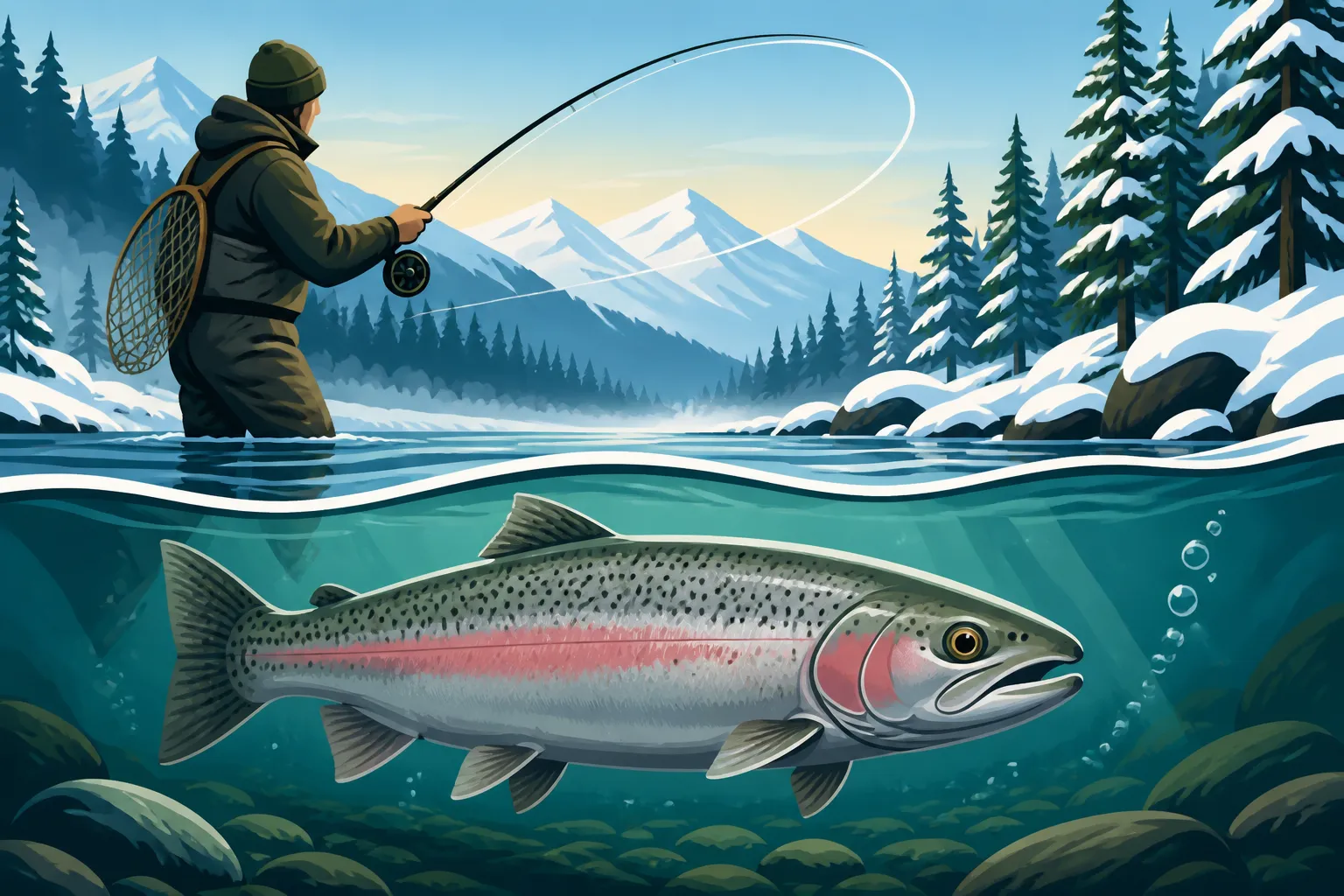
For many, fly fishing for winter steelhead on the Hoh is the ultimate challenge and reward. This isn't your dainty trout fishing; it involves powerful two-handed Spey rods, heavy sinking lines, and large, often brightly colored, intruder or Mylar tube flies designed to provoke a reaction strike. The "swing" technique is paramount here: casting across and downstream, allowing the fly to swing through the steelhead's holding water on a tight line, imitating a wounded baitfish or an invading presence.
Water conditions dictate fly selection and line choice. In higher, off-color water, larger, darker, or more fluorescent flies can be effective, often fished with heavier sinking tips to get them down quickly. In lower, clearer water, smaller, more natural patterns and stealthier presentations might be necessary. Fly fishing for Hoh steelhead is an art form, demanding precise casting, mending, and an understanding of how the current interacts with your line and fly. It’s a pursuit that often involves many casts for a single grab, but that single, violent tug on the line makes all the effort worthwhile. If you're looking to hone your fly-fishing skills, consider Fly Fishing Techniques for Winter Steelhead in Washington.
Reading Water and Locating Steelhead Lies
One of the most valuable skills for any Hoh River angler is the ability to "read the water" – to identify potential steelhead holding lies. These fish are looking for specific conditions: a place to rest out of the main current, a spot with slightly slower water that still has access to the main flow for oxygen, or an ambush point. Look for seams where fast water meets slow, the soft water behind large boulders, deep pockets along cut banks, or the tailouts of larger pools where the current begins to slow.
The glacial tint of the Hoh often means visibility is limited, forcing you to rely more on structure and current breaks. Don't overlook the "soft" water directly adjacent to very fast currents; steelhead often hold there, just out of the main push, conserving energy. Understanding how fish position themselves in different water levels and clarity is a game-changer. Spend time observing the river, even when you're not casting, and you'll start to unlock its secrets. Every ripple, every eddy, and every current line can tell a story about where a steelhead might be lurking.
Planning Your Hoh River Steelhead Adventure
A successful Hoh River steelhead trip requires careful planning, especially given the remote nature of the fishery and the often unpredictable winter weather. From accommodation to hiring a guide, thoughtful preparation makes all the difference.
Access Points and Logistical Considerations
Access to the Hoh River is primarily through the Hoh Rain Forest Visitor Center road, which leads to the Olympic National Park. From there, access points further downstream or upstream often involve hiking or drift boat launches. Popular launch sites might include the Bogachiel River confluence or various spots along Highway 101. Given the wilderness environment, facilities are sparse. You won't find many convenience stores or tackle shops right on the river, so it's essential to pack everything you need, from extra layers and food to repair kits for your gear.
Lodging options near the Hoh are limited. Forks, Washington, about an hour away, is often the closest town with hotels, motels, and restaurants. There are also private cabins and campgrounds in the area, though camping in winter requires significant preparation for cold and wet conditions. Always check road conditions, especially if traveling during heavy snow or rain, as closures can happen without much notice. The logistical challenges are part of the adventure, but they demand respect and thorough planning.
Choosing and Booking a Washington Fishing Guide
For many, especially those new to the Hoh River, hiring a local guide is an invaluable investment. A good guide offers not just expertise in fishing techniques but also crucial knowledge of the river's ever-changing conditions, secret spots, and safety protocols. They'll also provide the necessary equipment, including a drift boat, rods, reels, and tackle, making your trip significantly easier. Guides are experts in Reading Water for Bank-Fishing Salmon and adapting to the specific flow of the Hoh.
When choosing a guide, look for those with extensive experience specifically on the Hoh River. Word-of-mouth recommendations are excellent, but you can also find reputable guides through online platforms. If you're feeling overwhelmed by the river's complexities or the sheer amount of gear, consider browsing reputable guides on platforms like FishingBooker. They offer a range of experienced local guides who specialize in winter steelhead. Be sure to discuss what's included in the trip, such as lunch, tackle, and fish cleaning (though steelhead here are catch-and-release). Booking well in advance, especially for prime season dates, is highly recommended, as the best guides fill up quickly. FishingBooker can help you compare options and secure your spot.
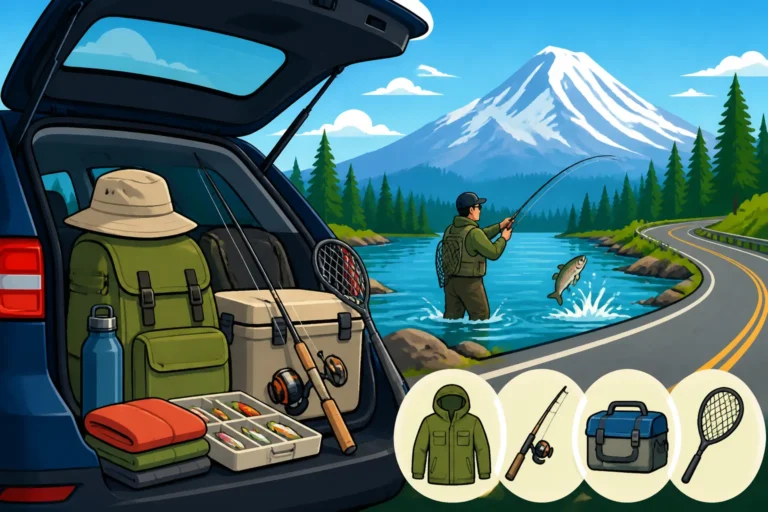
Essential Packing List for a Winter Hoh Trip
Winter on the Hoh River means one thing: rain. And lots of it. Your packing list needs to prioritize staying warm and dry. Here's a quick rundown of essentials:
| Item | Description | Why it's Essential |
|---|---|---|
| Waterproof Outerwear | High-quality rain jacket and pants (Gore-Tex or similar). | Absolutely critical for staying dry and preventing hypothermia. |
| Layered Clothing | Base layers (wool or synthetic), fleece mid-layers, insulated jacket. | Allows for temperature regulation as conditions change throughout the day. |
| Waterproof Boots | Waders (chest waders recommended) with good traction. | Essential for wading in the river and staying dry in the boat. |
| Warm Headwear & Gloves | Beanie, waterproof fishing gloves. | Prevents heat loss and keeps hands functional for tying knots and casting. |
| Personal Floatation Device (PFD) | Required for drift boat trips; some guides provide. | Safety first on swift-moving water. |
| Food & Hydration | Plenty of snacks, lunch, water, and a thermos with a hot beverage. | Stays energized and hydrated in cold conditions. |
| Sunscreen & Lip Balm | Even on cloudy days, UV rays reflect off water and snow. | Protects against sunburn and chapped lips. |
| First-Aid Kit | Basic supplies for minor cuts, blisters, and pain relief. | Always be prepared for minor emergencies in remote areas. |
| Navigation & Communication | Map, compass/GPS, fully charged phone (signal can be spotty). | Crucial for safety and orientation, especially off the main road. |
| WDFW Fishing License & CRC | Valid Washington fishing license and Catch Record Card. | Legally required; you can't fish without them. |
Don't skimp on quality, especially for your rain gear. You'll be glad you invested when the inevitable downpour hits. For more detailed advice on staying comfortable, read Rain Gear You Need for Winter Steelheading.
Dealing with Hoh River Conditions and Challenges
The Hoh River presents a unique set of challenges that can make or break a winter steelhead trip. Understanding and adapting to these conditions is paramount to both safety and success.
High Water and Low Water Strategies
The Hoh is a dynamic river, and its character can change dramatically with water levels. High water, often caused by heavy winter rains, means increased current speed and reduced visibility. In these conditions, steelhead will move to slower, more protected water closer to the banks, behind large structure, or in the soft seams of larger pools. Your strategy should shift to heavier weights to get your presentation down, larger and brighter baits or flies to increase visibility, and focusing on these softer, shallower holding lies. Safety is also a major concern in high water; wading becomes dangerous, and boat navigation requires extreme caution.
Conversely, low and clear water presents its own set of difficulties. Steelhead become incredibly wary and spooky. In these conditions, stealth is key: lighter lines, smaller and more natural presentations, longer leaders, and quiet movements are essential. Fish will often hold in the deepest, darkest parts of pools, or in shaded areas. You might need to make longer casts and keep a lower profile to avoid alarming them. Sometimes, changing your fishing time to low light conditions like dawn or dusk can also be effective. The ability to switch between these vastly different approaches is a hallmark of an experienced Hoh angler.
Impact of Weather and River Color
The weather on the Olympic Peninsula in winter is notoriously wet and can be quite cold. Persistent rain can quickly blow out the river, turning it a milky brown from glacial sediment and runoff. When the river is blown out and unfishable, it's a profound frustration, especially if you've traveled a long way. But it's also part of the game. Sometimes, you just have to wait it out, find another system that's clearing, or simply enjoy the other wonders of the Olympic National Park. Checking the river's flow and color online before you leave, and even daily during your trip, is critical. Look for river gauges that provide real-time data.
A clearing river after a flood can be magical, as fish begin to move and become more active. But even a slight increase in clarity can change their behavior. Knowing what a "fishable" color looks like – usually a hint of green or tea stain rather than chocolate milk – comes with experience. Be prepared for any weather, from icy winds to torrential downpours. The right clothing, as discussed in your packing list, will make a huge difference in your comfort and endurance.
Navigating Crowds and Ethical Angling
Despite its remote location, the Hoh River can draw a crowd, especially during peak steelhead runs and on weekends. Finding your own stretch of water can be a challenge, particularly at popular access points or boat launches. Patience and courtesy are essential. Remember that everyone is there to enjoy the river and pursue these incredible fish. Practice good river etiquette: give other anglers plenty of space, avoid "hogging" prime spots, and be mindful of your noise and movements.
Beyond courtesy, ethical angling practices are paramount, especially given the wild nature of Hoh steelhead. This includes proper fish handling for catch-and-release, using barbless hooks, and packing out all your trash. Consider joining local conservation efforts or organizations dedicated to protecting wild steelhead. Every angler has a role to play in preserving this magnificent fishery for generations to come. Your actions on the river directly contribute to its future. You can find more information about responsible angling in Washington by reviewing Washington Fishing Regulations Every Angler Should Know.
Disclaimer
Please remember that fishing regulations in Washington State can change frequently, often with little notice, due to environmental factors, fish returns, and conservation efforts. Always consult the latest Washington Department of Fish and Wildlife (WDFW) regulations pamphlet or their official website before heading out on any fishing trip. This guide provides general information and recommendations but is not a substitute for current, official regulations.