Best Bottomfishing Spots Near Westport
Ah, Westport. Just hearing the name probably conjures up images of endless ocean, crashing waves, and the exciting prospect of a loaded cooler. But let’s be real, the vastness of the Pacific Ocean off Westport can be incredibly daunting, especially when you're specifically targeting bottomfish. It’s not like they just hang out in the middle of nowhere; they're structure-oriented, and finding those elusive hideouts can feel like searching for a needle in a colossal, watery haystack. This comprehensive guide is here to cut through that frustration, helping you pinpoint the best bottomfishing spots near Westport and arm you with the knowledge to make your next trip a resounding success.
Understanding Westport's Unique Bottomfishing Environment
Westport isn't just a quaint coastal town; it's a gateway to some of Washington's most productive bottomfishing grounds. What makes it so special for species like lingcod and a variety of rockfish is the incredibly diverse underwater topography just offshore. Unlike some flatter coastal regions, the ocean floor here is a chaotic masterpiece of rocky reefs, pinnacles, canyons, and even sunken wrecks. These features provide essential habitat, cover, and hunting grounds for bottom-dwelling species.
Imagine the ocean floor as an upside-down mountain range. The peaks, valleys, and sudden drop-offs create currents, eddies, and upwellings that concentrate baitfish, making these areas irresistible to predators. Without these underwater features, bottomfishing would be a much less fruitful endeavor. It's truly a dynamic ecosystem, and understanding this foundational principle is the first step to successful bottomfishing here.
The Appeal of Lingcod and Rockfish
When we talk about bottomfishing near Westport, two species immediately come to mind: lingcod and various rockfish. Both are highly prized for their delicious, firm white meat and the exciting fight they offer.
- Lingcod: These toothy predators are the heavy hitters of the bottomfishing world. They can grow to impressive sizes, often ambushing prey from rocky crevices or ledges. Catching a big lingcod is a bucket-list experience for many anglers due to their aggressive strikes and powerful dives. They’re notorious for holding onto the bottom, making it a true test of strength and tackle.
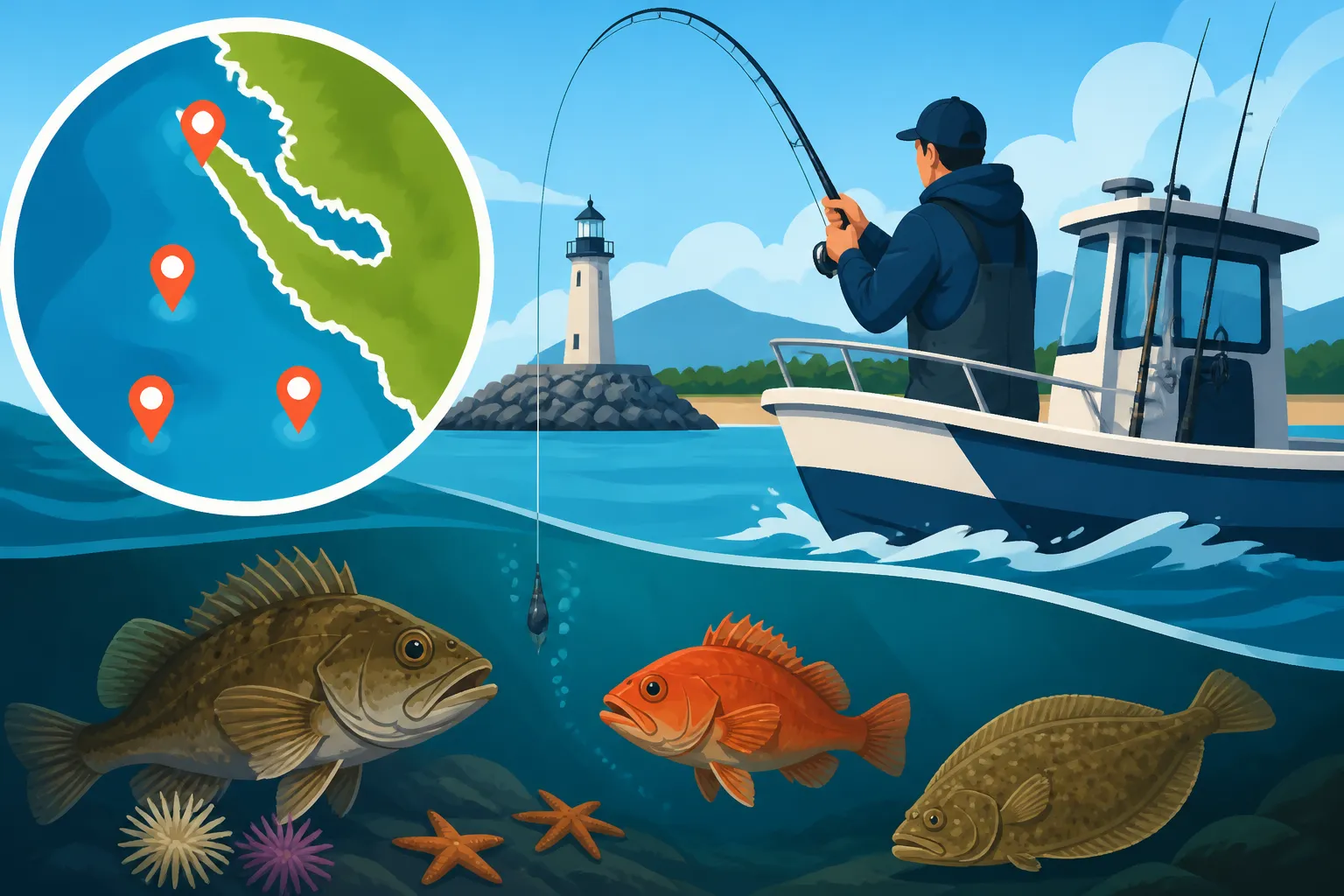
- Rockfish: Washington waters are home to numerous rockfish species, including black rockfish, vermilion, copper, and yelloweye. While they don't always reach the massive sizes of lingcod, they are abundant and offer consistent action. Many species school up, meaning when you find one, you often find many. They're characterized by their spiny fins and beautiful, varied coloration. Keeping track of the specific regulations for different rockfish can be a bit of a maze, but it’s crucial. For a deeper dive into these species, check out our guide on Rockfish Species Along the Washington Coast.
Why Structure is Everything for Bottomfish
If you take one thing away from this guide, it should be this: bottomfish are inextricably linked to structure. You won't find them swimming aimlessly in open, sandy bottom. They need rocks, reefs, and wrecks for several critical reasons:
- Ambush Points: Many bottomfish, especially lingcod, are ambush predators. They lie in wait behind rocks or within crevices, darting out to snatch unsuspecting baitfish or crustaceans that pass by.
- Protection from Currents: The rougher the ocean, the more they seek refuge. Structure provides a break from strong currents, allowing them to conserve energy.
- Food Sources: Smaller organisms and baitfish also seek shelter around structure, creating a natural food chain that attracts larger predators.
- Spawning and Rearing Grounds: These complex underwater environments offer protection for eggs and juvenile fish, ensuring the continuation of their species.
Understanding this helps you think like a fish. When you’re looking at a chart or dropping a line, always be thinking, "Where's the nearest piece of hard structure?"
Prime Bottomfishing Grounds Off Westport
Now for the juicy bits! While specific GPS coordinates are often closely guarded secrets by local captains, there are general areas off Westport known for consistent bottomfishing action. Many of these spots are within a reasonable run from the Westport marina, making them accessible for day trips.
The Inshore Reefs and Rocky Outcroppings
These are often the first stops for anglers departing Westport, especially if the ocean is a bit choppy or if you're targeting black rockfish and smaller lingcod.
- The Rockpile: This is probably the most famous bottomfishing destination out of Westport. Located just a few miles offshore, the Rockpile isn't one single rock but a series of rocky reefs and humps that rise dramatically from the otherwise sandy bottom. It's a magnet for black rockfish, copper rockfish, and smaller lingcod. Depths here can range from 60 to 150 feet. It’s a great spot for both jigging and bait fishing. The key is to drift over the structure, feeling for the bumps and drops, and getting your presentation right in their faces. This area is often bustling with charter boats and private vessels on good weather days.
- Grays Canyon (Northern Section): While the full Grays Canyon extends much further offshore, the northern, shallower sections closer to Westport also hold good bottomfish. These areas feature ledges and rock fields that provide excellent ambush points for lingcod. It's a bit more spread out than the Rockpile, requiring a good fishfinder and some patience to locate productive drifts. Keep an eye out for baitfish schools on your electronics – where there's bait, there are usually predators.
- The North and South Jetties (Nearshore Access): For those without a boat, or looking for a very close-to-shore option, the jetties themselves can offer some surprisingly good bottomfishing. While you won't pull up trophy lingcod consistently, you can catch cabezon, greenling, and smaller rockfish right from the rocks. Exercise extreme caution as the jetties can be slick and dangerous. Heavy gear is a must to contend with the snags. Remember, fishing from the banks or piers is a fantastic way to enjoy the sport without needing a boat, and you might even pick up a few tips from the locals.
Offshore Pinnacles and Wrecks
For bigger fish and often more consistent action, you'll need to venture further offshore to the deeper pinnacles and, if you're lucky enough to find them, shipwrecks. These spots generally require calmer seas and a boat capable of longer runs.
- The "50-Mile Reef" (and similar unnamed deepwater structures): This is a generic term referring to various deepwater reefs and pinnacles found further out, sometimes 30 to 50 miles offshore. These can be truly massive structures, rising hundreds of feet from the seafloor. They hold populations of larger lingcod, yelloweye rockfish (which have very strict regulations due to their protected status), and other deepwater species. Fishing these areas almost always involves a charter boat or a very well-equipped private vessel with excellent navigation and fish-finding electronics. The rewards, however, can be substantial, with true trophy-sized fish often found here. If you’re considering a trip out to these deeper grounds, hiring a professional guide through a service like FishingBooker can be invaluable, as they possess the local knowledge and safety equipment to get you there and back safely.
- Unknown Wrecks: The Washington coast has a history of maritime activity, and occasionally, shipwrecks are discovered that become phenomenal bottomfishing spots. These wrecks provide immense vertical structure and countless hiding places. However, they are hard to find and often remain secret for their discoverers. If you happen upon one, treat it like gold. They tend to hold a fantastic mix of lingcod and rockfish.
When fishing these offshore locations, understanding your electronics is paramount. A good fishfinder with side-scan or 3D mapping capabilities can make all the difference in locating these subtle yet productive structures.
Essential Techniques and Gear for Westport Bottomfishing
Once you've identified a promising spot, the "how-to" becomes critical. Bottomfishing isn't just dropping a line; it's about presentation, detecting bites, and knowing how to handle these powerful fish.
Effective Jigging and Bait Fishing Strategies
Both jigging and bait fishing are highly effective for Westport bottomfish, and often, anglers will employ a combination of both.
- Jigging: This is an active method that can be incredibly exciting. Heavy metal jigs (4-16 oz, depending on depth and current) in various shapes and colors are dropped to the bottom and then worked with an erratic retrieve.
- Colors and Shapes: Green, blue, glow-in-the-dark, and natural baitfish patterns are popular. Large, heavy lead jigs like the P-Line Laser Minnow or homemade "pipe jigs" are often effective for lingcod. For rockfish, smaller lead jigs or even soft plastics on heavy jig heads can work wonders.
- Action: The key is to impart action that mimics a wounded baitfish. Drop the jig to the bottom, then reel up a few cranks and violently snap the rod tip up, letting the jig flutter back down. Bites often occur on the drop, so be ready to set the hook!
- Scent: Don't underestimate scent! Adding a strip of herring, a chunk of squid, or even a commercially available scent gel to your jig can significantly increase your strike rate, especially on slower days.
- Bait Fishing: This more passive approach can be deadly, particularly for stubborn lingcod.
- Common Baits: Whole or cut herring, squid, mackerel, and even live bait (if legal and obtainable) are excellent choices. Large chunks of fresh fish can be irresistible to a hungry lingcod.
- Rigging: A simple "lead head" jig tipped with bait, or a mooching rig with two hooks, is very effective. For serious lingcod, many anglers use a heavy-duty single-hook dropper rig with a large piece of bait near the bottom. The idea is to present the bait right on or very close to the structure. You can also use a three-way swivel rig with a heavy sinker on a dropper line and a baited hook on another leader, which helps keep your bait off the immediate bottom and away from snags.
- Feeling the Bite: With bait, it's often a subtle tug or a sudden heaviness. Don't be too quick to set the hook; let the fish commit to the bait. For bigger lingcod, they might just pick it up and swim off slowly.
Gear Recommendations for Heavy-Duty Bottomfishing
You don't want to bring a trout rod to a lingcod fight. Bottomfishing demands robust gear that can handle heavy weights, strong currents, and powerful fish.
- Rods: Look for a medium-heavy to heavy conventional rod, typically 6 to 7.5 feet long, with a strong backbone and a sensitive tip. Graphite composites are great for sensitivity, while fiberglass offers incredible durability. Brands like Ugly Stik or Lamiglas offer excellent options that can withstand the abuse.
- Reels: A high-quality conventional reel is almost mandatory. Think Penn Squall, Daiwa Saltist, or Shimano Tekota, sized appropriately for 30-80 lb test line. It needs a good drag system and plenty of line capacity. Level-wind features are convenient but not strictly necessary.
- Line: Braided line (50-80 lb test) is highly recommended for its strength-to-diameter ratio and zero stretch. This allows you to feel even the lightest bites in deep water and withstand the abrasion of rocky structure. Always use a monofilament or fluorocarbon leader (40-60 lb test) for abrasion resistance and stealth. The leader length can vary, but generally 4-6 feet is a good starting point.
- Terminal Tackle:
- Jigs: As mentioned, heavy metal jigs (4-16 oz), leadhead jigs (1-8 oz).
- Sinkers: Cannonball or pyramid sinkers (4-20 oz) depending on current and depth.
- Hooks: Strong, sharp, circle hooks or J-hooks, sized 6/0 to 10/0, are essential. Consider using inline circle hooks, especially if you plan to release some fish, as they tend to hook in the corner of the mouth, reducing gut-hooking.
- Swivels and Snaps: High-quality, heavy-duty barrel or ball-bearing swivels to prevent line twist.
- Gloves: Fishing gloves are highly recommended for handling spiny rockfish and for better grip on your line and rod.
Navigating Regulations and Responsible Fishing
Part of being a successful angler is being a responsible one. Washington has specific rules to protect its valuable bottomfish resources, and ignorance is no excuse for a violation. Before every trip, always consult the latest WDFW regulations. You can find detailed information in our guide on Washington Fishing Regulations Every Angler Should Know.
Understanding Limits and Seasons
Limits can change, so always double-check. However, generally:
- Lingcod: Typically, there's a daily limit of 2 lingcod per angler. There are also specific size restrictions (often a minimum and maximum size, or a slot limit), and seasons can be closed in certain marine areas to protect spawning fish.
- Rockfish: This is where it gets complex, as limits vary significantly by species and marine area. For general bottomfish (excluding lingcod and halibut), the daily limit is often 7 fish, but certain species like yelloweye rockfish are prohibited to retain. For instance, Washington Sport Fishing Seasons and Emergency Closures provides detailed information on what’s open when.
- Possession Limits: Beyond daily limits, there are also possession limits, which dictate how many fish you can have in your possession after multiple days of fishing. Typically, it's twice the daily limit. To clarify these nuances, read our explanation on Possession Limits vs Daily Limits in Washington.
It's crucial to correctly identify your catch. If you’re unsure what species of rockfish you've caught, it’s always best to release it if regulations are strict.
The Crucial Role of Descending Devices
This is not just a recommendation; for certain rockfish species caught in Washington's marine waters, using a descending device is legally required if you intend to release them from depths greater than 30 feet. This is to help fish recover from barotrauma (the "bends") caused by rapid pressure changes when brought to the surface.
What is Barotrauma? When a fish is brought up quickly from deep water, the gasses in its swim bladder expand. This can cause the stomach to protrude out of the mouth, eyes to bulge, and other internal damage, making it difficult for the fish to swim back down and survive.
How a Descending Device Works: These devices allow you to re-submerge the fish quickly to the depth at which it was caught, recompressing its swim bladder and significantly increasing its chances of survival. There are several types:
- Weighted inverted hooks/clamps: These clip onto the fish's jaw or lip, with a weight attached, allowing you to lower the fish back down.
- Fish recompression tools: These are often cone-shaped devices that cradle the fish and are lowered on a line.
Having one of these onboard and knowing how to use it is a critical part of responsible bottomfishing in Washington. To learn more about this vital tool, see our guide on Descending Devices for Rockfish and How to Use One.
Conservation and Best Practices
- Fish only what you will eat: Don't just fill a cooler for the sake of it. Take what you can reasonably consume or share.
- Minimize handling of released fish: If you're releasing a fish, do it quickly and gently. Use wet hands to avoid removing their protective slime layer.
- Watch the weather: The ocean off Westport can turn nasty quickly. Always check marine forecasts before heading out and be prepared to cut your trip short if conditions deteriorate. Safety first, always.
- Consider a charter: If you're new to the area, don't have suitable gear, or want to learn from the best, booking a charter out of Westport is an excellent option. Local captains know the spots, the techniques, and the regulations inside out. You can easily find and book trips through platforms like FishingBooker, which connect you with experienced guides in the area.
Ultimately, bottomfishing near Westport offers incredible opportunities for exciting catches and delicious meals. By understanding the environment, knowing the best spots, employing effective techniques, and adhering to regulations, you’ll be well on your way to a memorable and successful fishing adventure.
Disclaimer
Fishing regulations are dynamic and subject to change without notice. Always verify current rules and seasons with the Washington Department of Fish and Wildlife (WDFW) before heading out on the water. This guide is for informational purposes only and does not constitute legal advice.