Does the Cowlitz Have a Hatchery Return in the Fall?
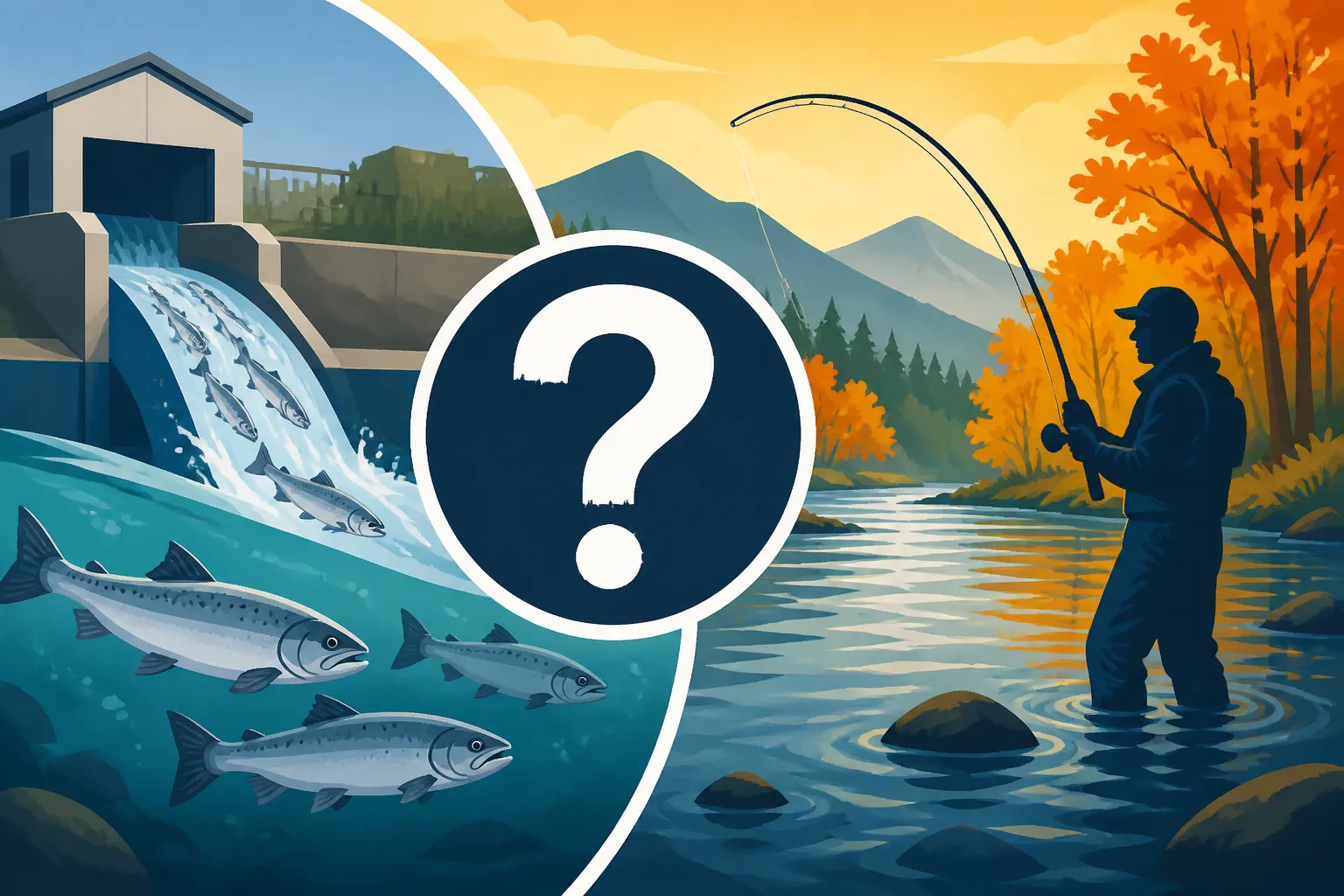
One of the biggest questions that echoes through the Washington fishing community, especially as the leaves start to turn, is whether the Cowlitz River will see a strong hatchery return in the fall. It's a valid concern for many anglers who depend on these reliable hatchery runs for their seasonal salmon fishing opportunities, often finding themselves confused by fluctuating forecasts and ever-changing regulations. This guide aims to clear up that confusion, detailing what kind of hatchery returns you can typically expect on the Cowlitz during the autumn months and how to best prepare for them.
Understanding the Cowlitz River's Fall Salmon Runs
The Cowlitz River, often affectionately called "The Salmon Factory," is undeniably one of Washington's most productive rivers for salmon and steelhead, largely thanks to its robust hatchery program. When we talk about fall returns, we're primarily focused on two main species: Chinook (often called "Kings") and Coho (often called "Silvers"). While other species like Chum might make an appearance, and winter steelhead start to trickle in towards late fall, Chinook and Coho are the stars of the autumn show for many anglers.
It's easy to get frustrated when you hear conflicting reports or see the runs not materialize exactly as predicted. The truth is, fish runs are dynamic; they're influenced by ocean conditions, river flows, water temperatures, and even previous year's hatchery releases. However, the Cowlitz system, with its dedicated hatchery facilities, consistently aims to provide a strong return of fin-clipped hatchery fish, offering some of the most consistent sport fishing opportunities in the state. Distinguishing between hatchery and wild fish is crucial here, not just for conservation but for knowing what you can legally keep. For a deeper dive into the overall regulations, check out our guide on Washington Fishing Regulations Every Angler Should Know
The Vital Role of Hatchery Programs on the Cowlitz
The Cowlitz River is home to the Cowlitz Salmon Hatchery, one of the largest salmon and steelhead hatcheries in the world, operated by Tacoma Power. This isn't just a small operation; it's a massive undertaking designed to mitigate the impacts of hydroelectric dams on salmon migration and provide significant fishing opportunities for anglers. The hatchery's primary goal is to release millions of salmon and steelhead smolts into the river each year, ensuring a sustainable return for sport and tribal fisheries.
These hatchery programs are absolutely foundational to the Cowlitz fishery. Without them, the river's sport fishing opportunities would be dramatically different, and likely much more restricted. Think of it this way: when you're out there, casting your line on a brisk October morning, you're benefiting directly from decades of careful planning, rearing, and release efforts by these hatcheries. They are designed to create a surplus of fish, specifically "hatchery origin" fish that often have their adipose fin clipped (a small fleshy fin on their back) to distinguish them from their wild counterparts. This clipped fin is critically important for knowing what you can keep, as detailed in our article on What a Clipped Adipose Fin Means
It's not just about numbers, though. These programs also contribute to the overall ecosystem, even while prioritizing angler opportunity. The frustrations often come when factors outside the hatchery's control – like poor ocean survival or adverse river conditions – affect the size and timing of these returns, leading to lower catch rates than anglers might hope for.
Species-Specific Fall Hatchery Returns on the Cowlitz
Let's break down what you can typically expect from the main fall salmon species in terms of hatchery returns on the Cowlitz.
Fall Chinook Salmon Returns
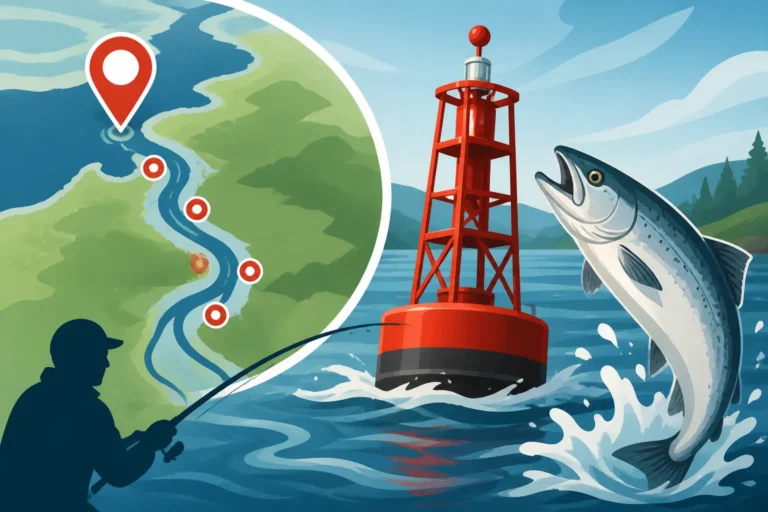
While the peak of the Chinook (King) salmon run on the Columbia River, which the Cowlitz feeds into, usually occurs in late summer at locations like Buoy 10, the Cowlitz still sees a respectable, albeit often smaller, hatchery return of fall Chinook. These fish are usually bigger, powerful fighters, making them a prized catch.
- Timing: The fall Chinook fishery on the Cowlitz typically gets going in August and can extend into September, sometimes even a bit into early October, depending on the year and the overall run strength. The biggest pushes are often in late August and early September.
- Hatchery Focus: A good portion of the Chinook you'll encounter in the Cowlitz are hatchery-origin fish, released upstream as smolts. These programs are designed to provide a harvestable surplus.
- Fluctuations: Chinook returns can vary significantly year to year due to ocean conditions. Some years will see a very strong showing, while others might be more modest. Anglers often keep a close eye on the WDFW forecasts. These forecasts, combined with in-season updates, dictate daily limits and open fishing days. Staying informed about Washington Sport Fishing Seasons and Emergency Closures is key.
Imagine you've been planning your annual trip for months. You've got your gear ready, your boat checked, and you're dreaming of that big chrome King. Suddenly, an emergency rule changes the bag limit or even closes a section of the river due to a lower-than-expected return. It's incredibly frustrating, but these decisions are made to protect the overall health of the fishery and ensure future runs.
Coho Salmon: The Fall Workhorse
If there's one fish that epitomizes fall fishing on the Cowlitz for many anglers, it's the Coho salmon. The Cowlitz River is renowned for its strong hatchery Coho returns, making it one of the most consistent and productive Coho fisheries in the state.
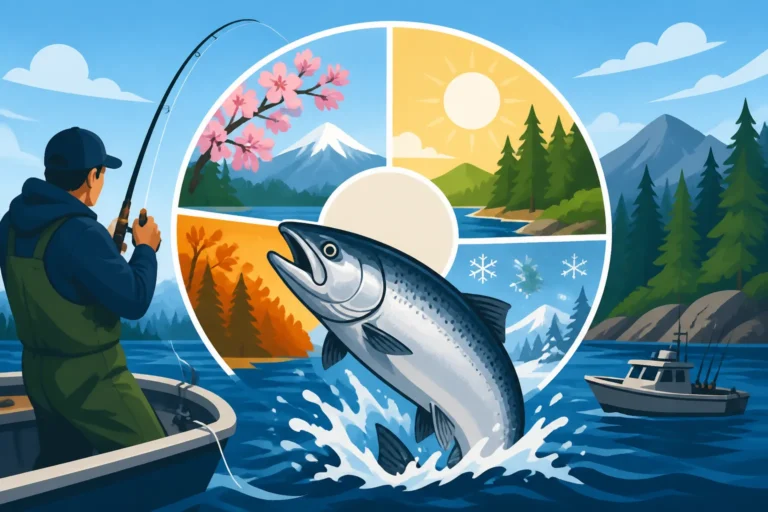
- Timing: The main Coho run typically kicks off in September, peaks in October, and can extend well into November. This long season provides ample opportunity for anglers.
- Hatchery Dominance: The vast majority of Coho caught on the Cowlitz are hatchery-reared and fin-clipped. Millions of Coho smolts are released annually from the Cowlitz Salmon Hatchery, contributing to these impressive returns. This makes Coho a truly accessible target for anglers seeking consistent action.
- Catchability: Coho are aggressive biters and fantastic fighters, making them a favorite for both experienced and novice anglers. Their willingness to chase a variety of lures and baits means you often have good success when they're present in numbers.
Picture this: It's a crisp October morning. The fog is lifting off the river, and you're anchored up near Blue Creek, or maybe drift fishing from your boat. Your bobber dips, you set the hook, and a shimmering, acrobatic Coho leaps from the water, peeling line off your reel. This is the classic Cowlitz fall experience, and it's largely thanks to the consistent efforts of the hatchery program.
Navigating Regulations and Forecasts for the Cowlitz
Fishing the Cowlitz, especially during the bustling fall salmon runs, means staying on top of the regulations. The Washington Department of Fish and Wildlife (WDFW) manages these fisheries very closely, and rules can change on a dime, sometimes even mid-season.
1. Staying Informed: Your absolute best friend for fishing the Cowlitz is the WDFW website, particularly their "Emergency Rule Changes" section. This is where you'll find the most up-to-date information on openings, closures, bag limits, and gear restrictions. There are resources like Where to Find Current Washington Fishing Rules that can guide you. Don't rely solely on word-of-mouth or last week's pamphlet; rules evolve quickly.
2. Daily and Possession Limits: For fall salmon, limits are almost always specific to hatchery fish. This means you need to be able to identify a fin-clipped fish. Typically, wild (unclipped) Chinook and Coho must be released unharmed. Daily limits might be two or three hatchery salmon, with specific restrictions on how many can be Chinook. For a full breakdown, our article on Understanding Washington's Daily Bag Limits by Species is a great resource. It's also vital to understand the difference between daily limits and How Bag and Possession Limits Work in Washington to ensure you stay legal when transporting your catch.
3. Catch Record Cards: Any time you keep a salmon or steelhead, you must immediately record it on your The Washington Catch Record Card and What It Requires This isn't just a suggestion; it's a legal requirement. Misreporting or failing to report can lead to significant fines.
4. Gear Restrictions: Be aware of any specific gear rules. The Cowlitz often has barbless hook requirements, especially during certain seasons or for specific species. Always check the current regulations for Barbless Hook Requirements on Washington Rivers to ensure your tackle is compliant.
Fishing Strategies for Fall Hatchery Salmon
Successful fishing on the Cowlitz for fall hatchery salmon often comes down to understanding the fish's behavior and applying tried-and-true techniques.
Popular Techniques
- Drift Fishing: This is a classic for a reason. Using a weighted setup to bounce bait (like cured salmon roe, prawns, or even commercially available "Coho candy") along the bottom is incredibly effective, especially in moving water where fish are holding.
- Bobber Dogging: A variation of drift fishing, often done from a boat, where a weighted bobber (often called a "dogger") helps keep your bait suspended just off the bottom as you drift downriver. It's excellent for covering water and presenting your bait naturally.
- Plunking: A bank fishing staple, particularly effective in higher flows. Anglers cast a heavy weight with bait (often a Spin-N-Glo or similar attractor and roe) into the main current and let it sit. The current makes the attractor spin, enticing fish as they move upstream.
- Trolling: In the wider, slower sections of the river, especially below the Barrier Dam, trolling with Brad's KillerFish, Wobblers, or even herring can be very productive for salmon.
Preferred Baits and Lures
- Cured Salmon Roe: The undisputed king of salmon baits. Fresh, properly cured roe is incredibly effective for both Chinook and Coho.
- Prawns: Fresh or brined prawns are another excellent bait, often fished under a bobber or drift-fished.
- Spinners and Spoons: Bright, flashy spinners (like Blue Fox Vibrax or Mepps Aglias) and spoons are deadly for aggressive Coho, especially when fished in faster water or swung through likely holding lies.
- Jigs: Marabou jigs, tipped with a small piece of prawn or scent, can be highly effective under a float for Coho, particularly in clearer water.
Key Access Points
The Cowlitz offers various access points for both bank anglers and boaters. For those with boats, knowing the Is There Boat Launch Access on the Cowlitz River in Washington? is crucial.
- Barrier Dam: Often a hotspot, particularly in early fall. Fish stack up here before moving into the hatchery system. Good for both boat and bank access.
- Blue Creek: Famous for its hatchery returns, especially Coho and steelhead later in the season. It can get incredibly crowded here, so arrive early.
- Toledo: Offers good bank access and boat launches, often good for drifting.
- Mission Bar: Another popular boat launch and drift fishing area.
Planning Your Trip: Guides and Resources
While the Cowlitz offers excellent fishing, it can also be a challenging river to learn, especially during peak seasons when crowds and changing conditions are common.
Considering a Guide: For many, especially those new to the Cowlitz or looking to maximize their chances, hiring a local guide is an excellent investment. A good guide knows the river's nuances, the current hot spots, and exactly what gear and techniques are working right now. They can save you a lot of trial and error and significantly increase your chances of success. If you're pondering a guided trip, our article on Booking a Guide for the Cowlitz River in Washington provides helpful insights.
When searching for a guide, platforms like FishingBooker can be incredibly useful. You can browse various operators, compare their offerings, read reviews from other anglers, and find a guide that fits your style and budget. Many experienced guides who frequent the Cowlitz list their services there, making it easier to connect with someone knowledgeable about the specific fall hatchery runs. Using a platform like FishingBooker also often provides a layer of reliability and customer service, which is a nice bonus when planning an important fishing trip.
What to Look for in a Cowlitz Guide:
- Experience: Choose a guide with a proven track record on the Cowlitz, specifically during the fall salmon season.
- Gear: Ensure they provide quality rods, reels, and tackle, and that their boat is well-maintained and safe.
- Knowledge of Regulations: A good guide will be intimately familiar with the latest WDFW regulations and ensure everyone on board fishes legally.
- Teaching Style: If you're a beginner, look for a guide who is patient and willing to teach you the ropes.
Remember, even with a guide, you'll still need your own Washington fishing license. Information about Washington Fishing License Guide for Nonresidents and other license options can clarify what you need before hitting the water. Whether you choose to go with a guide or venture out on your own, having a game plan and staying flexible will be key to a successful fall hatchery fishing trip on the Cowlitz.
Typical Fall Hatchery Run Timings on the Cowlitz River
To give you a clearer picture, here's a general overview of when the main hatchery salmon runs typically arrive on the Cowlitz River in the fall. Keep in mind that these are averages and actual timing can shift year to year based on environmental factors.
| Species | Peak Season | Primary Focus | Hatchery Influence | Key Characteristics |
|---|---|---|---|---|
| Fall Chinook | Late Aug – Mid-Sept | Larger, powerful | Significant | Strong fighters, often caught via drift/troll |
| Coho Salmon | Mid-Sept – Late Nov | Abundant, acrobatic | Highly significant | Aggressive biters, great for all skill levels |
This table provides a snapshot, but it's always crucial to check the latest WDFW updates before heading out. Fishing the Cowlitz during these fall runs is a truly iconic Washington experience, providing incredible opportunities for anglers to connect with some of the region's most prized sportfish.
Disclaimer
Always check the latest Washington Department of Fish and Wildlife (WDFW) regulations before heading out on any fishing trip. Rules and seasons can change rapidly due to emergency closures or updates, and it is every angler's responsibility to know and follow the current laws. This guide is for informational purposes only and does not supersede official WDFW regulations.