Rockfish Species Along the Washington Coast
The Washington coast offers some truly incredible fishing opportunities, but few fish families are as diverse and, let's be honest, sometimes confusing, as the rockfish. You might head out expecting to catch "a rockfish," only to find yourself wondering which of the many distinct species you've actually landed. This guide is here to unravel that mystery, helping you identify the various rockfish species along our beautiful coastline and understand why each one is so special, and often, so important to protect.
The Incredible Diversity of Washington's Rockfish
When we talk about "rockfish" in Washington, we're not just talking about one type of fish. It's actually a huge family of marine fish, part of the genus Sebastes, and they are a cornerstone of our coastal ecosystems. They’re found from the intertidal zone all the way down to incredible depths, thriving in rocky reefs, kelp forests, and even sandy bottoms adjacent to structure. Their sheer numbers and variety make them a vital food source for larger predators, and a fascinating target for anglers.
Why Rockfish Are So Important to Our Ecosystem
Rockfish play a critical role in the intricate web of marine life along the Washington coast. Think of them as the unsung heroes of the underwater world. They occupy various niches, from small, schooling species that feed on plankton to larger, more solitary fish that prey on smaller invertebrates and fish. This means they are both predator and prey, linking different parts of the food chain. Without healthy rockfish populations, the entire ecosystem could suffer, impacting everything from salmon and halibut to marine mammals and seabirds that rely on them for sustenance. They're also an indicator of overall ocean health; declines in rockfish can signal broader environmental issues.
The Identification Challenge: More Than Just "Rockfish"
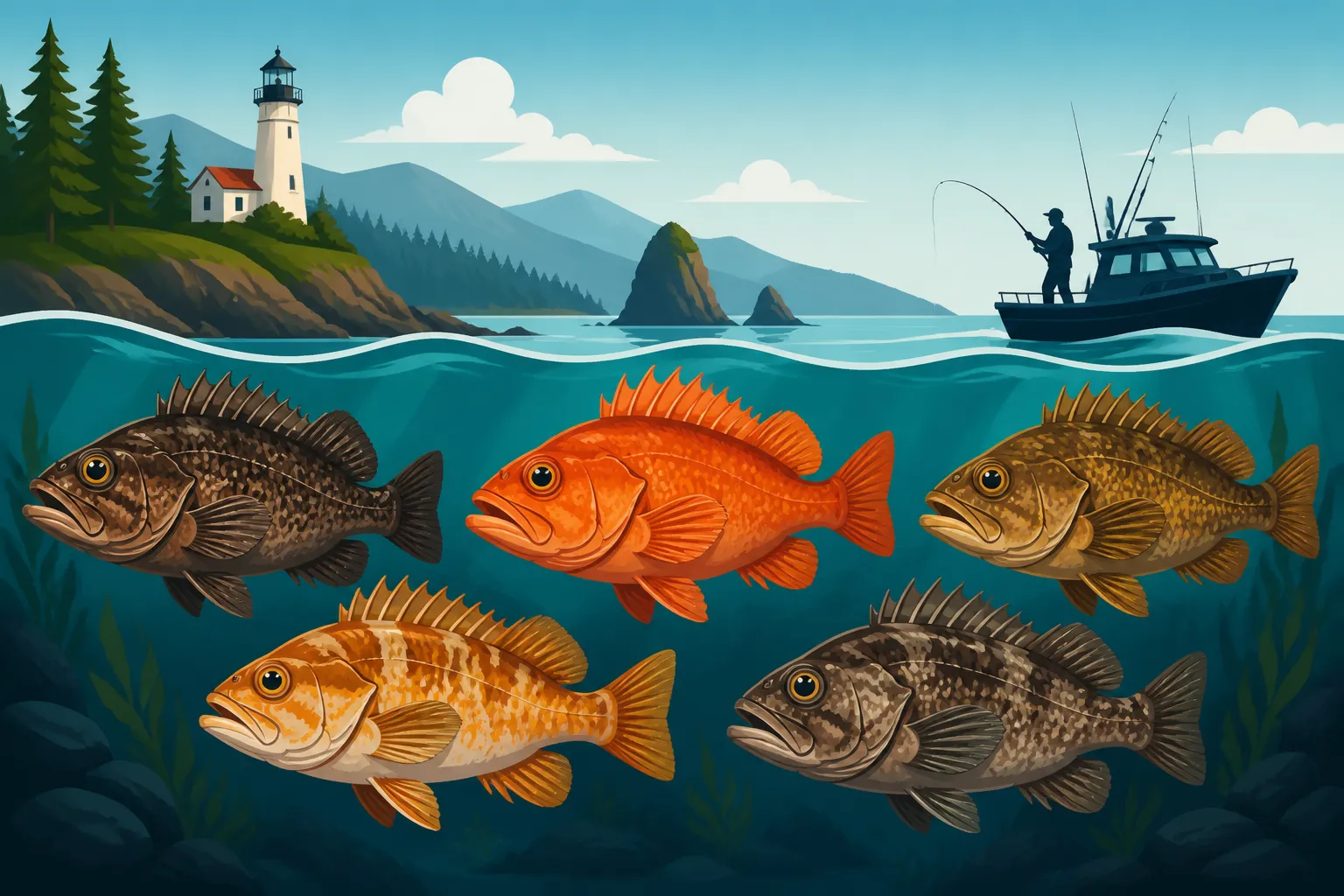
It's easy to just call them all "rockfish" when you're out on the water, but the reality is that there are many different species, each with unique characteristics. From vibrant reds and oranges to mottled browns and deep blacks, their coloration and patterns vary wildly. Some have distinctive fins or scales, others have prominent spines, and their body shapes can range from slender to stout. This diversity can make identification a real puzzle, even for seasoned anglers. Knowing which species you've caught isn't just about satisfying curiosity; it's often crucial for complying with specific fishing regulations, as some species have much stricter rules than others due to their conservation status. Many times, what looks like a common rockfish might actually be a species of concern, requiring immediate and careful release.
Habitat Preferences and Where to Find Them
Understanding where different rockfish prefer to live can greatly improve your chances of targeting specific species, or avoiding protected ones. Generally, as their name implies, rockfish love structure. This includes rocky reefs, kelp beds, submerged wrecks, jetties, and even artificial reefs. Some species are shallow-water residents, rarely venturing deeper than a few dozen feet, while others are truly deep-dwelling, found hundreds of feet down. The size of the structure, the presence of currents, and the type of bottom material (sandy, gravelly, or pure rock) all influence which species will call a particular spot home. For instance, you might find black rockfish cruising higher in the water column over reefs, while copper rockfish hug the bottom right in the cracks and crevices. Knowing these preferences helps you choose the right fishing grounds and methods.
Common Rockfish Species You'll Encounter
While there are many species of rockfish along the Washington coast, a few stand out as the most commonly encountered by anglers. Getting familiar with these will give you a great foundation for identifying others. Each has its own distinct look and habitat preference, making them unique and interesting targets.
Black Rockfish: The Coastal Cruiser
The black rockfish (Sebastes melanops) is probably the most recognizable and frequently caught rockfish along our coast. They're often called "black bass" or "sea bass" because of their similar fighting style and schooling behavior. They tend to be a mottled black to dark gray, sometimes with lighter blotches on their sides, and typically have five soft rays in their anal fin (a useful ID trick!). What makes them stand out, beyond their color, is their tendency to cruise in schools higher in the water column, often just below the surface, especially near kelp beds, jetties, and rocky shorelines. You'll frequently find them in Puget Sound, the outer coast, and around the San Juan Islands. They're known for hitting a variety of lures and baits with aggression, making them a fun catch. Because they often stay in shallower water, they're less susceptible to barotrauma (the effects of rapid pressure change) when brought to the surface, which is good for those practicing catch and release. To dive deeper into distinguishing features, check out How to Identify a Black Rockfish.
Copper Rockfish: The Reef Dweller
Copper rockfish (Sebastes caurinus) are another common and highly prized species. Their name comes from their distinct coloration, which can range from a vibrant copper or orange-brown to an olive green, often with lighter patches and a distinctive white or silver lateral line that sweeps upwards. They usually have light blotches on their back and a clear, unbarred caudal fin. Unlike black rockfish, coppers prefer to stay tight to the bottom and rocky structures, often found in crevices and around ledges. They are a bit more solitary than black rockfish and are masters of camouflage, blending perfectly with their rocky surroundings. You'll find them in similar areas to black rockfish, but typically holding deeper on the structure itself. They can be caught using jigs, bait, or even soft plastics dropped right into their hiding spots. Understanding the difference between these two popular species is often a key first step for new anglers, and you can learn more about how to differentiate them in Black Rockfish vs Copper Rockfish.
Vermilion Rockfish: The Vibrant Deep-Water Beauty
The vermilion rockfish (Sebastes miniatus) is a truly stunning fish, aptly named for its brilliant red to reddish-orange coloration. They often have mottled sides with darker blotches and typically have reddish fins. While they share the "red" characteristic with some other deep-water rockfish, vermilion tend to have a less pronounced "bumpy" or spiny feel to their heads compared to, say, a yelloweye. These fish prefer deeper rocky reefs, typically ranging from 100 to 600 feet, making them a common catch for offshore bottom fishermen. Due to their deeper habitat, they are highly susceptible to barotrauma, which means safe release practices are absolutely critical. When you pull one of these beauties up, their swim bladder can expand dramatically, making it difficult for them to swim back down.
Yelloweye Rockfish: The Long-Lived Giant (and Why They're Special)
The yelloweye rockfish (Sebastes ruberrimus) is a truly iconic, and unfortunately, imperiled species along the Washington coast. They are a large, long-lived fish, often exceeding 30 pounds and living for over 100 years. Their most striking feature is, of course, their bright yellow eyes, set against a vibrant orange to reddish-orange body. Juveniles often have a distinct light stripe along their lateral line, which fades as they mature. Yelloweye are deep-water specialists, preferring rocky pinnacles and reefs in depths often exceeding 150-200 feet. Their extreme longevity makes them highly vulnerable to overfishing, as it takes many, many years for them to reach reproductive maturity. Because of this, yelloweye rockfish are a protected species in Washington, and retaining them is illegal. If you accidentally catch one, it is imperative to release it immediately and carefully, often requiring the use of a descending device to give it the best chance of survival. This makes understanding Rockfish Species That Must Be Released in Washington absolutely vital for any angler.
Less Common, But Still Present, Rockfish Species
Beyond the frequently encountered species, Washington waters are home to a fascinating array of other rockfish. While you might not catch these as often, knowing about them adds to your appreciation of our diverse marine environment and helps you adhere to specific regulations.
Canary Rockfish: Bright and Beautiful
The canary rockfish (Sebastes pinniger) gets its name from its beautiful yellow-orange coloration, often with three distinct orange stripes on its head, and a distinctive white lateral line. Their fins are typically a brighter yellow. They can grow quite large, though not to the same extent as a yelloweye, and are often found in moderately deep waters (50 to 800 feet) over rocky bottoms. Like many deep-water rockfish, they are prone to barotrauma. While once a more common catch, their populations have faced challenges, and they are now a species of concern, with strict regulations often in place to protect them. Accidental catches should be handled with extreme care and released using a descending device, which we'll discuss more later.
China Rockfish: Unique Markings
The China rockfish (Sebastes nebulosus) is truly unmistakable once you know what to look for. Its dark, mottled body, ranging from black to dark brown, is adorned with striking yellow or white blotches and speckles, including a prominent, irregular yellow band that often runs from the dorsal fin down to the lateral line. Their fins are often dusky or dark. These fish are typically found in shallower to moderate depths, usually less than 300 feet, and are strong associates of complex rocky reef structures, often hiding in caves and crevices. Their unique pattern makes them relatively easy to identify compared to some of their more subtly colored cousins. They're not as commonly caught as black or copper rockfish but are a prized catch when encountered.
Quillback Rockfish: Spiny and Stubborn
If you've ever hooked a quillback rockfish (Sebastes maliger), you'll understand why it gets its name. These fish are characterized by their extremely long, stiff dorsal fin spines, which are often tipped with venom (though generally not medically dangerous, they can cause a painful sting!). Their coloration is typically dark brown to black, often mottled with yellow or orange blotches, particularly on their lower sides and fins. They usually have a dark blotch on their gill cover. Quillbacks are true bottom-dwellers, preferring rocky reefs and boulder fields from shallow depths out to about 900 feet. They're not the most aggressive biters, often just subtly mouthing the bait, but once hooked, they put up a stubborn fight, often trying to burrow back into the rocks. Due to their spiny nature, handling them carefully with gloves or a fish gripper is highly recommended.
Regulations and Conservation for Washington Rockfish
Fishing for rockfish in Washington is a privilege that comes with a significant responsibility: conservation. Many rockfish species, particularly those that are long-lived and deep-dwelling, are highly vulnerable to overfishing. This is why the Washington Department of Fish and Wildlife (WDFW) has implemented a range of regulations designed to protect these vital species.
Why Rockfish Need Our Protection
The primary reason rockfish require stringent protection is their life history. Many species, especially the larger ones like yelloweye, can live for decades, even over a century. They grow slowly, mature late, and don't reproduce until they're quite old. This "slow-growth, late-maturity" strategy means that once a population is depleted, it takes an incredibly long time to recover, sometimes generations. Add to this the phenomenon of barotrauma—where fish brought up from deep water suffer internal injuries from expanding gases—and you have a recipe for severe population declines if not managed carefully. The fishing pressure on these long-lived species, even incidental catches, can have a disproportionately large impact, necessitating catch limits, depth restrictions, and in some cases, outright prohibitions on retention.
Descending Devices: A Crucial Tool for Conservation
One of the most powerful tools we have as anglers for rockfish conservation is the descending device. If you're fishing for rockfish in deeper water, say over 30 feet, having one of these onboard isn't just a good idea; it's often legally required or strongly encouraged, especially for species prone to barotrauma. A descending device is a weighted tool that allows you to quickly and safely return a fish experiencing barotrauma back to its capture depth, recompressing its swim bladder and giving it a much higher chance of survival. There are various types, from simple weighted clamps to more sophisticated release devices. Many effective models are readily available, and you can even find a wide selection of them on Amazon to ensure you're equipped. Remember, using one correctly is key, and understanding Why Do Some Rockfish Need a Descending Device? and Descending Devices for Rockfish and How to Use One can make a huge difference in rockfish survival rates.
Understanding Bag and Possession Limits by Species and Area
Washington's rockfish regulations are complex and can vary significantly by marine area, depth, and specific species. It's not uncommon for different species of rockfish to have different bag limits, size restrictions, or even be completely prohibited from retention. For example, some areas might allow a certain number of black rockfish, but strictly prohibit yelloweye. Furthermore, regulations often differentiate between "bottomfish" general limits and specific rockfish rules. Always, always check the current WDFW regulations for the marine area you plan to fish before you head out. These rules are subject to change, sometimes mid-season through emergency rules, so staying informed is paramount. This diligence helps protect vulnerable species and ensures you avoid penalties. For specific examples, look into Rockfish Bag Limit in Puget Sound.
Here's a simplified look at common rockfish species and general considerations for Washington:
| Species | Common Coloration | Primary Habitat | Key ID Features | Conservation Status/Notes |
|---|---|---|---|---|
| Black Rockfish | Mottled black/dark gray | Shallow to mid-depth reefs, kelp, jetties | 5 anal fin rays, large mouth | Generally common, less barotrauma in shallow water |
| Copper Rockfish | Copper/orange-brown, olive green | Bottom-hugging, complex rocky reefs | White/silver lateral line, light blotches | Common, good table fare |
| Vermilion Rockfish | Bright red to reddish-orange | Deeper rocky reefs (100-600 ft) | Less spiny head than yelloweye, red fins | Susceptible to barotrauma, use descending device |
| Yelloweye Rockfish | Orange to reddish-orange, yellow eyes | Deep rocky pinnacles (>150 ft) | Bright yellow eyes, rough head, large | Protected, retention illegal, highly vulnerable |
| Canary Rockfish | Yellow-orange, 3 head stripes | Moderately deep rocky bottoms (50-800 ft) | White lateral line, yellow fins | Species of concern, use descending device |
| China Rockfish | Dark with irregular yellow/white band | Shallow to mid-depth complex reef structures | Distinct yellow band, spotted body | Less common, unique markings |
| Quillback Rockfish | Dark brown/black with yellow/orange | Bottom-hugging, boulder fields | Very long, stiff dorsal spines | Spiny, handle with care |
Note: This table is a general guide. Always consult current WDFW regulations for specific identification and rules.
Best Practices for Catching and Releasing Rockfish
Successfully catching rockfish is a thrill, but doing so responsibly, especially when deep-water species are involved, requires specific knowledge and techniques. Whether you plan to keep your catch or release it, following best practices ensures the health of our fisheries.
Gear and Techniques for Targeting Rockfish
Targeting rockfish effectively usually involves fishing near structure. Heavy-action rods with braided line are popular, allowing you to feel subtle bites and quickly pull fish away from snags. For terminal tackle, jigging with lead head jigs tipped with soft plastic swimbaits, or using bait rigs with cut bait like herring or squid, are highly effective. For deeper water, heavier jigs (often 4-8 ounces or more) are necessary to get down quickly. Some anglers also find success with large metal jigs that flutter on the drop. When buying gear, don't overlook quality hooks; many anglers source reliable jig heads and robust hooks from Amazon for their rockfish setups. Remember that rockfish often congregate, so if you find one, there are likely more. However, be mindful of overfishing a spot, especially if you're pulling up protected species. For more on this, you might find Bait Rigs for Rockfish on the Washington Coast helpful, or for a broader approach, consider Bottom Fishing Techniques for Lingcod and Rockfish off Washington.
Handling Rockfish with Care
Proper handling of rockfish, whether you intend to keep them or release them, is critical. Their spines can be sharp, especially the dorsal and opercular (gill plate) spines, so gloves are a good idea. Avoid holding them by the jaw, as this can damage their mouth and internal organs. Instead, support their body horizontally. If releasing, try to keep the fish in the water as much as possible. If it must come out, do so quickly, unhook it, and prepare for release. Minimize its time out of water, as this reduces stress and increases survival chances. Be especially gentle with smaller fish or those showing signs of distress.
Releasing Deep-Water Rockfish Safely
The challenge with deep-water rockfish is barotrauma. When these fish are brought up from depths, the gases in their swim bladder expand. This can cause their stomach to evert out of their mouth, eyes to bulge, and prevent them from swimming back down. This is where a descending device becomes indispensable. If a fish shows signs of barotrauma, attach it to the descending device and send it back down to the depth it was caught from. The device re-inflates the swim bladder and allows the fish to recover and swim away on its own. Never just toss a fish with severe barotrauma back; it will likely float on the surface and become prey. While it might seem like a hassle, this small effort makes a huge difference in conservation efforts, allowing these fish to live and reproduce. The key is to have your descending device ready and know how to use it before you even start fishing in deep water.
Disclaimer
This article is for general informational purposes only and does not constitute professional advice. Laws, prices and regulations vary by location and change over time. Consult a qualified professional for guidance on your specific situation.