When the Baker Lake Sockeye Run Is at Its Best
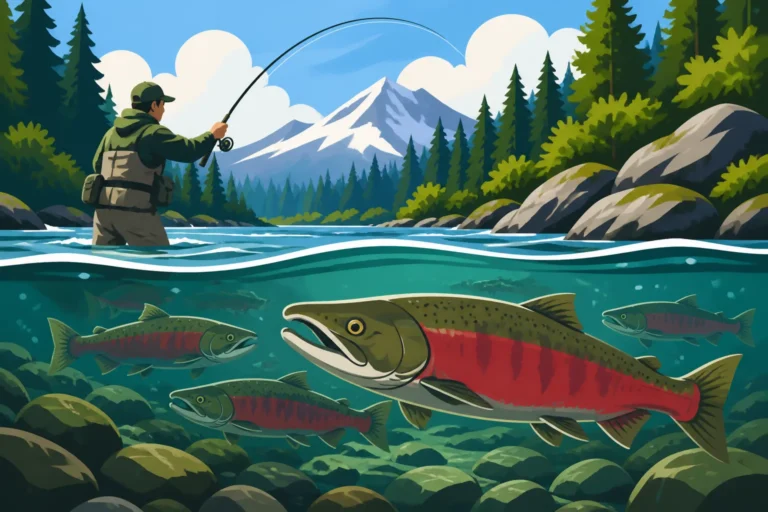
One of the most thrilling and, let’s be honest, often frustrating experiences in Washington fishing is trying to hit the Baker Lake sockeye run at its absolute peak. These elusive, vibrant red salmon draw passionate anglers from all over, but pinpointing that sweet spot where the fish are abundant and biting can feel like chasing a moving target. This guide is here to help you cut through the guesswork and understand exactly when and why the Baker Lake sockeye run is at its best, so you can maximize your chances of a truly memorable trip.
Understanding the Baker Lake Sockeye Cycle
The Baker Lake sockeye fishery isn't just another salmon run; it's a testament to incredible conservation efforts and a unique hydrological system. Unlike many salmon, these fish don't just swim unimpeded to their spawning grounds. Their journey is a complex dance involving a natural river, two reservoirs, and a human-operated fish trap. Understanding this intricate cycle is the first step to unlocking the secrets of their peak run.
The Unique Journey of Baker Lake Sockeye
Imagine being a sockeye salmon, fighting your way from the saltwater of Puget Sound, up the mighty Skagit River, and then into the Baker River system. But that's not the end of the line. These fish then encounter the lower and upper Baker dams, operated by Puget Sound Energy. To ensure their survival and continued spawning, these sockeye are captured at a fish trap below the lower dam and then trucked upstream, bypassing both reservoirs to be released into Baker Lake itself. It's a truly remarkable system designed to mitigate the impact of hydroelectric power generation on a vital salmon species. This trap-and-haul operation is crucial because it means the fish aren't just swimming upstream; their migration is actively managed at a critical juncture, which directly influences when they arrive in the lake.
Because of this unique system, the timing of the sockeye run at Baker Lake is a bit different than a purely wild, free-flowing river system. The fish accumulate below the lower dam as they wait to be trapped and transported. This bottleneck can create significant concentrations of fish, which is great for anglers, but it also means that the "peak" isn't solely dictated by natural instinct but also by the efficiency and schedule of the trap-and-haul operations. This managed aspect is both a blessing and a challenge, adding another layer of complexity to predicting the best fishing days.
Key Factors Influencing the Run Timing
Several critical elements come into play when determining when these beautiful sockeye will show up in force and be ready to bite. It’s a mix of nature's rhythms and human management that anglers need to keep an eye on. Ignoring these factors is like trying to guess the weather without looking at a forecast; you might get lucky, but you’re likely to be disappointed.
Water temperature, for instance, plays a huge role in triggering the initial upstream migration from saltwater into the Skagit River. As temperatures rise in early summer, it signals to the sockeye that it's time to begin their freshwater journey. Too cold, and they'll hold back; too warm, and it can stress them, affecting their willingness to bite. River flow is another significant contributor. Heavy rains or snowmelt can increase river flows, which might encourage more aggressive movement upstream, but exceptionally high or turbid water can also make fishing challenging as fish scatter or become harder to spot. Conversely, extremely low flows can slow migration, concentrating fish but also making them more wary.
Perhaps the most significant factor, however, is the actual size of the fish returns each year, coupled with the pace of the dam's trap-and-haul operations. The Washington Department of Fish and Wildlife (WDFW) provides forecasts for the Baker Lake sockeye run size, but these are estimates, and the actual numbers can vary. A large forecasted return often means a longer, more robust season, increasing your chances of hitting a good window. Puget Sound Energy's operations directly impact how quickly fish are moved from the river to the lake. If there's a huge surge of fish, the trap might be running constantly, moving thousands of sockeye daily. If returns are lower, the pace might slow down. All these variables create a dynamic environment where the "best" time isn't a fixed date on the calendar.
Pinpointing the Peak: The Ideal Window
So, if there's no magic date, how do you know when it's truly "best"? The trick is to understand the general trends and then keep a keen eye on real-time information. The sockeye season is typically short and intense, so timing really is everything if you want to experience the full spectacle of this fishery.
The General Timeline for Baker Lake Sockeye
Historically, the Baker Lake sockeye run typically kicks off in earnest around early to mid-July. This is when the first significant numbers of fish start arriving at the lower Baker Dam fish trap. By late July and throughout August, the run usually builds to its crescendo. This is often when you see the highest daily trap counts and, consequently, the greatest number of sockeye released into Baker Lake. Anglers will start seeing consistent action around this time, and the lake can become a hive of activity.
As we move into late August and early September, the run begins to taper off. While there can still be good fishing opportunities during this tail end, the sheer volume of new fish entering the lake diminishes. The fish that have been in the lake longer might also start to show signs of spawning readiness, becoming less interested in feeding. So, while you might find fish throughout these months, that prime "best" window, where fresh, aggressive fish are abundant, often falls squarely within the heart of August.
What "Best" Means for Anglers
Defining "best" is a bit subjective, as different anglers prioritize different things. For some, "best" means the highest possible catch rates, a non-stop bite where you're constantly reeling in fish. This often aligns with the absolute peak of the run in mid-August when the maximum number of sockeye are present and actively migrating through the system. During these times, it’s not uncommon to hear stories of boats limiting out quickly, experiencing a truly frenetic fishing pace that's hard to beat anywhere else.
For others, "best" might mean fewer crowds, even if it means slightly lower catch rates. If you prefer a more serene experience, the earlier part of the run in July, or perhaps even the very tail end in early September, might appeal to you more. You'll still encounter fish, but the sheer volume of boats vying for the same spots won't be as overwhelming. There are also anglers who chase the freshest, brightest fish, preferring the early arrivals that haven't spent as much time in freshwater. These fish tend to have the best eating quality. So, while the highest numbers of fish generally occur in August, consider what kind of experience you're truly after.
Observing Real-Time Indicators for the Prime Window
Given the dynamic nature of this fishery, relying solely on historical averages isn't enough. You absolutely must stay informed with real-time updates. The Washington Department of Fish and Wildlife (WDFW) website is your absolute best friend here. They regularly post updates on the sockeye trap counts at the Lower Baker Dam and projected run forecasts. These numbers are gold; if you see the daily trap counts consistently high and increasing, you know the peak is building. For comprehensive information on how seasons and emergency rules are set, you might want to review Washington Sport Fishing Seasons and Emergency Closures and Emergency Rule Changes: Why Washington's Rules Shift Mid-Season.
Beyond official channels, local knowledge is invaluable. Bait and tackle shops near Baker Lake, like Holiday Market or even places further away in Bellingham or Mount Vernon, are often buzzing with the latest reports from anglers who have been out on the water. They'll know if the bite is hot, what depths the fish are holding at, and what colors are working. Online forums and social media groups dedicated to Washington fishing are also excellent resources. While always taking online chatter with a grain of salt, you can often pick up trends and get a sense of the mood on the lake. Many experienced anglers share their successes and frustrations, giving you a mosaic of real-time conditions.
Strategic Considerations for Fishing the Peak Run
Once you've zeroed in on that prime window, there are still some strategic considerations to make your peak-season trip as successful as possible. The Baker Lake sockeye fishery can be incredibly rewarding, but it pays to be prepared for what you'll encounter.
Gear and Techniques During Peak Season
When the sockeye are running strong, the techniques aren't complicated, but precision matters. Trolling is king here, typically using small dodgers or flashers paired with sockeye flies, hoochies, or wedding rings. The key is size and color. Sockeye have small mouths and are incredibly particular. Popular colors often include various shades of red, pink, orange, and sometimes chartreuse, usually with some metallic flake or glow properties. You can find a huge variety of these specialized lures and dodgers on platforms like Amazon, ensuring you're stocked up before hitting the lake.
Using downriggers is almost essential to consistently put your offering in front of the fish, as sockeye often hold at specific depths, which can change throughout the day. A good fish finder will help you identify those schools and precisely set your gear. The speed of your troll is also crucial; often a slow, deliberate speed is most effective. Think about your leader length and line diameter too—lighter lines and longer leaders can often entice more bites from wary sockeye, especially on sunny days. For a similar discussion on effective trolling, you might find tips in Trolling Wedding Rings for Kokanee, as the methodology is quite transferable.
Navigating Crowds and Competition
Let's be realistic: when the Baker Lake sockeye run is at its best, it's not a secret. Expect company. Lots of it. Weekends, especially during the height of the run, can see the boat launches at Baker Lake like Swift Creek or Panorama Point absolutely packed. This means getting to the launch early—and we're talking before sunrise early—is often necessary to secure a parking spot and avoid a lengthy wait to get your boat in the water.
Once on the lake, you'll see a flotilla of boats all trying to get in on the action. Courtesy and awareness are paramount. Maintain a safe distance from other boats, be mindful of their trolling patterns, and communicate if you need to cross paths. Frustration can easily boil over if anglers aren't respectful. If you're new to the fishery, consider going on a weekday if your schedule allows, or focusing on the earlier parts of the run in July when crowds tend to be lighter. Don't let the crowds deter you, though; the camaraderie and shared excitement of a hot bite can be a huge part of the fun.
Regulations and Emergency Rule Changes
This is perhaps the most critical section for any angler hoping to fish Baker Lake sockeye successfully. The regulations for this fishery are highly dynamic and can change on a dime. Because the sockeye run is managed based on actual returns, WDFW often implements emergency rule changes mid-season. This means the daily limit, legal fishing days, and even whether the fishery is open at all can be adjusted with very little notice. You can't just check the regulations once at the beginning of the season and assume they'll hold.
Before every single trip, you absolutely must check the latest WDFW fishing regulations. This usually involves visiting the WDFW website's emergency rule change section or calling their regional office. Missing an emergency closure or misinterpreting a new daily limit can lead to severe penalties, including hefty fines and even loss of fishing privileges. Don't be that angler. Always be current. Furthermore, any sockeye you keep must be immediately recorded on your The Washington Catch Record Card and What It Requires, so make sure you have it with you and understand how to fill it out correctly. This vigilance is crucial to both a legal and successful fishing trip.
Maximizing Your Chances Throughout the Run
While hitting the absolute "peak" is often the goal, the Baker Lake sockeye season offers opportunities throughout its duration. Being adaptable and understanding the characteristics of early versus late season can also lead to fantastic fishing.
Early Season Advantages and Challenges
Fishing the early part of the Baker Lake sockeye run, typically mid-July, can offer some distinct advantages. For starters, the fish are often much fresher, having just completed their migration from saltwater. These sockeye tend to be bright, chrome-colored, and in prime condition for eating. Because fewer fish have entered the lake, they may also be more aggressive biters as they are still actively migrating and less wary of boat traffic. An added bonus is the reduced pressure; you'll generally encounter far fewer boats on the water, making for a more peaceful and less competitive experience.
However, the early season also presents its challenges. With fewer fish in the lake overall, locating them can be harder. They might be more spread out, requiring more searching with your fish finder and longer trolling passes. The peak concentration hasn't built up yet, so you might need more patience and a bit of luck. Weather can also be more unpredictable in July, with potential for wind or rain showers that might affect comfort and fish behavior. Despite these hurdles, for many, the chance at a pristine, unpressured sockeye makes the early season efforts well worth it.
Late Season Opportunities and Considerations
As the calendar rolls into late August and early September, the Baker Lake sockeye run begins its decline, but it doesn't mean the fishing is over. In fact, the late season can offer some unique opportunities. By this time, a vast number of sockeye have often accumulated in the lake, particularly closer to the spawning grounds. If the fishery remains open, you might find extremely concentrated schools of fish, making for fast and furious action when you locate them. While these fish might be a bit more "colored up" (showing the characteristic red hues of spawning sockeye) and less pristine than their early-season counterparts, they can still provide incredible sport.
The main consideration for late season is fish quality for the table and potentially more erratic biting behavior. As sockeye transition to spawning, their focus shifts away from feeding. They might still strike out of aggression or instinct, but the consistent, voracious bite of fresh fish can diminish. The weather can also start to turn, with colder temperatures and more wind making for less comfortable boating conditions. Still, for sheer numbers and the excitement of hooking into a hard-fighting sockeye, the late season can be surprisingly productive, provided you're prepared for the conditions and the fish's changing demeanor.
The Importance of a Baker Lake Sockeye Permit
Beyond your standard Washington fishing license – which, if you're not a resident, you can learn more about in our Washington Fishing License Guide for Nonresidents – the Baker Lake sockeye fishery often requires a special permit. This isn't just a suggestion; it's a mandatory requirement set by WDFW to help manage this unique, enhanced fishery. Without this permit, even with a valid fishing license, you are fishing illegally. This permit is in addition to the standard license and typically comes with specific rules and reporting requirements.
The good news is that obtaining a Baker Lake sockeye permit is usually straightforward. They are typically available online through the WDFW website, or at authorized license dealers. It's crucial to purchase this permit well in advance of your trip, especially if you're planning to fish during the peak season, as you don't want to arrive at the lake only to find you're missing a critical piece of paperwork. Always check the current WDFW regulations for the most up-to-date information on permit requirements and how to acquire one. For all the specifics on this unique requirement, be sure to check out our detailed guide on How to Get a Baker Lake Sockeye Permit.
Here's a quick look at the typical characteristics of the Baker Lake sockeye run:
| Timeframe | General Fish Availability | Fish Quality for Table | Angler Crowds | Primary Challenges |
|---|---|---|---|---|
| Early Season (July) | Moderate, building | Excellent (Bright/Chrome) | Lower | Locating dispersed fish |
| Peak Season (August) | High, very consistent | Very Good | High, intense | Competition, navigating boats |
| Late Season (Sept) | Moderate, tapering off | Good (More colored) | Moderate, decreasing | Fish less aggressive, weather |
Disclaimer
Fishing conditions and regulations in Washington State are subject to frequent change. Always consult the official Washington Department of Fish and Wildlife (WDFW) website and their emergency rule updates before heading out on any fishing trip. The information provided in this guide is for general informational purposes only and should not be considered a substitute for official WDFW regulations.