Best Line Weight for Washington Steelhead
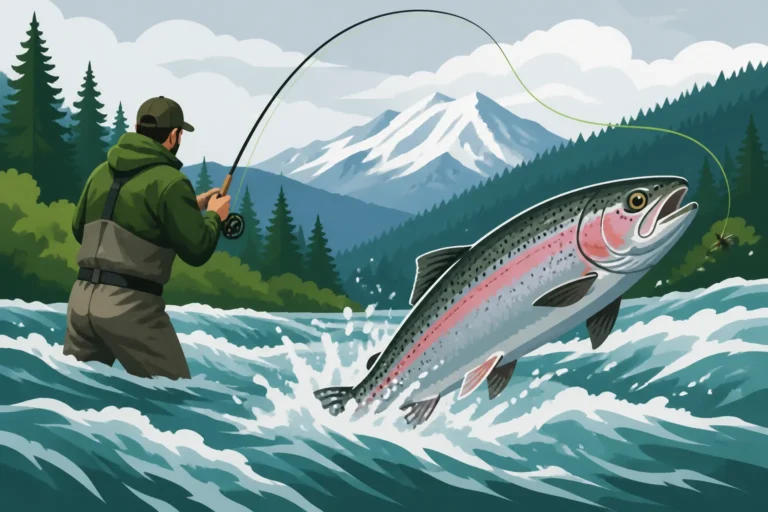
Figuring out the ideal line weight for Washington steelhead can feel like trying to solve a complex puzzle, especially when you're standing on the bank of a cold, rushing river and every cast counts. Many anglers struggle with the endless options, wondering if their line is too heavy and spooking fish, or too light and risking a break-off on a trophy steelhead. This comprehensive guide is here to untangle that confusion, offering clear, actionable advice on choosing the perfect line weight for your Washington steelhead adventures, ensuring you're prepared for whatever these incredible fish throw your way.
Understanding Line Weight and Its Importance for Steelhead
When you’re chasing steelhead in Washington, your fishing line isn't just a connection between you and the fish; it's a critical component of your entire presentation. The wrong line weight can make your setup inefficient, reduce your casting distance, compromise your bait's action, or, most frustratingly, lead to lost fish. It's about finding that sweet spot where stealth meets strength, allowing you to fool wary steelhead without fearing a break.
The Delicate Dance of Presentation and Strength
Steelhead are notoriously finicky. They’ve spent years in the ocean, growing strong and smart, and they often return to their natal rivers with a keen sense of self-preservation. This means that a heavy, visible line can easily spook them, especially in clear, low-water conditions. On the flip side, using a line that’s too light is a recipe for heartbreak when you hook into a powerful, acrobatic wild steelhead that decides to make a run for the next county.
The thickness and breaking strength of your line directly impact how naturally your bait or fly drifts. A heavier line creates more drag in the current, pulling your presentation unnaturally or causing it to hang up on the bottom more often. A lighter line, however, allows your offering to tumble and drift more freely, mimicking natural food sources and making it more appealing to a cautious steelhead. This balance is particularly crucial when Drift Fishing for Steelhead in Washington Rivers where a natural drift is paramount.
Factors Influencing Your Line Weight Choice
Several critical factors should dictate your line weight decision. Ignoring these can severely hamper your success. It's not a one-size-fits-all situation; what works perfectly on the Skagit in winter might be completely wrong for the Cowlitz in spring.
First, consider the water conditions. Are you fishing high, turbid water after a rain event, or low, crystal-clear flows during a dry spell? High, off-color water often allows for heavier lines because visibility is reduced, and fish are less likely to see the line. Conversely, low, clear water demands the lightest possible line to avoid detection. Think about How Water Clarity Affects Steelhead Fishing plays a huge role.
Second, the size and species of steelhead you’re targeting matter immensely. Are you primarily after smaller, hatchery-bred summer steelhead, or the behemoth wild winter steelhead that Washington is famous for? Hatchery steelhead, while still strong fighters, generally don't possess the sheer power or size of their wild counterparts. For these larger, wild fish, you'll need more backbone in your line. You'll also want to understand the difference between Wild Steelhead vs Hatchery Steelhead in Washington as they can behave differently.
Third, your fishing technique and gear setup are crucial. Are you drift fishing with bait, float fishing with jigs, or swinging flies? Each method puts different stresses on your line and requires a specific approach to line weight. The type of rod and reel you're using also plays into this. A medium-heavy spinning rod can handle heavier line than a light-action twitching rod, for example.
Finally, the presence of snags and cover in the river is a major consideration. Rivers like the Hoh or the Sol Duc are often littered with logjams, submerged trees, and rocky bottoms where steelhead love to hide. If you're fishing in snag-infested waters, a slightly heavier line might save you from constant re-rigging and lost gear, even if it slightly compromises stealth.
Line Weight Recommendations by Fishing Method
Because steelhead fishing involves such a diverse range of techniques and conditions, giving a single "best" line weight is impossible. Instead, let's break it down by the most popular methods used by Washington anglers.
Drift Fishing and Float Fishing Specifics
Drift fishing and float fishing are bread-and-butter techniques for steelhead across Washington, from the Olympic Peninsula rivers to the larger tributaries of the Columbia. They rely on presenting your bait or jig in a natural, free-drifting manner downriver, enticing steelhead to strike.
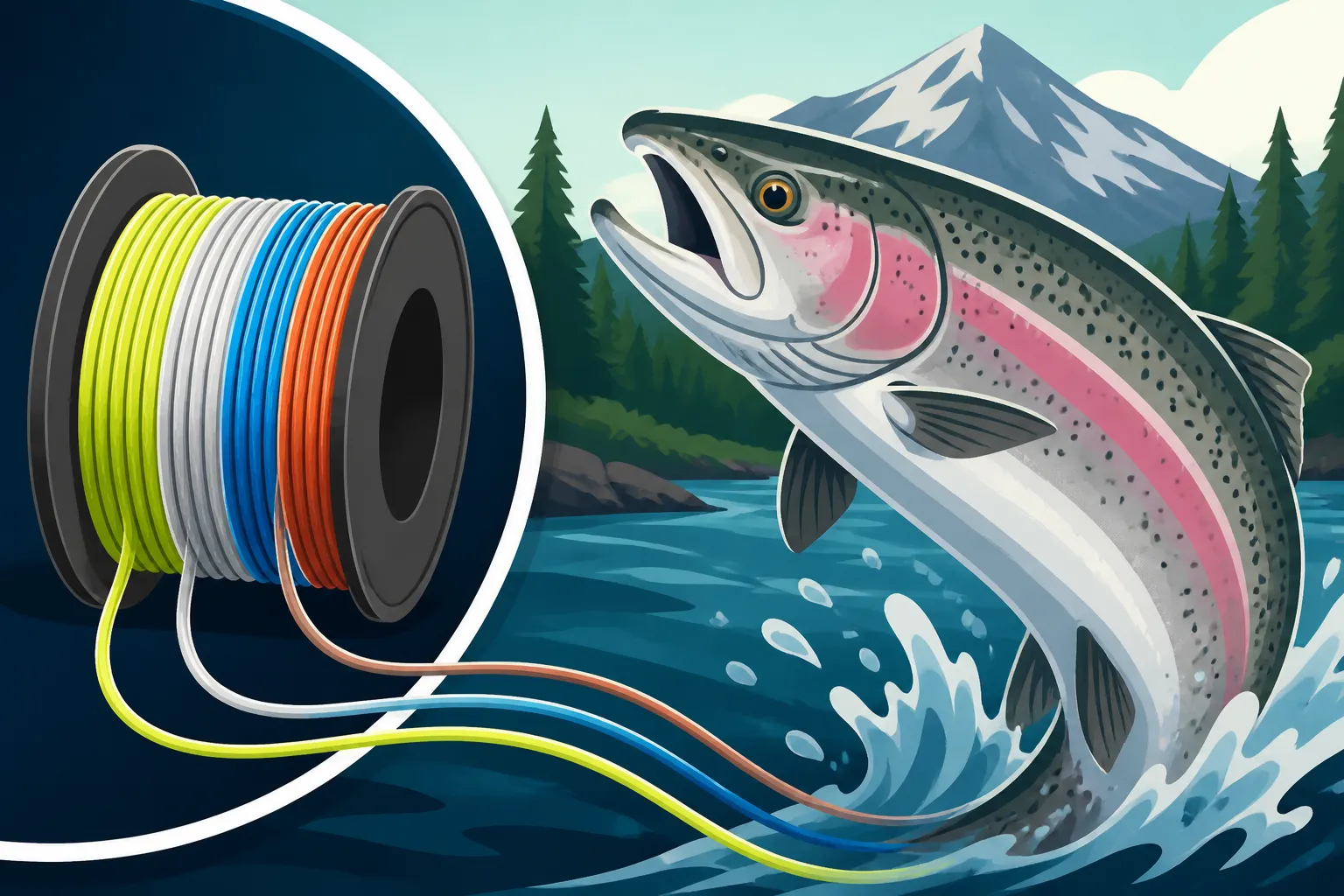
For drift fishing with bait (like roe, cured eggs, or worms) or small lures (like Corkies or Spin-N-Glos), the typical main line strength for most anglers hovers around 10-15 pound monofilament or fluorocarbon equivalent. Many seasoned anglers opt for a high-visibility monofilament main line, often in a bright green or yellow, because it makes it easier to track your drift in varying light conditions and water clarity. However, this high-vis line is then typically connected to a much lighter, nearly invisible leader line, usually in the 8-12 pound range of fluorocarbon. Fluorocarbon is preferred for leaders because it's denser than mono, sinks faster, and is virtually invisible underwater due to its refractive index being similar to water. This allows for a stealthy presentation while still having the main line strength to fight a fish and withstand some abrasion.
When it comes to float fishing with jigs or bait under a bobber, similar principles apply. A main line in the 12-17 pound range of braided line (PowerPro, Tuf-Line, etc.) is incredibly popular. Braid offers exceptional sensitivity, zero stretch for solid hooksets, and casts incredibly far. The lack of stretch is a double-edged sword, though, as it means less forgiveness if a fish makes a sudden, violent run, putting more stress directly on the leader and hook. Therefore, a leader of 8-15 pound fluorocarbon or monofilament is then tied to the braid. The leader length can vary greatly depending on water depth and clarity, but it's often anywhere from 3 to 10 feet. For heavier floats and jigs, especially in deeper, faster water, you might push your main braid up to 20 or even 30 pounds, but keep your leader still within that 10-15 pound sweet spot for stealth. If you're buying braid or fluorocarbon, you can find excellent options on Amazon from brands like Seaguar or Berkeley.
In situations where you're fishing How to Fish for Steelhead in High Water, a slightly heavier main line (15-20lb mono/fluorocarbon or 20-30lb braid) can be beneficial as the increased flow and reduced visibility give you more leeway, and the fish are less likely to be line-shy. Conversely, for How to Fish for Steelhead in Low, Clear Water, you'll want to drop down your leader to the lightest you dare, perhaps 6-8 pound fluorocarbon, and ensure your main line is also as inconspicuous as possible.
Fly Fishing for Steelhead: A Different Approach
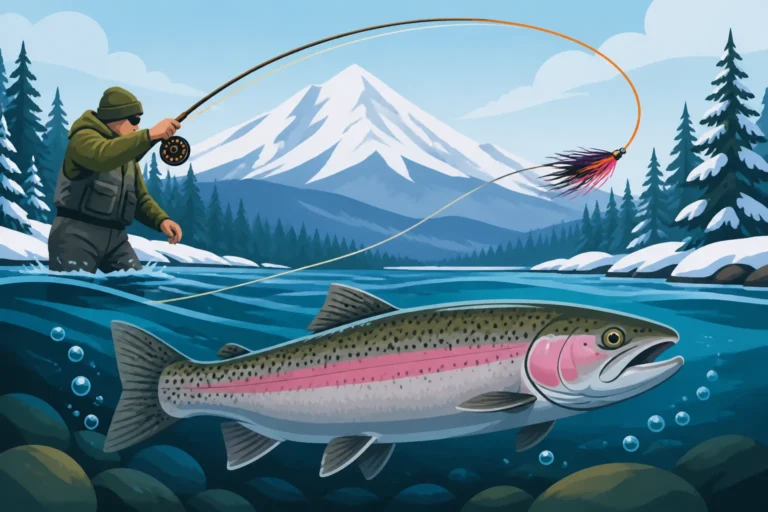
Fly fishing for steelhead is a world unto itself, and line weight here refers to a completely different system: the fly line weight, rather than breaking strength. Fly line weights are designated by numbers (e.g., 7-weight, 8-weight, 9-weight) and are matched to the rod's power and the size of flies you'll be casting. The actual breaking strength of the fly line itself is less critical, as it's typically quite strong; the focus shifts to the leader and tippet.
For general steelhead fly fishing in Washington, an 8-weight fly rod paired with an 8-weight fly line is often considered the most versatile choice. This setup provides enough power to cast large flies, handle windy conditions, and, crucially, land powerful steelhead efficiently. A 7-weight can be used for smaller summer steelhead or more delicate presentations, while a 9-weight might be preferred for truly large winter steelhead or when casting very heavy sink tips and flies in strong currents.
Beyond the fly line, you'll have a leader and tippet. The leader is tapered, typically starting thicker at the fly line end and gradually getting thinner. For steelhead, a 9-12 foot tapered leader ending in 10-15 pound test (0X to 1X equivalent) is common. To this, you'll often add a section of tippet, usually pure fluorocarbon, matched to the fly size and water conditions. Tippet can range from 8 pounds (3X) for very clear water and small flies up to 15-20 pounds (0X or heavier) for larger flies or murky water. The goal is to have the tippet be the weakest link, so if you snag or break off, you lose only your fly and a short section of tippet, not your entire leader.
For specific Fly Fishing Techniques for Winter Steelhead in Washington, such as spey casting or "chuck-and-duck" methods, the fly line system will be even more specialized, often involving Skagit or Scandi heads and various sink tips, but the principle of matching your leader and tippet strength to conditions and fish size remains. A good selection of fluorocarbon tippet spools is an essential item for any steelhead fly angler, easily found on Amazon.
Main Line vs. Leader Line: The Unsung Heroes
Understanding the distinction and interplay between your main line and your leader line is paramount for successful steelhead fishing. They perform different, yet equally vital, roles in your setup. Many novice anglers make the mistake of using one continuous line, sacrificing either stealth or strength.
Choosing Your Main Line for Durability
Your main line is the workhorse of your setup. It's spooled onto your reel, bears the brunt of casting forces, and is the primary connection to your entire rig. For most gear fishing applications (spinning or baitcasting), a good quality main line should prioritize:
- Strength and Abrasion Resistance: It needs to withstand the initial shock of a hookset, prolonged fights, and rubbing against rocks or submerged timber. This is where options like durable braided lines shine.
- Casting Performance: A smooth, consistent line will cast further and with fewer tangles.
- Visibility (for you): Often, anglers choose a brightly colored monofilament or braid for their main line because it's easier to see their line move, indicating a bite or helping to track the drift. This is especially true for techniques where line watching is key.
- Low Stretch (for braid): Braided lines offer minimal stretch, which translates to incredible sensitivity and powerful hooksets, even at a distance. This can be a huge advantage when detecting subtle steelhead bites.
For a mainline, 20-30 pound braided line is a very popular choice among Washington steelhead anglers using spinning or baitcasting gear. Brands like PowerPro, Sufix, and Berkley offer excellent options that are strong, thin, and cast well. If you prefer monofilament, a 15-20 pound test is generally a good starting point. While it has more stretch, which can act as a shock absorber, it also means less sensitivity compared to braid. Always ensure your main line is in good condition; check it for nicks and abrasions regularly, especially after fishing around heavy cover.
The Art of Leader Selection for Stealth
The leader line is where the true finesse of your setup comes into play. It's the section of line directly attached to your hook, lure, or fly, and it's the part the steelhead will see. Because of this, stealth is the absolute priority here, balanced with enough strength to land the fish.
Fluorocarbon is almost universally preferred for steelhead leaders for several compelling reasons:
- Near Invisibility: Fluorocarbon has a refractive index very close to that of water, making it incredibly difficult for fish to see. This is a game-changer, especially in clear water or when fish are pressured.
- Abrasion Resistance: While still important on the main line, it's even more critical on the leader as it's the most exposed to snags, rocks, and the rough mouth of a steelhead.
- Sink Rate: Fluorocarbon is denser than monofilament, so it sinks faster, which can help your bait or fly get down to the strike zone quickly without adding extra weight.
Your leader strength will typically be significantly lighter than your main line. For gear fishing, expect to use 8-12 pound fluorocarbon leaders. Some anglers might go as light as 6 pounds in exceptionally clear, low water conditions, particularly when targeting smaller summer steelhead. On the other hand, for large, powerful winter steelhead in turbid rivers with lots of snags, bumping up to 15-pound fluorocarbon isn't unheard of.
The length of your leader also matters. A longer leader (3-6 feet for gear fishing, 9-12 feet for fly fishing) allows your bait or fly to drift more naturally, further separating it from your heavier, more visible main line. For a detailed look at this, check out Leader Length for Clear Water Steelhead in Washington. It's a fine art, and having a spool of good quality fluorocarbon leader material on hand, like Seaguar or P-Line, is essential. You can easily find these reliable brands on Amazon to stock up for your next trip.
Common Mistakes and Advanced Tips
Even experienced anglers can sometimes fall into common traps regarding line weight, and learning to make on-the-fly adjustments can dramatically increase your success rate.
The Pitfalls of Going Too Heavy or Too Light
One of the most common mistakes is using a line that's simply too heavy for the conditions. While the desire to avoid breaking off a big fish is understandable, a thick, visible line, especially a leader, can drastically reduce your bites. Steelhead are often wary, and a line that appears unnatural or too obvious can cause them to simply ignore your presentation, even if it's perfectly drifted. You might not even realize you're spooking fish because you're simply not getting any bites. This is particularly true when fishing popular spots on rivers like the Skykomish, where fish see a lot of gear.
On the flip side, going too light can be equally frustrating. There’s a fine line between stealth and having enough backbone to control a powerful steelhead. Hooking a chrome bright winter steelhead on 6-pound test in heavy current is a thrilling experience, but often ends with a break-off, a lost fish, and a lot of disappointment. If you find yourself consistently breaking off fish after a hookset or during a strong run, it's a clear sign that your leader might be too light or damaged. Always inspect your leader after every fish, and even after every few casts, for nicks and abrasions. Even seemingly minor damage can lead to a heartbreaking break.
Another mistake is neglecting your knots. The best line in the world is only as strong as your weakest knot. Learn a few reliable knots, like the improved clinch knot, Palomar knot, or uni knot, and practice them until they are perfect. These details matter.
Seasonal and River-Specific Adjustments
Washington's steelhead fisheries are incredibly diverse, and successful anglers understand that line weight isn't static; it's a dynamic decision based on the specific river, season, and even the weather patterns of the day.
- Winter Steelhead: Generally, winter steelhead rivers are higher, colder, and often murkier due to rain and snowmelt. This allows for slightly heavier leaders, perhaps in the 10-15 pound fluorocarbon range, especially if you're How to Fish for Steelhead in High Water with a lot of debris. However, as the season progresses and rivers drop and clear, you'll need to lighten up.
- Summer Steelhead: Summer steelhead typically arrive in lower, warmer, and clearer rivers. These fish can be incredibly line-shy. For summer runs on rivers like the Wenatchee or the Skagit, you might drop down to an 8-10 pound fluorocarbon leader for gear fishing, or a 1X-3X tippet for fly fishing. Stealth is paramount.
- Olympic Peninsula Rivers vs. Columbia River Tributaries: Rivers on the Olympic Peninsula (like the Hoh, Bogachiel, or Sol Duc) can be powerful and debris-laden, often warranting a slightly heavier, more abrasion-resistant leader. In contrast, some of the lower-gradient Columbia River tributaries might allow for lighter lines if the water is extremely clear. Always consult the specific Washington Fishing Regulations Every Angler Should Know for the river you are targeting. You'll also want to look up specific information on The Best Steelhead Rivers in Washington to get a better sense of common local practices.
Ultimately, the "best" line weight is the one that gives you the confidence to present your offering naturally while still having the power to subdue a feisty steelhead. Don't be afraid to experiment, and always pay attention to the conditions and how the fish are reacting. Tight lines, fellow anglers!
Disclaimer
The information provided in this guide is for general informational purposes only and is not intended as legal or professional advice. Fishing regulations and conditions in Washington State can change frequently. Always consult the latest official Washington Department of Fish and Wildlife (WDFW) regulations before heading out on the water. Fishing responsibly and adhering to all local and state laws is your responsibility.