Leader Length for Clear Water Steelhead in Washington
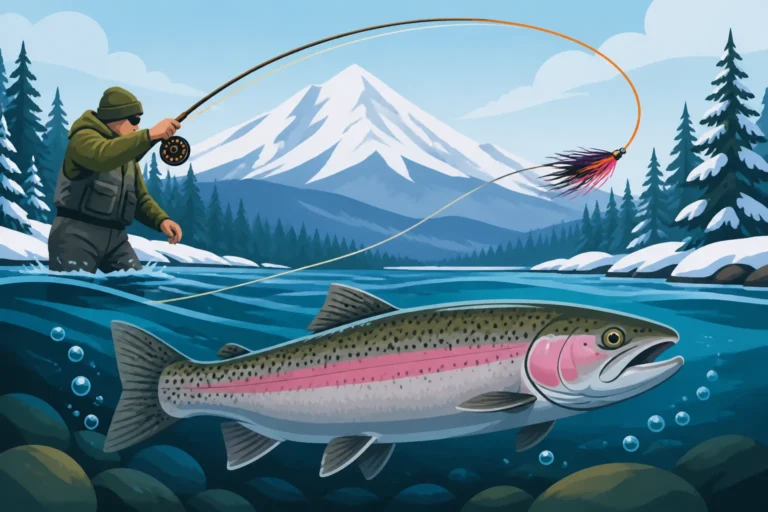
Ever been out on a crystal-clear Washington river, spotting beautiful steelhead holding in a run, only to have them bolt the second your line or weight drifts into their view? It's a gut-wrenching experience that every steelhead angler faces, especially when the water is low and incredibly clear. This isn't just bad luck; it’s often a direct result of highly visible tackle. This guide is dedicated to mastering leader length for clear water steelhead in Washington, giving you the edge you need to present your offerings subtly and entice those wary fish.
Understanding Why Leader Length Matters in Clear Water
When you're chasing steelhead, especially the wild, highly pressured fish often found in Washington's rivers, stealth is paramount. In off-color or high water conditions, you can often get away with shorter, heavier leaders because the fish's visibility is limited. But when the river runs low and clear, it's a completely different ballgame. The fish can see everything, and anything that looks unnatural will send them scattering.
Think about it from the steelhead's perspective. They're magnificent, powerful fish, but they're also incredibly sensitive to their surroundings. A thick, brightly colored main line drifting past them, or even a lead weight bouncing nearby, can send a clear signal of danger. Your main line, typically braided or monofilament, has a much higher visibility profile than a fine fluorocarbon leader. The goal of a long leader, especially in clear water, is to create a significant buffer between that visible main line and your offering. It allows your bait, lure, or fly to drift naturally, appearing unattached and therefore less threatening. This subtle presentation can be the difference between a frustrating blank day and a memorable battle with a chrome bright steelhead.
This principle is even more critical when you're fishing rivers known for their sensitive wild runs, such as sections of the Sol Duc or the Hoh. These fish have seen it all, and a sloppy presentation will absolutely result in empty hooks. Learning to read the water and adjust your leader accordingly is a skill that takes time to develop, but it's essential for consistent success.
General Guidelines for Leader Length
While specific conditions will always dictate the final setup, there are some excellent starting points for leader length when targeting steelhead in Washington's clear waters. Most veteran anglers will agree that a leader in the 9 to 12-foot range is a good general guideline for many river conditions, but in clear water, you'll often push that significantly longer.
The standard thinking is to use a leader that’s long enough to keep your main line out of sight of the fish, but short enough that you can still effectively manage your drift and detect subtle bites. For average clear water conditions, many anglers will start with around 10 feet of leader material. This gives a decent separation without becoming overly cumbersome to cast or manage. However, as the water gets lower and clearer, or if you notice fish spooking, you'll want to extend that length. We're talking about going up to 12, 15, or even 20 feet in extreme situations.
Remember, the material also plays a huge role. Fluorocarbon leader material is highly recommended for clear water scenarios. It has a refractive index very close to water, making it virtually invisible underwater. This is a massive advantage over standard monofilament, which can still be visible. When selecting your fluorocarbon, consider the breaking strength you need. While you want stealth, you also need enough strength to handle a powerful steelhead. A good balance might be 8-15 pound test, depending on the size of fish you expect and the cover in the river. You can find excellent spools of fluorocarbon leader material on Amazon from brands like Seaguar or Berkeley.
Adjusting Leader Length for Specific Conditions and Techniques
The "perfect" leader length is a moving target, constantly influenced by the river's mood, the weather, and your chosen fishing method. Understanding these nuances is what separates the consistently successful angler from someone just hoping for a bite.
Low, Clear Water and Spooky Fish
This is where the rubber meets the road. When the river is running low, crystal clear, and the sun is high, steelhead become incredibly wary. They've often been pressured, and they're holding in spots where they have a wide field of view. In these conditions, you absolutely need to maximize your leader length.
I’m talking about leaders in the 12-foot, 15-foot, or even 20-foot range. This might sound excessive, and yes, it can be a challenge to cast, but the increased stealth is undeniable. The goal here is to keep your main line and any weights as far away from the fish as humanly possible. Imagine a small bead or bait drifting down completely unencumbered by anything visible. That's the illusion you're trying to create. When drift fishing, if you can see your mainline near your offering, it's probably too short. This extended length allows your bait to tumble naturally with the current, mimicking unattached food, which is crucial for enticing a bite from a hesitant steelhead. This level of finesse is often required when targeting wild steelhead in Washington's Olympic Peninsula rivers, where they face significant angling pressure.
Faster Water and Drift Fishing
Even in faster water, where the current helps obscure your line, clear conditions still demand a thoughtful approach to leader length. When you're drift fishing for steelhead in Washington rivers, trying to get that perfect "dead drift," a leader that's too short will cause your weight to swing through the run ahead of your offering, creating an unnatural presentation.
In faster, clear water, you might not need the extreme lengths of 15-20 feet, but a solid 9 to 12-foot fluorocarbon leader is still highly advisable. The slightly shorter end of this spectrum (9-10 feet) can be more manageable for casting and gives you better control over your weight, which is critical for staying in the strike zone in quick currents. The trick is to ensure that your weight is leading your presentation, but not by such a wide margin that it's visible to the fish before your bait or jig arrives. You want a smooth, natural drift where the offering follows the weight, appearing as one continuous, current-borne item. This technique is often refined when using methods like back-bouncing roe for steelhead, where maintaining a natural drift is key.
Fly Fishing Considerations
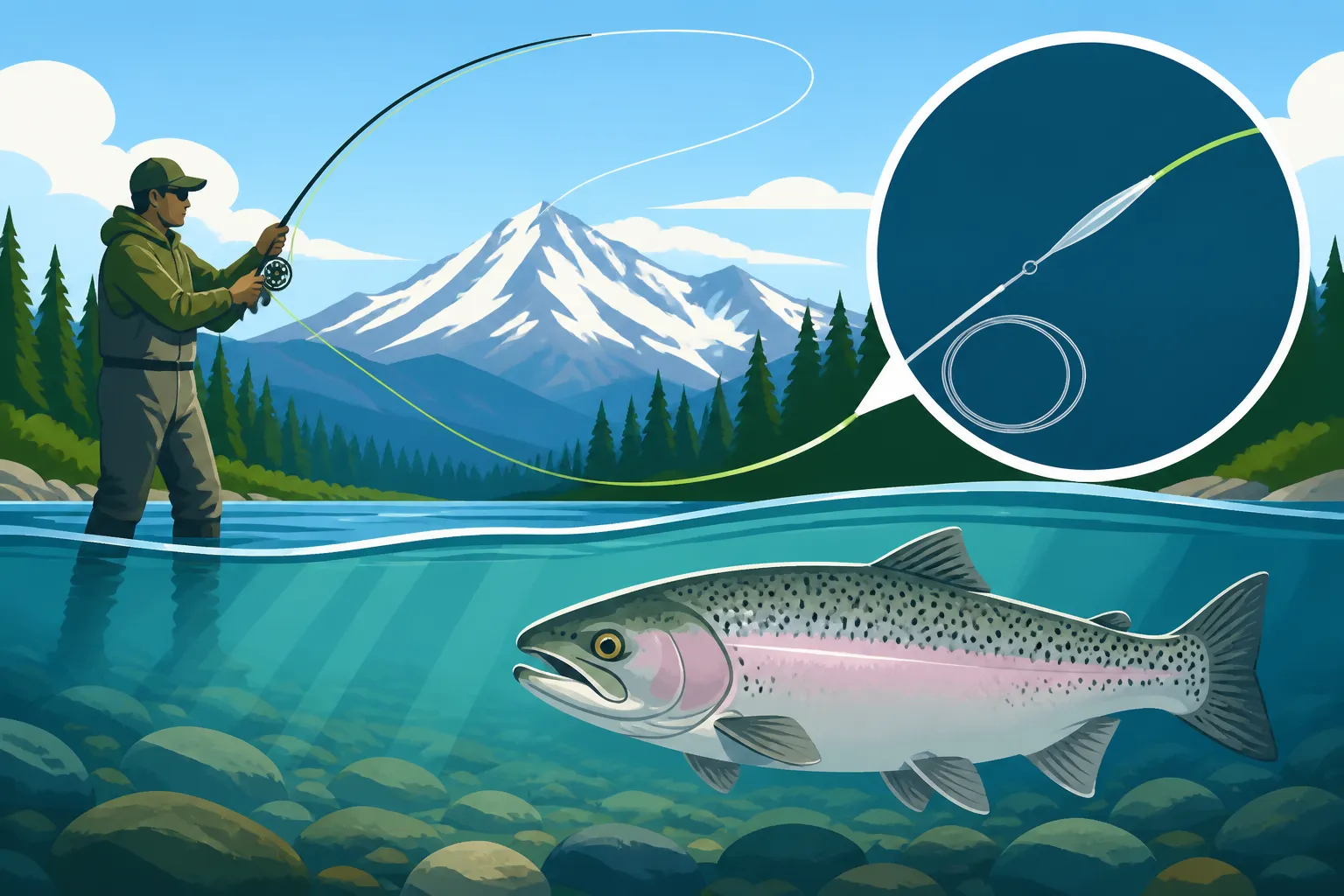
Fly anglers inherently understand the importance of leader stealth, perhaps more than any other discipline. For fly fishing, particularly with traditional nymphing or wet fly swinging, a carefully constructed tapered leader is essential. These leaders transition from a thick butt section that connects to your fly line, gradually thinning down to a fine tippet section where your fly is tied.
For clear water steelhead, the overall length of your leader system (leader + tippet) should generally be 9 to 12 feet, but can extend much longer for exceptionally clear or spooky conditions. The tippet material, typically a fine fluorocarbon, is the critical component here for invisibility. Many fly anglers will add an extra couple of feet of fine tippet (4X-6X) to their standard 9-foot tapered leader to achieve that added stealth in crystal-clear rivers like the Yakima. When fly fishing techniques for winter steelhead in Washington, the cold, clear water often necessitates longer, more delicate presentations.
When swinging flies, the leader length can vary slightly. You still want stealth, but the movement of the fly itself often provides enough distraction. However, in super clear conditions, an extra long leader allows the fly to swim more freely and naturally, without the immediate influence of the heavier fly line.
Bobber Dogging and Jig Fishing
"Bobber dogging" and jig fishing are incredibly effective techniques for steelhead, particularly when fish are holding in specific lanes or depths. With bobber dogging, you're essentially using a float to control your drift, but in clear water, the visibility of your main line and even the float itself can be a concern.
When jig fishing or bobber dogging in clear water, I recommend a leader that's at least 6 to 8 feet long, but often much longer. The reason for the length is simple: you want your jig or bait to drift naturally and vertically beneath your float or weight, with your main line positioned far upstream. A longer leader ensures that your lead weight or float doesn't spook the fish before your offering gets there. For instance, if you're using a bobber and jig for steelhead, and the water is super clear, extending that leader to 10 or even 12 feet can make a huge difference. This setup allows your jig to sink slowly and enticingly, without any visible drag or line shadow. The key is to find a balance between leader length for stealth and enough line control to detect subtle takes and set the hook effectively.
| Water Clarity/Condition | Fishing Technique | Recommended Leader Length (Fluorocarbon) | Key Consideration |
|---|---|---|---|
| Extremely Clear, Low | Drift Fishing, Nymphing | 15-20 feet | Maximum stealth, careful casting, managing drag |
| Clear, Moderate Current | Drift Fishing, Bobber Dogging | 9-12 feet | Good balance of stealth and control, natural drift |
| Clear, Fast Water | Drift Fishing, Plunking | 8-10 feet | Maintaining contact with weight, quick reaction time |
| Clear, Fly Fishing | Nymphing | 9-12 feet (tapered + tippet) | Delicate presentation, fine tippet, minimal drag |
| Clear, Fly Fishing | Swinging Flies | 7-10 feet (straight or tapered) | Natural movement of fly, good turnover |
| Slightly Tinted, Normal | All Techniques | 6-9 feet | Standard practice, good visibility tolerance |
Practical Tips for Rigging and Fishing Long Leaders
Fishing with long leaders, especially in the 15-20 foot range, introduces a few challenges that need to be addressed. It's not just about tying on a long piece of line; it's about making that system work for you without creating more problems than it solves.
Leader Materials and Knot Strength
As we've discussed, fluorocarbon is your best friend in clear water. It's not just about invisibility; fluorocarbon is also more abrasion-resistant than monofilament, which is a significant advantage when you're fishing around rocks, snags, and the sharp gill plates of a thrashing steelhead. When buying leader material, invest in quality brands. Brands like Seaguar, P-Line, or Berkley offer excellent fluorocarbon options that stand up to the rigors of steelhead fishing. You can often find great deals on these on Amazon if you're stocking up for the season.
When it comes to connecting your leader to your mainline, knot strength is non-negotiable. With longer leaders, you might be using a thinner line than your mainline, so a strong, reliable connection is paramount. A double uni-knot or a blood knot are excellent choices for connecting lines of similar diameter, while a double surgeon's knot can be more forgiving if there's a significant difference in line weights. Practice these knots at home until you can tie them quickly and correctly, even with cold, wet hands. A knot failure means a lost fish, and potentially lost gear, so don't skimp on this crucial step. Choosing the best line weight for Washington steelhead means finding a balance between stealth and stopping power.
Managing Long Leaders for Casting and Drift
Casting a 15-foot leader, especially with weight, can feel like trying to cast a wet noodle at first. It takes practice and a slightly different casting stroke. Instead of a hard, snappy cast, think about a smoother, more deliberate lob or roll cast. Let the weight and leader do more of the work, allowing them to load the rod slowly before a gentle forward acceleration. Overpowering the cast will often result in tangles or inefficient distance.
Once your line is in the water, mending becomes even more critical. With a long leader, you have more line exposed to the current, which can quickly create drag and pull your offering unnaturally. You'll need to be constantly mending your mainline upstream to create a slack line that allows your leader and offering to drift freely. This is a skill that comes with time, but it's essential for achieving that perfect, natural presentation. Consider how water clarity affects steelhead fishing, and adjust your mending and leader length accordingly.
Another common issue with long leaders is tangles, especially when wading through brush or dealing with windy conditions. To mitigate this, consider using a leader wallet or carefully wrapping your pre-tied leaders around a spool. When you're on the river, try to keep your setup as streamlined as possible. Before casting, make sure your leader is fully extended and free of knots or snags. A quick check before each cast can save you a lot of frustration.
Adjusting Leader Length In-Season
The river is a dynamic environment, and what works one day might not work the next. It’s crucial to be adaptable. If the water drops and clears even further mid-season, be prepared to lengthen your leader. Conversely, if a rain event blows out the river, bringing in color and higher flows, you might be able to shorten your leader slightly to gain more control without sacrificing stealth.
Always carry a variety of leader materials and pre-tied sections so you can make quick adjustments on the fly. Don't be afraid to experiment. If you're not getting bites and the conditions are clear, try adding a few more feet of tippet. Observe how your presentation drifts and, most importantly, watch for any signs of fish spooking. Learning to read these subtle cues from the fish and the river will elevate your angling success tremendously. Keep an eye on Washington fishing seasons: a month-by-month guide to understand how typical conditions evolve throughout the year.
Disclaimer
Fishing in Washington requires adherence to all current regulations set by the Washington Department of Fish and Wildlife (WDFW). Rules regarding gear, seasons, and catch limits can change frequently, often with emergency closures or modifications. Always consult the latest WDFW regulations pamphlet or their official website before heading out to ensure you are fishing legally and responsibly. This guide provides general advice and should not be considered a substitute for official regulations.