Shrimping Season in Hood Canal
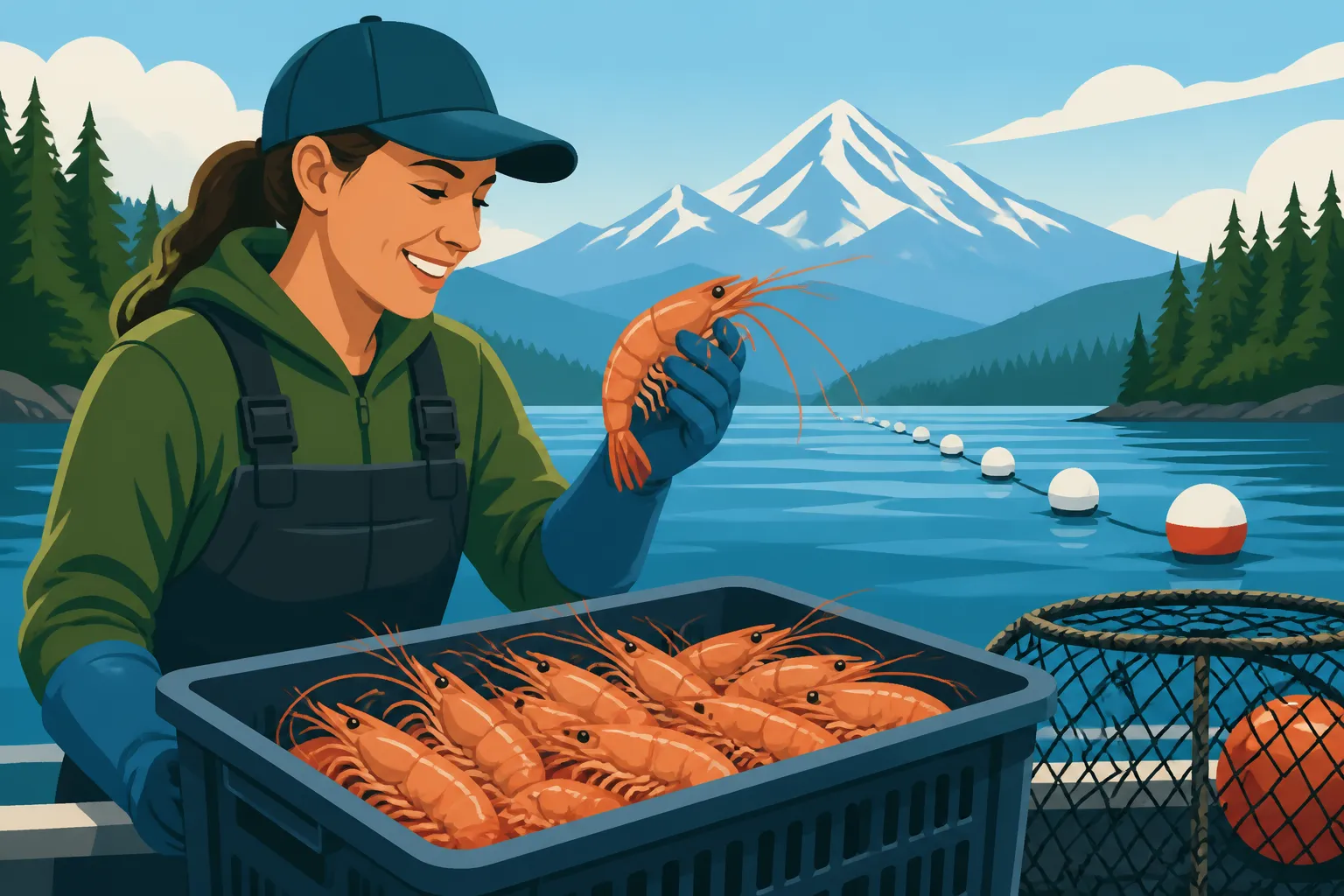
There's nothing quite like the thrill of pulling up a shrimp pot in Hood Canal, hoping for that bright red bounty of spot shrimp. But let's be honest, figuring out when you can actually drop those pots can feel like trying to solve a cryptic puzzle, with dates that seem to change faster than the tide. This guide is here to untangle the mystery of shrimping season in Hood Canal, giving you the clear, up-to-date information you need to plan your next successful trip without the headache.
Understanding the Hood Canal Shrimping Seasons
The shrimping season in Hood Canal is a unique beast, often a short, intense window of opportunity for recreational harvesters. Unlike some other fisheries that might have months-long seasons, Hood Canal spot shrimping is meticulously managed, primarily due to conservation efforts to protect the delicate spot shrimp population. The Washington Department of Fish and Wildlife (WDFW) carefully monitors these stocks, and based on their assessments, they announce the specific dates and times for shrimping each year.
The biggest frustration for many hopeful shrimpers is that these dates are rarely set in stone far in advance. You can't just mark your calendar a year ahead and forget about it. WDFW officials consider various factors, including previous year's catch data, current stock assessments, and environmental conditions, before releasing the official recreational shrimping schedule. This dynamic approach is essential for sustainability but means anglers need to be vigilant about checking for updates. You can find more comprehensive details on how these decisions are made and where to find the latest updates in our guide on Emergency Rule Changes: Why Washington's Rules Shift Mid-Season and Where Washington Posts Fishing Rule Changes.
Typically, the Hood Canal shrimping season tends to fall in the late spring and early summer months, often starting in May or June. These opening dates are usually announced with a set number of days or specific weekend openings. It’s not uncommon for the season to consist of just a few carefully managed days, sometimes only a handful of hours on those days, to ensure the resource isn't overfished. This makes timing absolutely everything if you want to get your pots in the water.
Why Hood Canal Seasons Are So Variable
The variability in Hood Canal's shrimping seasons boils down to a fundamental principle: managing a finite and sometimes fragile resource. Spot shrimp are highly sought after, and their populations can be susceptible to overharvesting if not carefully regulated. WDFW's biologists conduct extensive surveys, deploying their own pots to gauge the health and abundance of the shrimp stocks. These scientific assessments form the backbone of the regulatory decisions.
Another crucial factor is the localized nature of Hood Canal itself. As a long, narrow fjord, it has specific ecological characteristics that differ from, say, the broader Puget Sound. This means that shrimping pressure and success rates can vary significantly even within Hood Canal, leading to different regulations for different sections. This granular approach, while complex for the recreational shrimper, is vital for ensuring localized populations aren't depleted. Understanding these nuances helps explain why the rules might seem complicated but are ultimately in place for the long-term health of the fishery.
Finally, environmental conditions play a silent but significant role. Factors like water temperature, salinity, and even dissolved oxygen levels can impact shrimp behavior and survival. While these aren't usually day-to-day rule changers, they contribute to the broader stock health assessments that influence the annual season setting. Being aware of these elements helps us appreciate the scientific rigor behind what often feels like last-minute decisions.
Historical Season Trends
Looking at past seasons can offer a general idea of when to expect shrimping opportunities, though it's crucial to remember that past performance is not a guarantee of future seasons. Historically, Hood Canal's main shrimping season for spot shrimp has almost always kicked off in May, sometimes extending into early June. These openings are typically for specific days of the week, often Wednesdays and Saturdays, and sometimes only for a set number of hours on those days (e.g., 9:00 AM to 1:00 PM).
For instance, in some recent years, Marine Area 12 (Hood Canal) has had openings in mid-May, followed by additional limited openings in late May and early June, contingent on remaining quota. The total number of shrimping days can range from as few as three to five throughout the spring. It's a short and sweet opportunity, which makes it all the more important to be prepared and informed. This "blink and you'll miss it" characteristic is what makes checking the latest WDFW regulations paramount. This attention to detail is part of the larger framework of Washington Fishing Regulations Every Angler Should Know.
For recreational shrimpers, this means staying tuned to WDFW announcements, usually starting in late April or early May. Subscribing to WDFW email alerts or regularly checking their website is the best strategy. Don't rely on word-of-mouth or last year's calendar, because those dates almost certainly won't hold true for the current season. This proactive approach ensures you're ready to drop your pots the moment the season opens.
The Specifics of Hood Canal Marine Areas for Shrimping
Hood Canal isn't just one big shrimping zone; it's divided into several marine areas, each with its own set of rules and, often, distinct season dates. This is where things can get a little tricky, as what's open in one section might be closed in another. The primary marine area for shrimping in Hood Canal is Marine Area 12. However, even within Marine Area 12, there are sometimes specific sub-areas or points of reference that define different regulations.
Understanding these distinctions is absolutely critical for avoiding violations. Imagine spending hours on the water, only to find out you were shrimping in a closed area, or during an illegal time slot! It happens, and it's a gut punch. Always consult the official WDFW regulations pamphlet or their online emergency rules for the exact boundaries and rules of each marine area you plan to fish. Details on specific boundaries can be found in resources like Reading the Washington Sport Fishing Regulations Pamphlet.
For instance, specific areas within Marine Area 12, like the waters north of Ayock Point or south of the Hood Canal Bridge, might have slightly different opening times or season structures to manage localized shrimp populations more effectively. This level of detail highlights the importance of not just knowing that Hood Canal is open, but where within Hood Canal, and when for that precise location.
Marine Area 12: Inner Hood Canal
Marine Area 12, which encompasses the bulk of Hood Canal from the Hood Canal Bridge southward to Belfair and Union, is typically the epicenter of the recreational spot shrimp fishery. This area is known for its deep, nutrient-rich waters that provide ideal habitat for spot shrimp. When the season opens here, it's often a lively scene, with boats dotting the water, all vying for the prized crustaceans.
The regulations for Marine Area 12 are usually the most detailed and most frequently updated, given the high recreational interest. You'll find specific daily limits for spot shrimp (often 80 spot shrimp, counted whole, not headed, though this can change), as well as general possession limits. Beyond spot shrimp, Marine Area 12 is also open for other shrimp species, like Coonstripe or Pink shrimp, which often have more generous, year-round seasons, but the big draw is almost always the spot shrimp. If you're wondering about the best way to secure these tasty critters, we have some great insights on Shrimping Techniques in Hood Canal and specific advice on How to Catch Shrimp in Hood Canal.
It’s important to note that even within this primary area, WDFW might implement specific closures or restrictions for certain sections if stock assessments indicate a need. This is where staying updated with real-time Emergency Rule Changes: Why Washington's Rules Shift Mid-Season becomes not just helpful, but essential.
Adjacent Marine Areas
While Marine Area 12 is the star for Hood Canal shrimping, it’s worth being aware of adjacent marine areas like Marine Area 9 (Admiralty Inlet) and portions of Marine Area 10 (Seattle/Bremerton Area). These areas are part of Puget Sound and can sometimes offer shrimping opportunities for spot shrimp, but their seasons often operate on entirely different schedules and quotas than Hood Canal.
For example, Marine Area 9, being a more open and dynamic waterway, might have longer or different opening times than the more constrained Hood Canal. However, the travel to these areas and the specific conditions for shrimping can be quite different. A shrimping trip to Hood Canal often feels more like a scenic, sheltered fjord adventure, whereas shrimping in Admiralty Inlet can involve dealing with stronger currents and more open water.
Always, always double-check the marine area numbers and their corresponding regulations before you head out. Don't assume that if one part of the sound is open, another will be. This is a common pitfall for even experienced anglers and shrimpers in Washington, where regulations are hyper-local and frequently updated.
Essential Gear and Best Practices for Hood Canal Shrimping
To successfully shrimp in Hood Canal, having the right gear is just as important as knowing the season dates. It's more than just dropping a pot; it's about efficient, responsible, and safe harvesting. From the pots themselves to the bait and the line, every piece plays a role in your success. And let's not forget the Washington fishing license and relevant endorsements required – you definitely don't want to be caught without those! You can learn more about license requirements in our guide on Washington Fishing License Guide for Nonresidents or even about Carrying Your Washington Fishing License: Paper, Phone or the MyWDFW App.
When it comes to gear, investing in quality pays off. Shrimp pots, weights, line, buoys, and bait are your core necessities. Many seasoned shrimpers also carry a pot puller (manual or electric) to make hauling up pots from deep water a lot easier. Trust me, after a few pulls from 200+ feet, your back will thank you!
Beyond the physical gear, adhering to best practices ensures you're a responsible harvester and helps preserve the fishery for future generations. This includes accurately filling out your The Washington Catch Record Card and What It Requires when applicable, respecting other boats' gear, and understanding the nuances of how long to soak your pots.
| Item | Description | Key Considerations for Hood Canal |
|---|---|---|
| Shrimp Pots | Collapsible or rigid traps designed to catch shrimp. | WDFW regulations specify pot dimensions, tunnel sizes, and escape rings. Must have minimum mesh size. |
| Shrimp Line | Heavy-duty line, typically polypropylene, to deploy and retrieve pots. | At least 3/16-inch diameter, leaded line recommended for deep water. Ensure enough length for depths. |
| Buoys | Clearly marked floats to identify your pots on the surface. | Must be legible with your full name and address (or WDFW ID number). WDFW requires a specific size. |
| Weights | Heavy objects to ensure pots sink and stay on the bottom. | Sufficient weight for current and depth; 15-20 lbs minimum per pot in deep areas. |
| Bait | Food to attract shrimp into the pot. | Often commercially prepared shrimp pellets, cat food, or fish scraps. Secure in a bait holder. Check Best Bait for Spot Shrimp. |
| Bait Holders | Containers (often mesh or plastic) to hold bait inside the pot. | Prevents bait from washing out quickly and keeps it contained. |
| Pot Puller | Manual or electric device to assist in hauling pots from deep water. | Highly recommended for deep Hood Canal waters to save effort and time. |
| Measuring Device | A simple tool to check the carapace length of shrimp if required. | Ensure you're keeping legal-sized shrimp if any size restrictions apply (less common for spot shrimp). |
| Cooler/Ice | For immediately chilling and preserving your catch. | Essential for maintaining freshness, especially for spot shrimp which spoil quickly. |
Required Gear and Regulations
When you're out shrimping in Hood Canal, WDFW has very specific rules about your gear. Firstly, each recreational shrimper is generally allowed to fish with up to two shrimp pots. These pots must meet certain size and design requirements, including specific mesh sizes and the presence of escape rings that allow smaller shrimp and bycatch to exit. This helps ensure sustainable harvesting. You can often find WDFW-compliant pots on sites like Amazon or at local sporting goods stores in towns like Bremerton or Poulsbo.
Your buoy system is also strictly regulated. Each buoy attached to your pot line must be clearly and permanently marked with your first name, last name, and address, or your WDFW customer identification number. This is crucial for enforcement and for identifying lost gear. The line connecting your buoy to the pot must be weighted if fishing in depths where non-weighted lines could interfere with boat traffic. For deep areas like Hood Canal, leaded line is highly recommended anyway, as it helps your pot set faster and minimizes tangles.
Finally, remember your catch record card if required, and ensure you have it on your person while shrimping. Although spot shrimp don't always require a catch card, it's essential to check the current regulations for that season and marine area.
Best Practices for Responsible Shrimping
Responsible shrimping is about more than just following the rules; it's about being a good steward of the resource. Here are a few best practices:
- Check Depth Charts: Spot shrimp typically prefer deeper waters, often 100-300 feet or more in Hood Canal. Use a good marine chart or your boat's fish finder to locate promising depths with suitable bottom structure.
- Strategic Pot Placement: Don't just drop your pot anywhere. Look for areas with slight changes in depth, rocky bottoms, or underwater canyons, which can attract shrimp. Avoid placing pots directly in heavily trafficked boating lanes.
- Soak Times: While it might be tempting to leave your pots down for hours, shorter soak times (often 30 minutes to 2 hours) can be more effective for spot shrimp, especially during peak feeding periods. Leaving pots too long can sometimes lead to more bycatch or stressed shrimp. For more on soak times, check out advice on How Long to Soak a Crab Pot in Puget Sound, which shares similar principles.
- Handling Your Catch: Once you pull up your pot, quickly sort your catch. Measure any shrimp if there are size limits, and immediately release any non-target species or undersized shrimp gently back into the water. Spot shrimp are highly perishable, so get them on ice as quickly as possible. This rapid cooling maintains their quality and flavor.
- Be Considerate: Give other shrimpers ample space. Don't crowd their buoys, and be mindful of your wake. Shared waters mean shared responsibility and respect for fellow anglers.
Planning Your Shrimping Trip and Staying Informed
A successful shrimping trip to Hood Canal isn't just about luck; it's about meticulous planning and staying on top of the latest information. Since the seasons are often short and variable, being prepared to act quickly is key. This means everything from having your gear ready to knowing exactly where and when you can go.
The biggest hurdle for many is simply getting the most current, accurate information. WDFW is the ultimate authority, but navigating their website or understanding the intricacies of emergency rule changes can sometimes feel daunting. However, it's a necessary step to ensure your trip is both productive and legal. Ignoring these updates can lead to fines, equipment confiscation, and a thoroughly ruined day on the water.
Beyond the regulations, practical considerations like weather, tides, and boat access are also vital. Hood Canal can experience diverse weather conditions, and while it's generally more sheltered than the open Pacific, strong winds can still whip up choppy waters. Checking the forecast and understanding local tides will make your shrimping experience much safer and more enjoyable.
How to Get the Latest Season Updates
The most authoritative source for Hood Canal shrimping season dates is always the Washington Department of Fish and Wildlife (WDFW). They typically release the preliminary season proposals in early spring (March/April) and then finalize the recreational shrimp season dates by late April or early May. Here’s how to stay informed:
- WDFW Website: The official WDFW website (wdfw.wa.gov) is your primary resource. Look for sections on "Recreational Shellfishing" or "Emergency Rules." This is where they post all the official announcements.
- WDFW Email Alerts: Sign up for WDFW's email notification lists. They send out alerts specifically for shellfishing and emergency rule changes. This is often the fastest way to get the news directly.
- Local Tackle Shops: Many local tackle and bait shops around Hood Canal (e.g., in Hoodsport, Brinnon, or even down toward Belfair) are excellent sources of local knowledge and often have the latest printed emergency rules or can direct you to online resources. They're often run by passionate local anglers who live and breathe this stuff.
- Social Media & Forums: While not official sources, many Washington fishing groups on Facebook or online forums will discuss WDFW announcements as soon as they drop. These can be good for quick updates and community discussion, but always verify information with official WDFW channels.
Remember, the information for Hood Canal can be updated frequently, so check just before you leave for your trip, even if you checked a few days prior. You don't want to miss an unexpected opening or, worse, fish during an unexpected closure.
What to Look for in the Rules
When reading the WDFW rules for shrimping in Hood Canal, pay close attention to several key details:
- Marine Area Number: Confirm it’s specifically for Marine Area 12.
- Target Species: Ensure the rules cover "spot shrimp" if that’s what you’re after.
- Open Dates and Times: These are the most critical. Note the exact days and the specific hours of opening (e.g., "May 15-16, 9:00 AM to 1:00 PM").
- Daily Catch Limit: The maximum number of spot shrimp you can keep per person per day. For spot shrimp, this is typically 80 shrimp, counted as whole shrimp. Understanding Washington's Daily Bag Limits by Species has more context.
- Possession Limit: The maximum number of shrimp you can have in your possession at any given time, including those at home. This is often the same as the daily limit but can differ. More on this in Possession Limits vs Daily Limits in Washington.
- Gear Restrictions: Any specifics on pot size, mesh size, escape rings, buoy markings, and line requirements.
By meticulously checking these details, you can ensure your shrimping adventure is not only fun but also fully compliant with Washington's regulations.
Disclaimer
Fishing and shellfishing regulations in Washington State are subject to frequent change, often with little advance notice, due to in-season management based on stock assessments and other factors. While this guide aims to provide accurate and helpful information, it is not a substitute for checking the official Washington Department of Fish and Wildlife (WDFW) regulations before engaging in any fishing or shellfishing activity. Always consult the most current WDFW Fishing Regulations pamphlet and emergency rules available on the WDFW website or through their official channels. The author and publisher are not responsible for any violations or consequences resulting from reliance on outdated or misinterpreted information.