How to Catch Dungeness Crab From a Dock
There's nothing quite like the thrill of pulling up a crab pot, heart pounding, wondering if you've got a keeper inside. But for many, the thought of needing a boat, specialized equipment, or navigating vast Puget Sound waters feels daunting. You just want to enjoy the bounty of Washington's waters without all the fuss. This guide is all about simplifying that process, showing you exactly how you can successfully catch delicious Dungeness crab right from a public dock, making that fresh seafood dinner dream a reality for anyone, no boat required.
Understanding Dungeness Crab and Their Habits in Washington
Before you even think about dropping a line, it’s crucial to understand a bit about the Dungeness crab itself. These aren't just random critters scuttling on the bottom; they have preferences, habits, and seasons. Knowing these ins and outs will dramatically increase your chances of success and save you a lot of wasted effort.
Where Dungeness Crab Hang Out Near Docks
Dungeness crabs aren't just anywhere. They're opportunistic feeders and like areas where they can find food and shelter. When you're fishing from a dock, think about what might attract them to that specific spot. They love sandy or muddy bottoms mixed with some structure – things like old pilings, rock outcroppings, or even discarded debris on the seafloor. These structures offer protection from predators and a place to hide. Docks often extend into deeper water, providing access to these ideal habitats.
Consider the depth: Dungeness crab can be found in a variety of depths, but from a dock, you're typically looking at shallower areas, perhaps 10 to 50 feet deep. The crucial thing is that the dock gives you access to water that might otherwise require a boat. Look for docks that aren't just over pure sand but have some sort of transition zone. Perhaps there's an old oyster bed nearby, or a patch of eelgrass just out of casting range from shore that a dock extends over. They'll follow scent trails, so if there's good current flow near the dock, carrying the smell of your bait, that's a huge plus. Think about where food might naturally collect, or where currents might deposit organic matter; crabs will be close by.
Knowing the Seasons and Tides for Crabbing
Crabbing in Washington isn't a year-round free-for-all; it's highly regulated to protect the species and ensure sustainable populations. Generally, recreational Dungeness crab seasons in Puget Sound open in summer and often have a shorter winter season, but these can vary greatly by marine area. It's absolutely vital to check the current Washington Sport Fishing Seasons and Emergency Closures pamphlet or the WDFW website for the specific marine area you plan to crab in. Don't just assume the season is open because it was last year! Rules change, and being informed is your first step to being a responsible and legal crabber.
Beyond the season, tides are your best friend. Crabs are most active during periods of strong tidal exchange – usually around the incoming or outgoing tide. This is when currents are strongest, stirring up the bottom and bringing fresh food, including your bait, to their attention. Slack tide, when the water isn't moving much, tends to be less productive. So, always consult a tide chart for your specific location. Aim to drop your pots or rings an hour or two before a major tide change (either high to low or low to high) and let them soak through the peak of the current. You'll also want to consider soaking times; generally, a two to four-hour soak is adequate for recreational crabbing from a dock, though some folks like to leave pots overnight during specific periods, assuming it's allowed by regulation for your gear type. This is especially true for How Long to Soak a Crab Pot in Puget Sound.
Legalities of Dock Crabbing in Washington
This is perhaps the most important section. Fishing without the proper credentials or keeping illegal crab can lead to hefty fines and loss of gear. First and foremost, anyone 15 years or older needs a valid Washington fishing license that includes shellfish. Even if you're only crabbing from a dock, the rules apply. You'll also need a Washington Catch Record Card for Dungeness crab. This card is mandatory for tracking your catch and helps biologists manage the crab population. Remember, you must record your catch immediately upon retaining a legal crab. Don't wait until you get home! For more on this, check out Information Required on a Washington Catch Record Card.
Beyond licenses, there are specific rules for Dungeness crab:
- Size Limits: Only male Dungeness crabs measuring 6¼ inches across the widest part of their shell (caliper measurement, not including the points) can be retained. This is a hard and fast rule, so having a reliable crab measuring gauge is non-negotiable. More detailed information can be found in Legal Dungeness Crab Size.
- Gender Identification: You can only keep male Dungeness crabs. Females must be released immediately and unharmed. Males have a narrow, pointed abdomen (the "apron") on their underside, while females have a broad, rounded apron. Learning How to Tell a Male From a Female Dungeness Crab is key. You'll find a visual guide later in this article.
- Soft-Shells: You cannot keep soft-shelled crabs, regardless of size or sex. These are crabs that have recently molted and are vulnerable. Their shells feel noticeably soft and pliable. Release them gently.
- Gear Limits: There are limits on how many crab pots or rings you can use per person, usually two. All gear must be marked with your name and address, or WDFW customer identification number, and include your phone number. Your buoy must also be marked clearly. Always refer to the Washington Fishing Regulations Every Angler Should Know for the most up-to-date information on gear rules.
Essential Gear for Successful Dock Crabbing
Now that you understand the "why" and "where," let's talk about the "how" – specifically, the tools you'll need. Don't worry, you don't need a boatload of expensive equipment. With a few key items, you'll be ready to hit the docks.
Choosing Your Crab Pot or Ring
When crabbing from a dock, your main gear choices are crab pots (traps) or crab rings. Both have their pros and cons, and regulations often dictate which you can use in certain areas or seasons.
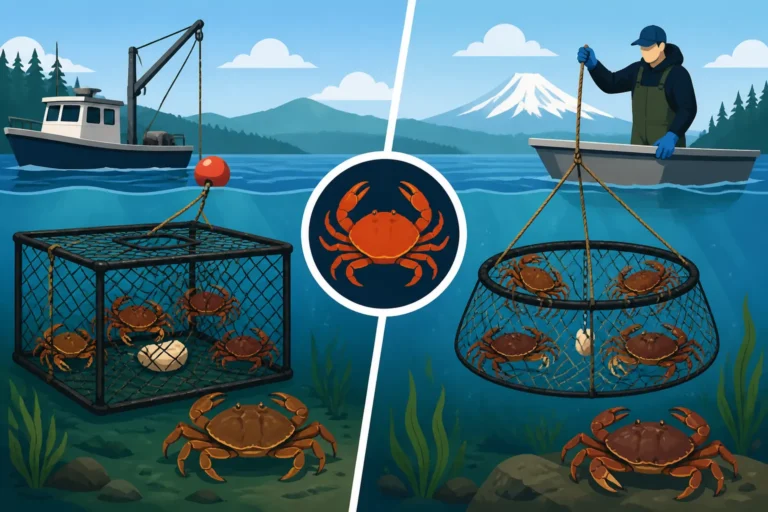
- Crab Pots: These are enclosed traps, typically wire mesh cages with entrance tunnels that allow crabs in but make it difficult for them to leave. Pots are generally more effective because they "soak" longer and can hold crabs for extended periods. This is great for those longer tidal cycles or when you can't check your gear constantly. Many commercially available pots, like those you might find on Amazon, come pre-assembled and ready to go. Just make sure they meet Washington's specific requirements for escape rings and biodegradable rot cord. The rot cord is a crucial safety feature that allows the trap to degrade and release crabs if it's lost, preventing "ghost fishing."
- Crab Rings: These are simpler devices, usually consisting of two rings with mesh netting in between. When deployed, the ring lies flat on the bottom, allowing crabs to walk over the bait. When you pull the line, the outer ring lifts, forming a basket that traps any crabs currently over the bait. Rings are fantastic for dock crabbing because they are lighter, easier to deploy and retrieve, and you check them more frequently – often every 15-30 minutes. This makes for a more active crabbing experience and is perfect if you're just enjoying an afternoon. The downside is they don't soak well; if you leave them too long, crabs can simply walk off. You can find many options for crab rings, sometimes even bundled with accessories, on Amazon.
For a more in-depth comparison to help you decide, check out Crab Pots vs Rings in Washington's Puget Sound.
Here's a quick comparison to help you choose:
| Feature | Crab Pot (Trap) | Crab Ring (Dip Net) |
|---|---|---|
| Soak Time | Longer (hours, overnight if permitted) | Shorter (15-45 minutes typically) |
| Crab Retention | High; crabs are contained | Moderate; relies on quick retrieval |
| Effort | Less active checking | More active, frequent checks |
| Portability | Heavier, bulkier | Lighter, folds flat (some models) |
| Cost | Generally higher | Generally lower |
| Ideal Use | Longer trips, less direct supervision | Active crabbing, kids, shorter trips from a dock |
The Best Bait to Attract Dungeness
Crabs aren't picky eaters, but some baits are definitely more effective than others. The goal is a strong, persistent scent trail that draws them in. Fresh is usually best, but frozen can work too.
- Fish Carcasses: Any oily fish scraps work wonderfully. Salmon heads, guts, and frames are a top choice if you know a local fish market or have friends who fish. Halibut, tuna, or cod carcasses are also excellent. The oilier the fish, the better the scent dispersal.
- Chicken: Chicken legs or thighs, especially if they're a bit "ripe," are fantastic. The strong smell really travels in the water. Some anglers swear by slightly spoiled chicken as the ultimate attractant.
- Other Meats: Clam necks, razor clams (if you have extras from a digging trip!), squid, or even beef liver can be effective. The key is something that creates a strong scent plume in the water.
When you prepare your bait, make sure it's secured in a bait cage or mesh bag within your pot or ring. You don't want the crabs to easily devour it all before others arrive, and you definitely don't want it floating away. Many crab pots come with built-in bait cages, or you can buy mesh bait bags (often found on Amazon alongside other crabbing accessories) that attach inside. The goal is to make the crabs work for it, keeping them interested and in your gear longer. For a deeper dive into bait strategies, take a look at Best Bait for Washington Dungeness Crab.
Lines, Buoys, and Accessories
Beyond the pot or ring and the bait, a few other items are critical:
- Rope/Line: You'll need sturdy rope, typically at least ¼ inch thick, that's long enough to reach the bottom with plenty of slack, accounting for tides and currents. For a dock, you might need 50 to 100 feet of line, depending on the depth and how far out you plan to drop your gear. Nylon or polypropylene lines are common and durable.
- Buoys: Each pot or ring needs a clearly marked buoy floating on the surface. This buoy serves two purposes: identifying your gear and allowing you to retrieve it. Regulations require your name and contact information (or WDFW ID) to be permanently affixed to the buoy. You can buy pre-made buoys or use sturdy plastic bottles (like milk jugs, but make sure they're highly visible and meet size requirements).
- Crab Measuring Gauge: This is non-negotiable. You must accurately measure your crabs. These inexpensive plastic or metal gauges (readily available on Amazon or at any tackle shop) ensure you only keep legal-sized males. They have a notch or marking specifically for the 6¼ inch Dungeness carapace width.
- Gloves: Dungeness crabs have powerful claws that can pinch hard! Heavy-duty gloves (like thick gardening or dishwashing gloves) are highly recommended for handling them safely.
- Bucket or Cooler: Once you've got your legal crabs, you'll want a way to transport them. A five-gallon bucket or a cooler works great. If you plan to keep them alive for a while, add some fresh saltwater to the cooler, or ideally, a wet towel over them to keep them cool and moist, especially if it's a warm day.
- Optional but Recommended: A secure attachment point on the dock (like a cleat or railing) and perhaps a small gaff or hook if your line gets snagged. A flashlight or headlamp is also invaluable if you're crabbing near dawn, dusk, or at night.
Step-by-Step: Setting and Soaking Your Crab Gear from a Dock
Alright, you've got your gear, you know the rules, and you've picked your tide window. Now for the fun part: getting your gear into the water and attracting those tasty Dungeness.
Finding the Right Dock Spot
Not all docks are created equal for crabbing. When you arrive at a public pier or dock, take a moment to observe before dropping your gear.
- Public Access & Regulations: First, confirm that crabbing is allowed from that specific dock. Some docks might prohibit it, or have designated fishing/crabbing areas. Always respect signage.
- Depth and Bottom Structure: Look for deeper sections of the dock. Often, the end of a pier will be the deepest, putting you closer to where crabs prefer to forage. If the water is clear enough, try to spot any underwater structure like pilings, rocks, or even patches of seaweed or eelgrass. These are prime crab habitat. Crabs love to hide and feed around structure.
- Current Flow: Observe the current. A moderate current is good, as it disperses the bait scent. Too strong a current might make it hard for your gear to settle or for crabs to approach the bait. Too little current means your scent isn't traveling far.
- Other Anglers: Be respectful of other people fishing or crabbing. Don't drop your gear directly on top of someone else's, and give them ample space. Public docks can get busy, especially during peak seasons, so common courtesy goes a long way. If you see others consistently pulling up crabs from a particular section, that's a good sign!
A common mistake is dropping too close to the immediate shore, where the water is very shallow and often less productive for Dungeness. Aim for the deeper water at the end or along the sides where currents might concentrate.
Rigging Your Pot or Ring for Deployment
Preparation is key. Before you even think about tossing your gear into the drink, make sure everything is properly set up.
- Secure Your Bait: Place your chosen bait (chicken, fish scraps, etc.) inside the bait cage or mesh bag. Make sure it's firmly secured so it won't float out or be easily stripped away by hungry crabs or other marine life. A well-secured bait will last longer and keep the crabs interested.
- Attach Your Rope: Tie one end of your rope securely to your crab pot or ring. Use a knot that won't slip, like a bowline or a double fisherman's knot. You don't want your gear lost to the depths!
- Attach Your Buoy: Measure out enough line so that when your gear is on the bottom at high tide, your buoy will still have several feet of slack and float freely on the surface. This ensures it won't get pulled under by strong currents or changing tides. Tie the buoy securely to the other end of the rope. Double-check that your identifying information is clearly legible on the buoy.
- Add Weight (If Needed): Some crab pots come weighted, but if you're using a lighter ring or a pot that tends to drift, you might need to add some additional weight, like a few heavy rocks or a lead sinker, to ensure it stays put on the bottom, especially in areas with current. This helps your gear settle quickly and keeps it from moving into undesirable areas or tangling with other lines.
Deploying and Retrieving Your Gear
This is where technique comes into play to ensure your gear lands correctly and you can retrieve it safely.
- Deployment: Don't just chuck your pot or ring haphazardly. If using a pot, carefully lower it into the water, ensuring it doesn't tangle. For a crab ring, hold one side firmly, then toss it out in a controlled manner, letting the rope pay out smoothly as the ring sinks flat to the bottom. Try to avoid letting the rope coil and tangle, which can lead to frustrating snags. If you have any excess line on the dock, secure it to a cleat, railing, or sturdy pilings before you drop your gear. This prevents your entire setup from disappearing if you accidentally let go.
- Soaking Time: As mentioned, if you're using a pot, a soak of 2-4 hours is often a good starting point, but you can adjust based on activity. For rings, you'll be checking every 15-30 minutes. This frequent checking is part of the fun of ring crabbing, as you're actively engaging with the tide and your potential catch.
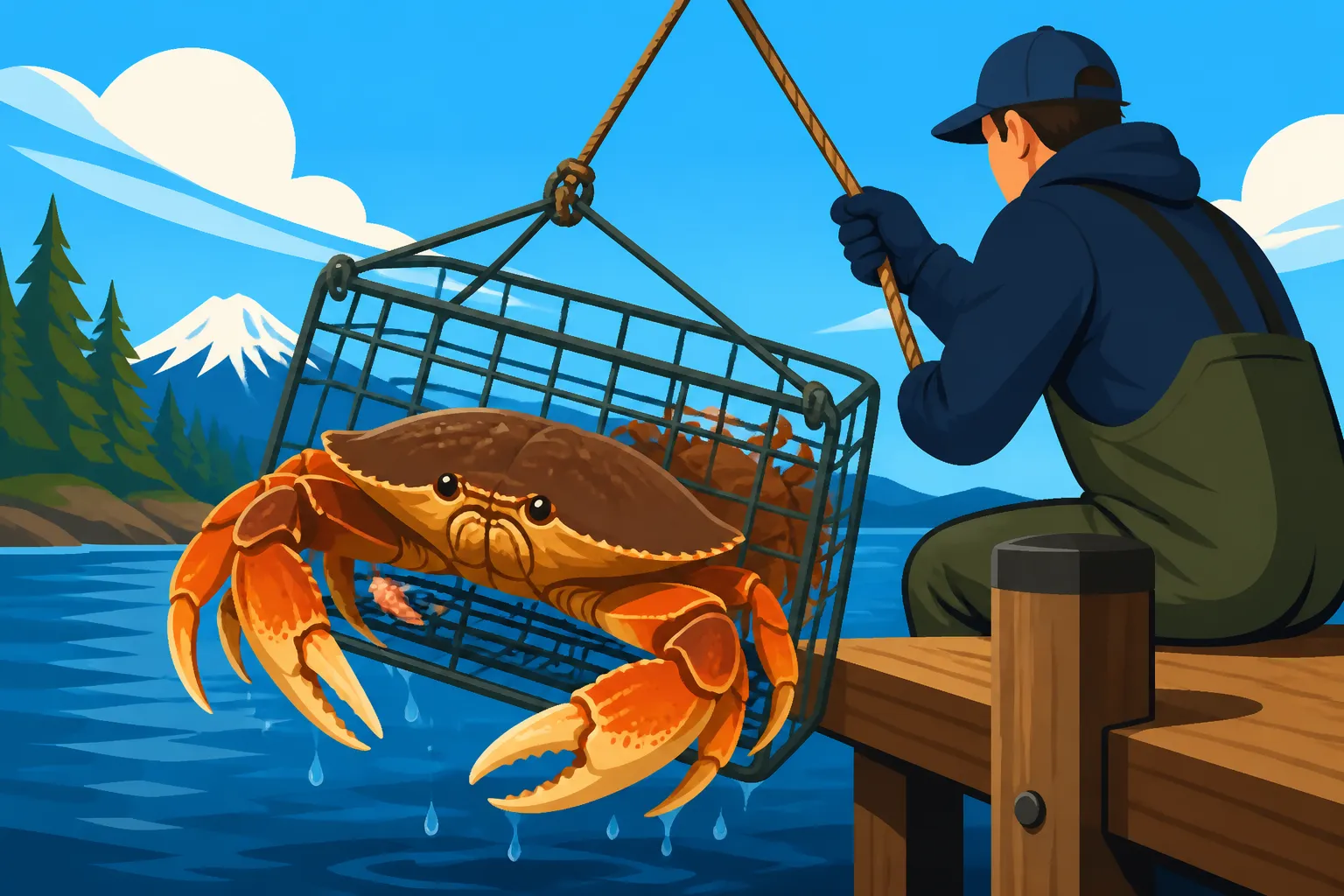
- Retrieval: This is often the most exciting part! For pots, slowly and steadily pull in the line, hand over hand, coiling the excess neatly on the dock to prevent tangles. Once the pot surfaces, pull it onto the dock quickly but smoothly, making sure no crabs escape as it breaks the water. For rings, pull the line up quickly and steadily; the speed is crucial to making sure the ring closes properly and traps the crabs inside. Again, coil the line as you go. Be prepared for the weight, especially if your pot or ring is full of crabs!
When pulling up your gear, be mindful of your surroundings. If there are other anglers, try not to splash or spray them. And always be on the lookout for boat traffic if you're crabbing in an area where boats might pass close to the dock.
Handling Your Catch and Ensuring a Legal Haul
You've pulled up your gear, and there they are – a pile of live Dungeness crabs! This is where careful handling and adherence to regulations become paramount.
Measuring and Identifying Your Crab
The moment of truth! This step is where you distinguish between keepers and those that need to go back.
- Safety First: Remember those gloves? Put them on! A Dungeness crab's pinchers are powerful, and they can inflict a painful wound. Handle crabs by the back of their carapace, away from their claws.
- Measure Accurately: Take your crab gauge and measure the carapace (shell) width from point to point, excluding the spines. The rule is 6¼ inches (15.88 cm) for Dungeness. If it doesn't measure up, it's too small. For a comprehensive guide on this, refer to How to Measure a Legal Dungeness Crab.
- Identify Gender: Flip the crab over gently to inspect its underside. Look at the "apron" – the flap folded against its belly. A male Dungeness crab will have a narrow, pointed apron, often described as resembling the Washington Monument or a church steeple. A female's apron will be much broader and more rounded, resembling the Capitol Building dome. If it's a female, it goes back, regardless of size. This is crucial as Can You Keep Female Dungeness Crab in Washington? explains the strict rules against it.
- Check for Soft-Shells: Feel the shell. If it's soft and pliable, the crab has recently molted. These crabs are vulnerable and should be released. They are not good for eating as their meat content is low.
Safely Releasing Undersized or Illegal Crab
It's tempting to hold onto every crab you catch, but being a responsible angler means releasing illegal crabs quickly and gently.
- Immediate Release: As soon as you determine a crab is undersized, female, or soft-shelled, release it immediately. Do not keep it in a bucket or on the dock for an extended period.
- Gentle Return to Water: Lower the crab back into the water rather than tossing it. Dropping it from a height can injure the crab. Aim for an area away from your gear, so it doesn't immediately re-enter your trap.
- Minimizing Stress: Handle the crab as little as possible. The less time it spends out of the water, the better its chances of survival. Avoid direct sunlight if you're measuring and identifying on a sunny day.
Recording Your Catch and Post-Crabbing Care
You've got legal, male Dungeness crabs! Congratulations! Now, there are a couple more steps to complete your successful crabbing trip.
- Fill Out Your Catch Record Card: This is absolutely mandatory. For every legal Dungeness crab you retain, you must immediately mark it on your Catch Record Card. This helps the Washington Department of Fish and Wildlife (WDFW) gather vital data on crab populations. Even if you've done everything else perfectly, failing to fill out your card correctly can result in a citation. Make sure to return your completed card by the deadline, even if you didn't catch anything!
- Keep Crabs Alive and Cool: Live crabs are the freshest and best-tasting crabs. The best way to transport them home is in a cooler with some ice, covered with a damp cloth or newspaper. Don't submerge them in freshwater, as this will kill them. Keep them cool and moist, but not in standing water. If you can, process them as soon as you get home.
- Cooking Your Catch: Once home, rinse your crabs thoroughly. The most common methods are boiling or steaming. A large pot of rapidly boiling, salted water (or steaming them above it) is all you need. Dungeness crab meat is sweet and succulent, perfect with melted butter, in salads, or for crab cakes.
Crabbing from a dock is a fantastic way to enjoy Washington's marine bounty. It's accessible, affordable, and incredibly rewarding. With the right knowledge and gear, you can turn a simple day at the pier into a delicious Dungeness crab feast!
Disclaimer
This article is for general informational purposes only and does not constitute professional advice. Laws, prices and regulations vary by location and change over time. Consult a qualified professional for guidance on your specific situation.