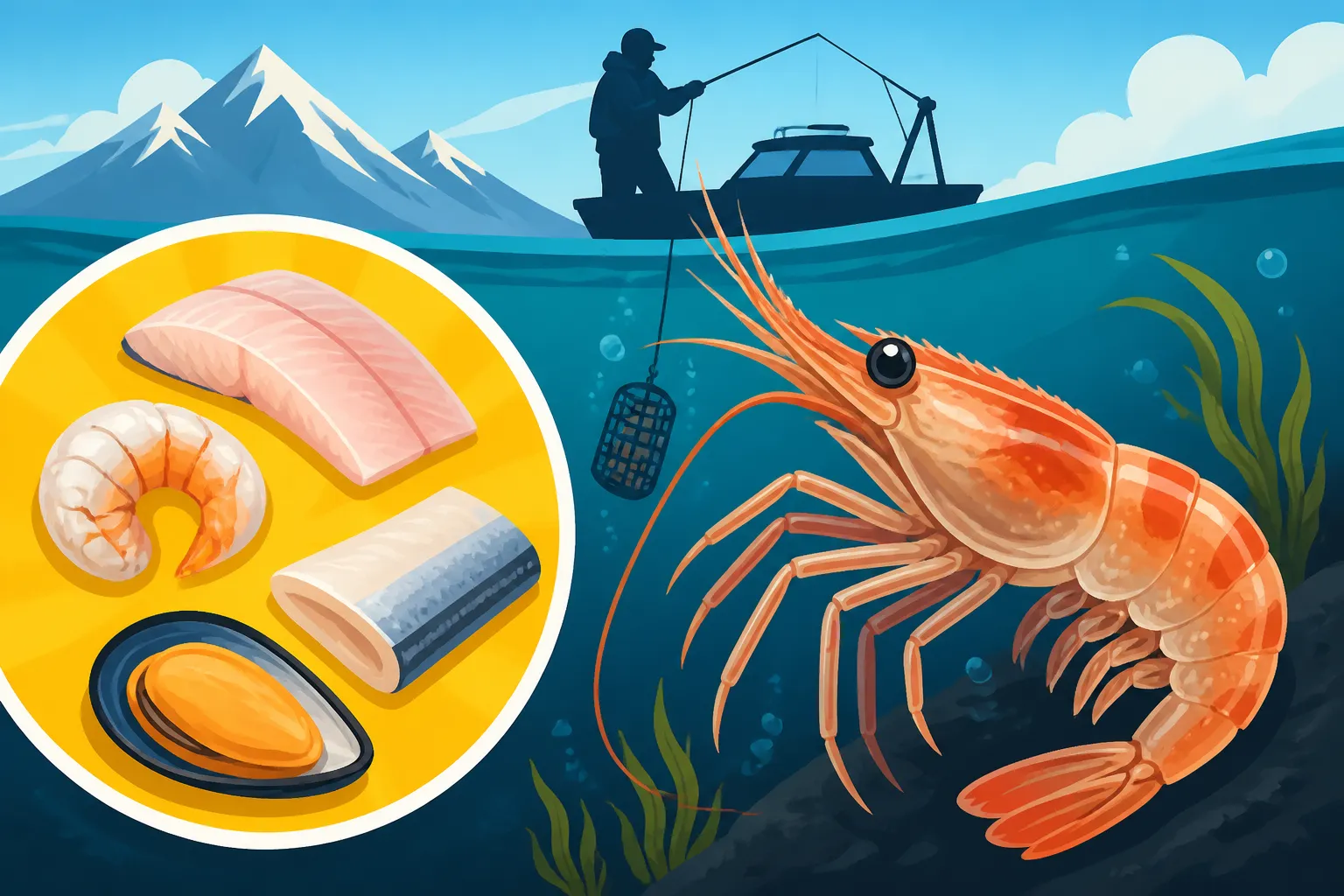
Best Bait for Spot Shrimp
Oh, the elusive Washington spot shrimp! If you've ever tried shrimping in our magnificent Puget Sound or Hood Canal, you know the thrill of pulling up a pot brimming with those sweet, succulent crustaceans. But you also know the heartbreak of hauling up an empty pot, or one full of sculpin. It's a real head-scratcher sometimes, isn't it? One day you're a hero, the next you're left wondering if the shrimp moved, or if your bait just wasn't up to snuff. The truth is, bait isn't just a suggestion when it comes to spot shrimp; it's practically the secret handshake to getting them into your pot. This guide is all about helping you crack that code, focusing on the best baits and strategies to make your shrimping trips more successful and, dare I say, delicious.
Understanding Spot Shrimp and Their Preferences
Before we even dive into the tackle box of bait options, it’s crucial to understand a little bit about what makes Washington spot shrimp tick. These aren't just any critters; they're unique, discerning, and have specific habits that, once understood, can dramatically improve your shrimping game.
What Makes Spot Shrimp Different?
Washington's spot shrimp, Pandalus platyceros, are truly a prize. They're the largest shrimp species in our waters, known for their vibrant red and orange coloration and those distinctive white spots on their tails. Unlike smaller, more common shrimp you might find in shallower waters, spot shrimp prefer the deeper, cooler, and often darker environments of Puget Sound and Hood Canal. They're typically found in rocky structures, steep drop-offs, and canyon walls, ranging from depths of 60 to 600 feet or more. These aren't creatures of the sandy flats; they're more like underwater mountain climbers, seeking out complex terrain for shelter and food.
Their life cycle and feeding habits are also a bit specialized. They're opportunistic scavengers, but they're not going to swim miles for just any old morsel. They're particularly attracted to strong, appealing scents that indicate a rich food source. Think about it: in the deep, dark abyss, sight is limited, so smell becomes paramount. They're also relatively slow-moving compared to some fish, meaning they need a scent trail that's potent enough to draw them in from a distance and keep them interested once they get close. If you're dropping a pot down to hundreds of feet, you need confidence that what's inside will scream "dinner!" to every shrimp in the vicinity. For more on these fascinating creatures, you might enjoy learning about Spot Shrimp in Hood Canal.
Why Bait is So Critical for Spot Shrimp
Given their deep-water habitats and reliance on scent, bait becomes the single most important factor, outside of finding the right depth and location. An ineffective bait, or poorly presented bait, is essentially invisible to a spot shrimp. You could drop the most expensive, perfectly designed pot, but if the scent isn't right, you're just providing a lovely deep-sea condo with no appealing amenities.
The goal of your bait isn't just to lure them into the pot, but to hold their attention once they're there. Spot shrimp are curious, but they're also cautious. A strong, consistent scent trail acts like a breadcrumb path leading them right to the entrance. Once inside, if the bait continues to release an enticing aroma, they're more likely to stay, even if they initially enter for curiosity. Think of it like a really good restaurant: the smell from the kitchen draws you in, and the delicious food makes you stay for dessert. This is especially true when you’re trying to catch enough for a proper feast; every shrimp counts!
The Top Baits for Washington Spot Shrimp
Okay, let's get down to the good stuff: what actually works? Over the years, seasoned shrimpers in Washington have refined their bait choices, and there are definitely some clear winners that stand out. It often comes down to oil content, scent strength, and how long the bait lasts in the water.
Oily Fish: A Perennial Favorite
When you talk to experienced Washington shrimpers, oily fish almost always comes up first. There’s a reason for that – it just works. The natural oils and strong fishy scent disperse incredibly well in water, creating that irresistible trail we talked about.
- Salmon Carcasses or Heads: This is probably the king of spot shrimp baits, especially if you or someone you know fishes for salmon. After you've filleted your salmon, don't discard the heads and skeletons! These are gold for shrimping. The rich, oily meat, bones, and even the eyes continue to leach potent scent for a long time. You can often get these from local fish processors or fellow anglers if you don't catch your own. The oil content of species like Chinook and Coho is particularly high, making them excellent choices.
- Mackerel: If salmon isn't readily available, mackerel is a fantastic substitute. It's incredibly oily and has a very strong, distinct scent that shrimp find hard to resist. Mackerel is often affordable and easy to find at Asian markets or some tackle shops. You can use whole fish or cut them into chunks.
- Herring: Another classic bait fish, herring is also very oily and readily available, often frozen in large bags at sporting goods stores. It has a good scent profile and breaks down at a reasonable rate to keep the trail going. Using whole or butterfly-cut herring can be very effective.
When using oily fish, it's often best to put them in a dedicated bait cage or mesh bag inside your shrimp pot. This keeps the bait contained, prevents it from washing out, and ensures a steady release of scent. Some shrimpers like to slightly "age" their fish bait by letting it sit out for a short period before deploying, claiming it enhances the odor, but be careful with this – you don't want it to rot to the point of disintegration.
The Power of Scent: Pellets and Commercial Baits
Sometimes, you need an extra punch, or a longer-lasting scent. That's where specially formulated pellets and commercial baits come into play. These are designed to maximize scent dispersion and duration.
- Shrimp & Prawn Bait Pellets: Many manufacturers offer specialized pellets specifically for shrimp and prawn. These are often made from fish meal, krill, or other marine proteins, pressed into a pellet form. Their main advantage is consistency and longevity. They slowly dissolve, releasing a continuous plume of scent. You can find a wide variety of these, often sold in large bags, and they're usually quite effective. Many anglers swear by brands like Pautzke or Pro-Cure, which offer highly concentrated scent formulas. You can even find these on platforms like Amazon for convenience if your local shop is out of stock.
- Krill or Anise Oil Additives: These aren't baits on their own, but potent scent enhancers. Krill has a natural, strong marine aroma that shrimp love, and anise oil, surprisingly, also acts as a powerful attractant for many marine species. You can apply these oils to your fish baits or even to your pellets for an added boost. Just a few drops can make a big difference. Some shrimpers will soak their regular bait in these oils overnight.
- Commercially Prepared Baits (Jelly or Paste): Beyond pellets, some companies offer bait in a jelly or paste form, often packaged in tubes or tubs. These are designed for ease of use and long-lasting scent. They can be smeared onto your bait cage or even mixed with other baits. While sometimes pricier, their convenience and effectiveness can be worth it, especially if you're looking to simplify your setup.
It's common practice to combine oily fish with pellets. The fish provides the initial, strong scent, while the pellets offer a slow-release, sustained aroma that keeps the shrimp interested over longer soak times. This combination often leads to the best results.
Shellfish and Other Delicacies
While less common than fish, some shrimpers have success with other types of bait, sometimes as an addition to their primary fish bait.
- Clams or Mussels: Fresh or frozen clams and mussels, when crushed or slightly opened, release a very strong, natural marine scent that can be attractive to shrimp. They're not as oily as salmon or mackerel, so they might not disperse scent as widely, but up close, they're certainly appealing.
- Canned Cat Food (Fish-based): This might sound a little unconventional, but it's a budget-friendly option some shrimpers use, often in conjunction with other baits. The key is to choose a fish-based cat food, like tuna or salmon, and puncture the can in several places before placing it in the pot. The fish oils and strong scent slowly leak out, creating an attractive plume. Just make sure it's fish-based, not chicken or beef! While it won't be as potent as fresh fish, it can serve as a supplemental attractant. Again, you can usually grab a few cans of this type of product easily online, sometimes even via Amazon grocery delivery.
When experimenting with these, it's often best to use them as an augmentation to your primary oily fish bait rather than relying on them exclusively, unless you're trying a very specific, short-soak strategy.
Rigging Your Bait for Success
Having the best bait in the world won't matter much if it's not presented correctly. How you rig your bait, and how it disperses its scent, plays a huge role in attracting and retaining those valuable spot shrimp.
Best Practices for Baiting a Pot
The goal is to get maximum scent dispersion while preventing the bait from being devoured too quickly by other creatures or washing out of the pot.
- Use a Dedicated Bait Cage or Bag: This is non-negotiable for most baits. A sturdy plastic bait cage with small holes or a heavy-duty mesh bait bag (think onion bag material, but tougher) is ideal. These contain the bait, preventing it from floating away or being picked apart by opportunistic sculpin or small crabs before the shrimp can get to it. They also ensure the scent leaches out steadily rather than all at once. For larger fish heads, you might need a bigger, more robust cage.
- Secure the Bait Inside the Pot: Don't just toss the bait cage in! Most shrimp pots have a hook or a clip inside for securing the bait. You want the bait to be centrally located, allowing the scent to flow out from all sides of the pot. It also prevents the bait from shifting around and potentially blocking exits or getting caught in the pot's entrance funnels during deployment or retrieval.
- Consider Multiple Bait Stations: For larger pots, or if you're trying a mix of baits, consider two bait stations. You might have an oily fish carcass in one and a mix of pellets and a punctured cat food can in another. This maximizes the scent footprint and offers a variety of attractants.
Scent Dispersion and Duration Tips
The deep, cold water where spot shrimp live means scent dispersal is slower than in warmer, shallower waters. You need to account for this.
- "Juicing" Your Bait: For fish baits, some shrimpers will take a dull knife and score the flesh or even partially mash parts of it before placing it in the cage. This immediately releases more blood and oil, creating a stronger initial scent plume. It's like a burst of "hello!" to nearby shrimp.
- Combining Fast and Slow Release Baits: As mentioned, this is a powerful strategy. Oily fish (especially if scored) provide a quick, strong initial draw. Pellets, on the other hand, provide a steady, long-lasting scent. This ensures that even if your pot soaks for several hours, or even overnight, there's still a good scent trail emanating from it.
- Temperature Matters: While you can't control the ocean's temperature, understanding that colder water slows down scent dispersion means your bait needs to be extra potent. Don't skimp on quality or quantity.
Avoiding Bait Loss and Unwanted Visitors
It's incredibly frustrating to pull up a pot and find your expensive bait gone, replaced by a few sculpin or crabs, and no shrimp.
- Use Bait Bags/Cages Effectively: This is your first line of defense against unwanted scavengers. Make sure the mesh is small enough to keep small fish and crabs from tearing chunks off your bait. Some shrimpers even double-bag their bait.
- Robust Bait Protection: If you're really struggling with bait being stolen, consider using a solid plastic container with very small, drilled holes for scent release. This makes it almost impossible for anything but the smallest creatures to access the bait directly.
- Consider Shorter Soak Times: If you're constantly finding your bait decimated by sculpin or crabs, try shorter soak times, especially in areas known for high populations of these bait thieves. While spot shrimp can take a while to find your pot, a few hours might be enough to get a good number before the "undesirables" clean you out. Learning How Long to Soak a Crab Pot in Puget Sound can give you an idea of typical soak durations for shellfish.
Additional Tips for Maximizing Your Spot Shrimp Catch
Bait is paramount, but it's part of a larger strategy. Location, timing, and pot design also play significant roles in whether you'll be enjoying a shrimp cocktail or wondering what went wrong.
Location, Depth, and Timing
Even with the best bait, if you're not in the right spot at the right time, your efforts will be in vain.
- Deep Water is Key: As discussed, spot shrimp love depth. Focus on areas that drop off steeply into 100 feet, 200 feet, or even deeper. Look for underwater structure on your sonar – rocky ledges, shelves, and canyons are prime real estate. You'll often find them just on the edge of these structures.
- Currents are Your Friend (Sometimes): A gentle current can help carry your bait's scent further, increasing its reach. However, a strong current can quickly wash away your scent or even move your pots. Try to anchor your pots just up-current from where you expect shrimp to be, allowing the scent to drift over them.
- Check Regulations and Seasons: Washington fishing regulations are constantly changing, and shrimp seasons are often very specific, sometimes only open for a few days a year, or even specific hours on certain days. Always check the current WDFW regulations for the marine area you plan to fish. Misinterpreting the rules can lead to fines, and nobody wants that. This includes understanding the specific rules for Shrimping Techniques in Hood Canal if you're heading there, or even When Washington's Halibut Season Opens if you're planning a multi-species trip.
Pot Design and Placement Considerations
The pot itself is more than just a container; it's a critical piece of your shrimping puzzle.
- Pot Type: There are various pot designs, but generally, a good spot shrimp pot is cylindrical or square, heavy enough to stay put in currents, and has multiple entrance tunnels (usually four) that allow shrimp to crawl in but make it difficult for them to get out. Some pots have bait wells built in, others require separate bait cages. Make sure your pot is in good repair; torn netting or broken funnels are instant deal-breakers.
- Line and Weight: Use sufficient leaded line to ensure your pot reaches the bottom and stays there. Too little weight, or too short a line, and your pot could drift or not fish effectively. It's better to have a bit too much line than not enough.
- Buoys and Markers: Clearly mark your pots with your license number and name as required by WDFW regulations. Use bright, easily visible buoys. Consider using a buoy line that's a bit heavier than standard rope to prevent chafing and loss, especially in deep water.
- Deployment Strategy: Deploy your pots carefully to avoid tangles and ensure they land upright. If you're dropping multiple pots, space them out to cover more ground, but not so far that you can't easily retrieve them.
| Bait Type | Pros | Cons | Scent Level | Duration | Best Use |
|---|---|---|---|---|---|
| Oily Fish (Salmon/Mackerel/Herring) | Strong, natural scent; highly effective. | Can be messy; attracts other species; needs containment. | Very High | Medium | Primary attractant for all conditions. |
| Shrimp Pellets | Long-lasting scent; clean; easy to use. | Less initial "punch" than fresh fish. | High | Long | Sustained attraction, great for long soaks. |
| Krill/Anise Oil | Potent boost; highly concentrated. | Not a standalone bait; can be messy. | Very High | Varies | Enhancer for other baits. |
| Canned Fish (Cat Food) | Affordable; easy to find; decent scent. | Less potent than fresh fish; attracts other species. | Medium | Medium-Long | Supplemental bait, good for budget. |
| Clams/Mussels | Natural, appealing scent. | Less oily, faster breakdown; attracts other species. | Medium | Short-Medium | Occasional supplement, quick-soak. |
Disclaimer
This article is for general informational purposes only and does not constitute professional advice. Laws, prices and regulations vary by location and change over time. Consult a qualified professional for guidance on your specific situation.