Best Bait for Washington Dungeness Crab
The waters of Washington State hold incredible bounty, and few things are as satisfying as pulling up a crab pot overflowing with delicious Dungeness. Yet, many of us have faced the disheartening reality of pulling up an empty pot, or worse, one with just a few undersized crabs. The truth is, while location and timing play a huge role, the bait you choose can be the single most important factor in attracting those tasty crustaceans. This guide will walk you through the very best baits for Washington Dungeness crab, explaining why they work and how to maximize their pulling power.
The Irresistible Allure: Why Bait Choice Truly Matters for Washington Dungeness Crab
It’s a tale as old as time for Washington crabbers: you drop your pots, wait patiently, and pull them up hoping for a bounty of delicious Dungeness. But sometimes, you find them empty or just a few small ones, while the boat next to you is hauling in keepers. Often, the difference isn't just luck; it's the bait. Dungeness crab are notoriously efficient eaters, and choosing the right bait isn't just about throwing something stinky in the pot. It's about understanding their biology, their foraging habits, and what truly makes their tiny brains say, "Dinner time!" It's all part of the larger experience of Crabbing and Shellfishing in Washington's Puget Sound.
Understanding the Dungeness Palate: What They Crave
Think about what Dungeness crab naturally forage for on the sandy and muddy bottoms of Puget Sound, Grays Harbor, or Willapa Bay. They're opportunistic scavengers, constantly on the hunt for food. Their natural diet consists of small clams, mussels, worms, other crustaceans, and decaying organic matter—especially dead fish. This gives us a huge clue: they're looking for protein, and they're particularly drawn to things that have a strong, natural smell that signifies a meal. This instinct is hardwired into them, driving them to investigate any potent scent in the water.
When a Dungeness crab smells something enticing, their instinct takes over. They don't have eyes that work like ours, but their chemoreceptors are incredibly sensitive, picking up on minute chemical signals in the water. A robust scent trail acts like a breadcrumb path, leading them directly to your pot. If your bait is weak, too old, or simply not appealing to their specific dietary preferences, they might just swim right by your trap, heading instead to a competitor's pot filled with something more to their liking. It's a competitive world down there, and the best smelling dinner wins.
It’s not just about what we think smells good, but what smells good to a crab. The subtle differences in the chemical compounds released by different baits can be the make-or-break factor in whether your pot is full or forlorn. This is why experimenting and paying attention to what works for seasoned locals can pay dividends on your crabbing adventures. Understanding their natural inclination towards certain scents is the first step in becoming a more successful crabber.
The Role of Scent and Oil in Attracting Crab
The key to a good crab bait is its ability to create a persistent, widespread scent plume in the water. This plume is essentially a cloud of dissolved organic compounds and oils that drifts with the current, broadcasting an irresistible dinner bell to any Dungeness in the vicinity. The stronger and longer-lasting this plume, the larger the area your pot is effectively "fishing." A weak scent means only the crabs directly on top of your pot might find it, significantly limiting your potential catch.
Oils, in particular, play a crucial role. Fish oils, for example, don't just provide a strong aroma; they also disperse slowly in water, creating a prolonged scent trail. This means that even if a crab doesn't immediately find your pot, they might eventually trace the oil slick back to its source. Think of it like a perfume that lingers; it doesn't just hit you once, but continues to entice, drawing creatures in from a distance. The natural fats and oils in certain baits are what truly set them apart in their ability to attract.
When considering bait, imagine it underwater. Is it going to break down slowly, steadily releasing its aromatic goodness, or will it quickly dissipate, leaving your pot unscented within an hour? The goal is to keep that dinner bell ringing for as long as your pot is soaking, whether you're pulling it after a short stint or leaving it overnight. This sustained scent release is what separates a mediocre bait from a truly excellent one, ensuring maximum pulling power throughout your soak time.
Top Contenders: Proven Baits for Washington Dungeness Crab
Alright, let's get down to the brass tacks: what actually works? Over years of crabbing in Washington's diverse waters, certain baits have risen to the top, proving their worth time and time again. These aren't just old wives' tales; they're the tried-and-true favorites of successful crabbers, validated by countless successful trips and full crab pots.
Fish Scraps and Carcasses: The Natural Choice
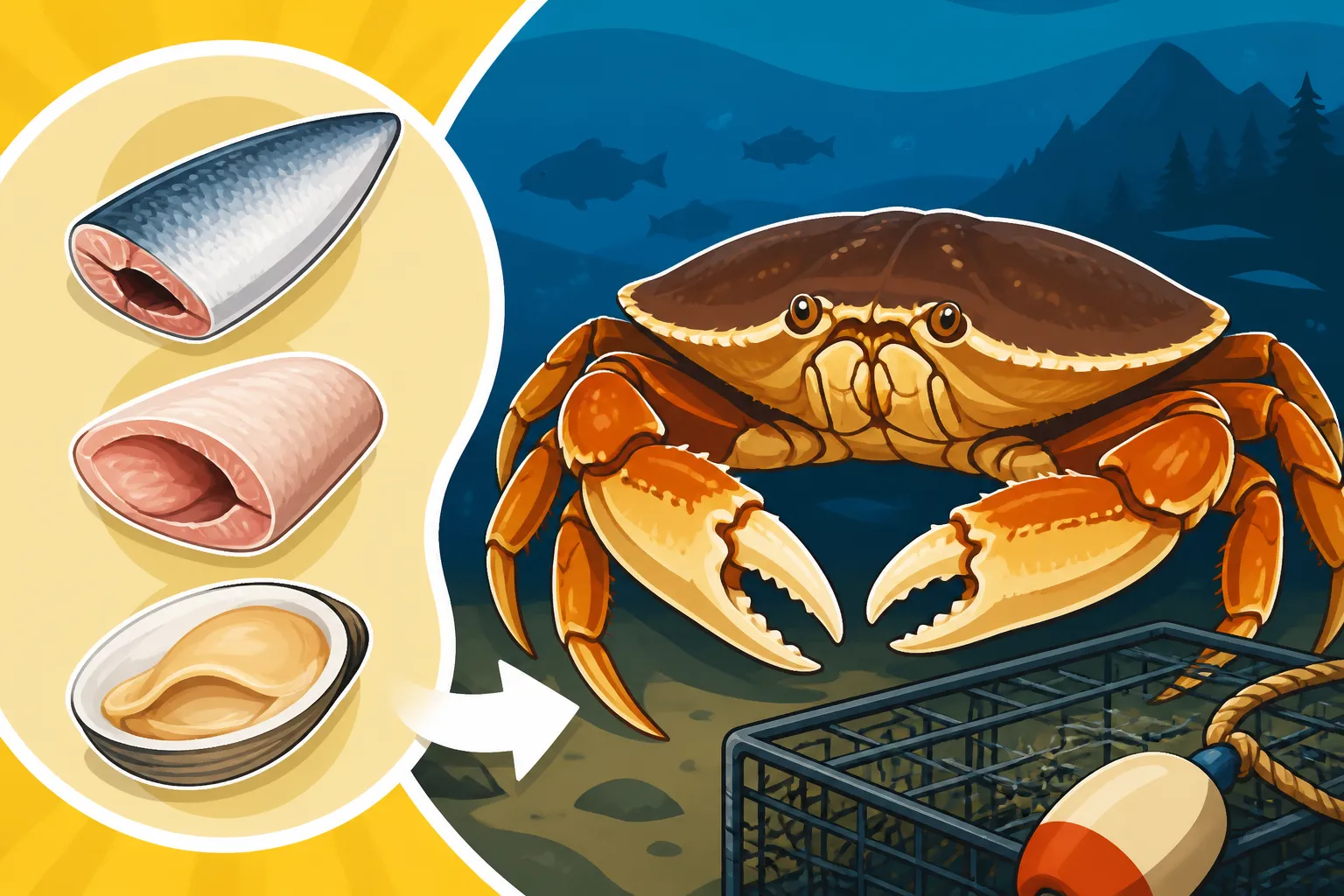
When it comes to Dungeness crab bait, fish is arguably the king. It's their natural food source, and they are hard-wired to seek out the scent of decaying marine life. The best part? If you're also a fisher, these can often be free! There's something undeniably effective about giving crabs what they'd naturally encounter and consume in their habitat, only presented in a convenient, enclosed package.
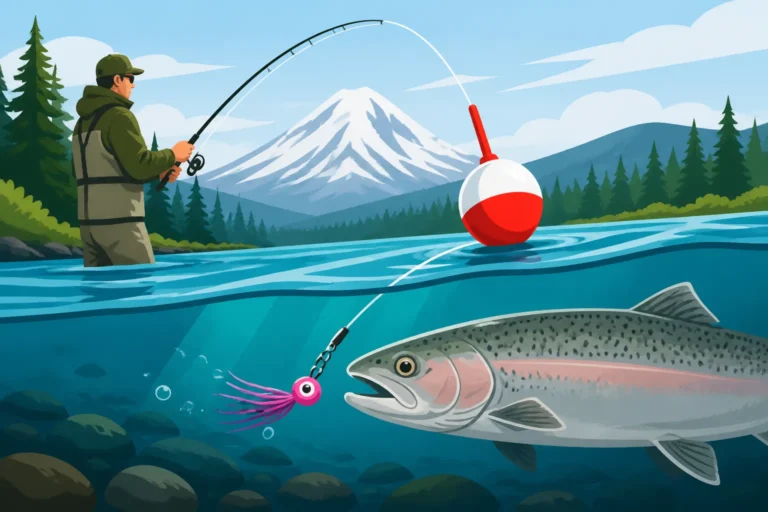
Pros: Fish scraps are brimming with natural oils and a pungent aroma that Dungeness crab find irresistible. Salmon heads, tails, and guts from a successful fishing trip are gold. Think about all those Chinook, Coho, or even Pink salmon you might catch in Washington's Puget Sound Fishing Spots for Salmon and Bottomfish—don't let those valuable remnants go to waste! Herring and mackerel, easily found at tackle shops, are also excellent choices due to their high oil content. Even rockfish carcasses or other bottomfish remnants can be highly effective. The key is freshness and oiliness; a bait that's recently started to "turn" but isn't completely putrid often performs best, as the decomposition process really gets those attractive scents flowing. The richer the oils, the better the scent trail.
Cons: While incredibly effective, fish bait has a few downsides. First, it can attract seals and sea lions, which, while fascinating to watch, can be a nuisance for your pots and sometimes even damage them, or steal your precious bait. Second, fish breaks down relatively quickly in warm water, meaning you might need to check your pots more frequently or use larger quantities for longer soaks to maintain a strong scent. Finally, depending on the species, fish can be quite soft, making it easier for crabs and other scavengers to pick it apart and escape with your bait, leaving your pot empty before you return.
Chicken: A Surprisingly Effective Alternative
"Chicken in a crab pot? You've got to be kidding!" I can hear some of you thinking. But trust me, raw chicken is a secret weapon for many savvy Washington crabbers. It might not be what a Dungeness naturally eats, but its smell and durability make it a fantastic option, especially when fish scraps are scarce or expensive. It’s an unconventional choice that often yields impressive results, proving that sometimes thinking outside the box pays off.
Pros: Raw chicken, particularly dark meat like thighs or drumsticks with the skin on, is incredibly robust. It holds up well in water, resisting being torn apart by smaller crabs or bait thieves for longer than most fish. Plus, it's cheap and readily available at any grocery store, making it a convenient choice you can grab on your way to the boat launch. The fat in the skin and meat releases a rich, savory scent that, while different from fish, is still highly appealing to Dungeness crab. Some crabbers even swear by partially frozen chicken, as it thaws slowly, releasing a consistent scent plume over a longer period, acting like a time-release attractant.
Cons: The primary downside is that chicken doesn't have the same natural "oceanic" smell as fish. While effective, it might not always pull crabs in as quickly or from as far away as super-oily salmon guts. You might also find that chicken attracts different types of scavengers, though generally less problematic than seals or sea lions. It's crucial to use raw chicken; cooked chicken won't have the necessary oils and will break down differently, making it far less effective. For long soaks, ensure your chicken is securely fastened to prevent it from being entirely consumed, leaving your pot baitless and therefore unproductive.
Other Protein Powerhouses: When to Branch Out
Sometimes, you need to think outside the box, especially if you're dealing with stubborn crabs or trying to stand out from other crabbers in a busy area. There are a few other protein-rich baits that can yield fantastic results, offering a different scent profile that might just be the ticket to a full pot. These are often the specialized choices that experienced crabbers turn to when the usual methods aren't quite cutting it.
Pros: Clam necks, particularly from large clams like horse clams or geoducks (if you can get them), are incredibly tough and have a strong, sweet, and persistent smell that Dungeness love. They are like a super-concentrated crab magnet, holding their appeal for extended periods. Squid, another excellent option, is both oily and durable, offering a great combination of scent and longevity. Even the guts from Razor Clam Digging Season on the Washington Coast, if you've been on a successful clamming trip, can be surprisingly effective. Some old-school trappers even use mink or beaver meat, which are intensely oily and stinky, though definitely not for the faint of heart or easily sourced. These alternative baits can be particularly effective in areas where crabs might be "educated" to common baits or during specific times of the year when their foraging preferences shift.
Cons: The main challenge with these "other" baits is their availability and cost. Clam necks and squid can be pricey compared to chicken or fish scraps, and sourcing mink or beaver meat isn't exactly a trip to the local supermarket. They might also require more effort in terms of preparation, and not all tackle shops carry them regularly. However, if you're looking for an edge or have access to these unique options, they can certainly be worth the investment for a truly productive crabbing day. Each has its own unique scent profile that can be a game-changer depending on the specific waters you're crabbing in and what natural food sources are abundant there.
Bait Preparation and Presentation: Maximizing Your Catch
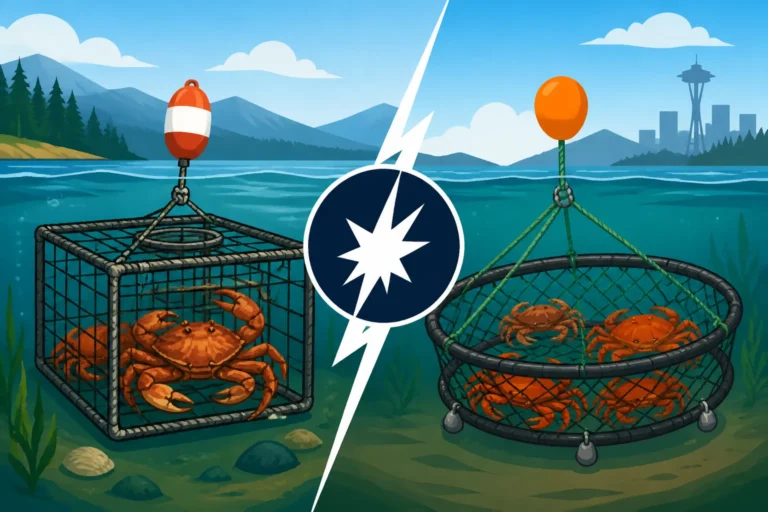
Having the best bait in the world won't do you much good if it isn't prepared and presented correctly. Think of it like a gourmet meal; even the finest ingredients need a skilled chef. The goal is to make your bait as accessible and appealing to Dungeness crab as possible, while also ensuring it stays in your pot long enough to do its job, especially if you're using Crabbing With Pots vs Rings in Puget Sound.
Securing Your Bait: Keeping It in the Pot
Dungeness crab are surprisingly strong and persistent. They don't just gently nibble; they'll tear, pull, and scrape at your bait with surprising force. If your bait isn't secured properly, they'll make off with chunks of it, leaving your pot empty before the next tide cycle. This is where a good bait cage or bag comes into play, turning your pot into an effective, long-lasting trap rather than a temporary feeding station.
Most crab pots come with a small bait cage, usually made of wire mesh. These are functional but often too small for larger, more effective bait chunks that maximize scent release. Many experienced crabbers opt for larger, more robust bait containers, sometimes made from PVC pipe with holes drilled in it, or heavy-duty mesh bags. The key is to make it difficult for the crab to remove the entire piece of bait but easy enough for them to access the scent and scrape off small pieces, thereby keeping them interested and in the pot longer.
For softer baits like fish carcasses or chicken, I often double-secure them. Heavy-duty zip ties are your best friend here! Thread a few through the bait and then around the inside of your bait cage or even directly to the pot's frame. Some anglers even use stainless steel wire or sturdy clips. Remember, an empty bait cage means an empty pot. You can find excellent bait cages and mesh bags, often designed for durability, available online from retailers like Amazon, which can make a huge difference in how long your bait lasts, providing peace of mind for longer soaks.
Freshness and Volume: The Keys to a Potent Scent Trail
When it comes to bait, freshness truly matters. While a slightly "ripe" smell can attract crabs (as it mimics natural decay), genuinely old, dessicated bait that's been sitting in the sun for days won't cut it. Freshness means maximum oil and blood content, which translates to a stronger, more enticing scent plume that spreads efficiently through the water, drawing crabs from a wider area. Even if you freeze your bait, try to use it within a few months for optimal effectiveness.
Volume is also important. A tiny piece of bait might work for a quick soak in a high-density area, but for longer soaks or areas with fewer crabs, you want a generous amount. Imagine a large salmon head versus a small strip of herring. The salmon head will provide a much more substantial and longer-lasting scent trail, broadcasting its presence far and wide. Don't be stingy with your bait; think of it as an investment in a successful catch, providing enough incentive for crabs to overcome their natural caution and enter your pot.
Consider this: you have two pots. One has a small, quarter-pound chunk of chicken that's been in the freezer for months and has a faint smell. The other has a freshly acquired, whole salmon head from a morning's fishing outing, brimming with oils and a potent aroma. Which one do you think will be bursting with Dungeness? The answer is almost always the fresher, larger, more potent option, demonstrating the power of fresh, ample bait.
Location, Location, Location: Where to Place Your Baited Pots
Even the best bait won't work if your pot is sitting in a crab desert. Knowing where to drop your pot is just as crucial as what you put inside it. Dungeness crab prefer sandy or muddy bottoms, often near eelgrass beds or structural elements where they can hide and forage for food. Depth also plays a role, with many crabbers finding success in depths ranging from 20 to 60 feet in Puget Sound, though this can vary greatly depending on the specific area and time of year, so local knowledge is key.
Tides and currents are also immensely important for spreading your bait's scent. Dropping your pot where the current can carry your bait's plume downcurrent, without sweeping the pot away, is key. Think about how the water moves; you want that scent trail to be distributed widely, acting like a giant, invisible net that guides crabs right to your pot. If you drop your pot in still water, your scent might just sit there, attracting only the crabs that happen to swim directly over it, severely limiting your reach.
Understanding the local geography and how to properly deploy your gear ensures that your carefully selected and prepared bait is doing its job in the most effective way possible. Before you even think about bait, do a little scouting, talk to local experts, and check nautical charts to identify promising bottom structures. Always remember to check for Dungeness Crab Identification and Legal Size, understand How to Measure a Legal Dungeness Crab, and know Can You Keep Female Dungeness Crab in Washington? before you drop your pots to ensure you're fishing legally.
Bait Comparison Table for Washington Dungeness Crab
To help you decide, here's a quick rundown of popular bait options, comparing their key characteristics:
| Bait Type | Pros | Cons | Scent Strength (1-5, 5 being strongest) | Durability (1-5, 5 being most durable) |
|---|---|---|---|---|
| Salmon Carcasses/Heads | Highly natural, very oily, strong scent. Often free. | Attracts seals, can decompose quickly, softer texture, can be picked apart. | 5 | 2 |
| Herring/Mackerel | Very oily, strong scent. Readily available. | Softer texture, can be picked apart, attractive to seals, less volume. | 4 | 2 |
| Raw Chicken (skin on) | Affordable, widely available, very durable, decent scent. | Less "natural" marine scent, can attract non-target species more. | 3 | 4 |
| Clam Necks/Guts | Very tough, unique sweet scent, highly attractive to crabs. | Can be expensive, harder to source, less oily than fish, requires specific sourcing. | 4 | 5 |
| Squid | Oily, good scent, relatively durable. | Can be expensive, sometimes attracts seals (less than fish), may require thawing. | 3 | 3 |
| Mink/Beaver Meat | Extremely oily, very long-lasting, highly pungent. | Hard to source, very messy, intensely smelly, not commonly available. | 5 | 5 |
Remember, the "best" bait can sometimes come down to local preferences or what's working on a particular day. Don't be afraid to try a combination or switch things up if your usual go-to isn't producing! Always check the latest Washington Fishing Regulations Every Angler Should Know before heading out on any crabbing adventure.
Disclaimer
This article is for general informational purposes only and does not constitute professional advice. Laws, prices and regulations vary by location and change over time. Consult a qualified professional for guidance on your specific situation.