Baker Lake’s Sockeye Salmon Fishery in Washington
If you’ve ever dreamed of catching a sockeye salmon in Washington, Baker Lake probably comes to mind. But let's be real, the thought of trying to crack the code of its highly regulated, permit-only fishery can feel like navigating a complex maze. This guide is here to untangle all that, offering a deep dive into the Baker Lake sockeye season, helping you understand the rules, master the techniques, and ultimately, find success in this truly special Pacific Northwest fishery.
Understanding the Unique Baker Lake Sockeye Fishery
Baker Lake, nestled in the North Cascades of Washington, isn't just another scenic mountain lake. It's home to a truly remarkable sockeye salmon fishery, a unique opportunity in a state where sockeye runs are often fragile and heavily protected. For many anglers, the chance to target these vibrant, hard-fighting fish is a yearly pilgrimage, despite the complexities involved.
The Journey of Baker Lake Sockeye
The sockeye salmon of Baker Lake embark on an extraordinary journey. Unlike many salmon, their migration involves an upstream passage over two hydropower dams – the Lower Baker Dam and the Upper Baker Dam – operated by Puget Sound Energy (PSE). To assist their journey, PSE operates a sophisticated system of fish ladders and collection facilities, trapping adult sockeye below the dams and transporting them via truck to the waters of Baker Lake. This monumental effort is crucial for sustaining the run, as without it, the fish would be unable to reach their spawning grounds. Once in the lake, they spend their final weeks maturing before heading into the tributary rivers to spawn. This intensive management means the fishery's health is constantly monitored, directly impacting when and if fishing opportunities become available.
Why This Fishery is So Special and Fragile
What makes Baker Lake sockeye so special? Beyond their incredible fight and delicious red meat, it's the sheer improbability of their existence and the dedicated conservation efforts that sustain them. These sockeye are a success story in dam mitigation, a testament to human intervention allowing a migratory species to persist in a heavily altered landscape. However, this also makes the fishery inherently fragile. Their numbers fluctuate significantly year to year, influenced by ocean conditions, dam operations, and freshwater survival. Because the run is carefully managed to ensure enough fish make it to spawn, any fishing opportunity is a privilege, directly tied to the strength of the returning population. This fragility necessitates strict regulations and often, a limited entry system to ensure the sustainability that allows future generations to experience this fishery. For more insight into these cycles, you might want to read our guide on when sockeye salmon run at Washington's Baker Lake.
Historical Context and Conservation Efforts
The history of sockeye on the Baker River system is a long one, predating the dams. The construction of the dams in the mid-20th century severely impacted natural sockeye production. Recognizing the ecological and cultural importance of these fish, Puget Sound Energy, in partnership with the Washington Department of Fish and Wildlife (WDFW) and local tribes, developed the elaborate trap-and-haul system. Over the decades, this system has been refined, along with habitat restoration projects and hatchery supplementation, all aimed at rebuilding and sustaining the sockeye population. These ongoing conservation efforts, funded by PSE, are what make the annual recreational fishery possible. Every angler who participates is, in a way, part of this conservation story, and understanding this context helps reinforce the importance of adhering to all regulations.
Navigating the Specific Regulations and Lottery System
Fishing for Baker Lake sockeye isn't as simple as just showing up with your gear. It's one of Washington's most heavily regulated and sought-after fisheries, meaning you'll need to jump through a few hoops to even get on the water legally. The key to a successful trip here lies as much in understanding the bureaucratic process as it does in your fishing skill.
The Annual Permit Lottery Explained
Here's where things get unique. Due to the limited number of fish available for harvest and the immense popularity of the fishery, WDFW implements an annual permit lottery. You cannot simply buy a license and go fishing for sockeye on Baker Lake. Instead, eligible anglers must apply for a special permit, usually well in advance of the season, typically in June or early July. The number of permits issued depends directly on the forecast sockeye return for that year. If the run is strong, more permits might be available; if it's weak, there might be no recreational fishery at all. The lottery system ensures fair access and helps manage harvest pressure, allowing WDFW to meet conservation goals. Winning a permit is like winning a small lottery ticket itself, granting you a specific fishing period and a set bag limit. For detailed application steps, make sure to check out our guide on how to get a Baker Lake sockeye permit.
Understanding Catch Limits and Reporting
Once you've secured a permit, you'll find that Baker Lake sockeye regulations are very specific. Your permit will dictate not only when you can fish but also how many sockeye you can keep. These daily and seasonal limits are strictly enforced and are crucial for managing the limited harvest. Typically, you'll be required to clip a portion of the adipose fin (if present, though most Baker Lake sockeye are unclipped wild fish) or punch your permit immediately upon retaining a legal sockeye. Additionally, these fish, like other salmon and steelhead in Washington, must be recorded on a Washington Catch Record Card. Failure to properly record your catch or exceed your limit can result in significant fines and penalties. Remember, precision in reporting is not just about compliance; it contributes to WDFW's data collection, which is vital for managing future seasons. Familiarize yourself with when a catch record card is required in Washington before you head out.
| Requirement | Detail | Importance |
|---|---|---|
| Fishing License | Valid Washington freshwater fishing license (annual or short-term). | Mandatory for all anglers aged 15 and older. Check Washington Fishing License Guide for Nonresidents if applicable. |
| Baker Lake Sockeye Permit | Special permit obtained through annual WDFW lottery. Specifies fishing dates and personal bag limit. | Absolutely essential for participation; no permit, no sockeye fishing. |
| Catch Record Card | Required for recording all retained sockeye salmon. Must be filled out immediately upon retention. | Legal requirement, provides critical data for fisheries management. See The Washington Catch Record Card and What It Requires. |
| Bag & Possession Limits | Specific to your permit. Typically 1 or 2 sockeye per day, often 2-4 in possession. Check permit for exact details. | Strict enforcement to ensure sustainable harvest. |
| Gear Restrictions | Typically two fishing poles are allowed if you have a Washington's Two-Pole Endorsement and Who Needs One. Single-point, barbless hooks are generally required. | Designed to minimize harm to released fish and prevent snagging. |
| Emergency Rule Changes | Fishery can open, close, or have limits changed on short notice based on run strength. | Critical to check WDFW website or hotline before each trip. Learn about Emergency Rule Changes: Why Washington's Rules Shift Mid-Season. |
Emergency Rule Changes and How to Stay Updated
Given the sensitive nature of the sockeye run and the real-time adjustments fisheries managers must make, Baker Lake is particularly susceptible to emergency rule changes. A strong initial return might prompt an opening, while a sudden downturn in fish passage or an updated forecast could lead to an immediate closure or a reduction in limits. It's not uncommon for rules to shift mid-season, sometimes even mid-week. This means that even if you have a permit, you absolutely must check the WDFW's emergency rules website or hotline before every single trip to Baker Lake. Ignorance of a closure or a limit change is not a valid excuse, and enforcement is vigilant. Staying informed is paramount to avoid violations and ensure a legal and enjoyable fishing experience. This proactive approach is a cornerstone of responsible fishing in Washington, especially for a fishery as managed as this one.
Prime Fishing Techniques for Baker Lake Sockeye
Sockeye are unique among salmon species, and their feeding habits (or lack thereof, once they enter freshwater) mean you'll need specific techniques to entice them. On Baker Lake, success often hinges on a combination of precision, the right gear, and understanding where these fish tend to hold.
Trolling with Downriggers: The Most Effective Method
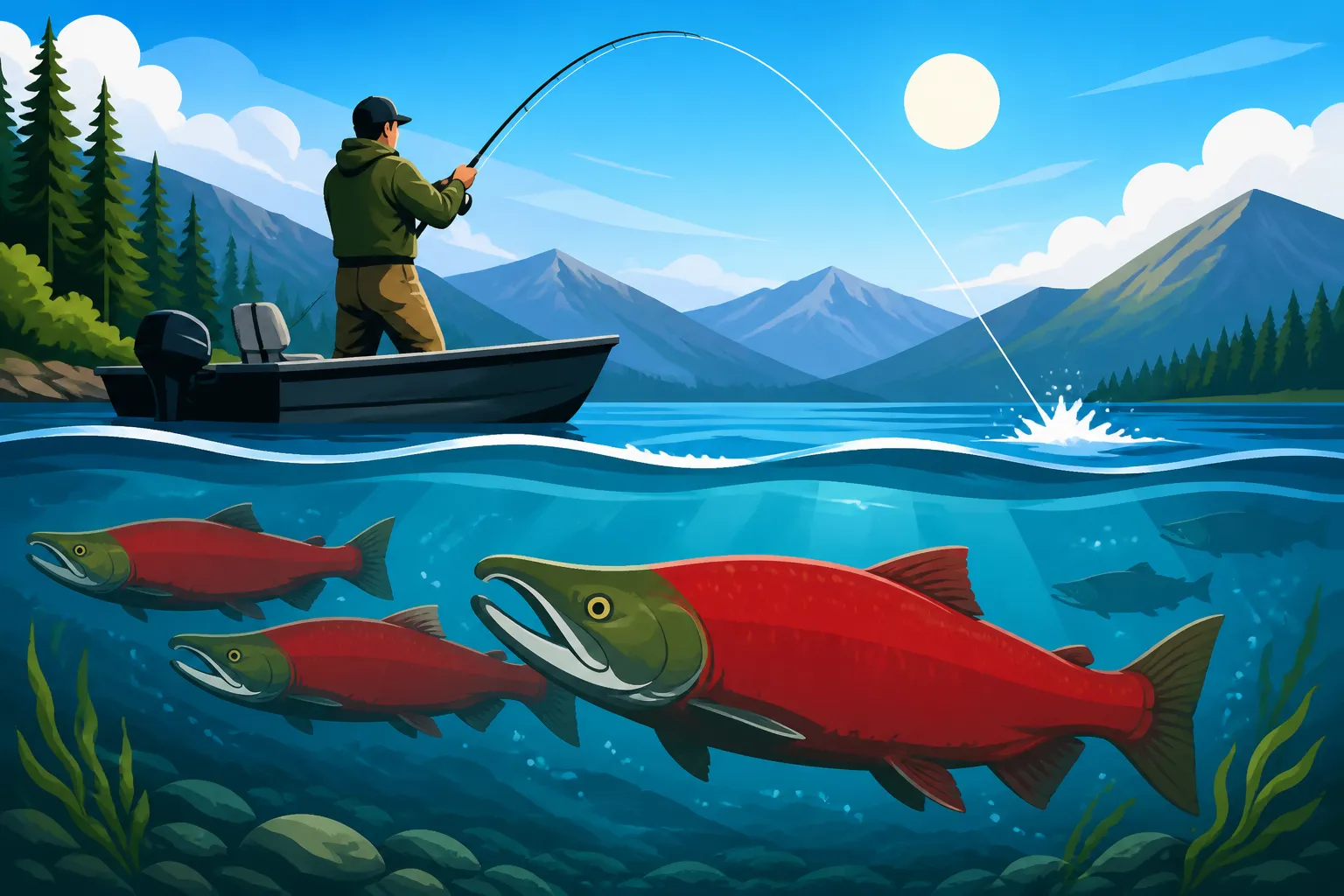
By far, the most effective technique for Baker Lake sockeye is trolling with downriggers. Sockeye in freshwater generally aren't actively feeding, so the goal is to trigger a reactionary strike or to "floss" them (though direct snagging is illegal). This means presenting your lure or fly directly in front of their faces at the depth they're holding. Sockeye are notoriously depth-sensitive, often schooling tightly at specific thermoclines or contours. Downriggers allow you to precisely control your depth, presenting your offering within inches of the fish.
Most anglers employ a short leader (12-36 inches) behind a dodger or flasher. The dodger creates an erratic side-to-side motion that attracts fish and imparts action to your trailing lure. Experiment with trolling speeds, typically between 1.0 and 2.5 mph, and vary your depth until you find the fish. Start by scanning your fish finder for schools, then drop your gear to that exact depth. The "dance" between boat speed, lure action, and precise depth control is the art of Baker Lake sockeye fishing. This technique is similar to trolling wedding rings for kokanee or downrigging for deep kokanee in summer, but with sockeye-specific lures.
Specific Lures and Baits That Entice Sockeye
When it comes to lures, bright, flashy, and small are generally the keys for sockeye. Given their non-feeding behavior, you're trying to annoy them into biting or trigger their aggressive territorial instincts.
- Small Hoochies/Squid Skirts: These soft plastic lures, usually 1.5 to 3 inches long, in vibrant colors like pink, red, orange, or chartreuse, are perennial favorites. They're often trolled naked or behind a dodger. Some anglers tip them with a small piece of shrimp or cured coon shrimp for added scent, though bait regulations should always be checked.
- Small Spoons: Tiny trolling spoons, like Kokanee Kings or similar styles, in metallic finishes with red or pink accents, can also be very effective. Their fluttering action mimics a small baitfish.
- Sockeye Flies: Some companies, like Mack's Lure, produce specialized sockeye flies that are essentially small, flashy fly patterns designed to be trolled behind a dodger. These often feature mylar or tinsel for maximum flash.
- Dodgers/Flashers: These aren't lures themselves but are crucial attractants. Popular choices include the Sling Blade, Arrow Flash, or smaller Dick Nite dodgers in chrome, nickel, or silver finishes, sometimes with pink or red tape accents. The dodger's size and action should match the speed you're trolling and the size of your trailing lure.
The key is to present something enticing that moves erratically and is small enough for a sockeye to "mouth" or strike aggressively.
Reading the Water and Locating Sockeye Schools
Finding sockeye on Baker Lake is about more than just blind trolling; it requires active sonar use and understanding their preferred habitats. Sockeye often school up in specific areas before their final spawning push.
- Use Your Electronics: A good fish finder is your best friend. Look for dense "arches" or "clouds" of fish, often suspended in the middle of the water column, away from the bottom. Sockeye tend to hold at depths where the water temperature is most comfortable for them, which can vary with the season and ambient temperatures.
- Target Key Areas: Focus your efforts around the mouth of the Baker River where the fish are released, as well as the deeper main lake basins and along prominent underwater contours or drop-offs. Areas near the Upper Baker Dam can also be productive as fish stack up there.
- Observe Other Anglers: While you should never crowd another boat, observing where successful anglers are fishing and at what depths can give you valuable clues.
- Current and Structure: Pay attention to any subtle currents, which can concentrate zooplankton (their primary food source in the ocean, though they aren't feeding actively here) and, consequently, the sockeye themselves. Underwater points and humps can also act as holding areas. Understanding these factors and combining them with precise depth control will significantly increase your chances of success.
Essential Gear and Preparation for Your Trip
A trip to Baker Lake for sockeye requires specific gear and careful planning. This isn't a casual bank-fishing affair; it typically involves a boat equipped for trolling, and all the necessary safety and regulatory equipment.
Rod, Reel, and Line Setup
For Baker Lake sockeye, you'll want a setup that's sensitive enough to detect subtle bites but robust enough to handle these strong-fighting fish, especially when they're being trolled on downriggers.
- Rods: A medium-light to medium action rod, around 7 to 8.5 feet in length, is ideal. Fiberglass rods offer a softer action that helps cushion the violent headshakes of a sockeye, preventing hooks from tearing out. Graphite rods offer more sensitivity, which can be useful for detecting light strikes. Look for rods designed for kokanee or light salmon trolling.
- Reels: A small baitcasting reel or a level-wind reel, spooled with plenty of line, is generally preferred. Brands like Shimano, Daiwa, or Penn offer reliable options. The reel should have a smooth drag system, as sockeye are known for strong, sudden runs.
- Line: Most anglers opt for a main line of 10-15 lb monofilament or braided line. If using braid, a monofilament or fluorocarbon leader of 8-12 lb test, usually 10-20 feet long, is recommended between your main line and the downrigger release clip. The leader from your dodger to your lure should be even lighter, typically 8-10 lb fluorocarbon, to be nearly invisible in the clear lake water. Fluorocarbon's low visibility and abrasion resistance make it an excellent choice for this terminal rigging.
Boat and Electronics Considerations
Fishing Baker Lake for sockeye almost universally requires a boat equipped for trolling. This isn't a bank-fishing friendly fishery due to the depths and methods involved.
- Boat Type: A stable fishing boat, whether it's an aluminum fishing boat, a fiberglass cuddy, or a dedicated deep-V salmon boat, is essential. You'll be spending a lot of time on the water, often in cooler conditions, so comfort and space for gear are important.
- Downriggers: At least two downriggers are a must for serious sockeye fishing. Electric downriggers from brands like Cannon or Scotty make life much easier, especially when fishing deep or adjusting depths frequently. Manual downriggers can work but require more effort.
- Fish Finder/Sonar: As mentioned, a high-quality fish finder is crucial for locating sockeye schools. Look for units with good display resolution and side-imaging or down-imaging capabilities if your budget allows. Brands like Garmin, Lowrance, or Humminbird are popular. This allows you to identify fish at various depths and adapt your trolling plan accordingly.
- GPS/Chartplotter: Integrated GPS on your fish finder or a separate unit helps you mark productive spots, troll precise contours, and navigate the lake safely, especially in low light or fog.
- Trolling Motor: A dedicated electric trolling motor (bow or transom mount) can provide quiet, precise speed control, which is essential for maintaining optimal trolling speeds without spooking fish. A kicker motor can also serve this purpose for larger boats.
Safety Gear and Weather Preparedness
Safety on the water is paramount, especially on a larger mountain lake like Baker Lake, where weather can change quickly.
- Personal Flotation Devices (PFDs): Everyone on board must have a properly fitting PFD readily accessible. Children 12 and under must wear one at all times while the boat is underway.
- Flares, Whistle, Fire Extinguisher: Ensure your boat meets all Coast Guard safety requirements, including visual distress signals, a sound-producing device, and a fire extinguisher.
- First-Aid Kit: A well-stocked first-aid kit is a must for any outing.
- Navigation Lights: If you plan on fishing early mornings or late evenings, ensure your navigation lights are fully functional.
- Weather Gear: Baker Lake is in the mountains, so prepare for anything. Bring layers, waterproof rain gear (even if the forecast looks clear), warm hats, and gloves. Conditions can go from sunny to squally in a matter of hours.
- Communication: A marine VHF radio is highly recommended for boat-to-boat communication and emergency calls, especially if cell service is spotty (which it often is in remote areas like this).
- Food and Water: Pack plenty of food and water for a full day on the lake, plus extra in case of unexpected delays.
- Sun Protection: Even on cloudy days, UV rays can be intense on the water. Sunglasses, hats, and sunscreen are essential.
Proper preparation ensures a safer, more comfortable, and ultimately more enjoyable fishing experience on Baker Lake.
Beyond the Sockeye: Other Fishing Opportunities on Baker Lake
While sockeye steal the spotlight, Baker Lake isn't a one-fish wonder. The lake and its surrounding waters offer other angling opportunities that can complement your sockeye trip or provide a fallback if the sockeye bite is slow.
Targeting Kokanee: The Landlocked Cousins
Believe it or not, Baker Lake also holds a population of kokanee, which are landlocked sockeye salmon. These smaller, but still feisty, fish can provide excellent action, especially when the sockeye fishery is closed or if you're looking for a different challenge. Kokanee fishing techniques are very similar to sockeye fishing, focusing on trolling with downriggers.
- Similar Gear: Small dodgers, wedding rings, small hoochies, and Kokanee Killer spoons in similar vibrant colors (pink, orange, chartreuse) are effective. Tipping lures with corn soaked in scent is a common and highly successful tactic for kokanee.
- Depth and Schools: Like their anadromous cousins, kokanee will school up at specific depths, often shallower than sockeye, especially earlier in the season. Your fish finder will be key to locating them.
- Limits: Kokanee often have more generous bag limits than sockeye, making them a great target for filling a cooler with delicious fish. Always check the current WDFW regulations for specific kokanee limits and seasons for Baker Lake. Jigging for kokanee in Washington lakes is another popular method if you find them concentrated.
Trout Fishing in Baker Lake and Surrounding Waters
Beyond salmonids, Baker Lake and the streams that feed it, as well as nearby smaller lakes, offer various trout fishing opportunities.
- Rainbow Trout: Rainbow trout are present in Baker Lake, often caught incidentally by kokanee or sockeye anglers. They can also be targeted specifically with trolling techniques using small spoons, spinners, or bait (powerbait, worms) fished under a bobber or off the bottom in shallower areas.
- Cutthroat Trout: While less common than rainbow, cutthroat trout might be found, particularly near tributary mouths. Fly fishing with streamers or nymphs, or casting small spinners, can be effective.
- Tributary Streams: The creeks and rivers feeding Baker Lake might hold various trout species, though access can be challenging, and some areas are protected for spawning salmon. Always check specific regulations for any stream you plan to fish, as many will have different rules than the main lake. Respect private property and sensitive spawning grounds. Remember to consult Washington's river trout limit before planning your trip.
Planning for Other Species During Sockeye Season
If you've won a sockeye permit, your focus will naturally be on those silver bullets. However, having a backup plan or being aware of other possibilities can make your trip more enjoyable.
- Check Regulations: Before trying to target any other species, diligently check the current WDFW fishing regulations pamphlet or online rules for Baker Lake and the surrounding areas. Seasons, limits, and gear restrictions can vary wildly between species and locations.
- Multi-Species Approach: You might consider bringing a lighter rod setup specifically for kokanee or trout if you plan to target them concurrently. This allows you to switch gears if the sockeye aren't cooperating.
- Enjoy the Scenery: Even if the fishing is tough, Baker Lake is situated in a stunning natural setting. Take time to appreciate the views of Mt. Baker and the surrounding forests. Sometimes, a "bad day of fishing" is still better than a good day at work, especially in such a beautiful place.
Making Your Baker Lake Sockeye Trip a Success
A successful Baker Lake sockeye trip isn't just about catching fish; it's about the entire experience, from careful planning and preparation to ethical angling and enjoying the beautiful surroundings. With its unique permit system and the thrilling challenge of targeting these special fish, every trip feels like an adventure.
Booking a Guide for Baker Lake
For many, especially those new to the Baker Lake sockeye fishery or those without a fully equipped trolling boat, booking a guide is an excellent option. Local guides have intimate knowledge of the lake, the sockeye's movements, and the specific techniques that work best.
- Expertise: A good guide will know where the fish are holding, what depth to run, and which lures are hot. They stay on top of the latest emergency rule changes and ensure you're fishing legally.
- Gear Provided: Guides provide all the specialized gear, including boats, downriggers, rods, reels, and the most effective lures, saving you significant investment.
- Increased Success: While no guide can guarantee fish, they dramatically increase your chances of success, making the most of your valuable permit days.
- Learning Opportunity: A guided trip is a fantastic way to learn the ropes, pick up valuable techniques, and understand the nuances of the fishery from an experienced pro. If you're looking for local guides, platforms like FishingBooker can help connect you with reputable outfits that specialize in Baker Lake sockeye. Booking a guide for the Cowlitz River in Washington or other salmon/steelhead rivers is similar, but Baker Lake's unique permit system adds a layer of complexity only experienced guides truly master.
Logistics: Access, Camping, and Amenities
Baker Lake is a beautiful, but somewhat remote, destination. Planning your logistics ahead of time is crucial.
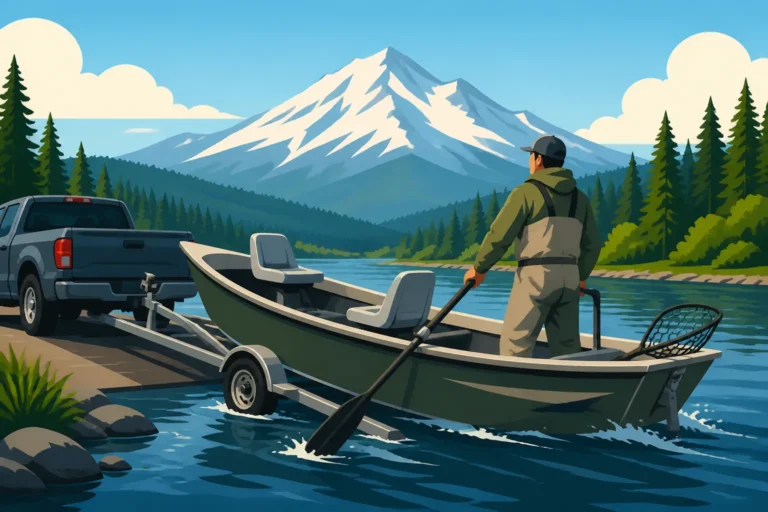
- Boat Launches: There are several public boat launches on Baker Lake, including the Baker Lake North and Swift Creek campgrounds. Ensure your boat trailer is in good condition and you have all necessary safety equipment before launching.
- Camping: WDFW and US Forest Service campgrounds are available around Baker Lake. These are popular during sockeye season, so booking well in advance, especially for weekend dates, is highly recommended. Dispersed camping might be allowed in certain Forest Service areas, but check regulations carefully.
- Lodging: Limited lodging options are available in nearby towns like Concrete, or further afield in Sedro-Woolley or Marblemount. Plan to book accommodations well in advance.
- Supplies: Stock up on gas, groceries, ice, and any fishing tackle you might need before heading to the lake. While Concrete has some services, major retailers are further away.
- Permit Carrying: Always carry your valid Washington fishing license and your Baker Lake sockeye permit with you. Whether you carry your Washington fishing license: paper, phone or the MyWDFW App, ensure it's easily accessible for inspection.
Preserving Your Catch and the Future of the Fishery
Finally, once you've successfully landed your sockeye, proper handling is key to preserving its quality and ensuring the long-term health of the fishery.
- Immediate Care: Sockeye are known for their firm, red flesh. To maintain this quality, immediately dispatch your fish humanely and place it on ice. A cooler full of ice is essential.
- Cleaning: Clean your fish as soon as practical. Many anglers fillet their sockeye, while others prefer to gut and gill them whole. Properly cleaned and iced fish will last longer and taste better.
- Conservation Mindset: Remember that every sockeye you keep is a testament to incredible conservation efforts. Adhere strictly to all regulations, release any unclipped or non-target fish unharmed, and participate in catch reporting accurately. Your actions contribute directly to the data WDFW uses to manage future seasons. Treat the resource with respect, and you'll help ensure that the unique Baker Lake sockeye fishery remains a special experience for generations to come.
Disclaimer
Please note that fishing regulations in Washington State can change frequently and without prior notice, especially for highly managed fisheries like Baker Lake sockeye. While we strive to provide accurate and up-to-date information, it is always your responsibility to consult the official Washington Department of Fish and Wildlife (WDFW) regulations pamphlet or their emergency rules website before embarking on any fishing trip. This guide is for informational purposes only and should not be considered a substitute for official WDFW regulations.