Lake Roosevelt in Washington for Kokanee and Walleye
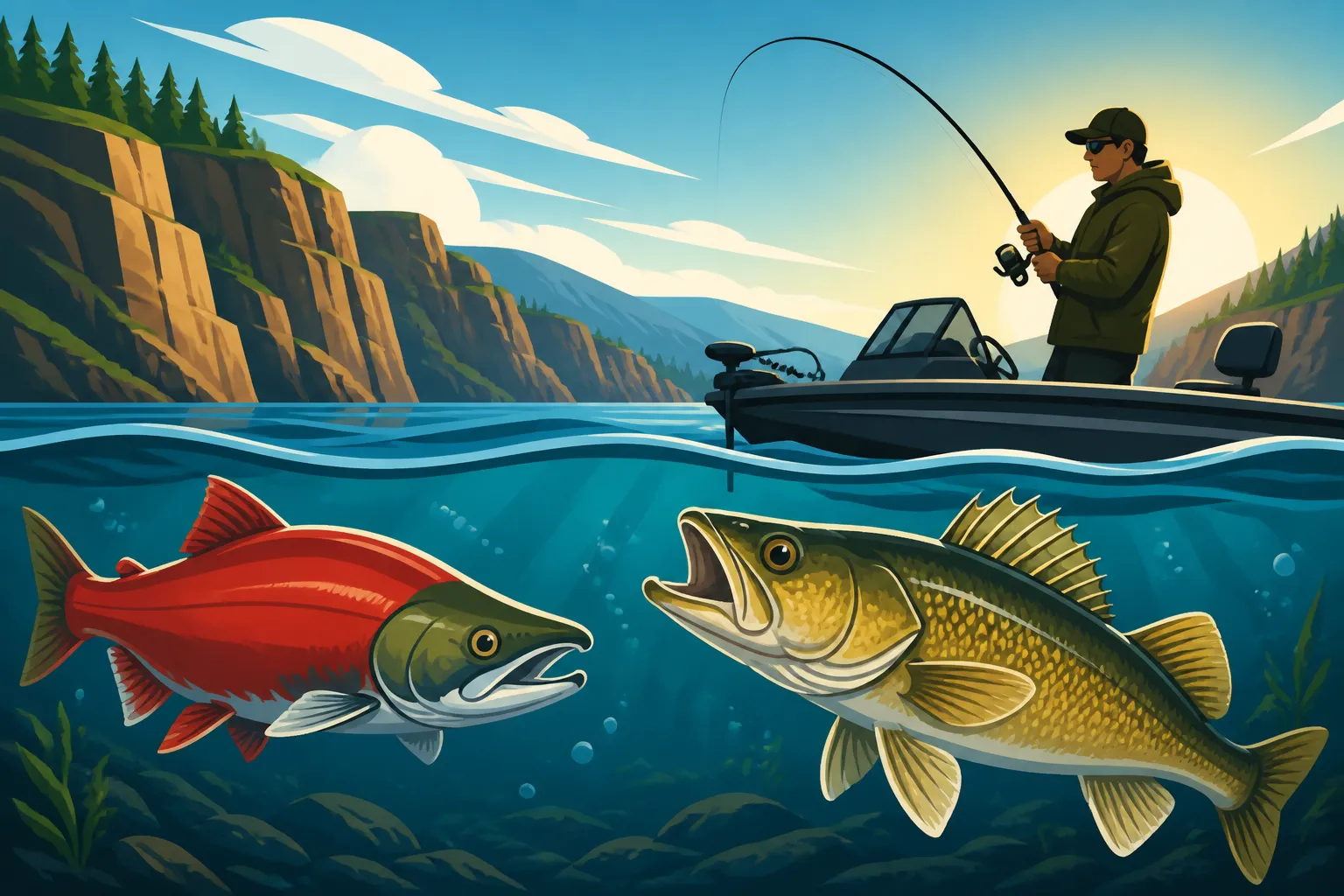
It’s a common frustration for anglers in Eastern Washington: you want diverse fishing, big waters, and a real chance at some fantastic table fare, but where do you even begin with such vast landscapes? Lake Roosevelt, an enormous reservoir created by the Grand Coulee Dam, offers exactly that, presenting an incredible fishery for both its prized kokanee salmon and the elusive, yet rewarding, walleye. This guide will help you navigate this immense body of water and unlock the secrets to successful angling for these two popular species.
Why Lake Roosevelt is an Eastern Washington Gem for Anglers
Lake Roosevelt isn't just a lake; it's a monumental stretch of water, carving its way through over 150 miles of stunning Eastern Washington landscape. Its sheer size and the unique environment it creates make it a standout destination, offering diverse fishing experiences that are hard to match anywhere else in the state. If you haven't ventured out here, you're missing out on a truly special fishery that challenges and rewards in equal measure.
The Immense Scale and Unique Character
Imagine a lake that feels more like an inland sea, winding through canyons and valleys, with countless bays, points, and feeder creeks. That’s Lake Roosevelt. It’s formed by the Columbia River, backed up behind the massive Grand Coulee Dam, and its waters stretch all the way to the Canadian border. This incredible scale means there's always a new spot to explore, and the habitat varies dramatically from one section to another. You'll find deep, clear channels, rocky ledges, submerged timber, and shallower, silty flats – each offering a unique ecosystem for different fish species.
What makes Lake Roosevelt truly unique is its role in the Columbia River system. The water levels can fluctuate significantly throughout the year, driven by power generation and flood control needs. This constant change presents a dynamic challenge for anglers, as fish patterns and access points can shift. It requires a certain adaptability, but with that comes the thrill of discovery. Think of it less as a static lake and more as a living, breathing riverine reservoir. This dynamic environment, while sometimes frustrating for those used to predictable lakes, is precisely what creates such a robust and varied fishery.
A Biodiversity Hotspot for Game Fish
While we're diving deep into kokanee and walleye today, it's important to understand that Lake Roosevelt hosts a smorgasbord of fish, making it a true biodiversity hotspot for anglers. This vast reservoir provides habitat for numerous species, ensuring that even if your primary targets aren't biting, there's often something else willing to take your bait or lure. This diversity is part of what makes a trip to Lake Roosevelt so exciting, as you never quite know what you might encounter next.
Beyond the main attractions, the lake is home to an abundance of rainbow trout, often stocked and growing to impressive sizes. You'll also find smallmouth bass thriving in many of the rocky areas, particularly in the Spokane River arm. For those looking for something different, northern pike have made a home here, offering an aggressive fight and a unique challenge, especially in the upper reaches. There are also plenty of panfish like yellow perch and crappie for casual fishing, particularly appealing if you're out with family or just want some consistent action. Understanding that Lake Roosevelt supports such a wide array of fish can actually inform your strategy, as knowing what else is around can help you adjust your approach if the kokanee or walleye prove finicky.
Decoding Kokanee Fishing on Lake Roosevelt
Kokanee, Washington's landlocked sockeye salmon, are a truly special fish, known for their vibrant red flesh and delicious taste. Lake Roosevelt has a thriving population, offering some fantastic opportunities if you know how to target them. Many anglers find the chase for kokanee to be a delightful challenge, requiring precision and patience, but the rewards are absolutely worth it. If you've never tried, it's a completely different experience than fishing for other trout or salmon species.
Seasonal Patterns and Behavioral Shifts
Kokanee are pelagic fish, meaning they typically inhabit the open water column, often suspended at specific depths. Their behavior, and therefore your success, is heavily dictated by the seasons and the water temperature. In the spring, as the water begins to warm, kokanee can often be found shallower, around 10-30 feet, as they chase zooplankton blooms. This is a great time to target them, as they're often actively feeding and spread out.
As summer progresses and the surface waters heat up, kokanee descend to cooler, deeper thermal layers, often congregating at depths of 40-80 feet, sometimes even deeper. This shift means anglers need to employ different tactics to reach them. The fall brings the stunning transformation as kokanee prepare to spawn, turning a brilliant red, and moving towards tributaries like the Spokane or Kettle Rivers. While the fall kokanee are beautiful, they're typically not sought after for consumption due to their spawning condition. Knowing these Seasonal Patterns and Behavioral Shifts is crucial for consistently finding kokanee on Lake Roosevelt.
Tactics, Gear, and Presentation for Kokanee
Catching kokanee successfully on Lake Roosevelt almost always involves trolling. These fish are constantly on the move, and covering water efficiently is key. You'll primarily be using downriggers to get your lures down to the precise depth where the kokanee are feeding. The goal is a slow, steady troll, typically between 0.8 and 1.5 miles per hour. Subtle movements and presentations are far more effective than aggressive ones.
When it comes to terminal tackle, small, flashy lures are the name of the game. Wedding Rings, mini hoochies, or small kokanee spoons like those from Kokanee Kid or Rocky Mountain Tackle are incredibly popular and effective. The key is to tip them with a small piece of shoepeg corn, often scented with various kokanee attractants like Anise or Krill. The corn provides an extra visual and scent attractant that kokanee can't resist. Many anglers will also use a dodger or a small, flat-bladed flasher ahead of their lure. This creates an enticing flash and vibration that mimics schooling baitfish, drawing kokanee in from a distance. The choice of color for dodgers and lures can vary daily, so carrying a selection of pinks, oranges, greens, and silvers is always a good idea. Mastering these specific Trolling Wedding Rings for Kokanee and other specialized methods is essential for consistent catches.
Locating Kokanee: Key Structures and Depths
Finding kokanee on a lake as vast as Roosevelt can feel like searching for a needle in a haystack, but there are definitely strategies to narrow down your search. Kokanee prefer open water, often near submerged channels, humps, or points that provide a transition in depth. These areas tend to concentrate baitfish and zooplankton, which are their primary food source. Using your fish finder (sonar) becomes indispensable here. Look for "arches" or "streaks" of fish suspended in the water column, particularly in areas where the bottom drops off or changes significantly.
The arms of the lake, like the Spokane River arm or the Kettle River arm, can be excellent starting points, especially in the spring and early summer, as these areas often have richer nutrient content. As summer progresses, the main channel of the Columbia River itself, particularly between Keller Ferry and Grand Coulee Dam, becomes a prime area, with kokanee holding over deeper water. Pay close attention to current reports from local tackle shops and online forums, as kokanee can be finicky, and their preferred depths and locations can change rapidly. Don't be afraid to experiment with different depths using your downriggers until you start getting bites, especially since Downrigging for Deep Kokanee in Summer becomes crucial for reaching them.
Strategies for Dominating Lake Roosevelt Walleye
Walleye are another highly sought-after species in Lake Roosevelt, renowned for their delicious fillets and challenging nature. These elusive predators prefer low-light conditions and specific types of structure, making them a thinking angler's fish. While they might not be as abundant as kokanee in certain parts of the lake, the reward of landing a hefty walleye from Roosevelt is something truly special.
Understanding Walleye Movements Throughout the Year
Walleye behavior on Lake Roosevelt is heavily influenced by water temperature, forage availability, and spawning cycles. In the spring, post-spawn walleye will often move into shallower areas, especially rocky points and flats near tributary mouths, where they can feed aggressively on baitfish and insects. This can be a prime time for active fishing, as they're recovering and on the hunt.
As summer heats up, walleye will generally retreat to deeper, cooler waters, often congregating around submerged structures, deep humps, and the edges of current seams. They become more active during low-light periods – dawn, dusk, and even at night – making early morning and evening trips particularly productive. During the fall, as water temperatures cool, walleye again become more active, feeding heavily in preparation for winter. They can often be found in medium depths, transitioning between their summer deep haunts and their shallower, spring feeding grounds. Understanding these seasonal movements is crucial for successful Walleye Fishing on Washington's Columbia River and its connected waters like Lake Roosevelt.
Top Baits, Lures, and Rigging for Walleye
When targeting walleye on Lake Roosevelt, you need a versatile tackle box ready for different conditions and depths. Jigging is a highly effective technique, especially when you've located a school of fish on your sonar. Bucktail jigs, lipless crankbaits, or soft plastics like grub tails rigged on jig heads are excellent choices. Tipping your jig with a piece of worm or a minnow can significantly increase your strike rate, as the natural scent and action are often irresistible.
Trolling is another cornerstone of walleye fishing here, particularly for covering large areas and finding active fish. Popular trolling setups include bottom bouncers with crawler harnesses (sometimes called "worm harnesses"), which are designed to keep your bait just off the bottom while preventing snags. Crankbaits, especially those designed to dive to specific depths, are also deadly when trolled. Think about lure colors that imitate local baitfish, like shad or perch patterns, or bright colors like chartreuse or orange in stained water. Experimenting with different speeds and depths until you find what the walleye are responding to is essential. Remember, these fish are ambush predators, so your presentation needs to entice them into striking.
Prime Walleye Haunts and How to Approach Them
Lake Roosevelt's walleye tend to relate closely to specific types of structure. Look for rocky points, ledges, submerged humps, and current breaks – anywhere baitfish might congregate or where walleye can ambush prey. The areas downstream from Kettle Falls and the shallower, warmer waters of the Spokane River arm are historically productive walleye zones, especially during spring and fall. The main channel of the Columbia River within the reservoir also holds excellent populations, particularly along the deeper edges and drop-offs.
When approaching these spots, consider a drift fishing strategy. By allowing your boat to drift slowly over a promising piece of structure while dragging bottom bouncers or jigs, you can effectively cover a wide area and present your bait naturally. Alternatively, if you identify a precise location with your electronics, anchoring up or using your trolling motor to hold position and vertical jigging can be incredibly effective. Always pay attention to your sonar for signs of fish and bait, and don't be afraid to move if a spot isn't producing. Remember, walleye can be sensitive to boat noise and shadows, so a stealthy approach, especially in clear water, often pays dividends. Learning Walleye Identification and Where They Live in Washington will certainly aid you in your pursuit.
Essential Considerations for a Successful Lake Roosevelt Trip
Fishing Lake Roosevelt is an incredible experience, but its unique characteristics require some thoughtful planning. From fluctuating water levels to understanding the specific regulations, being prepared will make your trip much smoother and more enjoyable. Ignoring these factors can lead to wasted time, frustration, or even potential legal issues.
Navigating Fluctuating Water Levels and Access Points
One of the most significant challenges and unique aspects of Lake Roosevelt is its fluctuating water levels. As a primary storage reservoir for the Grand Coulee Dam, the lake can see dramatic changes in elevation throughout the year. This means that boat launches that are perfectly usable in spring might be completely high and dry by late summer, or vice versa. Always check current lake levels before you head out, especially if you're planning to launch a boat or access specific shore fishing spots. The Bureau of Reclamation website often provides real-time data on lake levels, which can be invaluable.
These fluctuations also impact fish behavior and access to fishing hot spots. Submerged humps or points that are excellent when covered by 20 feet of water might become barren or even exposed when the lake drops. Familiarize yourself with a good topographical map of the lake and understand how different areas will be affected. Public boat launches are scattered along the lake, from Fort Spokane to Kettle Falls and beyond, but not all are usable at all times. Calling a local marina or tackle shop can give you the most up-to-date information on which launches are currently viable for your type of boat.
Understanding Washington's Regulations and Catch Reporting
Fishing in Washington, especially for regulated species like salmon (even landlocked kokanee) and game fish, comes with a clear set of rules you absolutely need to follow. Before you even cast a line on Lake Roosevelt, make sure your Washington State fishing license is current and appropriate for the species you're targeting. For example, catching kokanee often requires a salmon/steelhead endorsement on your license, even though they're landlocked. It’s always best to check the latest WDFW regulations pamphlet for the specific rules pertaining to Lake Roosevelt, as these can change annually. You can find general information in the comprehensive guide, Washington Fishing Regulations Every Angler Should Know.
Beyond your license, be keenly aware of daily bag limits and possession limits. For both kokanee and walleye, there are specific numbers you can keep per day, and sometimes even size restrictions. For instance, Understanding Washington's Daily Bag Limits by Species is not just good practice, it's the law. For salmon and steelhead, including kokanee, you'll also need a valid The Washington Catch Record Card and What It Requires. This card is mandatory for recording your catch immediately upon retention, even if you're not planning to keep it. Failing to properly fill out and return your catch card can result in penalties, so take it seriously. Familiarize yourself with how to properly identify your catch, especially when differentiating between different trout species that might have different limits.
Making the Most of Your Trip: Guides and Resources
For a body of water as expansive and complex as Lake Roosevelt, especially if it's your first time or you're targeting a challenging species like walleye, consider leveraging local expertise. Hiring a fishing guide can drastically improve your success rate and provide an invaluable learning experience. Guides spend countless hours on the water, tracking fish movements, understanding seasonal patterns, and knowing exactly what tackle is working. They can put you on fish faster than you might find them on your own and teach you techniques tailored to the lake. Many experienced guides specialize in either kokanee or walleye, and finding one is easier than ever with resources like FishingBooker, where you can compare options and read reviews to find the perfect fit for your trip.
Even if a guide isn't in your plans, utilize local resources. Tackle shops in nearby towns like Kettle Falls, Colville, or Coulee City are goldmines of information. The folks working there are often avid anglers themselves and can provide current fishing reports, hot spots, and recommended baits. Online forums and social media groups dedicated to Washington fishing can also offer real-time updates and connect you with other anglers. Don't underestimate the power of preparation and local knowledge when tackling a significant fishery like Lake Roosevelt. Checking out a guide for this specific area is covered in Booking a Guide for Lake Roosevelt, Washington.
Beyond the Main Targets: Other Species to Pursue
While kokanee and walleye are undoubtedly the stars of Lake Roosevelt, the reservoir's immense size and diverse habitats mean there's a whole host of other fish to target. Sometimes, the primary species might be elusive, or you simply might want to broaden your angling horizons. Exploring these other opportunities can lead to some surprisingly fun and productive days on the water, solidifying Lake Roosevelt's reputation as one of Eastern Washington's Best Fishing Lakes.
Exploring Trout and Bass Opportunities
Rainbow trout are abundant in Lake Roosevelt, making them a fantastic fallback option or even a primary target for many anglers. The Washington Department of Fish and Wildlife regularly stocks rainbow trout, and with the lake's rich food sources, they grow quickly and can reach impressive sizes. Trolling with spoons, spinners, or bait (like PowerBait or worms) near shorelines, points, or tributary mouths are classic and effective methods. Fly anglers can also find success, particularly in the spring and fall, targeting trout feeding on insect hatches along the calmer edges and bays. The size and fighting spirit of Lake Roosevelt's rainbows can provide a thrilling fight on light tackle.
Smallmouth bass also thrive in many parts of the lake, particularly in areas with rocky bottoms, submerged ledges, and riprap. The Spokane River arm, with its shallower, warmer waters and abundant structure, is a well-known smallmouth hotspot. These aggressive fish readily hit a variety of lures, including crankbaits, spinnerbaits, plastic tubes, and jigs. Targeting them in early morning or late evening often yields the best results. Smallmouth offer a tenacious fight and are a blast to catch, providing a great alternative when you're looking for consistent action and a different kind of challenge.
Discovering Panfish and Other Bottom Dwellers
For a more relaxed day on the water, or to introduce new anglers to the sport, Lake Roosevelt offers excellent opportunities for various panfish. Yellow perch are plentiful throughout the lake and are especially popular for their delicate, flaky white meat. They can be found in schools, often near submerged vegetation or deeper flats, and respond well to small jigs tipped with a piece of worm or minnow. Crappie are another panfish species that can provide fast action, especially in the spring when they move into shallower bays and coves to spawn. Small jigs, mini crankbaits, or live minnows fished under a bobber are highly effective for crappie.
Beyond these common panfish, there are other intriguing species. Northern pike, an invasive but highly sought-after game fish, have established a strong presence in Lake Roosevelt. They are aggressive predators that will strike large spoons, spinnerbaits, or even live baitfish. The upper reaches of the lake, particularly the Kettle Falls area, are known for pike. Lastly, while less targeted by sport anglers, various species of suckers and carp also inhabit the lake, offering an opportunity for those interested in rough fish or alternative angling techniques. This rich diversity truly ensures that there's always something biting in Lake Roosevelt, no matter your preference or skill level.
| Feature/Strategy | Kokanee Fishing | Walleye Fishing |
|---|---|---|
| Preferred Habitat | Open water, suspended in water column, often over deep areas | Rocky points, ledges, submerged humps, current breaks, often near bottom |
| Typical Depth | 10-80+ feet (seasonal variation) | 15-60 feet (seasonal variation, often structure-oriented) |
| Primary Technique | Trolling with downriggers | Trolling (bottom bouncers, crankbaits), Jigging, Drifting |
| Best Lures/Baits | Small spoons, hoochies, Wedding Rings (tipped with corn), dodgers/flashers | Jig heads (tipped with worm/minnow), crawler harnesses, crankbaits, soft plastics |
| Key Presentation | Slow, steady troll; precise depth control; light line | Keep bait near bottom; subtle jigging action; slow retrieves; scent |
| Prime Seasons | Spring (shallower), Summer (deep), Fall (spawning runs, not for eating) | Spring (post-spawn shallow), Summer (deep/low light), Fall (active feeding) |
| Essential Gear | Downriggers, sensitive trolling rods, fish finder, corn scents | Medium-heavy casting/spinning rods, fish finder, GPS, anchor |
| Best Time of Day | Often early morning or late evening, but can be all day if at correct depth | Dawn, Dusk, Night (especially in summer), overcast days |
| Fillet Quality | Excellent, firm, red flesh, delicious baked or smoked | Excellent, white, flaky flesh, delicious fried |
Disclaimer
Fishing conditions and regulations in Washington State can change frequently and without notice. This guide is for informational purposes only and should not be considered a substitute for the official rules and regulations published by the Washington Department of Fish and Wildlife (WDFW). Always consult the most current WDFW Fishing Regulations pamphlet, available on their website or at licensed vendors, before engaging in any fishing activity. It is the angler's responsibility to know and adhere to all applicable laws and regulations.