Fishing the Quillayute River System in Washington
The Quillayute River System on Washington's Olympic Peninsula is a destination that calls to a certain kind of angler – the one who isn't afraid of a little rain, some remote wilderness, and the challenge of truly wild fish. It’s a complex network, often shrouded in mystery for those unfamiliar with its currents and contours, making it feel impenetrable for many. This comprehensive guide is here to demystify the Quillayute, helping you understand its unique character, navigate its waters, and ultimately, find success in this magnificent fishery.
Unveiling the Quillayute River System: Washington's Wild Olympic Gem
Nestled deep within the emerald embrace of Washington's Olympic Peninsula, the Quillayute River System is a network of pristine waterways that beckon anglers seeking a truly wild fishing experience. Unlike many other rivers, the Quillayute and its main tributaries—the Sol Duc, Bogachiel, and Calawah Rivers—flow almost entirely unimpeded through dense rainforest, carving a path from the Olympic Mountains to the Pacific Ocean near La Push. This lack of significant human development, dams, or major population centers gives the system an untouched feel, offering a glimpse into what Washington's salmon and steelhead rivers were like generations ago.
The Heart of the Olympic Peninsula
The Quillayute itself is formed by the confluence of the Sol Duc and Bogachiel rivers, which then receive the Calawah River before flowing a short distance to the Pacific. Each tributary has its own distinct personality and fishing opportunities, but they are all linked by the common thread of their wild, untamed nature. The Sol Duc, perhaps the most famous, is known for its stunning clarity and productive runs. The Bogachiel, often referred to as the "Bogie," provides a slightly more intimate feel, winding through less accessible stretches of forest. The Calawah, the smallest of the main three, is a beautiful, often overlooked gem that offers fantastic fishing when conditions are right.
Fishing these rivers isn't just about catching fish; it's about immersing yourself in an ancient ecosystem. You'll be surrounded by towering old-growth trees draped in moss, the calls of diverse wildlife, and the undeniable sense of being in a truly special place. It’s a humbling experience to float or wade these waters, knowing that every fish you encounter is a product of this incredible natural bounty.
Unique Characteristics and Challenges
The Quillayute system's wild character comes with a set of unique challenges that savvy anglers learn to respect and navigate. These are primarily freestone rivers, meaning their flows are dictated almost entirely by rainfall and snowmelt. This can lead to dramatic fluctuations in water levels, sometimes rising several feet in a matter of hours during heavy rain, and dropping just as quickly during dry spells. Such changes directly impact fish behavior and angler access. A river that was perfect for drift fishing yesterday might be a muddy torrent today, or too low and clear tomorrow.
Access can also be a significant hurdle. While there are a few public boat launches and designated bank access points, much of the system flows through remote forest land, including tribal land, requiring careful attention to regulations and respecting private property. Many of the most productive stretches are best accessed by drift boat, which allows anglers to cover miles of water that would otherwise be inaccessible. For those without a drift boat, understanding the limited bank access points and knowing how to fish them effectively becomes paramount. This combination of remote beauty and demanding conditions often means that fishing success here is hard-earned, but all the more rewarding for it.
Targeting Prized Catches: Salmon, Steelhead, and Trout
The Quillayute River System is a veritable smorgasbord for anglers, boasting strong runs of several anadromous species. Each fish offers a different challenge and reward, drawing enthusiasts from far and wide to experience the magic of fishing these wild Olympic Peninsula waters. The variety ensures that if one species isn't biting, there's likely another opportunity just around the bend.
The Allure of Olympic Peninsula Steelhead
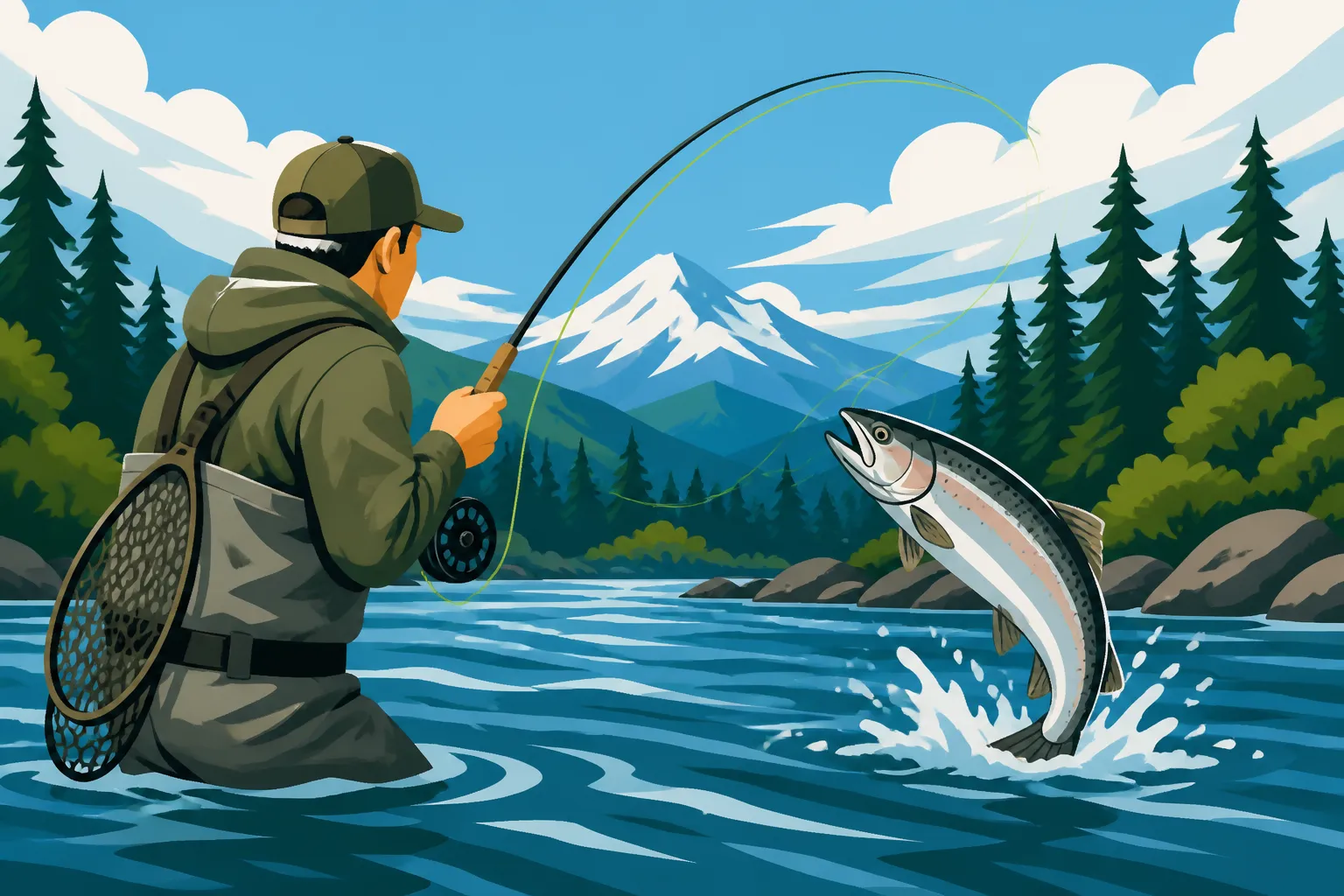
For many, the Quillayute system is synonymous with steelhead fishing. These magnificent ocean-run rainbow trout represent the pinnacle of freshwater angling in Washington, known for their incredible strength, acrobatic fights, and elusive nature. The Quillayute system hosts both winter and summer steelhead runs. Winter steelhead typically arrive from November through April, battling their way upstream through cold, often high water. These chrome-bright torpedoes can reach impressive sizes, with fish in the teens common and specimens over 20 pounds not unheard of. Landing one of these wild beauties, especially in the cold conditions of winter, is a true testament to an angler's skill and perseverance.
Summer steelhead, while generally smaller, are equally prized for their aggressive takes and strong fights in warmer, clearer water, usually arriving from June through October. They tend to hold in faster, oxygenated water, making for exciting encounters. It’s crucial to understand the distinct regulations between hatchery and wild steelhead here, as many stretches are strictly catch-and-release for wild fish. Checking the latest rules, particularly those concerning Wild Steelhead Release Rules on Washington's Olympic Peninsula Rivers, is absolutely essential before you even tie on your first fly or lure. Understanding the nuances of Steelhead: Washington's Ocean-Run Rainbow Trout will deepen your appreciation for these incredible fish.
Salmon Runs Through the Rainforest
While steelhead often steal the spotlight, the Quillayute system also supports healthy runs of Pacific salmon, providing fantastic opportunities for anglers throughout the fall. Chinook salmon, often called "Kings," arrive in late summer and early fall, offering a powerful fight that can test even the heaviest tackle. These are often targeted in the lower reaches of the system and the mainstem Quillayute before they push into the tributaries. While not as numerous as in some other river systems, landing a big Quillayute King is an unforgettable experience.
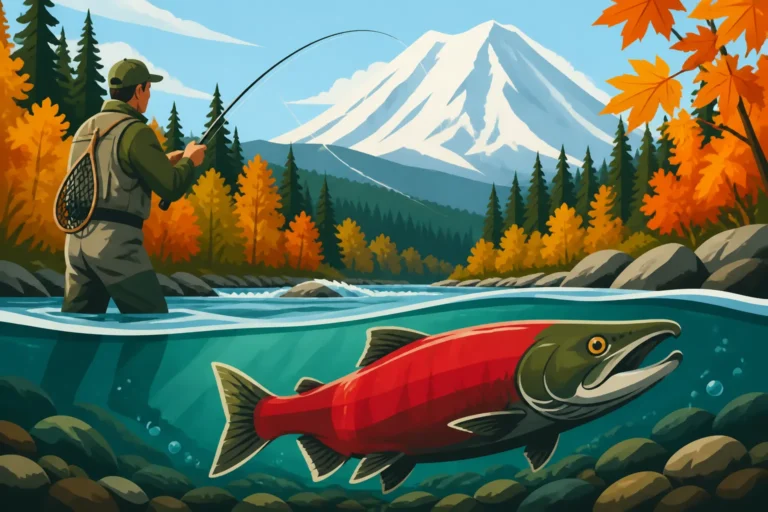
Following the Chinook, coho salmon (silvers) surge into the system from September through November. These aggressive, acrobatic fish are a blast on lighter tackle and are known for their willingness to chase a variety of presentations. Chum salmon, or "dog salmon," also make a strong showing from October through December. While sometimes overlooked as table fare, chum are incredibly powerful fighters, making them an excellent sport fish, especially on a bobber and jig setup. Knowing when specific salmon runs peak, similar to understanding When Chinook Salmon Run in Washington's Puget Sound in other areas, will greatly inform your trip planning.
Resident and Sea-Run Cutthroat Trout
Beyond the anadromous giants, the Quillayute system offers fantastic year-round opportunities for both resident and sea-run cutthroat trout. These beautiful, native trout are often found in the smaller tributaries and the quieter sections of the main rivers. Resident cutthroat spend their entire lives in freshwater, while sea-run cutthroat migrate to saltwater for a period before returning to spawn.
These fish are incredibly opportunistic and can be caught on a variety of methods, from small spinners and spoons to delicate dry flies and nymphs. They provide an excellent option for anglers looking for consistent action, especially during periods when salmon or steelhead runs are slower. Targeting cutthroat is a great way to explore the intimate corners of the river system, often revealing breathtaking scenery that you might otherwise miss.
Navigating the Quillayute's Waters: Key Fishing Spots and Access
Fishing the Quillayute system effectively means understanding its different sections and knowing how to access them. Each of the major tributaries—the Sol Duc, Bogachiel, and Calawah—offers distinct experiences and challenges, while the mainstem Quillayute serves as the final highway to the sea.
Sol Duc River: Beauty and Brawlers
The Sol Duc River is arguably the most renowned of the Quillayute's tributaries. It's famous for its stunningly clear, emerald-green waters that wind through towering forests, offering picturesque views at every bend. The Sol Duc hosts strong runs of both winter and summer steelhead, as well as decent numbers of salmon. Popular access points include areas around the Sol Duc Hatchery, which provides vital support for the fishery, and various pull-outs along Highway 101, especially in its middle and upper stretches.
Many anglers prefer to fish the Sol Duc from a drift boat, allowing them to cover more water and access prime holding lies that are unreachable from the bank. However, there are still excellent bank fishing opportunities, particularly during specific water conditions. The clarity of the water here often demands a stealthier approach and lighter lines, as the fish can be more line-shy than in murkier rivers. For a deep dive into this specific river, consider reading about Fishing the Sol Duc River for Wild Steelhead in Washington.
Bogachiel and Calawah Rivers: Hidden Gems
Flowing parallel to the Sol Duc, the Bogachiel River, affectionately known as the "Bogie," offers a slightly different experience. It's often a bit darker in color than the Sol Duc, thanks to its tannin-rich waters, which can sometimes make fish less wary. The Bogie is known for excellent winter steelhead fishing, with good numbers of coho and some Chinook as well. Access here can be more challenging, with fewer developed boat launches and more stretches requiring knowledge of private property boundaries. Roads like Undi Road offer some access points, but it's often a system best explored with a local guide or someone intimately familiar with its nuances.
The Calawah River, the smallest of the three main tributaries, is often considered a hidden gem. It offers excellent fishing during prime conditions, particularly for winter steelhead and coho. Its smaller size means it can fish well at lower flows than the larger rivers and can drop into shape quicker after a rain event. Access points are fewer and farther between on the Calawah, but those willing to explore its banks or float its intimate stretches can be richly rewarded. These rivers provide a more secluded experience than the Sol Duc, often attracting fewer anglers and offering a greater sense of wilderness solitude.
The Mainstem Quillayute and Its Tributaries
Once the Sol Duc and Bogachiel converge, they form the mainstem Quillayute River, a wider, often deeper body of water that continues its journey toward the Pacific. The mainstem is where you'll find significant numbers of salmon, especially Chinook and coho, staging before they move into the tributaries. It also offers opportunities for steelhead, particularly early in their runs. Fishing the mainstem often involves larger boats, especially closer to the coast, or exploring various public and private access points around the town of Forks.
Beyond the three main rivers, countless smaller creeks and tributaries feed into the Quillayute system. While many of these are closed to fishing or too small to fish effectively, some offer excellent opportunities for resident and sea-run cutthroat trout, especially during specific times of the year. Exploring these smaller waters often requires extensive walking and a keen eye for fish holding lies, but the reward can be solitude and consistent action away from the main river crowds.
Mastering Your Approach: Techniques for Quillayute Success
Fishing the Quillayute River System successfully requires adapting your techniques to the conditions and the specific species you're targeting. The wild nature of these rivers, combined with their dynamic flows and varied structures, demands versatility from anglers. Whether you prefer bait, lures, or flies, there's a method that will shine here when applied correctly.
Drift Fishing and Float Fishing Fundamentals
Drift fishing is one of the most popular and effective methods for targeting salmon and steelhead in the Quillayute system, especially from a drift boat. This technique involves presenting your bait or lure naturally along the river bottom, allowing it to "drift" at the same speed as the current. Typical setups include a mainline with a sliding sinker, a swivel, and a leader ending in your bait. Popular baits include cured salmon roe (often in a "roe bag"), scent-infused yarn, or various types of beads that imitate fish eggs. The key is to maintain a "dead drift," ensuring your presentation moves as naturally as possible, without any drag from your line.
Float fishing, or "bobber dogging," is another highly effective method, particularly useful when fishing from the bank or when the water has some color. It involves suspending your bait or jig under a large, buoyant float, which allows your offering to drift through a specific depth zone, often just off the bottom. This technique is excellent for covering seams, pools, and current breaks where fish might be holding. The visual cue of the float dipping or darting often provides an exhilarating strike indication. For a comprehensive overview of these methods, particularly for steelhead, learning about Drift Fishing for Steelhead in Washington Rivers is highly recommended.
Fly Fishing the Quillayute System
The Quillayute system is a world-class destination for fly anglers, especially those targeting steelhead. Two-handed Spey rods are incredibly popular here, allowing anglers to cast long lines and cover vast amounts of water with minimal effort, even in windy conditions. Swinging large intruder patterns or traditional Spey flies through prime steelhead runs is a quintessential Quillayute experience. The subtle take of a steelhead on a swung fly is a moment many fly anglers live for.
For trout and sometimes even salmon, single-hand fly rods are also effective. Nymphing techniques, where weighted flies imitate aquatic insects, can be very productive for resident trout in the Quillayute's clearer sections and smaller tributaries. Dry fly fishing can also be excellent for cutthroat during hatches, offering a delicate and exciting way to connect with these native fish. Mastering the cast and understanding fly selection are crucial for success. If you're new to fly fishing in the region, studying resources like Fly Fishing Washington's Rivers and Lakes can provide a solid foundation.
Essential Gear and Safety Considerations
No matter your chosen technique, having the right gear is paramount for comfort and success in the often-rugged and wet conditions of the Olympic Peninsula. Quality breathable waders and waterproof rain gear are non-negotiable; you'll be spending time in and around water, and staying dry is key to staying warm and focused. Layering clothing is also critical, as temperatures can fluctuate throughout the day, especially from morning to afternoon.
Beyond personal apparel, a sturdy fishing rod and reel appropriate for the species you're targeting, a reliable landing net, and plenty of terminal tackle are essential. Always carry a first-aid kit, a headlamp, and sufficient food and water. If you're fishing from a boat, always wear a U.S. Coast Guard-approved personal flotation device (PFD), and be mindful of changing river conditions. Finally, remember that barbless hooks are required on many Washington rivers, especially when targeting wild steelhead. Adhering to Barbless Hook Requirements on Washington Rivers is not just a rule; it's a critical conservation measure that helps ensure healthy fish populations for the future.
Regulations, Conservation, and Responsible Angling
Fishing the Quillayute River System means more than just casting a line; it involves a deep commitment to understanding and respecting the intricate web of regulations designed to protect these precious fisheries. The wild, undammed nature of these rivers makes their fish populations particularly sensitive, and every angler plays a role in their stewardship.
Understanding Complex Rules and Limits
Washington's fishing regulations can be incredibly detailed and often change mid-season due to conservation needs or updated fish run forecasts. This is especially true for the Quillayute system, where specific rules can vary not only by species but also by river section and even by week. It is absolutely paramount to consult the latest Washington Department of Fish and Wildlife (WDFW) regulations pamphlet or their online emergency rules update before every single fishing trip. Never assume that what was legal last season, or even last week, is still in effect.
These regulations cover everything from daily and possession limits to legal gear types, bait restrictions, and open/closed dates for specific species. Furthermore, remember that a The Washington Catch Record Card and What It Requires is mandatory for salmon and steelhead, and filling it out correctly and immediately upon retaining a fish is a legal requirement. Misinterpreting or ignoring these rules can lead to significant fines and penalties. A good starting point for any trip is reviewing Washington Fishing Regulations Every Angler Should Know to get a general understanding before diving into the hyper-specific regional rules.
Wild Fish Focus and Ethical Practices
A cornerstone of Quillayute angling is the strong emphasis on wild fish conservation. Many stretches of the Quillayute and its tributaries, particularly for steelhead, are managed as "catch-and-release only" for wild fish. This means identifying wild fish (typically by the presence of an adipose fin) and releasing them quickly and safely. The survival of these wild populations depends on responsible angling.
When practicing catch-and-release, it's crucial to minimize stress on the fish. Use appropriate gear to land fish quickly, keep them in the water as much as possible, handle them gently with wet hands, and use proper release techniques to ensure they swim away strong. Avoid taking fish out of the water for prolonged photos, especially large, vulnerable wild steelhead. Our actions as anglers directly impact the future health of these runs.
Supporting the Ecosystem
Responsible angling extends beyond just following the rules; it encompasses a broader commitment to supporting the entire ecosystem. This means practicing "leave no trace" principles: pack out everything you pack in, including all trash, broken line, and discarded bait containers. Respect private property, whether it's clearly marked or simply implied, and be courteous to other anglers you encounter on the river.
By taking care of the environment, respecting the fish, and adhering strictly to regulations, anglers contribute to the long-term sustainability and quality of the Quillayute River System. This ensures that these incredible wild fisheries will continue to thrive, offering unparalleled angling experiences for generations to come.
Planning Your Quillayute Adventure: Logistics and Local Insight
Embarking on a fishing trip to the Quillayute River System requires a bit more planning than heading to a local lake, but the rewards are well worth the effort. From deciding whether to go solo or hire a guide to understanding local resources, a little preparation goes a long way.
Choosing a Guide or Going DIY
For many visiting anglers, especially those new to the Quillayute system, hiring a local guide is an invaluable investment. A skilled guide knows the intricate details of the rivers, understands current fish patterns, and can navigate safely through challenging water. They provide the boat, gear, and expertise, maximizing your chances of success and ensuring a safe, efficient trip. This is particularly true for drift boat fishing, which requires specific knowledge and equipment. If you're looking for guidance, platforms like FishingBooker are excellent resources for finding reputable, experienced local guides who specialize in the Quillayute and other Olympic Peninsula rivers. For more on this, checking out how to find Washington's Olympic Peninsula Steelhead Guides can be really helpful.
However, if you prefer a do-it-yourself approach, it’s entirely possible. You’ll need to do thorough research on access points, river conditions, and current regulations. Having your own drift boat opens up many more possibilities, but bank fishing can be productive if you know where to go and when. It often involves more scouting and adapting on the fly. Consider the pros and cons carefully, and be realistic about your experience level with remote river systems. For a broader understanding of finding guides, How to Book a Fishing Charter in Washington provides useful context.
Lodging, Gear, and Local Services
The town of Forks, Washington, often referred to as the "Logging Capital of the World," serves as the primary hub and basecamp for anglers fishing the Quillayute system. It offers a range of lodging options, from motels to cabins and vacation rentals, as well as several restaurants and gas stations. Critically, Forks also has excellent local tackle shops like Olympic Sporting Goods, which are invaluable resources. These shops not only stock the right gear, bait, and tackle specifically for the Quillayute, but their staff also provides up-to-the-minute information on river conditions, hot spots, and any recent regulation changes. Engaging with local shops is often the best way to get real-time intel that can make or break your trip. Don't forget to run through a checklist like What to Check Before Every Washington Fishing Trip before you head out.
Checking Conditions and Emergency Closures
Given the dynamic nature of these rivers, constantly checking river levels, weather forecasts, and WDFW emergency rule changes is crucial. Websites like the USGS provide real-time river gauge data, showing current flows and water heights for the Sol Duc, Bogachiel, and Calawah. Heavy rainfall can blow out rivers quickly, making them unfishable due to high, muddy water. Conversely, prolonged dry spells can lead to very low, clear conditions that make fish incredibly spooky.
The WDFW website is the official source for all regulations, including critical emergency rule changes that can open or close fisheries with little notice. These changes are vital to conserve fish populations and can dramatically impact your fishing plans. Always check these resources the day before you fish, and ideally, again the morning of your trip. Understanding Washington Sport Fishing Seasons and Emergency Closures is not just good practice, it's essential for a legal and successful outing on these wild waters.
Quillayute River System Fishing Overview
To give you a quick reference point for planning your Quillayute adventure, here's a table summarizing the primary target species, their main run times, and general notes on where and how to find them. Remember, conditions are always changing, so consult current regulations before your trip.
| Species | Primary Run Season | Best River Sections | Typical Gear/Technique | Special Notes |
|---|---|---|---|---|
| Winter Steelhead | Nov – April | Sol Duc, Bogachiel, Calawah | Drift, Float, Spey Fly | Wild fish often release-only; strong fighters |
| Summer Steelhead | June – Oct | Upper Sol Duc, Calawah | Fly fishing, light spin | Less abundant, prized for warmer water challenge |
| Chinook Salmon | Aug – Sept | Lower Quillayute, Sol Duc | Plunking, drift, heavy gear | Powerful, often target in mainstem Quillayute |
| Coho Salmon | Sept – Nov | All rivers, mainstem | Drifting, casting spinners/jigs | Abundant, aggressive, great sport and table fare |
| Chum Salmon | Oct – Dec | Mainstem Quillayute, lower tribs | Bobber & Jig, drift | Aggressive takes, good sport; may be ignored by some |
| Cutthroat Trout | Year-round | All small tributaries, mainstem | Fly, light spin, small spoons | Resident & sea-run populations; good consistent action |
Disclaimer
Fishing conditions and regulations in Washington State can change rapidly. Always consult the latest Washington Department of Fish and Wildlife (WDFW) regulations pamphlet and emergency rule changes before heading out on any fishing trip. This article is intended for informational purposes only and does not constitute legal advice or an official endorsement of any specific fishing location or technique. Stay safe and fish responsibly.