Puget Sound Salmon Charter Cost in Washington
Trying to figure out how much a Puget Sound salmon charter will cost you can feel a bit like trying to solve a mystery novel without the last chapter. You see all these beautiful photos of people holding massive Chinook and Coho, and you think, "I want that experience!" But then you start looking at websites, and the pricing isn't always super clear, or you see a base price and wonder what else you'll need to shell out for. It's frustrating to plan a trip when the financial picture is fuzzy. This guide is here to clear up that confusion, breaking down the typical costs and hidden expenses involved in booking a salmon charter on Washington's Puget Sound, so you can budget with confidence.
Understanding the Baseline Cost of a Puget Sound Salmon Charter
When you first start researching Puget Sound salmon charters, you'll quickly realize there isn't one flat fee. The overall cost is a tapestry woven from several key factors, from the length of your trip to how many people are in your fishing party. It's not just about getting on a boat; it's about the entire experience offered.
Average Price Ranges for Half-Day vs. Full-Day Trips
The most fundamental decision impacting your charter cost is the duration of your trip. Most operators offer either half-day or full-day excursions, each with its own price point and angling advantages.
A half-day trip typically runs about 4-6 hours. These are often the more budget-friendly option, making them a great choice if you're new to charter fishing, have a limited schedule, or simply want a taste of Puget Sound salmon fishing without committing to a full day on the water. You'll still get a fantastic opportunity to target salmon, but the fishing windows might be shorter, focusing on prime morning or afternoon bites. They're excellent for families with younger kids whose attention spans might wane over a longer outing.
Full-day trips, on the other hand, usually last between 8-10 hours, sometimes even longer depending on the fishing grounds and conditions. As you might expect, these come with a higher price tag. However, they offer significantly more time to hit multiple spots, adapt to changing conditions, and truly immerse yourself in the salmon hunt. If you're serious about maximizing your chances for a trophy salmon or just want an extended adventure, a full-day charter is often the way to go. The extra hours allow for exploring different depths and techniques, which can be crucial for success, especially during tougher bites. We’ve all been on those trips where the fish suddenly turn on in the last hour, and a full-day trip gives you that flexibility. For more on choosing your trip length, check out Half-Day vs Full-Day Salmon Charters.
Private Charters vs. Shared "Open Boat" Trips
Another significant factor in the cost equation is whether you opt for a private charter or join a shared "open boat" trip. This choice often boils down to your group size, budget, and desire for exclusivity.
A private charter means you and your chosen companions have the entire boat and guide to yourselves. This offers unparalleled flexibility: you can customize your departure time (within reason), focus on specific techniques, or spend more time at certain spots. The guide's attention is entirely on your group, which can be a huge plus for beginners or those seeking personalized instruction. While the total cost for a private charter is higher, if you have a group of four to six people, the per-person cost can sometimes be surprisingly competitive with shared trips. You’re paying for the boat and the guide, not per head, so spreading that cost among friends or family can make it more accessible.
Shared, or "open boat," trips are where you book a spot alongside other anglers you may not know. These are generally the most cost-effective option for individuals or small groups (one to three people) who don't want to pay for a whole boat. The per-person rate is lower, making it an excellent entry point into charter fishing. The downside is less flexibility; you adhere to the boat's schedule and the guide's plan, which is designed to cater to a diverse group. However, they can be a lot of fun, offering a chance to meet new people and share the excitement of the catch. Sometimes, the camaraderie on a shared boat is half the experience! If you're weighing your options, our guide on Shared vs Private Fishing Charters in Washington offers more insight.
What's Typically Included (and Not Included) in the Price
One of the biggest sources of confusion and frustration for anglers looking to book a charter is understanding exactly what their booking fee covers. It's easy to assume everything is included, but often there are essential items and services that come with an additional cost. Knowing these upfront can prevent unwelcome surprises and help you budget more accurately for your Puget Sound salmon adventure.
Standard Inclusions: Gear, Bait, and Expertise
The good news is that most reputable Puget Sound salmon charters come pretty well-equipped for your fishing experience. When you pay your base charter fee, you can generally expect the following:
- Rods, Reels, and Tackle: You won't need to haul your own specialized salmon gear onto the boat. Charter operators provide high-quality rods and reels suitable for the specific salmon species and fishing techniques common in Puget Sound, whether that's trolling, mooching, or jigging. This includes the necessary terminal tackle like leaders, weights, and lures. The crew is adept at rigging and ensuring everything is in top working order.
- Bait: Fresh bait is crucial for salmon fishing, and your charter will supply it. This often includes herring, anchovies, or other local favorites, along with any scent or brining solutions needed to make it irresistible to salmon. They'll have plenty on hand, so you won't have to worry about running out.
- Safety Equipment: All licensed charters are required to have essential safety gear onboard, including life jackets, first-aid kits, and communication devices. Your safety is paramount, and the captain and crew are trained in emergency procedures.
- Fuel: The cost of fuel for the boat's operation is built into your charter fee. You won't be asked to chip in extra for gas, no matter how far out the captain decides to run to find the biting fish.
- Expert Guidance and Instruction: This is arguably the most valuable inclusion. Your captain and deckhand (if applicable) are seasoned professionals with extensive knowledge of Puget Sound's waters, salmon behavior, and current fishing regulations. They know where the fish are, what they're biting on, and how to help you land them. They'll provide hands-on instruction, assist with rigging, netting fish, and generally make your trip smoother and more productive. For more details on what gear is typically provided, see Do Washington Charters Include Rods and Bait?.
Common Exclusions and Extra Costs to Budget For
While the base charter fee covers a lot, there are several key items that are almost always not included. Overlooking these can lead to unexpected expenses.
- Washington Fishing Licenses and Endorsements: This is perhaps the most critical exclusion. Every angler, regardless of age (unless specifically exempted by law, though kids still often need a Catch Record Card), must possess a valid Washington State fishing license. Depending on where you're fishing and what you're targeting, you might also need specific endorsements, like a saltwater endorsement for Puget Sound. These need to be purchased before your trip. The charter operator cannot provide these for you. Always double-check current requirements. You can learn more about this in What License Do You Need on a Washington Charter Boat?.
- Washington Catch Record Card: For salmon and steelhead, a Catch Record Card is mandatory in Washington. This is separate from your general fishing license and is used to track your catch for conservation purposes. You must have it on board, record your catch accurately, and return it at the end of the year. Again, you're responsible for obtaining and filling out your own. Our article The Washington Catch Record Card and What It Requires provides comprehensive details.
- Gratuity for the Crew: Tipping your captain and deckhand is customary and highly encouraged in the charter fishing industry. They work incredibly hard to ensure you have a safe, enjoyable, and successful trip. A common guideline is 15-20% of the total charter cost. This is a significant part of their income and a way to show your appreciation for their effort and expertise. Don't forget to budget for this! For more on this, consult Tipping Etiquette for Washington Fishing Guides.
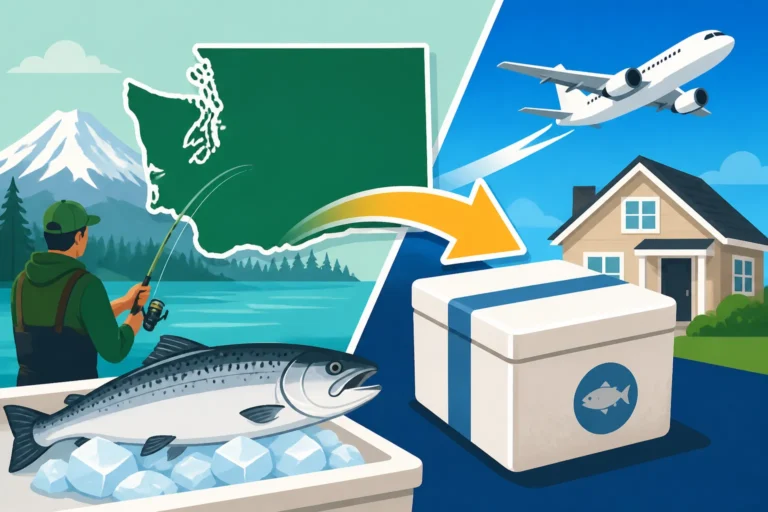
- Fish Cleaning and Processing Beyond Basic Filleting: While most charters will do some basic filleting or gutting of your catch on the boat, more extensive processing like skinning, portioning, vacuum packing, or smoking is usually an additional service, often provided by a separate processing facility at the dock. If you plan to ship your fish home or want it professionally prepared, factor in these costs. We cover this topic in Do Charters Clean and Package Your Fish?.
- Food and Beverages: Unless specifically advertised as an all-inclusive gourmet trip (which is rare for salmon charters), you'll need to bring your own snacks, lunch, and drinks. Staying hydrated and fueled is important for a long day on the water.
- Personal Items: Sunscreen, hats, sunglasses, layers of clothing (it can be much cooler on the water!), rain gear, and seasickness medication are all personal responsibilities.
- Transportation and Parking: Getting to the dock where your charter departs is up to you, as are any associated parking fees.
Factors That Influence Puget Sound Salmon Charter Costs
Beyond the duration and type of trip, several other elements play a crucial role in shaping the final price tag of a Puget Sound salmon charter. Understanding these can help you choose a trip that perfectly balances your budget and your angling aspirations.
Seasonality and Target Species
Just like any market driven by supply and demand, the cost of a salmon charter can fluctuate with the fishing seasons and the popularity of certain species.
- Peak Seasons: Puget Sound has distinct peak seasons for different salmon runs. For instance, the summer months often see strong runs of Chinook (King) salmon, while Coho (Silver) salmon are abundant in late summer and fall. These periods of high demand, when the fishing is typically at its best, often correlate with higher charter prices. Everyone wants to go when the fishing is hot, and operators know it. If you're targeting those elusive "blackmouth" (resident Chinook) in the winter, the demand might be lower, but the specialized knowledge and effort required could still influence pricing. Understanding When Chinook Salmon Run in Washington's Puget Sound can help you predict these price trends.
- Species-Specific Demands: Different salmon species might require different fishing grounds, tactics, or even specialized gear, which can subtly impact operational costs. While most charters are well-equipped for all Puget Sound salmon, a trip focused specifically on, say, deep-water trolling for larger Chinook might implicitly carry a different value proposition than a trip primarily targeting school-sized Coho near the surface. The expertise needed to consistently find and catch certain species also adds to the value.
Boat Size, Amenities, and Guide Experience
You wouldn't expect a basic motel room to cost the same as a luxury suite, and the same principle applies to charter boats and their crews.
- Boat Size and Comfort: Larger, more spacious boats with amenities like a heated cabin, a private restroom (head), or advanced electronics typically command higher prices. These boats offer a more comfortable experience, especially on cooler or rougher days. They might also be equipped with more powerful engines, allowing for quicker runs to distant fishing grounds. A smaller, more spartan boat might be more budget-friendly but could offer less comfort, especially for longer trips or larger groups. Think about what level of comfort is important for your experience.
- Guide's Reputation and Experience: Just like in any profession, some fishing guides are more sought-after than others. A guide with decades of experience, a consistently high success rate, and a sterling reputation will often charge a premium for their services. You're not just paying for their boat; you're paying for their extensive knowledge of the local waters, their ability to read conditions, and their proven track record. Booking a well-known, highly experienced guide can significantly increase your chances of a successful and memorable trip. It's often worth the extra investment for that peace of mind and expertise.
Location and Departure Point
Where your Puget Sound salmon charter departs from can also influence the cost. Washington is a big state, and the logistics of operating a charter vary geographically.
- Accessibility and Demand of the Port: Charters operating out of major metropolitan areas or popular tourist destinations like Seattle, Everett, or Edmonds might have different overhead costs (docking fees, fuel prices) than those departing from smaller, more remote ports in areas like the San Juan Islands or the Olympic Peninsula. Higher demand in easily accessible locations can also allow operators to charge slightly more. However, the convenience of departing from a central location might outweigh any slight price difference for many anglers.
- Distance to Fishing Grounds: While fuel costs are typically included, charters that consistently have to run further to reach productive salmon grounds might factor that into their pricing. Some ports offer quick access to excellent fishing, while others require longer runs. Knowing Puget Sound Salmon Fishing Spots for Salmon and Bottomfish can give you an idea of typical travel times from different departure points.
How to Find and Book a Puget Sound Salmon Charter
Now that you have a better understanding of the costs involved, the next step is actually finding and booking your ideal Puget Sound salmon charter. It’s an exciting process, but it pays to be thorough and ask the right questions.
Researching Reputable Operators
The first rule of booking any guided fishing trip is to do your homework. You're entrusting your safety, your time, and your money to these professionals, so you want to ensure they're legitimate and highly regarded.
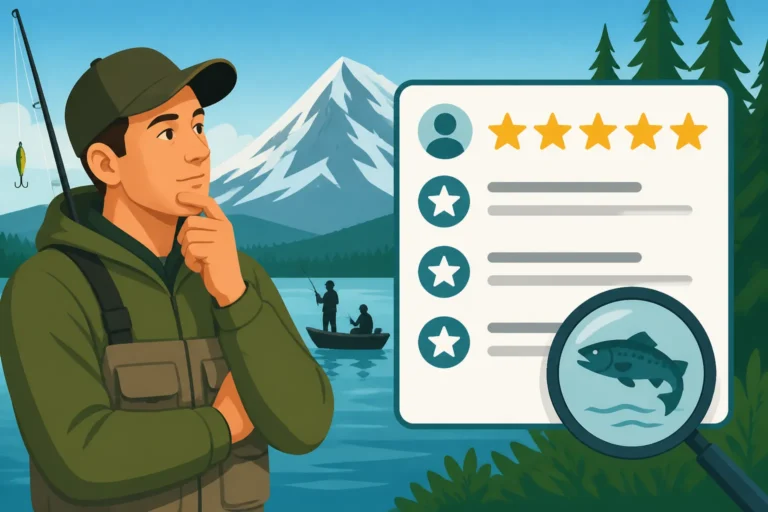
Start by searching online for "Puget Sound salmon charters" or "Seattle fishing guides." Look for operators with professional websites that clearly outline their services, pricing (or at least pricing structures), and contact information. Pay close attention to customer testimonials and reviews on platforms like Google, Yelp, or dedicated fishing forums. A consistent pattern of positive feedback regarding professionalism, fish-finding ability, and overall customer experience is a great sign. Don't be shy about asking friends or fellow anglers for recommendations; word-of-mouth is often the most reliable way to find a gem. Look for guides who have been operating for many years and have a deep understanding of the local waters, as this experience translates directly into better fishing opportunities for you.
Using Online Booking Platforms
In today's digital age, online booking platforms have become incredibly popular for finding and reserving fishing charters. They offer a centralized hub to compare multiple operators, view availability, and often streamline the booking process.
One such platform that many anglers find useful is FishingBooker. Services like this allow you to filter by location, target species, trip duration, and even amenities. Crucially, they often provide upfront pricing, clearly distinguishing between base costs and common exclusions, which helps with budgeting. You can browse detailed profiles of various captains and their boats, read verified reviews from past clients, and see their availability in real-time. This transparency makes it much easier to compare your options side-by-side and feel confident in your choice. While you might also book directly with a guide, using a platform can be a fantastic starting point for research and initial comparisons, especially if you're new to the area or charter fishing in general. For a more general overview of the booking process, check out How to Book a Fishing Charter in Washington.
Questions to Ask Before You Book
Once you've narrowed down your choices, don't hesitate to pick up the phone or send an email with some specific questions. A good guide will be happy to answer them thoroughly.
Here’s a checklist of vital questions to ask:
- What is the total cost for my group, and what exactly does that include? Reconfirming the base price and making sure you understand all inclusions (gear, bait, fuel) is essential.
- What is not included in the price? Specifically ask about licenses, Catch Record Cards, gratuity expectations, and fish processing fees.
- What are the current Washington fishing license and endorsement requirements for my trip? Get clarity on what you need to purchase beforehand.
- What is your cancellation policy? Understand what happens if you need to cancel or if the weather forces the captain to call off the trip.
- How many people will be on the boat? This is important if you're joining a shared trip; you want to know how many anglers you'll be sharing the rail with.
- What should I bring (food, drink, clothing layers)? Get specific recommendations to be comfortable and prepared.
- Do you clean and bag the fish? Is there an extra charge for this? Clarify the post-trip fish handling.
- What time do we depart and return? Confirm the exact schedule.
- What are your preferred payment methods? Some guides prefer cash, others credit cards or online payments.
Asking these questions upfront will ensure you have a clear picture of the costs and expectations, leading to a much smoother and more enjoyable Puget Sound salmon fishing experience. You can find more useful questions in our guide: Questions to Ask a Washington Guide Before Booking.
To help summarize, here's a table outlining common inclusions and exclusions for Puget Sound salmon charters:
| Feature | Typically Included | Typically Excluded (Extra Cost) |
|---|---|---|
| Base Charter Fee | Boat, captain/crew, fuel, safety gear, fishing time | |
| Fishing Gear | Rods, reels, line, basic terminal tackle, lures | Lost tackle (rarely charged but possible), specialized gear you insist on bringing |
| Bait | Fresh bait (herring, anchovies, etc.) and scents | |
| Expertise & Instruction | Guide's knowledge, fish-finding, hands-on help | |
| Licenses & Permits | Washington Fishing License, relevant endorsements | |
| Catch Record Card | Washington Catch Record Card (for salmon/steelhead) | |
| Gratuity | 15-20% tip for captain/crew (customary) | |
| Fish Processing | Basic filleting/gutting onboard | Vacuum packing, smoking, professional processing |
| Food & Drink | Snacks, lunch, beverages | |
| Personal Items | Sunscreen, rain gear, warm layers, seasickness meds | |
| Transportation | Travel to/from dock, parking fees |
Disclaimer
This article is for general informational purposes only and does not constitute professional advice. Laws, prices and regulations vary by location and change over time. Consult a qualified professional for guidance on your specific situation.