Difference Between a Redband and a Rainbow Trout
It's a common scenario for many Washington anglers: you've just landed a beautiful trout, and you're wondering, "Is this a rainbow, or something else?" The truth is, the line between a "rainbow trout" and a "redband trout" can feel incredibly blurry, especially here in Washington where both thrive, sometimes even in the same river systems. This guide is here to untangle that confusion, helping you understand the subtle yet significant distinctions between these two captivating fish, from their scientific definitions to how you might identify them in your local waters, so you can fish smarter and appreciate Washington's diverse trout populations even more.
Understanding the "Rainbow Trout" Label in Washington
When most folks think of "rainbow trout" in Washington, a pretty clear picture comes to mind: a fish with a distinct pink or red stripe along its side, speckled with black spots, shimmering under the sun. But in our state, the term "rainbow trout" often acts as a broad umbrella, covering a wide range of these fish, from the hatchery-raised stockers in your local lake to the wild, ocean-going steelhead (which are, genetically speaking, just sea-run rainbows). It's a testament to their adaptability and widespread presence.
The Broad Definition and Common Appearance
The classic rainbow trout, Oncorhynchus mykiss, is celebrated for its stunning iridescent colors, which can range from silvery-green to brassy gold, always accented by that signature lateral band that often deepens to a vibrant red or pink. Their bodies are typically covered in small, distinct black spots, which extend into their dorsal and caudal (tail) fins. These fish are incredibly adaptable, thriving in a huge variety of freshwater environments, from cold mountain streams to large, warmer lakes.
Here in Washington, you'll encounter rainbows in nearly every corner of the state, from the high alpine lakes of the Cascades to the vast, slow-moving rivers of Eastern Washington. Their diet is just as varied as their habitat, feasting on insects, small fish, and crustaceans. This broad ecological niche contributes to their widespread success and, in part, to the confusion when trying to pinpoint their exact identity. When you hook into one of these beauties, especially in a popular stocked lake, it's often your standard, generalized rainbow trout.
Hatchery Programs and Their Influence on Rainbows
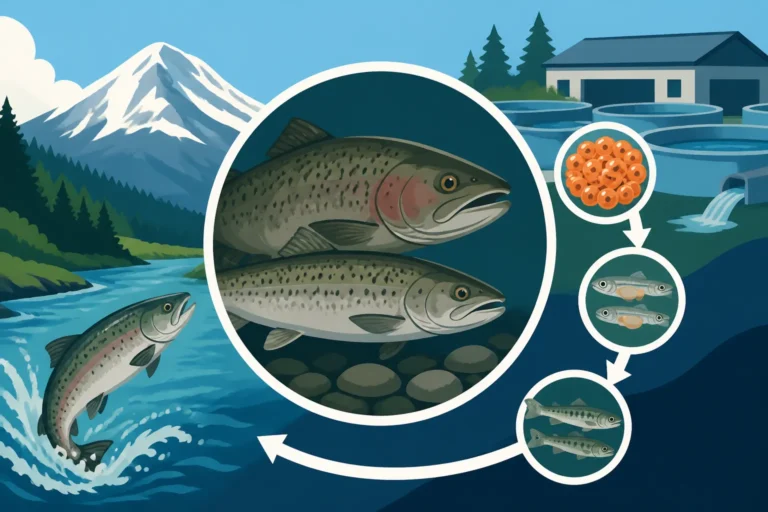
A huge part of the "rainbow trout" experience in Washington comes from our robust hatchery stocking programs. These programs are vital for maintaining recreational fishing opportunities, especially in lakes and ponds that might not naturally support large, self-sustaining populations. Hatchery-raised rainbows are often bred for fast growth and a willingness to bite, making them a fantastic target for anglers of all skill levels. They provide consistent action and are a great way to introduce new people to the joy of fishing.
These stocked fish are usually what most people picture when they hear "rainbow trout." They tend to be a bit more uniform in size and appearance, and importantly, many of them will have a clipped adipose fin – that small, fleshy fin between their dorsal and tail fins. This clip is the tell-tale sign of a hatchery fish, indicating it was raised in a facility. Understanding How Big Washington Rainbow Trout Get in Lakes can give you a good idea of what to expect from these stocked fisheries, which are intentionally managed for angler success. The presence of these hatchery fish, while a boon for fishing opportunities, can sometimes complicate identification, especially when they stray into wild trout territories.
Decoding the Redband: Washington's Native Trout
While often lumped under the "rainbow" umbrella, redband trout are truly distinct and hold a special place in Washington's native fish heritage. They are a subspecies of Oncorhynchus mykiss, specifically adapted to the unique, often harsher environments east of the Cascade Mountains. Think of them as the rugged, desert-dwelling cousins of the coastal rainbows, evolving over millennia to thrive where water is scarcer and temperatures more extreme.
Key Physical Traits and Preferred Habitats
Redband trout generally possess a more subtle beauty than their hatchery-bright counterparts. While they still have black spots and can show a reddish or orange lateral band, it's often less vibrant and more diffused, especially outside of spawning season. Their spots tend to be smaller, more numerous, and often extend further down their sides. They also might have a yellowish or golden tint to their belly and fins, contrasting with the often more silvery hue of coastal rainbows. Their fins can sometimes appear a bit larger in proportion to their body, an adaptation for navigating swift currents.
These native trout are masters of survival in environments that would be challenging for many other trout species. Their preferred habitats are typically the tributaries and mainstems of rivers east of the Cascades, often characterized by warmer summer water temperatures and colder winters than western Washington streams. They're adept at finding cool pockets of water, seeking refuge in deep pools or spring-fed sections during the heat of summer. For anglers, finding a true redband is often a mark of a healthy, wild ecosystem, a testament to nature's resilience.
Geographic Strongholds and Subspecies of Redbands
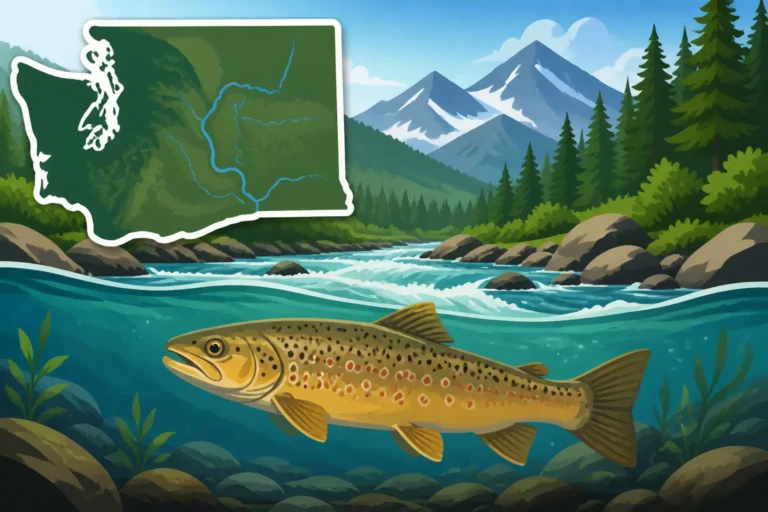
In Washington, the heart of redband country lies firmly in the eastern half of the state. You'll primarily find them in the Columbia River basin and its numerous tributaries, including systems like the Yakima, Spokane, Methow, Okanogan, and Snake rivers. These fish are geographically isolated from their coastal rainbow relatives by the Cascade mountain range, which has allowed them to evolve independently and develop unique genetic characteristics. Yakima River Fly Fishing for Wild Trout in Washington is a prime example of an angling experience where you're likely targeting these indigenous redbands.
Within this broad region, there are even further distinctions, often referred to as "interior redband trout." These are the fish truly adapted to arid and semi-arid conditions, exhibiting traits like higher thermal tolerance and efficient water use. These populations are incredibly important from a biodiversity standpoint, representing distinct evolutionary branches. Understanding that you're fishing for these specialized, native fish adds a layer of appreciation to every cast and every catch, highlighting the natural heritage of Washington's waterways.
The Intricate Relationship: Are Redbands Just a Type of Rainbow?
This question gets to the heart of the matter and can be a bit confusing, even for seasoned ichthyologists. The short answer is yes, from a broad scientific perspective, redband trout are indeed a type of rainbow trout. However, that simple answer doesn't fully capture the ecological and genetic nuances that make them so important and distinct. It's like saying a grey wolf and a coyote are both just "canines"—true, but missing a world of difference.
Scientific Classification and Genetic Linkages
Scientifically, redband trout are classified as various subspecies or distinct genetic lineages of Oncorhynchus mykiss. For example, you'll often hear about "Columbia River redband trout" or specific basin-related populations. Genetic studies have shown that while they share a common ancestor with coastal rainbow trout, their isolation east of the Cascades has led to significant genetic divergence. They have adapted their physiology, behavior, and life history strategies to cope with different environmental pressures – specifically, the warmer, more variable stream conditions found in interior Washington.
This genetic distinction is crucial for conservation. While a hatchery rainbow and a wild redband might look similar to an untrained eye, their underlying genetic makeup tells a story of adaptation to vastly different ecosystems. Protecting these unique genetic lineages ensures the long-term health and resilience of Washington's trout populations against environmental changes. It highlights why we don't just treat all trout as interchangeable, but value each distinct population for its unique contribution to the ecosystem.
Conservation Concerns and Hybridization Risks
One of the significant challenges facing native redband trout populations is the risk of hybridization with non-native, stocked rainbow trout. When hatchery-raised rainbows, which are often genetically adapted for different environments, are released into waters containing native redbands, interbreeding can occur. This can dilute the unique genetic characteristics that allow redbands to thrive in their specific habitats, potentially reducing the fitness and long-term viability of the native population. It's a real concern for fisheries managers.
This is why many dedicated anglers are so passionate about practices like Catch-and-Release Rules During Wild Steelhead Closures and why understanding the subtle differences between wild and hatchery fish is vital. Protecting these native gene pools often involves careful management of stocking programs, habitat restoration efforts, and encouraging responsible angling. The goal is to ensure that future generations of anglers can still experience the thrill of catching a wild, unadulterated redband trout, a living testament to Washington's natural heritage. These efforts often focus on maintaining the integrity of unique trout populations, like those in designated wild steelhead gene banks.
Practical Guide for Anglers: Spotting the Differences and Fishing Ethos
For us anglers, the scientific debates can be fascinating, but what really matters on the water is being able to reasonably identify what you've caught and fishing responsibly. While distinguishing between a wild rainbow and a redband isn't always cut and dry, especially given the natural variations and potential for hybridization, there are definitely some practical clues you can look for.
On-the-Water Identification Tips
The first and often most important clue is location. If you're fishing a small, clear stream high in the eastern Cascades or a tributary of the Yakima River, your chances of catching a redband are much higher than if you're pulling fish from a heavily stocked lake near Seattle.
Next, pay attention to spotting patterns. Redbands often have smaller, more densely packed black spots that extend further down their body, sometimes even below the lateral line, and onto their caudal fin. Hatchery rainbows might have larger, more irregularly spaced spots. The lateral band on a redband might be a more muted, dusky red or orange, sometimes even a series of blotches, rather than the distinct, vibrant stripe often seen on a hatchery rainbow. Look at the overall coloration too; redbands can have more golden or yellowish undertones, especially on their belly and gill plates.
Finally, always check for an adipose fin clip. This is the most reliable sign of a hatchery-raised fish. If the adipose fin is intact, it indicates a wild fish, which in redband territory, is a good indicator of a true redband. To help with identification in the field, having a good regional fish identification guide or even a waterproof laminated card from a brand like Amazon in your vest pocket can be incredibly helpful.
Here's a quick comparison table to keep in mind:
| Feature | Typical Rainbow Trout (Hatchery/Stocked) | Typical Redband Trout (Wild/Native) |
|---|---|---|
| Location | Widespread, stocked lakes, larger rivers | Eastern WA rivers, tributaries, higher elevations |
| Lateral Band | Often vibrant, distinct pink/red stripe | More muted, dusky red/orange, sometimes blotchy |
| Spots | Larger, less dense, sometimes irregular | Smaller, more numerous, extends lower on body |
| Overall Color | Silvery, iridescent, brighter | More golden, yellowish, brassy undertones |
| Adipose Fin | Often clipped (hatchery origin) | Intact (wild origin) |
| Fin Size | Proportionate to body | Sometimes slightly larger, more defined |
Fishing Strategies and Responsible Angling Practices
Fishing for wild redbands often requires a slightly different approach than targeting their stocked cousins. Redbands, especially in smaller streams, tend to be warier. They've survived in their natural environment by being cautious. This often means using lighter tackle, stealthier approaches, and more natural presentations. Fly fishing with delicate dry flies, nymphs (as discussed in Nymphing for Trout on Washington's Yakima River), or small streamers can be incredibly effective. Spin anglers might opt for small, subtle spinners or jigs.
Beyond technique, the most crucial aspect when fishing for native redbands is practicing responsible angling. This means a strong emphasis on catch and release, especially for larger, wild fish which are vital for reproduction. Use barbless hooks, minimize handling time, and keep the fish in the water as much as possible. If you want to take a quick photo, be gentle and support the fish properly. Investing in quality catch-and-release tools, such as rubberized landing nets and forceps, which you can easily find on Amazon, can make a huge difference in fish survival. Always check current regulations, as many native redband waters will have specific gear restrictions or catch-and-release only rules to protect these precious fish. Being aware of Washington Fishing Regulations Every Angler Should Know is always paramount.
By understanding the differences and appreciating the unique qualities of both rainbow and redband trout, we can become more effective and responsible stewards of Washington's incredible fisheries. Every fish tells a story, and learning to read those stories makes every trip to the water richer and more meaningful.
Disclaimer
This article is for general informational purposes only and does not constitute professional advice. Laws, prices and regulations vary by location and change over time. Consult a qualified professional for guidance on your specific situation.