Is an Albacore Charter Rougher Than a Salmon Trip?
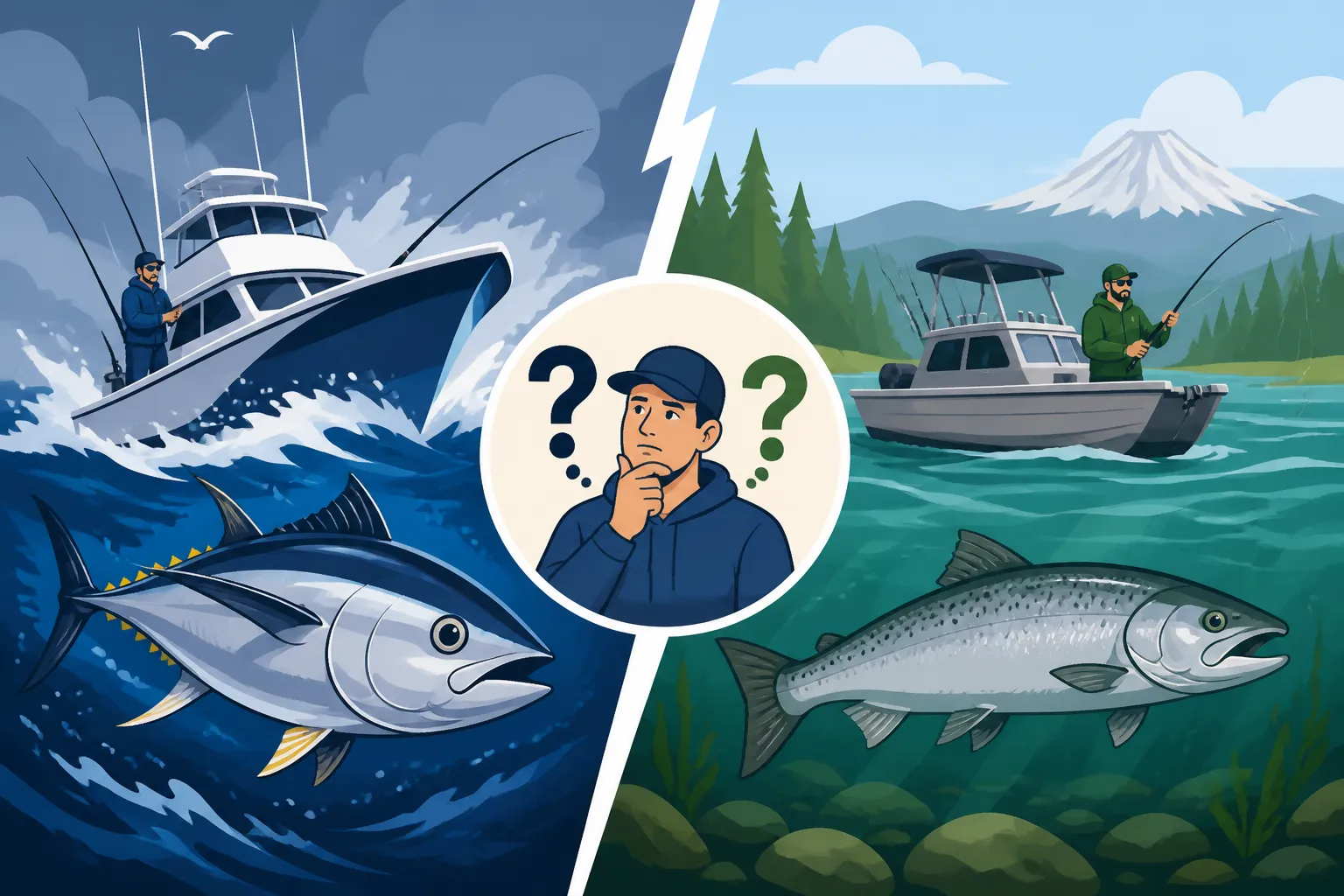
It's a really common concern for folks looking to get out on the water in Washington, especially when considering a bigger adventure like an Albacore tuna trip versus a more familiar salmon run. Nobody wants to spend their hard-earned day off battling seasickness instead of fish, and the fear of a "rough" trip can be a real deterrent. This guide is here to break down the differences in ocean conditions you can typically expect, helping you understand why some trips are inherently rougher than others and how you can best prepare for whatever the Pacific throws your way.
Understanding the Factors That Influence Ocean Roughness
Before we dive into specific fish species trips, it's important to grasp what actually makes the ocean "rough." It's not just a flip of a switch; it's a dynamic interplay of several key elements that can change hour by hour, day by day. Being aware of these helps you make informed decisions when planning your outing.
Distance from Shore and Open Ocean Exposure
This is perhaps the single biggest factor. When you're fishing closer to shore, particularly in sheltered waters like many parts of Puget Sound, you're often protected from the full force of ocean swells and wind-driven chop. The land acts as a buffer, breaking up waves and generally keeping things calmer. The further you venture out into the open ocean, the more exposed you become to larger, longer-period swells that originate far out at sea, as well as local wind effects.
Think about it this way: fishing for salmon in the calm, protected bays of Puget Sound, like those near Edmonds or Everett, is a vastly different experience from being 40-60 miles offshore in the wide-open Pacific. Those long-distance trips put you directly in the path of whatever the ocean is dishing out, with no landmass to break up the rhythm. This exposure is critical when comparing an inshore salmon trip to an offshore Albacore adventure.
Weather Systems and Wind Conditions
Of course, the weather plays a massive role. Wind is the primary driver of choppy seas closer to shore. A stiff breeze can whip up short, steep waves that feel jarring, even if the underlying swell isn't huge. Out on the open ocean, strong winds can combine with existing swells to create truly formidable conditions. A low-pressure system moving through or a sustained strong wind from a particular direction can quickly turn a pleasant day into a washing machine.
It's not just about how strong the wind is, but also its direction relative to the swell and the coastline. An onshore wind can stack up waves against the shore, while an offshore wind might flatten the immediate area but push swells further out. Always checking the marine forecast – not just the land forecast – is paramount. Reputable charters, often found on platforms like FishingBooker, will constantly monitor these conditions and make decisions about safety and comfort accordingly.
Swell Height, Period, and Direction
Swell is the rolling motion of the ocean that travels across vast distances. It's different from wind chop. A 3-foot swell with a 10-second period (meaning 10 seconds between wave crests) can feel much more comfortable than a 3-foot chop with a 3-second period. Longer period swells feel more like a gentle, rolling motion, while shorter period swells and chop are jarring and more likely to induce seasickness.
The direction of the swell also matters. If you're running directly into a swell, the boat will pitch up and down. If the swell is hitting you broadside, the boat will roll. Both can be uncomfortable, but rolling can often feel more unsettling for some anglers. When considering a trip offshore, understanding the forecasted swell report (height, period, and direction) is just as important as the wind speed.
Albacore Tuna Trips vs. Washington Salmon Trips: A Direct Comparison
Now let's get down to the brass tacks of comparing these two popular Washington fishing adventures. The differences in ocean conditions are substantial, stemming directly from the type of fishing and the habitats these fish prefer.
The Offshore Realm of Albacore Tuna
Albacore tuna are pelagic fish, meaning they live in the open ocean, far from shore. To find them, you're often venturing many miles offshore, typically 20 to 60 miles or even further, depending on where the warm water currents and baitfish are holding. This offshore journey means inherent exposure to the full, unfiltered power of the Pacific Ocean.
- Distance: As mentioned, you're traveling significant distances over open water. This means a longer run out to the fishing grounds, increasing your time in potentially rougher conditions.
- Vessel Type: While charter boats built for offshore tuna fishing are robust and designed to handle bigger seas, even the best vessel will be affected by large swells. These boats are generally larger and more stable than many inshore salmon boats, but they still have their limits. You'll definitely experience more pitching and rolling on an offshore tuna trip than you would on a typical Puget Sound salmon charter.
- Typical Sea State: Albacore season, often late summer, can coincide with periods of calm, high-pressure systems, offering beautiful days far offshore. However, it can also encounter active weather patterns that bring significant swells and chop. Since you're so far out, there's no nearby land to offer protection. A 4-6 foot swell with a decent period might feel like a gentle roll, but if that swell tightens up or is combined with strong winds, it can become a very rough ride. How Far Offshore an Albacore Charter Goes will give you a good idea of the typical distance.
- Duration: These are usually full-day trips, often 10-12 hours, sometimes longer, simply due to the travel time to and from the fishing grounds. This extended time on the water increases the chances of encountering changing conditions and certainly prolongs any discomfort if the seas are rough.
For many, an Albacore trip is undeniably rougher than a Puget Sound salmon trip because of the sheer distance offshore and the open ocean exposure. It's a true blue-water experience, and with that comes the inherent variability and power of the Pacific. Best Time of Year Albacore Season Runs in Washington can offer insight into when conditions might be most favorable, but even then, the ocean has a mind of its own.
The Comparatively Sheltered Waters of Washington Salmon Fishing
Salmon fishing in Washington is a broad category, encompassing everything from the mighty Columbia River mouth to the relatively calm bays of Puget Sound, and even the more exposed coastal areas near Westport or Neah Bay. The "roughness" here varies significantly based on your chosen location.
Puget Sound Salmon Trips
Many popular Puget Sound salmon charters operate in fairly protected inland waters. Think of areas like Marine Area 9, Marine Area 10, or Marine Area 11. Here, you're surrounded by islands and mainland, which shield you from the largest ocean swells.
- Distance: Trips usually involve shorter runs from the dock to the fishing grounds, often just a few miles.
- Vessel Type: Charters vary, from smaller six-packs to larger head boats. Even smaller vessels can offer a comfortable ride in these protected waters.
- Typical Sea State: While wind chop can certainly make things bumpy, especially on a windy day, it's rare to encounter the kind of deep ocean swells that are common offshore. A "rough" day in Puget Sound might mean 2-4 foot chop, which can still be uncomfortable for some, but it's generally a different beast than offshore conditions. You're more likely to experience seasickness from short, jarring waves than long, rolling swells. Washington's Puget Sound Fishing Spots for Salmon and Bottomfish highlights many of these more sheltered areas.
- Duration: Many Puget Sound salmon trips are half-day affairs, 4-6 hours, although full-day options are common. Shorter trips can be a great way to test your sea legs.
Coastal Salmon Trips (Westport, Ilwaco, Neah Bay)
If you're heading out of coastal ports like Westport, Ilwaco (for the Columbia River Mouth, or "Buoy 10" fishery), or Neah Bay, you're venturing into more exposed waters than Puget Sound, but still typically closer to shore than an Albacore trip.
- Distance: These trips might take you 5-20 miles offshore, or closer to the river mouth/coastal structure. This is still much closer than typical Albacore grounds.
- Typical Sea State: You'll definitely experience ocean swells here, and conditions can get rough. However, the runs are generally shorter, and you're still not as far out as for tuna. A "rough" day here could easily involve 4-8 foot swells, especially if there's a bar crossing involved (like at the Columbia River or Grays Harbor), which can be particularly challenging.
In summary, while coastal salmon trips can certainly be rough, they are often less consistently exposed to extreme conditions and involve shorter runs over open water compared to an Albacore trip. Puget Sound salmon trips, for the most part, are in a different league entirely in terms of calm water.
Here's a quick comparison table to help visualize the general differences:
| Feature | Albacore Tuna Charter (Offshore) | Puget Sound Salmon Charter (Inshore) | Coastal Salmon Charter (Nearshore) |
|---|---|---|---|
| Typical Distance Offshore | 20-60+ miles | 1-10 miles (often within sheltered bays) | 5-20 miles |
| Exposure to Ocean Swell | Very High (direct exposure to open Pacific) | Low to Moderate (sheltered by landmasses) | Moderate to High (closer to open Pacific) |
| Typical Sea State | Long, deep ocean swells; can combine with chop | Wind chop, shorter waves; less deep swell | Mix of swells and chop; can be significant |
| Risk of Seasickness | Higher due to duration, distance, and open water | Lower in calm conditions, moderate with strong chop | Moderate to High, depending on conditions |
| Vessel Size | Often larger, more robust offshore vessels | Varies, from small to large | Mid-sized to large ocean-capable vessels |
| Typical Trip Duration | 10-14+ hours (full-day adventure) | 4-8 hours (half or full day) | 6-10 hours (full day) |
Preparing for Potential Rough Waters and Mitigating Discomfort
Even if you choose a generally calmer salmon trip, the ocean can be unpredictable. And if you're set on the thrill of an Albacore trip, preparation is key to a comfortable experience. Don't let the fear of rough water deter you from incredible fishing adventures.
Choosing the Right Charter and Boat
The vessel you're on makes a significant difference. Larger boats, with deeper hulls, generally ride smoother and are more stable than smaller boats in similar conditions. When researching charters, especially for offshore trips, ask about the boat's size, its typical cruising speed, and how it handles in various sea states. Many charter operators will be happy to discuss this, as they want you to have a good experience. Looking at photos of the vessel online, perhaps through a booking site like FishingBooker, can give you a visual sense of its size and design.
Also, consider the experience of the captain. A seasoned captain knows how to navigate rough seas in the most comfortable way possible and will prioritize safety. They understand local weather patterns and how to read the water. Don't be shy about asking about their experience or looking at reviews from previous clients.
Proactive Measures Against Seasickness
For many, seasickness is the biggest fear, and for good reason! It can turn an amazing day into a miserable one. The good news is there are many effective strategies.
- Medication is Key: For an Albacore trip, or any offshore venture, don't leave it to chance. Start taking over-the-counter motion sickness medication (like Dramamine or Bonine) the night before your trip, and then again in the morning, according to package directions. Don't wait until you feel sick on the boat; by then, it's often too late. Prescription patches are also an option and can be highly effective for severe cases.
- Stay Hydrated and Eat Lightly: Avoid heavy, greasy foods and alcohol the night before and the morning of your trip. Stick to bland, easily digestible foods. Dehydration can exacerbate seasickness.
- Fix Your Gaze: Once on the boat, find a spot where you can look at the horizon. Focusing on a distant, stable point helps your brain reconcile what your eyes see with what your inner ear feels. Avoid looking down at your phone or focusing intently on small tasks.
- Fresh Air and Position: Stay on deck in the fresh air if possible. Avoid enclosed, stuffy cabins. If you start to feel queasy, try to get to the middle of the boat, where the motion is least pronounced, and face the direction of travel if possible.
- Ginger: Some people find ginger (candies, pills, or ginger ale) helpful for settling their stomach. While not a cure, it can provide some relief for mild cases.
It's always better to be overprepared than underprepared when it comes to seasickness. Even if you've never been seasick before, an offshore Albacore trip is a different beast entirely, and conditions can change rapidly. Remember to bring a cooler with ice to store your motion sickness medication, water, and light snacks. What to Bring on a Washington Fishing Charter offers more general packing advice.
Monitoring Weather and Being Flexible
As mentioned earlier, weather is the primary driver of ocean conditions. Always check the marine forecast specific to the area you'll be fishing. Don't just look at the general weather app on your phone; seek out dedicated marine forecasts from sources like the National Weather Service. Pay close attention to wind speed and direction, as well as swell height and period.
- Captain's Call: Trust your captain. If they decide to cancel or reschedule due to weather, it's for your safety and comfort. While frustrating, it's always the right call. What Happens If Weather Cancels a Washington Charter explains this further. Many charters, especially those listed on platforms like FishingBooker, have clear cancellation policies regarding weather.
- Have a Backup Plan: If you're traveling a long distance for a specific trip, it might be wise to build in an extra day or two for flexibility, in case your initial outing gets postponed. Or, have a backup plan for a more sheltered trip if the ocean looks too rough.
The Thrill vs. The Comfort: Making Your Choice
Ultimately, the choice between an Albacore tuna trip and a salmon trip often comes down to your personal tolerance for rough water and your desire for a particular fishing experience.
Albacore tuna trips are high-action, high-reward adventures that take you deep into the Pacific. They offer the chance to catch powerful, fast-swimming fish and often involve spectacular scenery far from shore. The trade-off is almost always a higher likelihood of encountering rougher conditions. If you're an avid angler who loves offshore fishing, is prepared for the motion, and seeks a true deep-sea challenge, an Albacore trip is an unforgettable experience.
Salmon trips in Washington, especially those in Puget Sound, can offer fantastic fishing in much calmer waters. They are often more accessible, potentially shorter in duration, and can be a great option for families or those prone to seasickness. Coastal salmon trips offer a middle ground, providing an ocean-going experience closer to shore with the chance for big fish, but still with the potential for rougher seas.
Think about your comfort level, your fishing goals, and what you're hoping to get out of the day. Don't hesitate to call charter operators directly and ask specific questions about their boats and typical conditions for the time of year you're planning to go. Being informed is your best tool for ensuring a memorable day on the water, whether it's battling tuna miles offshore or hooking a Puget Sound king salmon closer to home. How to Book a Fishing Charter in Washington provides general guidance on selecting your next adventure.
Disclaimer
This article is for general informational purposes only and does not constitute professional advice. Laws, prices and regulations vary by location and change over time. Consult a qualified professional for guidance on your specific situation.